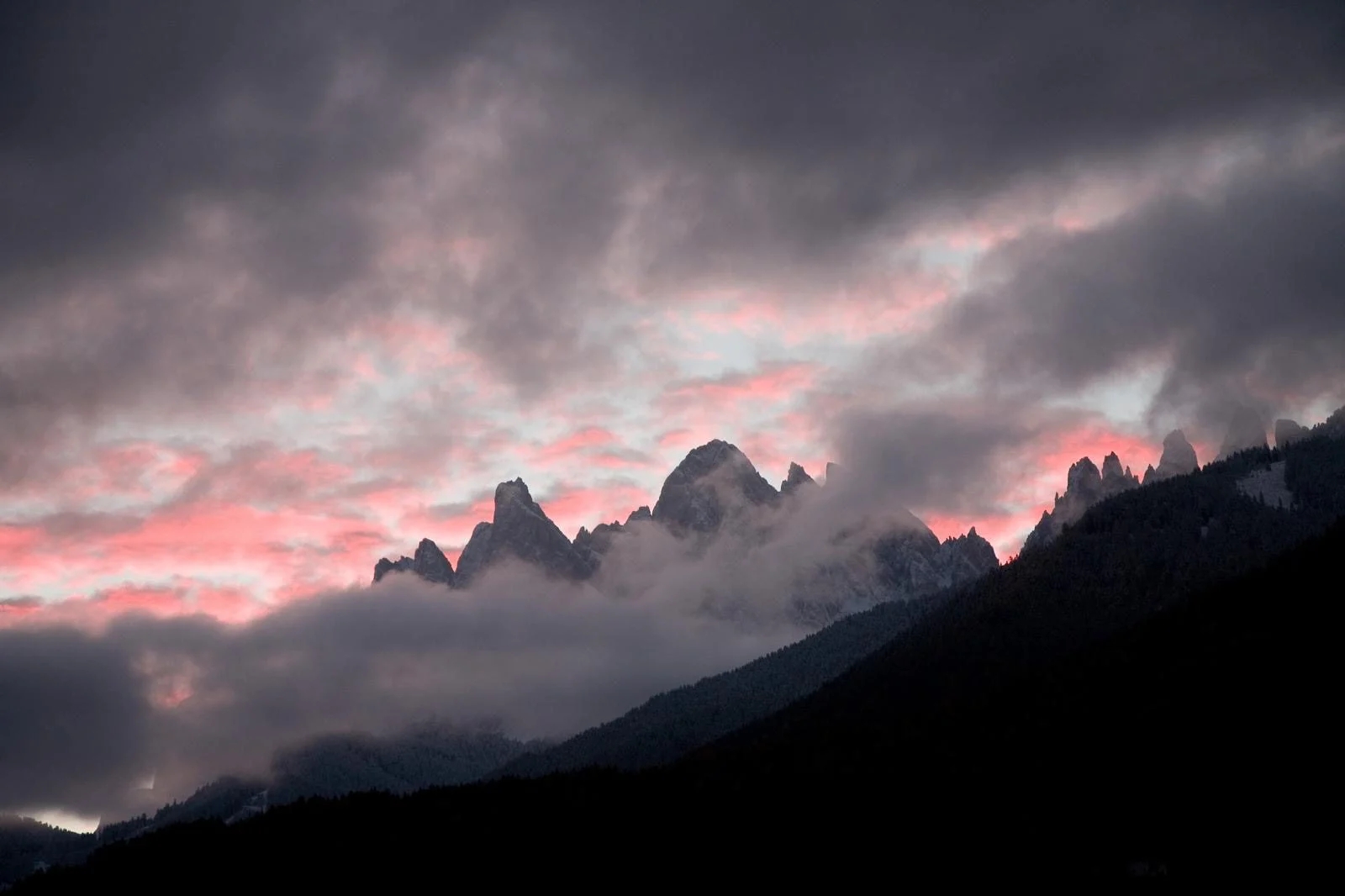
„Hot die Geisl an Huet, werds Wetter guet. Hot die Geisl an Sabel werds miserable“
South Tyrolean
hɔt di ˈɡaɪ̯sl an ˈhuːət, vɛʁts ˈvɛtɐ ɡuːt. hɔt di ˈɡaɪ̯sl an ˈzaːbl̩ vɛʁts miˈzeːʁabl̩
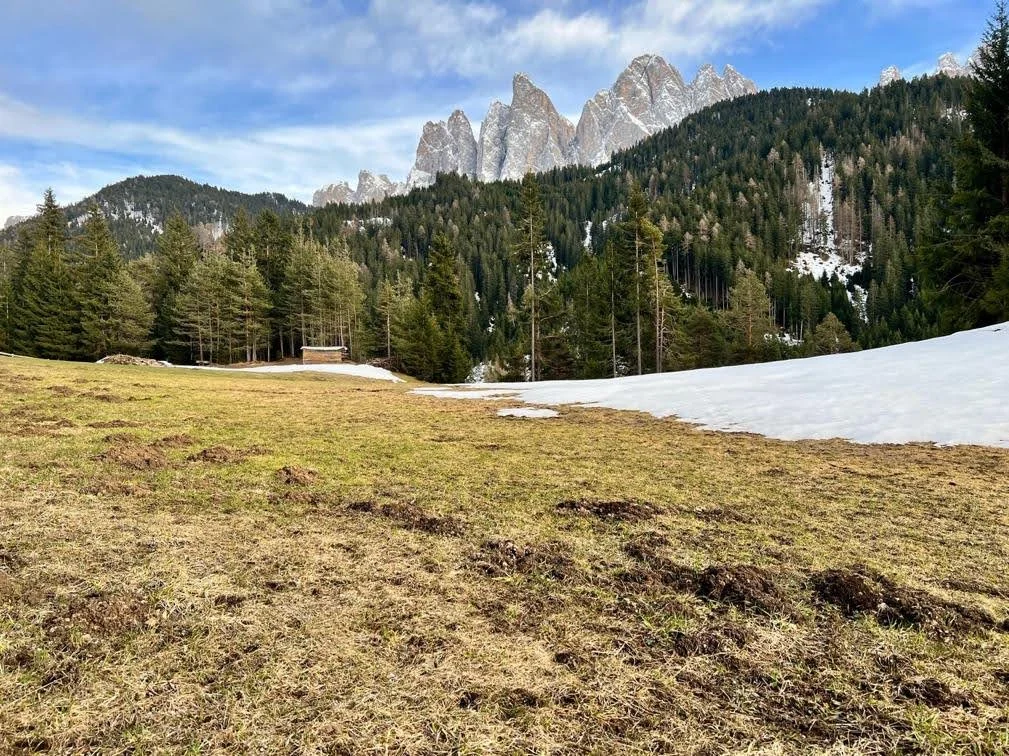
Auf den Bergen der Geißlerspitzen mit seinem höchsten Gipfel, dem „Geisl“, galt eine alte Bauernregel: Zeigt sich der Berg mit einer hutförmigen Wolke...
Eine Erweiterung des Vergleichs von Sammeln mit Jagd (zb. bei Donna Haraway). Hier wird extern ein Rahmen vorgegeben und die zu sammelnden Bilder etc....
Héritage conceptuel de la traite négrière transatlantique qui fait allusion aux Afro-Brésilien-ne-s en Afrique. De façon générale, il désigne les desc...
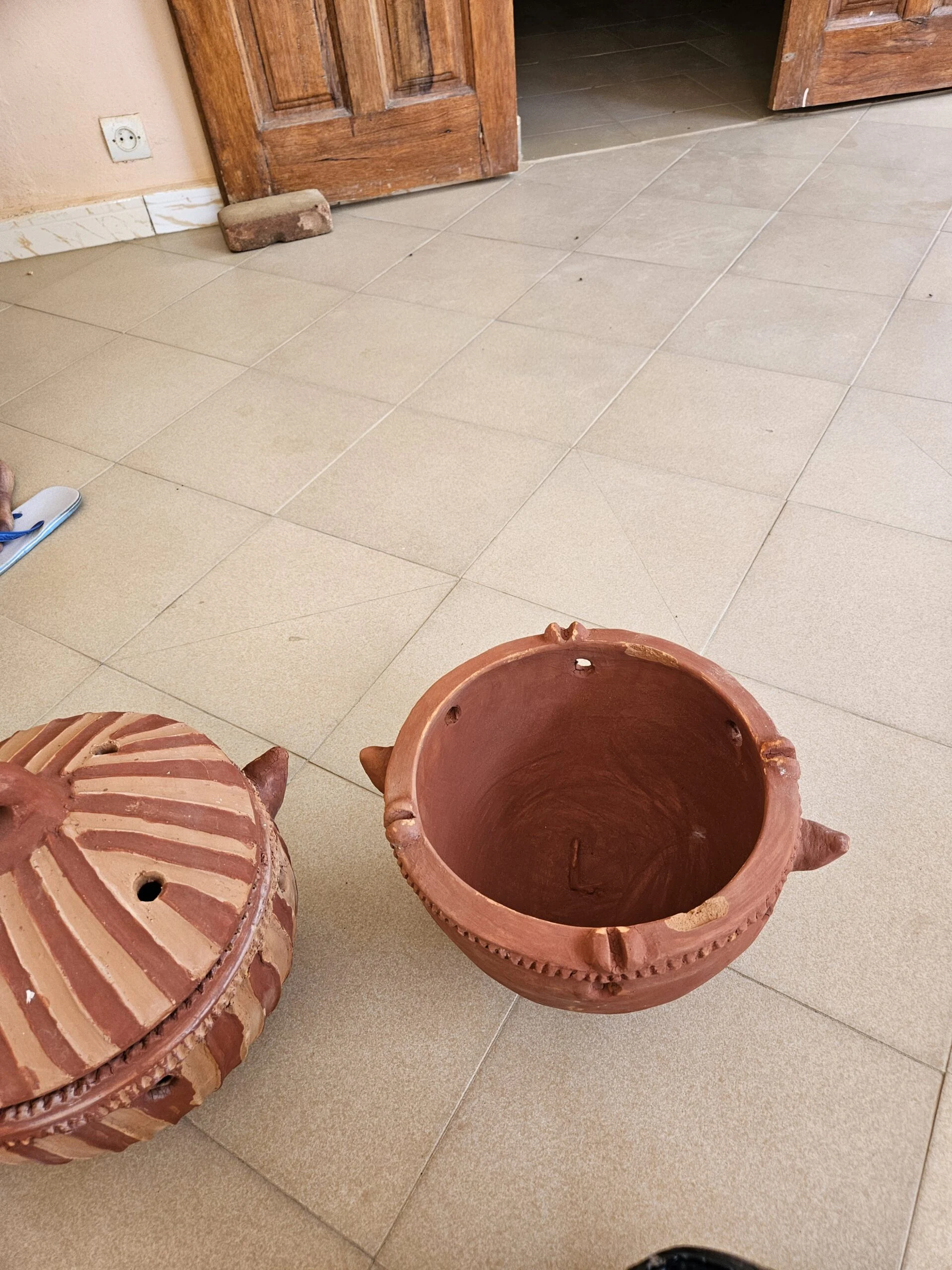
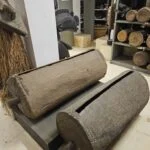
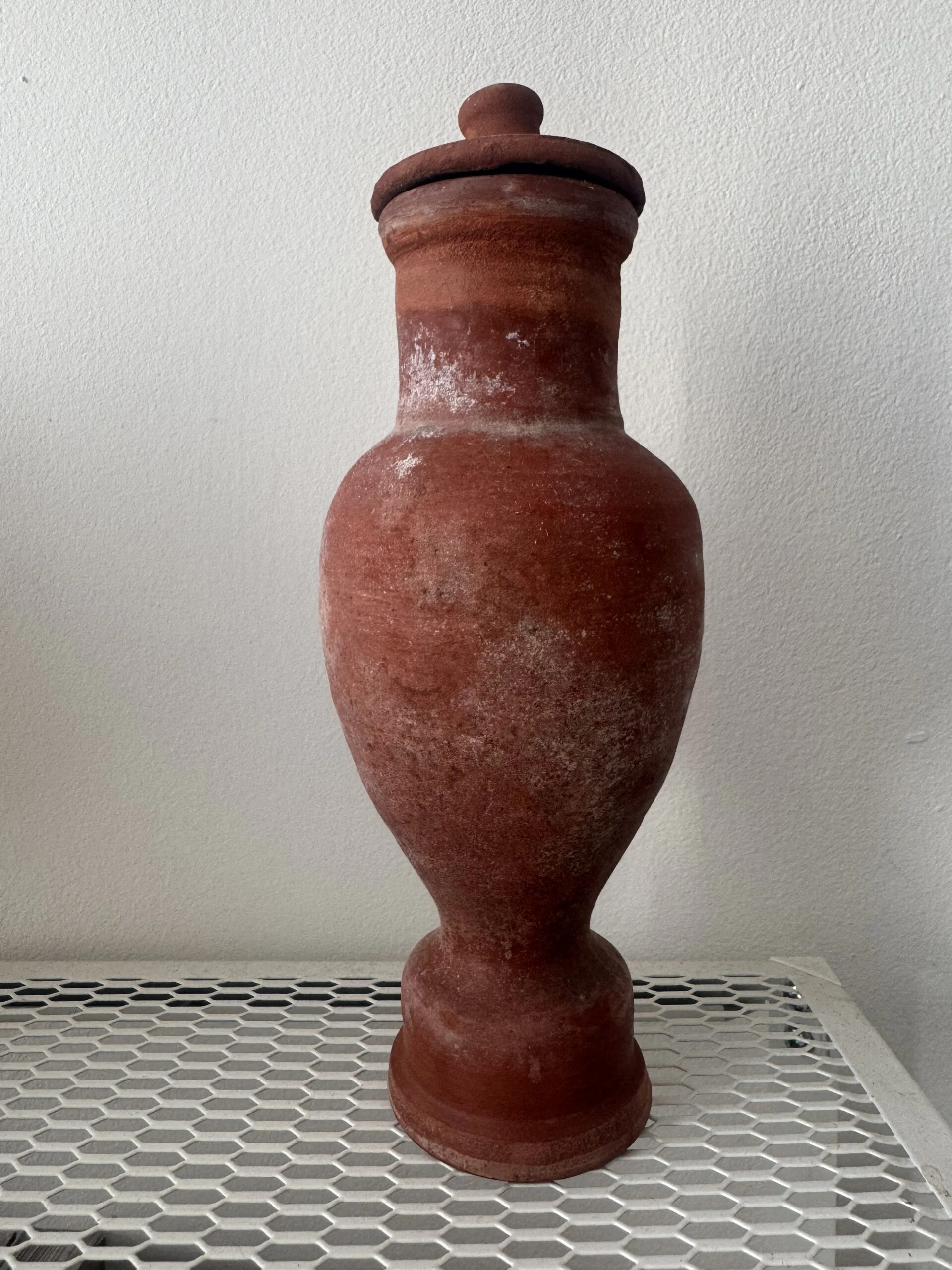
A pottery container used to incense the different rooms of the house with a product called thiouraye. It is made from the bark of well-dried plants so...
Аруақ – қайтыс болған ата-баба жаны, олар тіріні қолдап, қорғайды деп есептеледі. Аруақтар отбасы мәселелерінде де, соғыс сияқты ірі тарихи оқиғаларда...
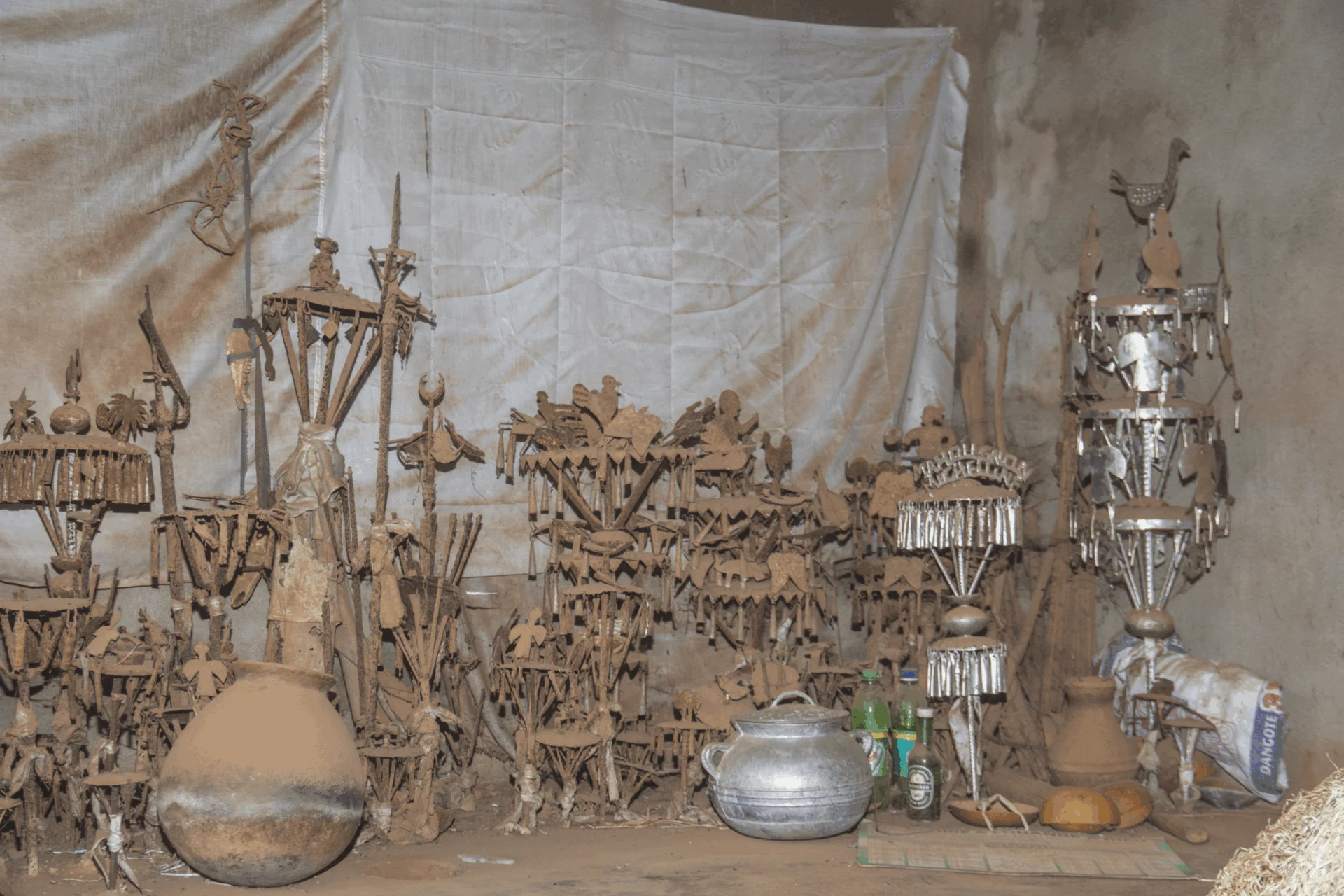
Originellement issu du Fɔ̀ngbè, le terme désigne un autel portatif fait de métal principalement, et réalisé pour commémorer un-e défunt-e qui, de son ...
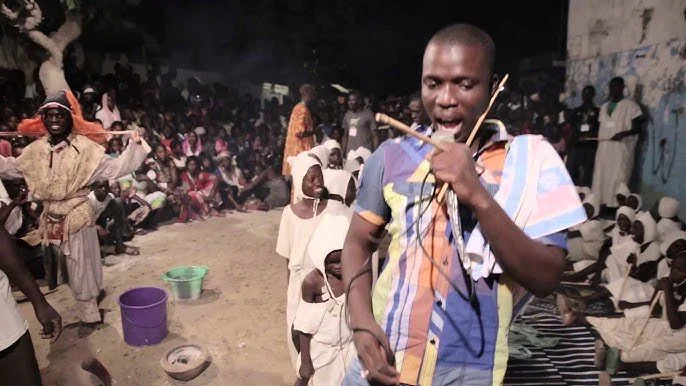
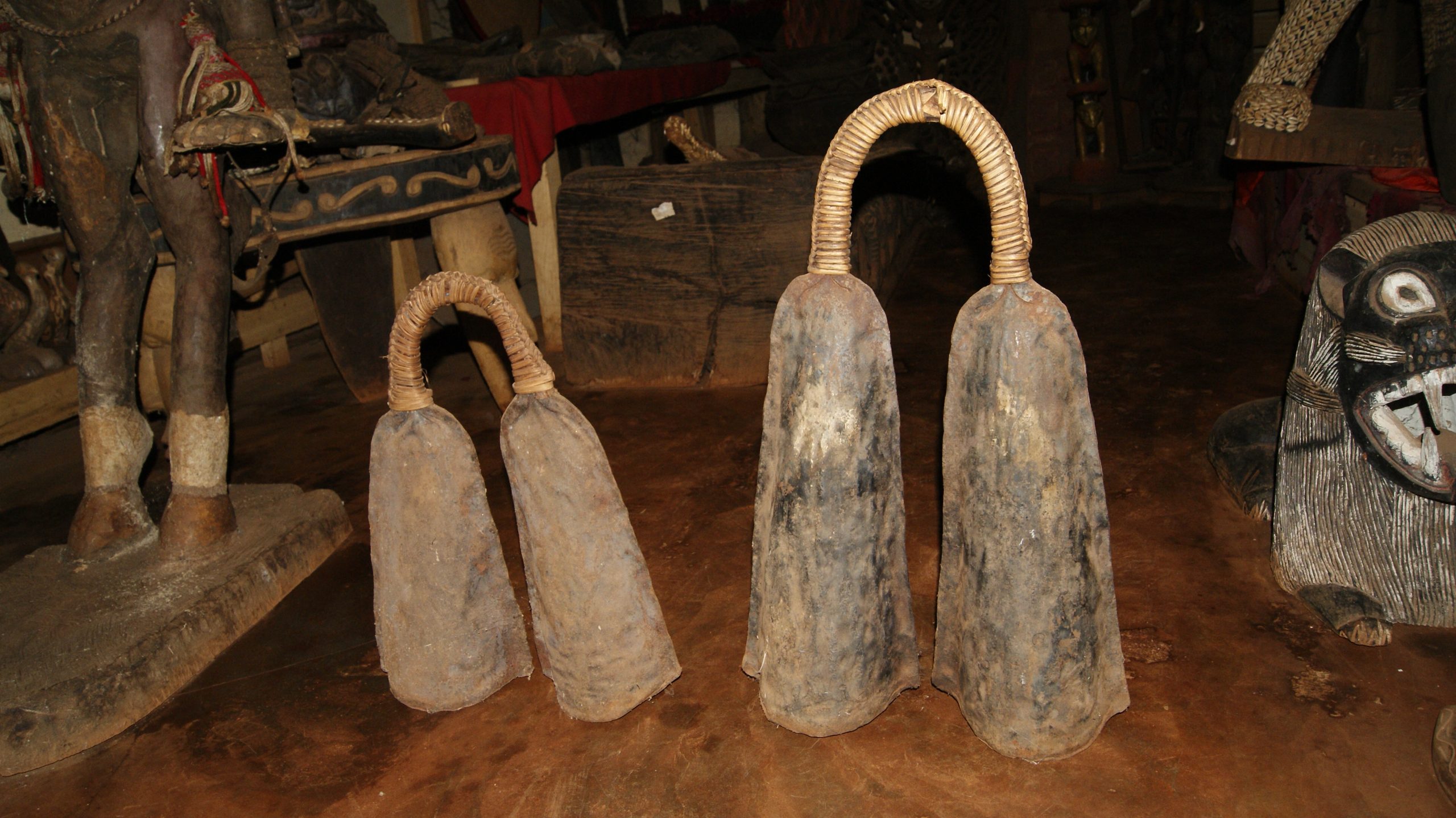
A musical instrument used by the Géwél (griots) during festivals, celebrations, or traditional dance rituals. The dancers move to the beat, swaying an...
Ата-баба – ұрпақтар сабақтастығын сақтап, отбасы мен ұлттық дәстүрді жалғастыруда маңызды рөл атқарады. Бұл ұғым ата-бабаға, сондай-ақ тікелей алдыңғы...
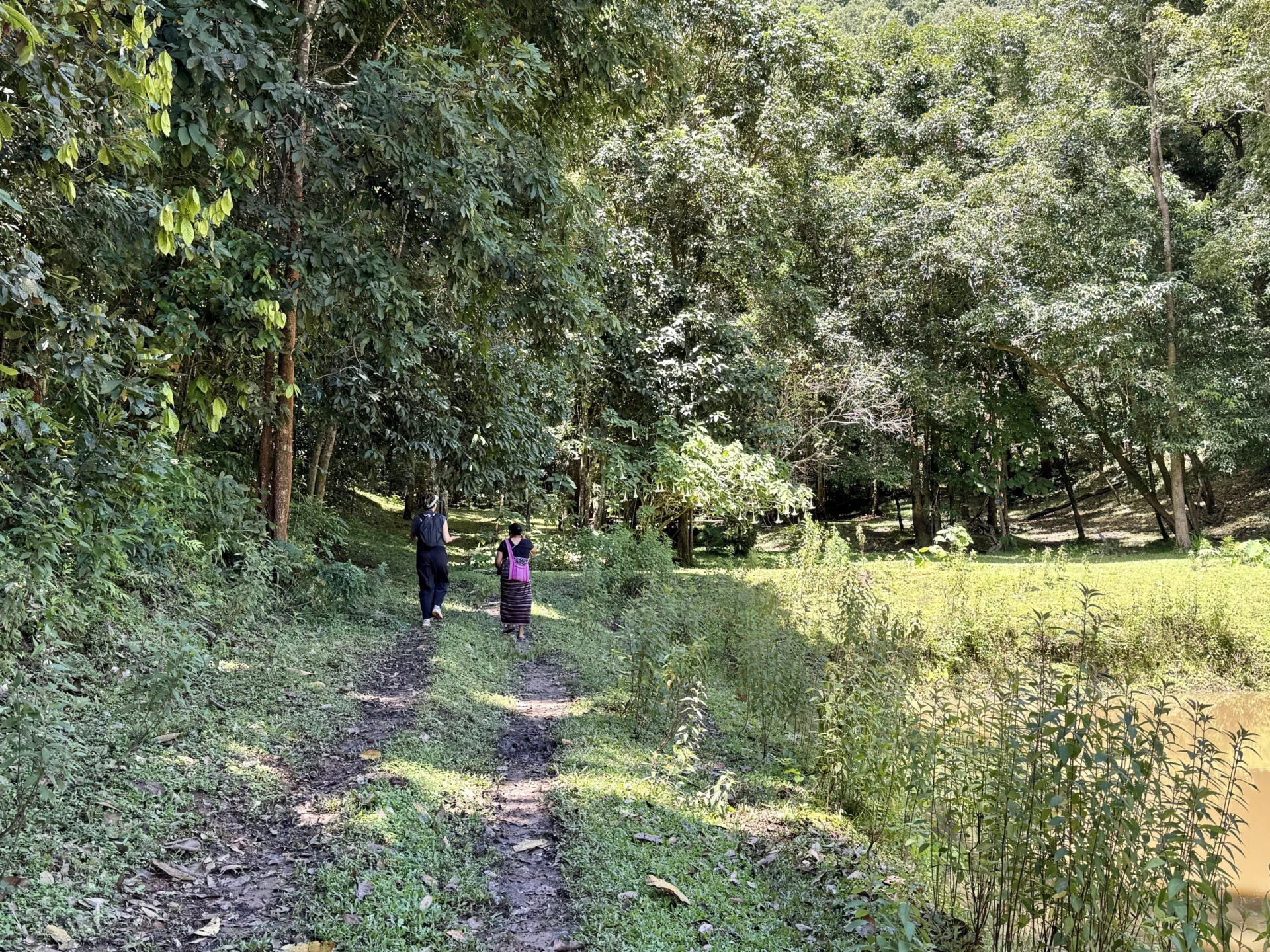
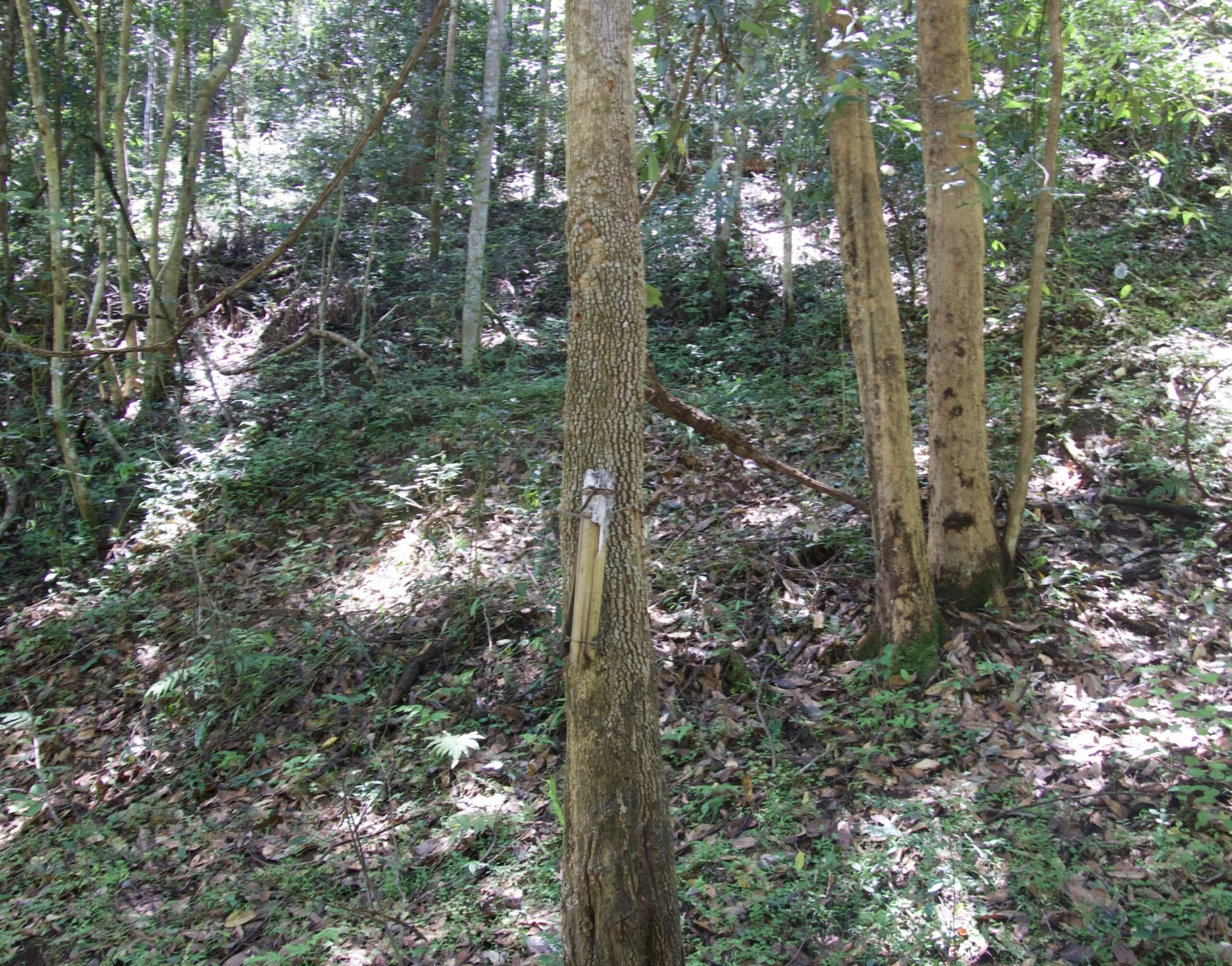
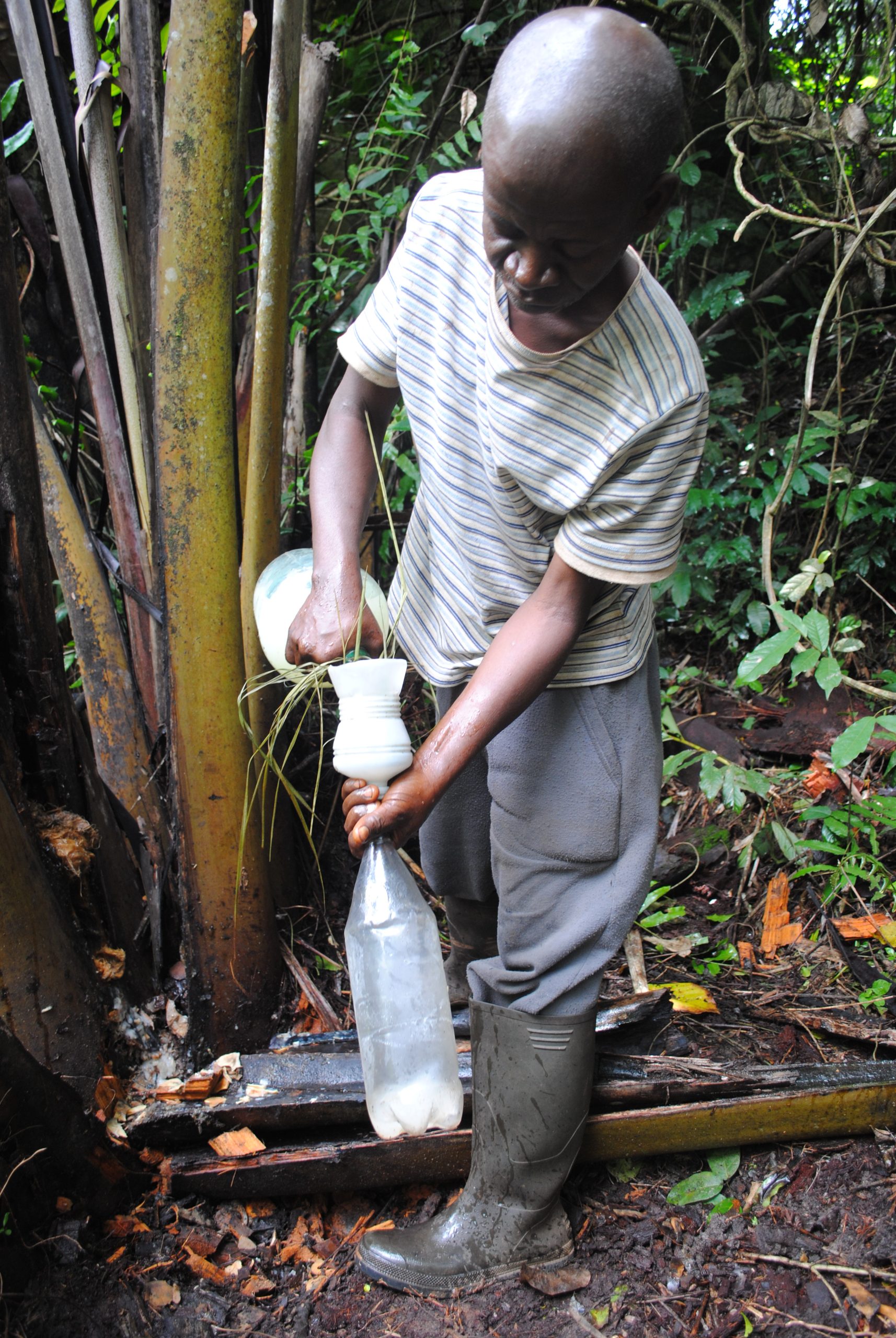
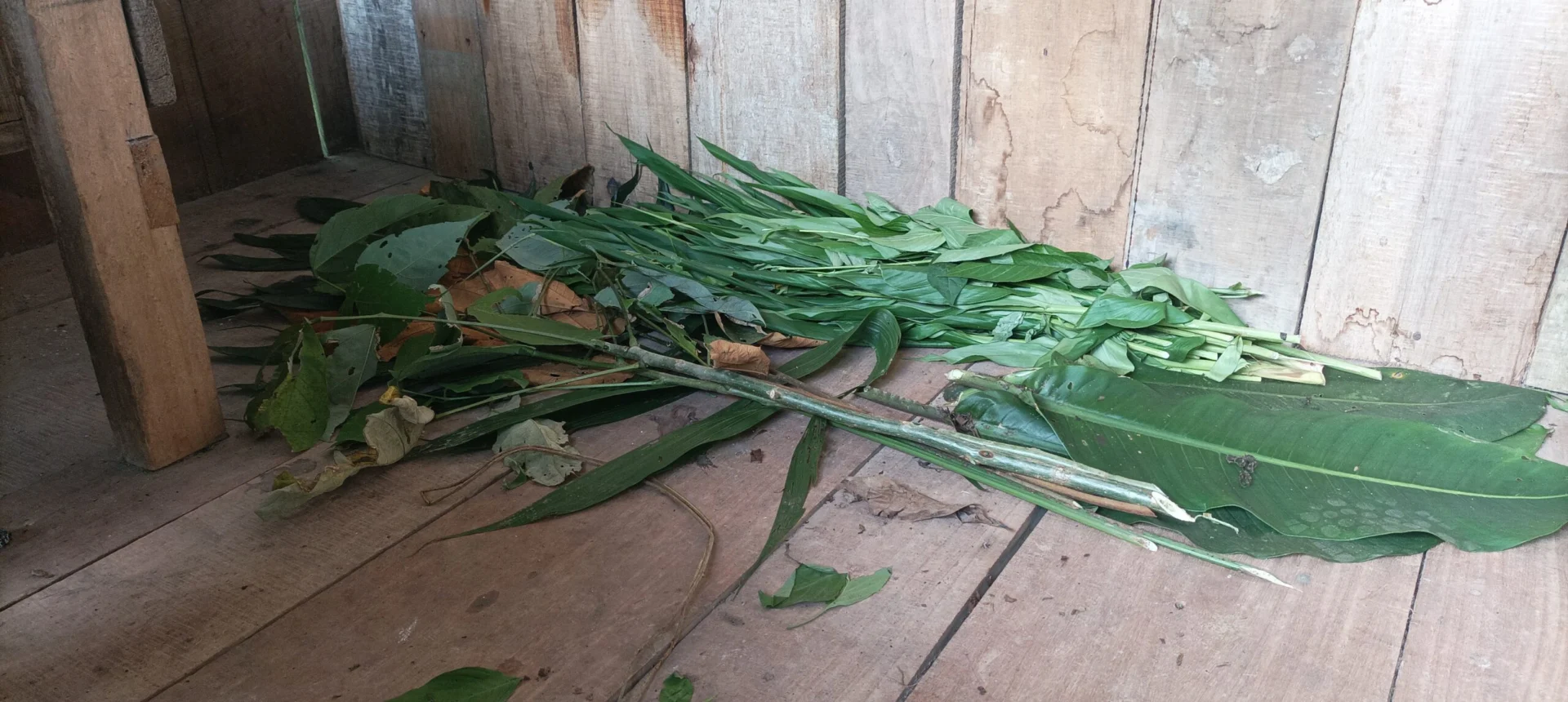
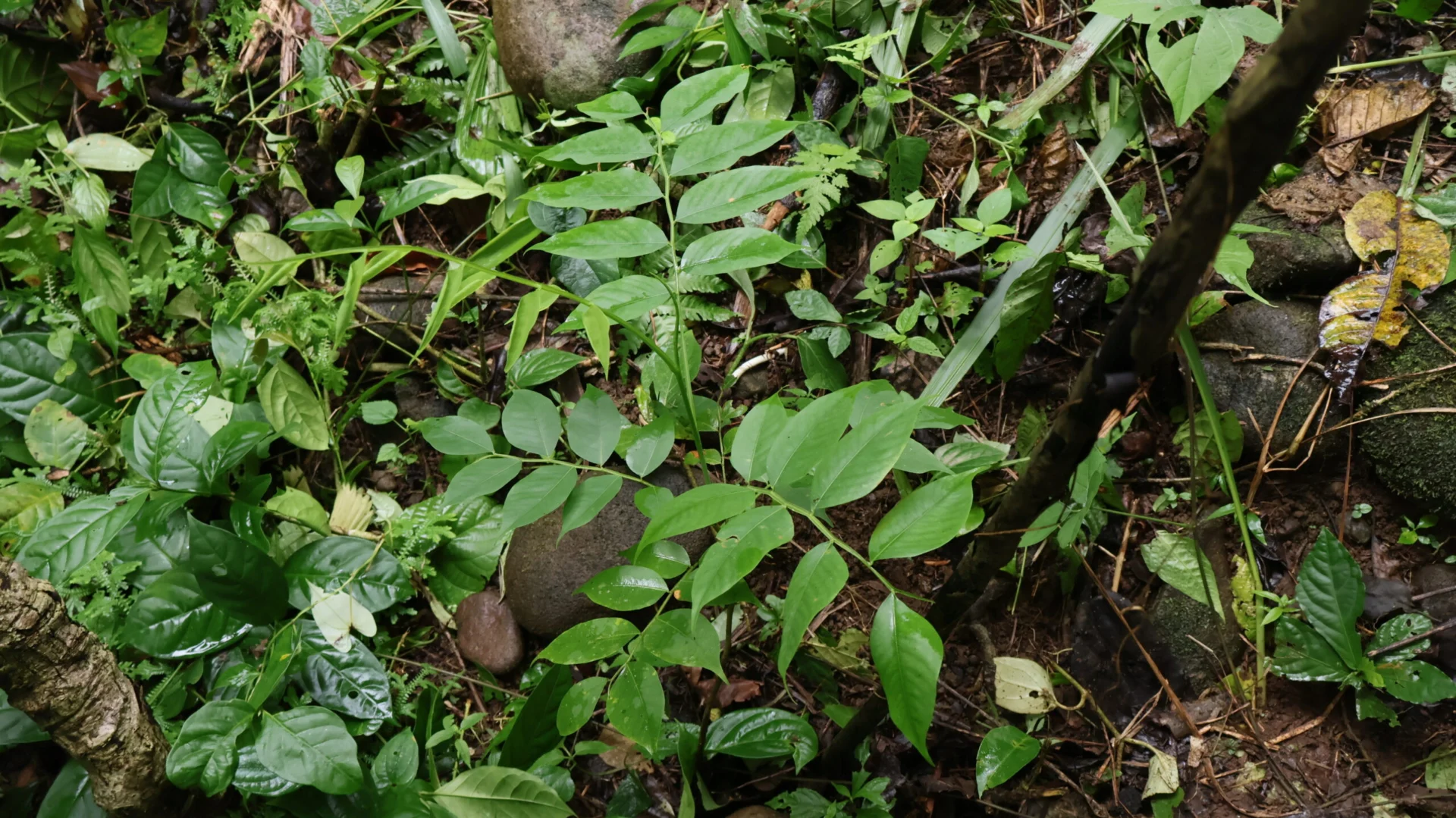
In relation to asking for permission and living with the forest, Pga K’Nyaw have this saying: “Aw Kaw, Kaw Doh Kaw; Aw Tee, Kaw Doh Tee”. It means "ea...
Axé is the concept that every being and thing intrinsically has axé, which was bestowed on them by Olódùmarè, the central god of the Yoruba people. Th...
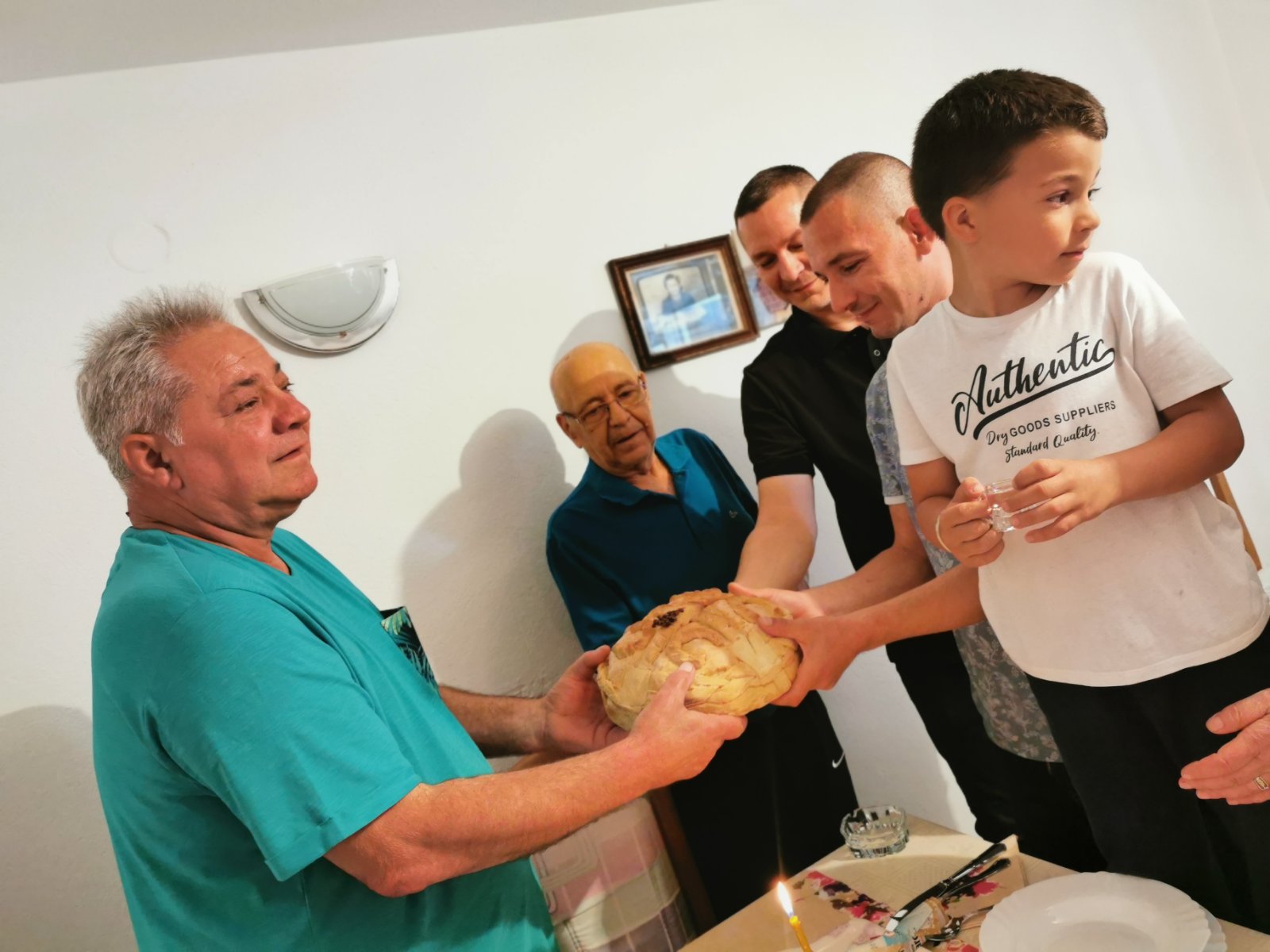
Među hrišćanima na Balkanu, jedan od najznačajnijih praznika u folklornom smislu je Badnji dan (dan uoči Božića). Etimološki, riječ badnjak može nasta...
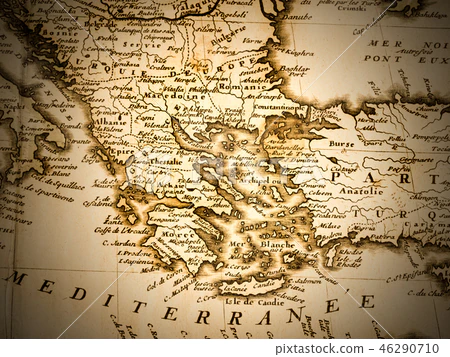
The term ‘Balkanism’ has multilayered meaning. First, it can be understood as an academic discourse, defined by Maria Todorova (Imagining the Balkans,...
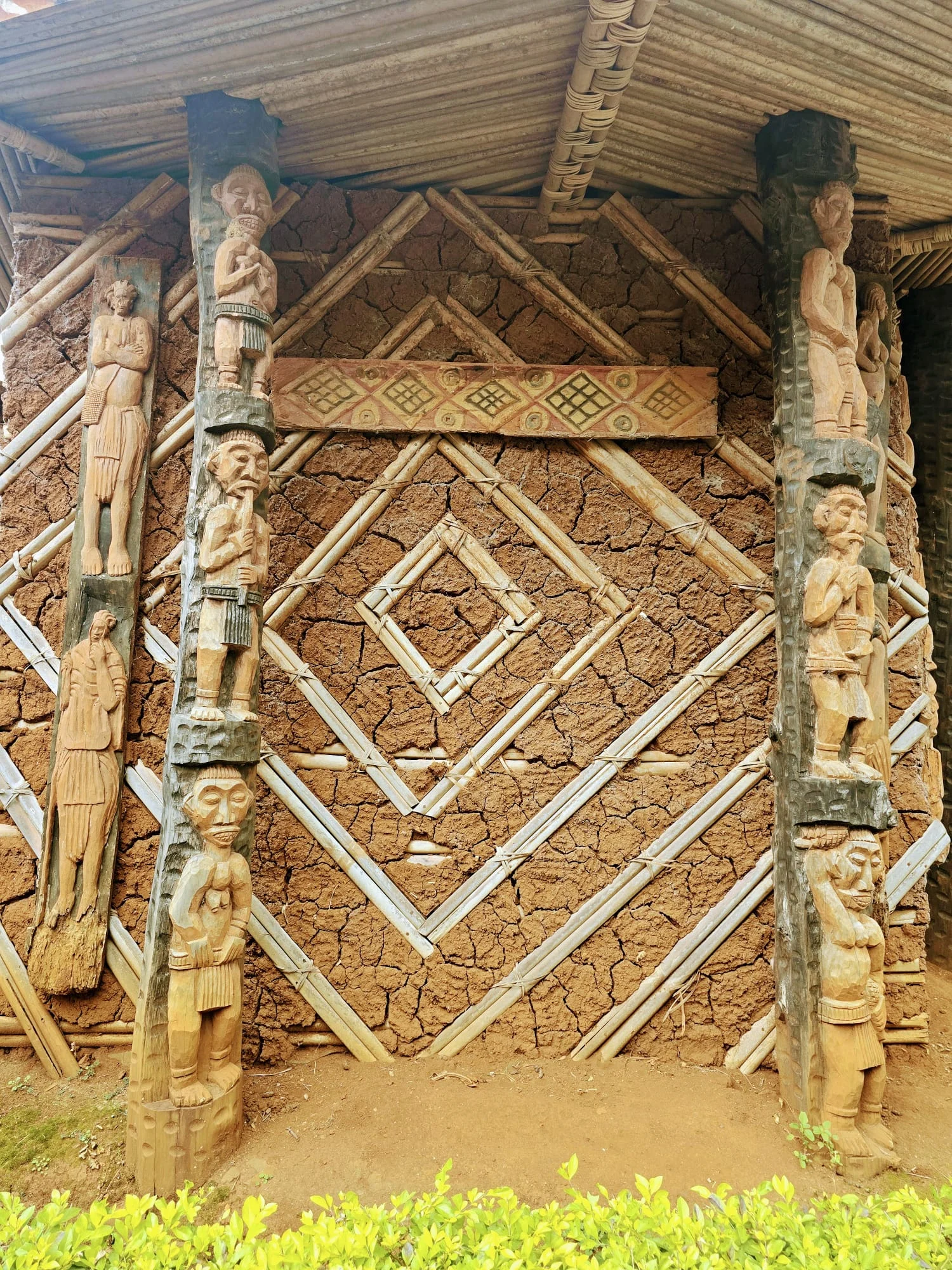
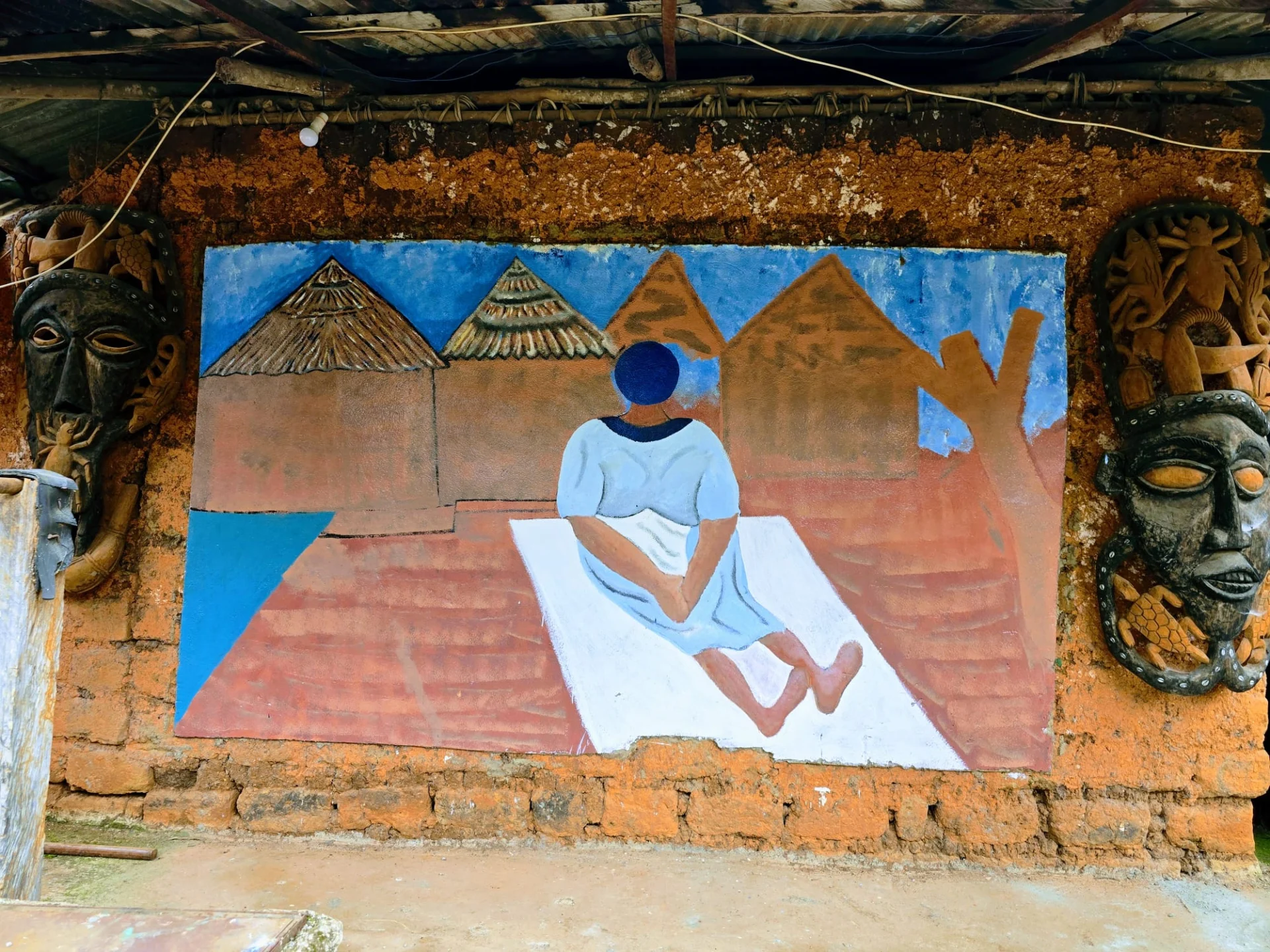
Sculptures réalisées de façon qu’elles saillent d’un fond (tel qu’un mûr, bois, ou plâtre) et qui, pour la plupart, symbolisent des emblèmes royaux ou...
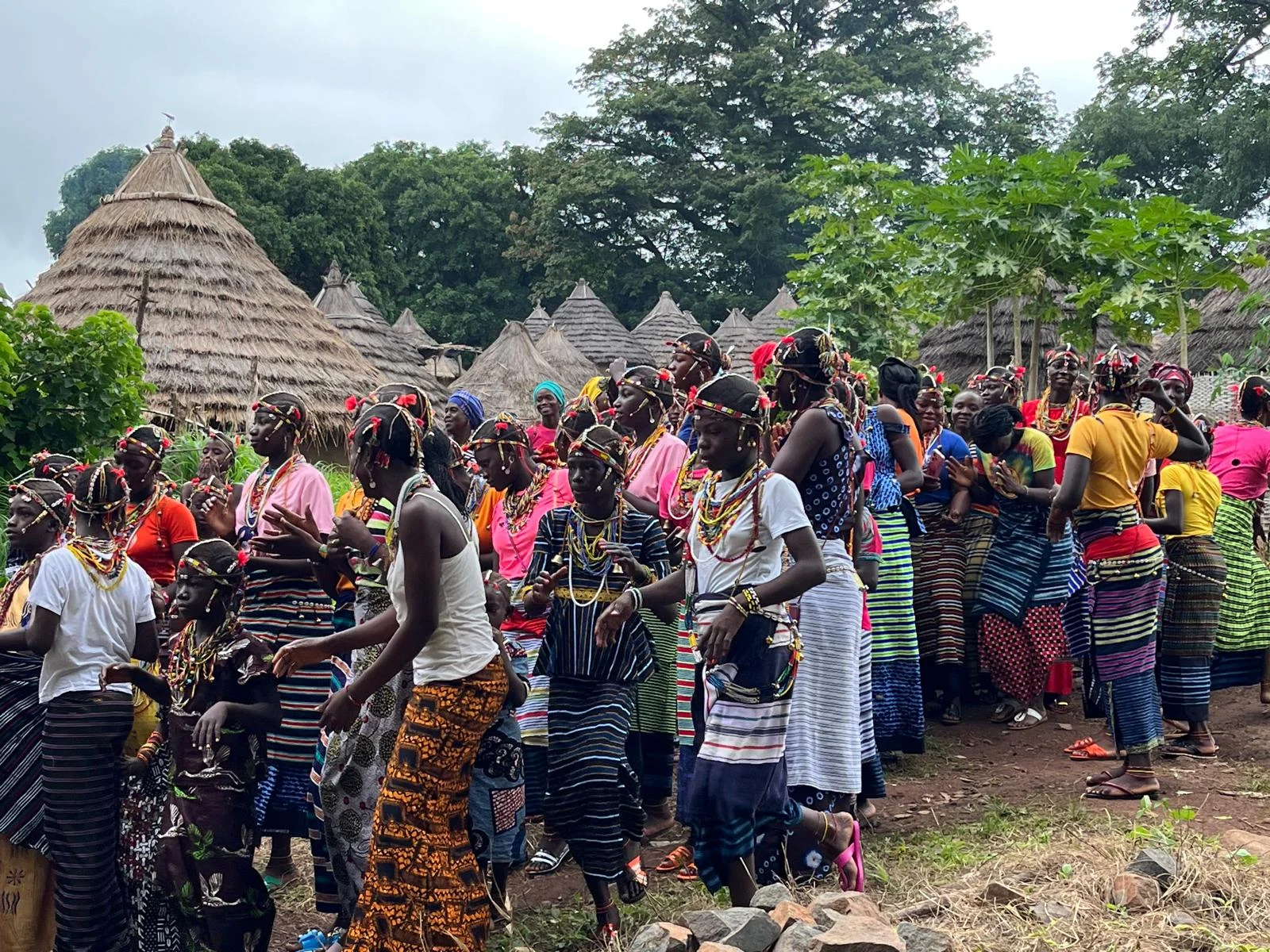
Animist people from the Kédougou region (South-East Senegal). Their religion is subject to stereotypes, as is the case for other religions, such as Vo...
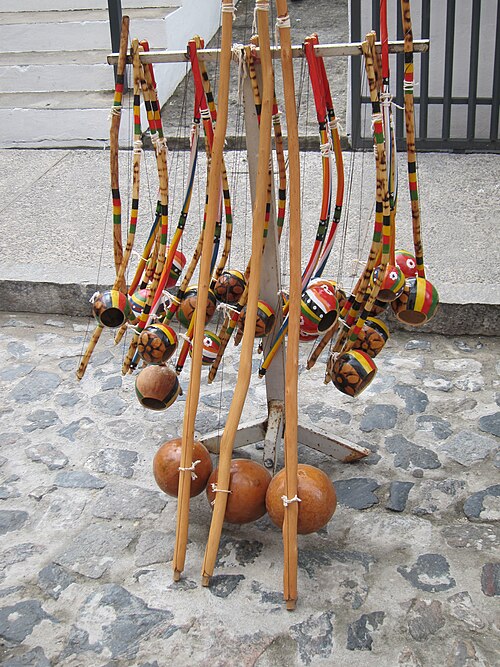
The Bermibau is one of the central instruments of Capoeira, a Brazilian martial art. Its origin can be traced back to Angola. This instrument, made wi...
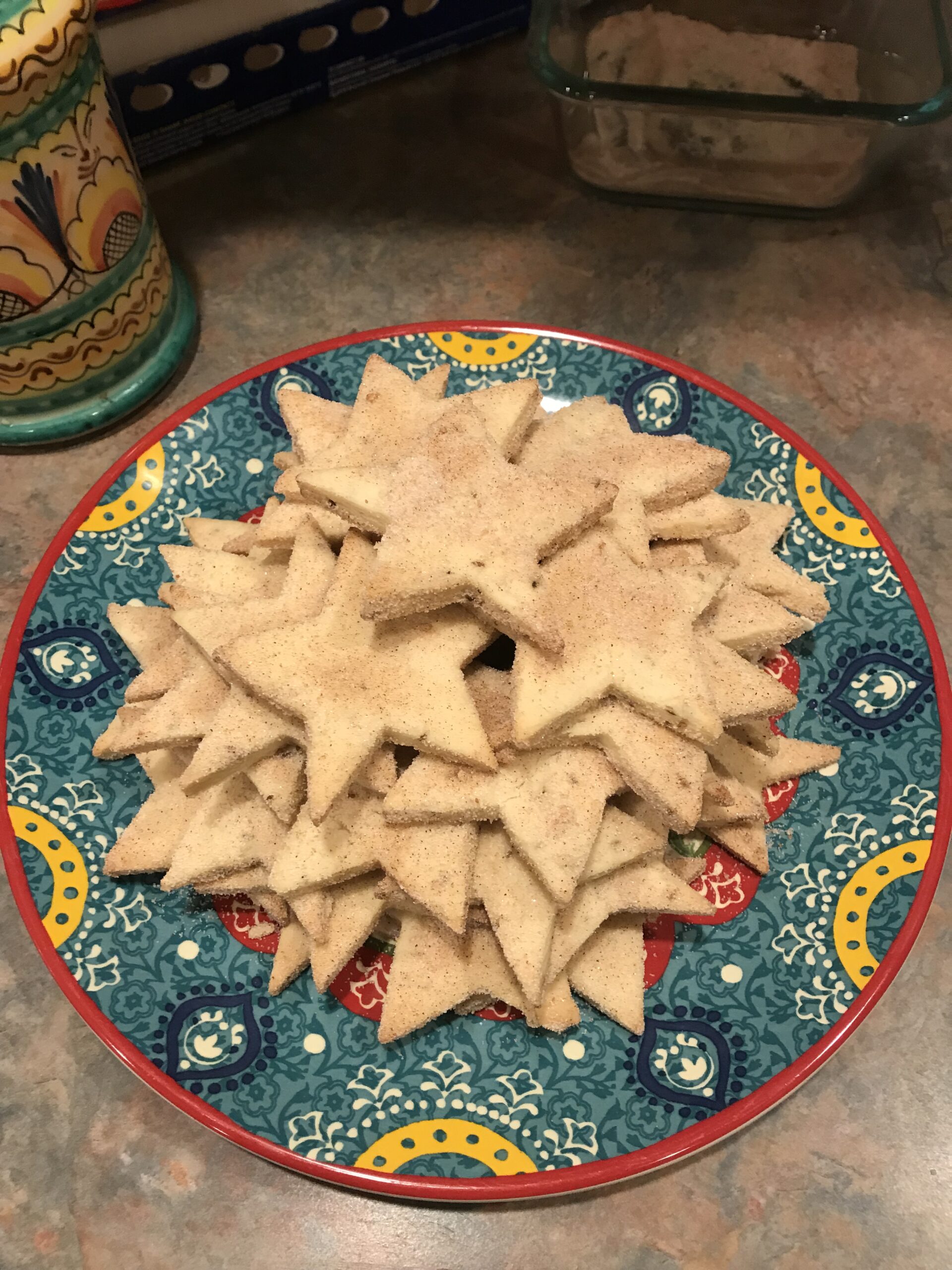
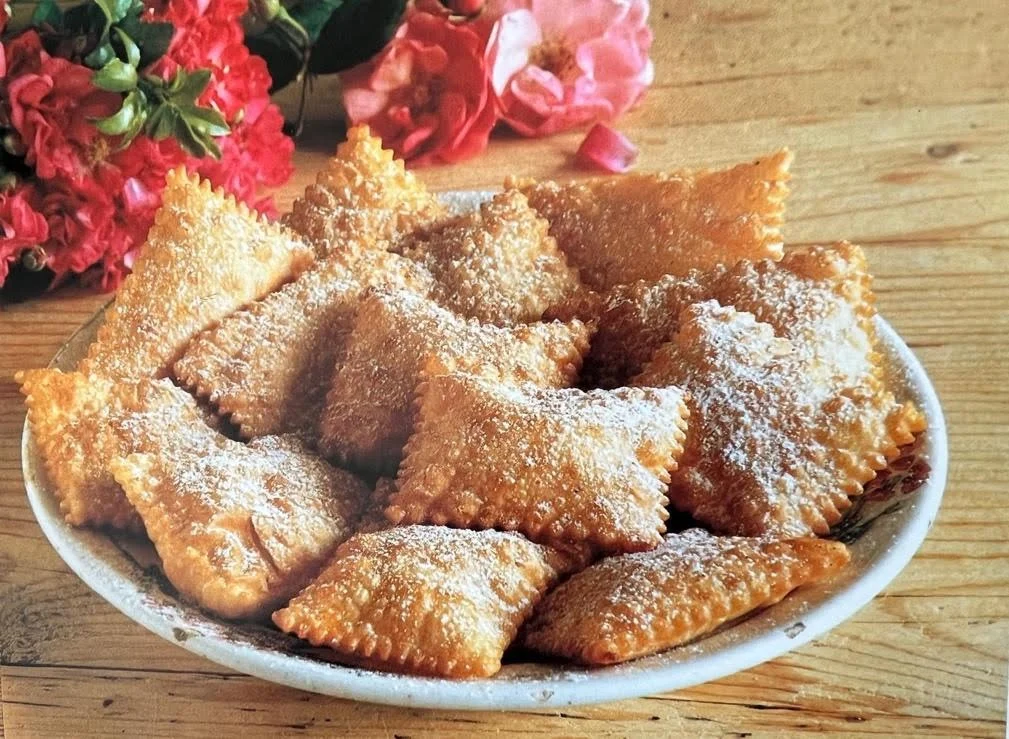
Biscochitos (sometimes spelled bizcochitos) are a short-bread-type cookie originating from New Mexico in the southwestern United States. The lard-base...
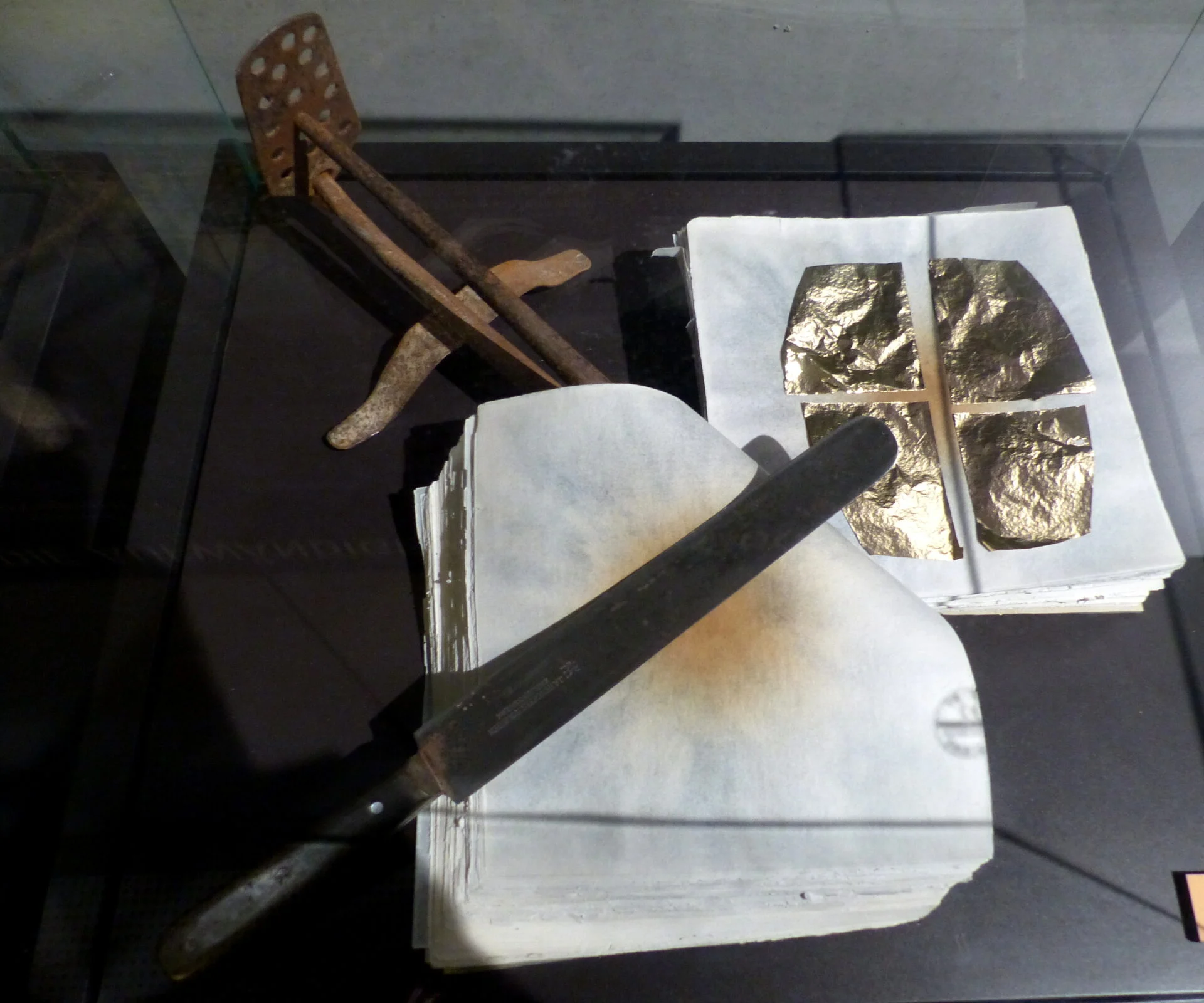
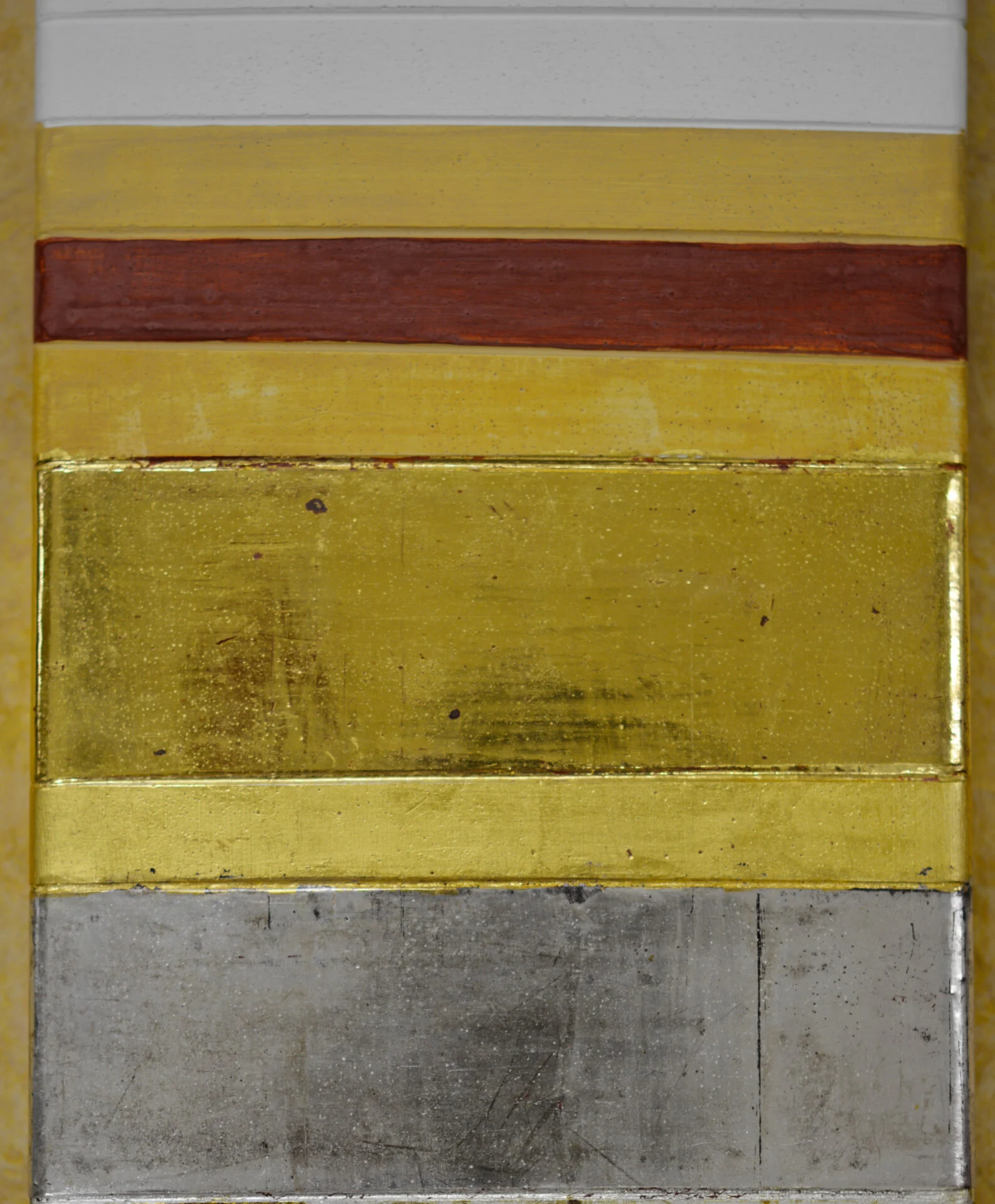
Das Goldschlägerhandwerk wurde 2018 von der UNESCO zum immateriellem Kulturerbe Österreichs erklärt. Nur noch eine Werkstatt in Wien versorgen Vergold...
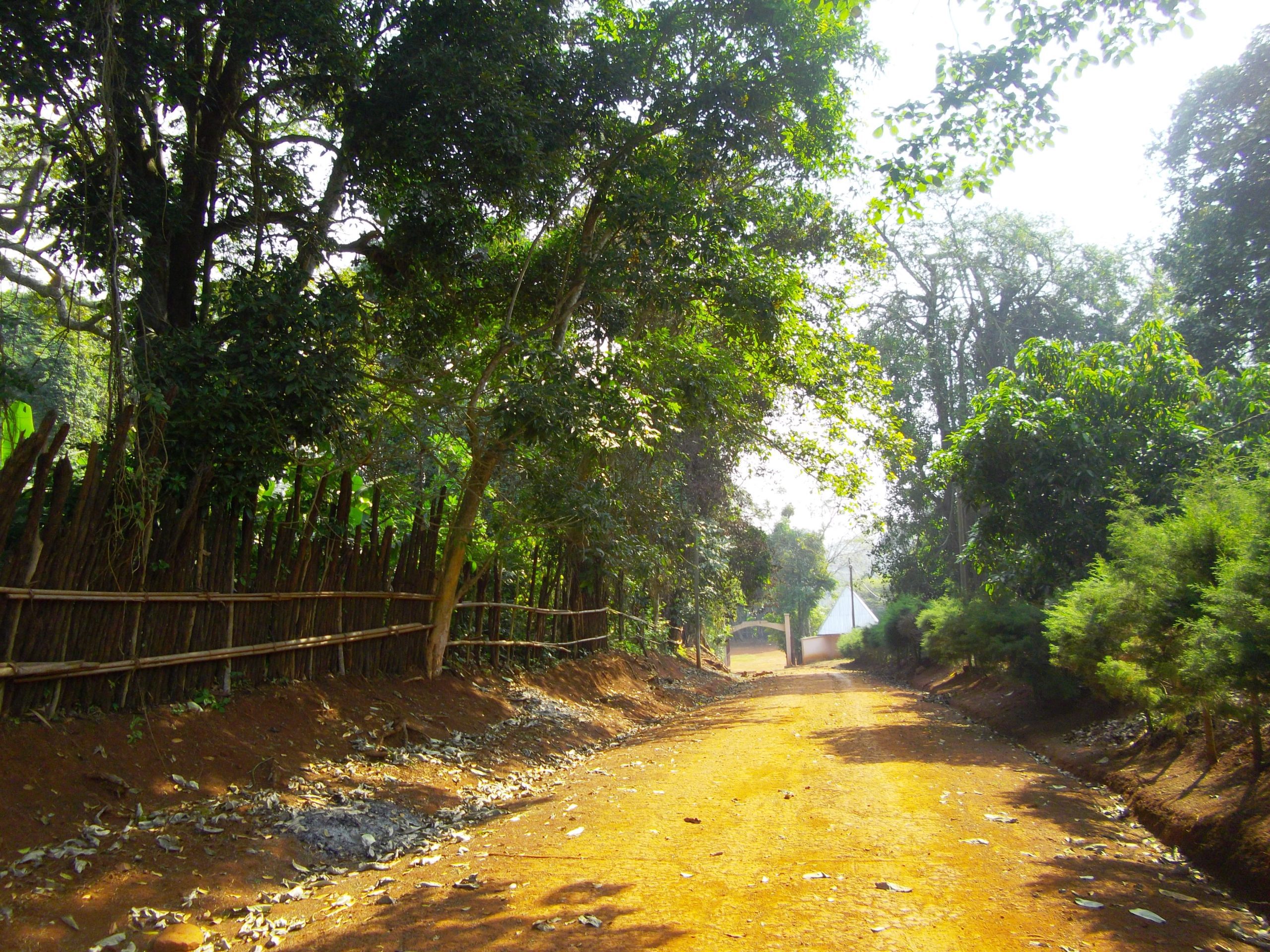
Forme de barrière ou de clôture séparant à la fois les cases principales des concessions* des plantations, puis les propriétés entre elles. Il y a plu...
Statuette taillée dans plusieurs matériaux comme le bois, le métal, ou les ossements. Il peut être de caractère anthropomorphe, représentant une perso...
Mot en langue fɔ̀ngbè désignant la personne qui « interprète le message du Dieu Mawu Ségbolissa » (Amouzouvi 2024, 63). Iel dispose des savoirs relati...
Owner or master. Boroom refers to a figure of authority, a protector or head of the family, charged with benevolently watching over others. The term a...
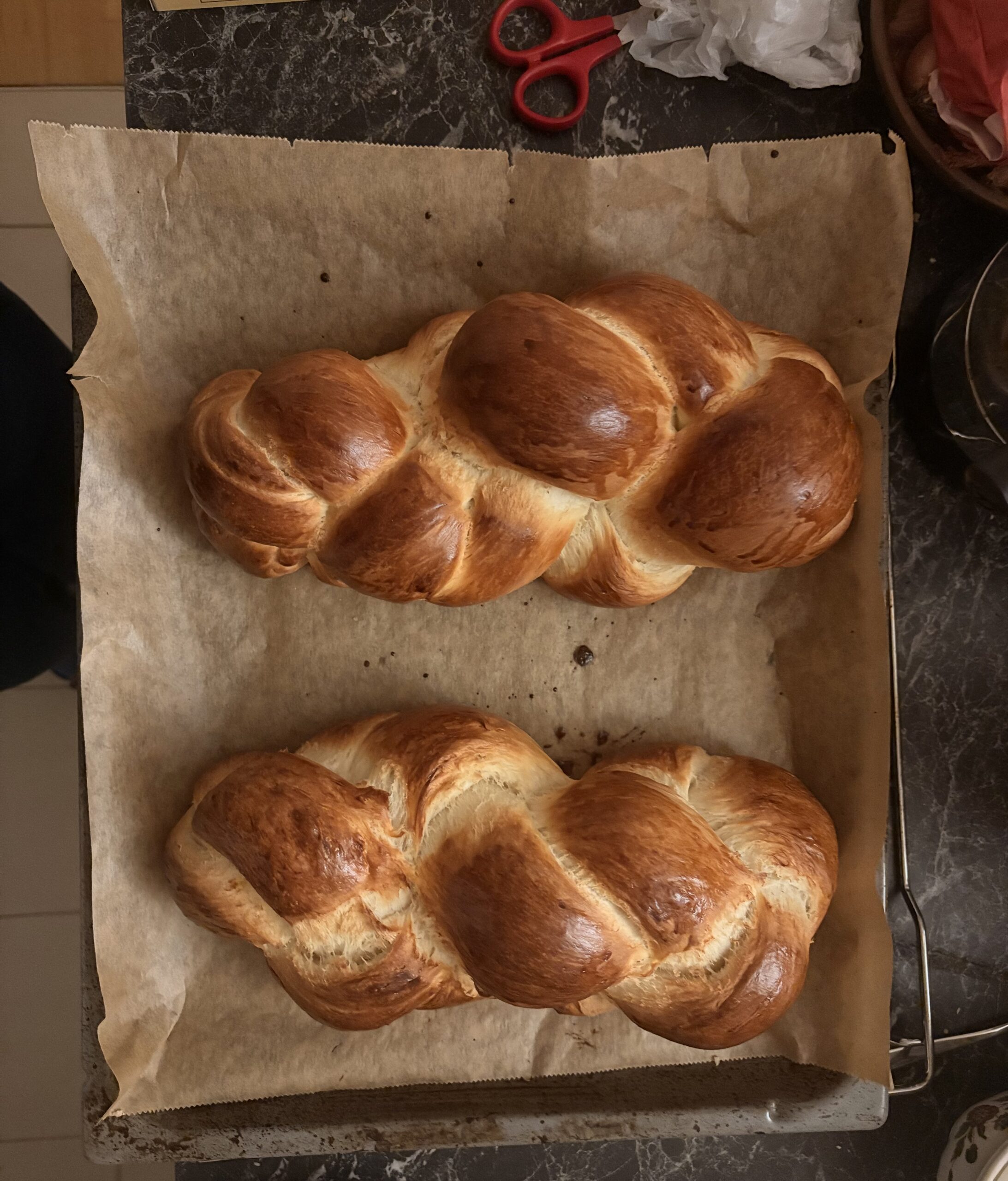
Butterzopf (Standard German) is a braided loaf of bread typically made from flour, milk, butter, yeast, and salt and brushed with egg before baking, a...
This term referred to the royal function in Senegal. In addition, kings had titles that were specific to the former pre-colonial territories of Senega...
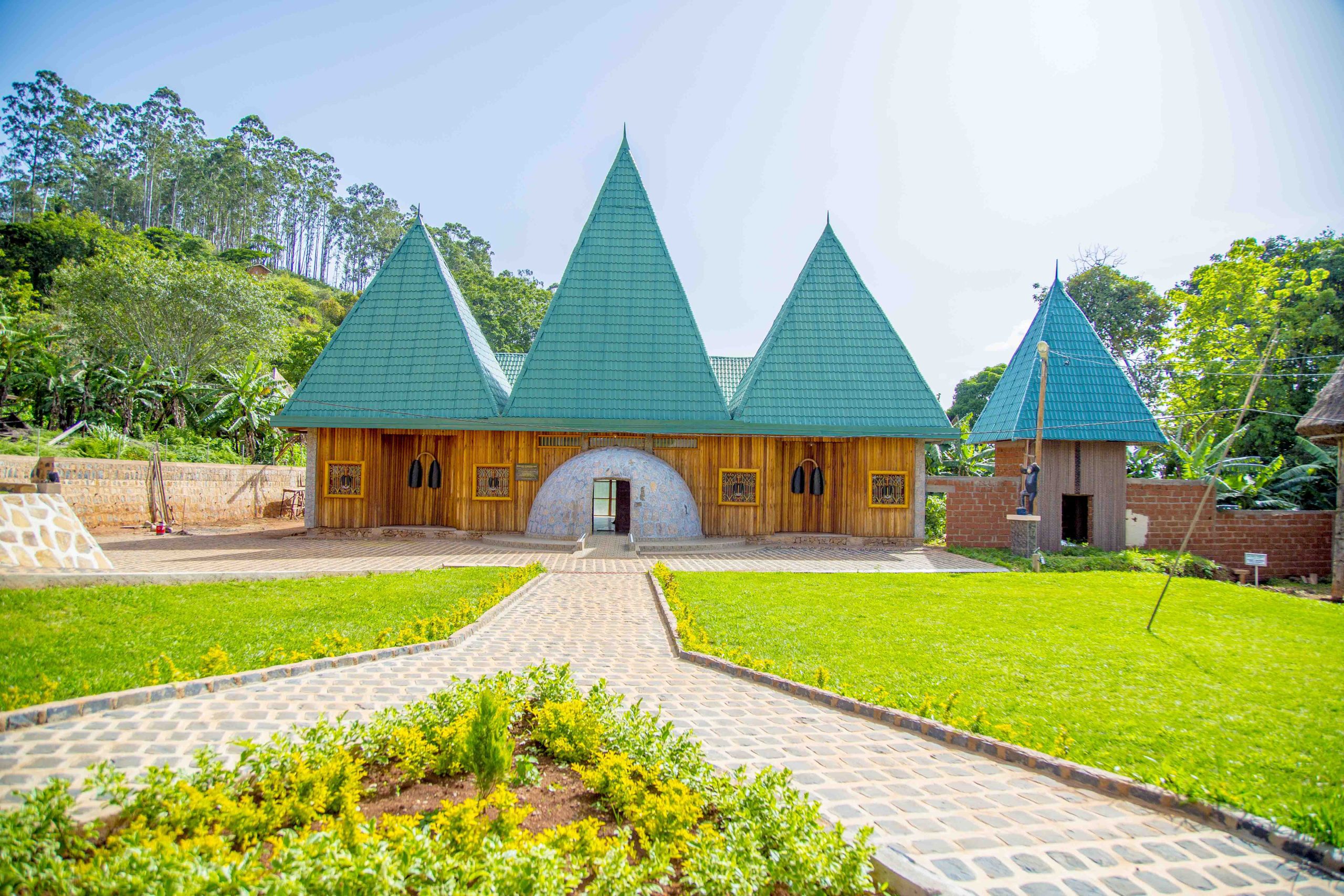
Nom d'un label créé par La Route des Chefferies. C'est un programme dédié à la sauvegarde et à la promotion du patrimoine des chefferies de l'ouest du...
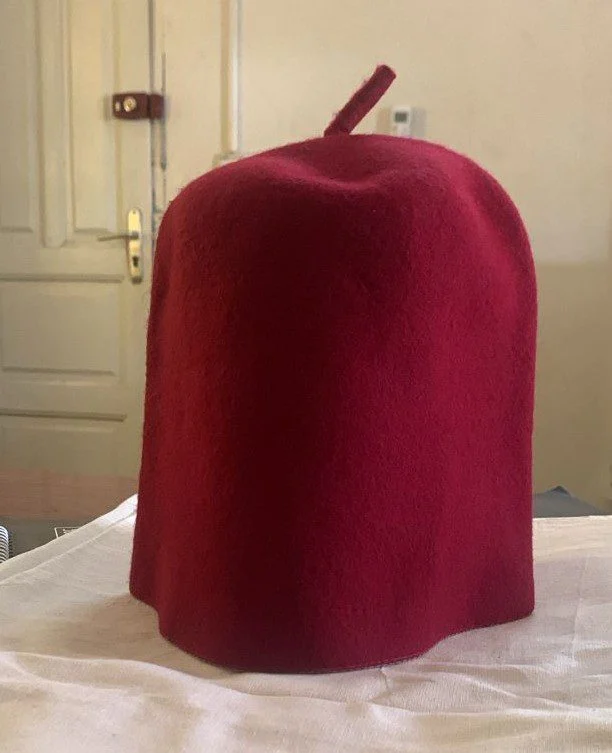
Square cap worn by men and women alike. This word, of North African origin, is rejected by certain Senegalese socio-cultural groups, who use Mbakhana*...
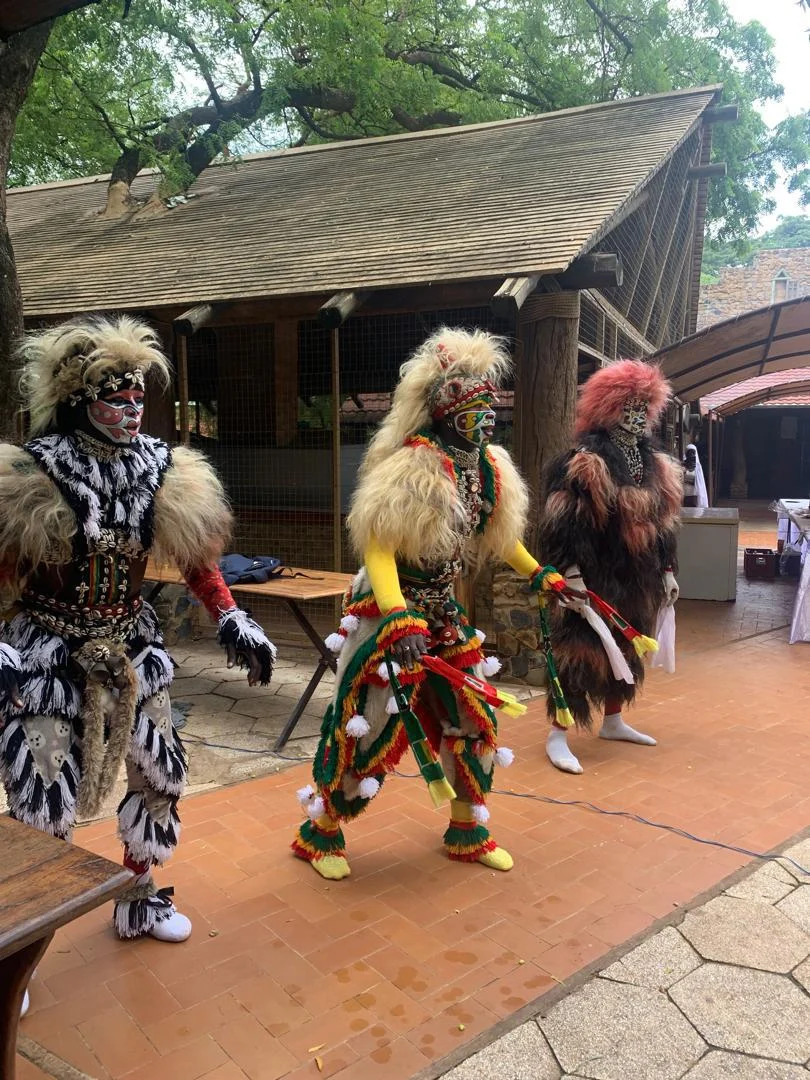
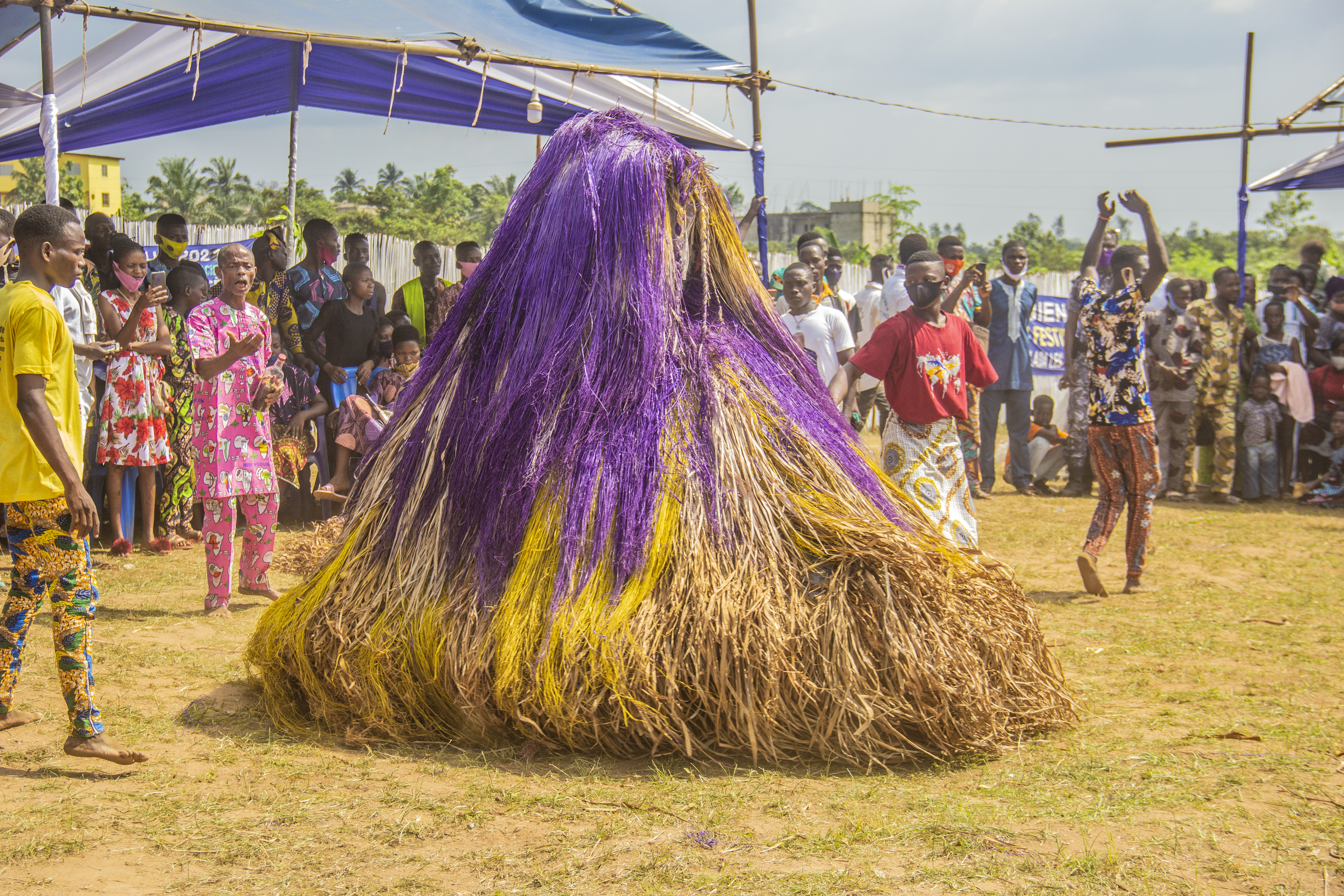
Animal representation worn during ceremonies to symbolize agricultural values. Originally from Mali, the Ciwara is a symbol of fertility and productiv...
Appelés akɔ en Fɔ̀ngbè, oriki en Yoruba, et hwɛnnyi en Gungbé, les panégyriques claniques au Bénin sont répandus dans les clans Ahantun, Ananu, Ayato,...
Conservation is not just about words, it is also about rituals. For example, in Pga K’Nyaw, we have the “De Paw” or umbilical cord. The De Paw is conn...
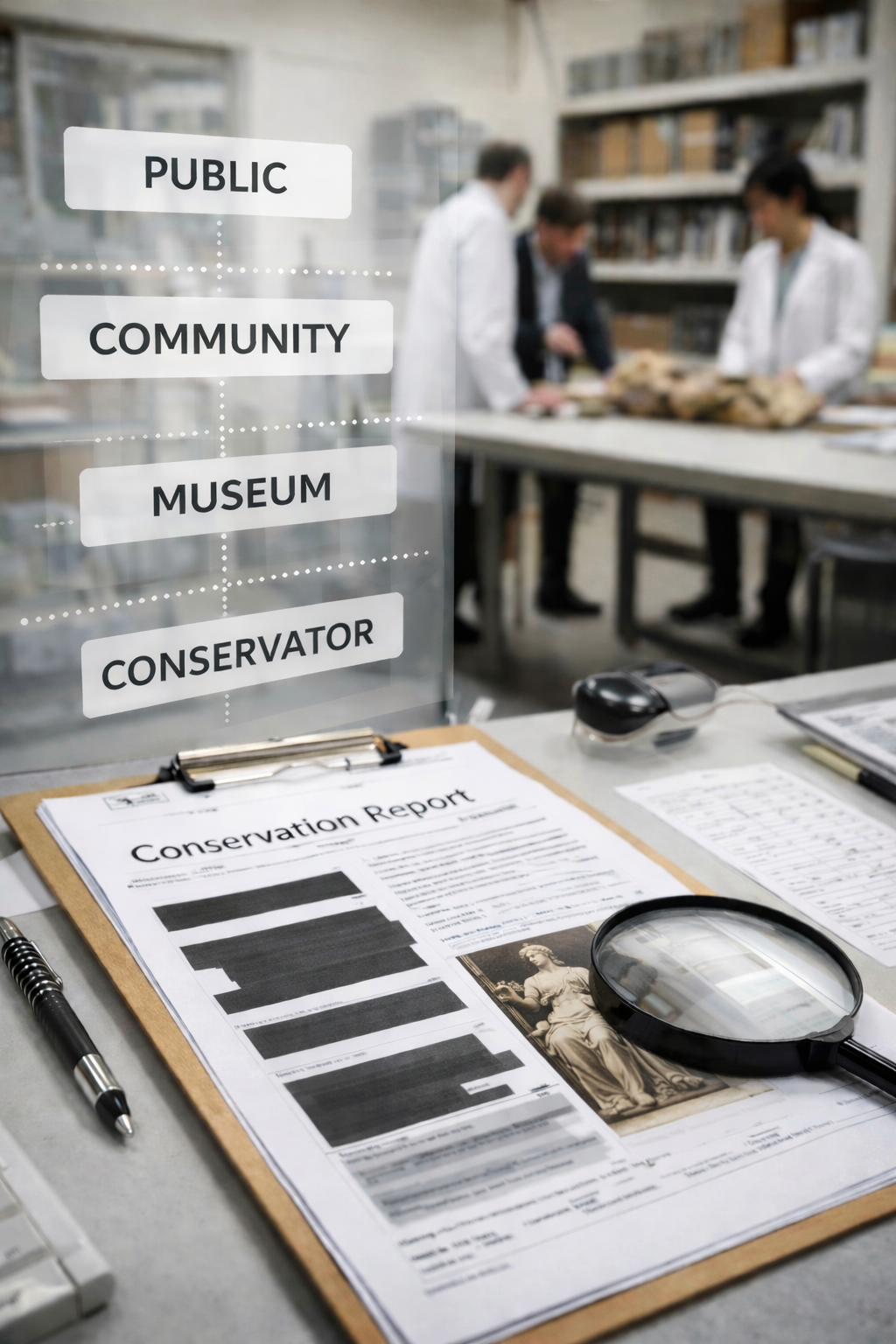
Conservation transparency refers to the principle and practice of making conservation processes, decisions, and documentation visible, accessible, and...
Since 2023, I have developed the concept of "conservation washing", which exploits the vulnerability of heritage and art to argue against the relocati...
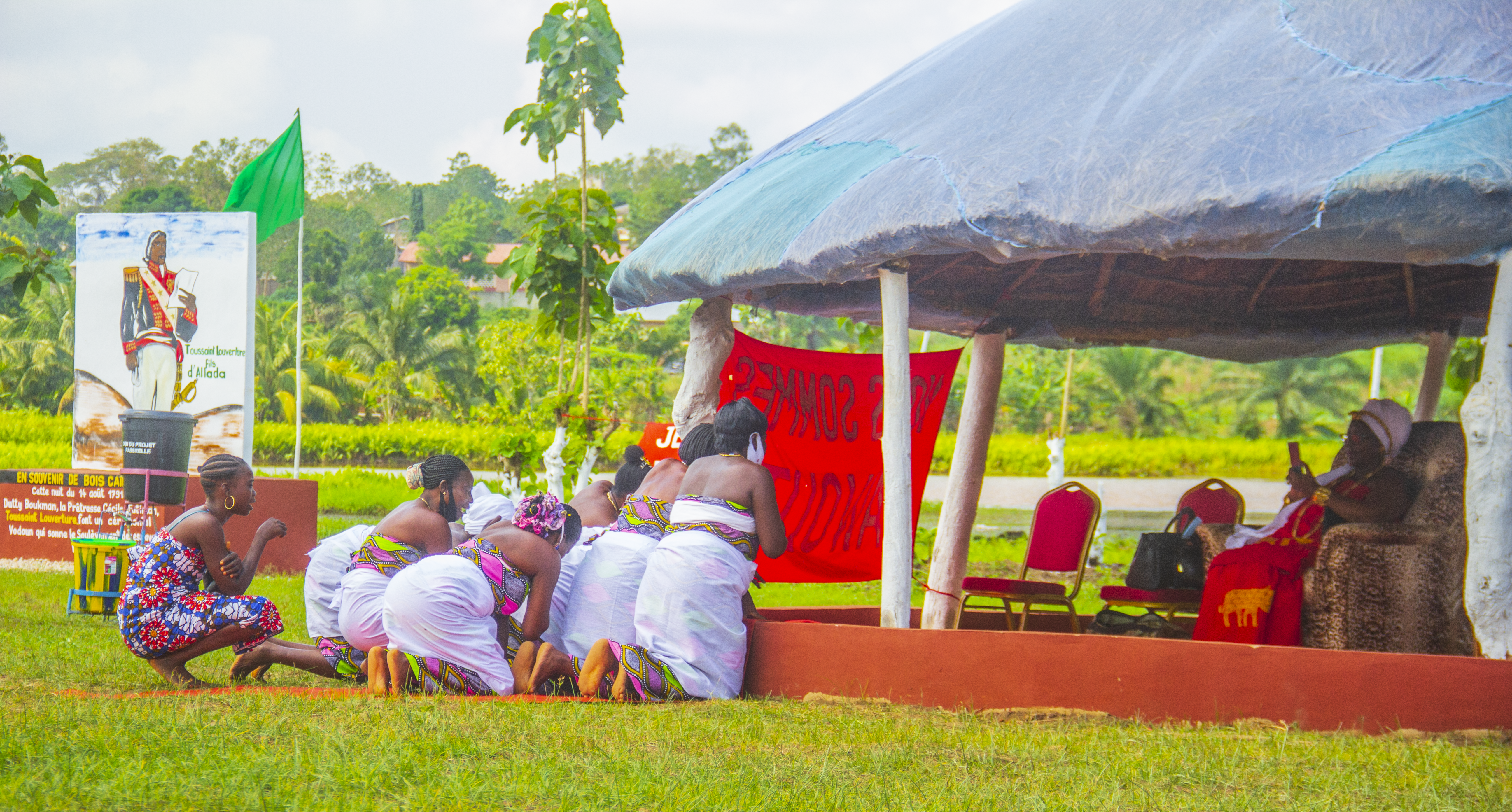
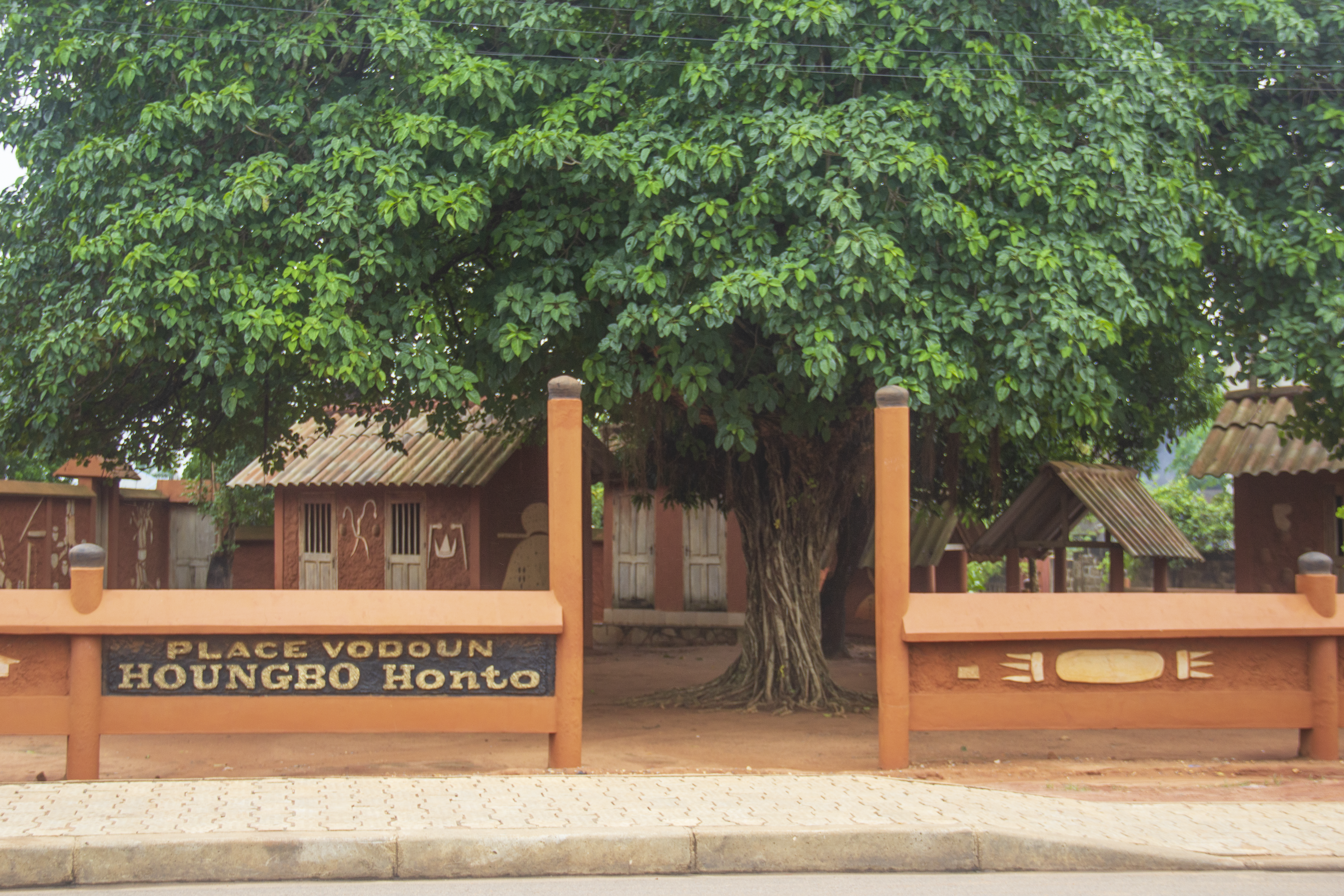
Lieu où vivent en communauté les fidèles d’une divinité Vodun et où se pratique le culte et les cérémonies lui étant dédiées. Sa particularité se trou...
Il s’agit de deux animaux symboliques et mythiques dans la culture bamiléké. Leur représentation stylisée est très présente dans l’art, parfois sous f...
Deux expressions désignant le culte qui, chez les Bamilékés, sert à rendre hommage aux ancêtres à travers un ensemble de rituels qui forme ce qu’on ap...
Institution au sein d’une communauté dont les fonctions se rapprochent de celles d’un musée. La fonction de conservation n’est que l’une de ses caract...
Cultural preservation is the ability to present one’s culture to others. It is the spirit and energy with which one expresses oneself. For example, we...
La’akam (lá’ákám)Ceremony during which a Feuh(fœ)/Fôh/Fon/Vū is officially installed on the Kouo’o Feuh (kwɔ̀’ɔ̀ fœ). The enthronement ceremony fol...
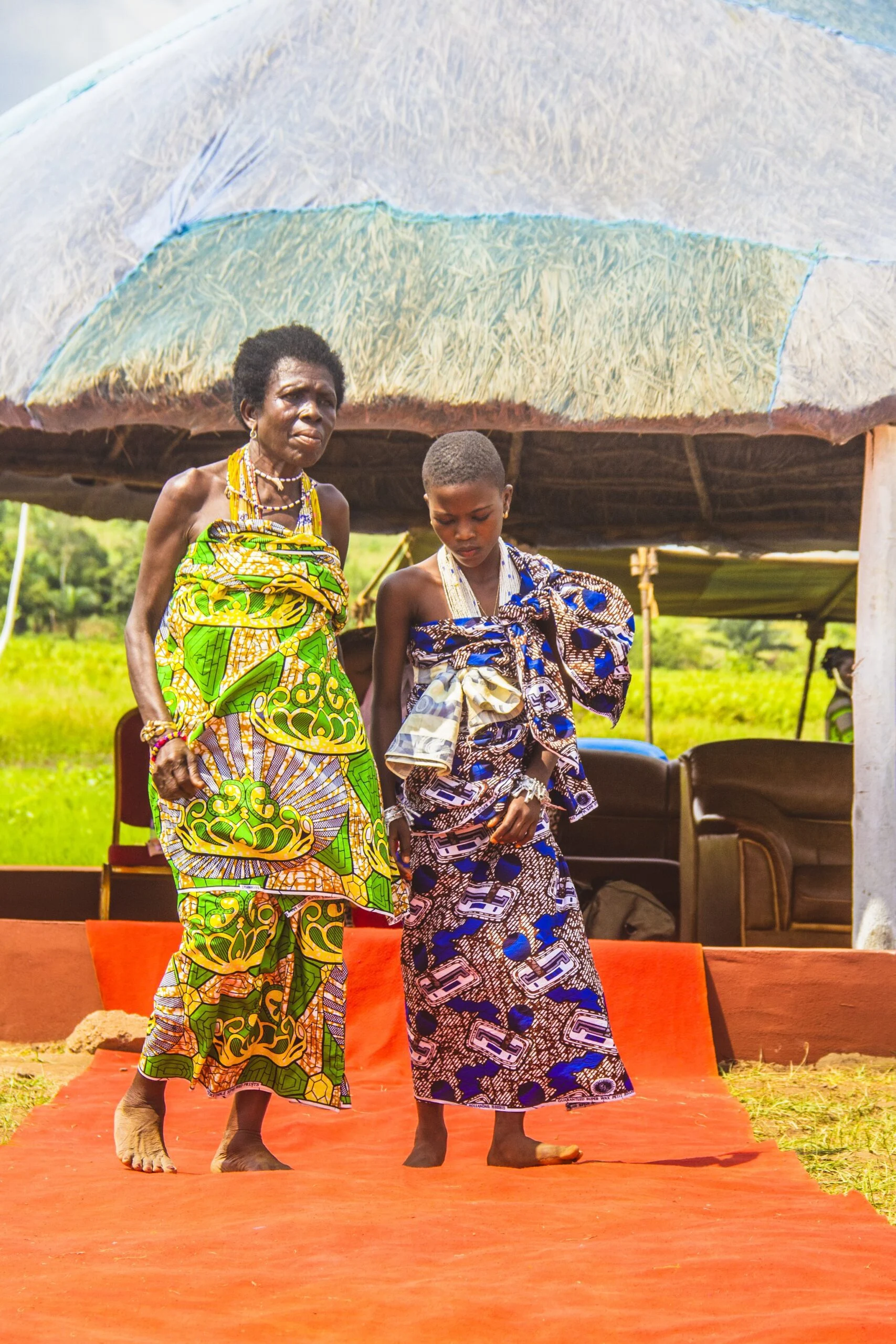
Le Dan est l’un des Vodun. Ses adeptes, appelé-e-s Vodunsi, revêtent généralement la couleur blanche, couleur du Vodun Dan. Pour compléter leurs tenue...
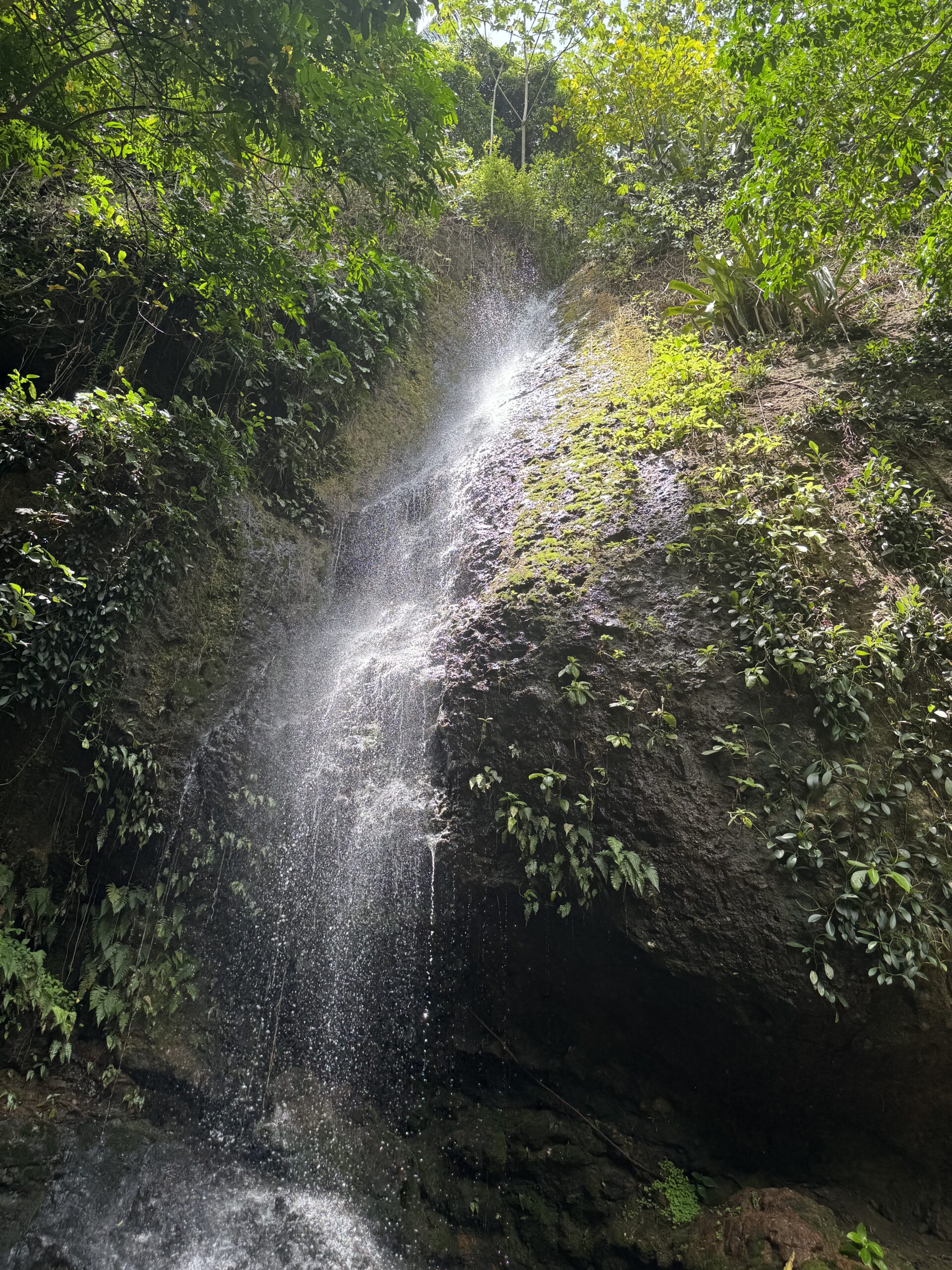
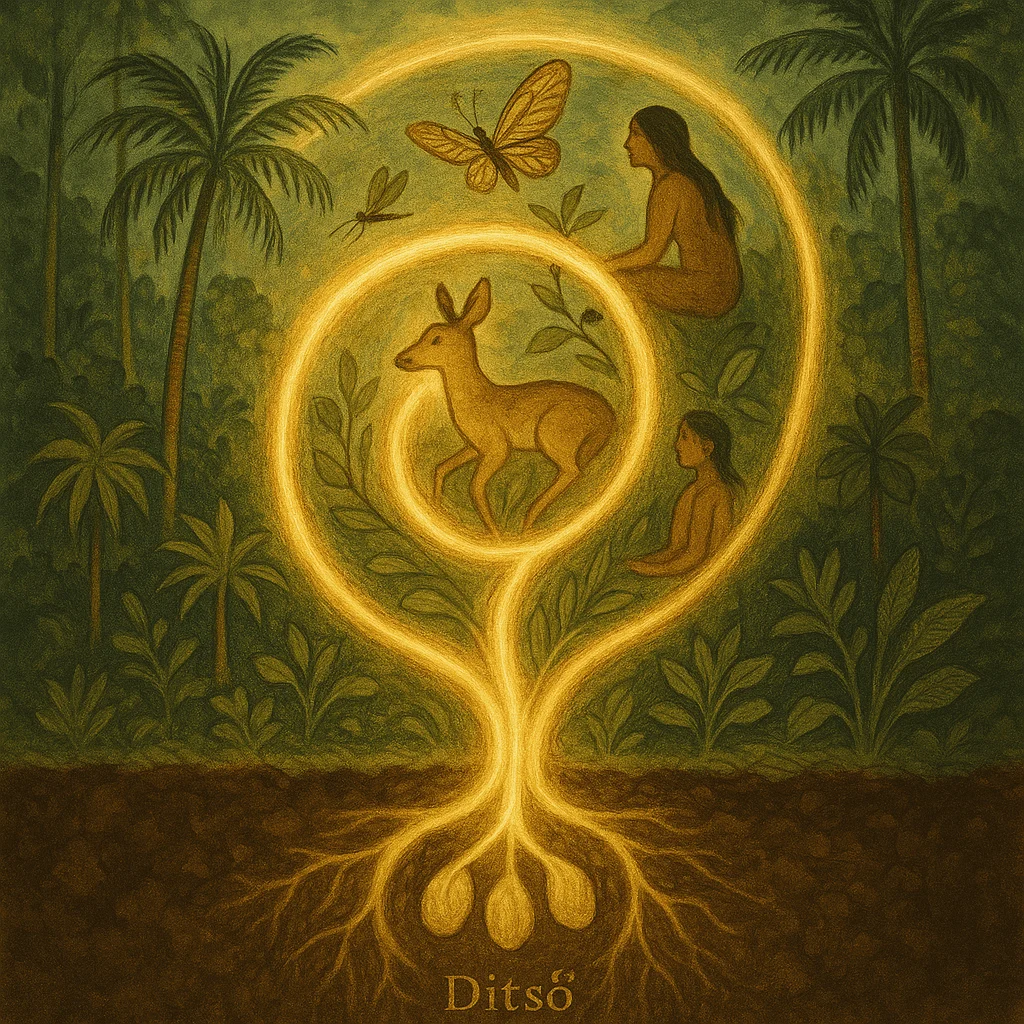
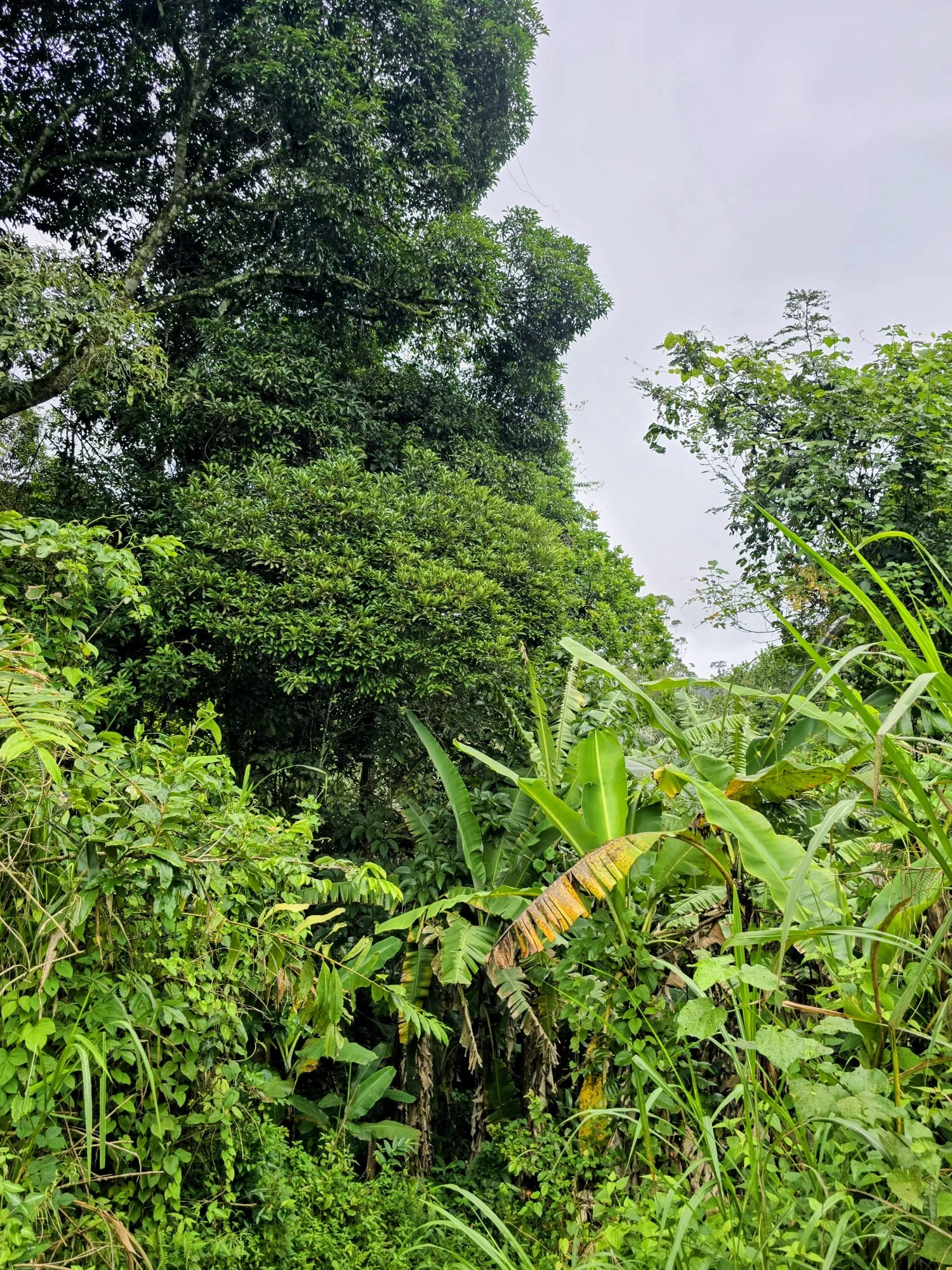
Our land has seven forest layers, like the seven tiers of a waterfall.
Settlement.
Farmland.
Orchards with fruit trees–not for full-scale economy, bu...
Pga K’nyaw culture and the forest are inseparable—they cannot be separated. When you tell stories about them, everything must be connected. Once there...
Diaspora signifies a group of people who move from their country of origin to another, often staying close to the culture of the former though they in...
Diaspora is the place where one goes to look for a better live, enrich oneself, and grow. Upon reaching self-actualization—that is, the ability to sus...
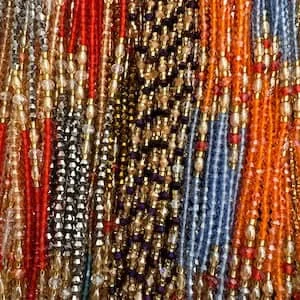
Bead in the shape of a thin disk, hollowed out at the center. Called Koffi rondelle in West Africa, these beads are made from bakelite, a predecessor ...
Gwísī (women of God) and Nkemsī (noblemen of God) are priestesses and priests. They are also doctors, diviners, and religious officials. According to ...
Spiritual quest practiced by patriarchs and matriarchs. During the practice of dugg xalwa, the elders isolate themselves and communicate directly with...
Ce terme tire son origine du monde yoruba. Il est également présent chez les Fons sous le vocable de kuvitɔ, et ayɔnu kuvitɔ en milieu Gun. Que ce soi...
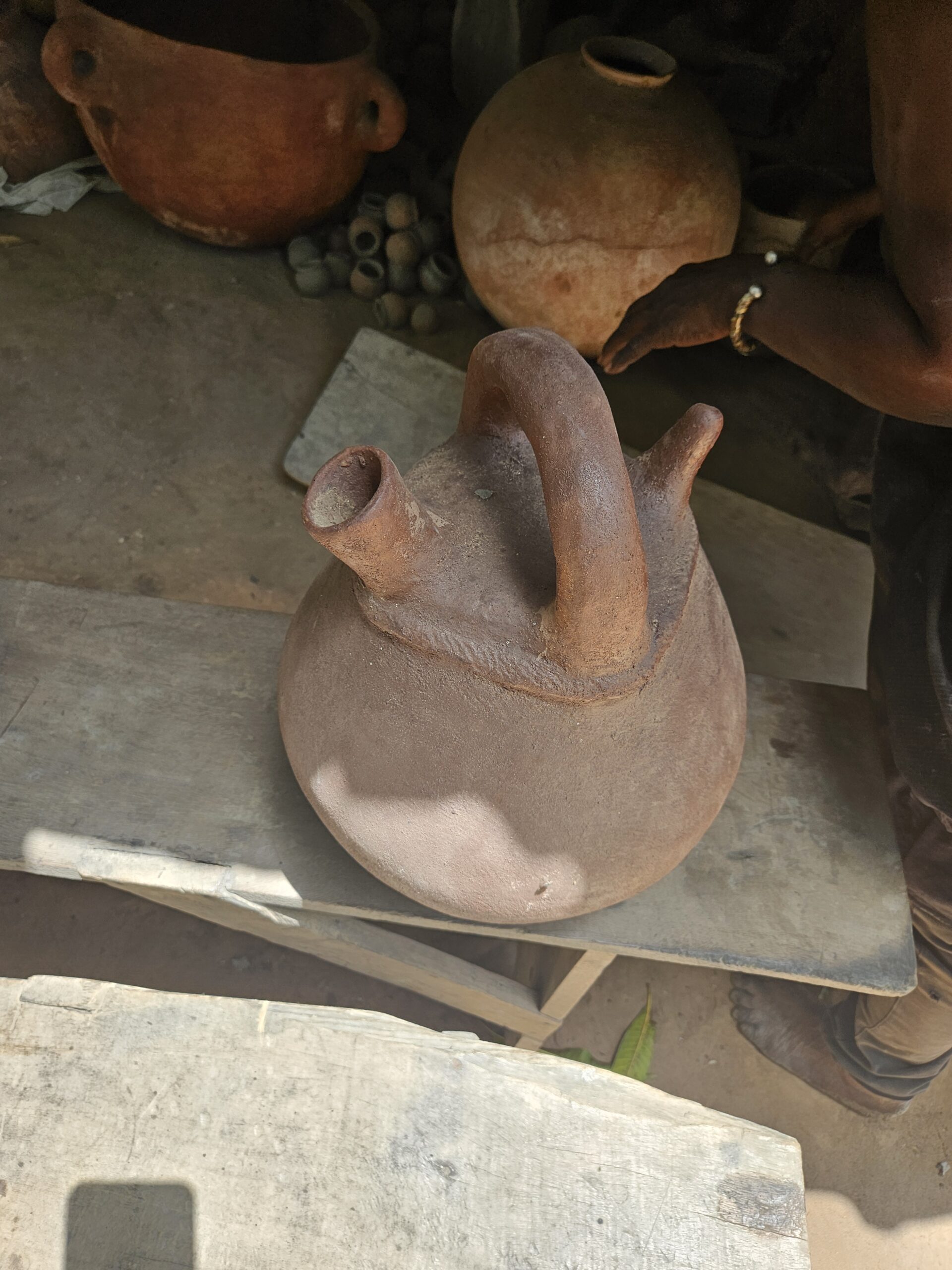
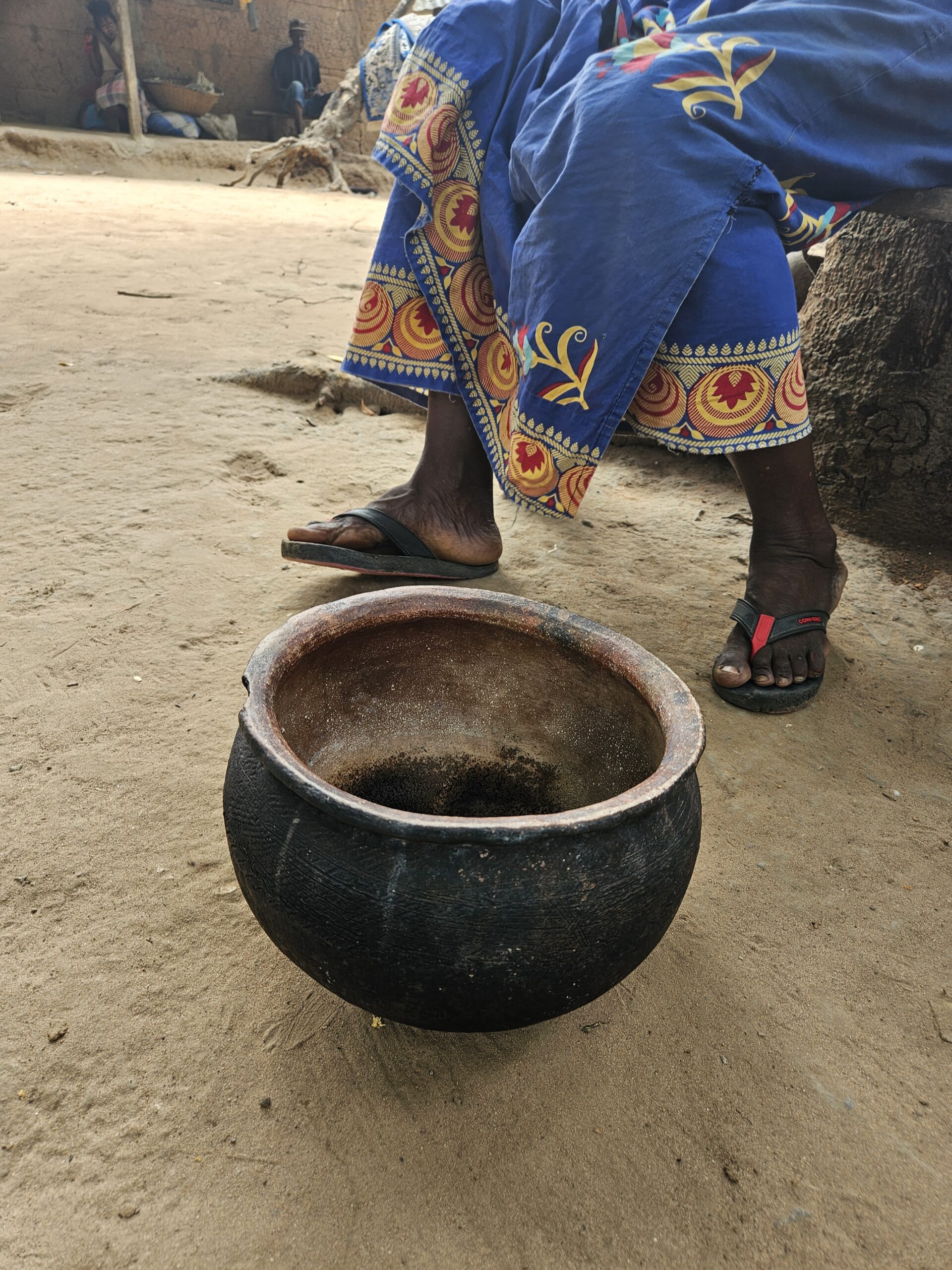
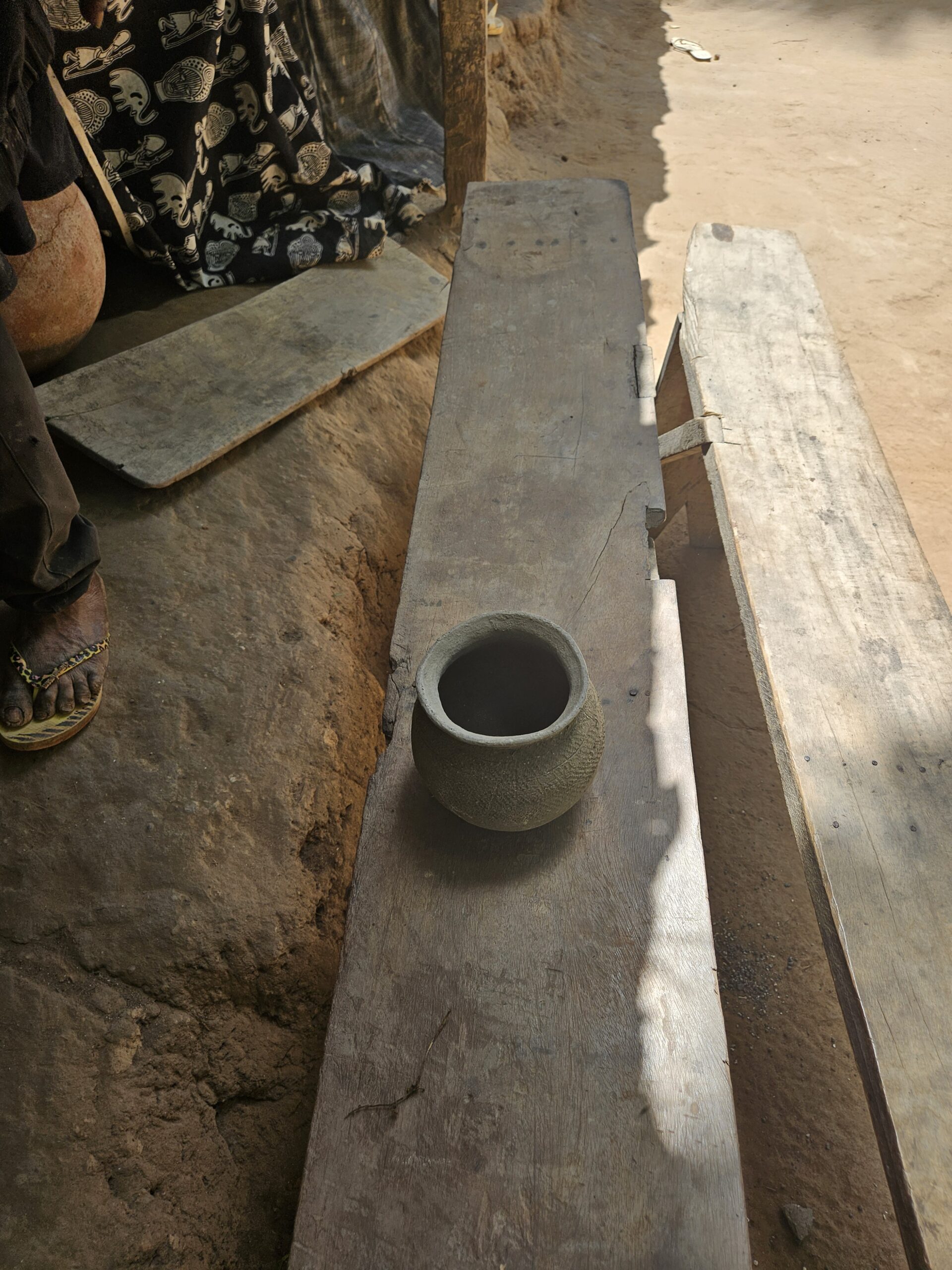
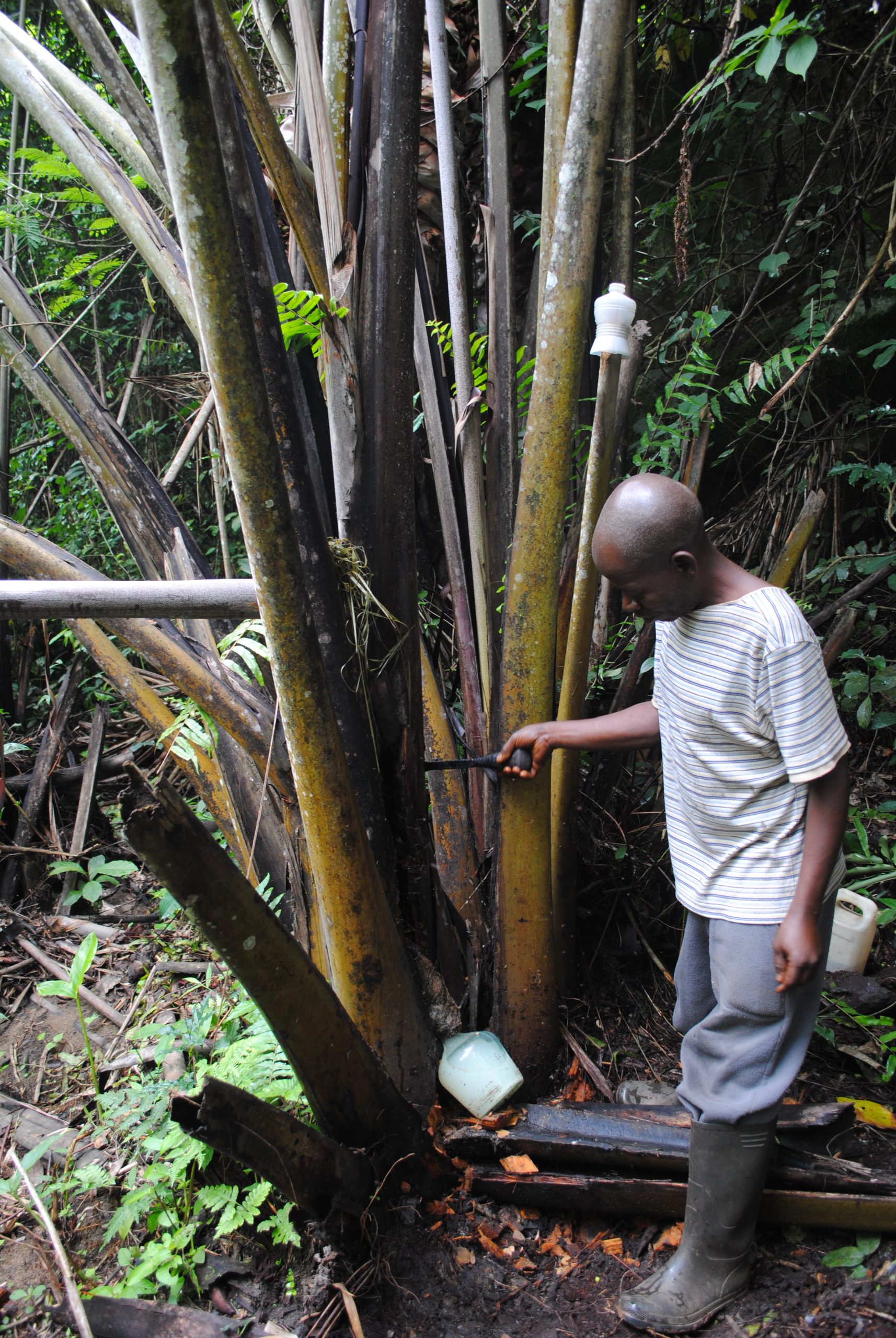
Ejunk, a word in Diola (an ethnic group in southern Senegal) that refers to a pottery container used to keep palm wine cool. It has a mystical dimensi...
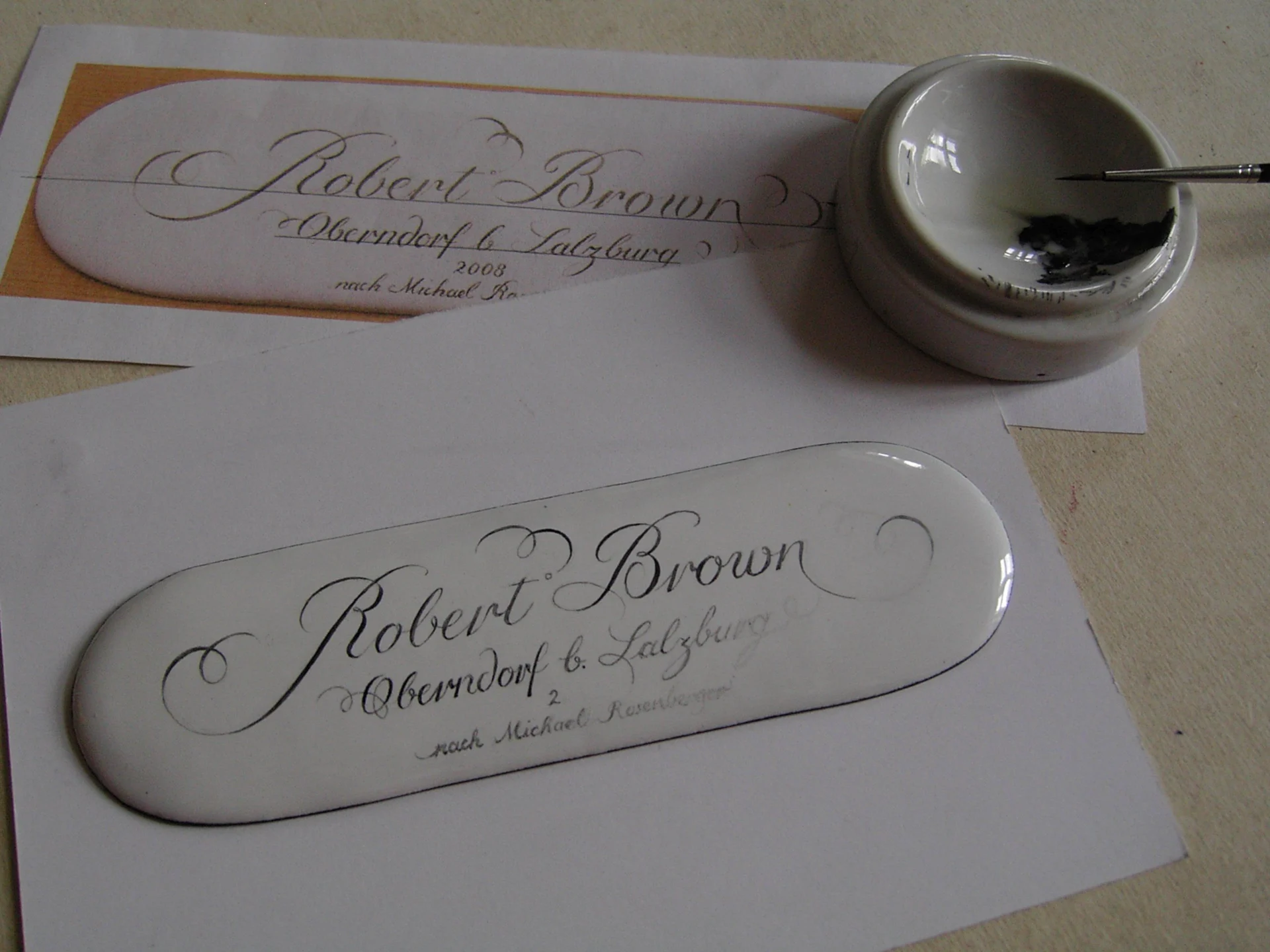
Die Bemalung der Emailschilder wird auf beidseitig mehrschichtig weiß emailliertes, leicht gewölbtes Kupferblech aufgebracht. Die Schriftenmalerei wir...
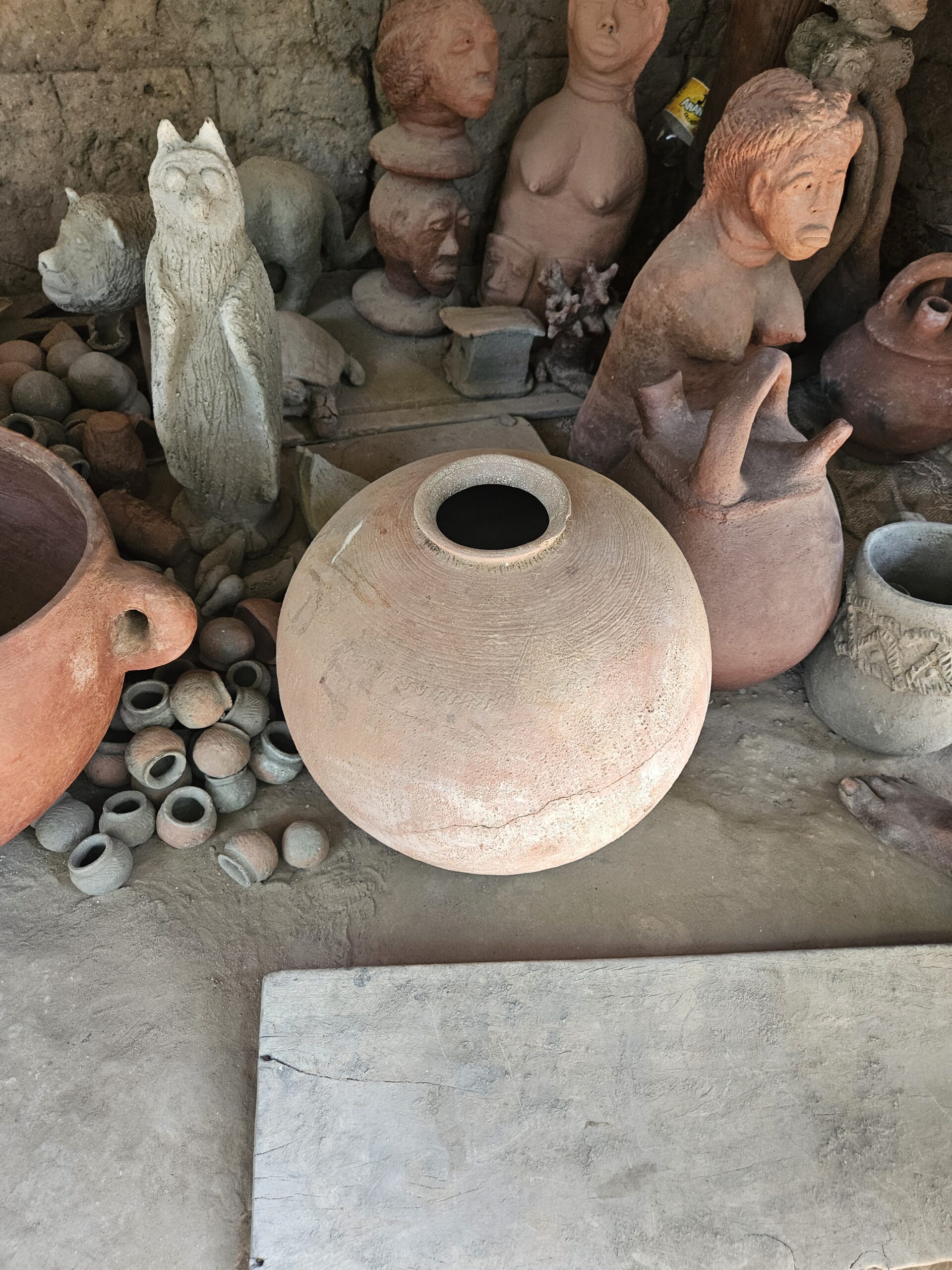
Étaan, a word in Diola (an ethnic group in southern Senegal) that refers to a pottery pot used exclusively for cooking sauce. Another example is Kabal...
Pour l'auteur de cette définition, la conservation éthique est une dimension particulière du travail de conservation. Elle recoupe toutes les actions,...
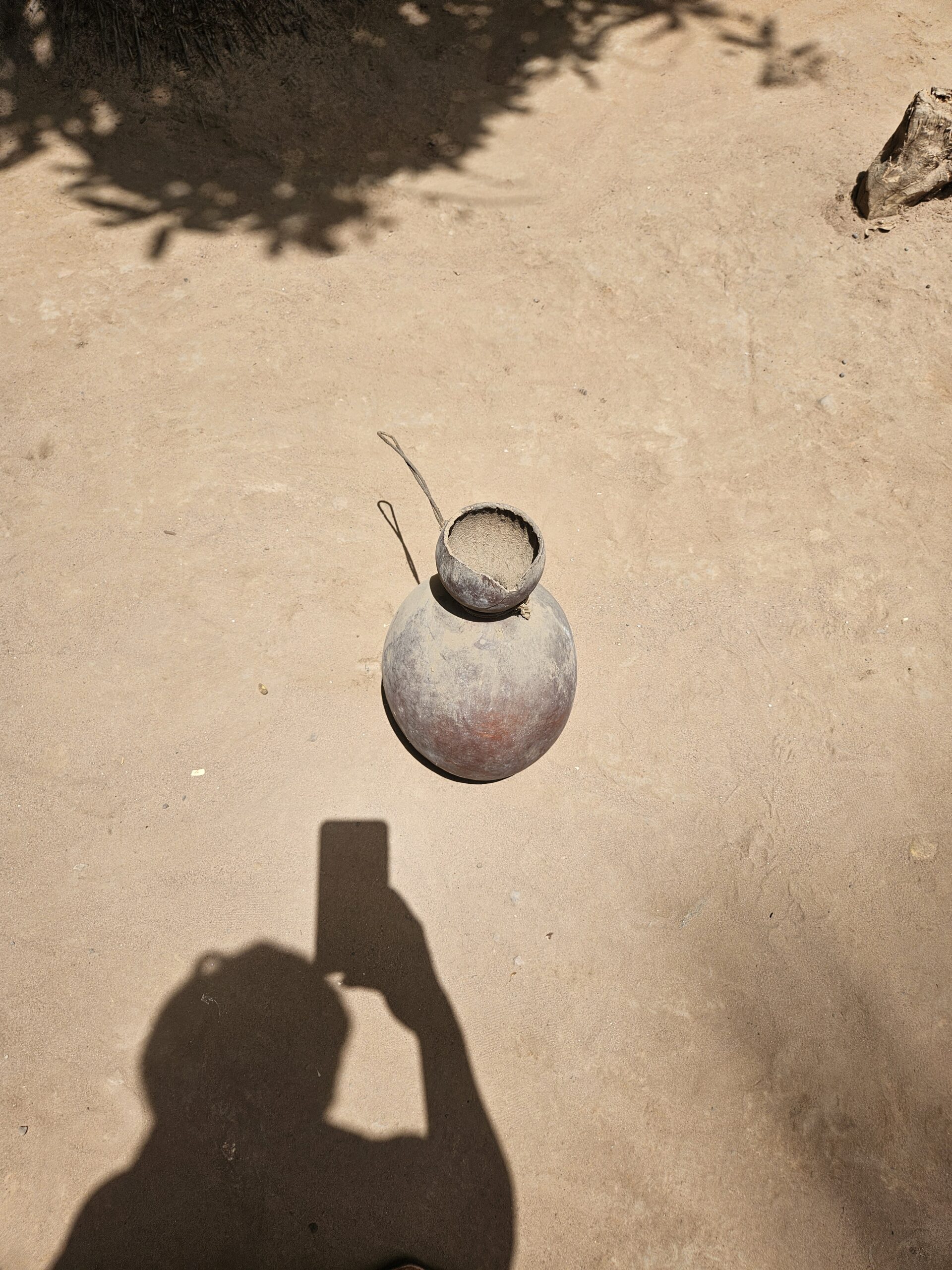
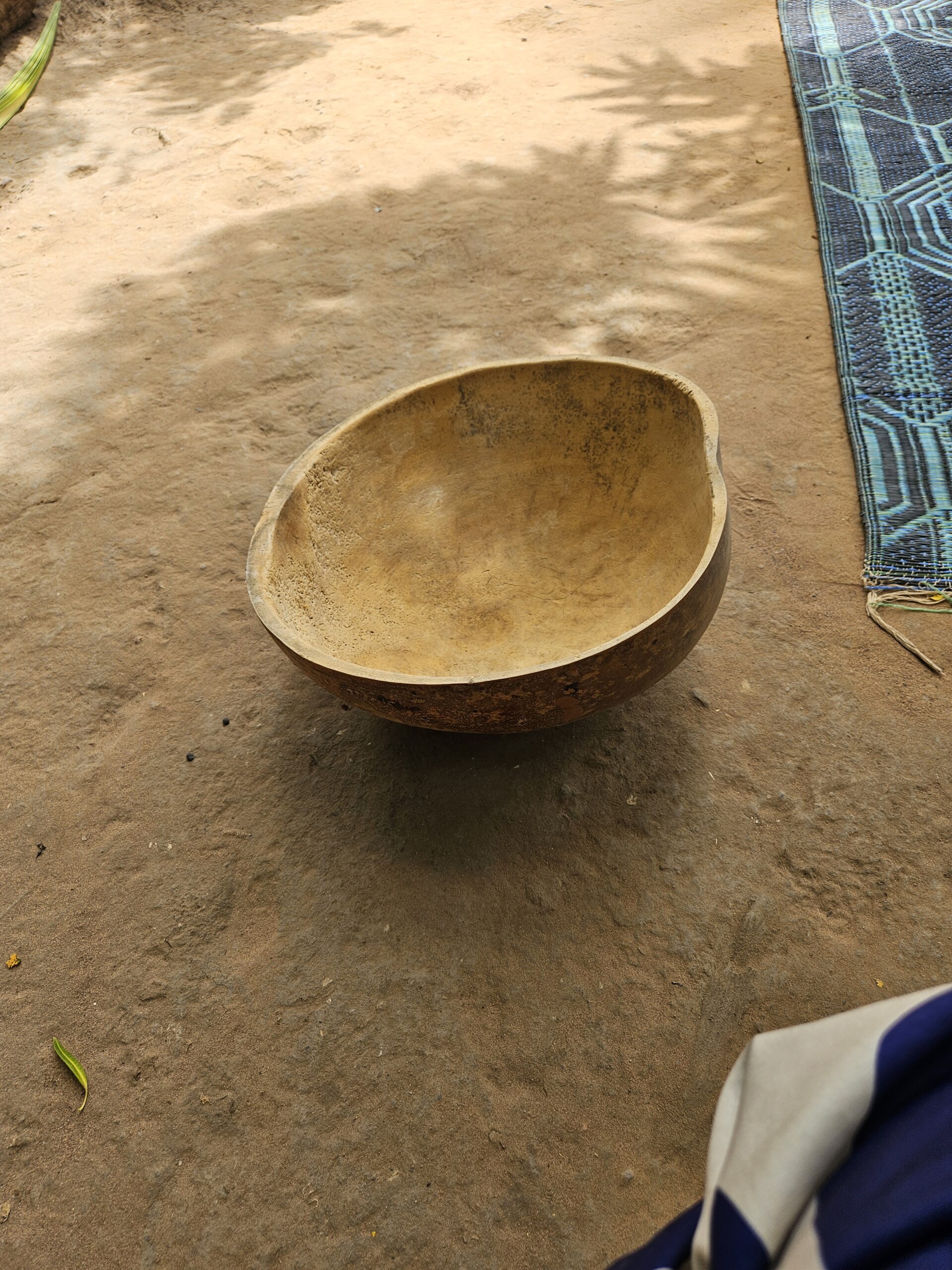
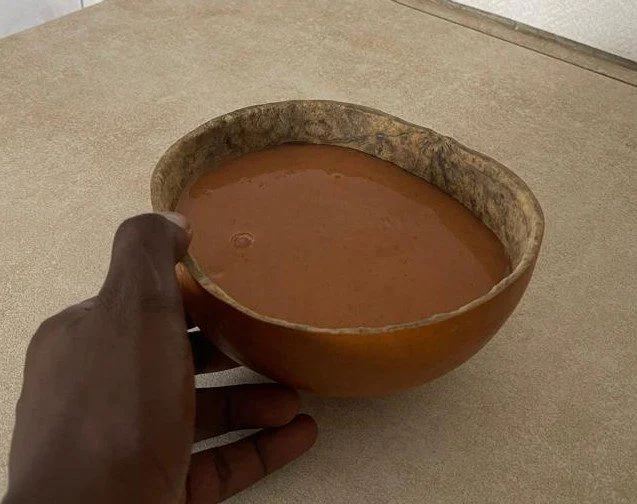
Etufen, a word in Diola (an ethnic group in southern Senegal) that refers to a calabash gourd that hangs from a palm tree. It is used to harvest palm ...
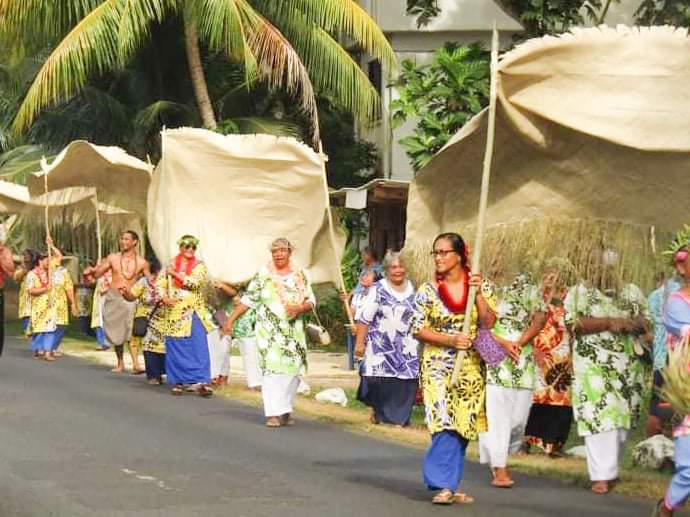
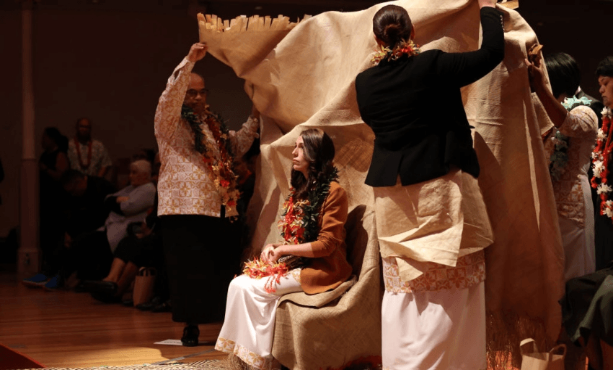
Fa’aalīga or fa’aāli means to display. Fa’alelegāpēpe is a Samoan custom of display and celebration. These terms derive from the word fa’alele, to fly...
Fa’alelei comes from the words Fa’a (to make) and lelei (good). Fa’alelei can mean repairing a relationship or, in the museum context, an object. Fa’a...
Science divinatoire qui se matérialise sous forme de signes. Ces signes sont appelés « Fâdu et naissent à partir de l’alphabet du Fâ qui est constitué...
Healing practices that combine medicinal and spiritual techniques. This ritual shows the importance of spiritual health to overall well-being and demo...
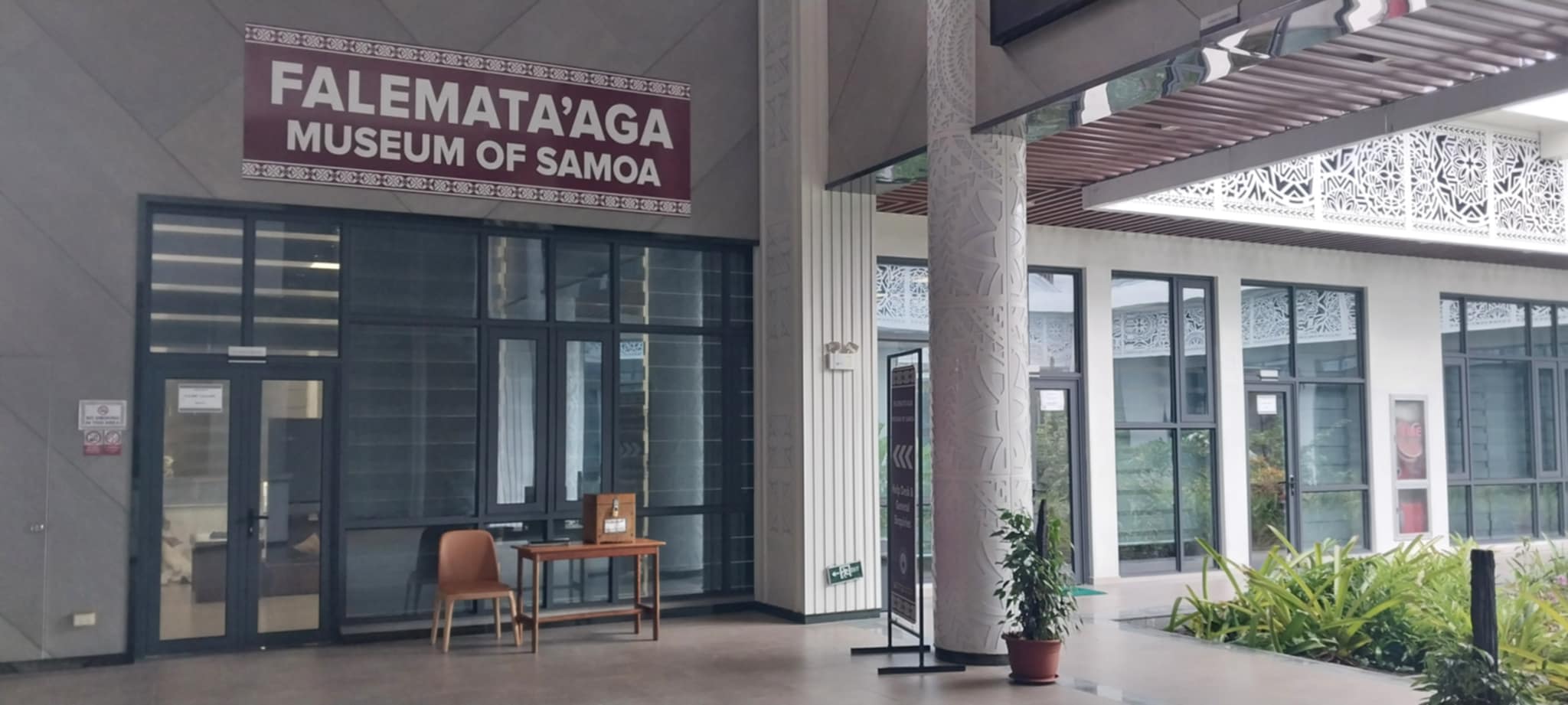
Made up of the words fale (house) and mata’aga (site to explore), falemata’aga is a Samoan term for museum, gallery, and other institutions for touris...
As the lecturer and educator Dr. Niusila Faamanatu-Etetuati explains, “Land is fanua and is a very important measina* to Sāmoans, connecting them to t...
Period during which a person is trained and initiated into the function and future role they will have to play. Initiation takes place at the La’akam ...
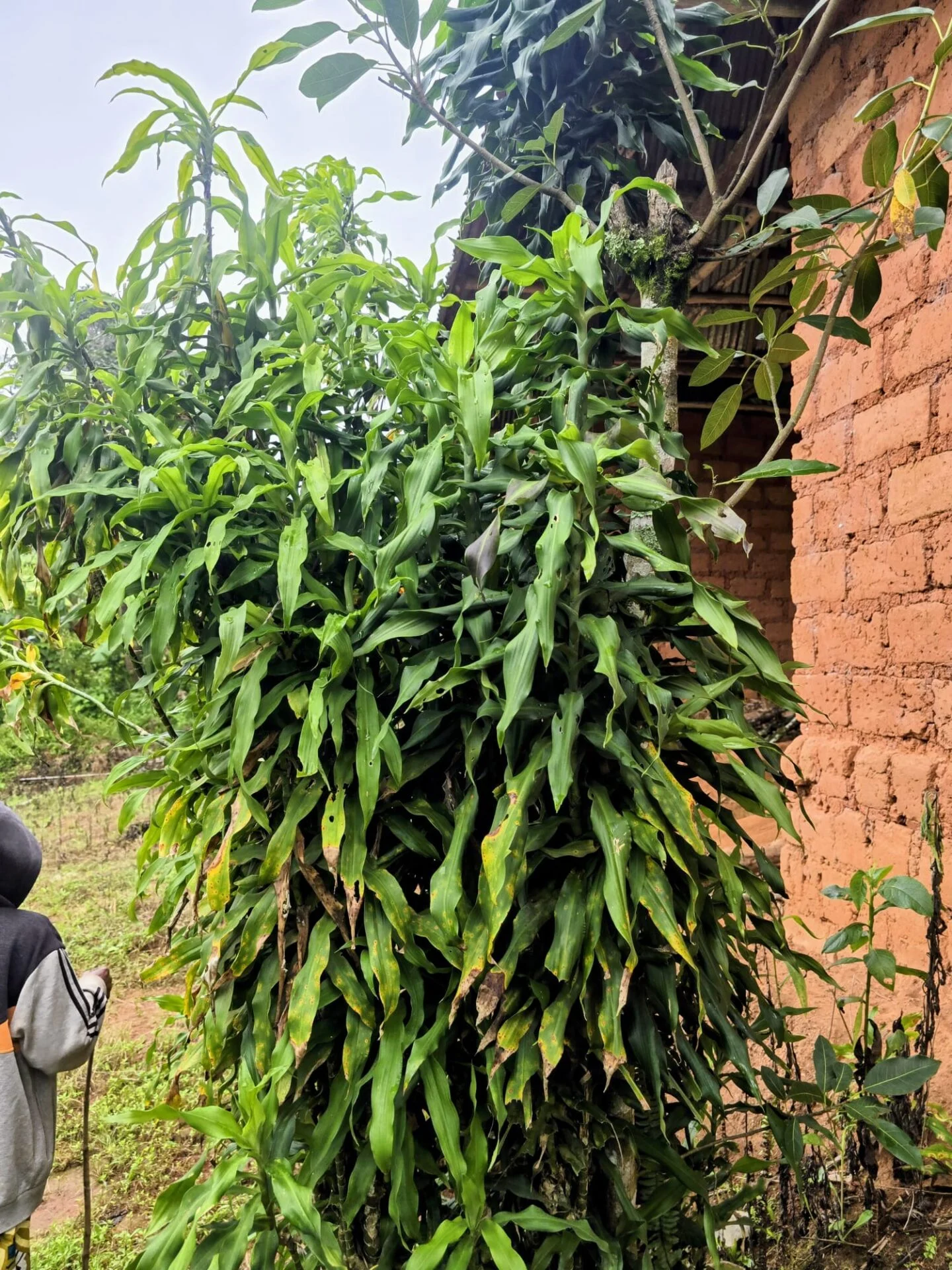
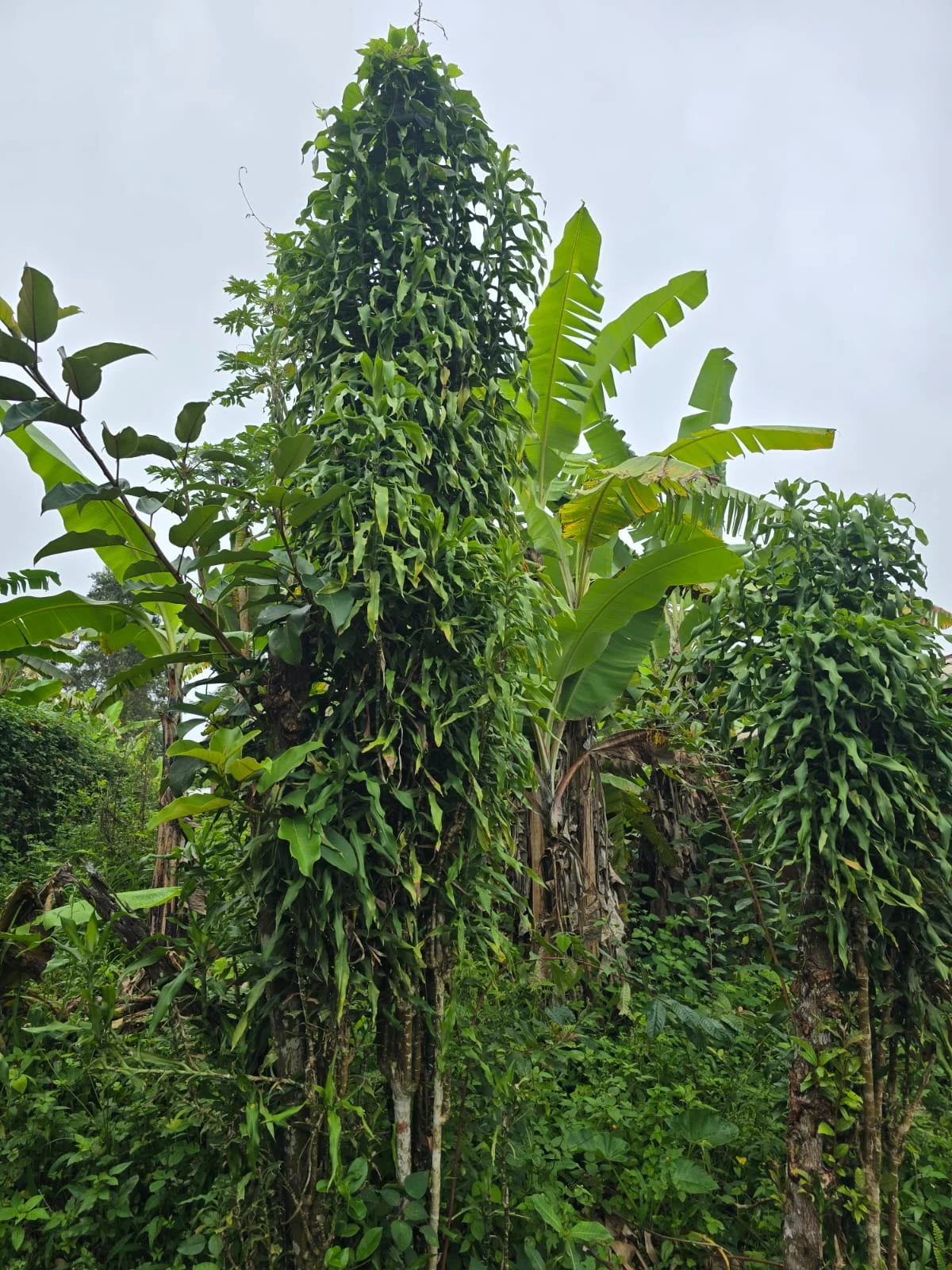
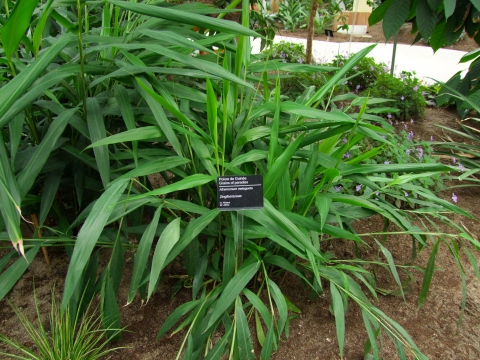
With its scientific name of Dracaena Fragrans, the fekeng is better known as the tree of peace. It is found throughout the Grassfields and is used in ...
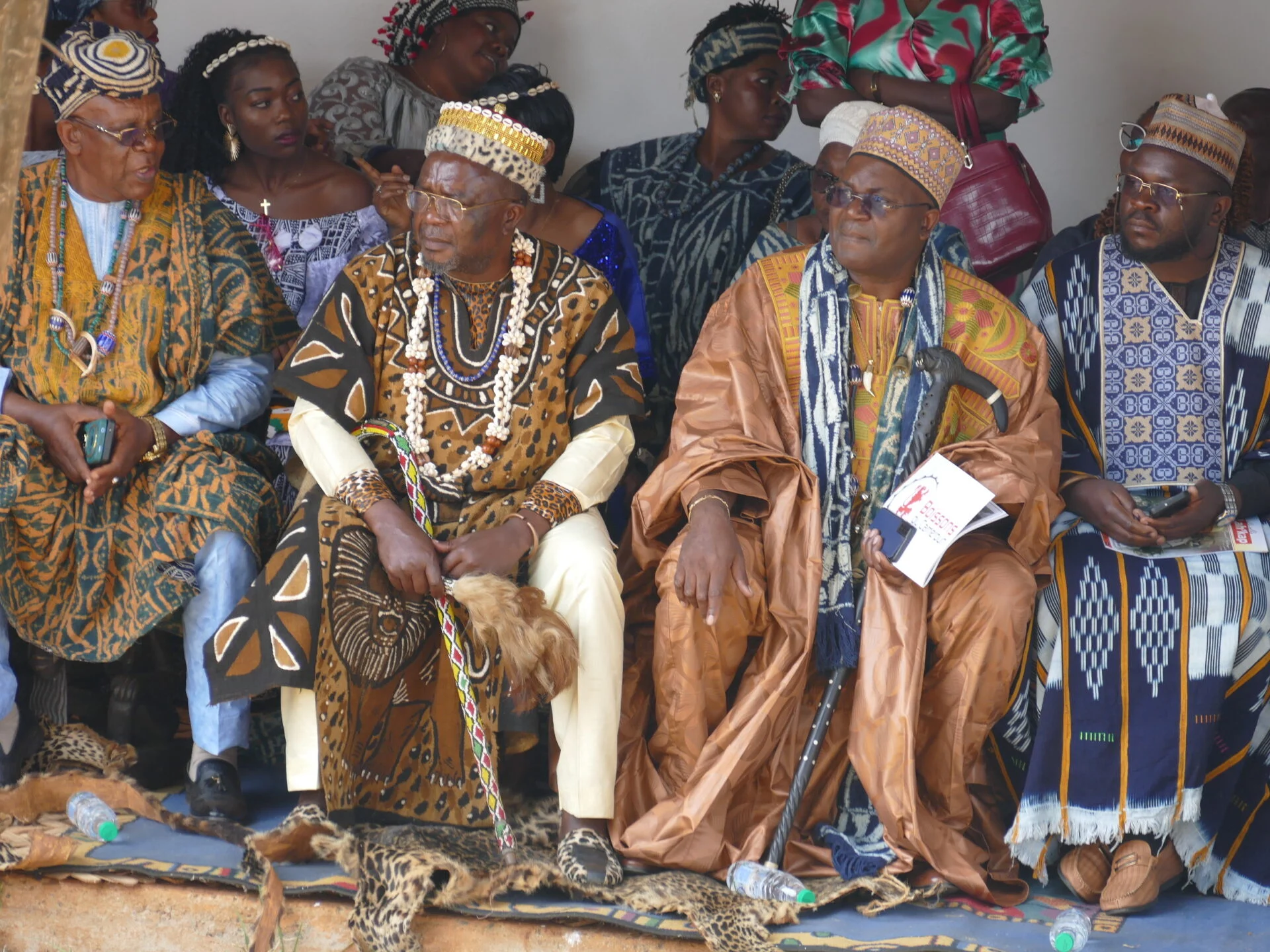
The most important figure across all Grassfield chieftaincies (see No’h (nɔ̀’) and La’ah (lá’áh)). He sits at the head of a chiefdom, and can be com...
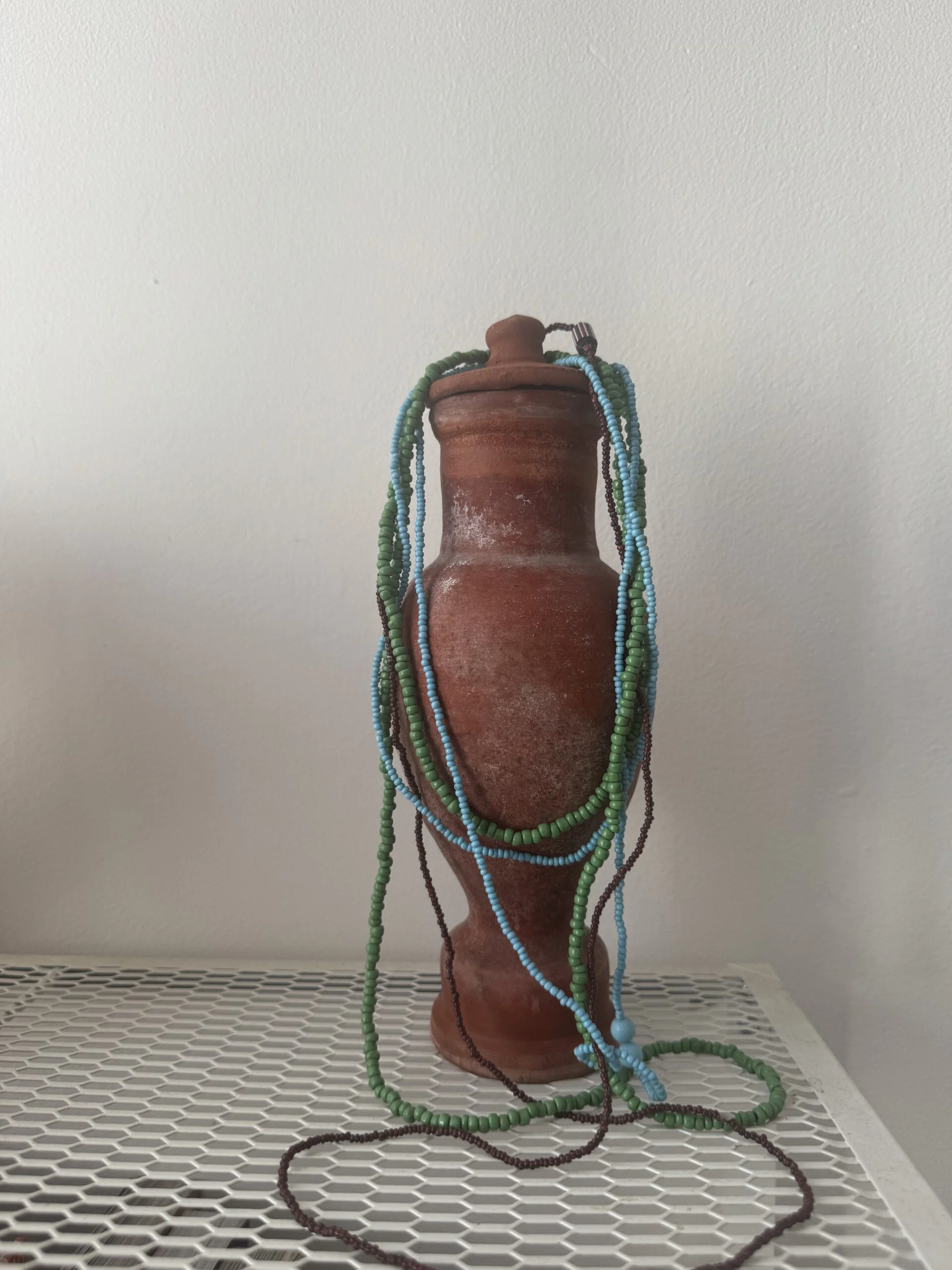
Fios de contas are beaded necklaces worn by practitioners of Candomblé. These necklaces form an important part of their initiation and connection to t...
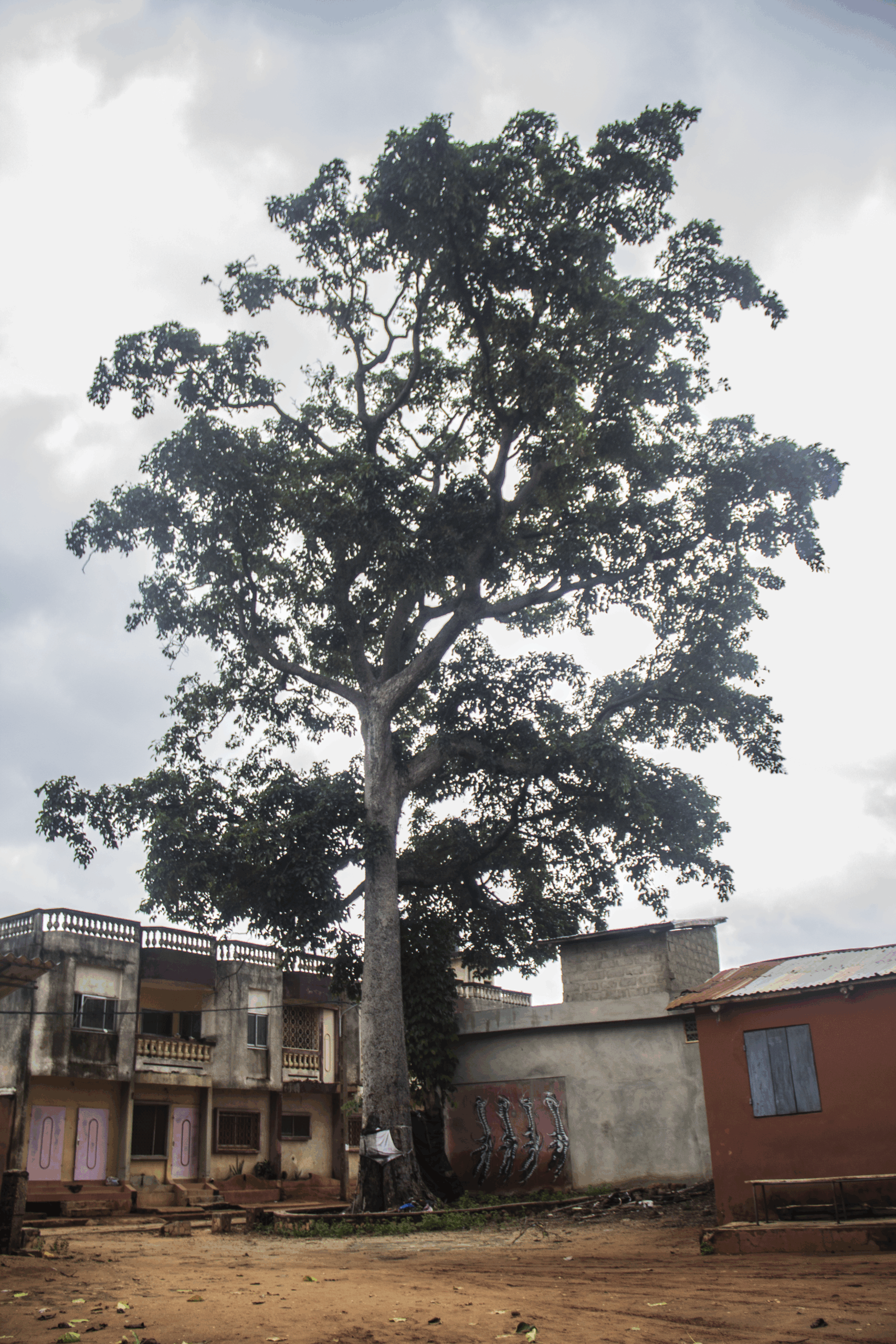
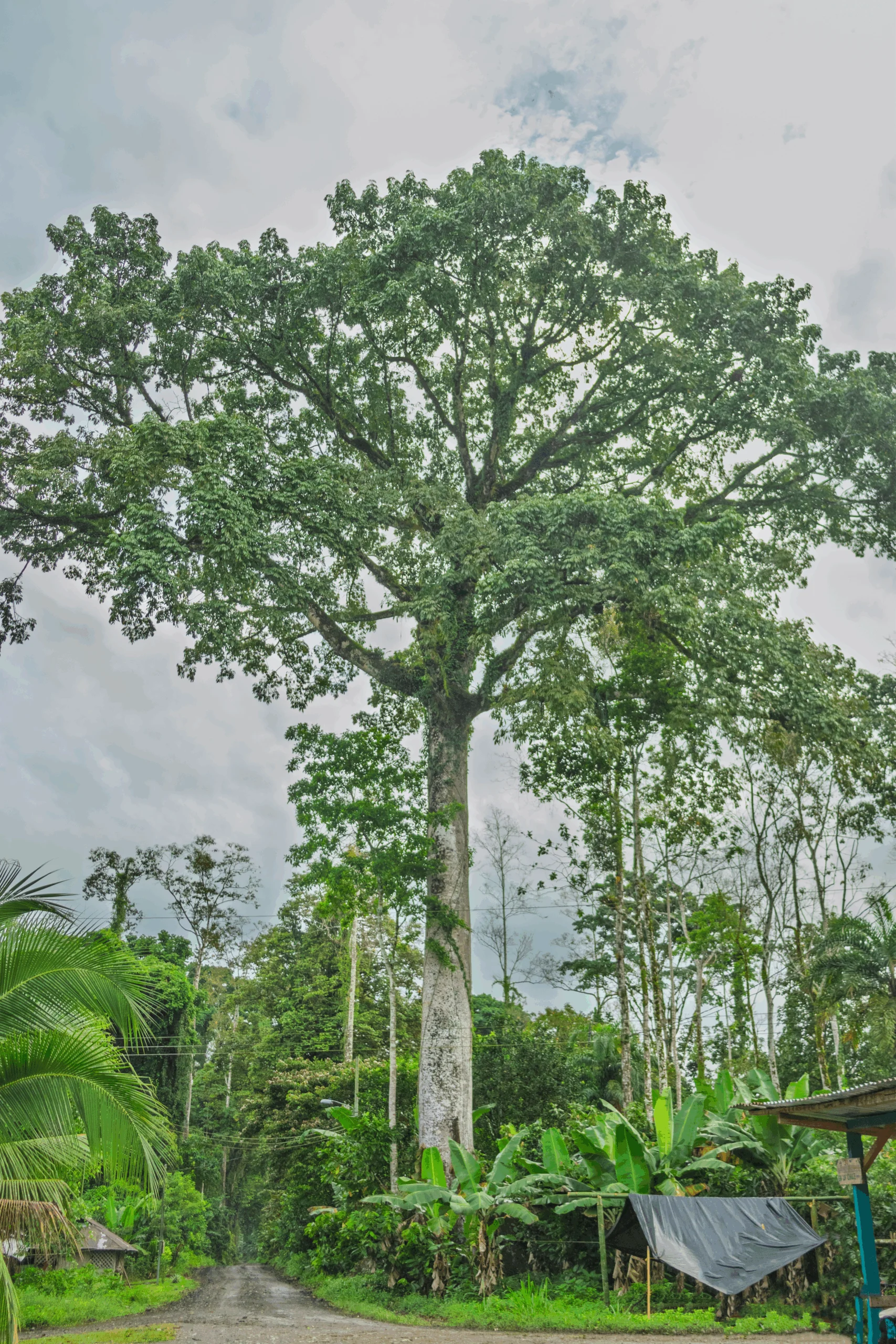
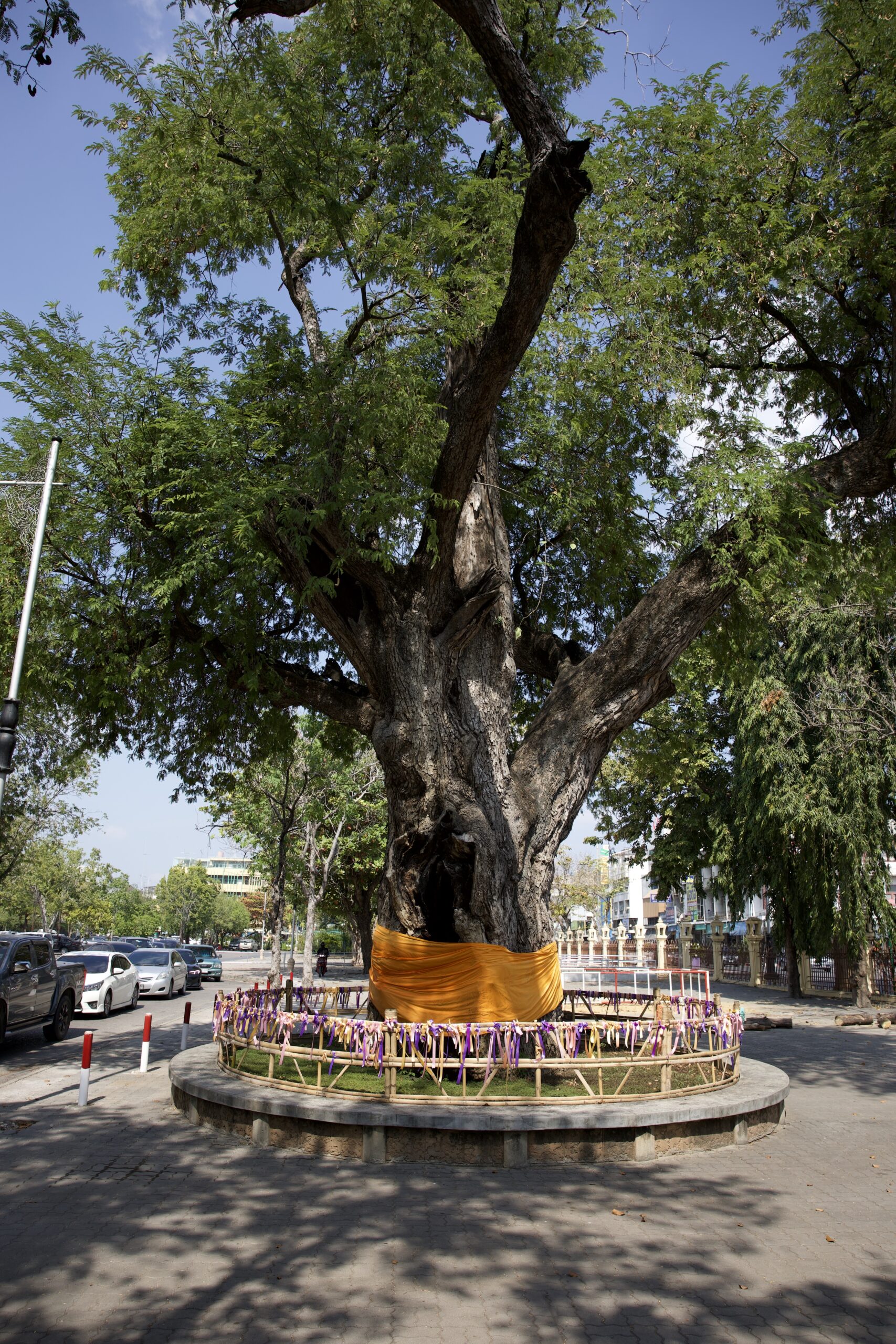
A majestic tree found at the entrance to chiefdoms. This tree bears witness to the vitality of the location chosen for the establishment of the chiefd...
There are many Pga K'Nyaw folktales about living with the forest and conserving it. In Pga K’Nyaw, we say “Baw Ler Ler”, which means to preserve, or c...
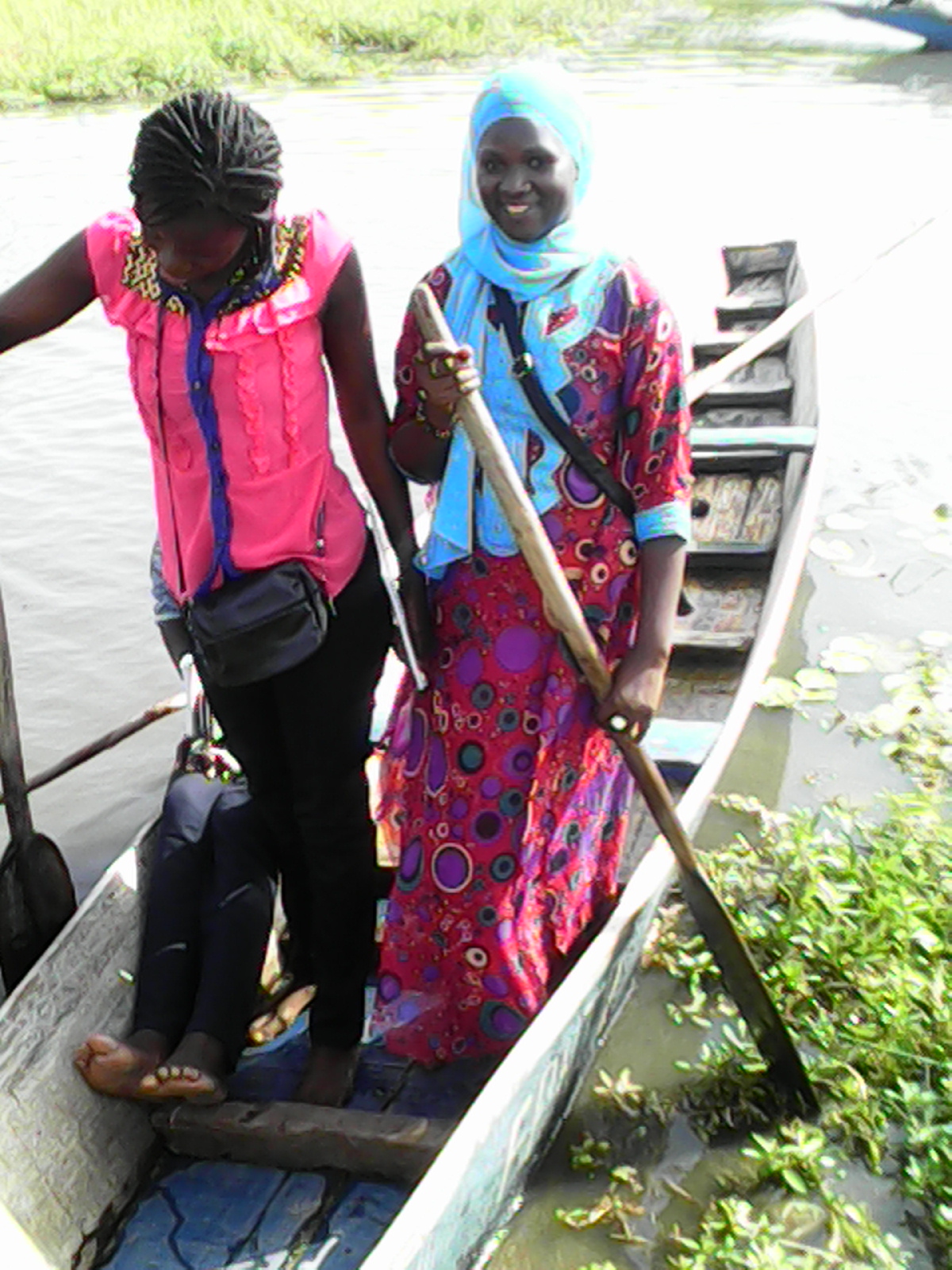
A traditional wooden pirogue used for fishing and as a means of transport on the islands of Senegal. It also symbolizes the unity of the Senegalese na...
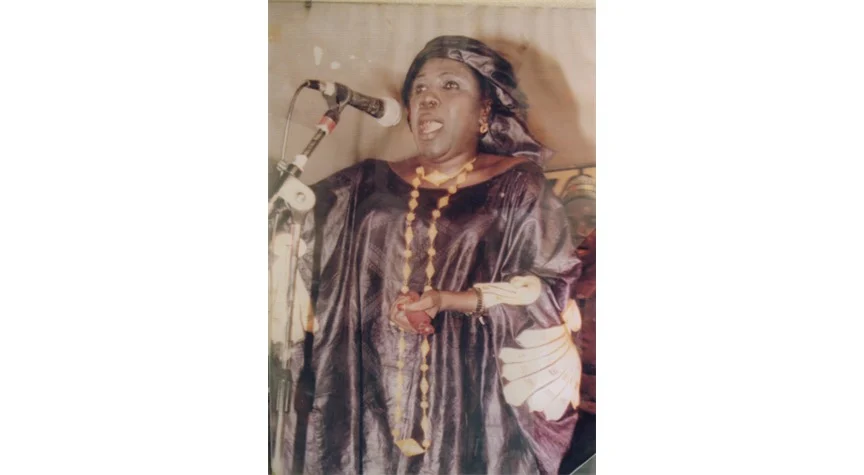
A person whose role is to be a historian, storyteller, poet and musician. They ensure the transmission of culture and oral history by preserving the m...
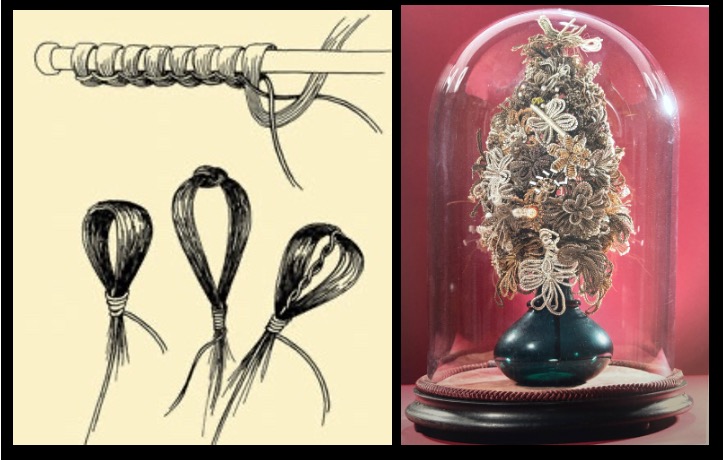
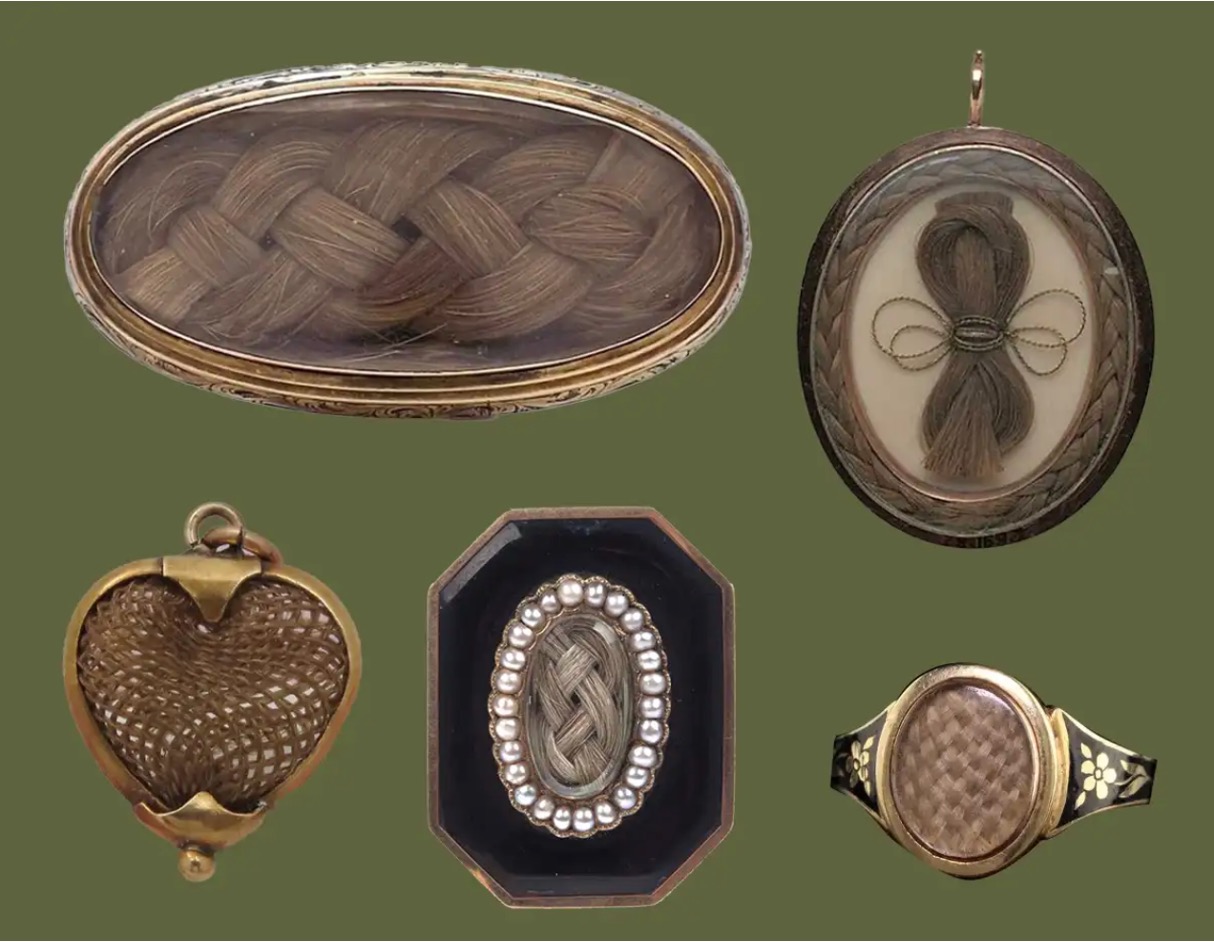
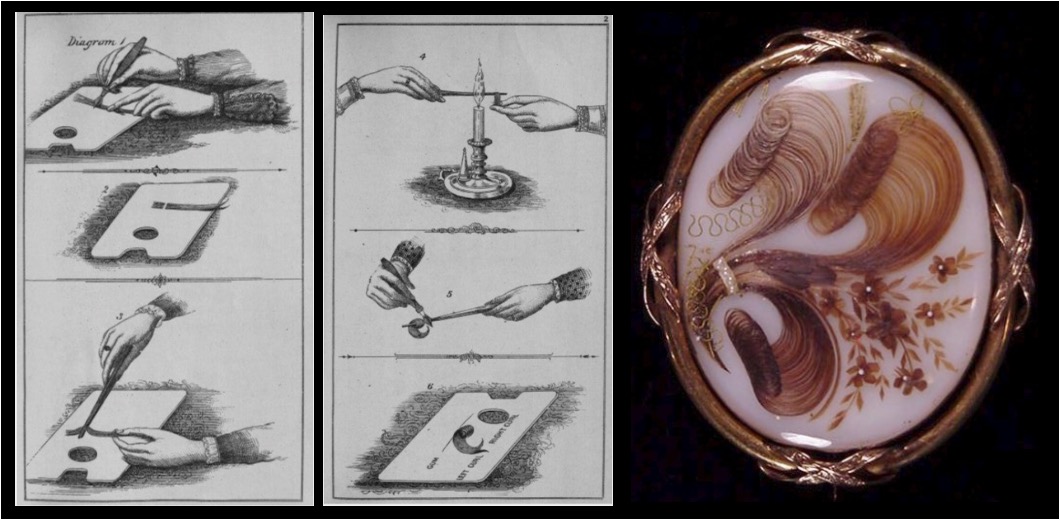
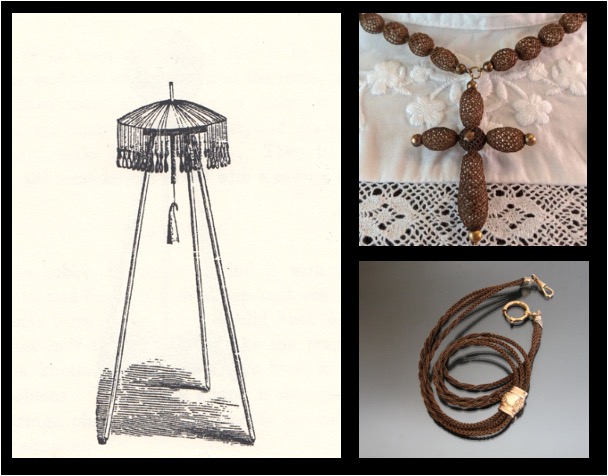
Gimp work (sometimes called wire work) refers to an extremely intricate form of hairwork that involves looping strands of hair around a pin or wire to...
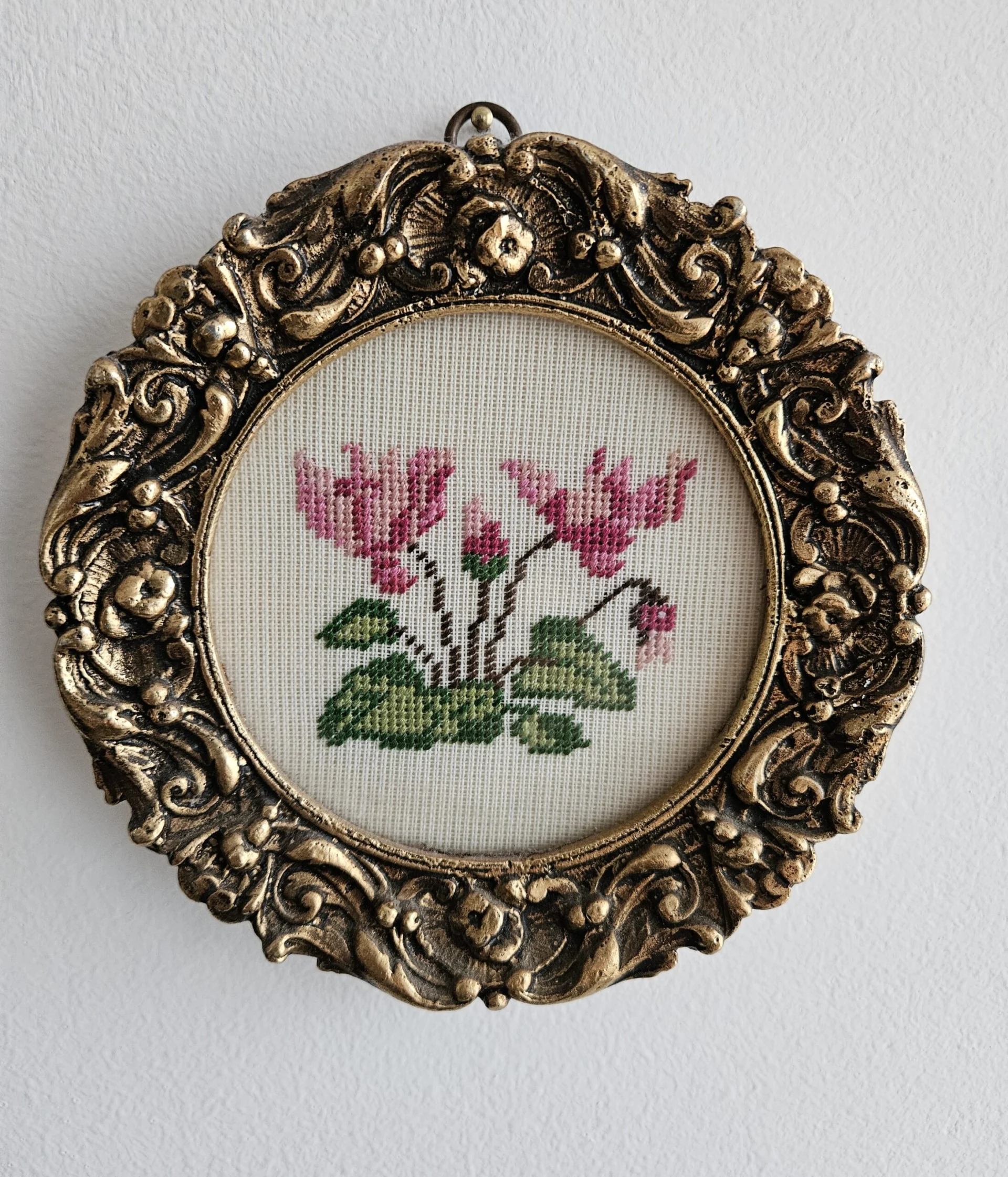
Predmet sa fotografije je goblen izvezen od strane moje mame u 1980-im. Posuđen iz francuskog jezika, od imena poznate fabrike tapiserije Manufacture ...
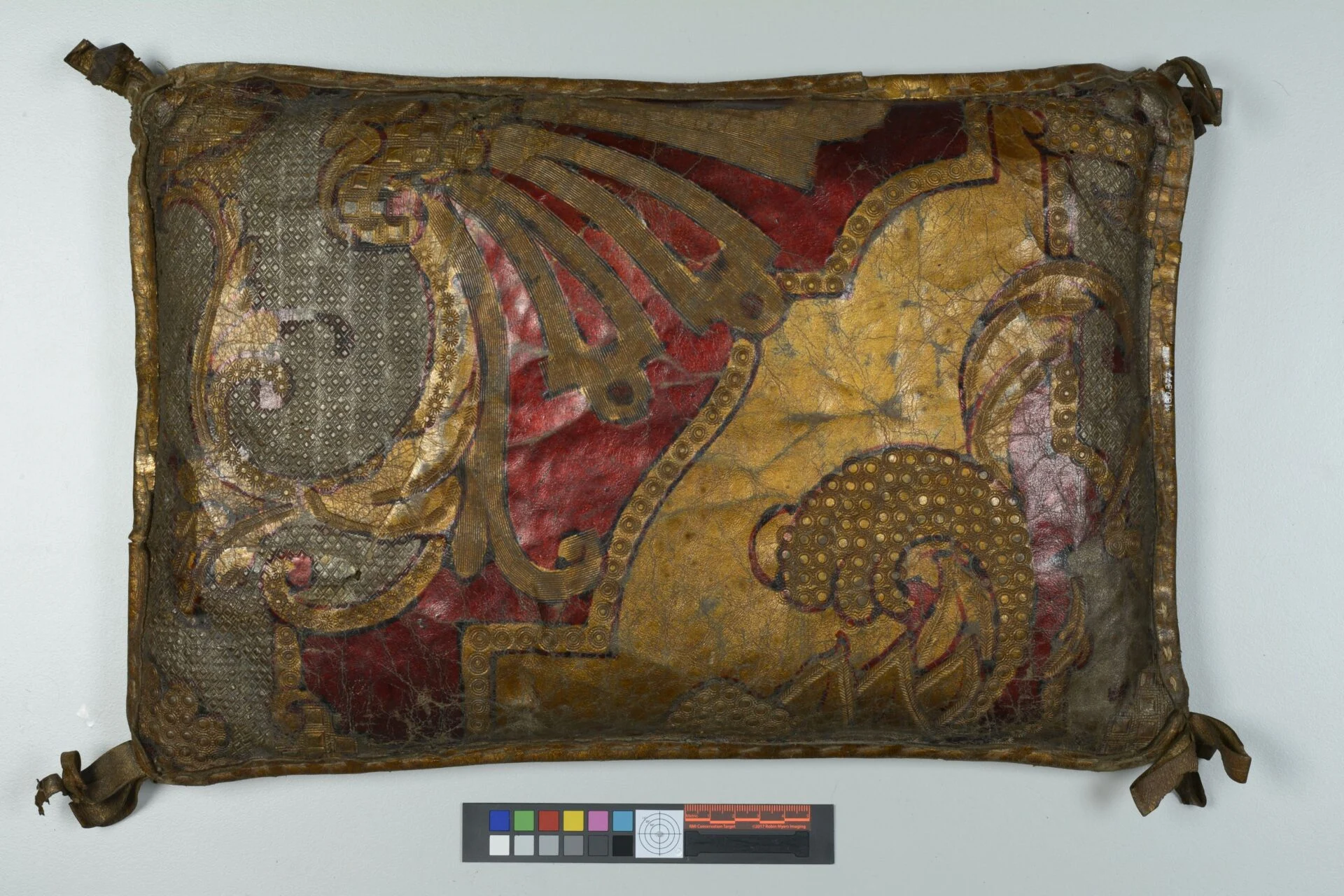
Goldleder (frz. cuir de Cordue) ist ein kunstvoll verziertes, vergoldetes oder versilbertes Leder, das seit dem Mittelalter als Wandverkleidung und fü...
Mot en langue fɔ̀ngbè employé pour désigner des jarres utilisées occasionnellement par des femmes ménopausées ou des filles vierges pour puiser de l’e...
Die „Gstampa“ ist eine hinkende Bettlergestalt, welche der Volkssage zufolge als unheimliche Besucherin am 21.Dezember, dem Thomastag, durch das Villn...
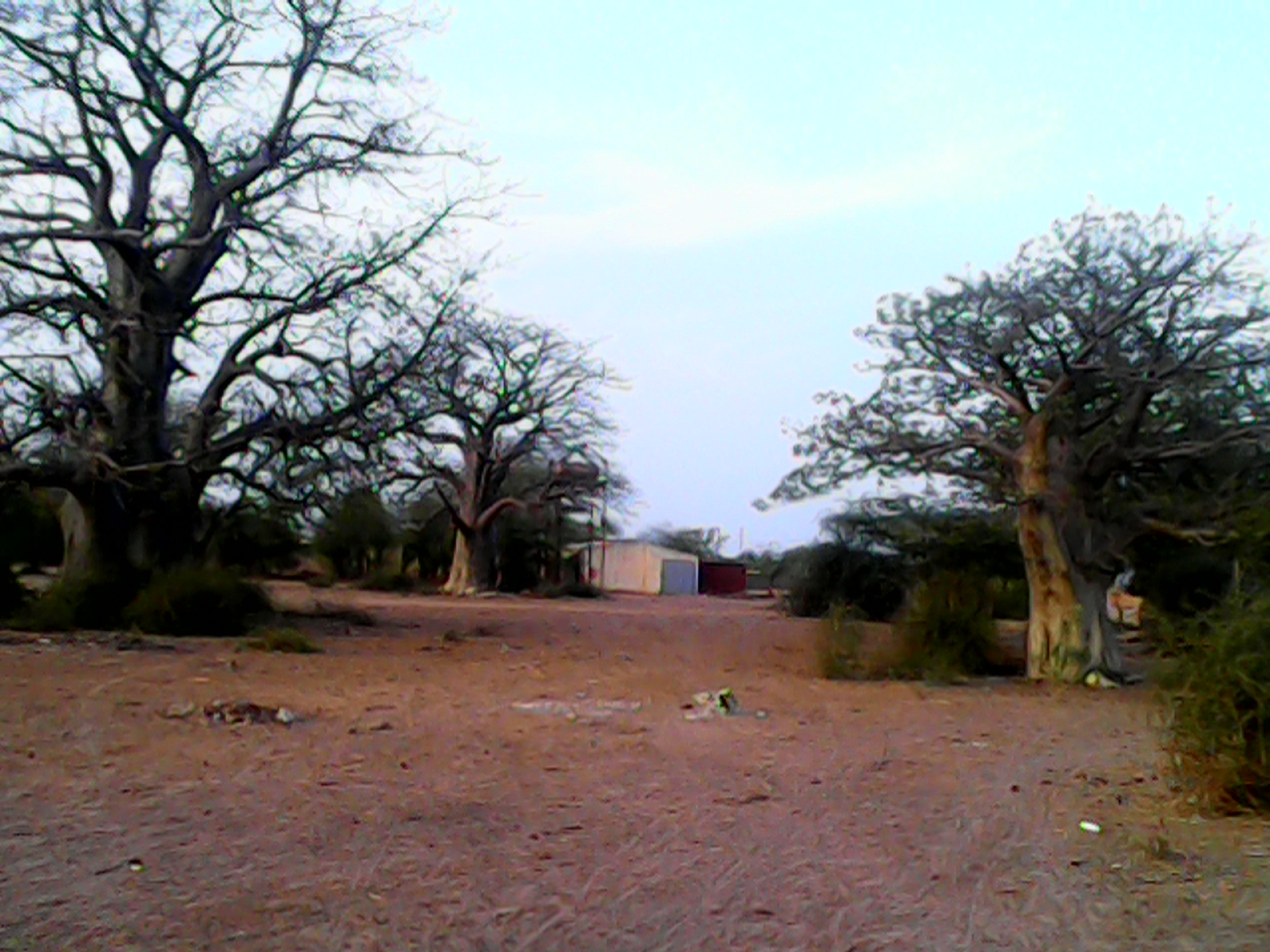
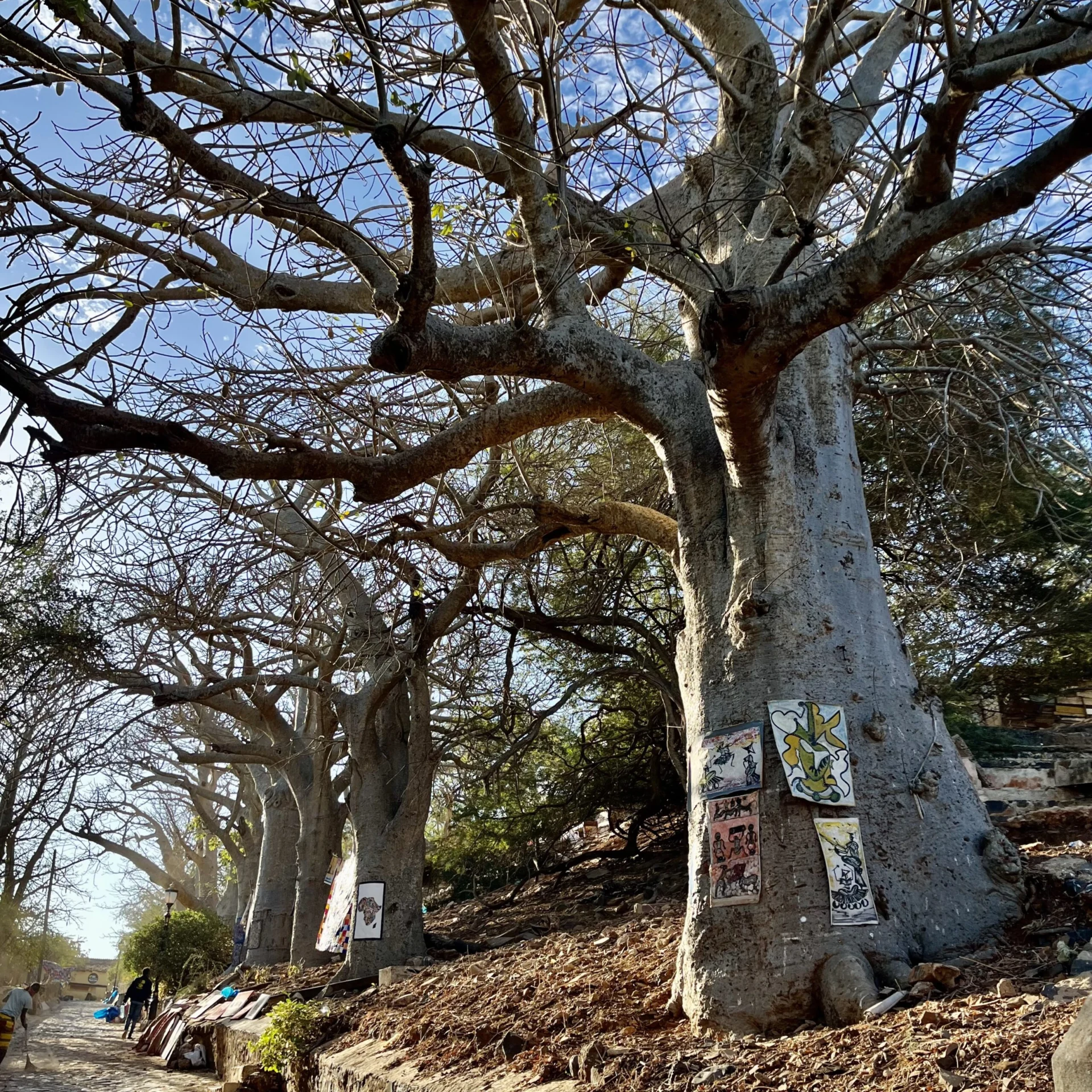
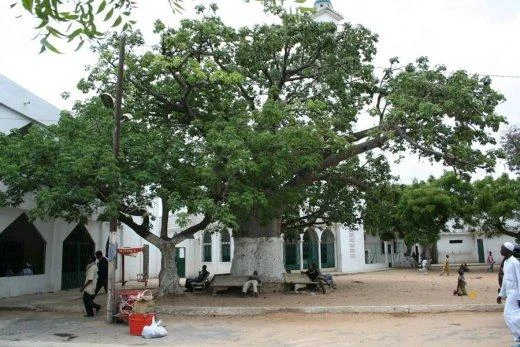
The baobab is a symbolic tree in Senegal. It is the emblem of the nation and symbolizes its strength and resilience, which nothing can shake. It is al...
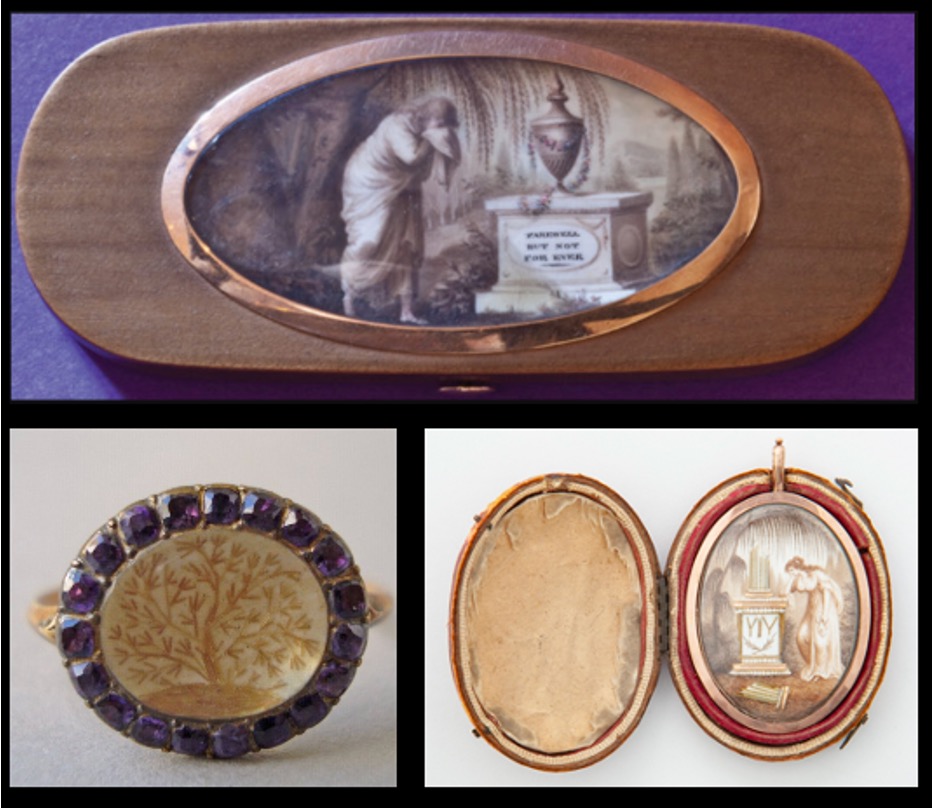
Hairwork refers to the long and varied tradition of crafting objects, images, and keepsakes from the hair of loved ones. While the practice is now mos...
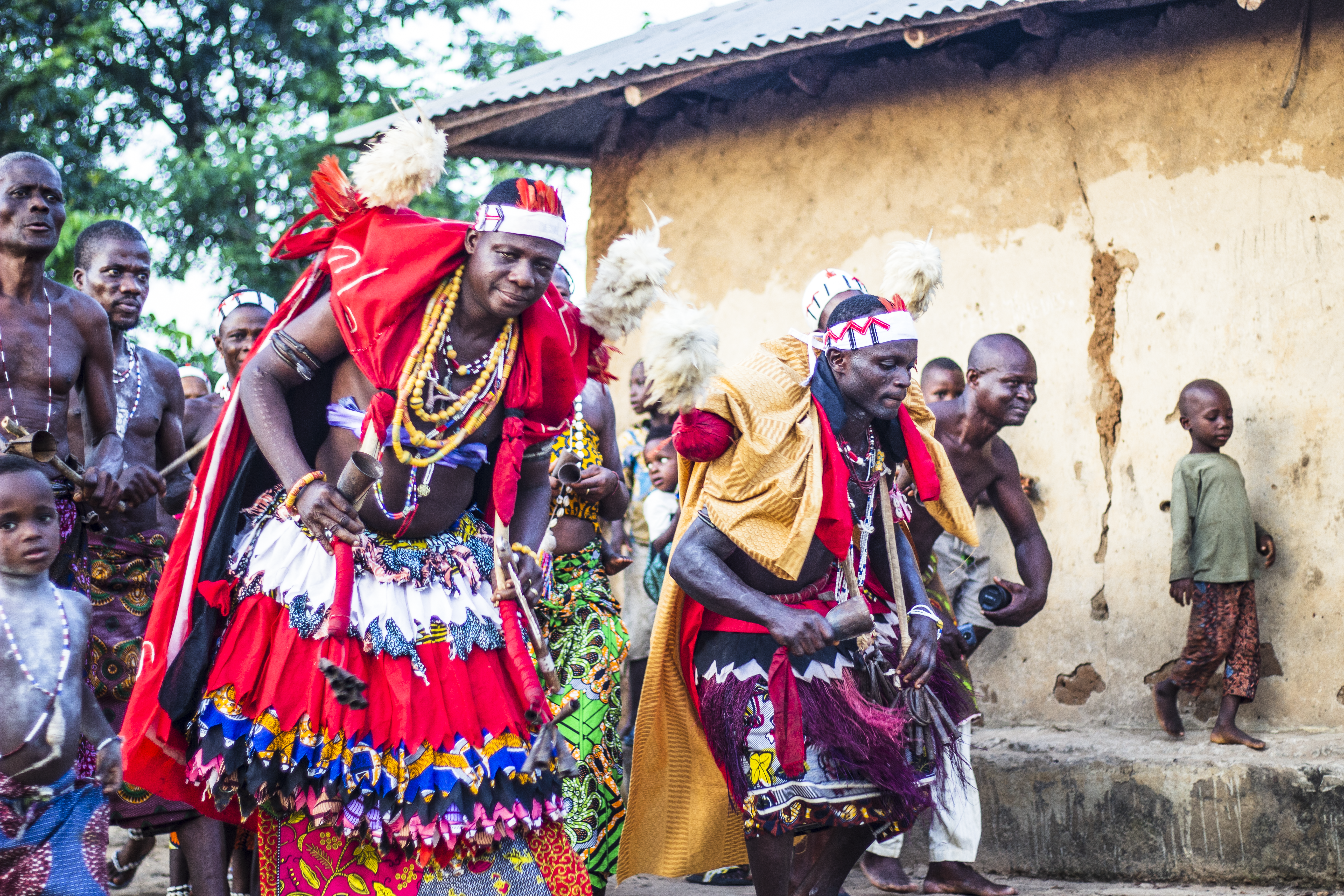
Les fidèles de ce Vodun sont reconnus par les plumes de perroquet qui décorent leurs vêtements. Ces plumes sont de couleurs rouge et blanche. Elles fi...
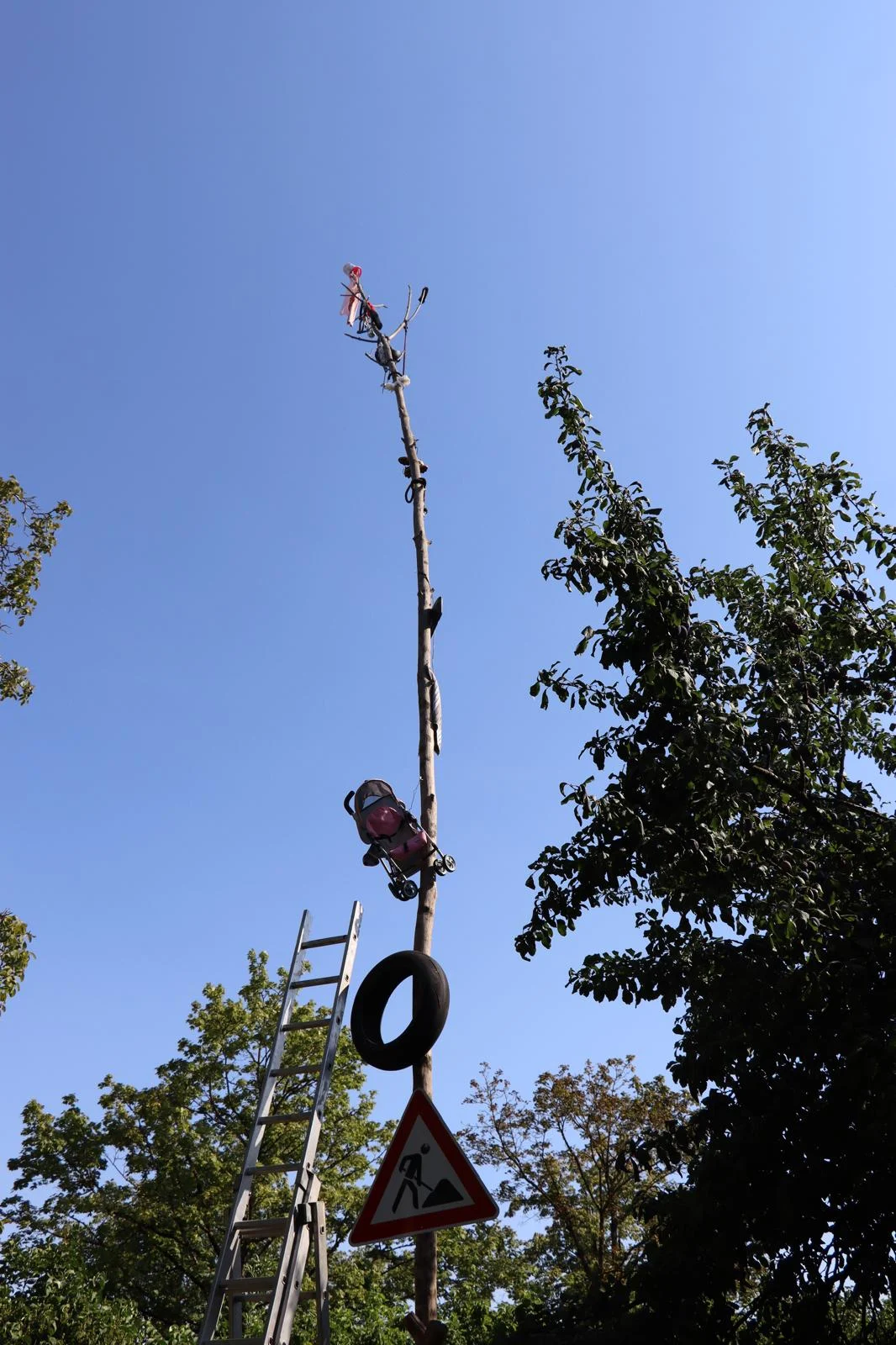
Das Aufstellen eines Hungerbaums ist eine in Oberbayern ausgeübte Tradition, die aber in anderen Teilen Bayerns schon weniger bekannt. In dieser Regio...
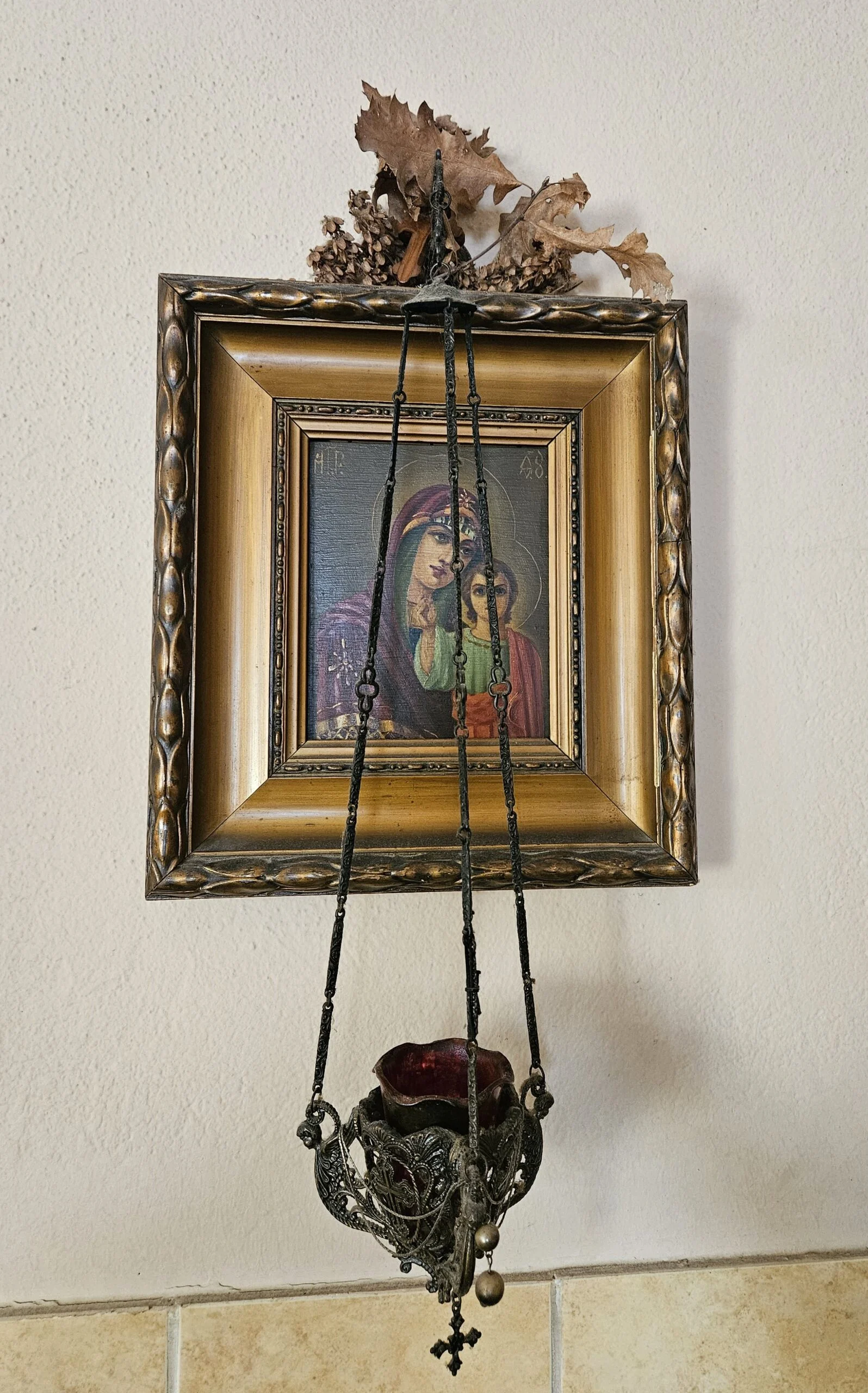
Kao i kod svih pravoslavnih hrišćana, kult ikona u domovima je izuzetno važan i negovan. Ikone su korišćene ne samo u liturgijskim postavkama, bitkama...
Espèce végétale qui a un caractère sacré principalement dans la région du Sud du Bénin. C’est un arbre vénéré et majoritairement intégré dans les ritu...
Pravoslavni hrišćani slave Ivandan/Ivanjdan 7. jula, praznik nazvan po Svetom Ivanu/Jovanu Krstitelju i njegovom rođendanu. Tradicionalno na ovaj dan,...
In Samoan culture, ancestral remains are sacred, and are kept and looked after by the families and descendants of the deceased.
Attitudes toward thes...
Жер тек физикалық аумақ қана емес, адамның туған жерімен және мәдени мұрасымен байланысты рухани сезімді білдіреді. «Кіндік қаны тамған жер» деген тір...
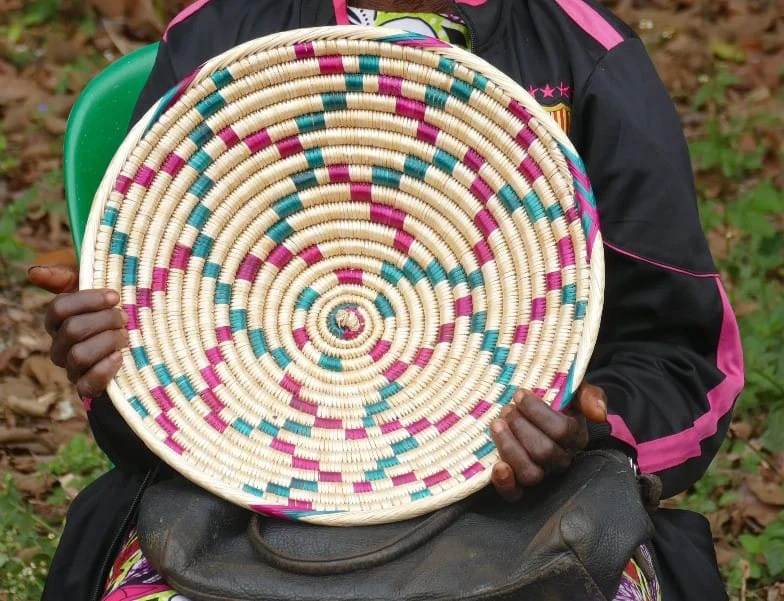
A kitchen utensil made from calabash, used in virtually all Senegalese households. It embodies abundance in the homes that own it, referring to the tr...
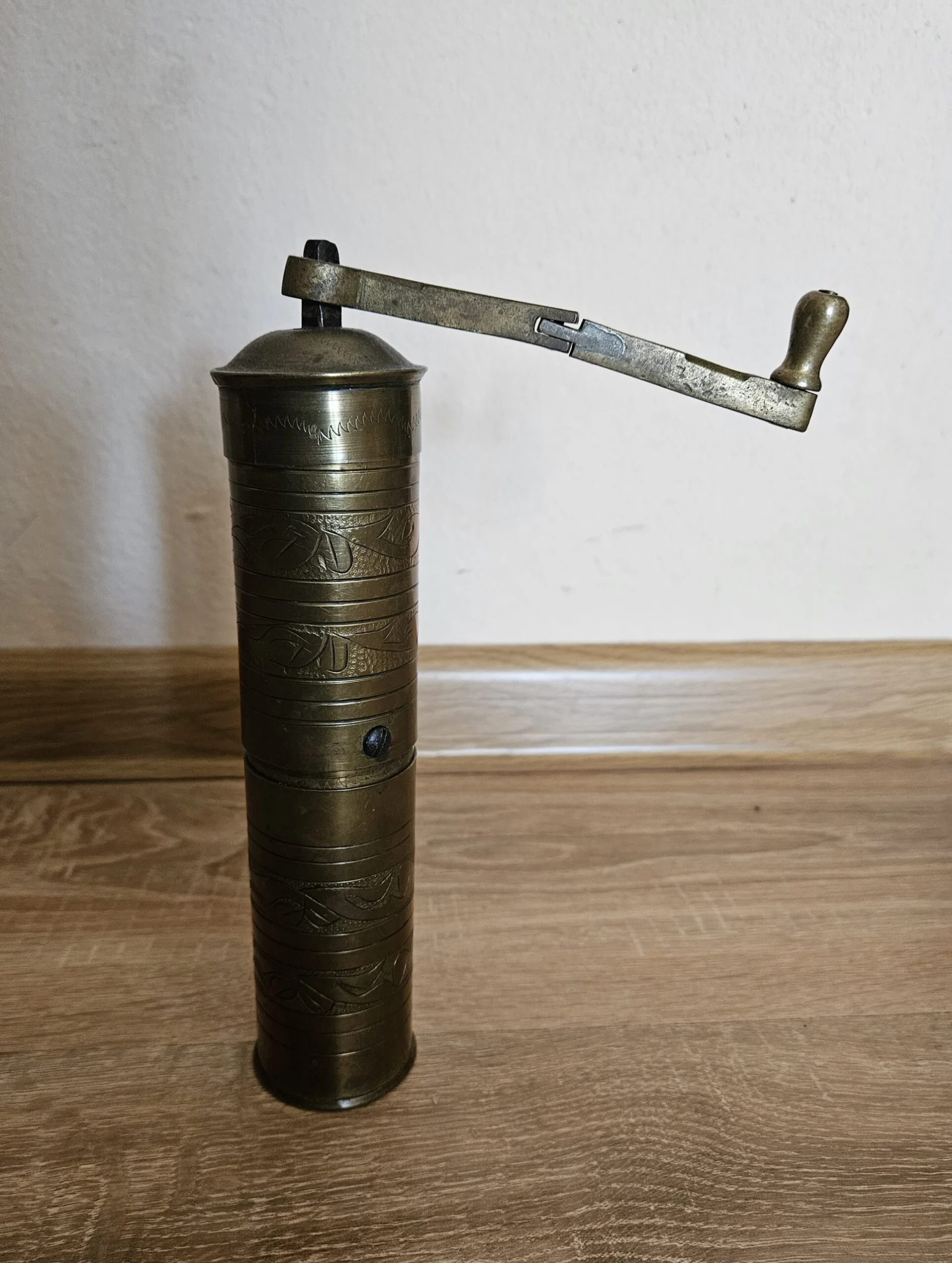
Balkan predstavlja bitnu kontaktnu zonu između civilizacija zapadno od Balkana i Osmanskog carstva. Konzumacija kafe i duvana na ovom području se na t...
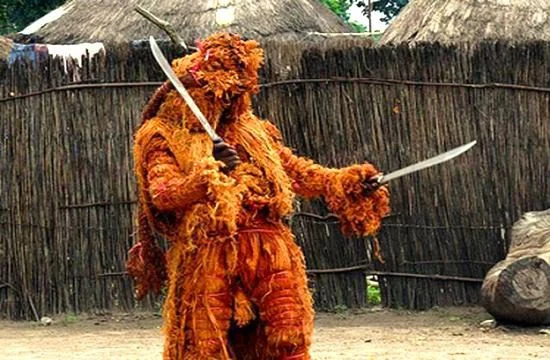
Sacred mask that protects the Mandinka community in Senegal and Gambia. It accompanies young initiates in their transition to adulthood. This symbolic...
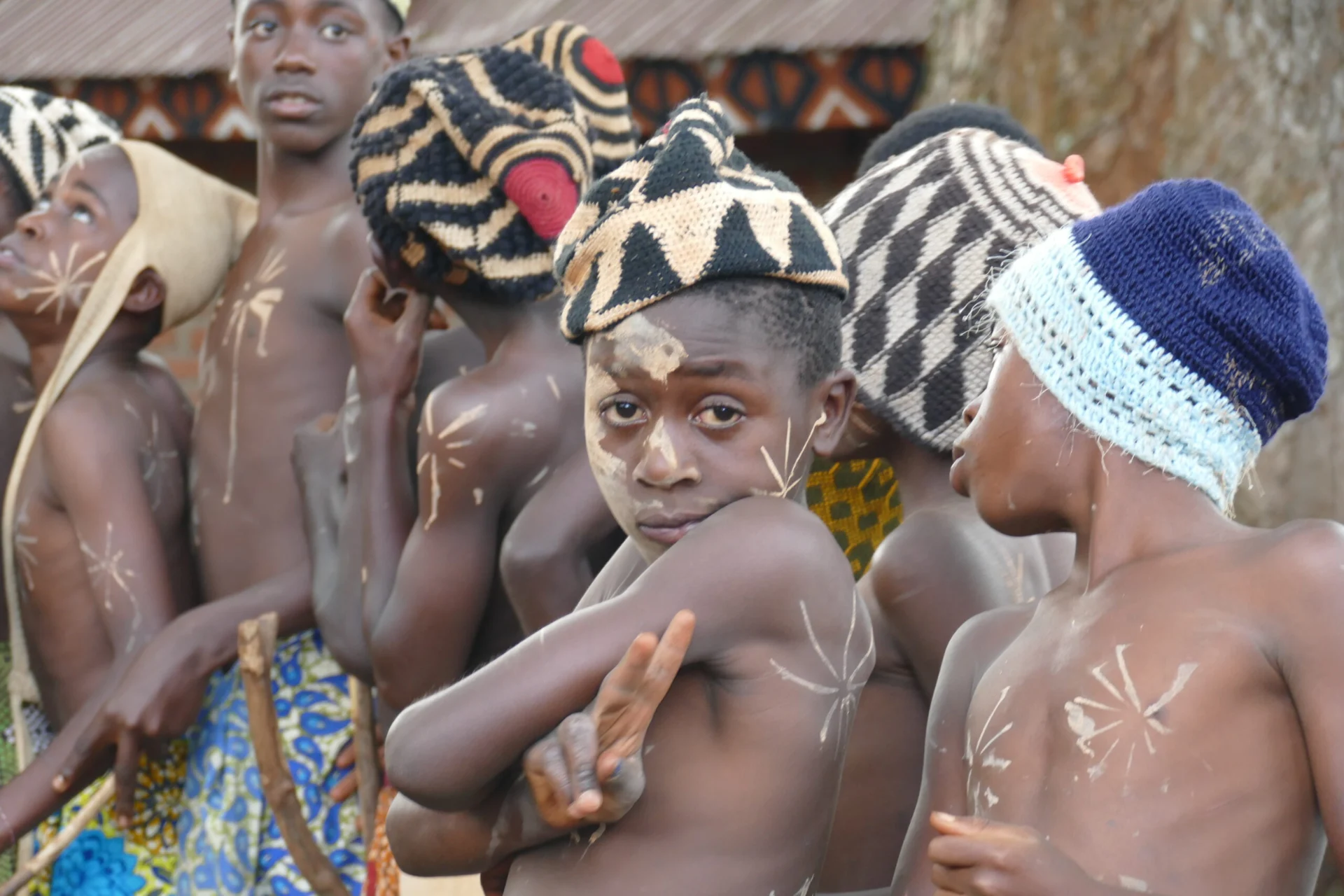
Festive ritual and ceremony performed after circumcision to prepare young men for the challenges of life. Kasag also marks the passage from childhood ...
The traditional bucket of the Diola People community. It is also used as a safe to keep money and precious jewelry. A hole is dug somewhere in the roo...
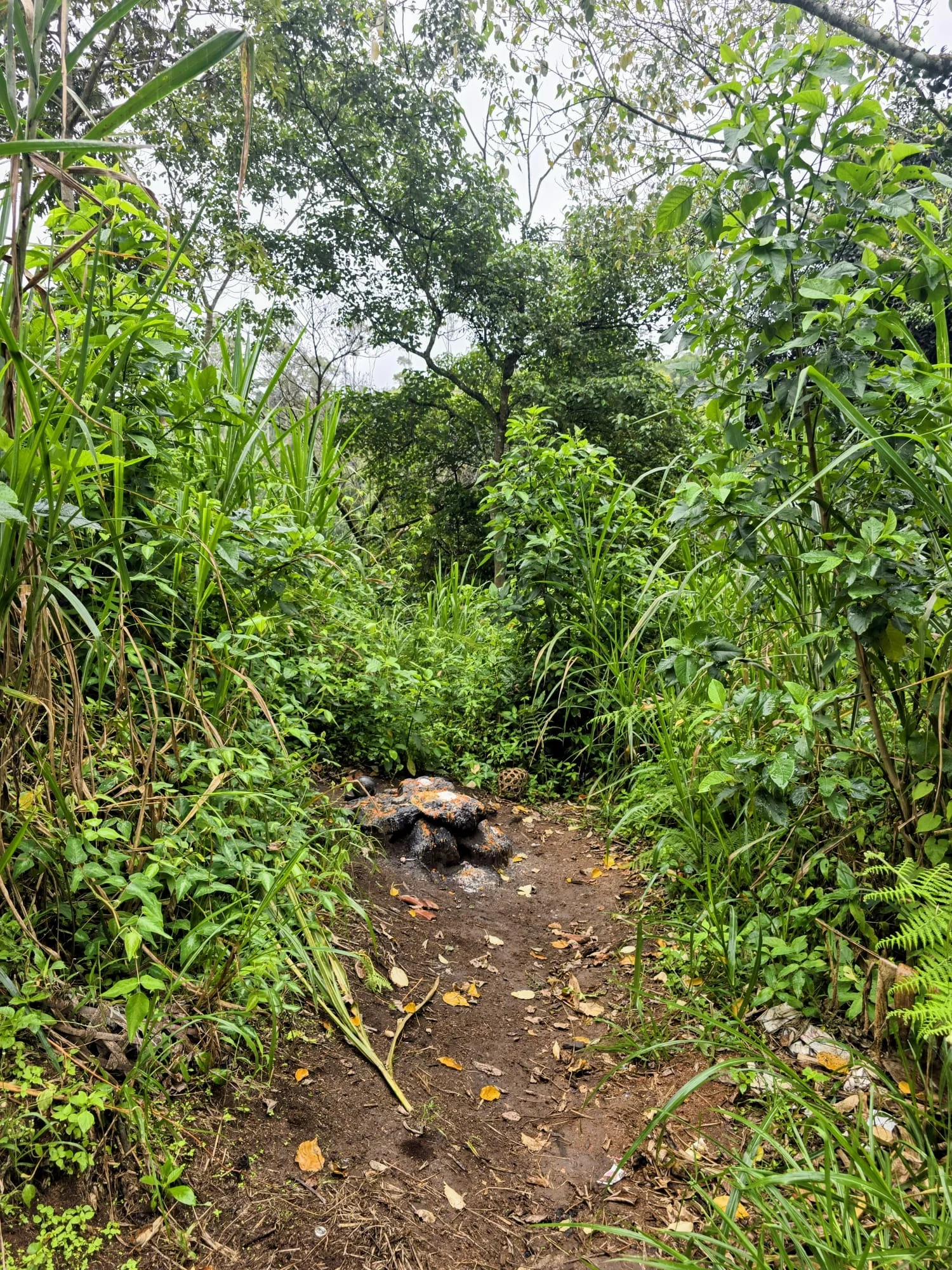
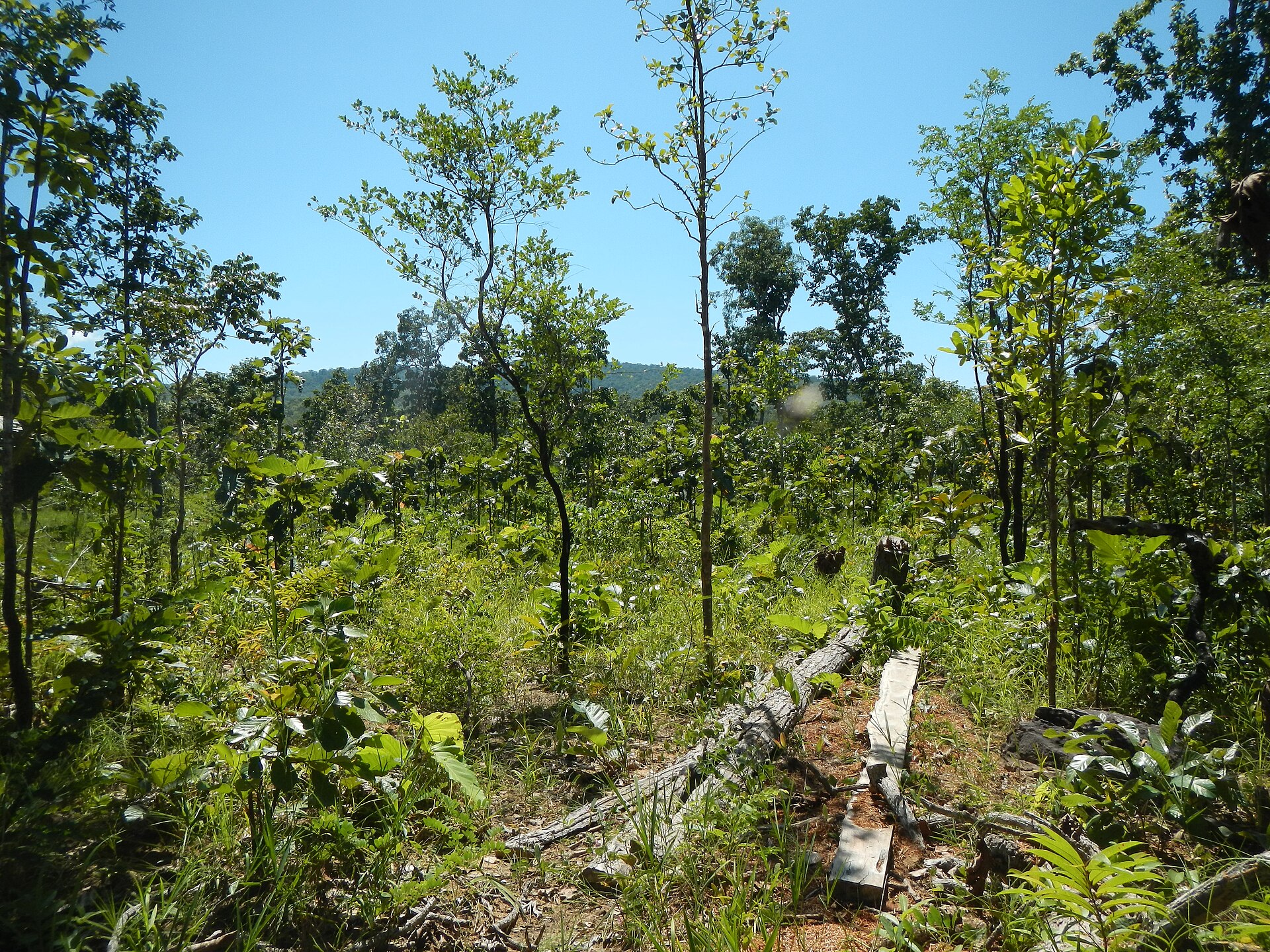
Pga K’Nyaw people have different words for different types of forest: Du Ta – sacred forest, Du Tawo – ancestral forest, Ke Ne Mue – women’s forest, K...
Restraint in social relations. Kersa involves knowing what to express and what to keep to oneself, in order to avoid embarrassing others and to preser...
Le Vodun Kokou est pratiqué dans la région du Mono au Bénin, principalement dans les villes de Grand-Popo, Comè, Bopa, Possotomè, et Houéyogbé. Ses fi...
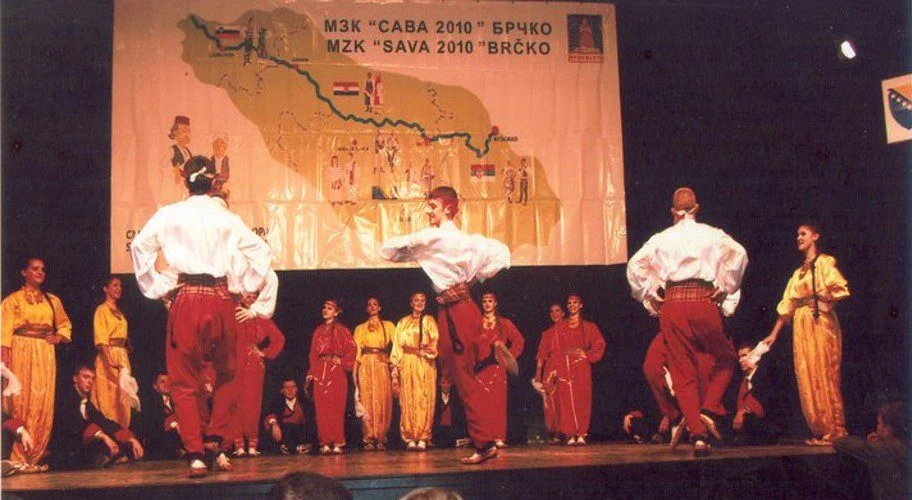
Kolo je drevni oblik plesa koji se praktikuje u cijelom svijetu, u različitim kulturama na svim kontinentima. Prevedeno kao ples u krugu, to je najran...
Appelé kpasatin en Fɔ̀ngbè, le baobab est un arbre sacré au Bénin, valorisé et respecté dans le cadre de la culture Vodun. L’arbre est consacré après ...
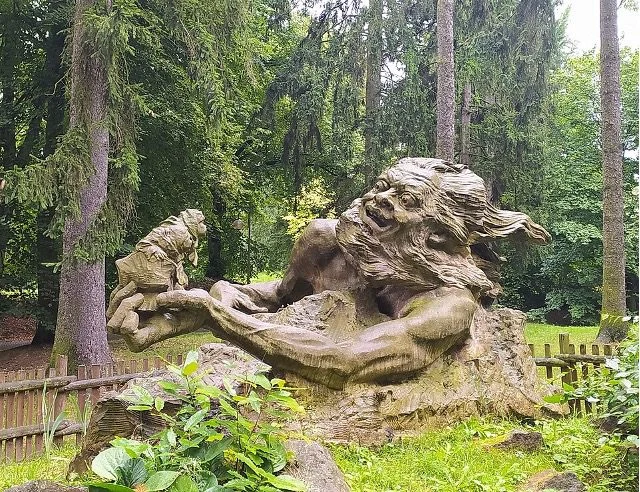
Krakonoš (též Rýbrcoul; německy Rübezahl, polsky Liczyrzepa) je bájný duch a pán Krkonoš, který v českých pověstech střeží tyto hory a jejich obyvatel...
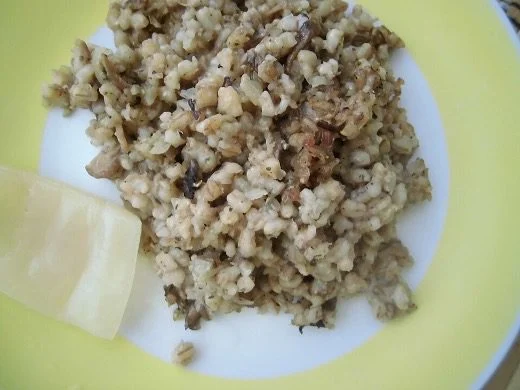
Kuba, známý též jako houbový nebo černý kuba, je tradiční staročeský pokrm, který se pojí s českými Vánocemi. Připravuje se z krup, sušených hub, cibu...
The Feuh's Deputy is appointed during the same ceremony as the Mukam/Mu’ukám. Arrested a few minutes after the latter, he accompanies him to the La’a...
Etymologically, the word la’akam is made up of the prefix “la’a,” La’ah meaning village, and the suffix “kam,” meaning nobles. The la’akam is simulta...
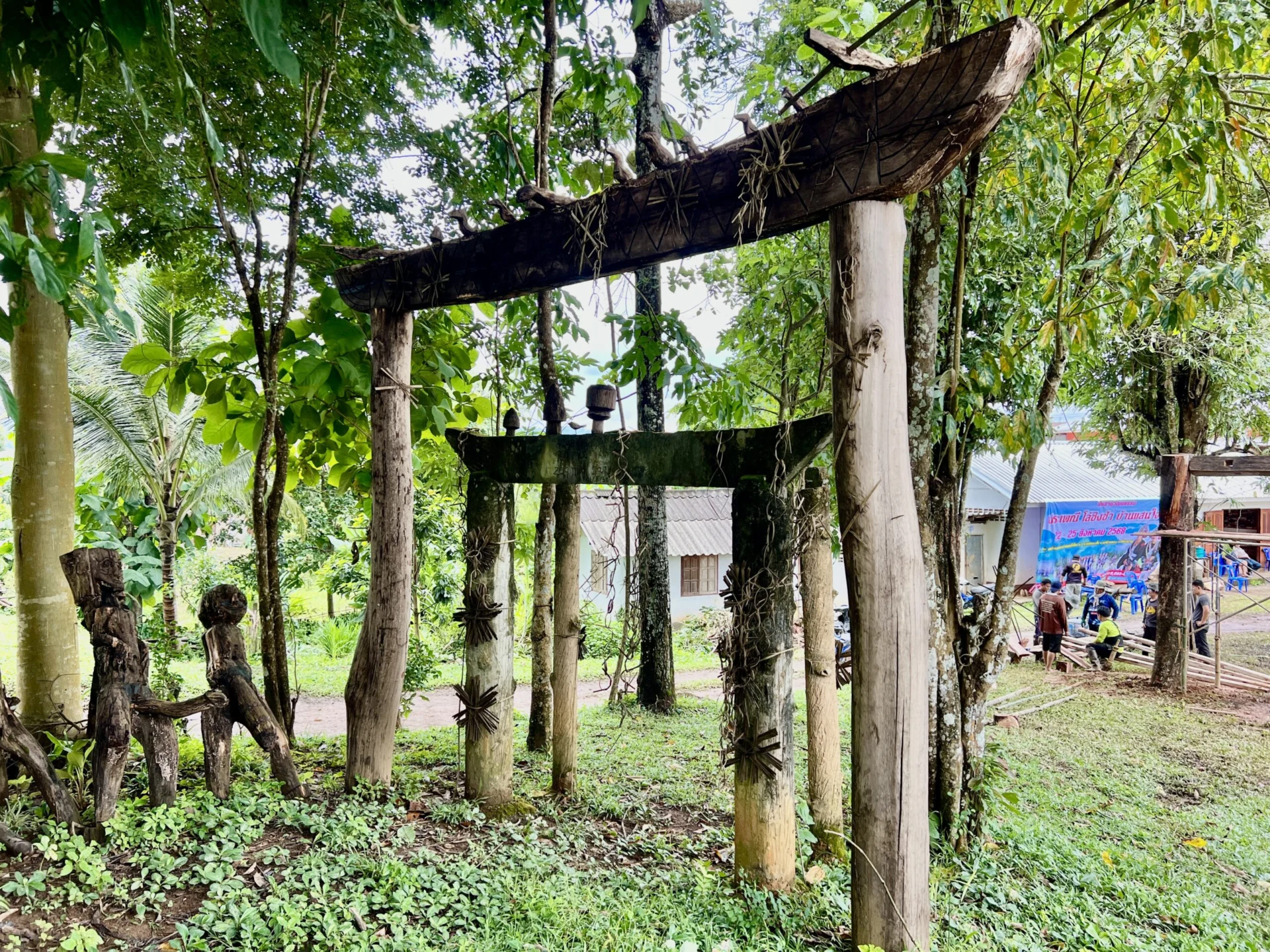
The 'Lanrkanq' or village gate (sometimes called a 'spirit gate') is considered sacred. It is meant to protect the village from evil forces and block ...
Une forêt ou un bois sacré que l’on trouve dans toutes les chefferies de l’Ouest-Cameroun et dans laquelle est préservée la biodiversité, elle aussi s...
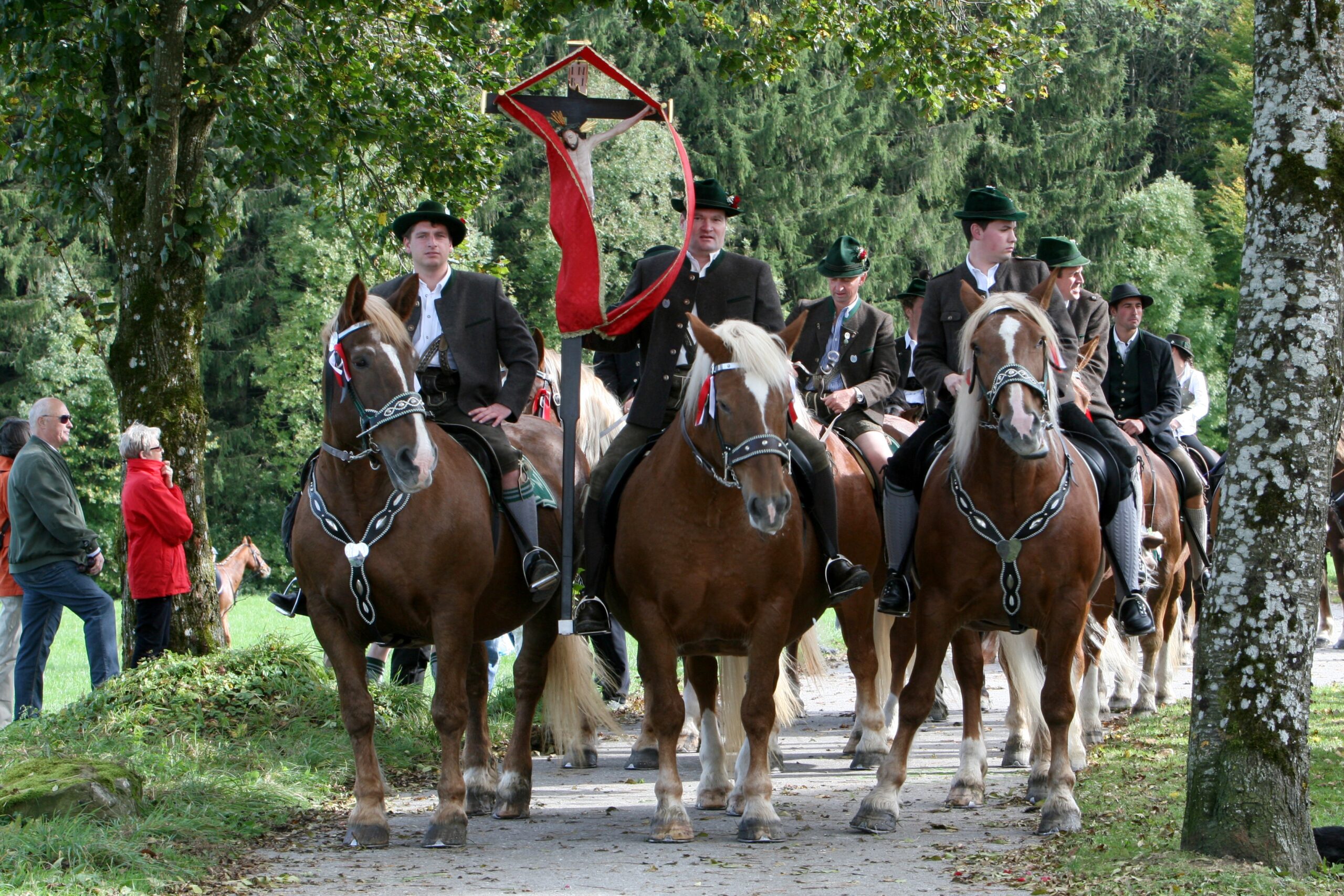
Die Leonhardiritte sind Reiterprozessionen, die zu Ehren des Heiligen Leonhard von Limoges veranstaltet werden. In der römisch-katholischen Kirche gil...
« C’est la divinité protectrice qu'on retrouve à l'entrée d'une maison (Agbonu lɛgba), d'une ville (To Lègba) » (Kakpo 2010, 97), associée à la fécond...
Procédé qui consiste, en guise d’offrande, à répandre un liquide sur un autel Vodun appartenant à une divinité au cours d’un rituel ou d’une cérémonie...
Lilanje je drevni narodni običaj, tipičan za stanovništvo istočne Bosne i zapadne Srbije, koji, prema starim vjerovanjima, datira iz perioda prije hri...
Process of transferal of ancestral remains. This may occur for various reasons, for example when another family member passes away, and the family wis...
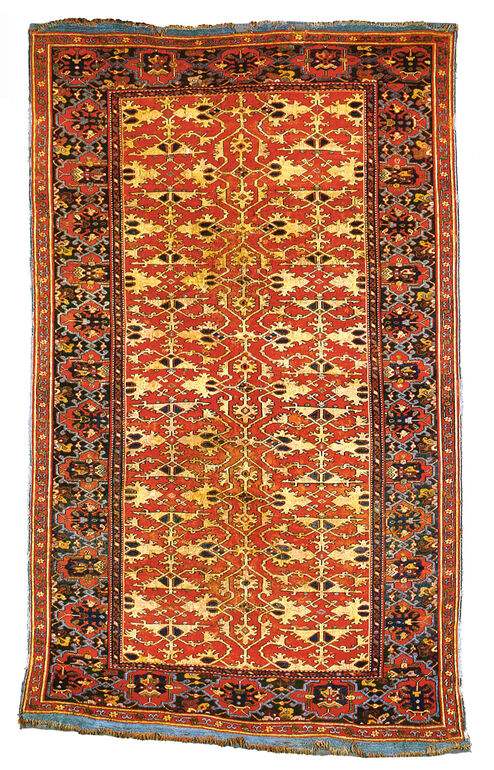
Als Lotto-Teppiche werden geknüpfte Wollteppiche bezeichnet, deren typisches Muster aus gelben, geometrisierten Ranken auf rotem Grund besteht. Sie wu...
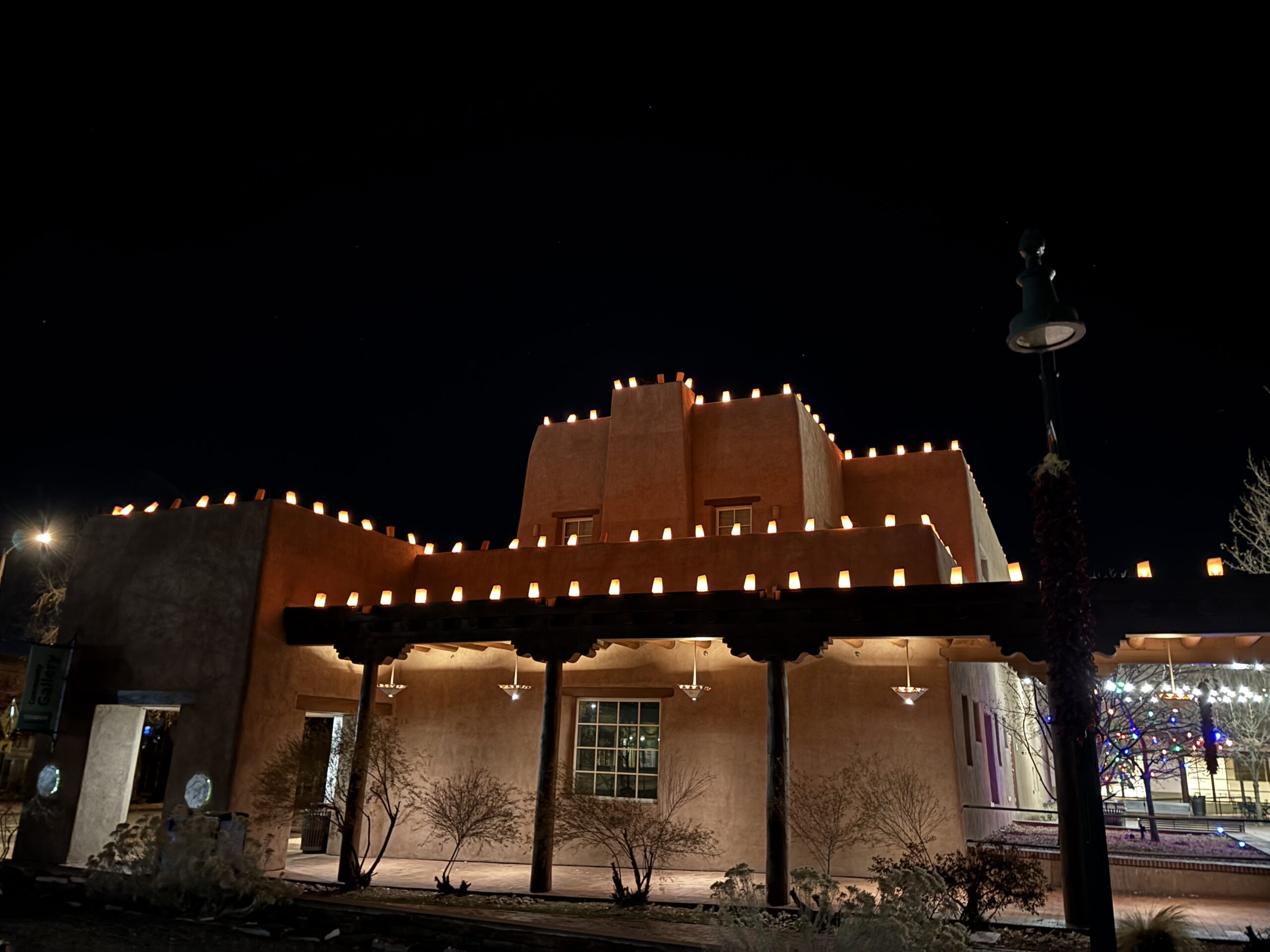
Luminarias are a type of paper lantern used to decorate backyards, walkways, and roofs (particularly on flat, adobe-style buildings) in New Mexico and...
Refers to an individual’s collective identity and social responsibilities. Maaya embodies a person’s social identity as a member of their community. I...
Embroidery technique that consists of adorning a sculpture or art object with small pearls or cowrie shells. Objects most often embroidered with pearl...
Mana often refers to spiritual power or sacred force, and is normally held by and within people, belongings, land, culture, and much more. Mana is inh...
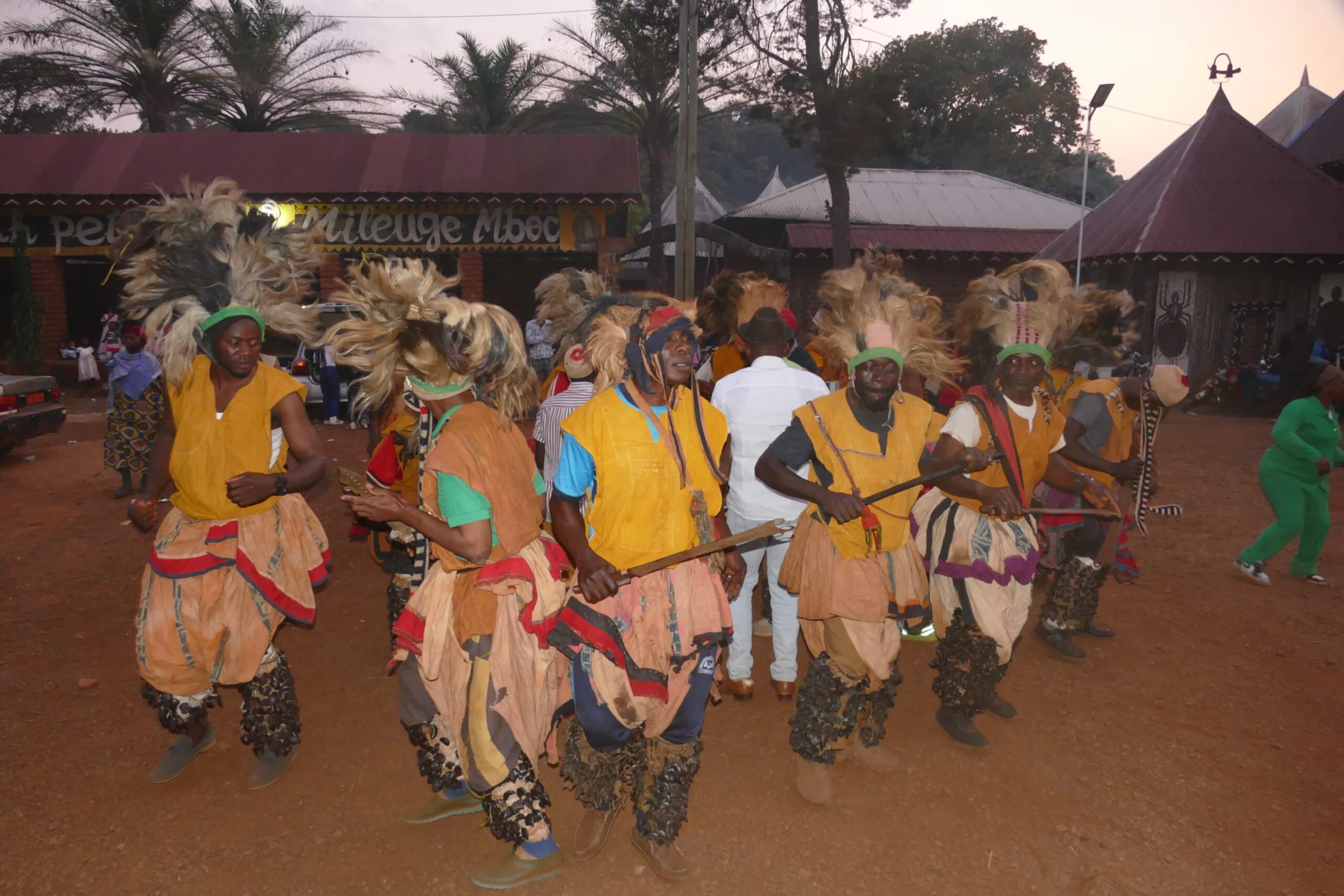
An army of warriors dedicated to protect the Feuh(fœ)/Fôh/Fon/Vū, defend the territorial integrity of a chiefdom (see La’ah (lá’áh) and No’h (nɔ̀’))...
Name and title given to a woman who has given birth to twins (see Méŋ lefāk/Mú Nyĕ), which is bestowed on her as soon as they are born. Mankhū have a ...
Masticated work, sometimes called cut work or sepia work, is a hairwork technique in which hair is finely chopped or ground into a powder, mixed with ...
Ensemble des biens hérités de la mère, qu’ils soient matériels comme immatériels, y compris les expressions artistiques et le savoir-faire transmis de...
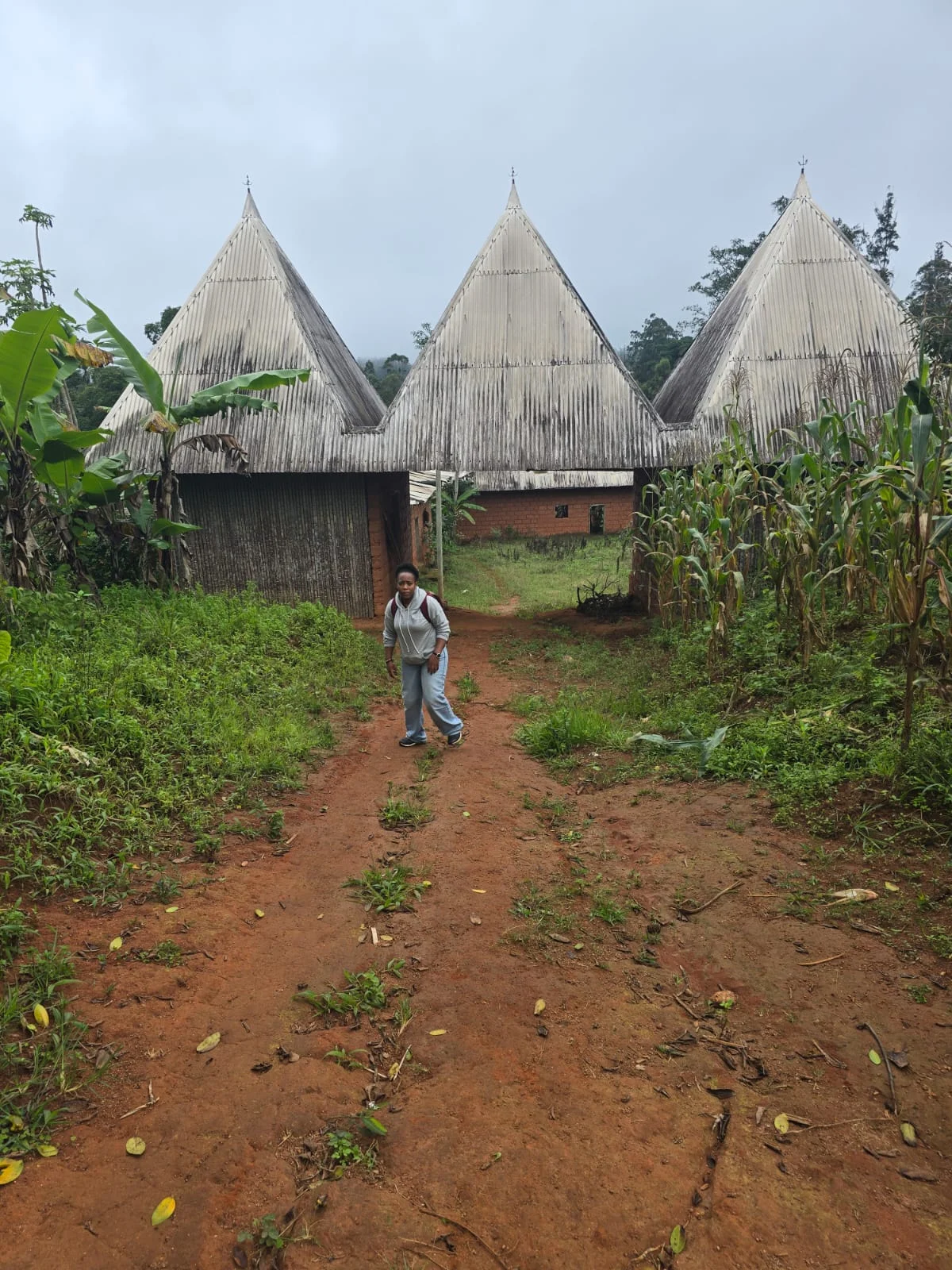
A family estate comprising a meeting place, a paternal house and the women's houses. The compound is the basis of Bamiléké socio-political organizatio...
The act of uniting or gathering to strengthen community ties. Mbeddo is a social principle that promotes unity and harmony within the community. Its a...
L’une des nombreuses plantes de la pharmacologie traditionnelle, reconnue pour ses propriétés antalgiques, émollientes, et antiseptiques. Son usage es...
The ensemble of Samoan cultural treasures, art, codified movement, language, sounds, and customary practices—essentially all elements considered core ...
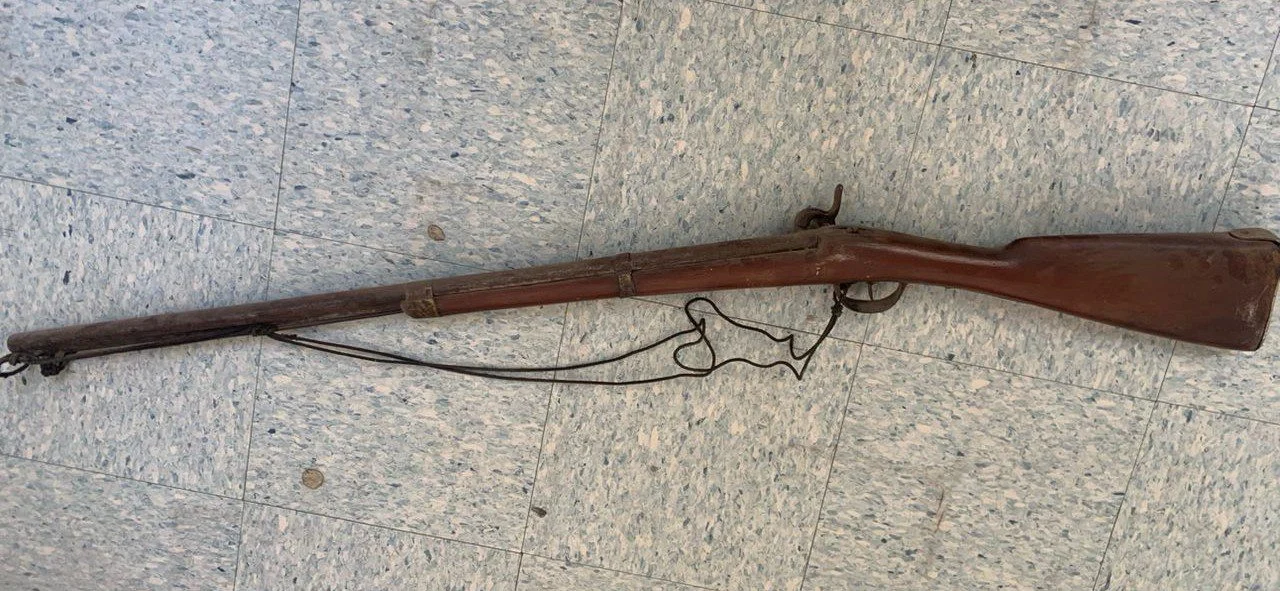
Model 1861 rifle, fired with gunpowder and used by Senegalese riflemen, a military group that served in the French colonial army until 1960. The rifle...
Also known as Mú Nyĕ (double child) or Pō Sī (children of the earth or of God), Méŋ Lefāk (double child) refers to twins among the Bamiléké people. Th...
The term Mέŋī Sī, literally defined as mothers of God or of the earth, is a title of nobility. There is a difference between the title Mέŋī and that o...
Better known as Nkui, the mfū is both a slimy bark and a dish eaten, most often, during childbirth. This plant is also known for its therapeutic prope...
Miraz je sve ono mlada donosi sa sobom u brak. Ova tradicija je prisutna od pamtivijeka u mnogim krajevima svijeta, uključujući područje Balkana. U mi...
Name given to the future Feuh during the seventy-two days of his initiation within the La’akam. He becomes Feuh once he sits on the throne (see Kouo’o...
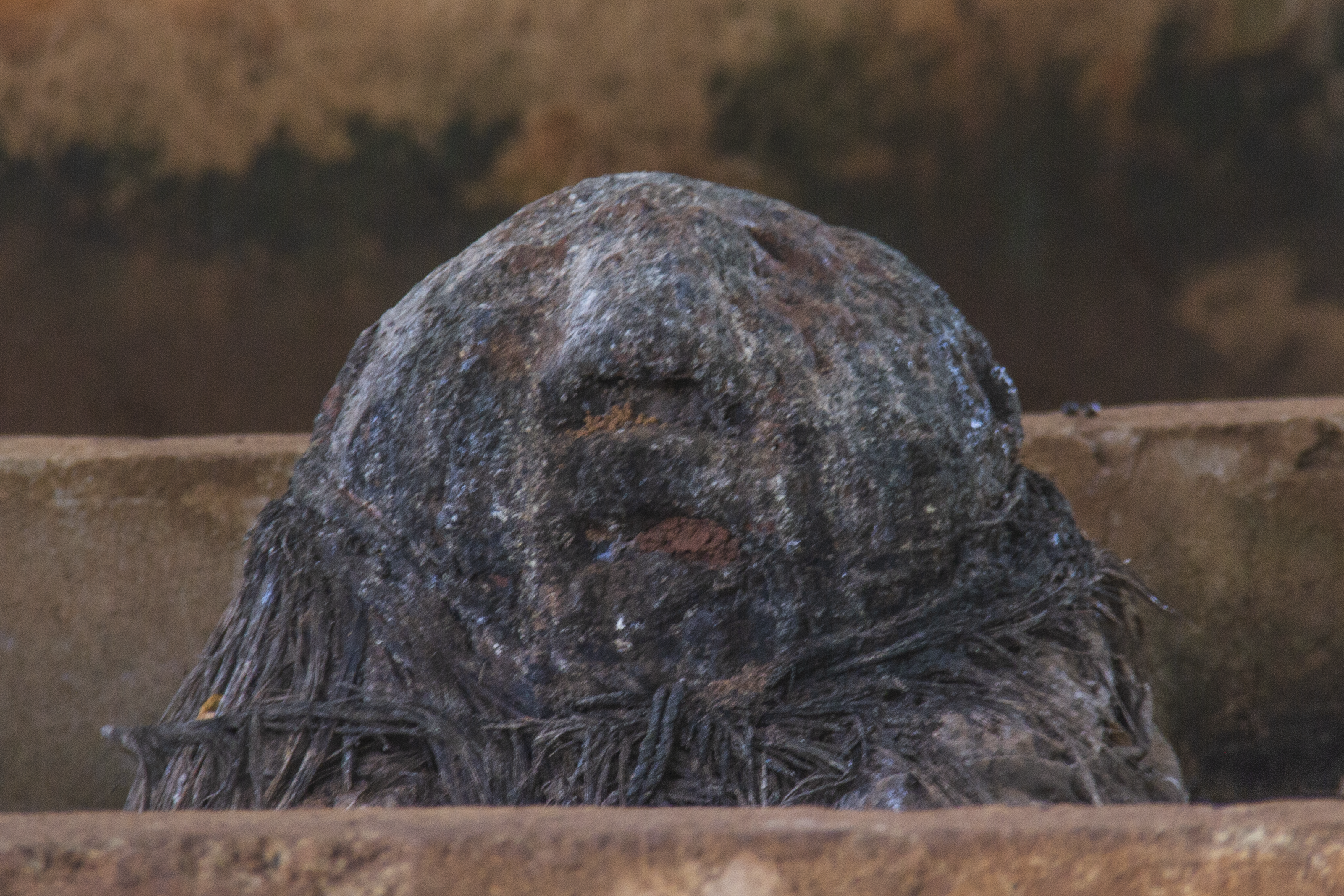
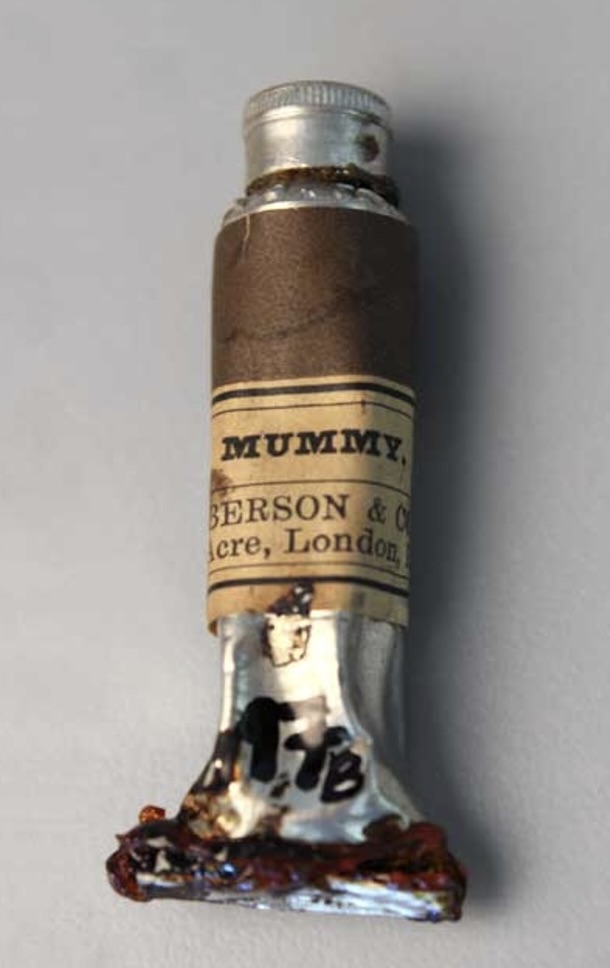
“Mummy brown” is one of the most enigmatic and ethically complex pigments in the history of Western art. Used primarily between the 17th and 19th cent...
Көне түркі дүниетанымында көзге көрінетін және көрінбейтін екі әлем бар деп есептелген. Музыка осы екі дүниенің арасындағы көпір саналады, ал музыкалы...
A ceremony in which a man or a woman is officially granted the right to sit on the kwouo, a three-legged chair for mature people and noblemen. This ce...
Balkanski region je deo zemlje koji je tokom vijekova bio naseljen mnogim narodima. Ovo bogatstvo se ogleda i u narodnoj nošnji, koja je vrlo često od...
Жаңа жылдың бастауы ретінде тойланатын Наурыз біреулер үшін жалғыз Жаңа жыл мерекесі, басқалар үшін ол Батыс Жаңа жылын толықтыратын мейрам болып табы...
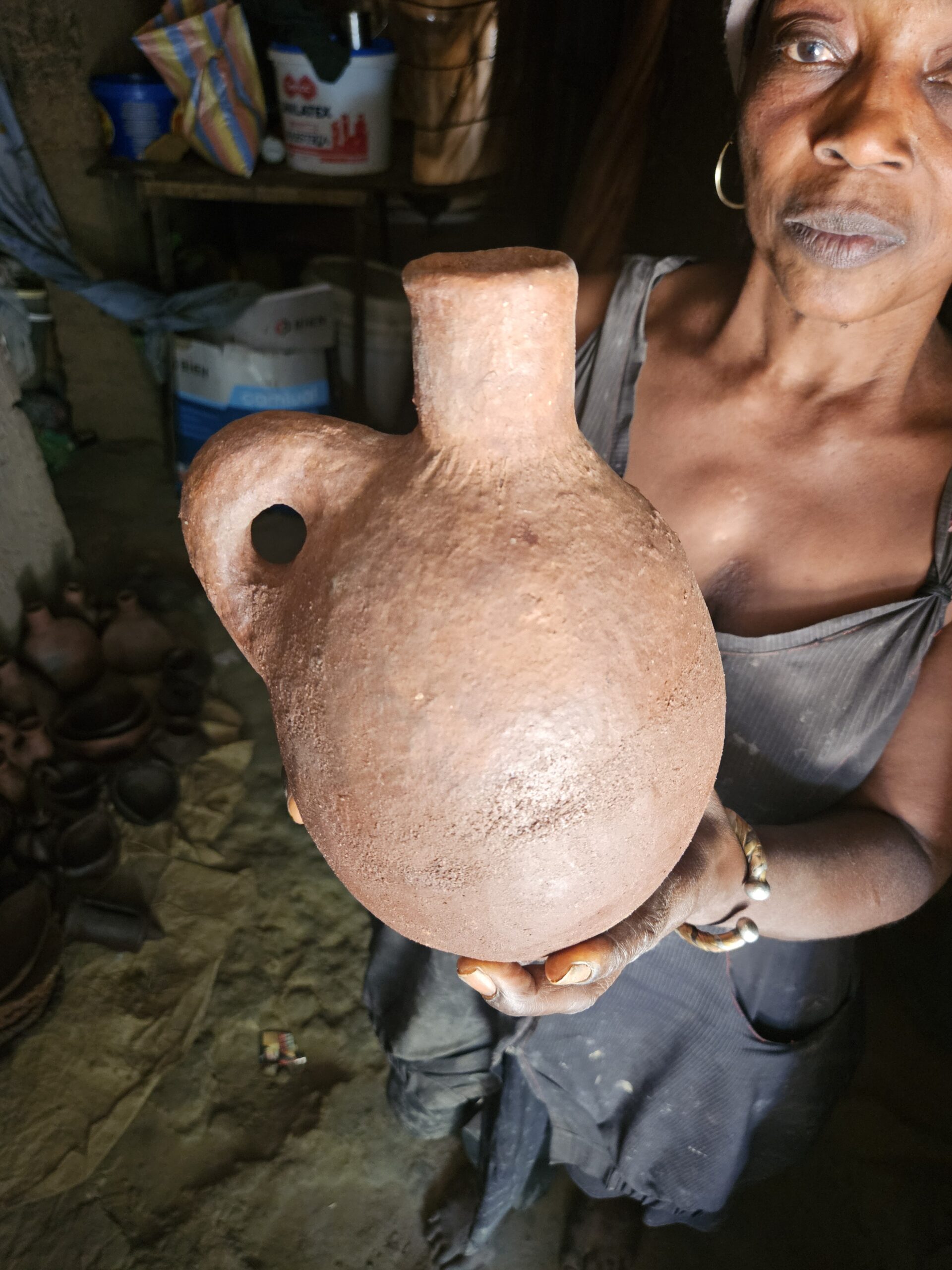
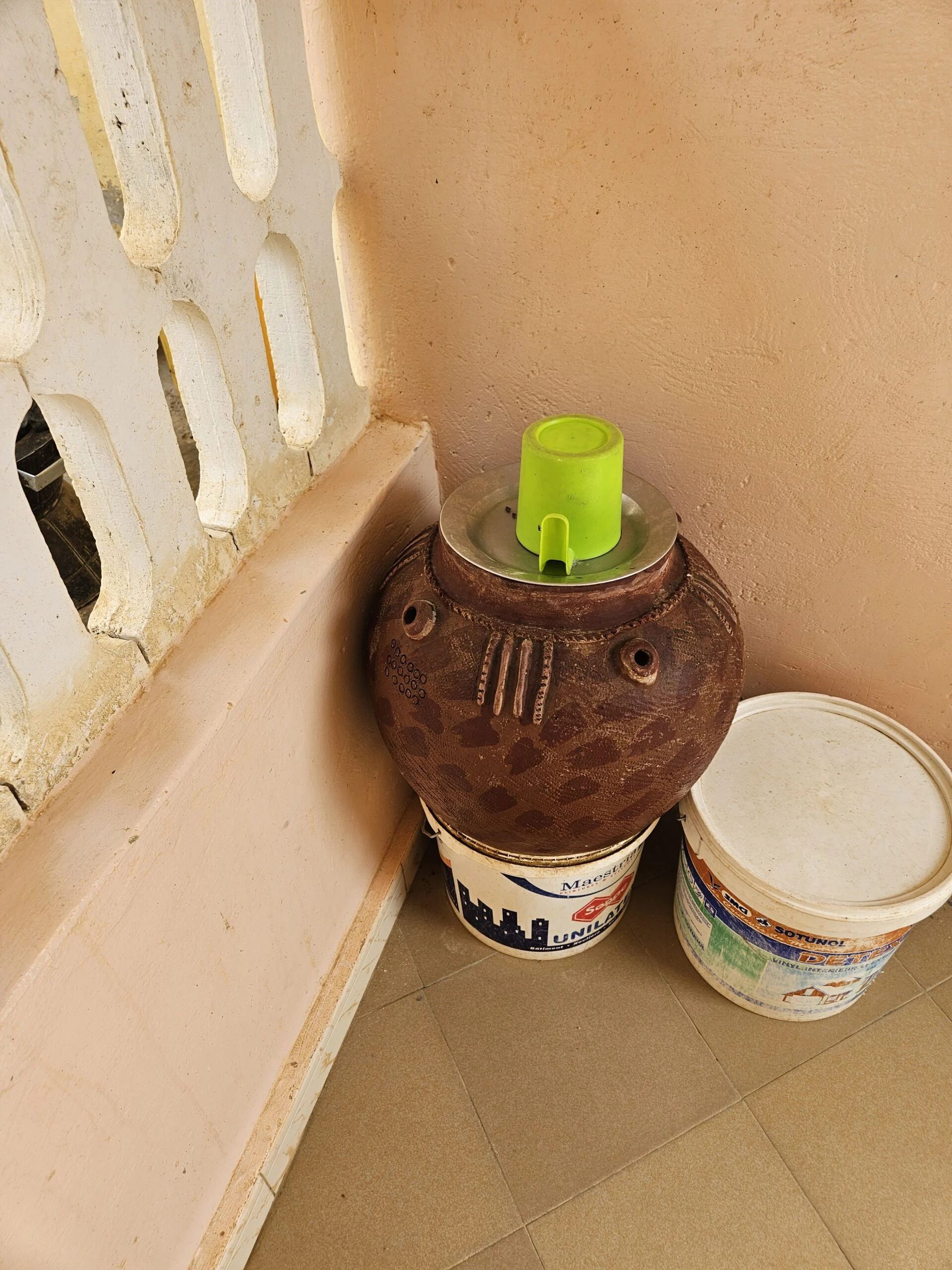
This jar-shaped pottery container is used in practically every home in Senegal. It keeps drinking water fresh. This practice is disappearing progressi...
A curse is a punishment inflicted by the ancestors to penalize various breaches of traditional rules and customs. There are two types of curses. The m...
The supreme being of the Grassfields cosmogony. It lives in the afterlife and is master of the visible and invisible worlds.
The words Ndem (emptiness...
From the Latin bambousa vulgaris, this plant is found in the valleys of the Grassfields. It has been domesticated and integrated into the daily life o...
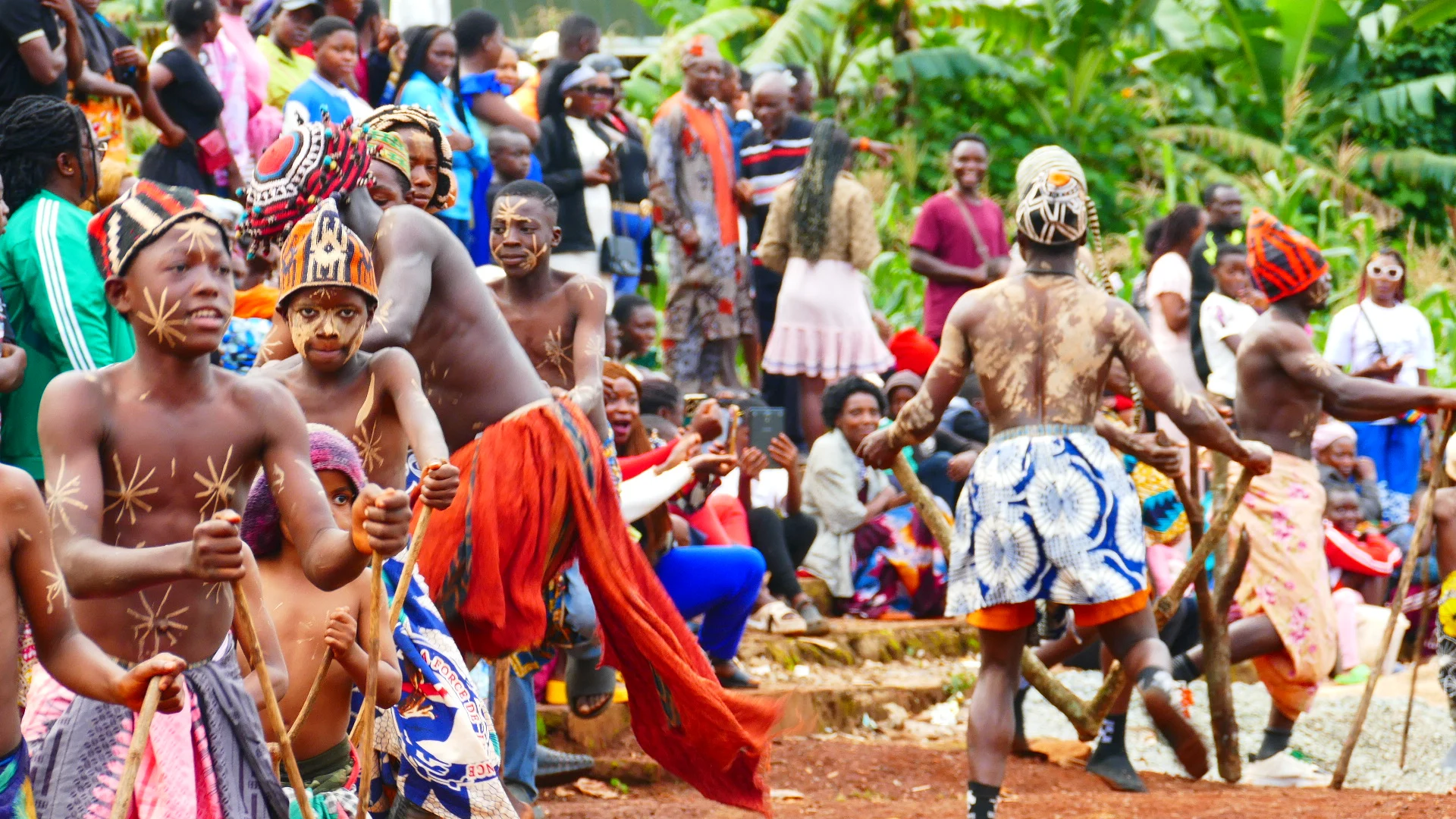
The ultimate ceremony marking the transition from adulthood to wisdom among the Nguemba people. It takes place every nine years and generally involves...
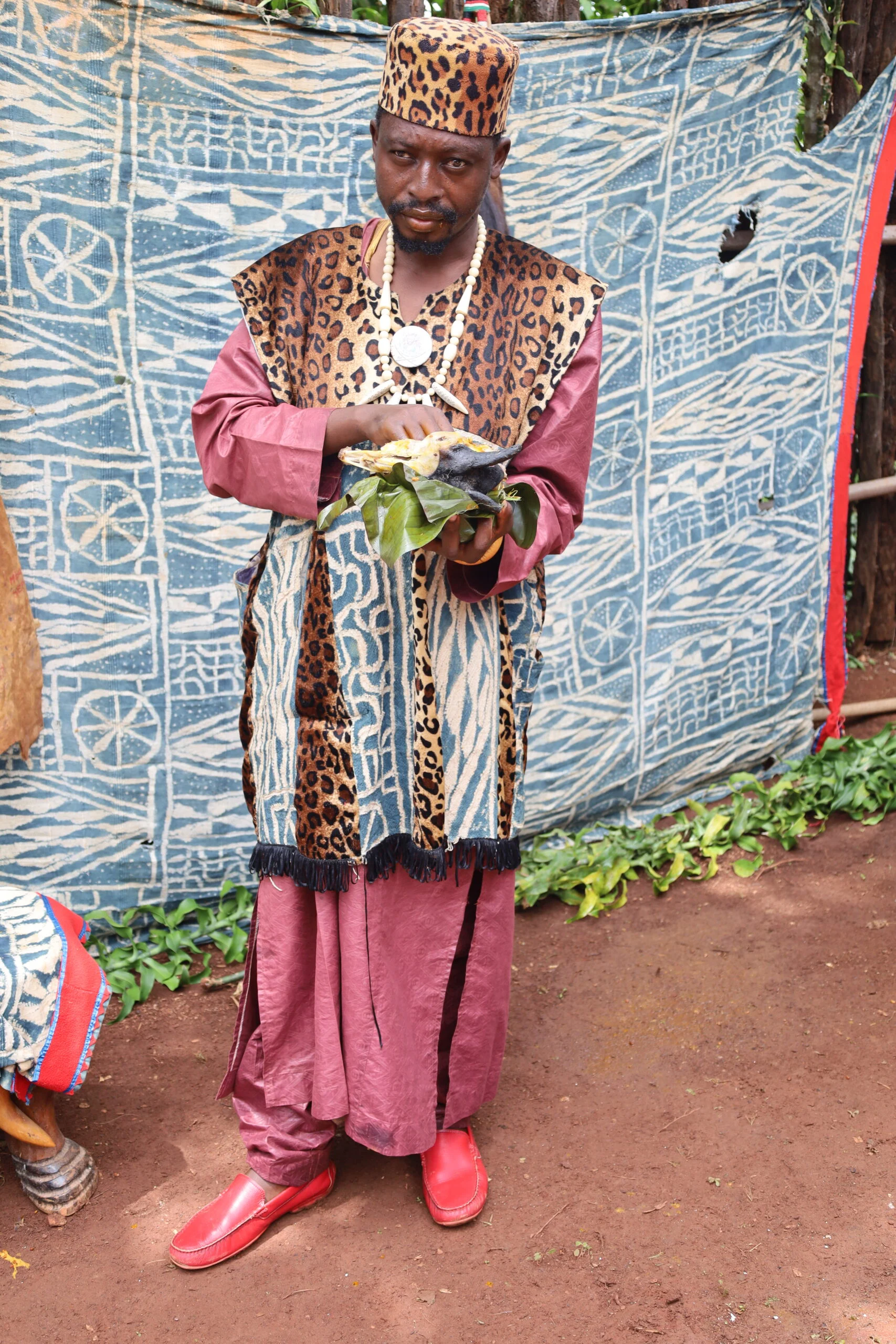
Cotton fabric, usually blue (indigo) and white, decorated with geometric motifs, and worn by Feuh(fœ)/Fôh/Fon/Vū, Nkam (ŋkǎm), and royal officials. H...
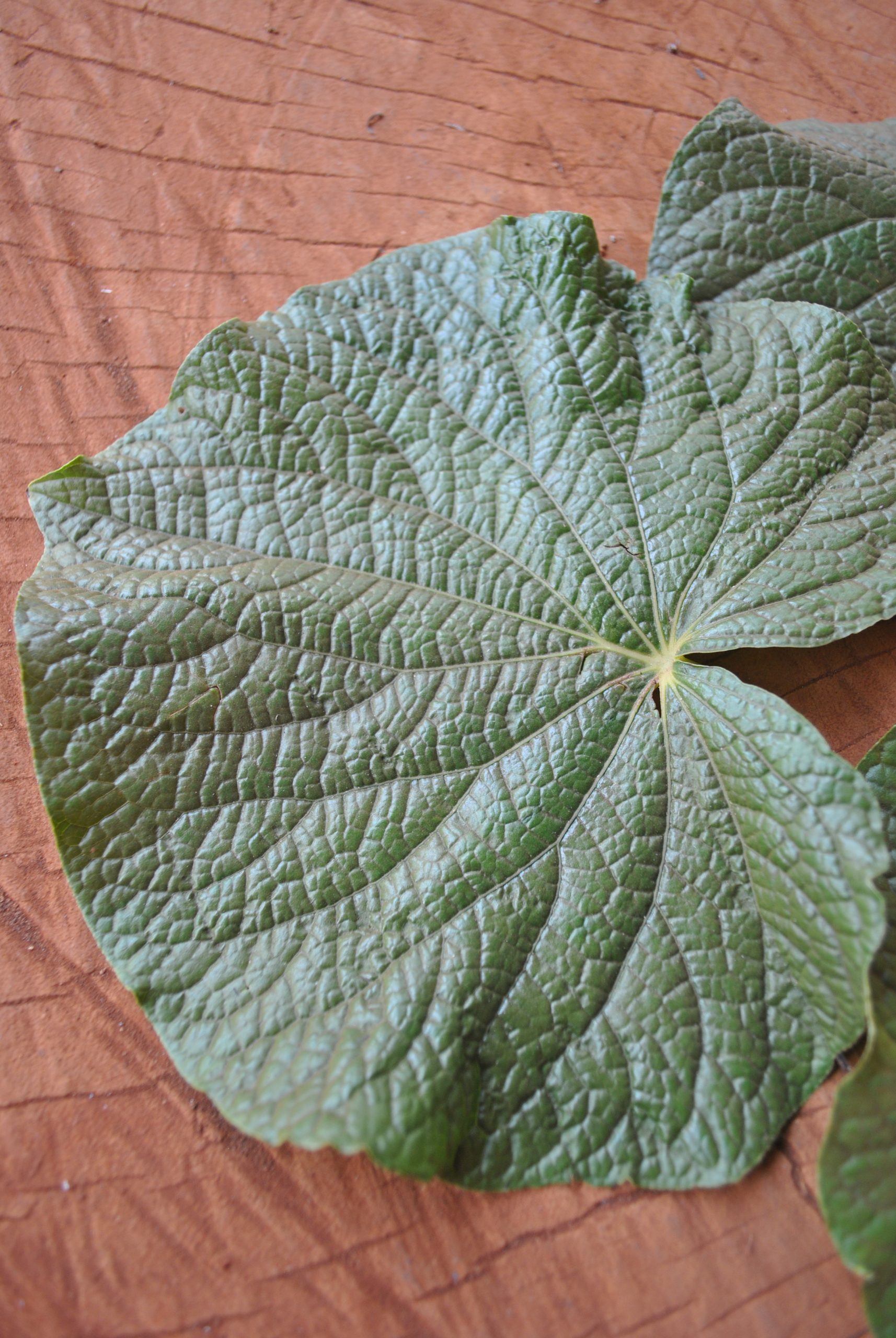
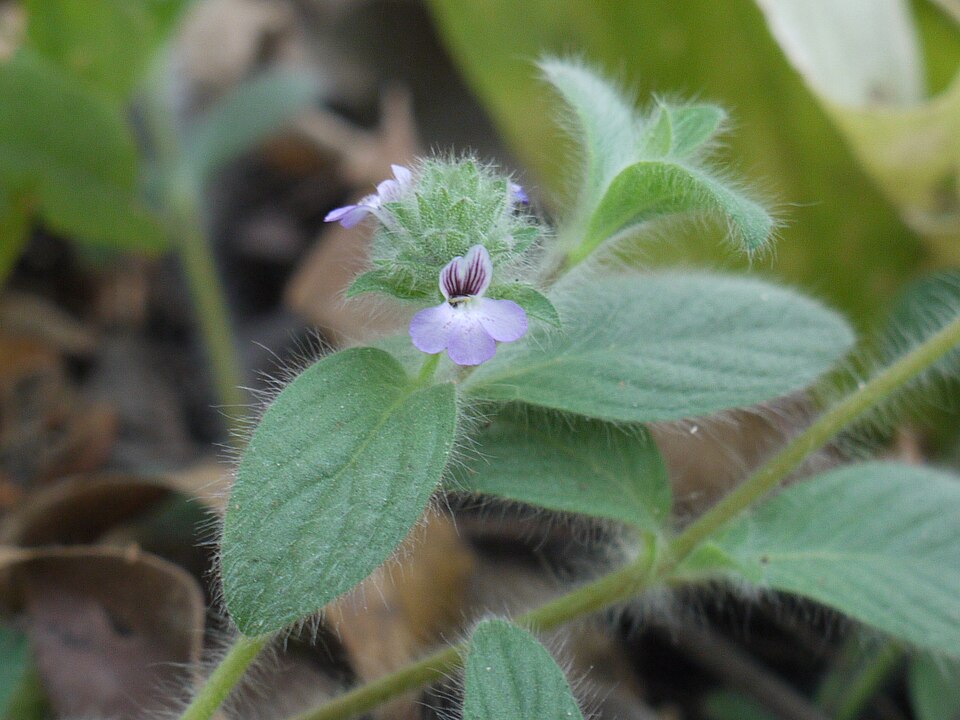
The ndwɛt is a creeping plant. Its ability to multiply rapidly makes it a symbol of fertility. Medicinally, the plant (its roots, leaves and flowers) ...
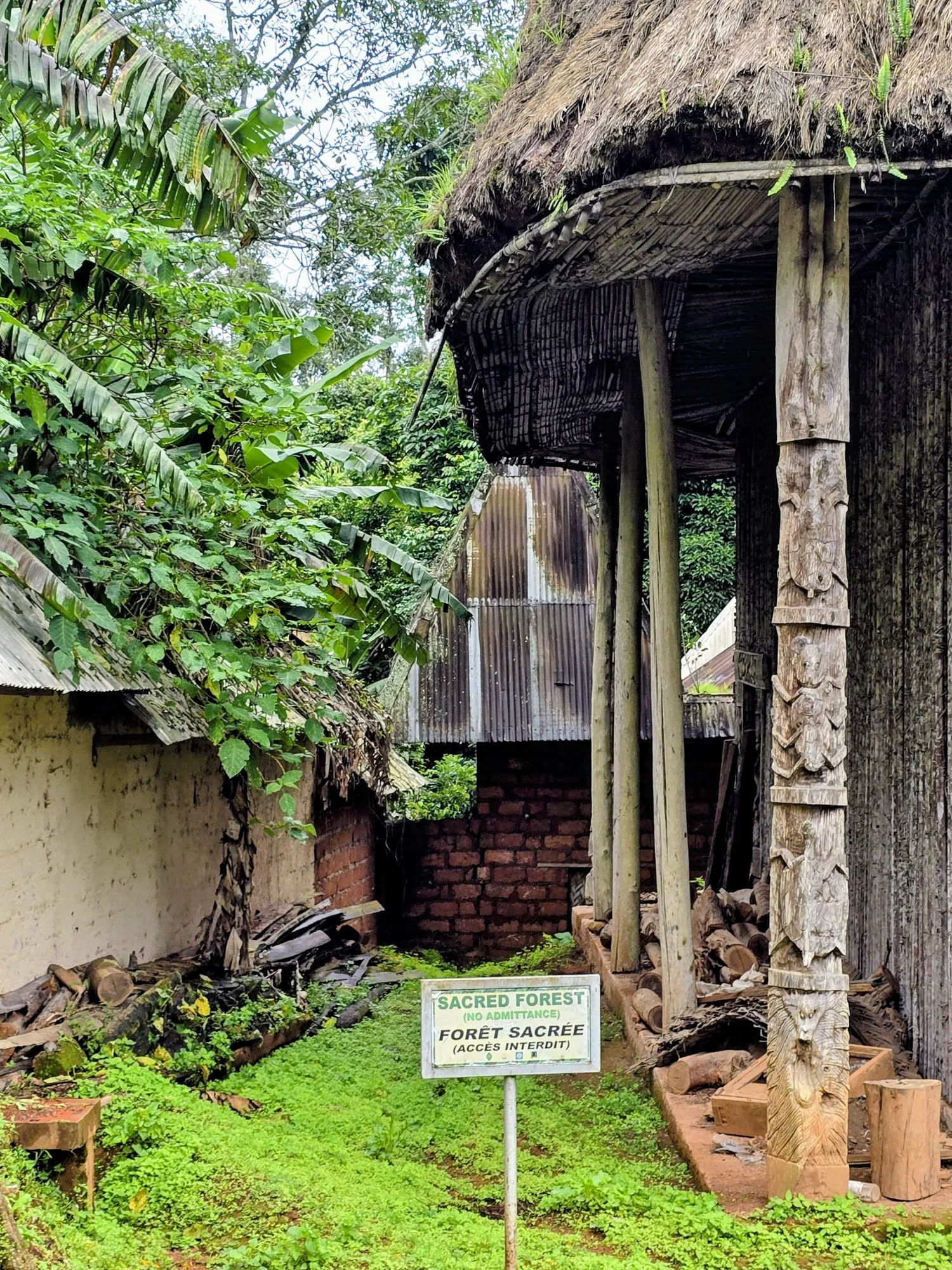
This sacred forest is located at the entrance or rear of the chiefdoms (see No’h (nɔ̀’)). It is a realm that represents the Grassfields in their origi...
The man of leaves or medicine is the community's chief doctor. He has a thorough knowledge of medicinal plants, but also of anatomy (Notue/Perrois 198...
Literally the man of the tarantula, he is a doctor and a diviner. He uses tarantulas or cowrie shells for divination. He also uses plants and sacred w...
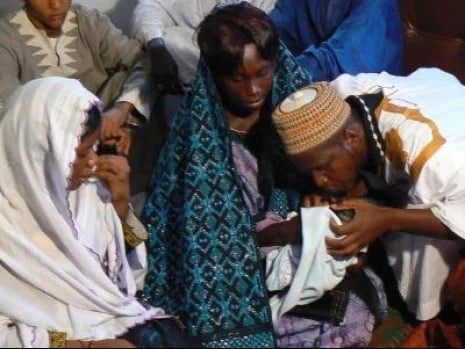
A ceremony celebrated on the eighth day after the birth of a child, the “ngénte” consists of baptising and giving one or more first names to the newbo...
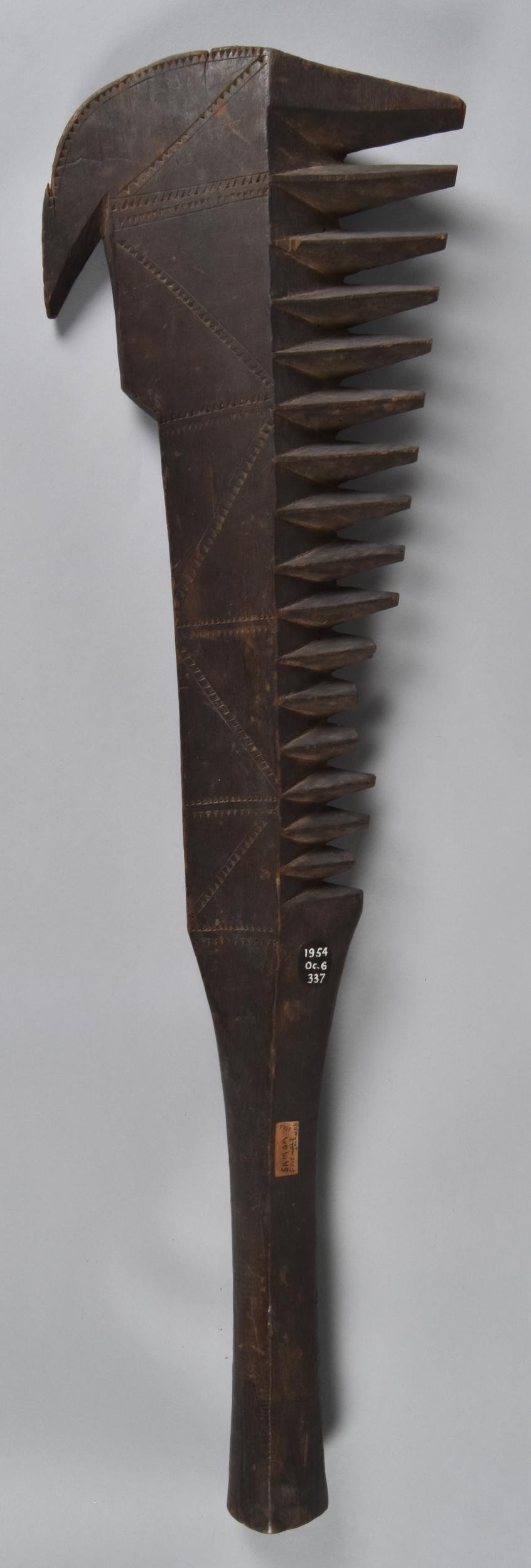
Parmi les nombreuses massues ou armes des îles Samoa, on compte un objet nommé le nifo’oti. Il était traditionnellement réalisé en bois de fer (très d...
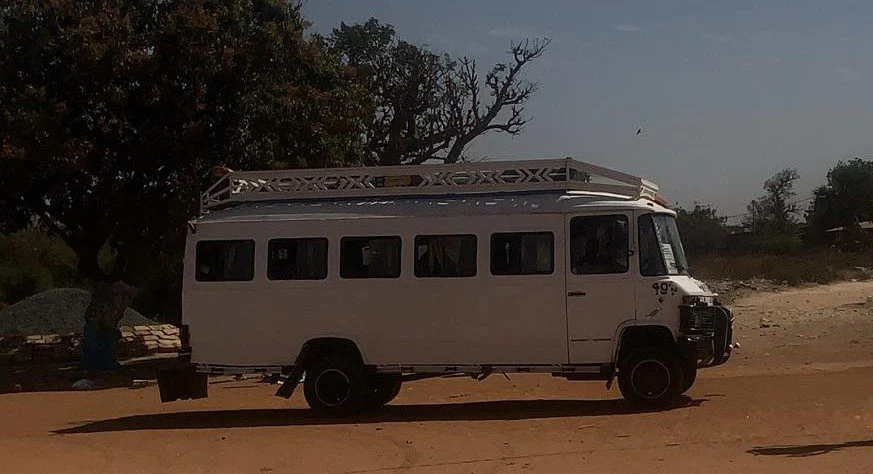
Mode of public transport created by the Senegalese entrepreneur Njaga- Njaay. These buses can be likened to the Tokpa-Tokpa in the Republic of Benin, ...
Though this term can be translated in English as courage or strength, it also includes a dimension of resilience. Indeed, Njàmbaar is not just a matte...
The grouping of people of a certain age category. The gaps between two age groups vary from chiefdom to chiefdom. The gap considered for a generation ...
Path linking the market place of the great chiefdoms to the court and the great royal hut. The axis of life begins at the entrance to the chieftaincy,...
A notable is a person occupying a high rank in a chiefdom (See No’h (nɔ̀’)). A notable acquires his title and rank either by succession or by recognit...
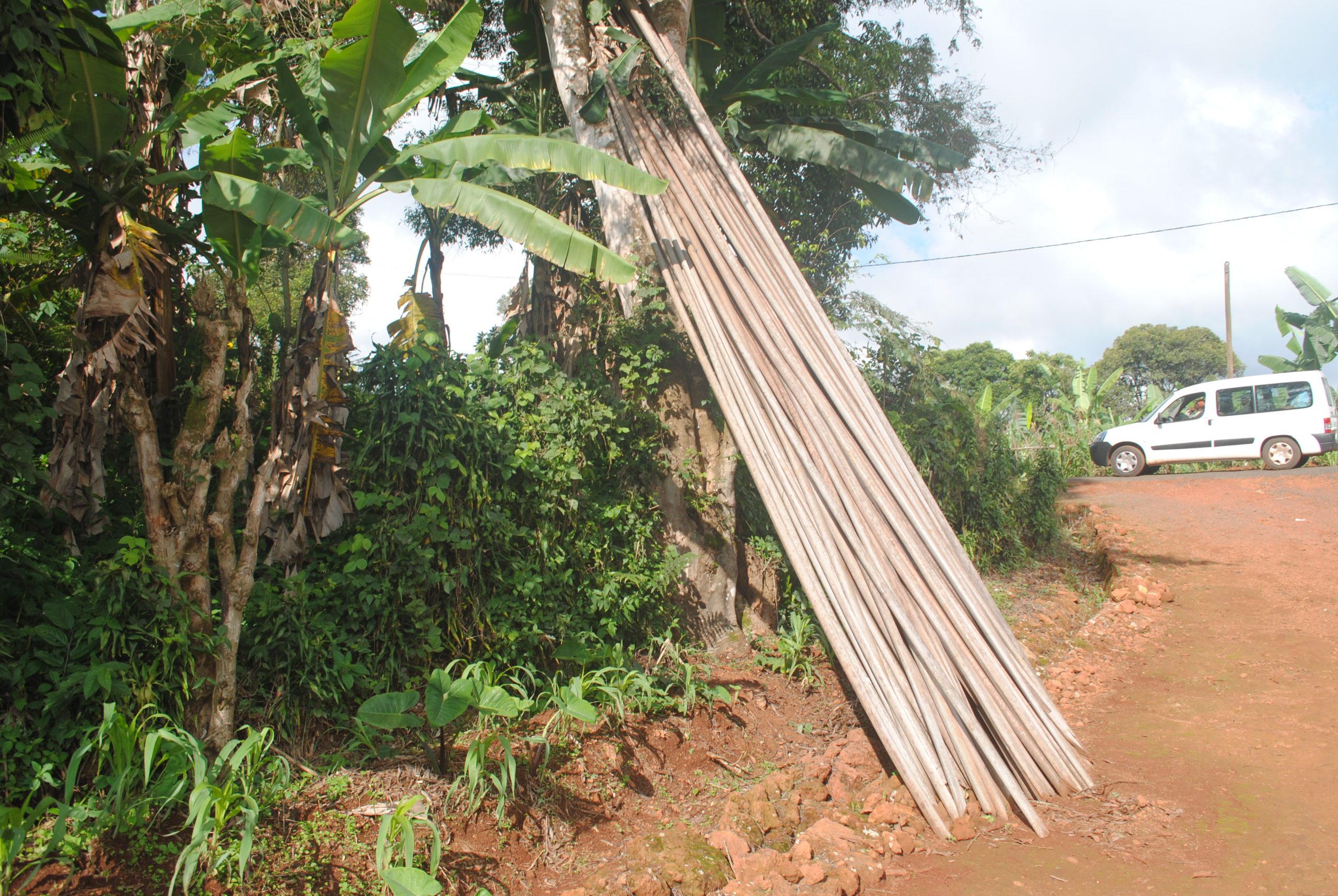
The peace tree is a shrub that can grow up to five meters high. In Bamiléké chiefdoms, it is one of the constituent plants of the bocage*, specific to...
It refers to the chiefdom, which is the most important place in the village. The chiefdom has a dual definition. Firstly, it refers to the territorial...
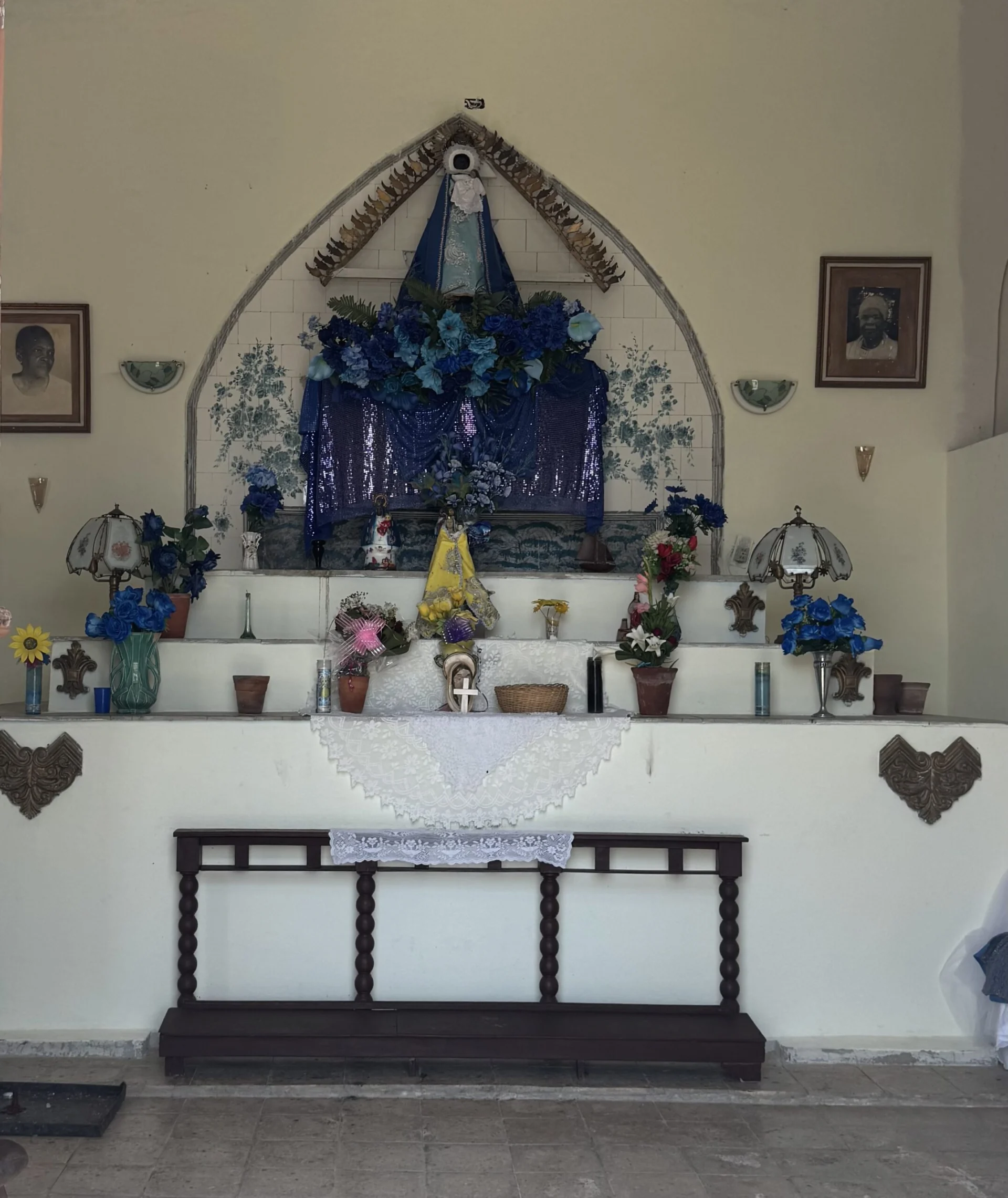
In the neighbourhood of Regla, right at the harbour, is the church of Nuestra Señora de Regla (Our Lady of Regla). The church is dedicated to the Virg...
In Bamileke religious beliefs, the ŋdédùm or ŋdidium is one of the plants whose sacredness refers to the myth of origin. It is said to have been given...
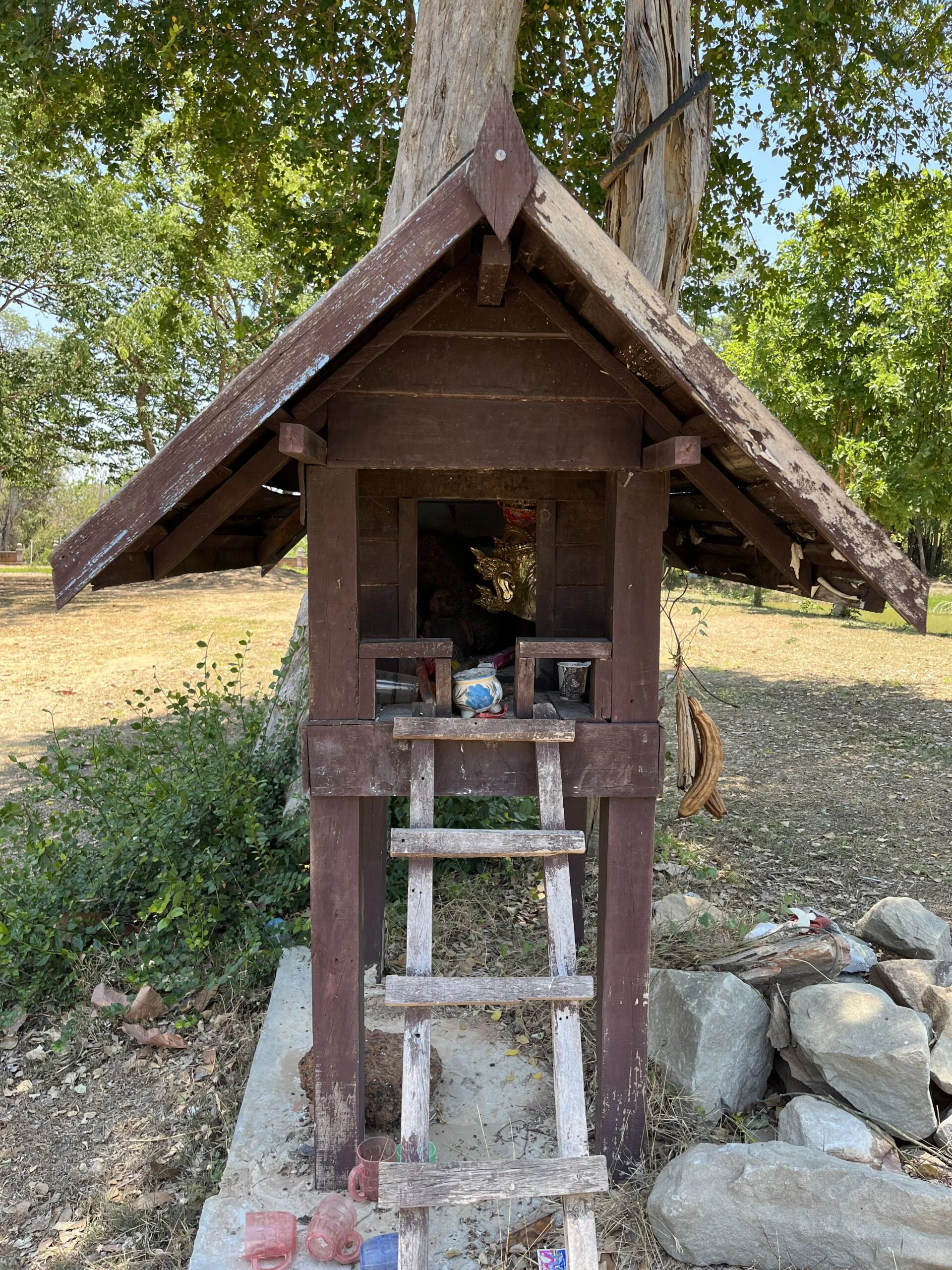
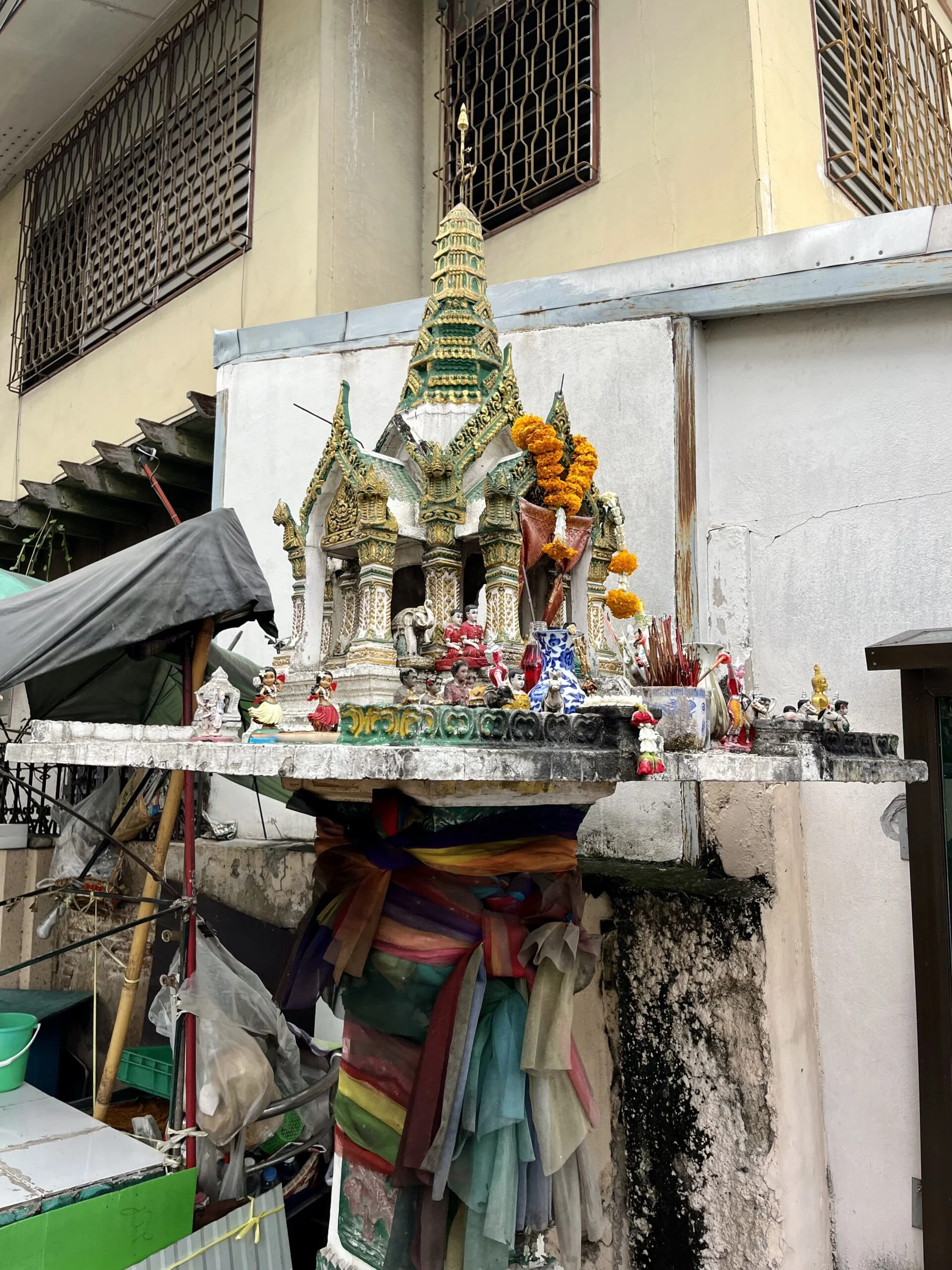
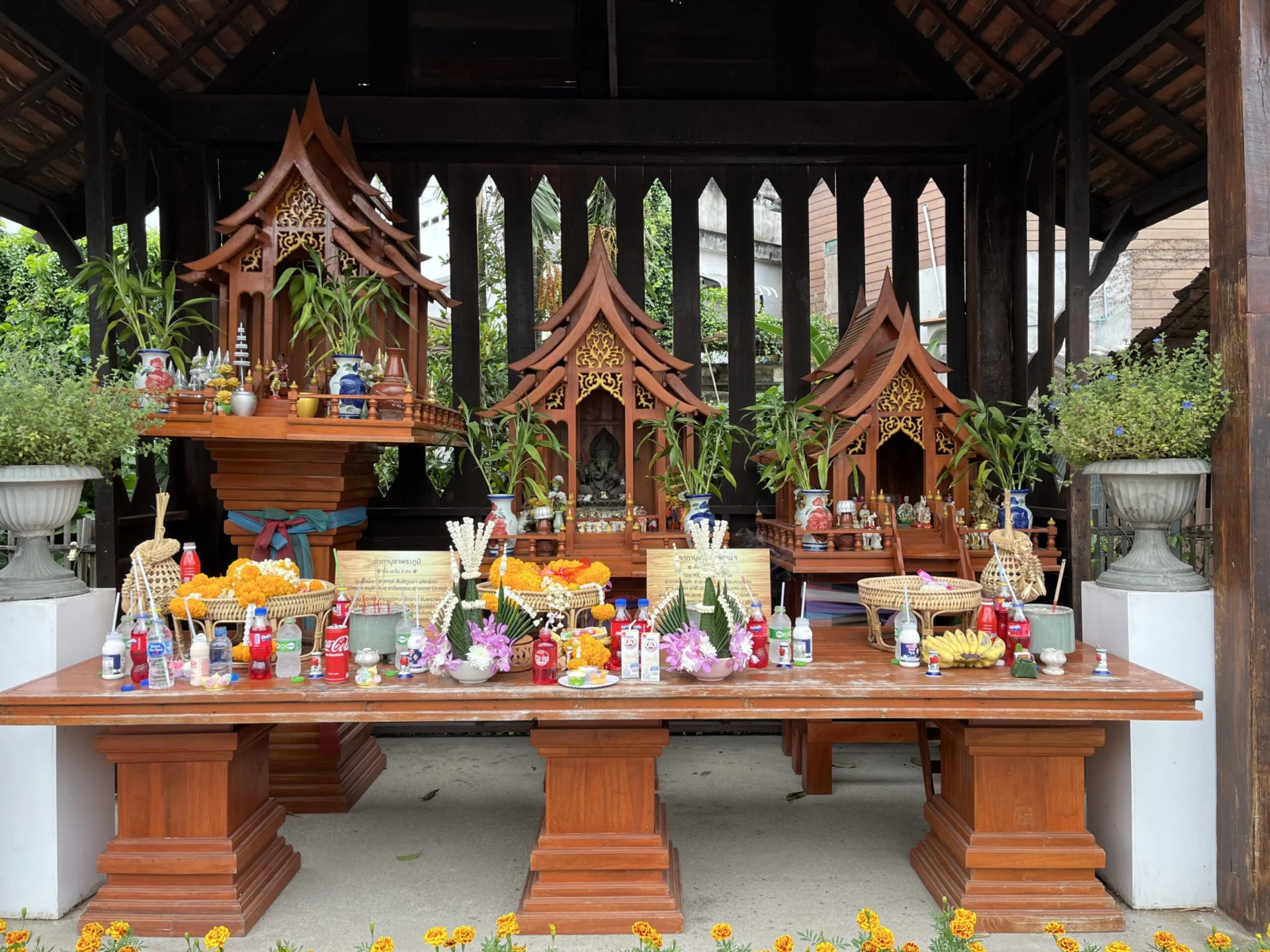
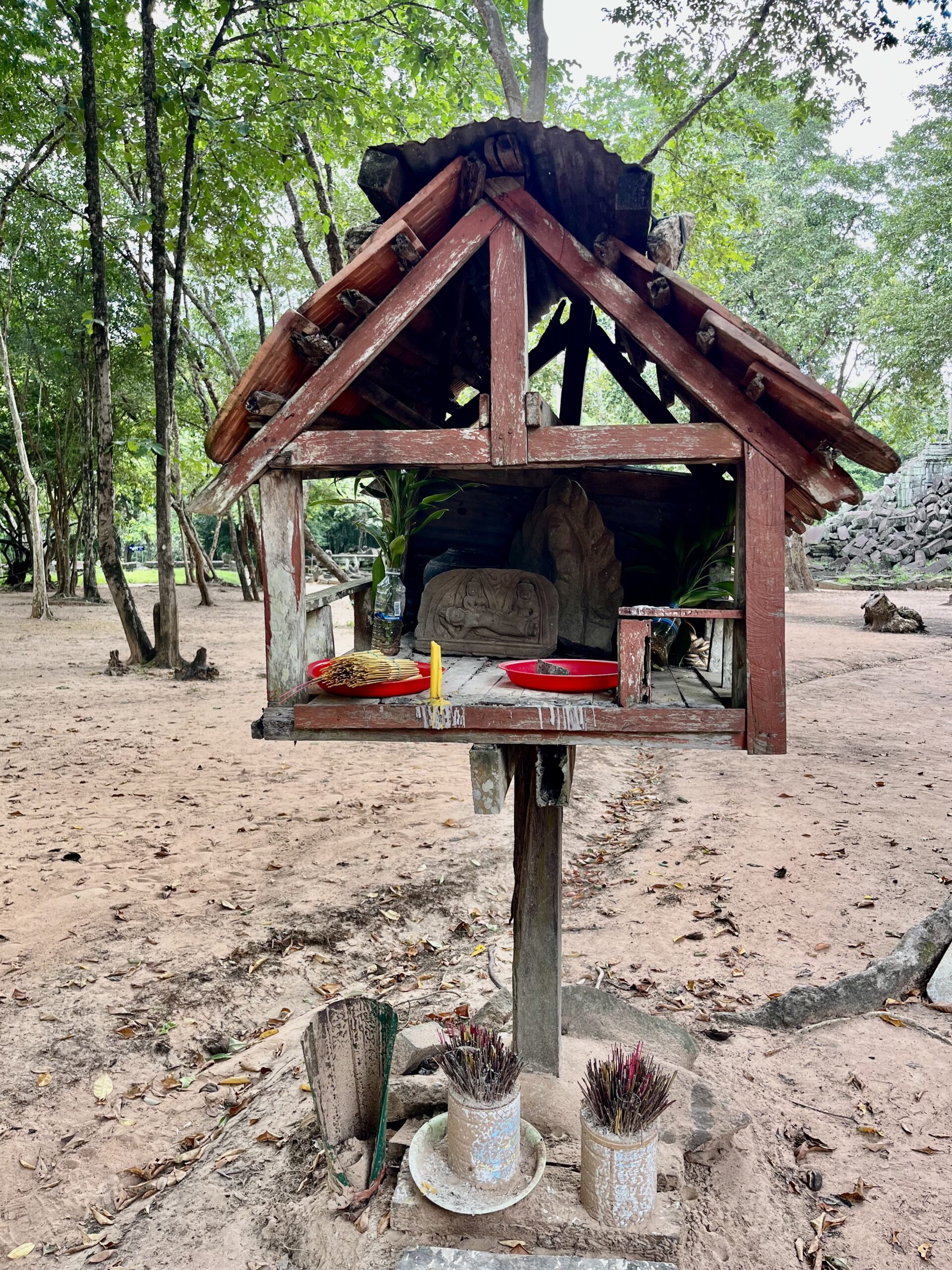
Small house dedicated to a deity and placed under the care of a Djwisī*, Nkemsī*, or any person linked to the relevant deity. They can be found in the...
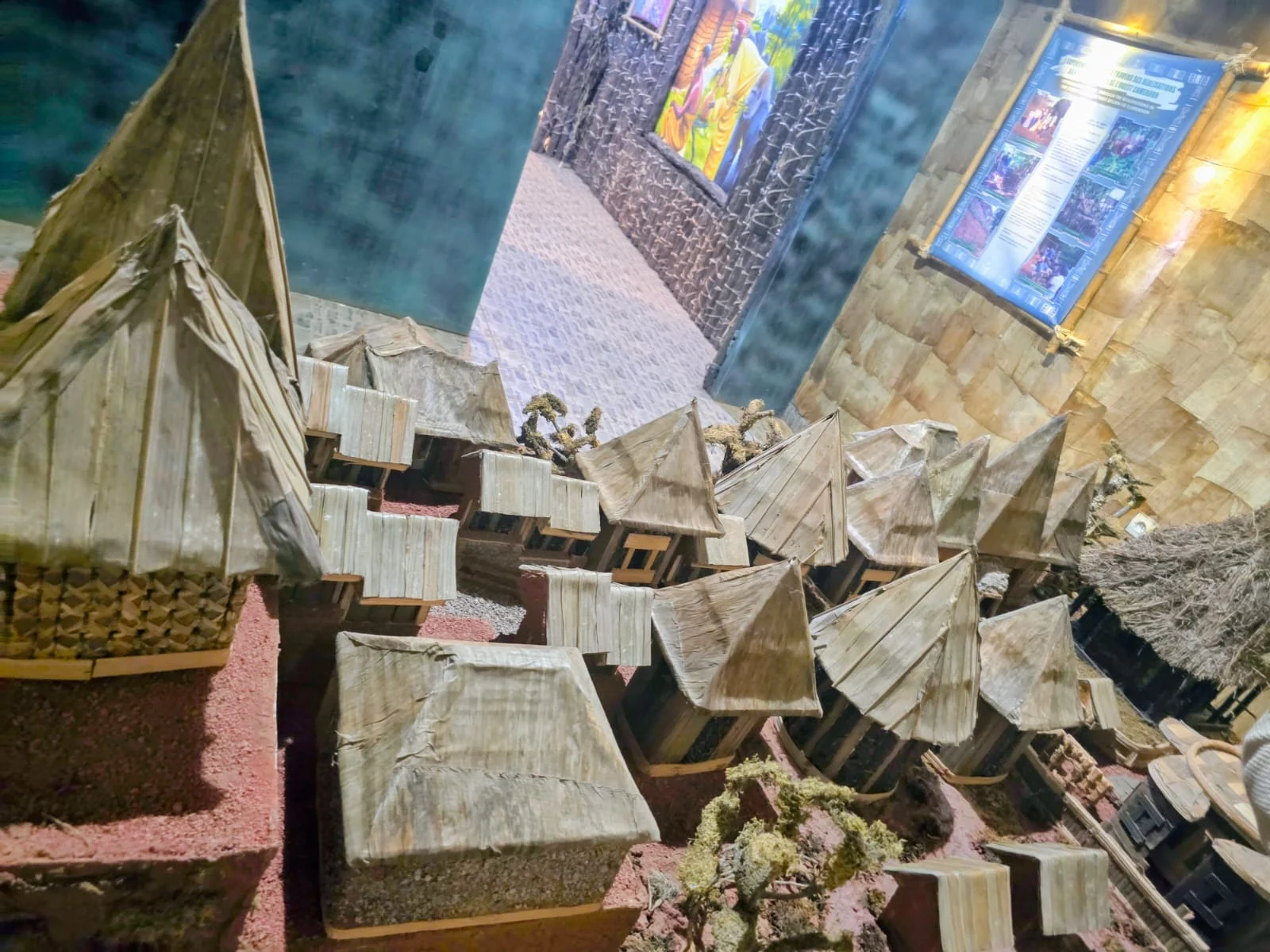
Rectangular in shape, this architectural structure played an essential economic role among the Bamiléké. Its use, however, is less widespread today an...
Pojam kuće u balkanskim jezicima često se poistovjećuje sa riječju ognjište. Mjesto gdje vatra gori, gdje se nikad ne gasi, predstavlja pravi dom i ku...
Öner / Qol öner / Qoldanbaly öner / Өнер / Қол өнер / Қолданбалы өнер
Qazaq
ɜ:-nèr
Өнер тек өнер туындылары мен қойылымдармен шектелмейді – ол шығармашылық үдерісті толықтай қамтиды және көбінесе ғұрыптар мен наным-сенімдермен тығыз ...
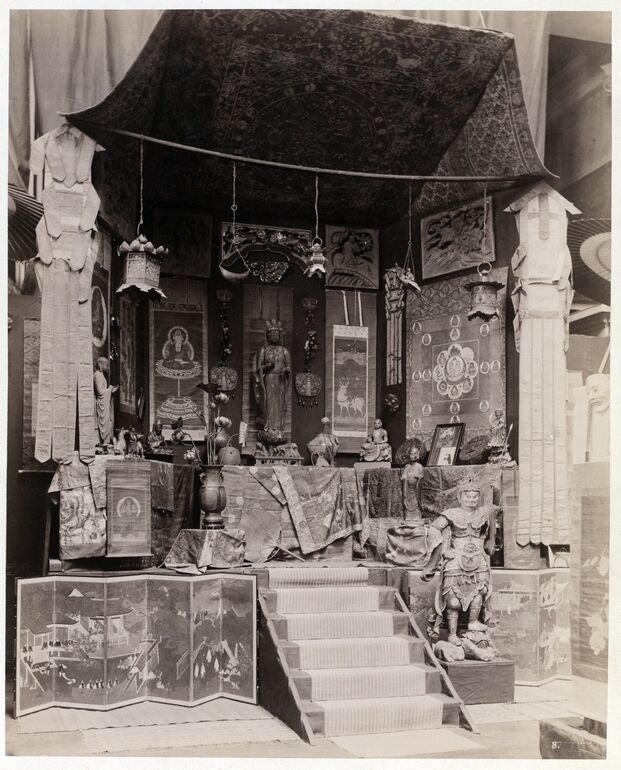
The Oriental Museum in Vienna was a museum dedicated to promoting trade relations between the Austro-Hungarian Empire and the countries of the so-call...
Ою-өрнек – рухани, табиғи және қоғамдық мағынаға ие бейнелер арқылы «сөйлейді». Бұл өрнектер табиғаттан шабыт алады, олар аспан денелерін, табиғи элем...
Palette work is a hairwork technique that involves flattening a lock of hair onto a piece of glass, covering it with gum tragacanth (sometimes referre...
It refers to the offering made to deities during Bamiléké religious ceremonies. The act of making an offering is called ŋgwā' pↄↄ' (throwing the mushr...
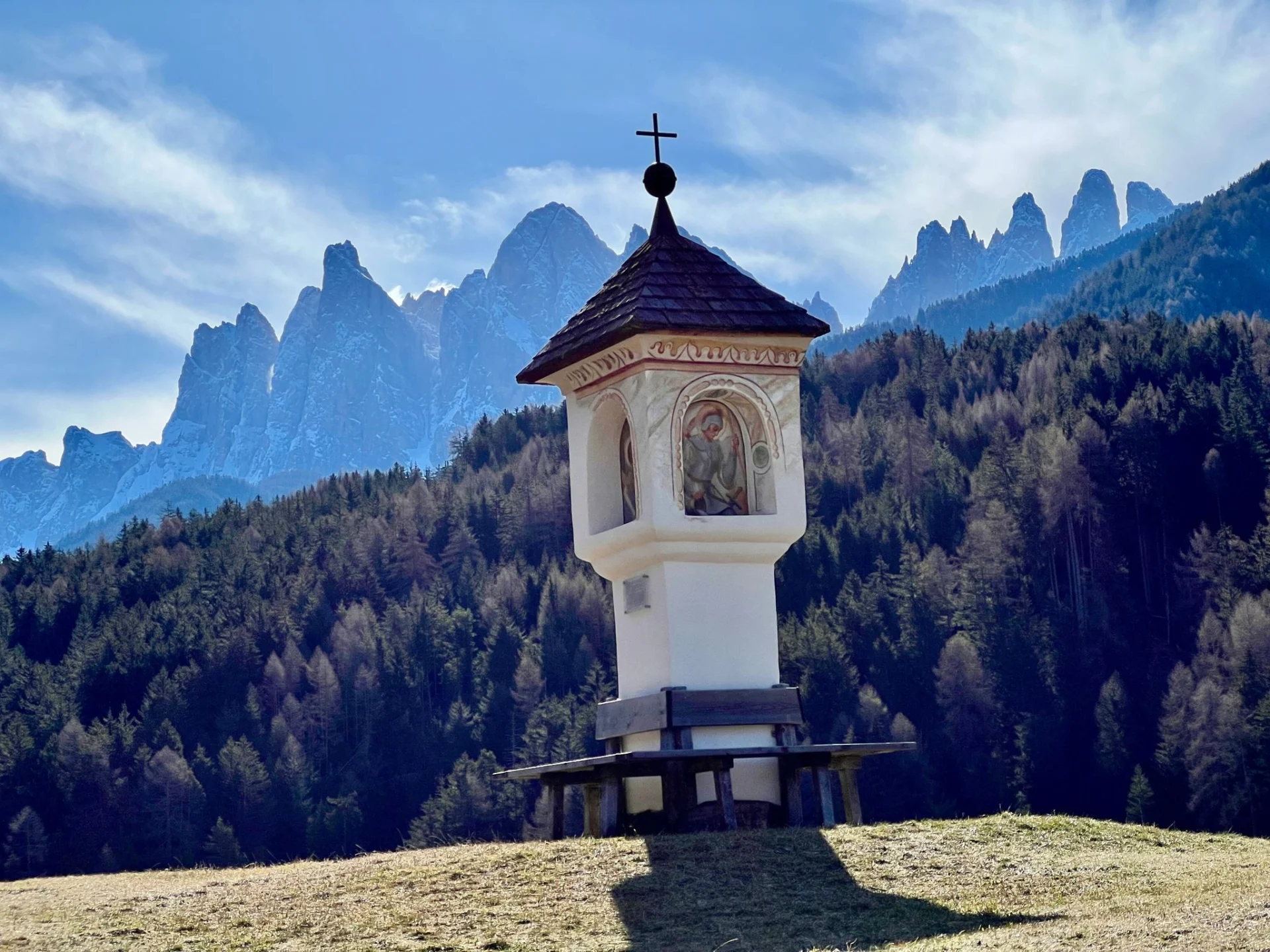
Gemauerter Bildstock am Weg von St.Peter nach St. Magdalena (Villnöss), welcher im Gedenken an die Pest im Jahre 1636 errichtet wurde. Der Bildstock l...
Une poutre en bois sur laquelle sont gravées des informations, lesquelles renseignent généralement sur l’importance du lieu, les valeurs ainsi que la ...
Ober Pitschefört auf dem Berg hinter St. Magdalena in Villnöß ist ein ebener Platz, die "Pitscheförter Ebene" genannt. Da oben lebten vor alters mehre...
Die Vergoldung mit Poliment (frz. poliment zu polir „glätten“) ist seit der Antike bekannt. Auf einen Kreidegrund wird mit organischem Leim versetzter...
La poterie a longtemps été le principal ustensile de cuisine chez les Bamilékés. Par contre, cet usage a presque ou totalement disparu aujourd’hui. Or...
Quartinhas are little jars of clay or crockery which can be found in terreiros (temples) or private shrines for the Orishas. They serve as a vessel fo...
Rapid Response Collecting is a museum and archival practice aimed at acquiring objects and materials linked to unfolding social, political, or cultura...
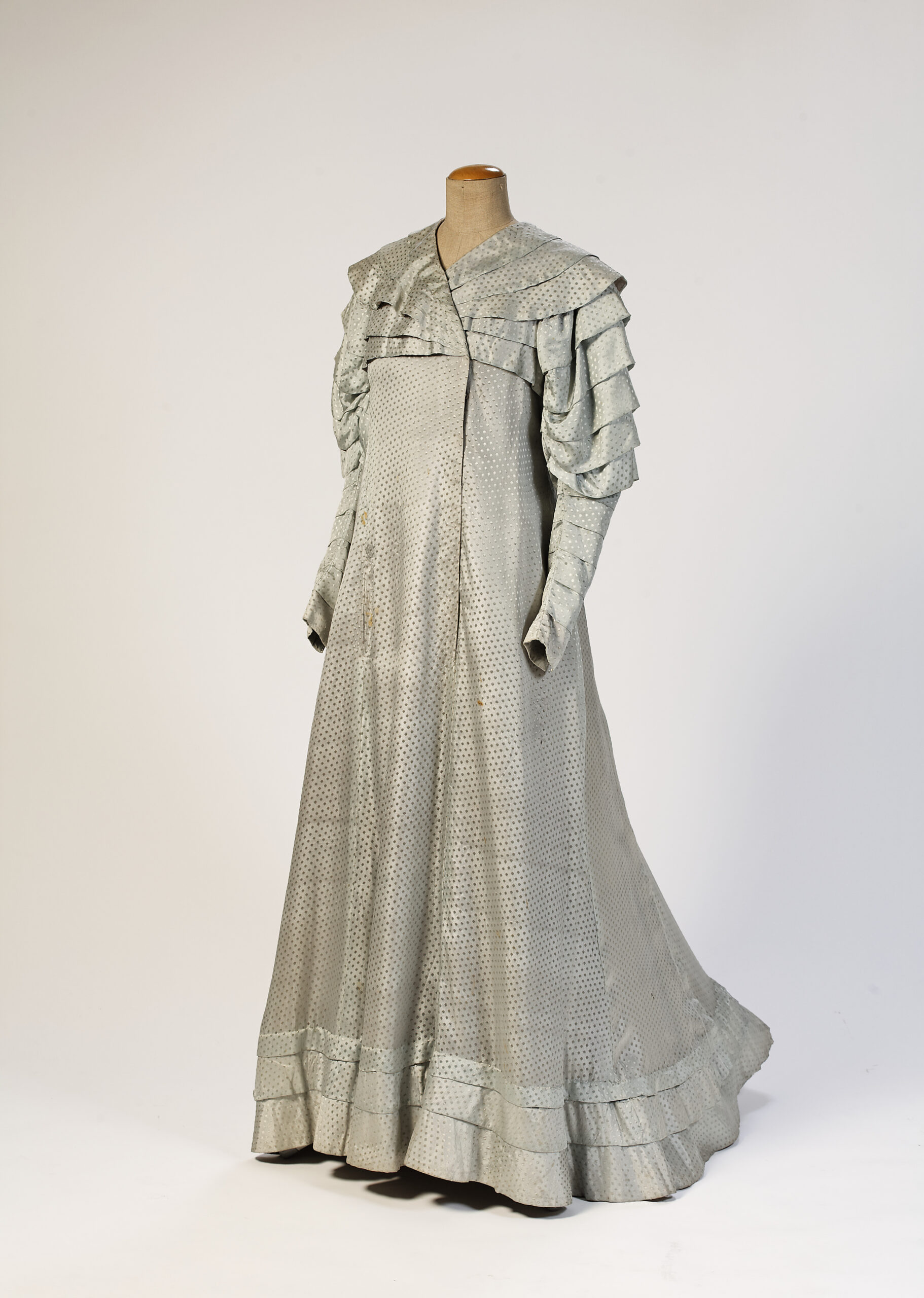
Als Reformkleid wird ein Kleid bezeichnet, das lose von den Schultern herabhängt, bequem weite Ärmel hat und ohne Korsett getragen werden sollte. Vora...
In the heritage sector, Restorative Justice encompasses improving conservation conditions while collections are held in Western institutions and conne...
Le Kack, également appelé Kè, Keng, ou Kang, est un rite communautaire bisannuel, qui se déroule tous les deux ans, plus précisément durant les années...
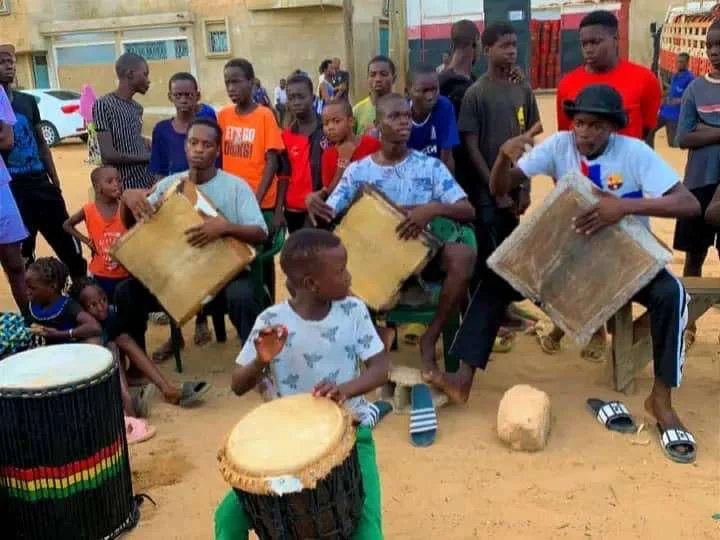
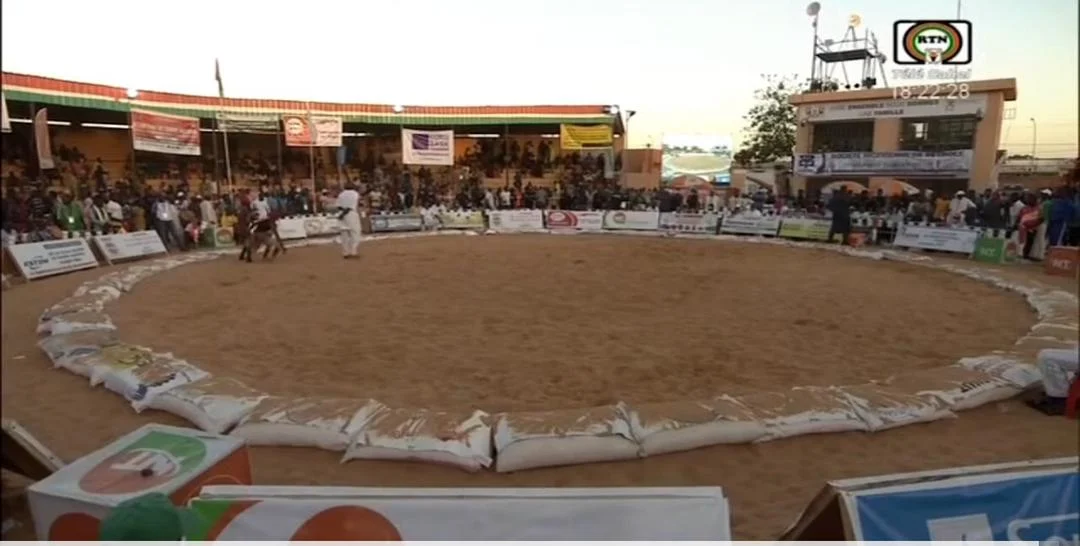
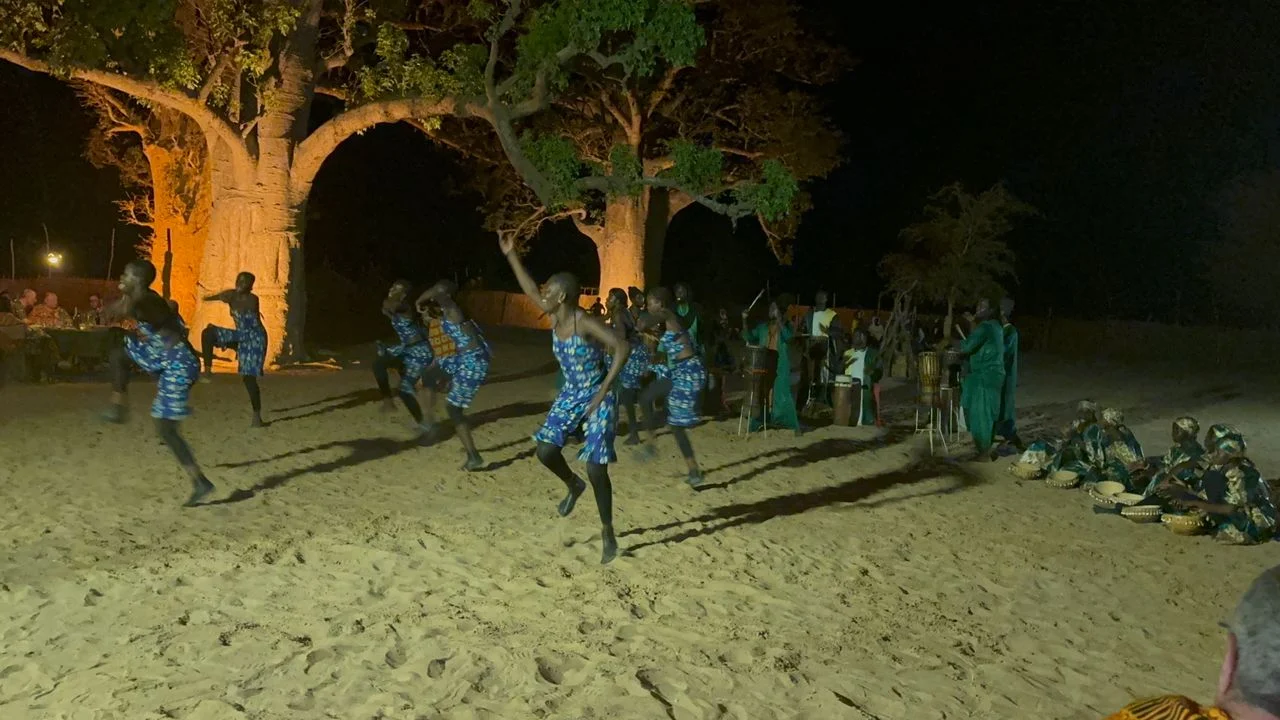
Drums, and more generally the occasions (such as christenings, weddings, and parties) during which they are played. Popular and festive dance are perf...
Vodun associée aux « maladies et à la guérison » ainsi qu’à « l’élément Terre » (République du Bénin, 10). Le Vodun Sakpata tire ses origines du pays ...
Sakupljanje antikviteta je sveprisutan koncept u mnogim društvima. Postoje razni razlozi za prikupljanje i razne kategorije koje ljudi traže. Na Balka...
Мақалда айтылғандай: «Алты жыл аш болсаң да, атаңның салтын ұмытпа», бұл ата жолының (ата-баба жолы) терең маңыздылығын көрсетіп, өткенмен рухани байл...
Incisions faites sur la peau et ayant plusieurs finalités, dont une est de remplir la fonction de protection contre les maladies. Ce sont également de...
Lieu de commerce, le Sé est plus connu sous le vocable français de marché. C’est le lieu d’agrégation des activités commerciales les plus importantes ...
Postoji pretpostavka da ritual Sicanja/Bocanja, ili tradicionalni običaj tetoviranja među katolkinjama iz današnje Bosne i Hercegovine i nekih dijelov...
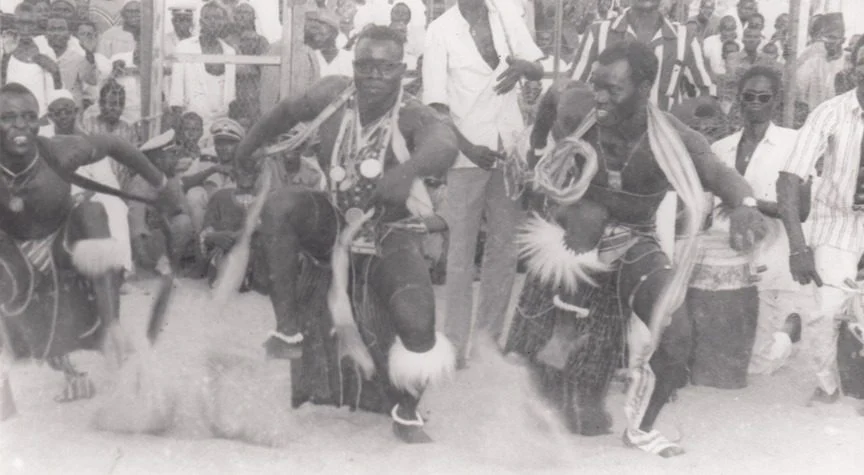
Much more than a dance, simb is a symbolic representation of the struggle between man and animal. This performance expresses courage and strength, and...
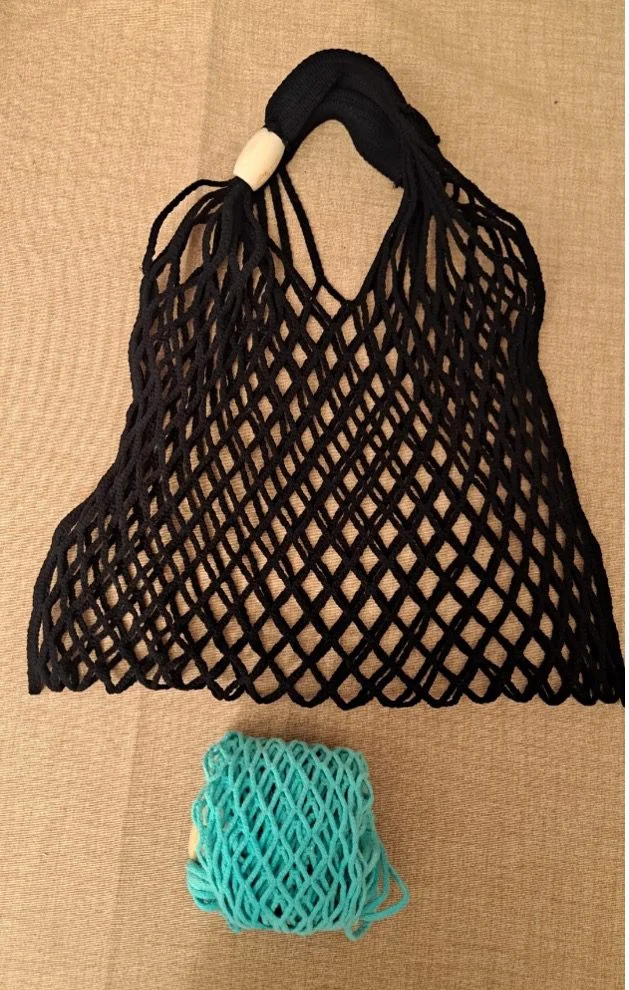
Síťovka je tradiční síťovaná nákupní taška, která vzniká vázáním provázků do okatého vzoru. V minulosti se vyráběla ručně a podomácku především techni...
Uglavnom u Srbiji, Crnoj Gori i Bosni i Hercegovini (između ostalih zemalja jugoistočne Evrope: Makedonije, Dalmacije i Slavonije u prošlosti), pravos...
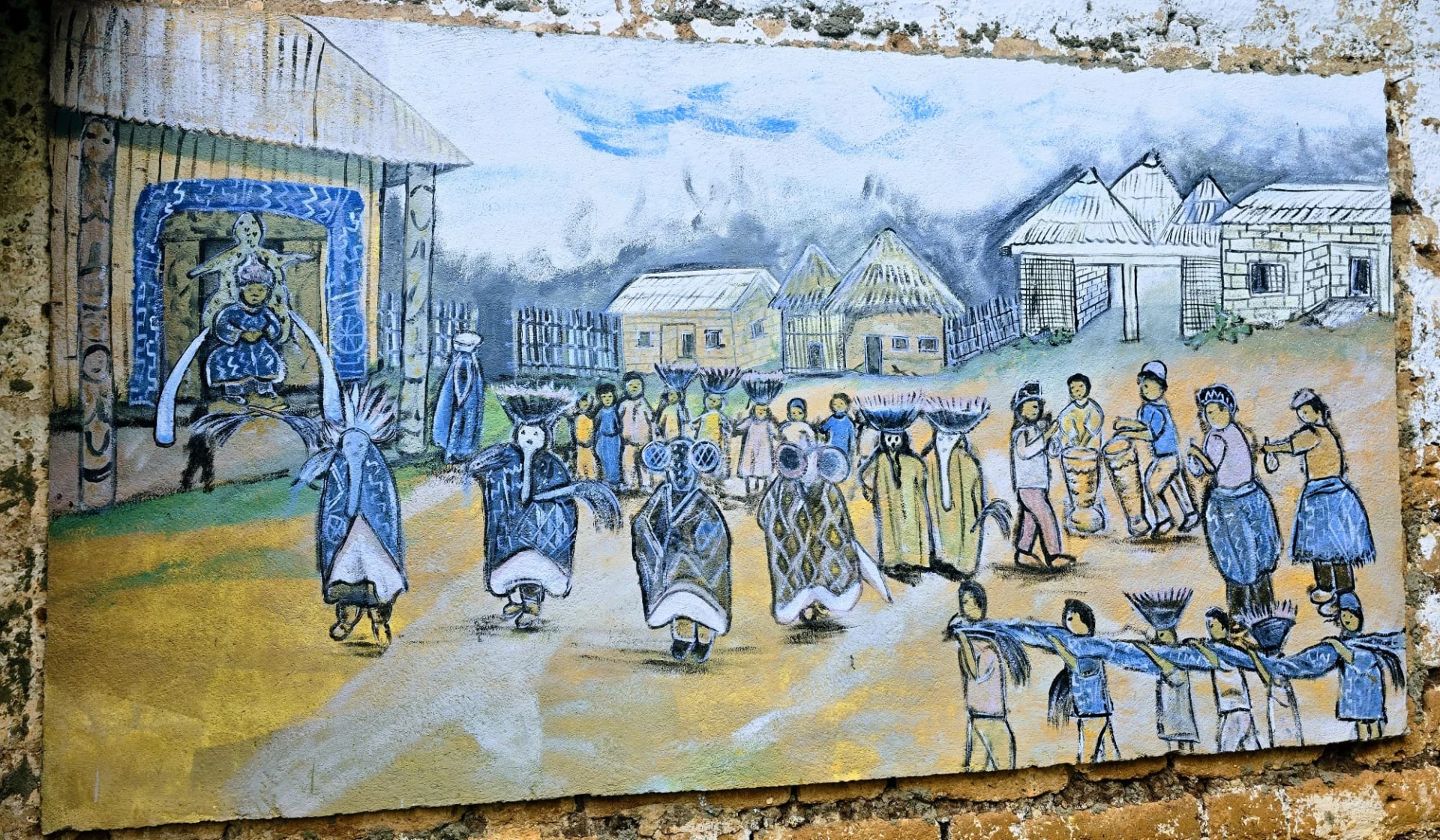
Encore appelée danse sur échasse, le Sondap est une des performances artistiques qui fait la particularité de quelques chefferies*, notamment de celle...
Su gibi git su gibi gel "flow away like water and return like water"
Turkish
This saying is accompanied by the act of pouring a cup of water during the departure of a traveller. The person staying behind pours the water in a fo...
Kapří šupiny pod talířem patří k nejznámějším českým vánočním zvykům. Kapr je v Česku tradiční součástí štědrovečerní večeře 24. prosince. Při jeho př...
Protects the dignity of others by concealing their errors or vulnerabilities. Sutura values restraint in the expression of emotion and judgments, and ...
A teaching passed on to the younger generation is “Ta Re Lu Meh, Ta Jo Lu Tee.” It means: "rice is life, water is spirit." Pga K’Nyaw people give resp...
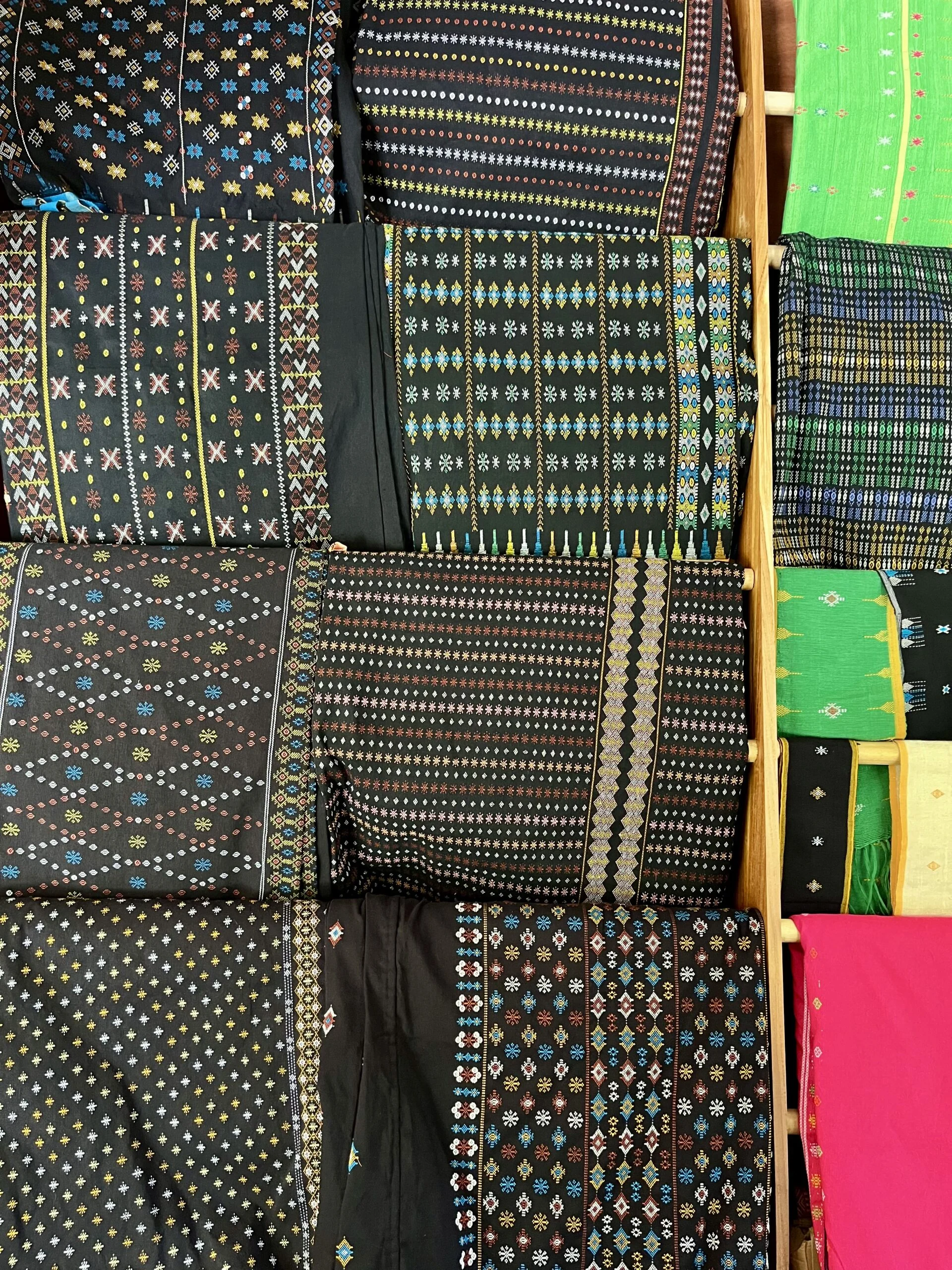
Traditional Manggarai weaving designs used natural dyes as the background, including indigo, known as 'tao' in the Manggarai language or 'nila', meani...
Table work refers to a wide range of hairwork techniques that involve braiding and weaving hair into a jewelry. The name comes from the apparatus at t...
Bracelet whose name means “metal of the Tchamba,” the tchambaga symbolizes the iron shackles of enslaved people and is used to contact ancestors, as w...
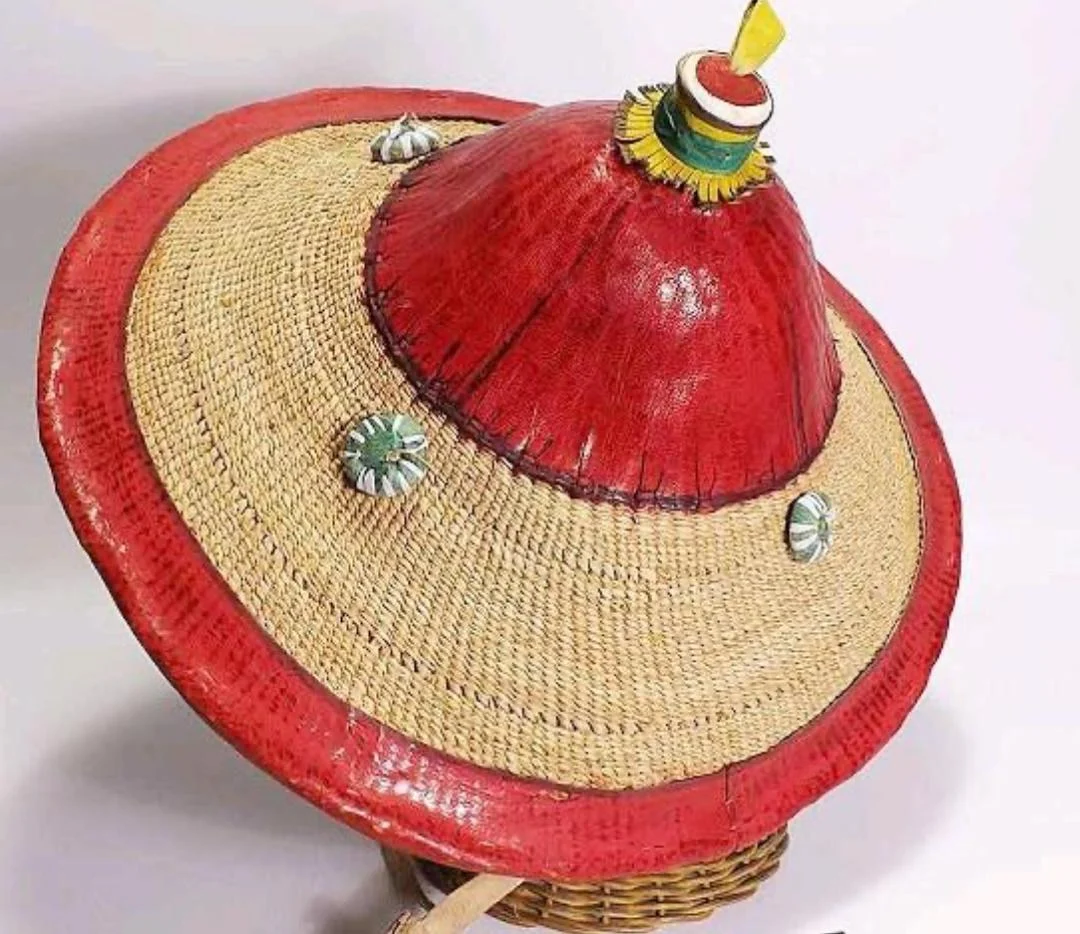
The word means hat. There are many different types, from royal headdresses to simple hats, Nkam (ŋkǎm)' hats and headdresses worn by the members of t...
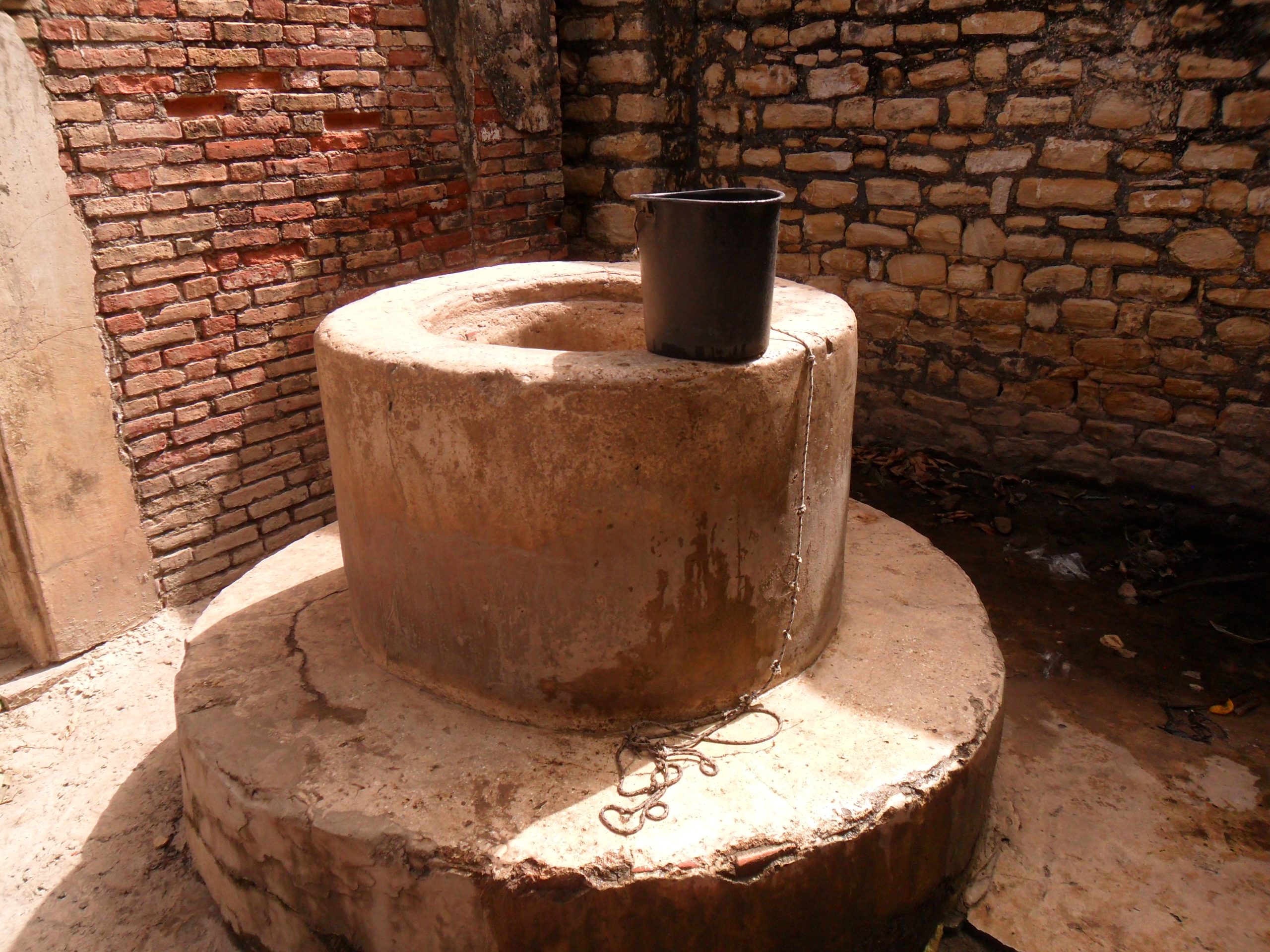
A large circular hole that is dug deep into the earth until it reaches the groundwater. This well is used in several localities in Senegal. Its water ...
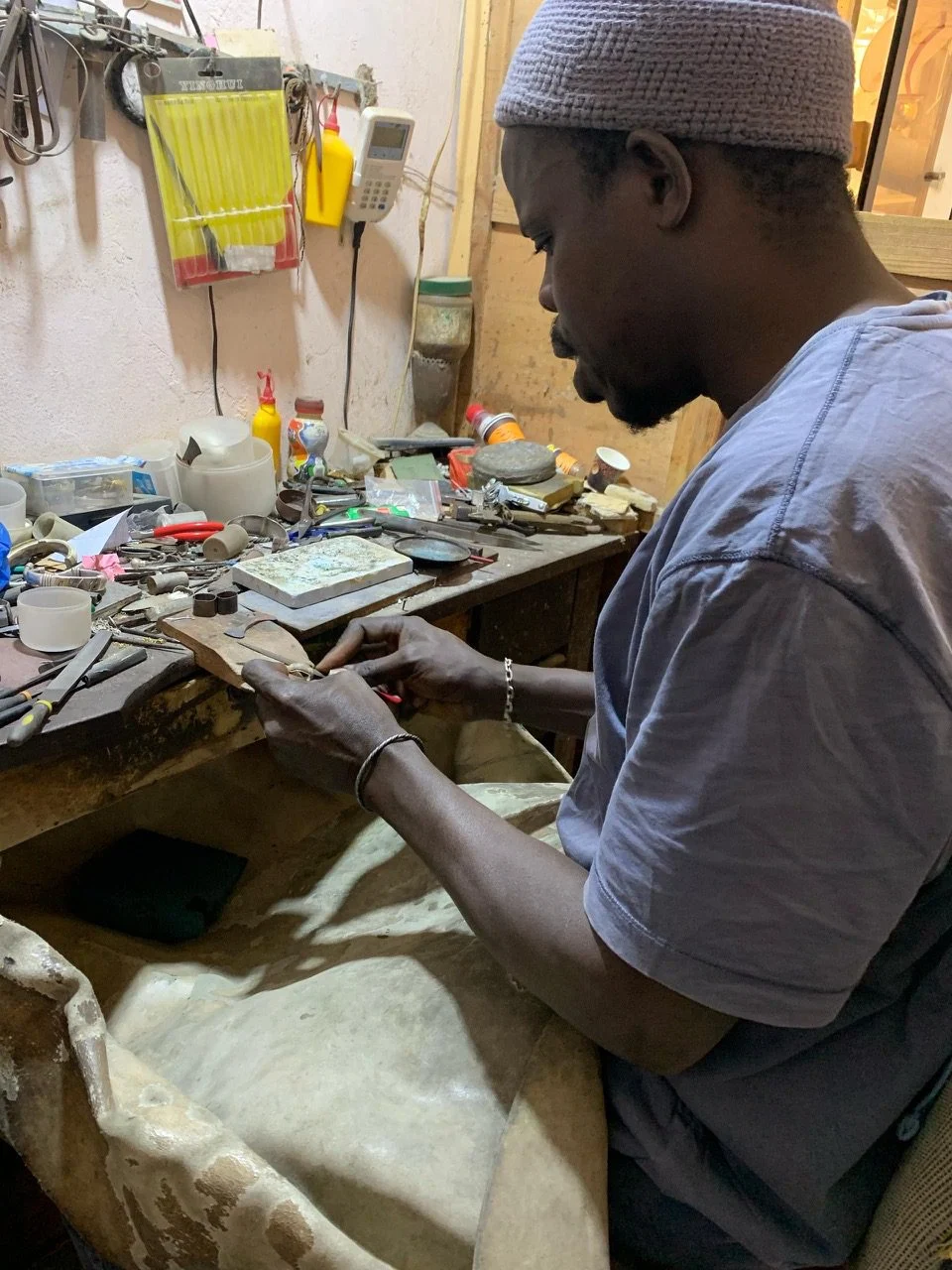
Literally “to forge,” in reference to blacksmiths, guardians of craft heritage. Tëgg symbolizes craftsmanship, but also represents the spiritual role ...
Philosophy of life based on generosity and welcome. Teraanga implies total openness to others, without distinction, and a commitment to caring for vis...
Statuette, sculptée en bois, qui représente une image ou une personne tel qu’un Feuh, une Mafeu, une attitude à adopter, ou encore une société secrète...
Protective amulet common in Togo and other parts of West Africa in various forms. The term gris-gris is apparently more widespread for protective amul...
«Мен сені жақсы көремін» – «I love you» деген мағынаны білдіретін тіркес. Қазақ тілінде тіке айтудан гөрі астарлы мағынаға көбірек мән беріледі. Мысал...
'Towe' is the Manggarai name for 'sarong'. The towe is an important part of life for the Manggerai people. When you welcome guests into your home, you...
Samoan customs and attitudes reveal devotion to tua’ā, with the deceased generally buried on family land and property. This allows the family to remai...
Le veuvage ou rite de veuvage est une cérémonie au cours de laquelle le-la partenaire en deuil est libéré.e des liens du mariage qui le-la liait à la ...
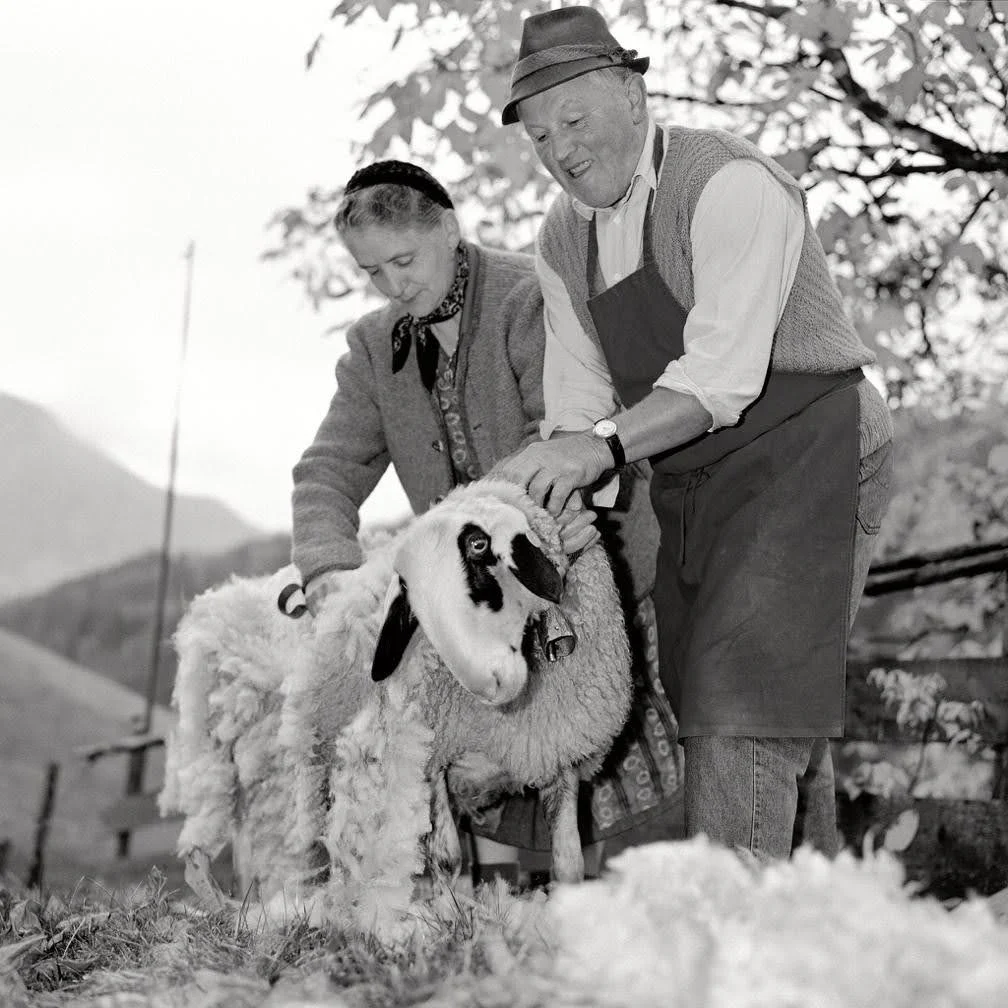
Das Villnösser Brillenschaf gehört zu den ältesten Schafrassen Europas und ist das älteste Südtirols, die bereits im 18. Jahrhundert durch die Kreuzun...
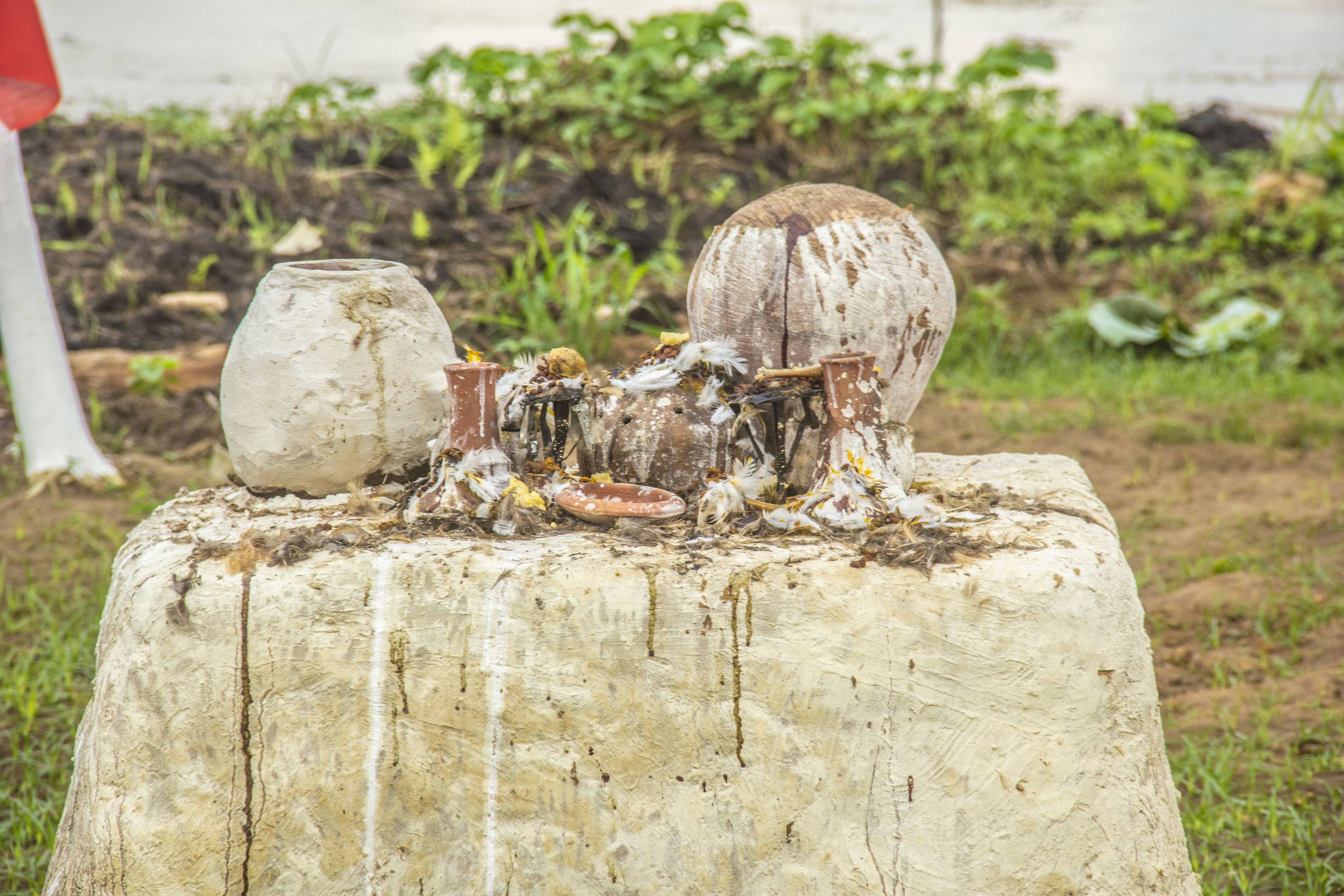
Élévation de pierre(s), de terre, ou de plusieurs autres matériaux sur lesquels des offrandes sont faites aux divinités Vodun. Ces offrandes peuvent ê...
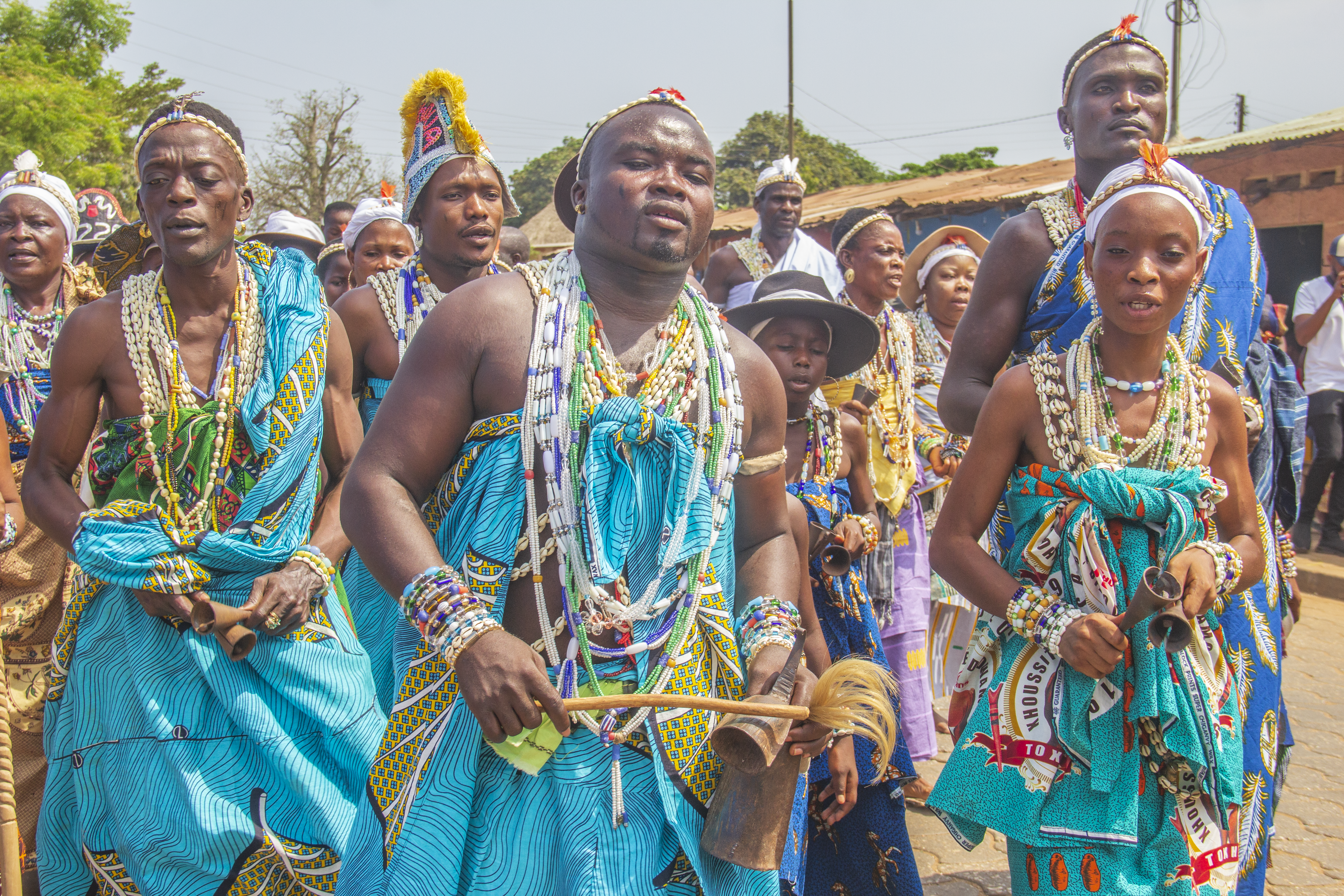
Cortège de fidèles d’un Vodun, qui se déplace d’un lieu à un autre en pratiquant une série de rituels, de mouvements, de chants, et de prières afin d’...
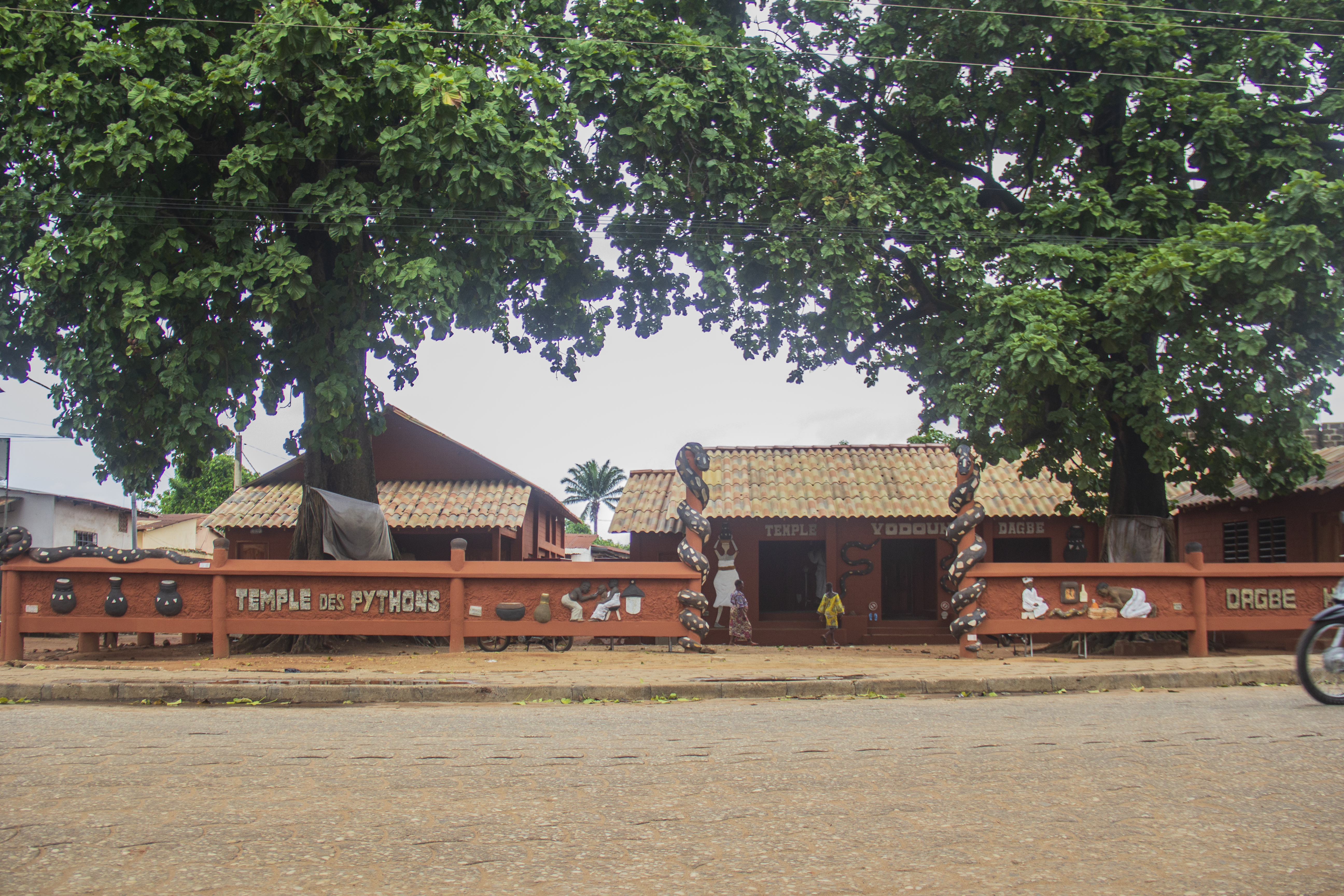
Lieux sacrés consacrés à la pratique religieuse et aux rituels associés au culte Vodun. Ils sont imprégnés d’histoire et de spiritualité, et sont des ...
Endroit sacré voué à un culte en rapport avec le Vodun.
Les croyances Vodun disposent de toute une panoplie de divinités qui servent de vecteurs entr...
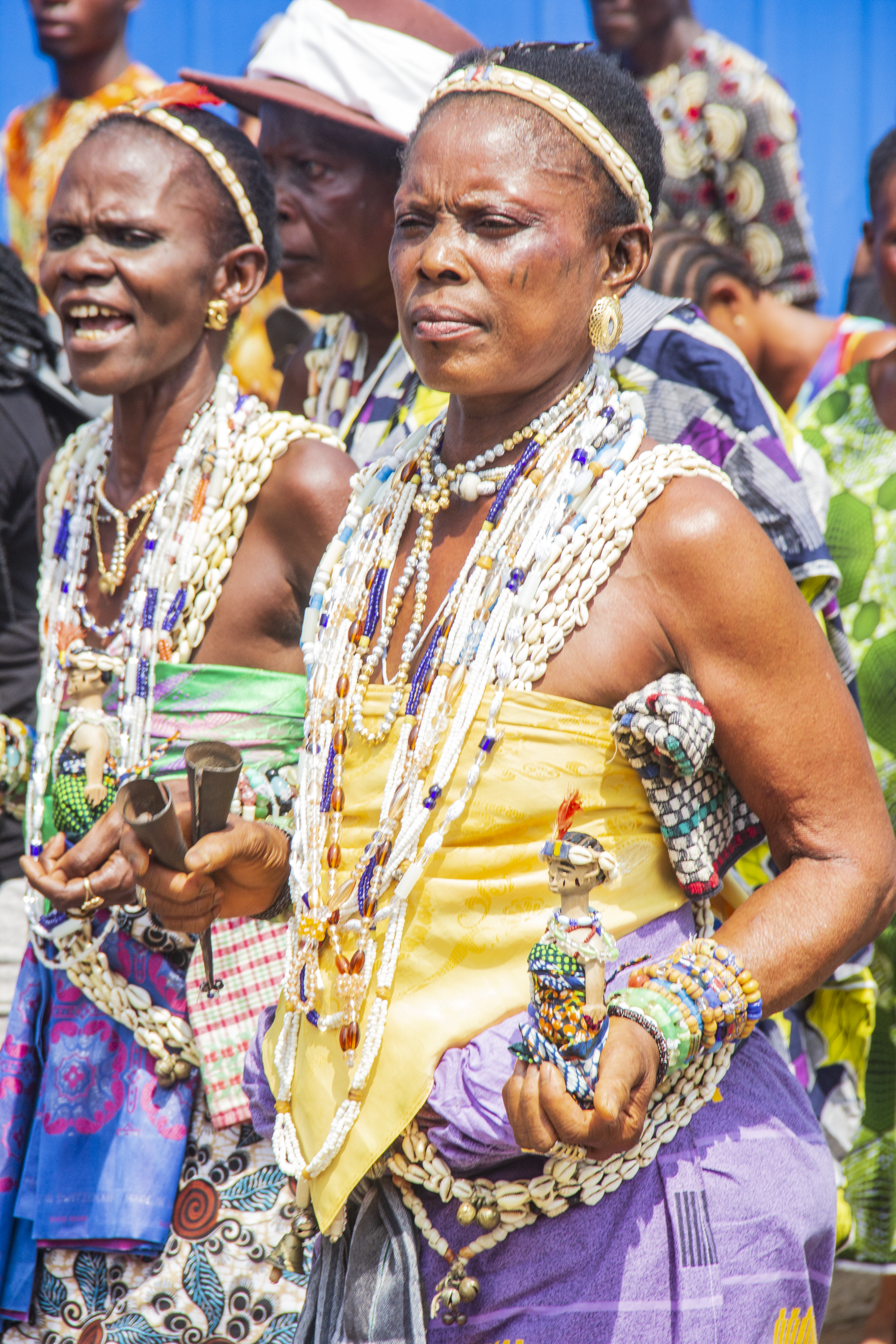
Terme Fɔ̀ngbè qui signifie « fidèle du Vodun, » et par extension « initié du Vodun. » Cependant, il est important de souligner que tout initié n’est p...
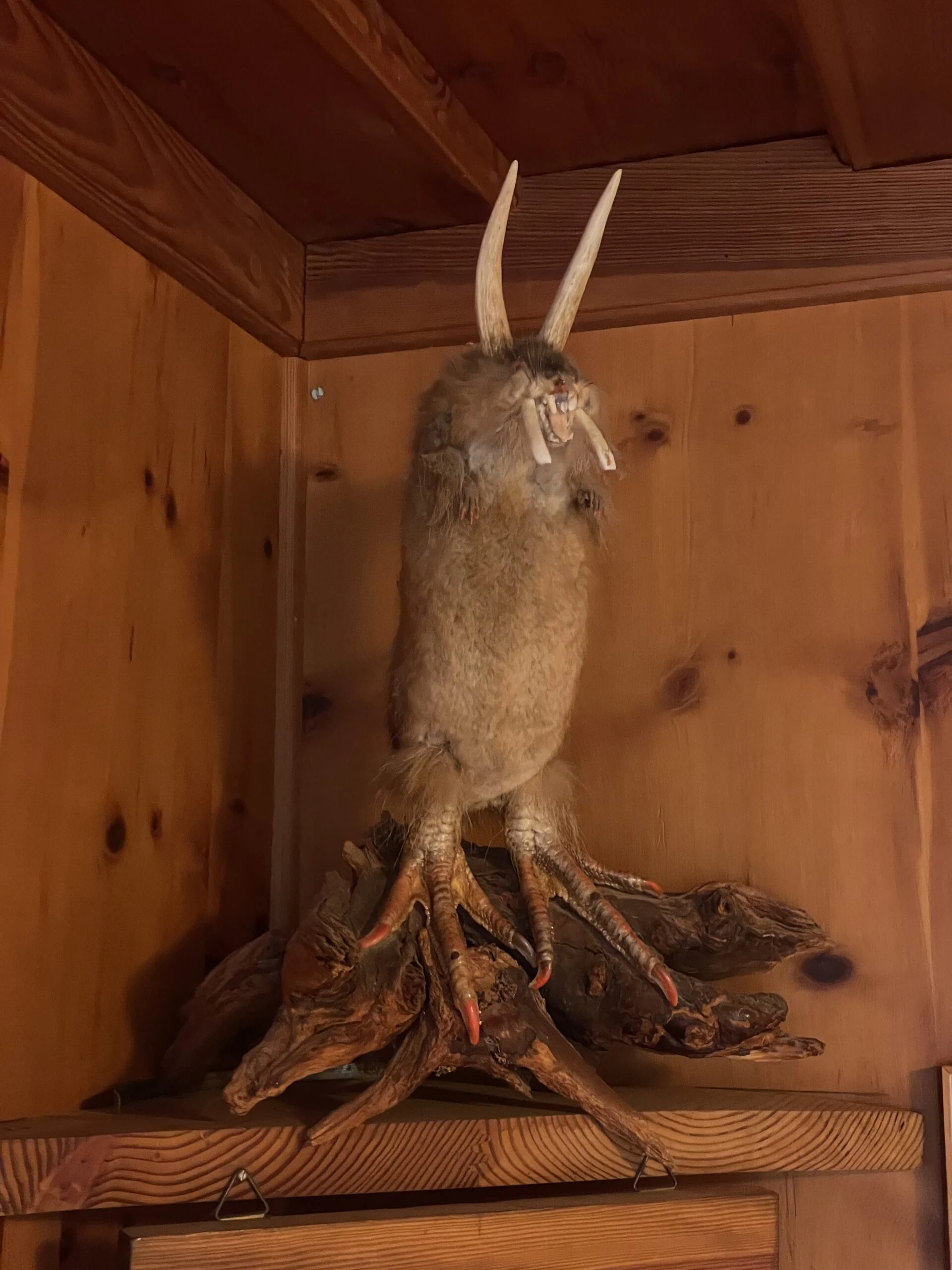
Der Wolpertinger ist ein bayerisches Fabelwesen. Er ist ein Mischwesen, das oft aus dem Körper eines Kaninchens, dem Geweih eines Rehbocks und den Flü...
Divinité Vodun associée à l’élément feu, et souvent à la foudre. Cette divinité a pour rôle de rendre justice au sein de la société. La plupart du tem...
Divination ceremony practiced by the Serer people of Senegal. Xooy is a spiritual practice of divination and prediction that is important in the Serer...
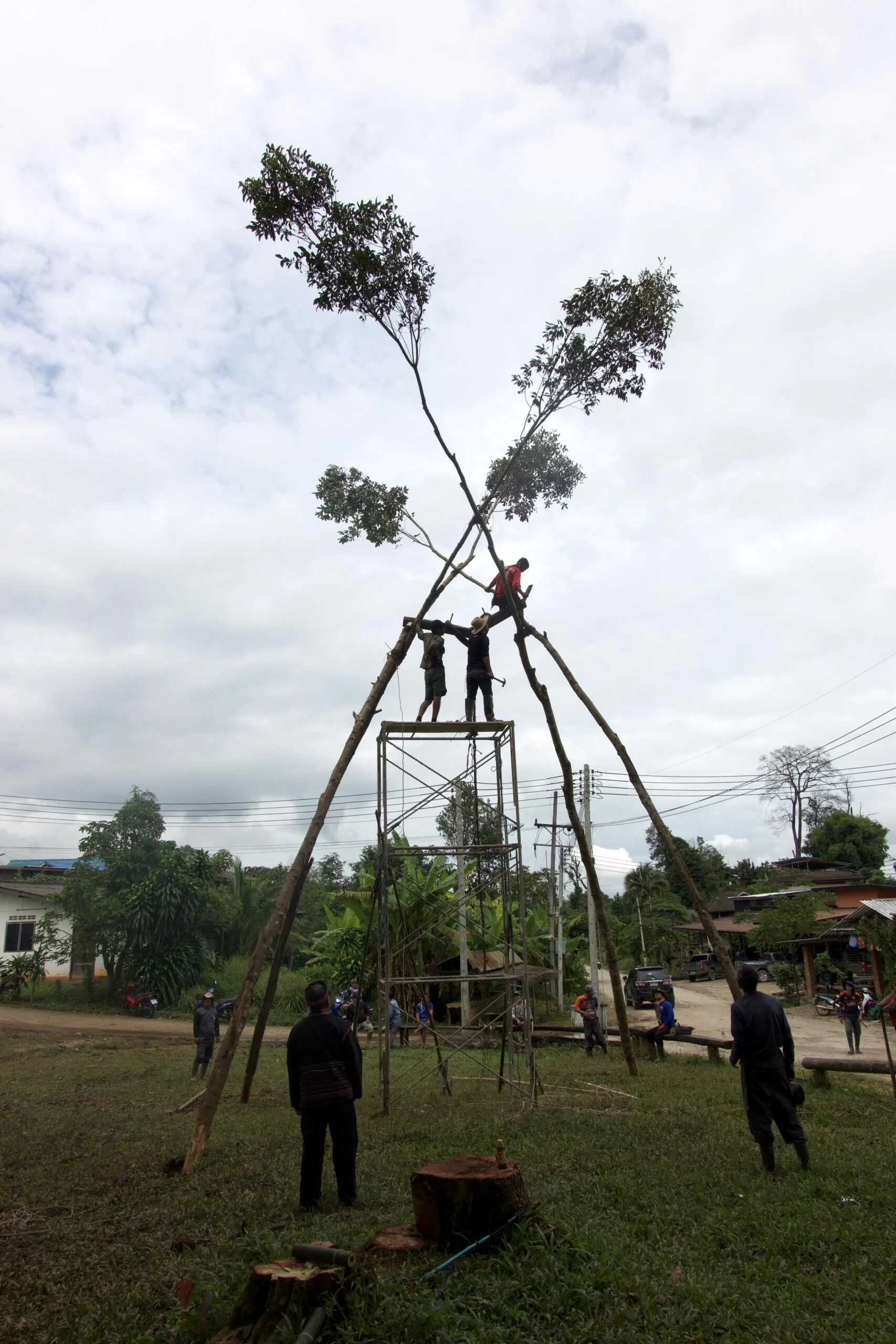
Yehkuja, also known as the 'Swing Festival' is an Akha ceremony that happens every year in August. In the past, the timing followed the zodiac—linked ...
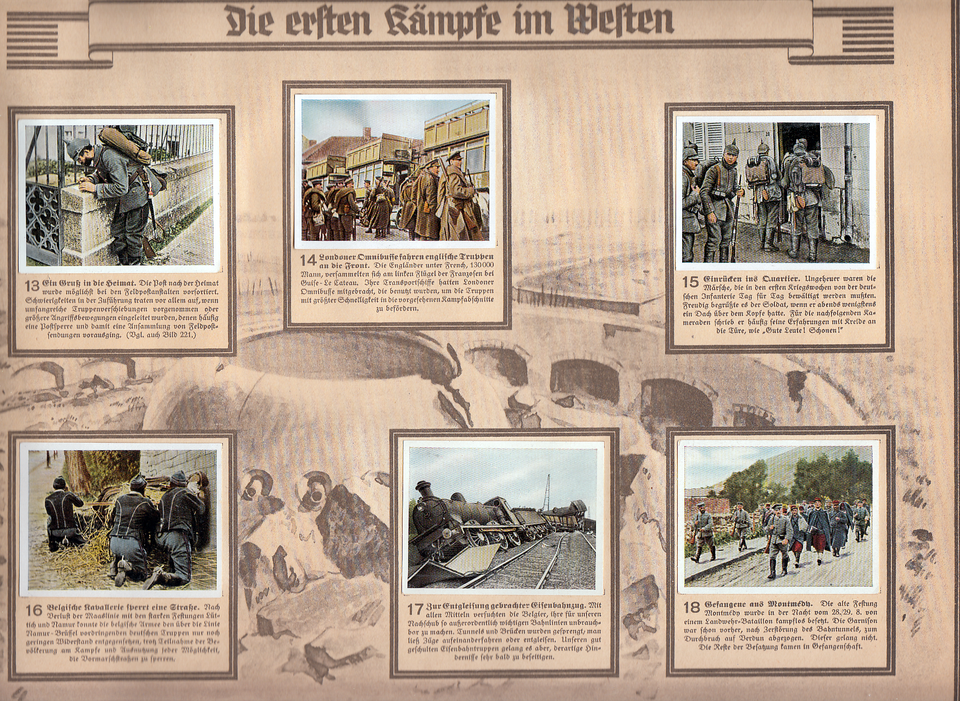
Bei Zigarettenschachteln wurden aus Werbe- und Propagandazwecken Bilder beigelegt. Besonders bekannt und eine der ersten waren Baseballcards in den US...
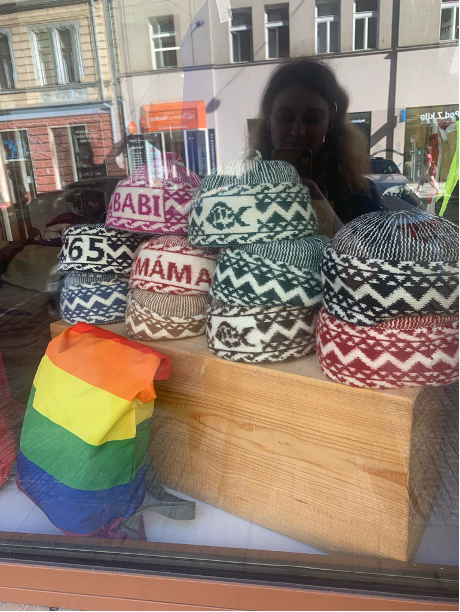
Zmijovka je tradiční česká pletená čepice s charakteristickým klikatým vzorem připomínajícím hada – odtud její název. Její původ není jednoznačný, ale...
الأهالي يشير إلى السكان المحليين الذين ينتمون إلى المكان بروابط تاريخية وثقافية عميقة، ويحملون المعرفة التراثية والذاكرة الجمعية للمجتمع. في السياق ال...
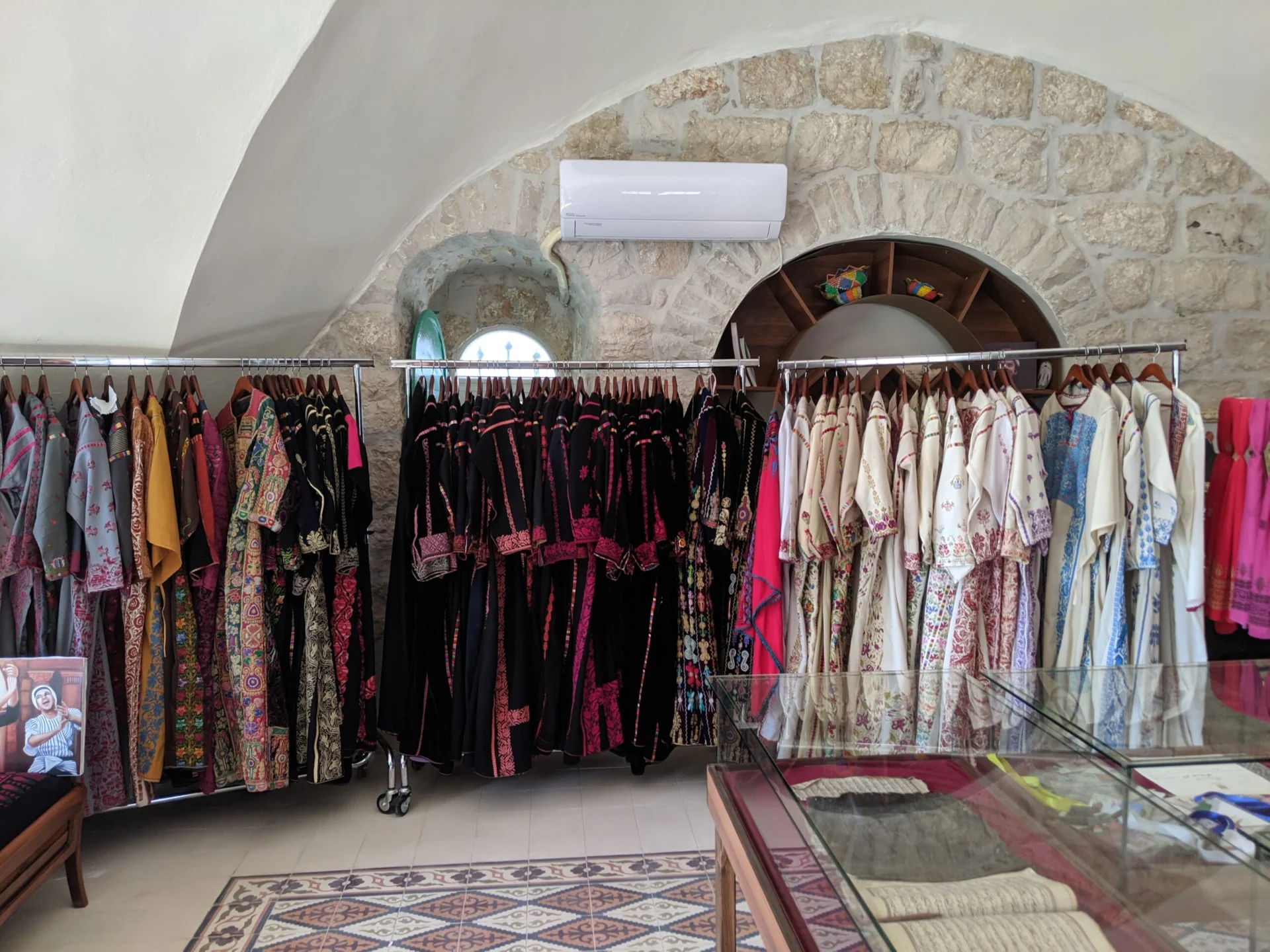
التطريز هو فن الزخرفة النسيجية الذي يُعتبر من أهم عناصر التراث الفلسطيني، ويتجلى بشكل أساسي في تطريز الثوب الفلسطيني. يحمل التطريز رموزاً ثقافية ودلال...
القرى الفلسطينية التقليدية (al-qurā al-filasṭīniyya al-taqlīdiyya) / Traditional Palestinian Villages
Arabic
al-QU-ra al-fi-las-TEEN-ee-ya al-taq-LEE-dee-ya
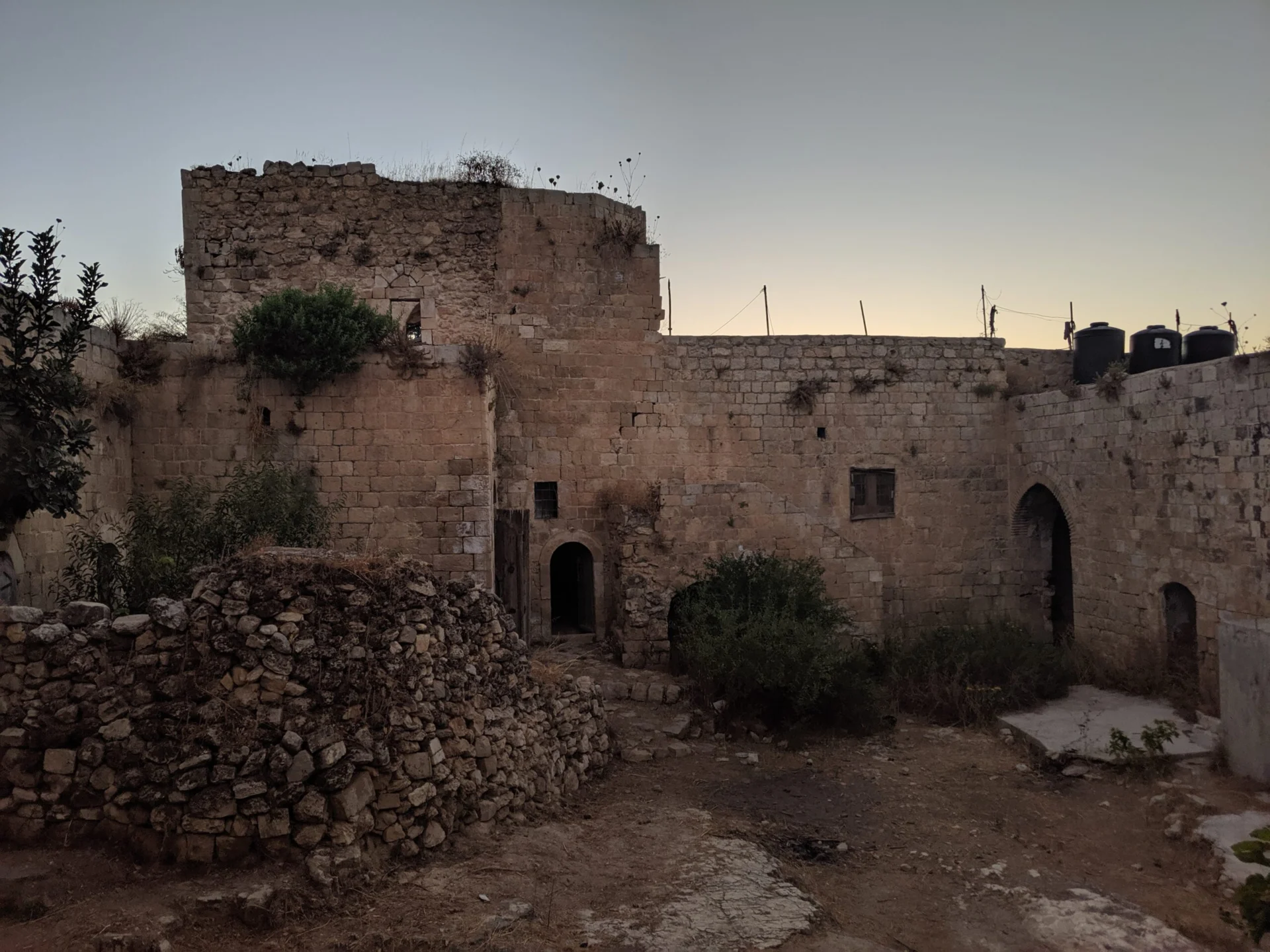
القرى الفلسطينية التقليدية هي التجمعات السكنية التي تشكلت عبر قرون من التطور العضوي، وتتميز بعمارتها الحجرية المحلية واستخدام مواد البناء المستخرجة من...
الماضي القريب يشير إلى الفترة التاريخية التي تمتد من أوائل القرن العشرين حتى السنوات الأخيرة، والتي تتميز بتوفر الشهادات الحية والذاكرة الشفوية للمعاص...
المشهد الحضاري (al-mashhad al-ḥaḍārī) / Cultural Landscape
Arabic
al-MASH-had al-ha-DA-ree
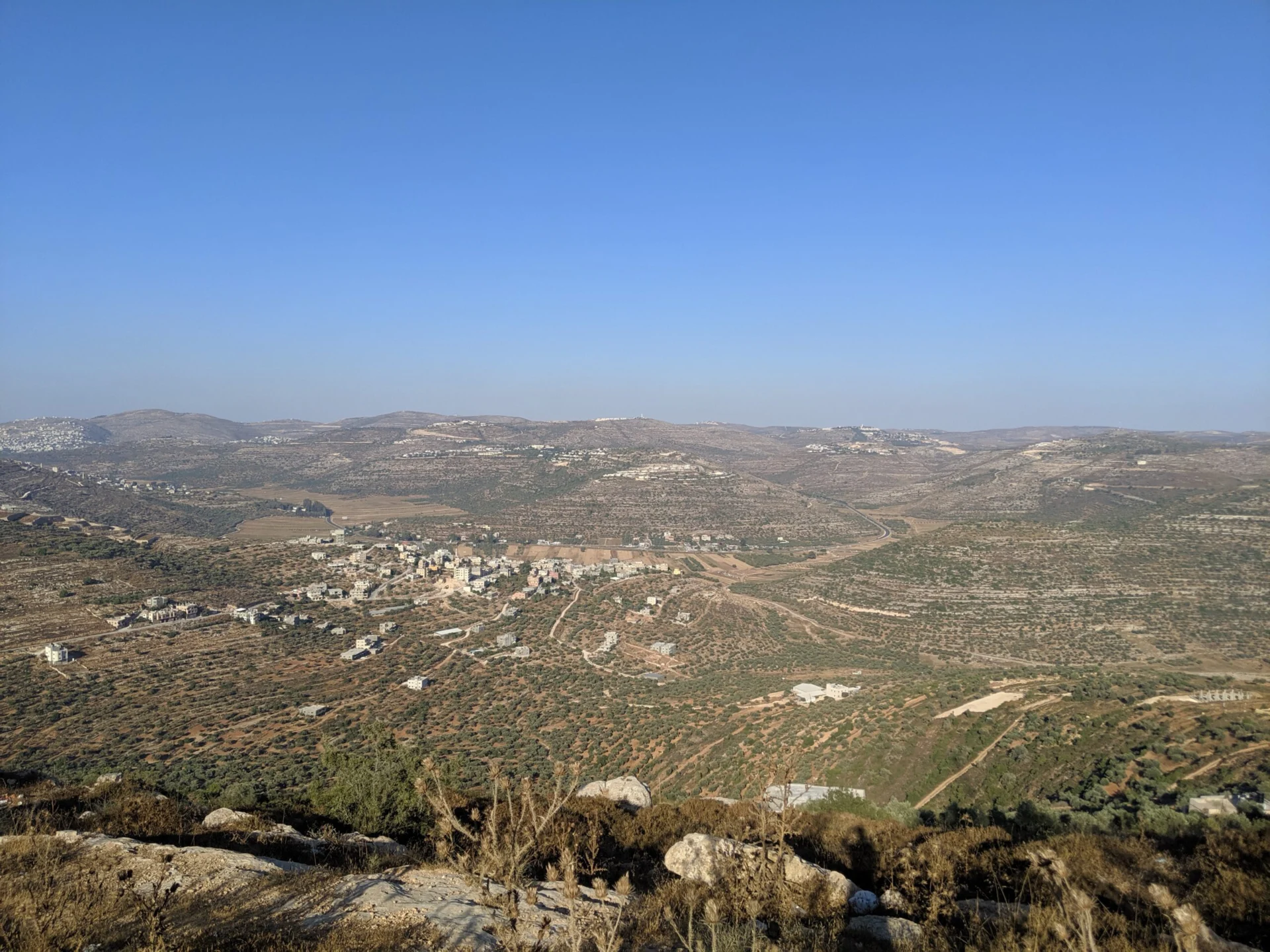
المشهد الحضاري هو المجال المكاني الذي يحمل بصمات التفاعل الإنساني مع البيئة الطبيعية عبر التاريخ، ويشمل العناصر المادية واللامادية للثقافة الفلسطينية....
Taarof describes a reciprocal ritual of politeness between people. It includes declining offers unless it is offered over and over again, making offer...
I try to compare belief to the wind: we can feel it, but we cannot see it. Like when the trees sway, when the breeze blows, we feel comfortable. It mo...
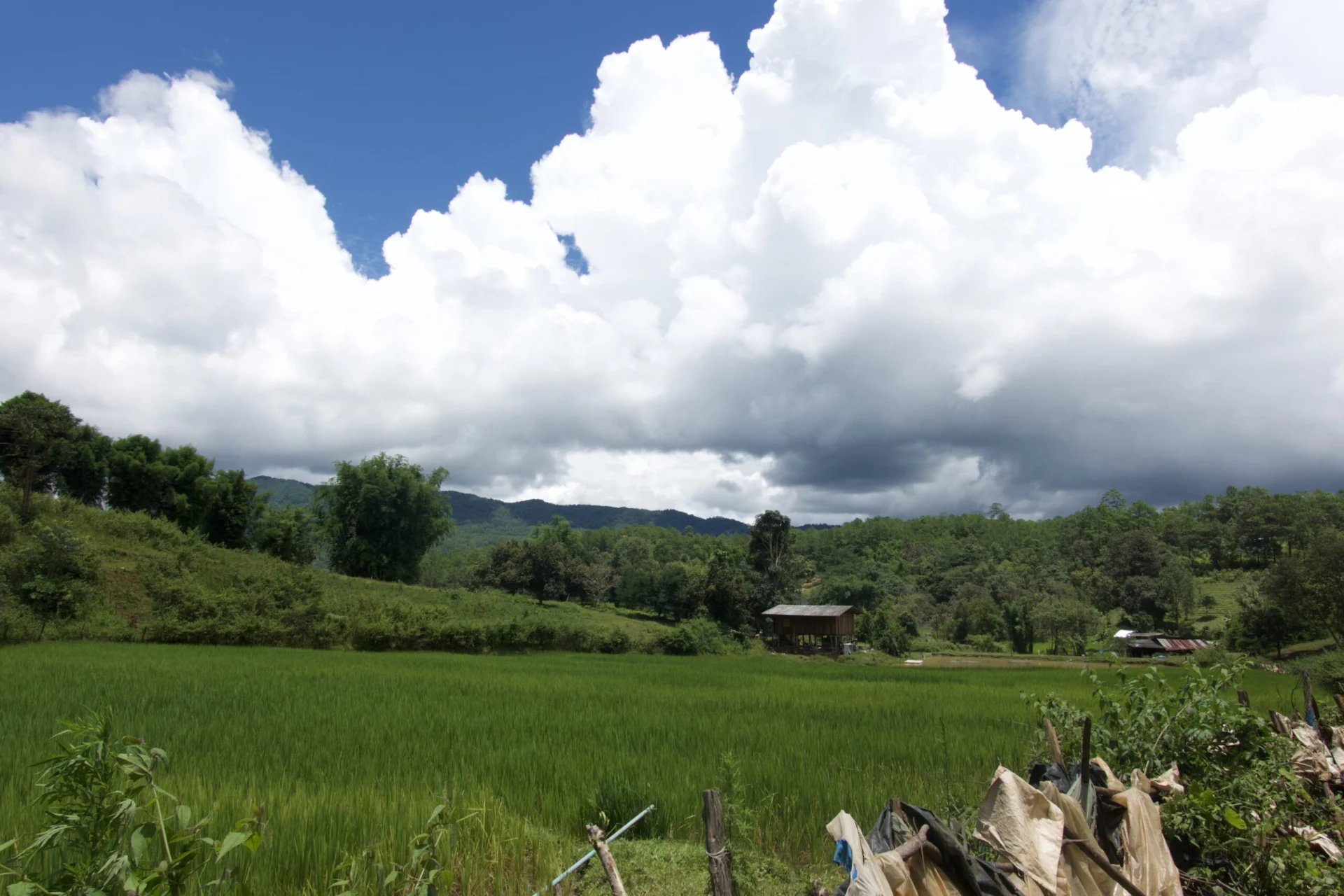
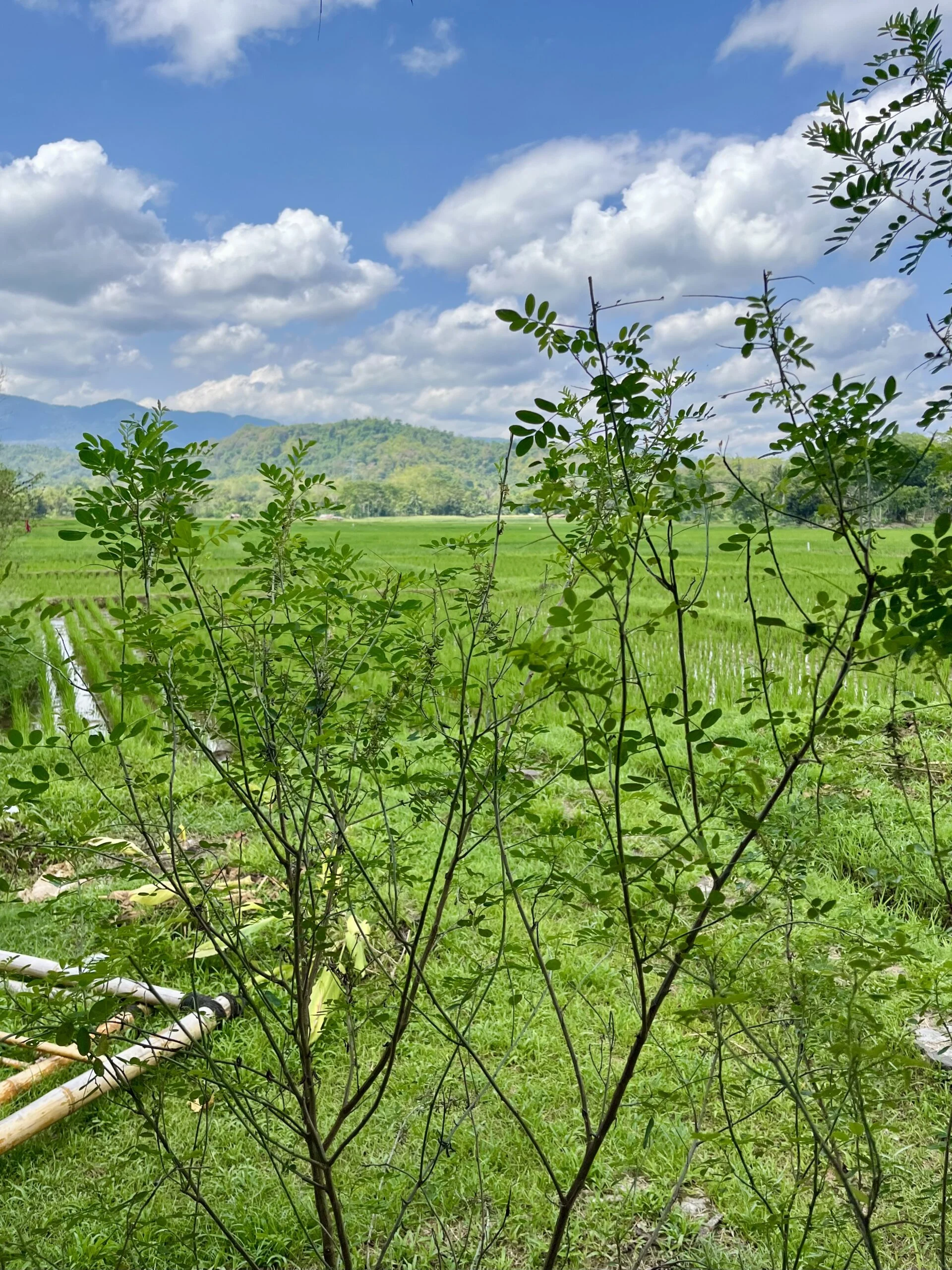
The way of life of the Pga K’nyaw is tied to the forest. The forest is like life itself, and they are especially known for how they manage the forest....
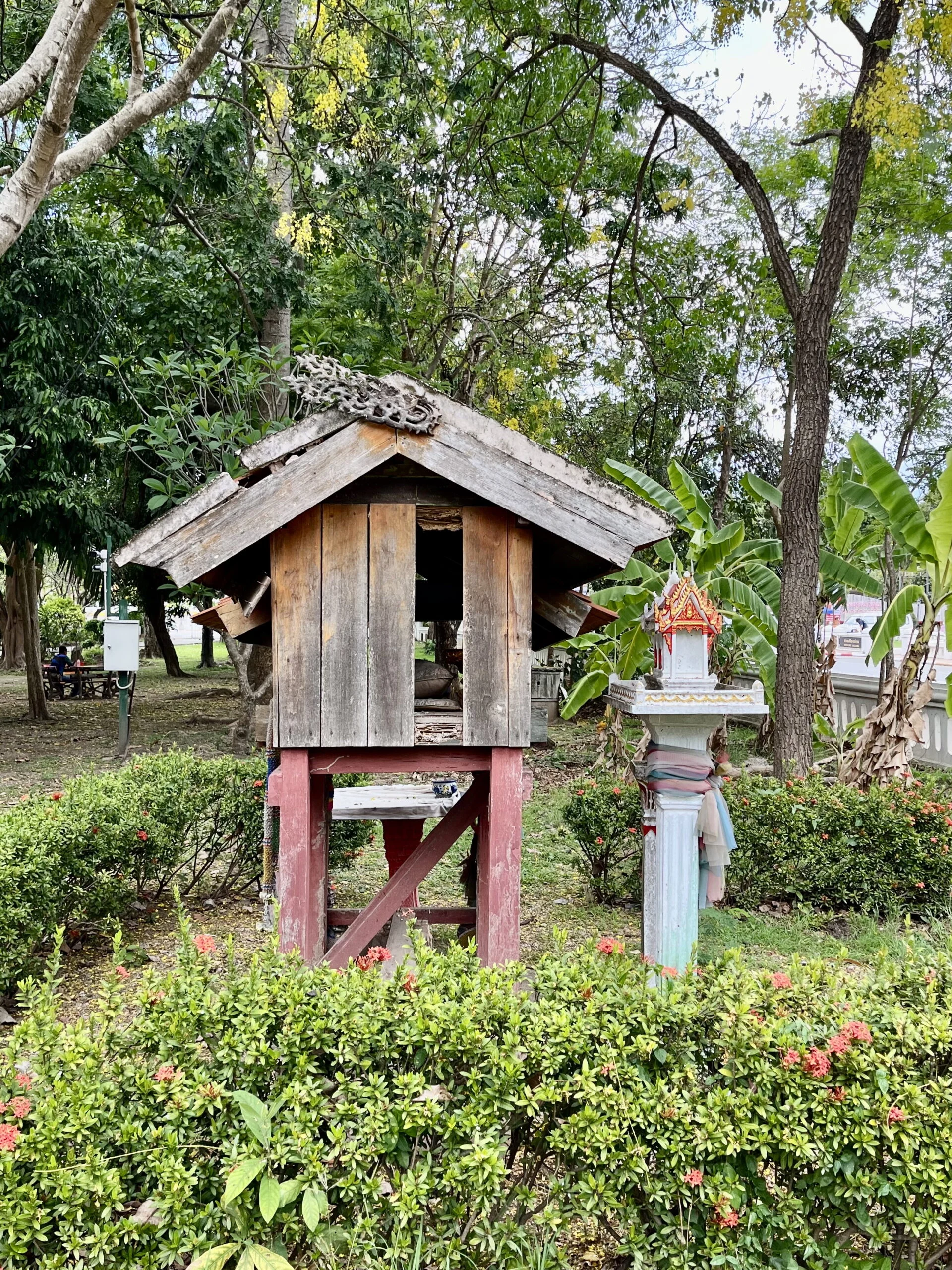
ธรรมชาติ/Thammachat, meaning ‘nature’ in Thai, was a term coined as part of a larger language policy spanning the late-19th and 20th centuries, involv...
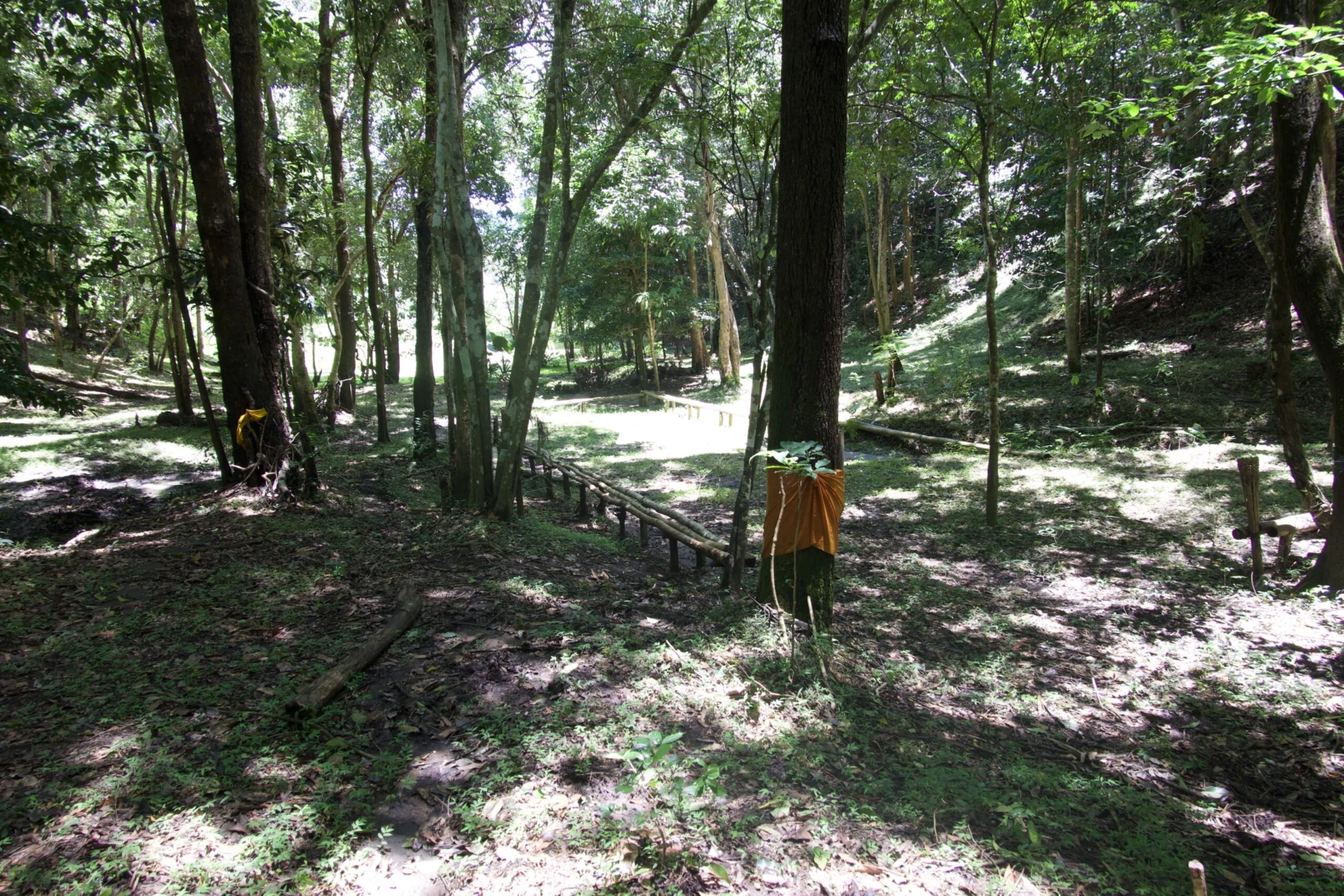
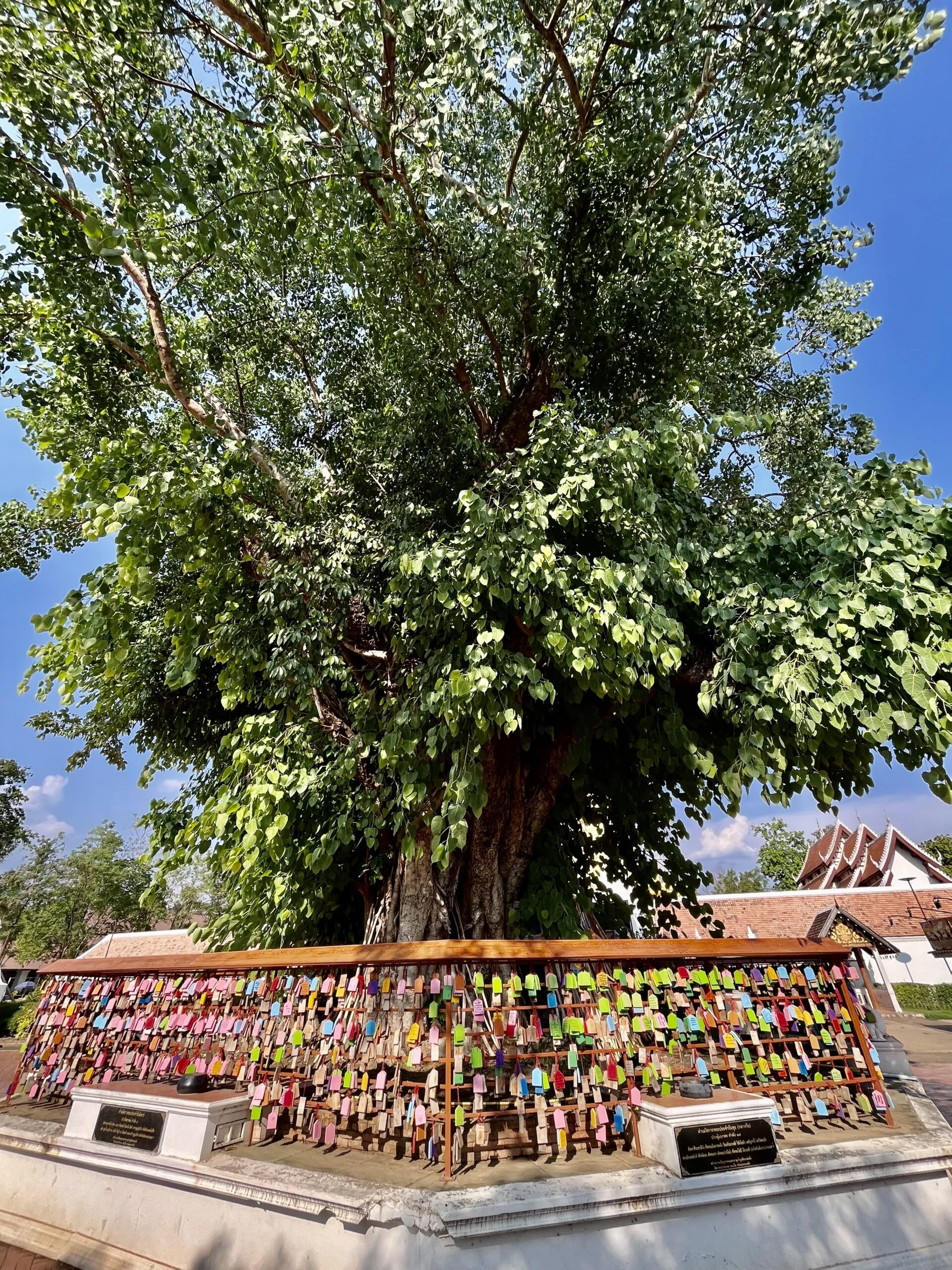
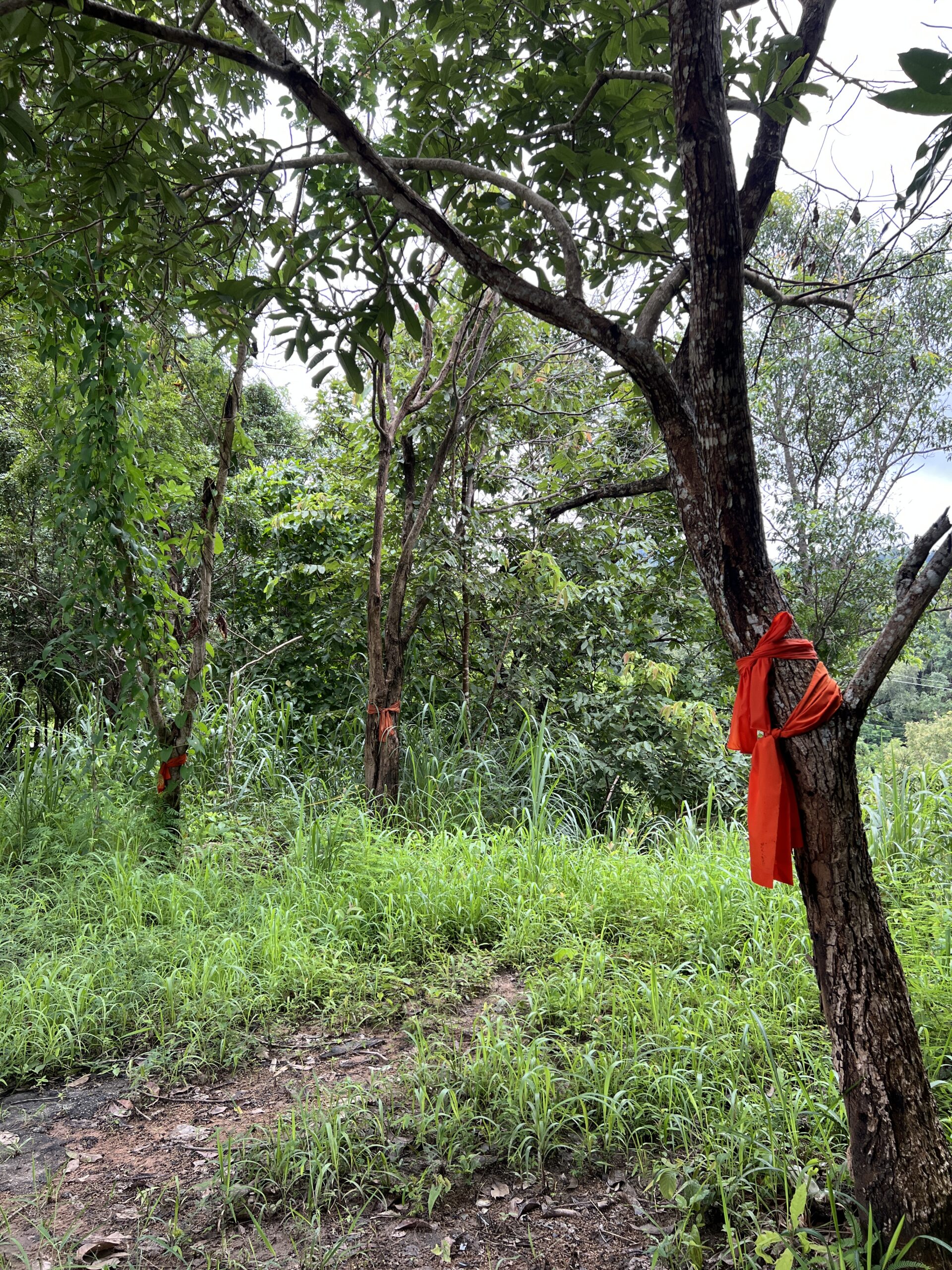
บวชต้นไม้/buat ton mai, also known as 'tree ordination', is a method of conserving trees in Thailand rooted in Buddhism. The practice emerged as a res...
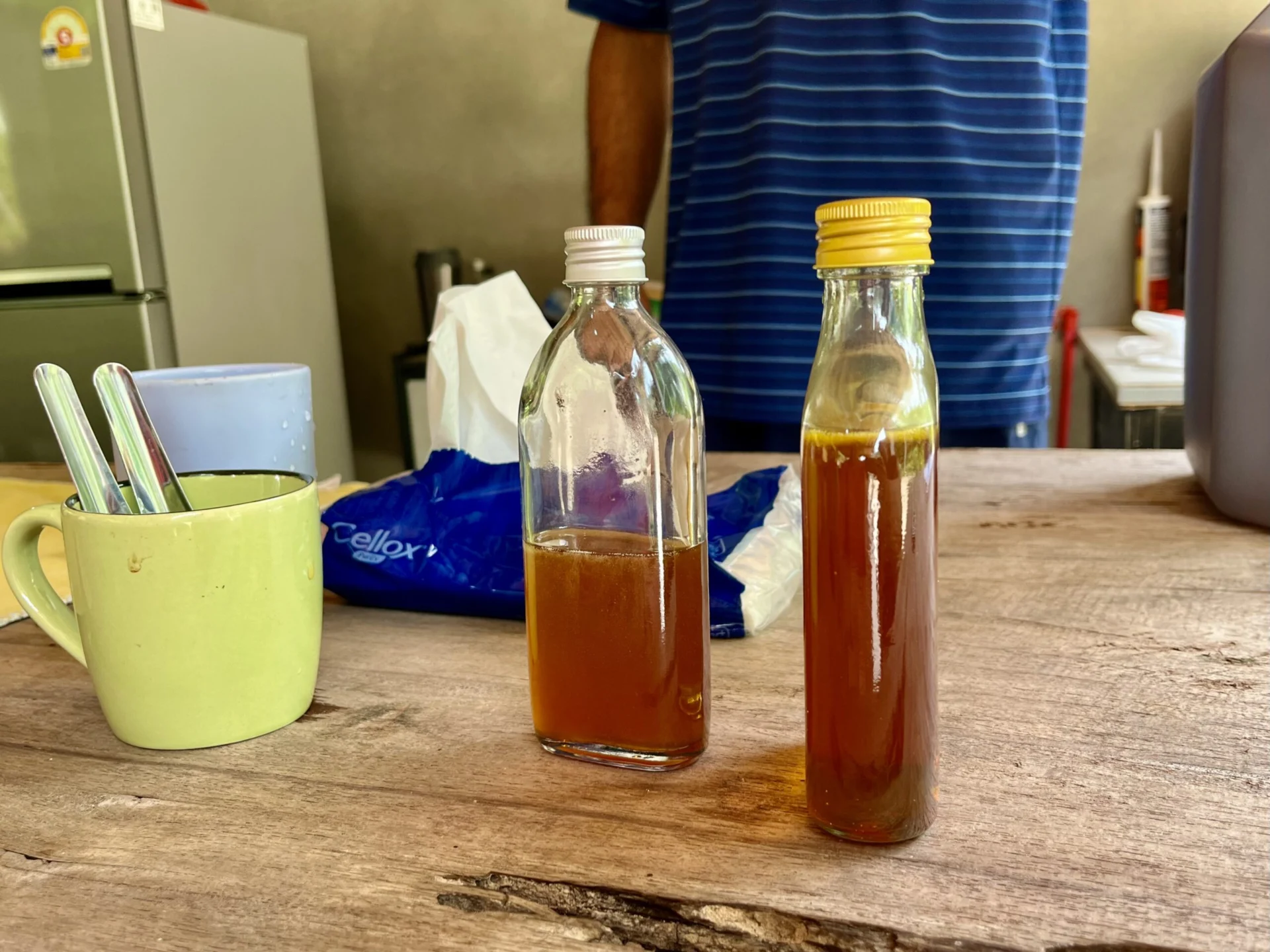
Bees are insects that naturally live in the forest, and they have value for villagers. In Hin Lad Nai village in Chiang Rai, there are three types of ...
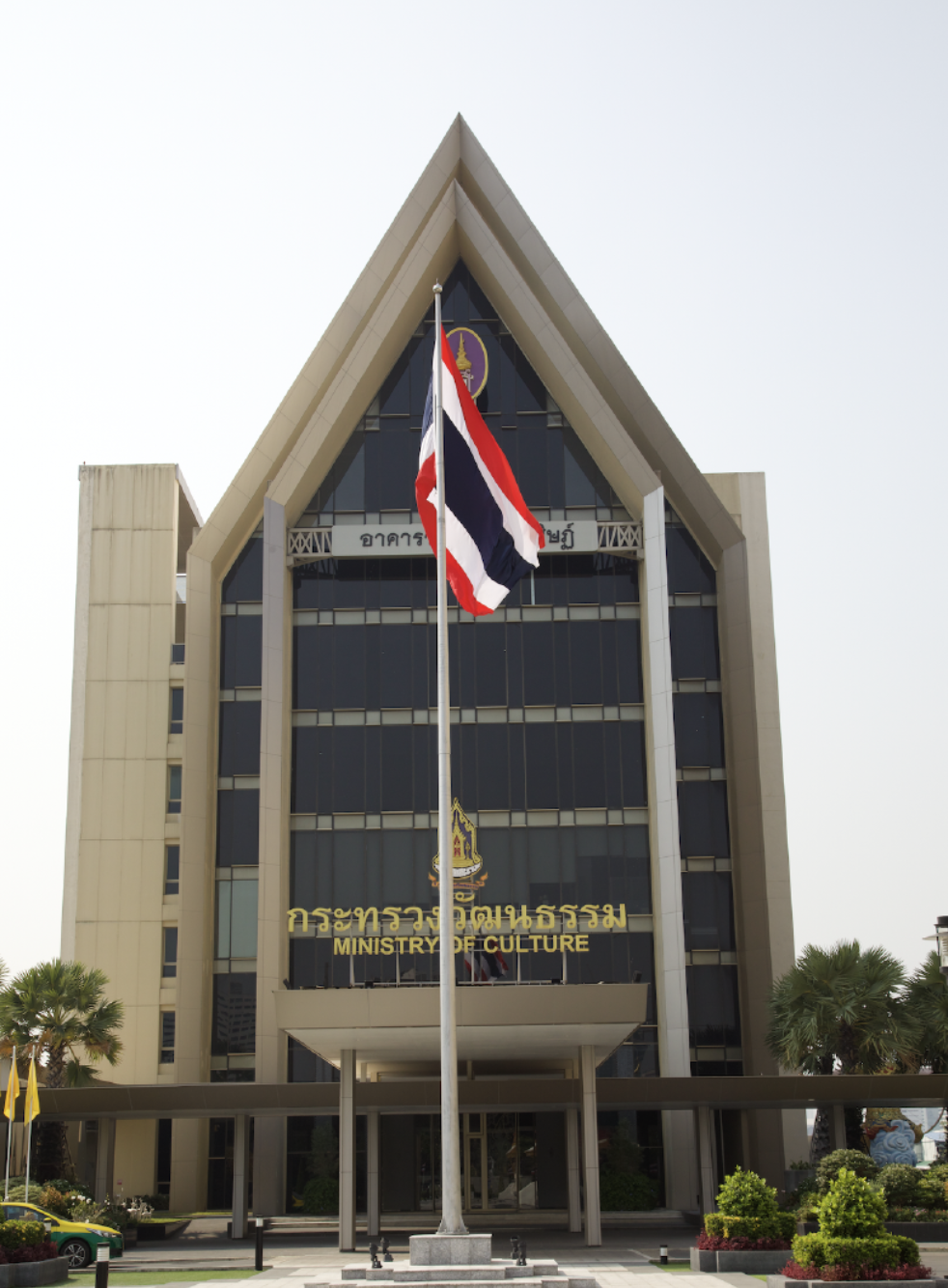
The direct translation of 'Intangible Cultural Heritage' (ICH) into Thai is 'มรดกทางวัฒนธรรมที่จับต้องไม่ได้'. However, the government felt that this ...
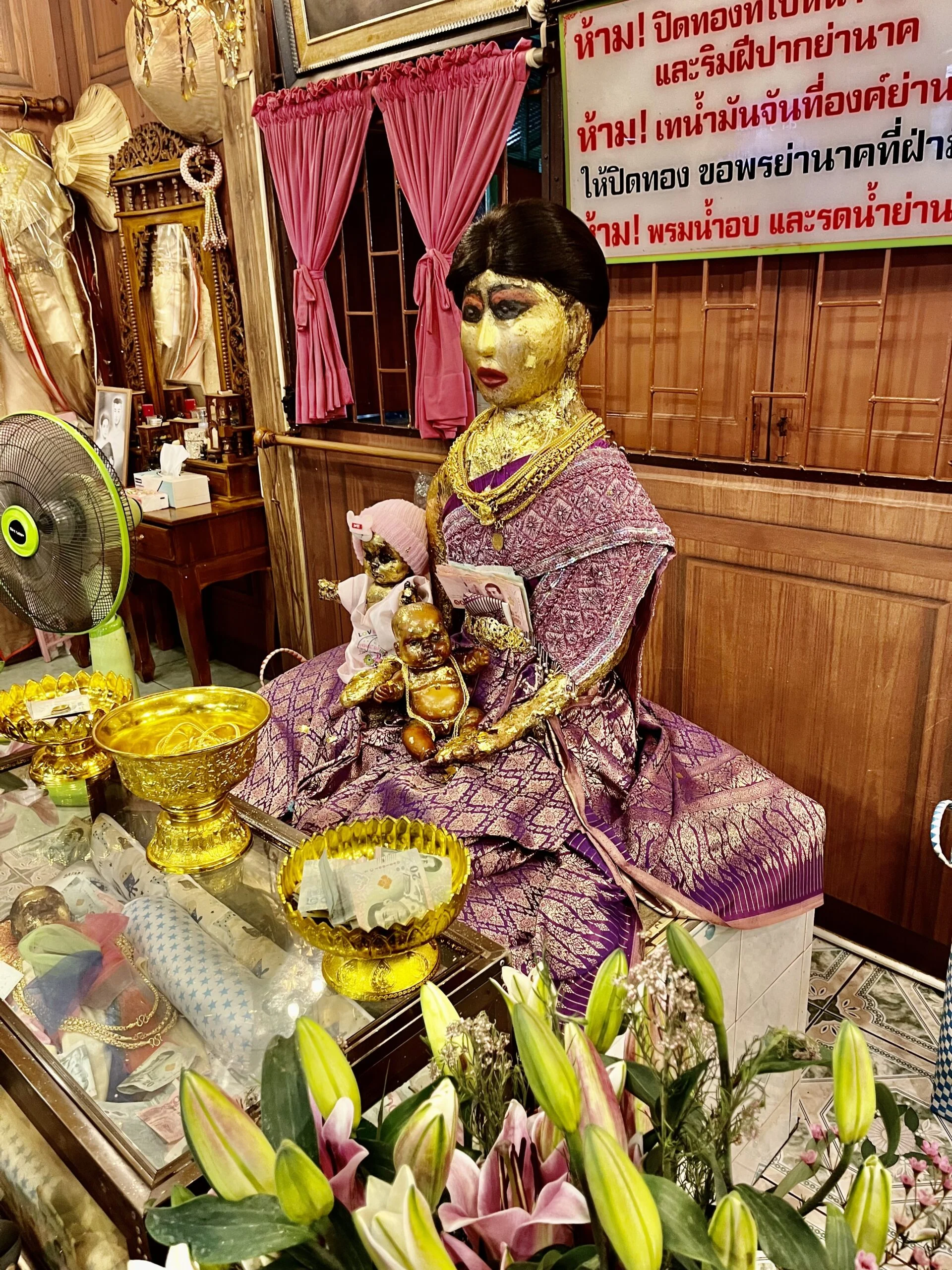
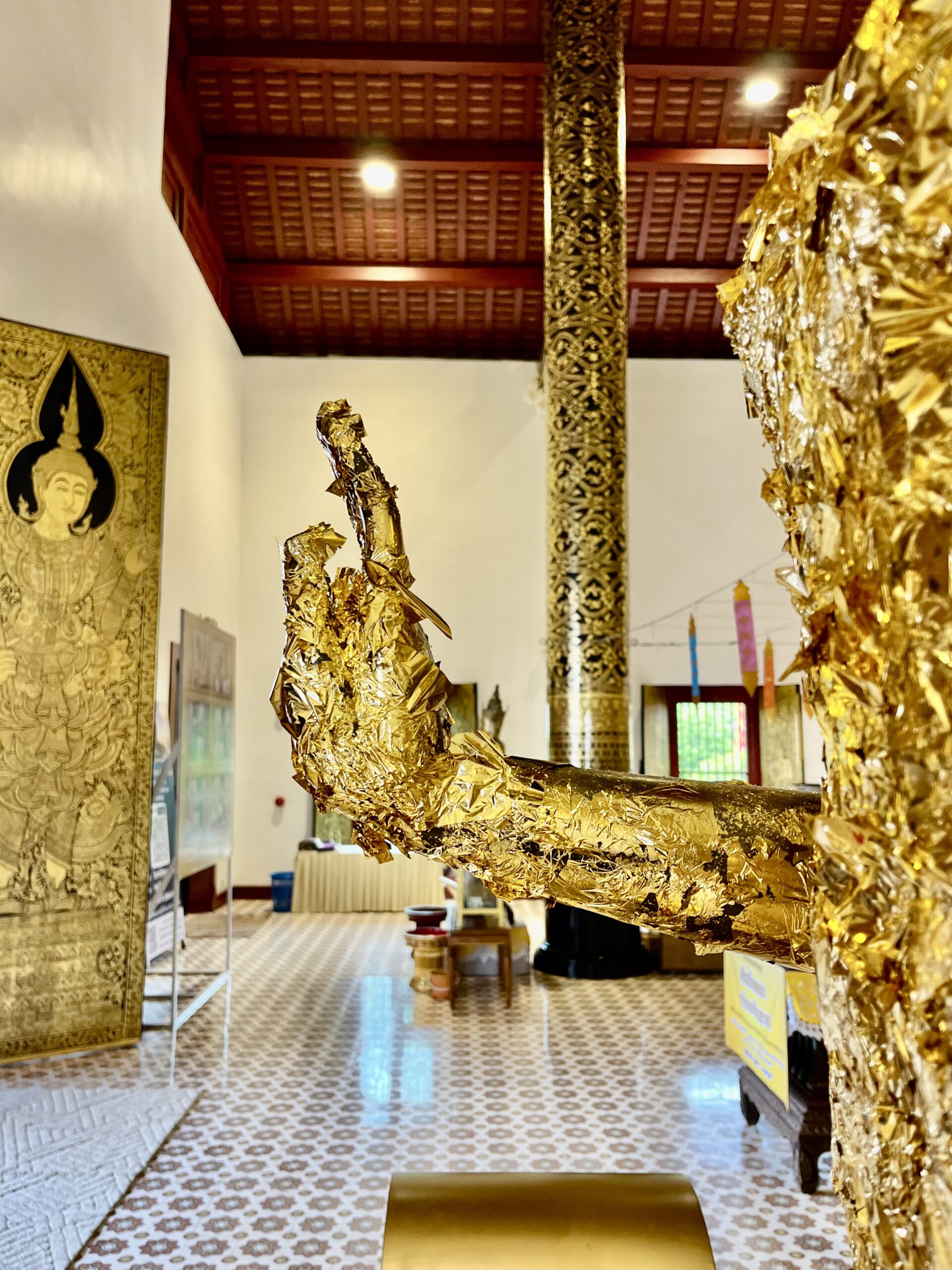
ลงรักปิดทอง/Long Rak Pit Thong, or ‘lacquering and gilding’, is both a Thai conservation technique and an act of worship and a way of making merit wit...
วัฒนธรรม/Wattanatham (meaning ‘culture’) is one of over one thousand terms coined by Prince Wan Waithayakon. In a 1975 interview, Prince Wan, who atte...
Dans la langue chinoise moderne, le terme « 装潢/ zhuāng huáng » (zhuānghuáng) revêt trois sens, dont l’un fait référence à l’utilisation de papier te...
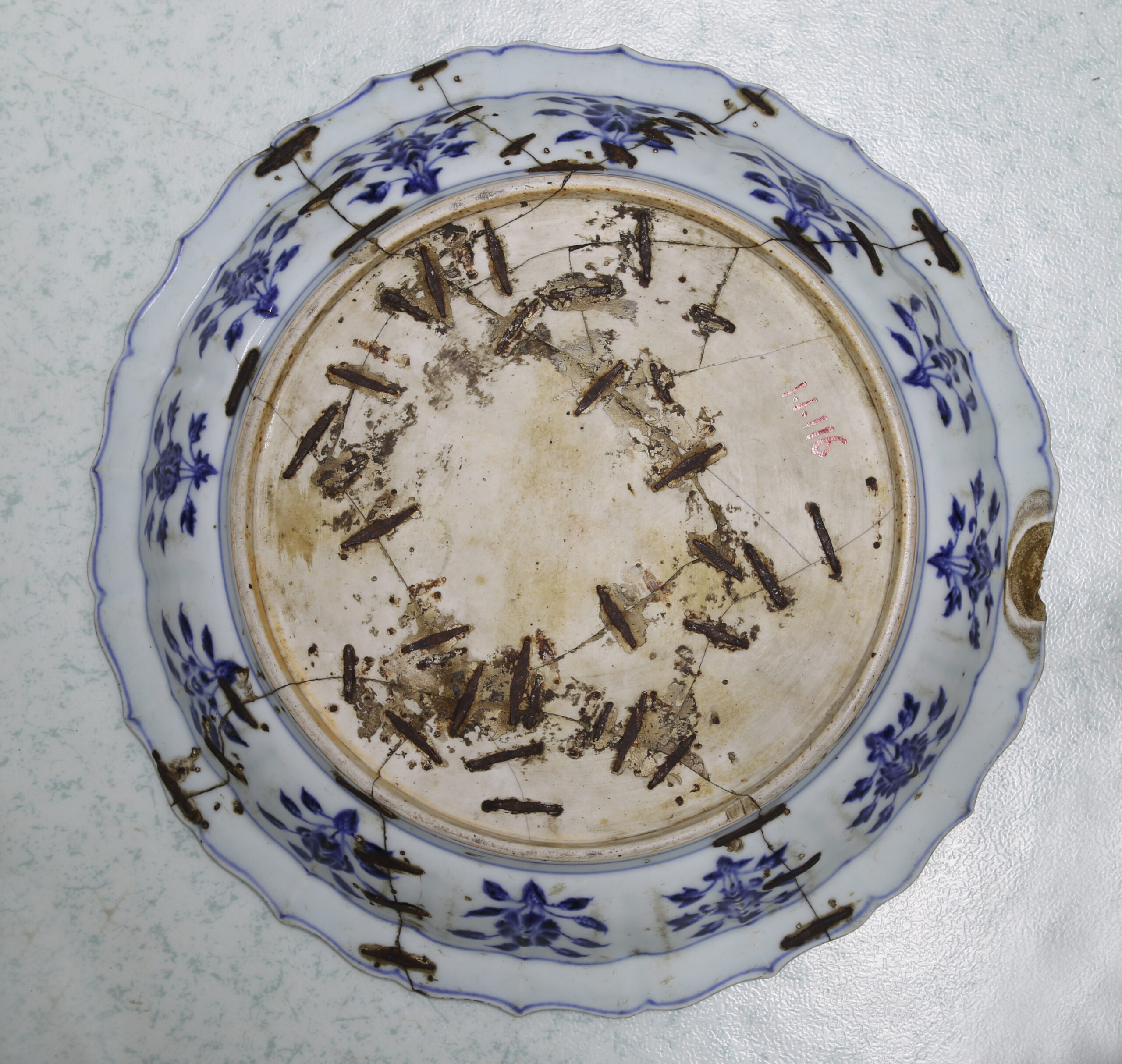
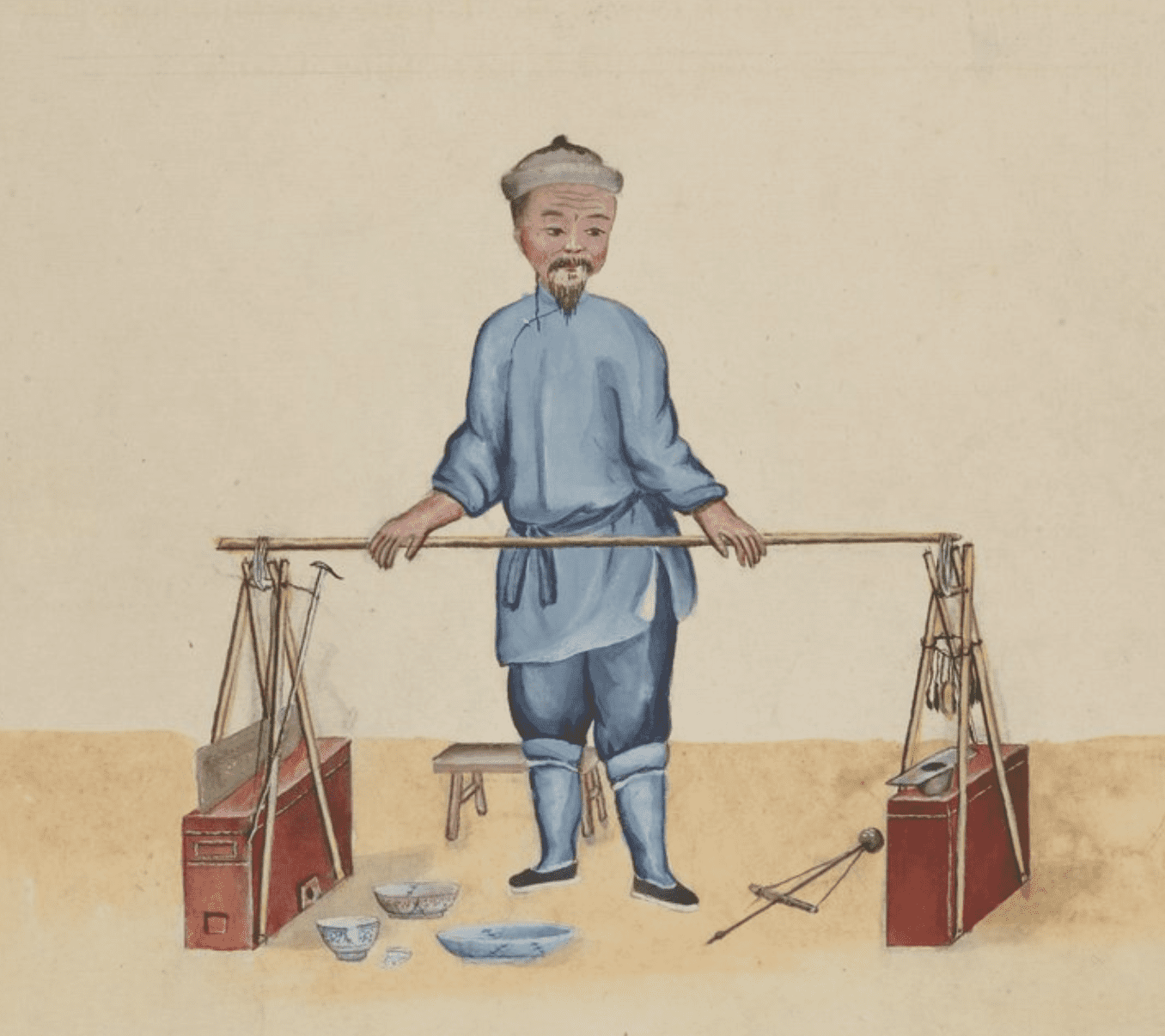
According to modern Chinese language dictionaries, the term 锔子/jū zi refers to an instrument, usually fashioned from copper, iron, or another materi...
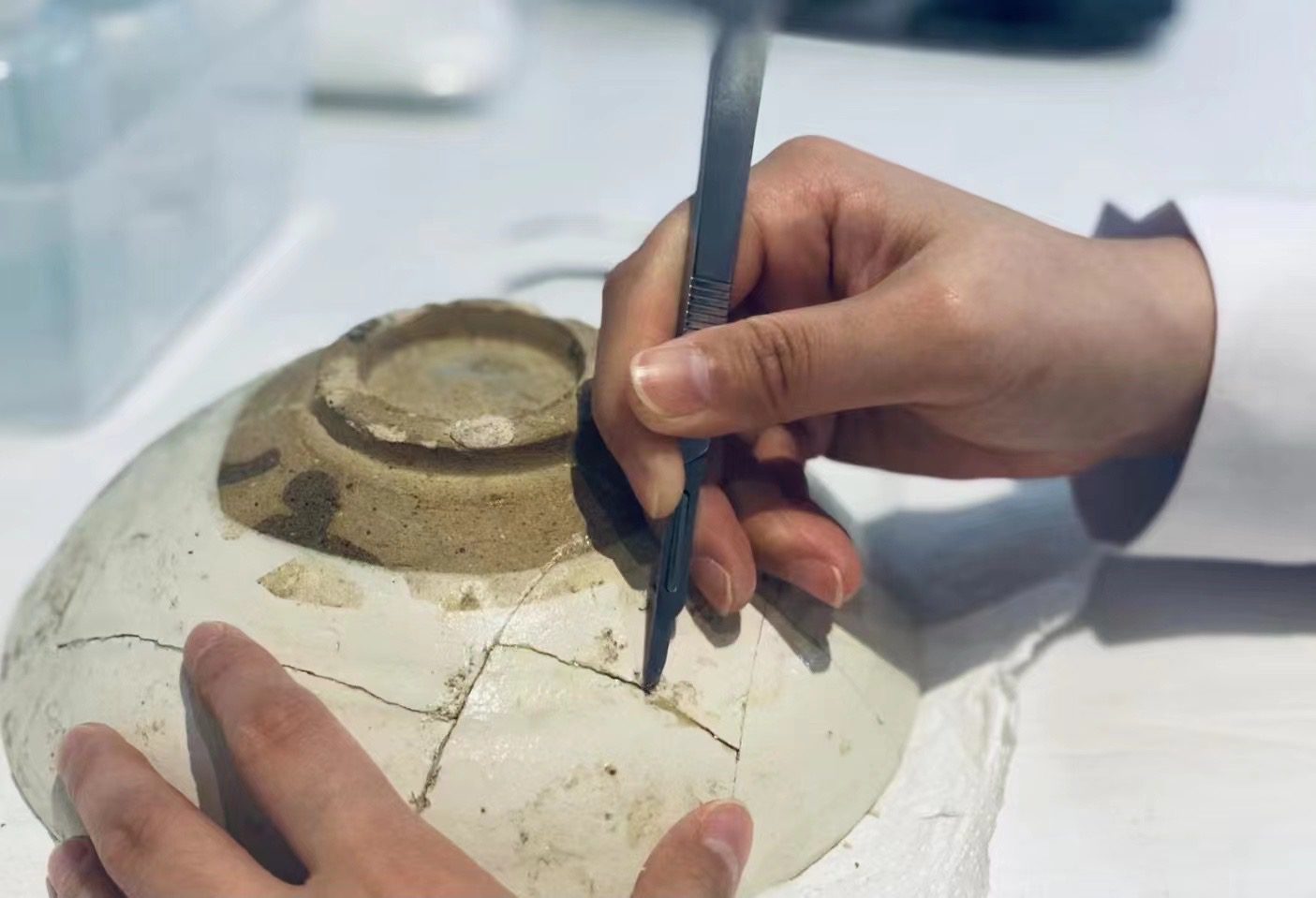
In contemporary Chinese, the term 锔瓷/jū cí refers to a traditional technique for repairing ceramics using metal staples. Prior to the twentieth cent...
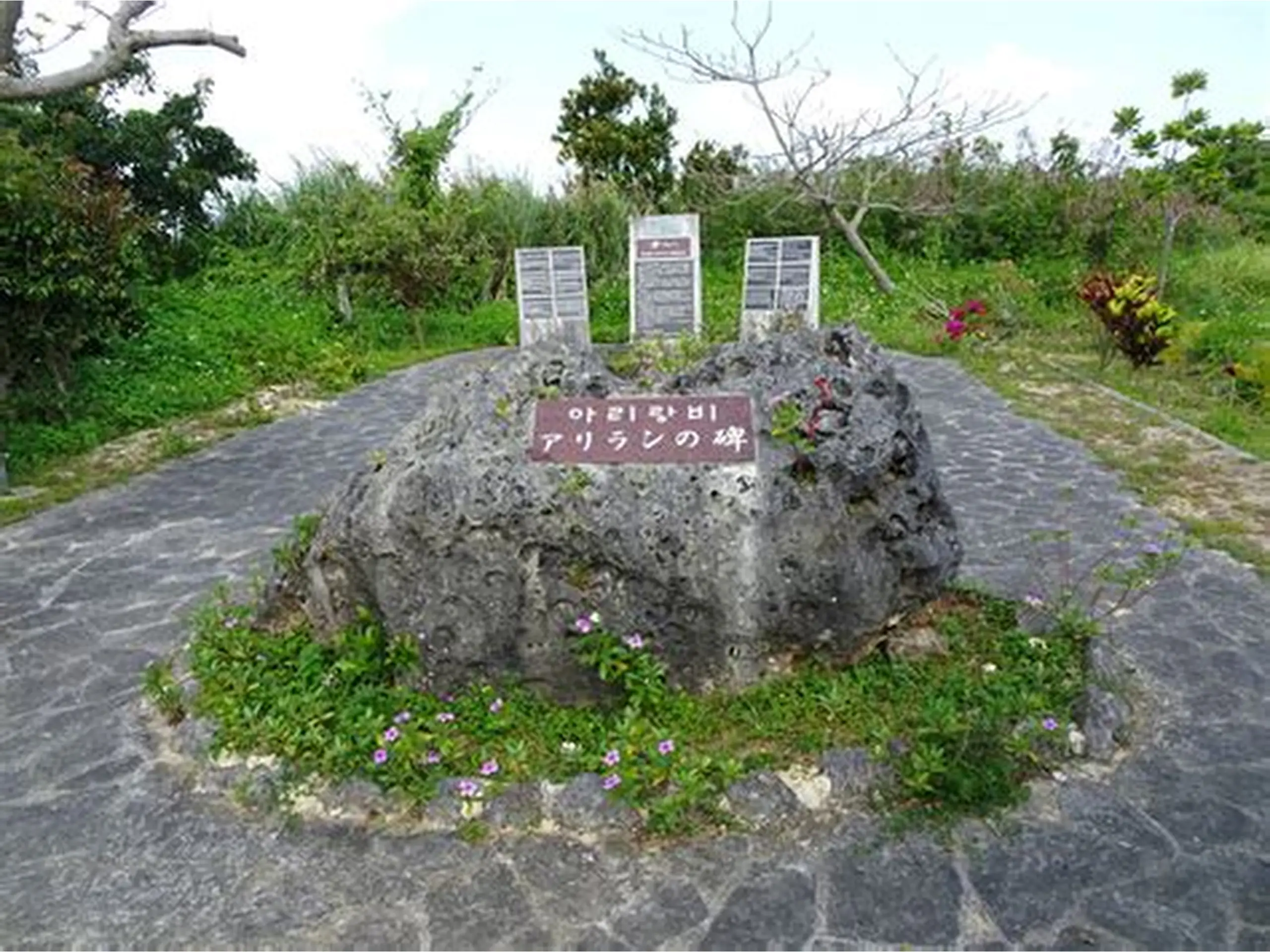
Arirang is a Korean folk song that gained significance during the Japanese occupation of the Korean Peninsula as a form of resistance. The origin of t...
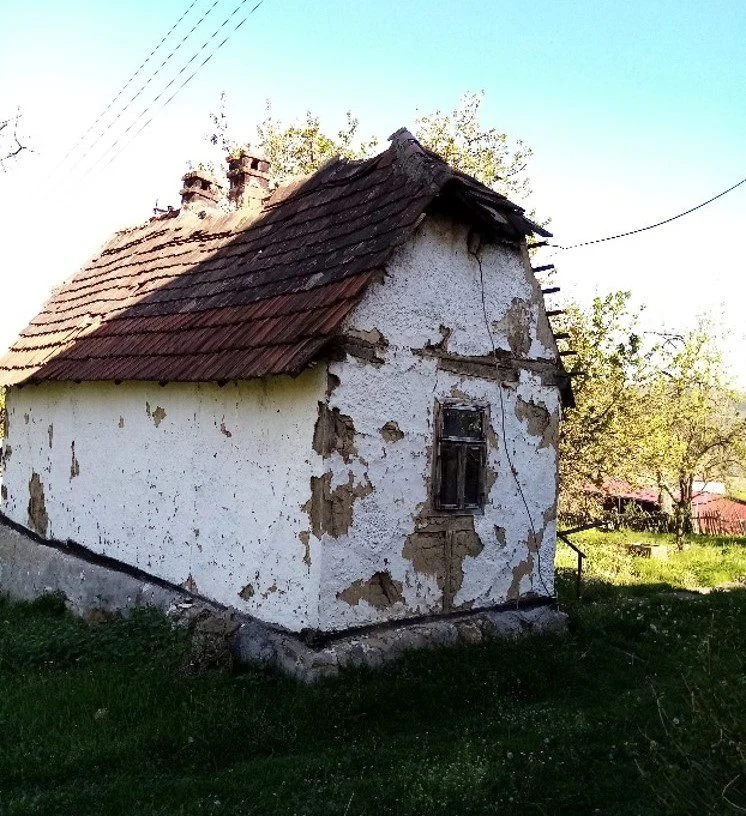
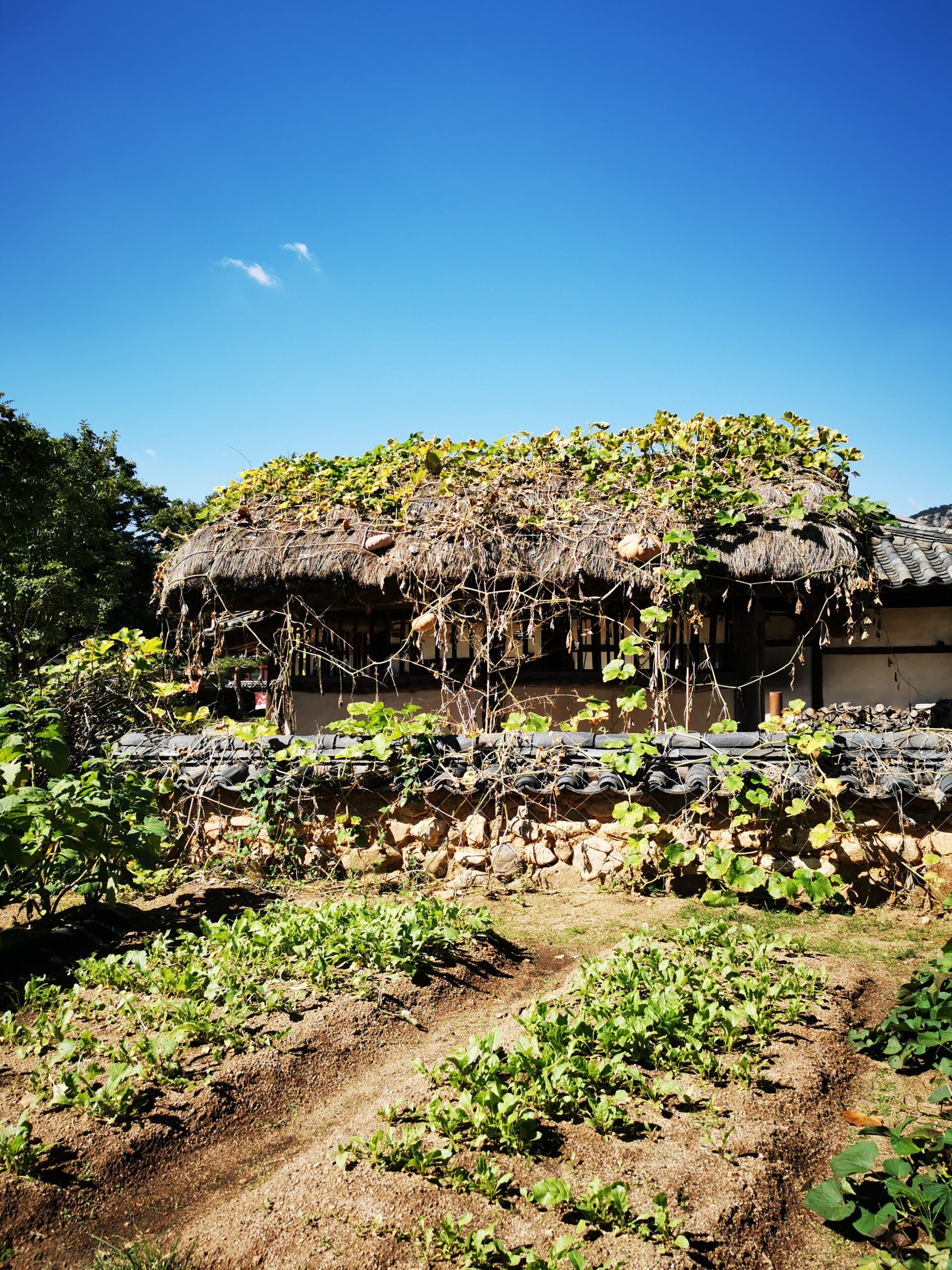
Choga is a traditional type of Korean housing, which is characterised by a thatched roof. The materials used vary depending on region; rice straw was ...
This website uses strictly necessary cookies to function. We would also like to use functional and analytical cookies to improve your experience. You can choose to accept or decline.