Bas-reliefs

Language: -

Description

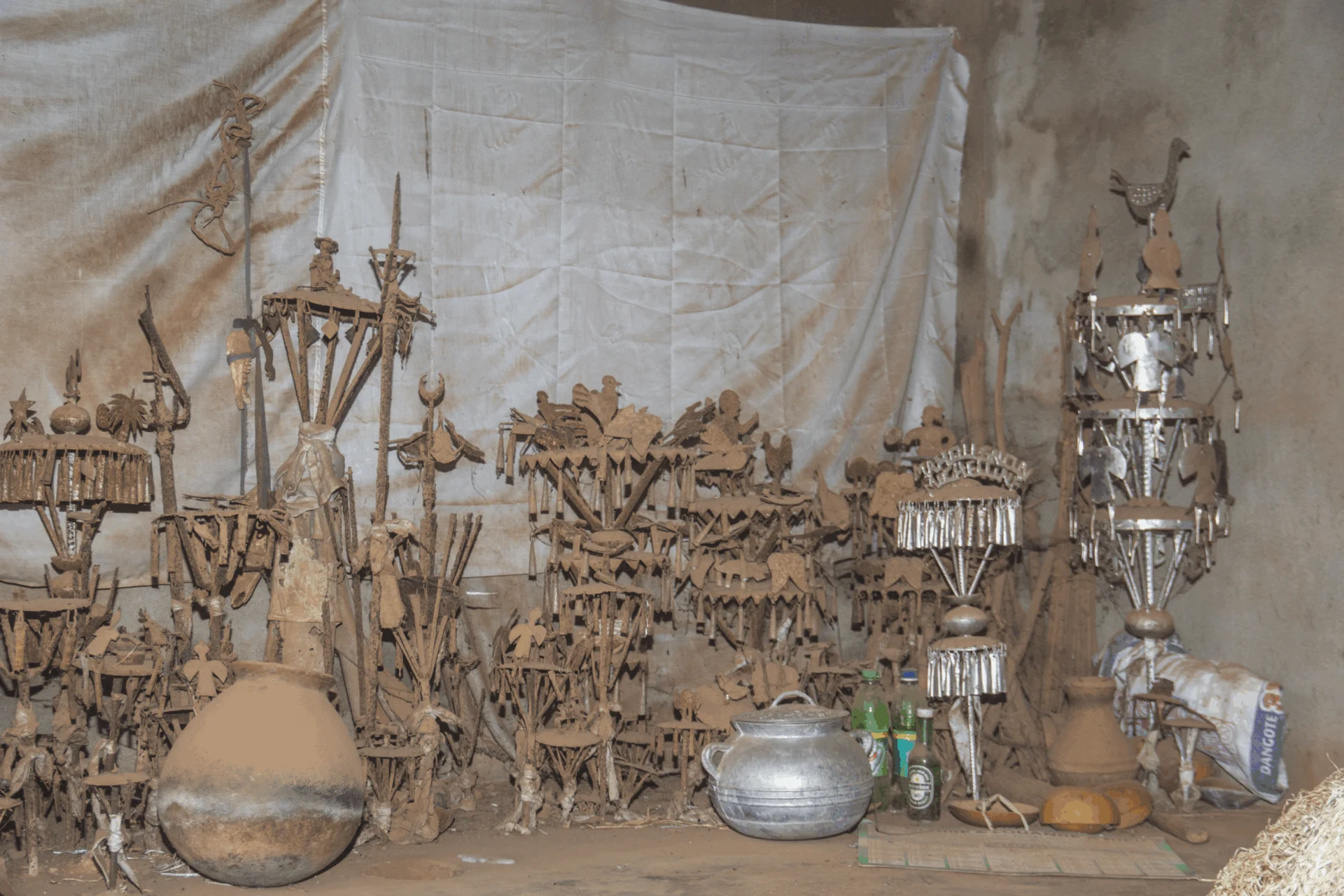
Sculptures réalisées de façon qu’elles saillent d’un fond (tel qu’un mûr, bois, ou plâtre) et qui, pour la plupart, symbolisent des emblèmes royaux ou racontent des faits historiques. Ils démontrent également les savoir-faire de la communauté qui les a fabriqués, et constituent ainsi des vecteurs de transmission de la mémoire de génération en génération. Un exemple important se retrouve dans les palais royaux de Glèlè et Ghézo à Abomey, ancienne capitale du Royaume du Danxomè. Ces bas-reliefs témoignent des faits historiques relatifs aux rois qui ont marqué l’histoire du royaume.

Read more

Sculptures designed and realized to stand proud of a flat background (such as a wall, wood, or plaster), and which symbolize primarily royal emblems or recount historical events. Moreover, bas-reliefs showcase the skills of the community that made them and serve, therefore, as vehicles for the transmission of this knowledge from generation to generation. One significant example is to be found in the Glèlè and Ghézo royal palaces in Abomey, the former capital of the Kingdom of Danxomè. These bas-reliefs bear witness to historical events relating to the kings who left their mark on the Kingdom.

Beaujean, Gaëlle. L’art de cour d’Abomey. Le sens des objets. Les Presses du réel, Dijon, 2019.

Date of entry: January 20, 2025
The name you would like to be credited with for your contribution.
The word you wish to contribute
Your email for contact and updates regarding your submission.
The language you are contributing the word in
Maximum file size: 3 MB
Maximum file size: 5 MB
By proceeding, I acknowledge and agree to GloCo's Legal notice and Terms of use
and the Guidelines for Contributors *

Related Words

IMG-20250912-WA0010
Géwél
Wolof

A person whose role is to be a historian, storyteller, poet and musician. They ensure the transmission of culture and oral history by preserving the m...

Asɛn
Asɛn
Fɔ̀ngbè

Originellement issu du Fɔ̀ngbè, le terme désigne un autel portatif fait de métal principalement, et réalisé pour commémorer un-e défunt-e qui, de son ...

tchambaga
Ewe
tcham-ba-ga

Bracelet whose name means “metal of the Tchamba,” the tchambaga symbolizes the iron shackles of enslaved people and is used to contact ancestors, as w...

Tila
Tila
Ewe
Ti-la

Protective amulet common in Togo and other parts of West Africa in various forms. The term gris-gris is apparently more widespread for protective amul...

Ataya
Ataaya
Wolof

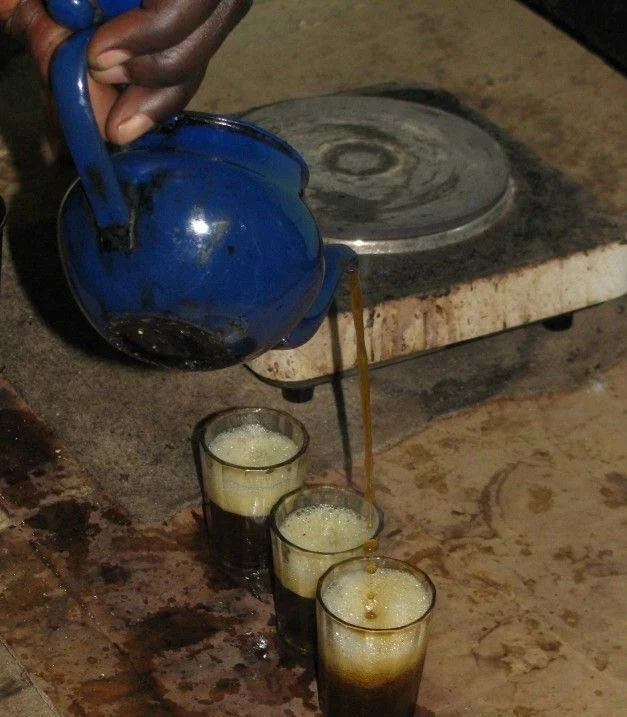
Tea prepared on the ground in a teapot and served in cups. This way of making tea has its roots in the Arab world.

Ceebu jën
Ceebu jën
Wolof

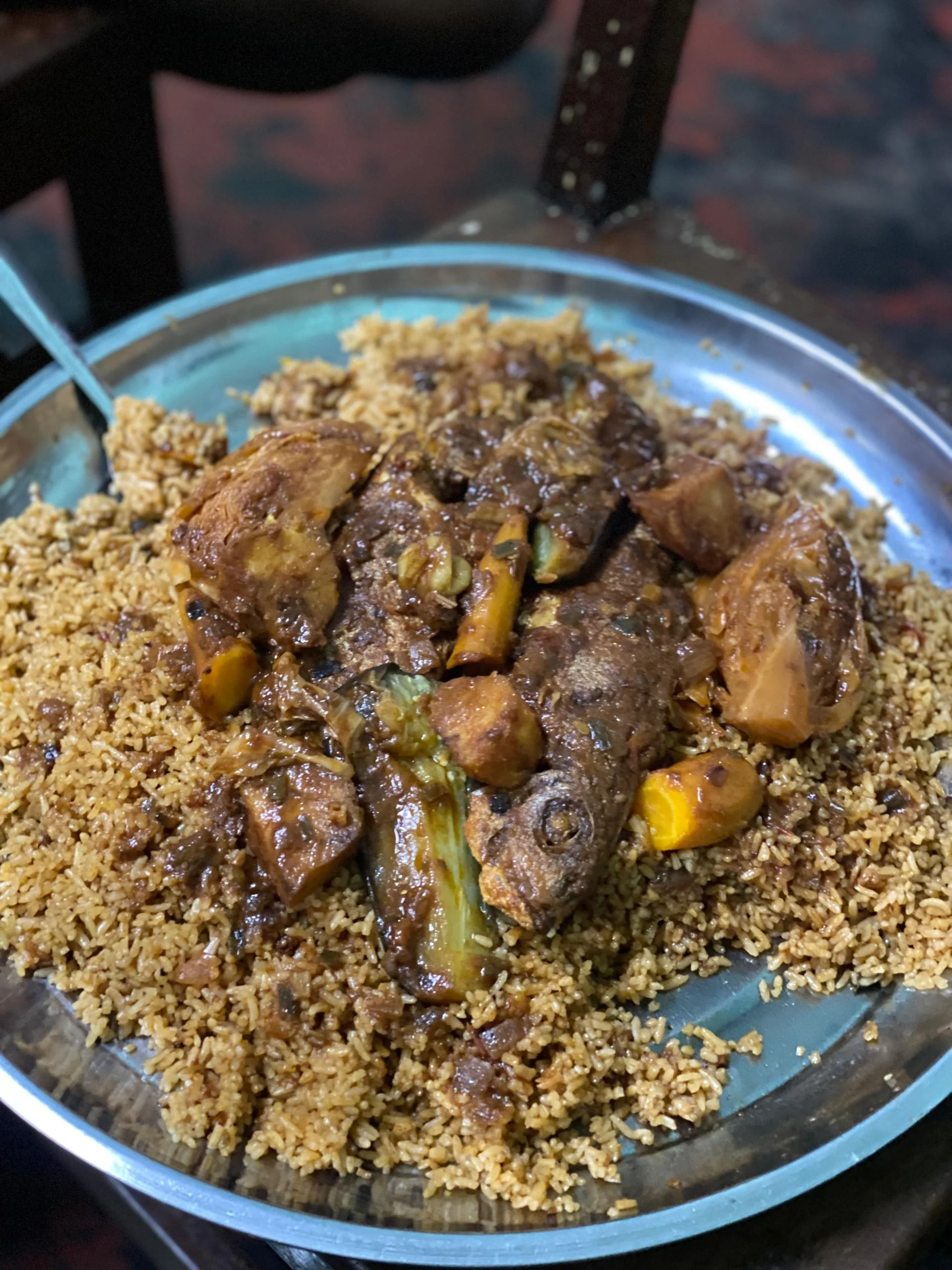
Traditional Senegalese dish with fish, rice, and vegetables. In 2021, the dish was classed by UNESCO as an intangible cultural heritage.

Rouye
Ruy
Wolof

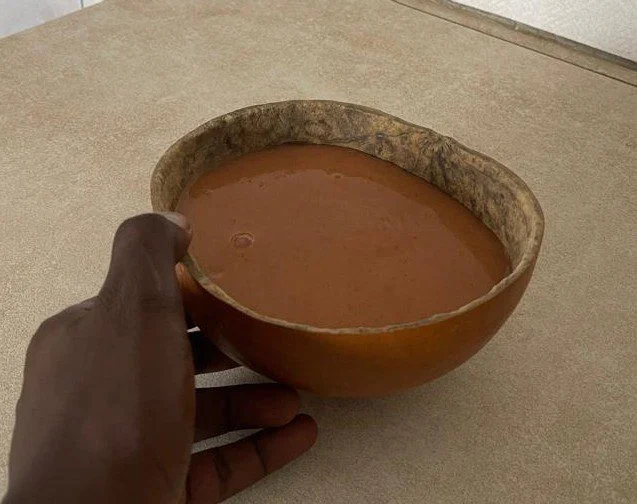
Porridge made with 'Sunguf' cereal flour, such as millet. The term Sunguf is also used to refer to any kind of flour.

IMG-20250827-WA0037
Bassari
Wolof

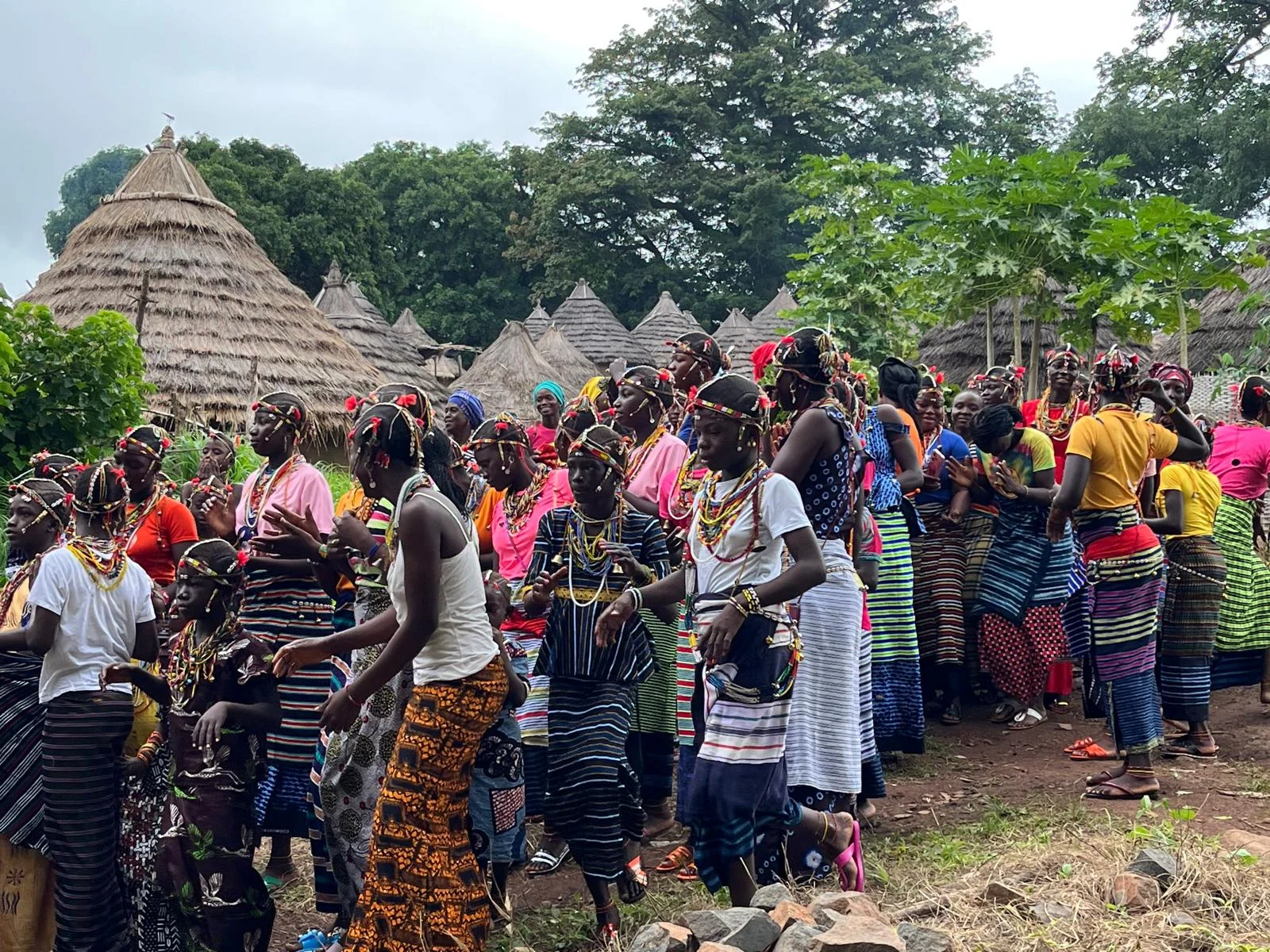
Animist people from the Kédougou region (South-East Senegal). Their religion is subject to stereotypes, as is the case for other religions, such as Vo...

Chéchia
Chéchia
Wolof

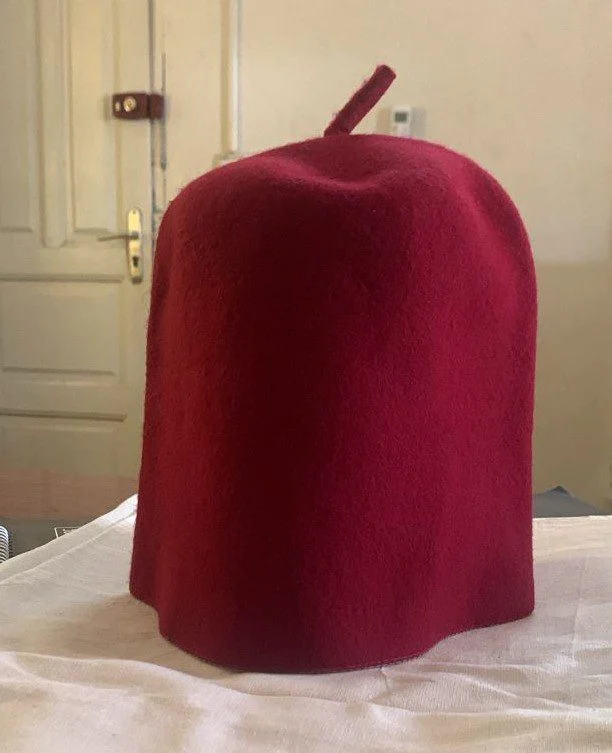
Square cap worn by men and women alike. This word, of North African origin, is rejected by certain Senegalese socio-cultural groups, who use Mbakhana*...

Tenguadé
Tenngaade
Wolof

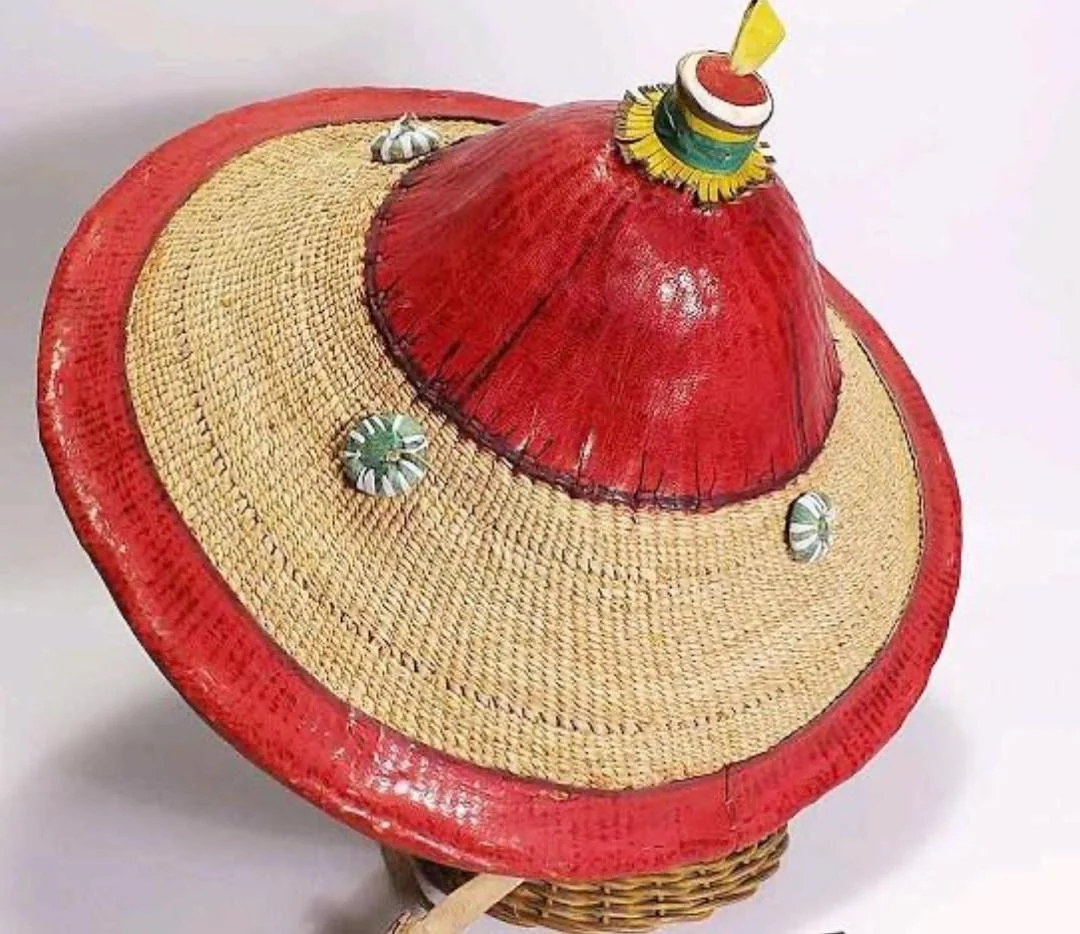
Conical straw hat often used by Fulani people when accompanying their herds.

error: