tchambaga

Pronunciation: tcham-ba-ga
Language: Ewe

Description

Bracelet whose name means “metal of the Tchamba,” the tchambaga symbolizes the iron shackles of enslaved people and is used to contact ancestors, as well as transport memories. The bracelet is specific to the Tchamba cult, which is located in West Africa and uses memorial media to explore the past. The tchambaga serve to explore one’s identity and the inherited guilt of the historical memory of slavery (Rush 2011). This tradition is particularly widespread among the Anlo-Ewe people, a subgroup of the Ewe ethnic group who speak the Anlo dialect of the Ewe language. The followers of the Tchamba cult worship and pay homage to the spirits of deceased slaves from the north, mainly from the Mossi, Hausa, Kabye, and Tchamba ethnic groups, who were not previously considered legitimate ancestors because of their enslavement (Vannier 2016). These enslaved people contributed to the prosperity of the ancestors of those alive today, however, or were even part of their family, and their rightful place in these ancestral lines is now recognized. Memorial media help precisely to deal with vengeful spirits and the guilt associated with one’s ancestors. Many of these objects are kept in shrines where the spirits of the Tchamba are honored. Particularly important is the tchambaga, which is primarily known today as a distinguishing feature of Tchamba followers and comprises three intertwined metals of different colors, each representing three different spirits from the north (Rush 2011). The tradition holds that to find one of these bracelets must be understood as an invitation to come to terms with the past. The first step in this process is the so-called Afa divination, through which one can find out whether they have indeed been called on to pay homage to the Tchamba spirits, or whether the bracelet is simply a gift (Vannier 2016).
Read more
Das tchambaga, ein Armband, dessen Name „Metall der Tchamba“ bedeutet symbolisiert die eisernen Fesseln der Sklaven. Sie werden verwendet, um mit den eigenen Vorfahren in Kontakt zu treten und Erinnerungen zu transportieren. Sie sind Teil des Tchamba-Kults, der in Westafrika beheimatet ist und Erinnerungsmedien nutzt, um die Vergangenheit zu erforschen. Sie dienen zudem der Erforschung der eigenen Identität und der ererbten Schuld, die durch die Sklaverei in der Vergangenheit belastet wurde. (Rush 2011) Besonders verbreitet ist diese Tradition bei den Anlo-Ewe. Sie sind eine Untergruppe der ethnischen Gruppe der Ewe und den Anlo-Dialekt der Ewe-Sprache sprechen. Die Anhänger des Tchamba-Kults verehren und huldigen den Geistern verstorbener Sklaven aus dem Norden, vor allem aus den ethnischen Gruppen der Mossi, Hausa, Kabye und Tchamba, die früher nicht als Teil der Ahnenreihe anerkannt wurden, weil sie ihren Vorfahren als Sklaven dienten. (Vannier 2016) Sie haben den Vorfahren der Anhänger des Tchamba-Kults zu Wohlstand verholfen oder waren sogar Teil der Familie und erkennen ihren rechtmäßigen Platz in den Ahnenreihen an. Die verschiedenen Erinnerungsmedien helfen im Umgang mit rachsüchtigen Geistern und der schuldbeladenen Rolle der eigenen Vorfahren. Viele dieser Gegenstände werden in den Schreinen aufbewahrt, in denen die Geister der Tchamba verehrt werden. Besonders wichtig ist das tchambaga. Es ist heute vor allem als Erkennungsmerkmal der Tchamba-Anhänger bekannt. Die drei ineinander verschlungenen Metalle in verschiedenen Farben stehen jeweils für drei verschiedene Geister des Nordens. (Rush 2011) Findet jemand eines dieser Armbänder, muss dies als Aufforderung zur Vergangenheitsbewältigung verstanden werden. Der erste Schritt ist die so genannte „Afa-Divination“. Durch diese Afa-Wahrsagungen muss die Person herausfinden, ob sie aufgefordert wurde, den Tchamba-Geistern zu huldigen, oder ob es sich nur um ein Geschenk handelt. (Vannier 2016).

Rush, Dana: In Remembrance of Slavery. Tchamba Vodun Arts, in: African Arts, Spring 2011. Vannier, Christian/Montgomery, James: Sacred Slaves. Tchamba Vodun in Southern Togo, in: Curtis, Edward E.; Johnson, Sylvester (Publisher.): Journal of African Religions, Vol. 4, No. 1, 2016.
Date of entry: June 18, 2025
The name you would like to be credited with for your contribution.
The word you wish to contribute
Your email for contact and updates regarding your submission.
The language you are contributing the word in
Maximum file size: 3 MB
Maximum file size: 5 MB
By proceeding, I acknowledge and agree to GloCo's Legal notice and Terms of use
and the Guidelines for Contributors *

Related Words

IMG-20250912-WA0010
Géwél
Wolof

A person whose role is to be a historian, storyteller, poet and musician. They ensure the transmission of culture and oral history by preserving the m...

Asɛn
Asɛn
Fɔ̀ngbè

Originellement issu du Fɔ̀ngbè, le terme désigne un autel portatif fait de métal principalement, et réalisé pour commémorer un-e défunt-e qui, de son ...

Tila
Tila
Ewe
Ti-la

Protective amulet common in Togo and other parts of West Africa in various forms. The term gris-gris is apparently more widespread for protective amul...

Ataya
Ataaya
Wolof

Tea prepared on the ground in a teapot and served in cups. This way of making tea has its roots in the Arab world.

Ceebu jën
Ceebu jën
Wolof

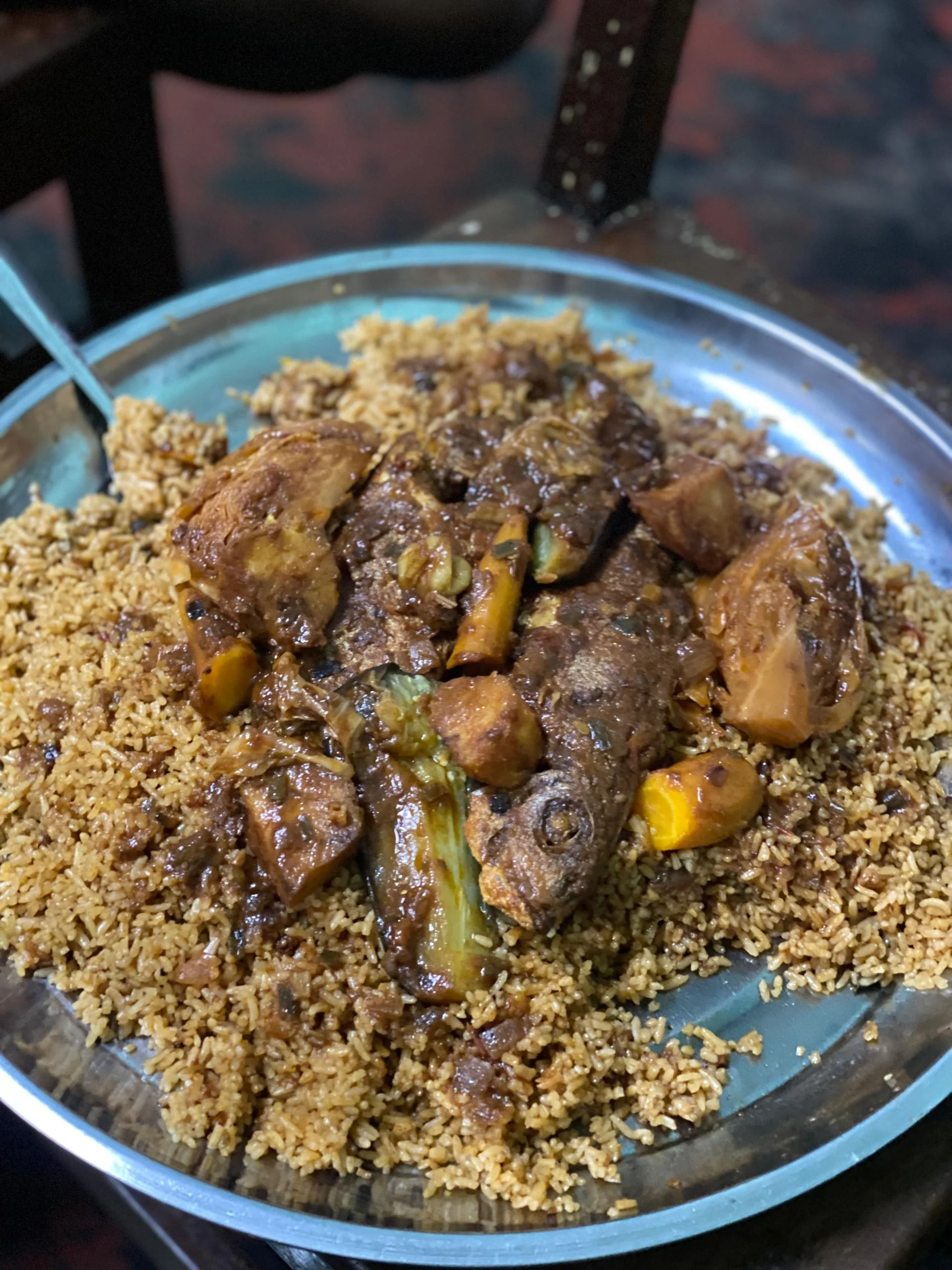
Traditional Senegalese dish with fish, rice, and vegetables. In 2021, the dish was classed by UNESCO as an intangible cultural heritage.

Rouye
Ruy
Wolof

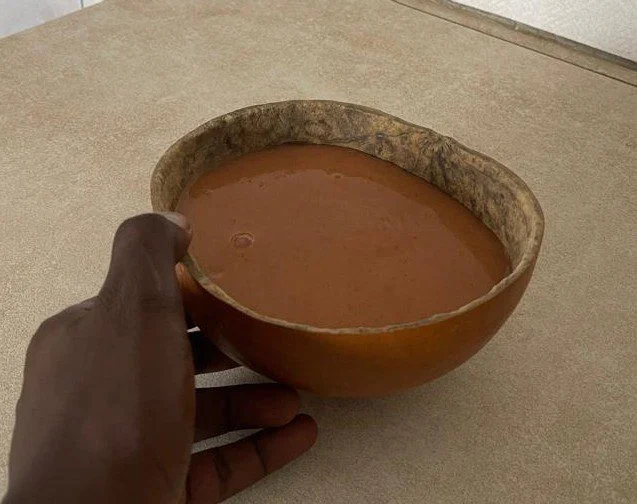
Porridge made with 'Sunguf' cereal flour, such as millet. The term Sunguf is also used to refer to any kind of flour.

IMG-20250827-WA0037
Bassari
Wolof

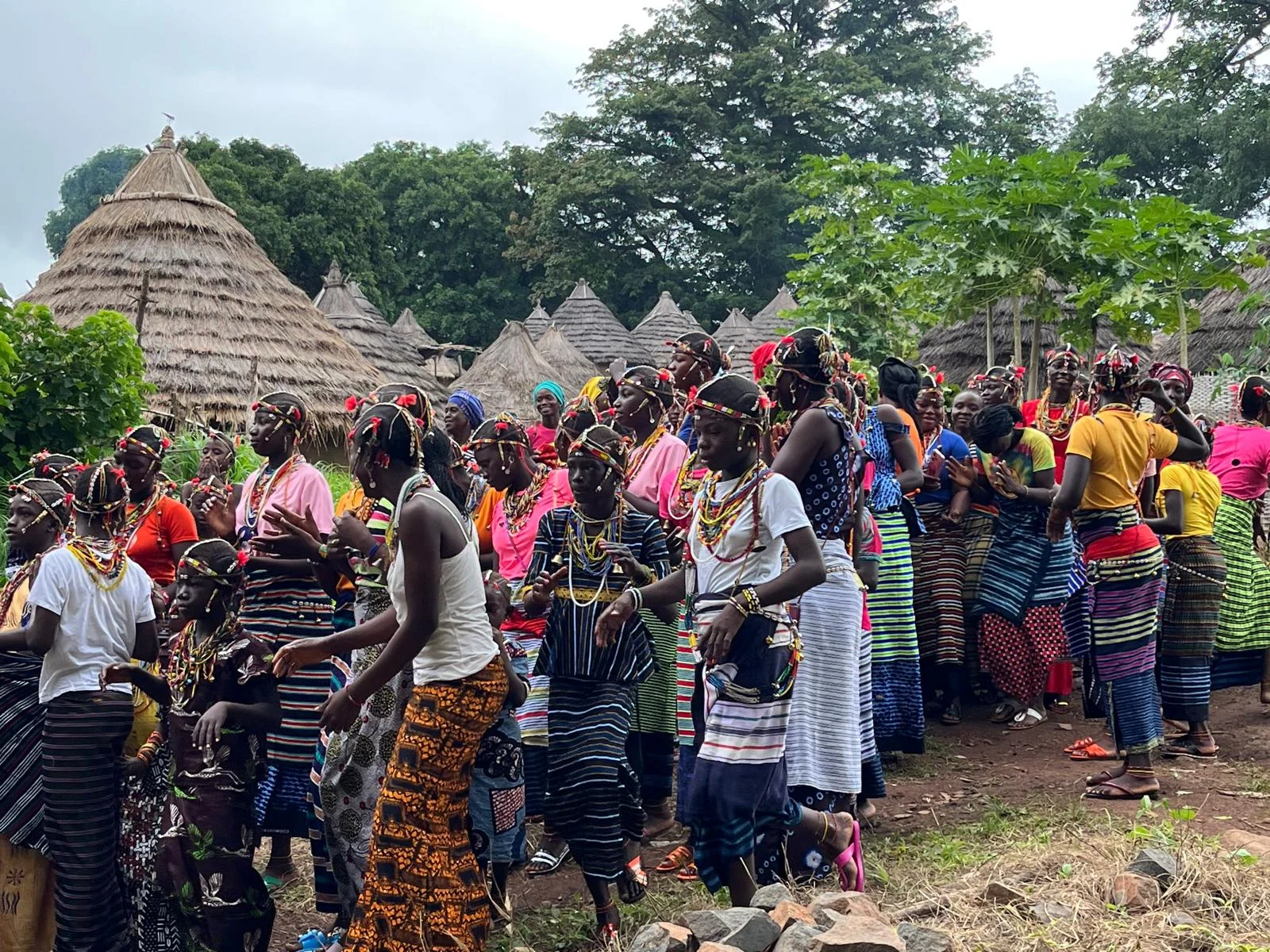
Animist people from the Kédougou region (South-East Senegal). Their religion is subject to stereotypes, as is the case for other religions, such as Vo...

Chéchia
Chéchia
Wolof

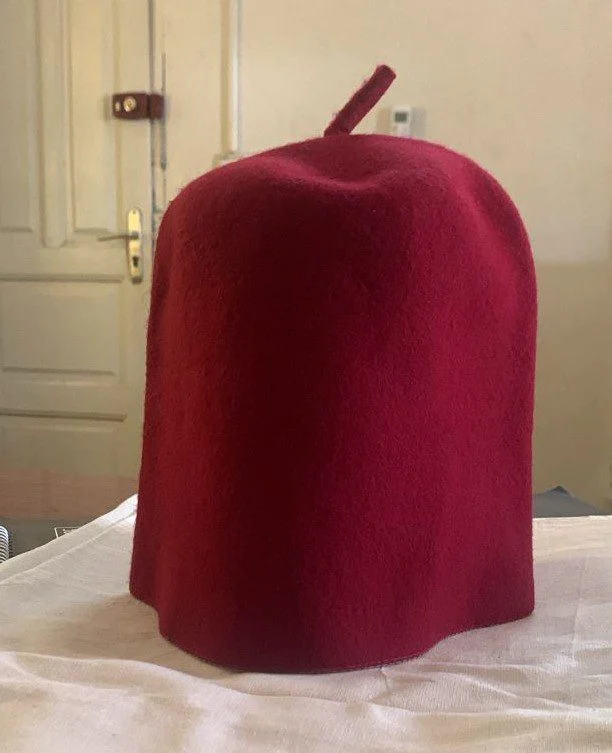
Square cap worn by men and women alike. This word, of North African origin, is rejected by certain Senegalese socio-cultural groups, who use Mbakhana*...

Tenguadé
Tenngaade
Wolof

Conical straw hat often used by Fulani people when accompanying their herds.

Mbakhana
Mbakhana
Wolof

Cap worn in most Muslim countries, including Senegal. Occasionally referred to by the pejorative term Chéchia*.

error: