Iroko

Language: Fɔ̀ngbè

Description

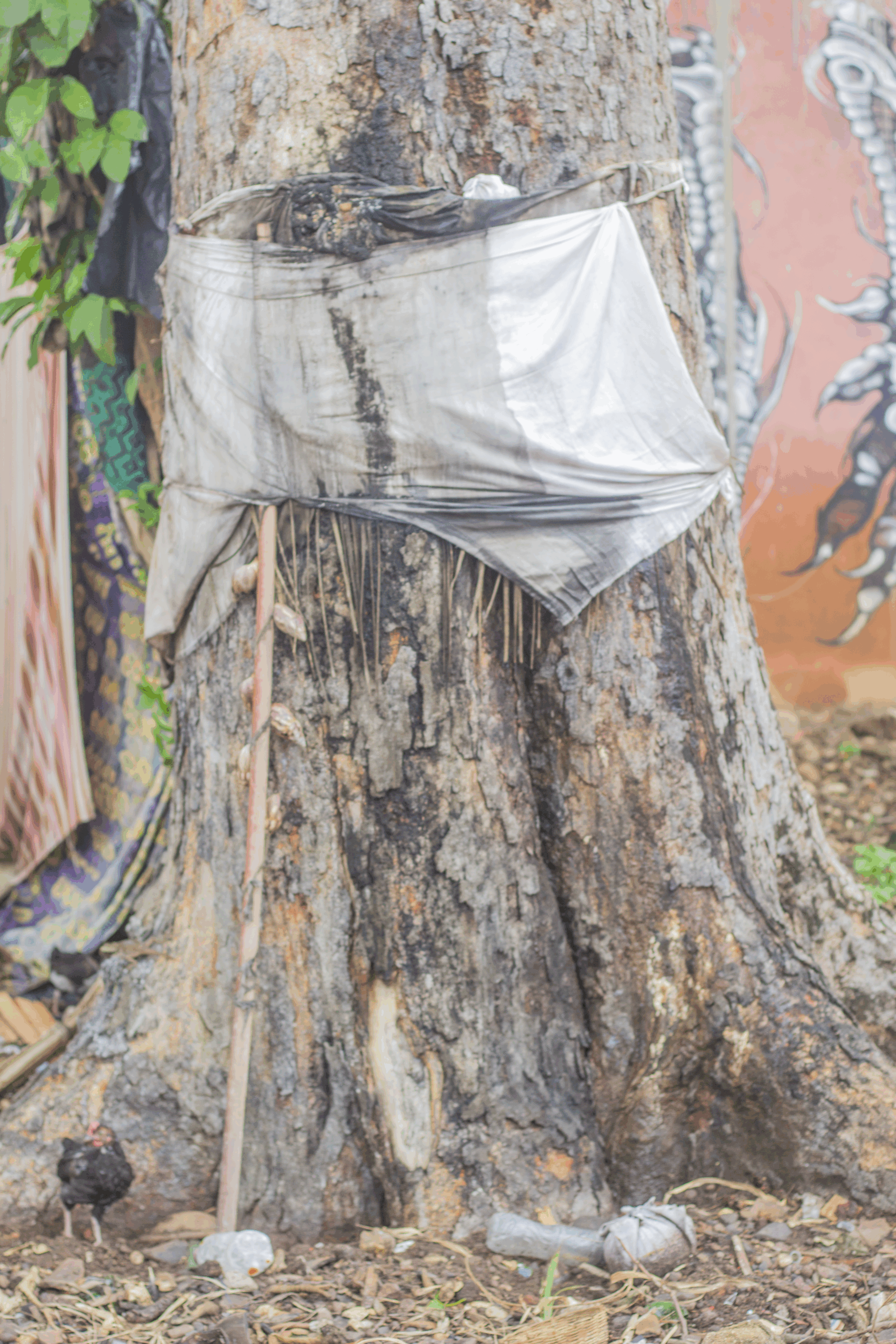
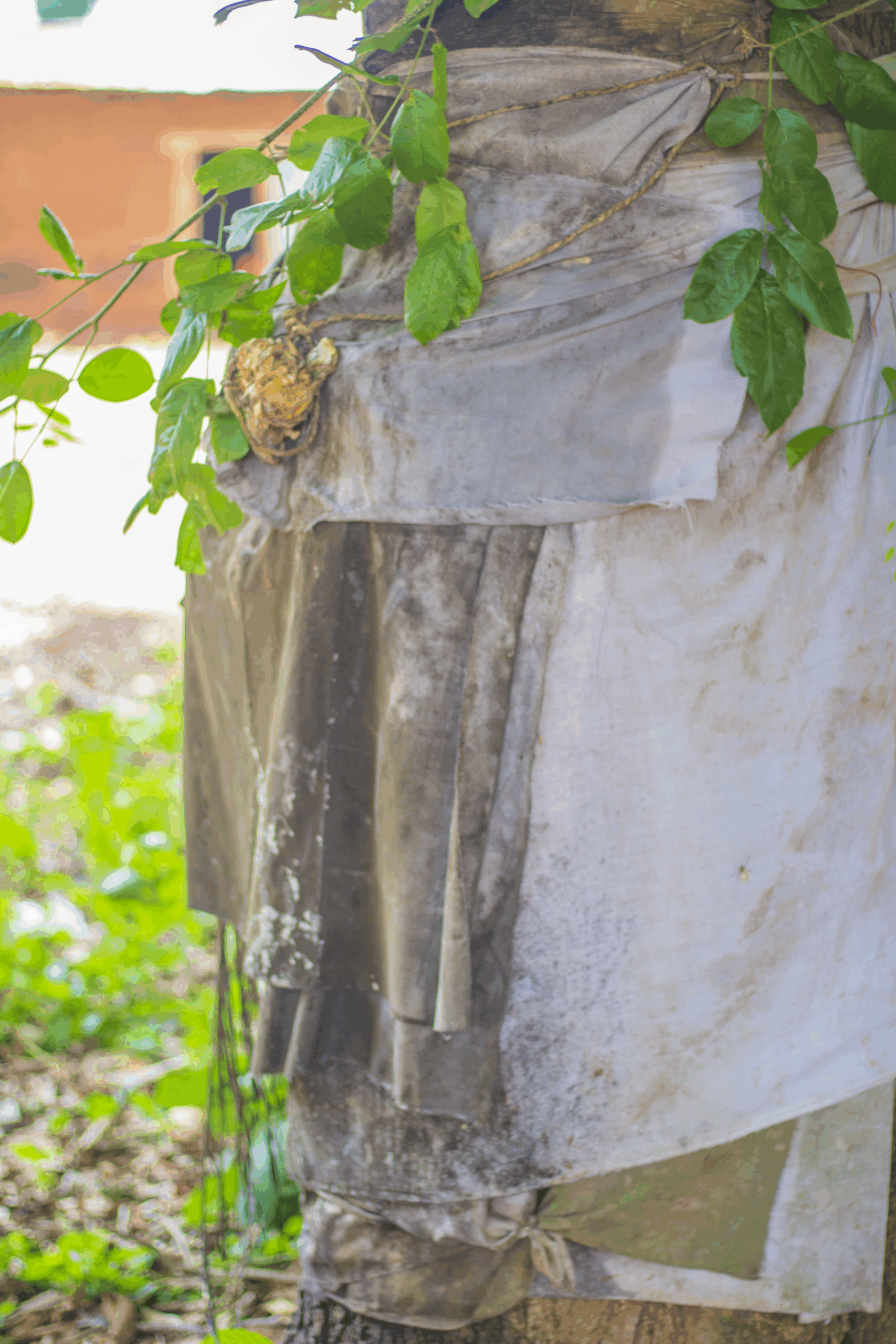
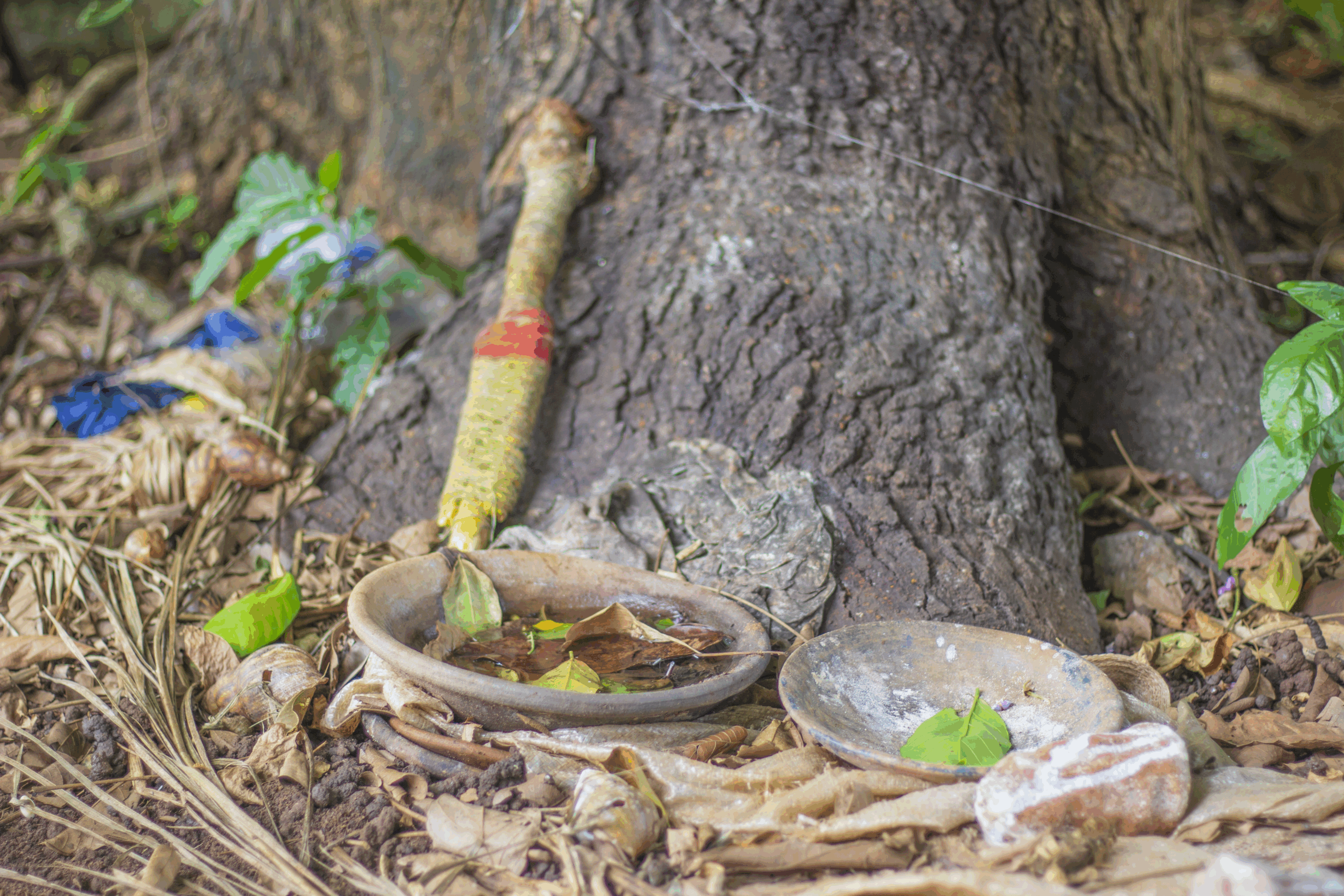
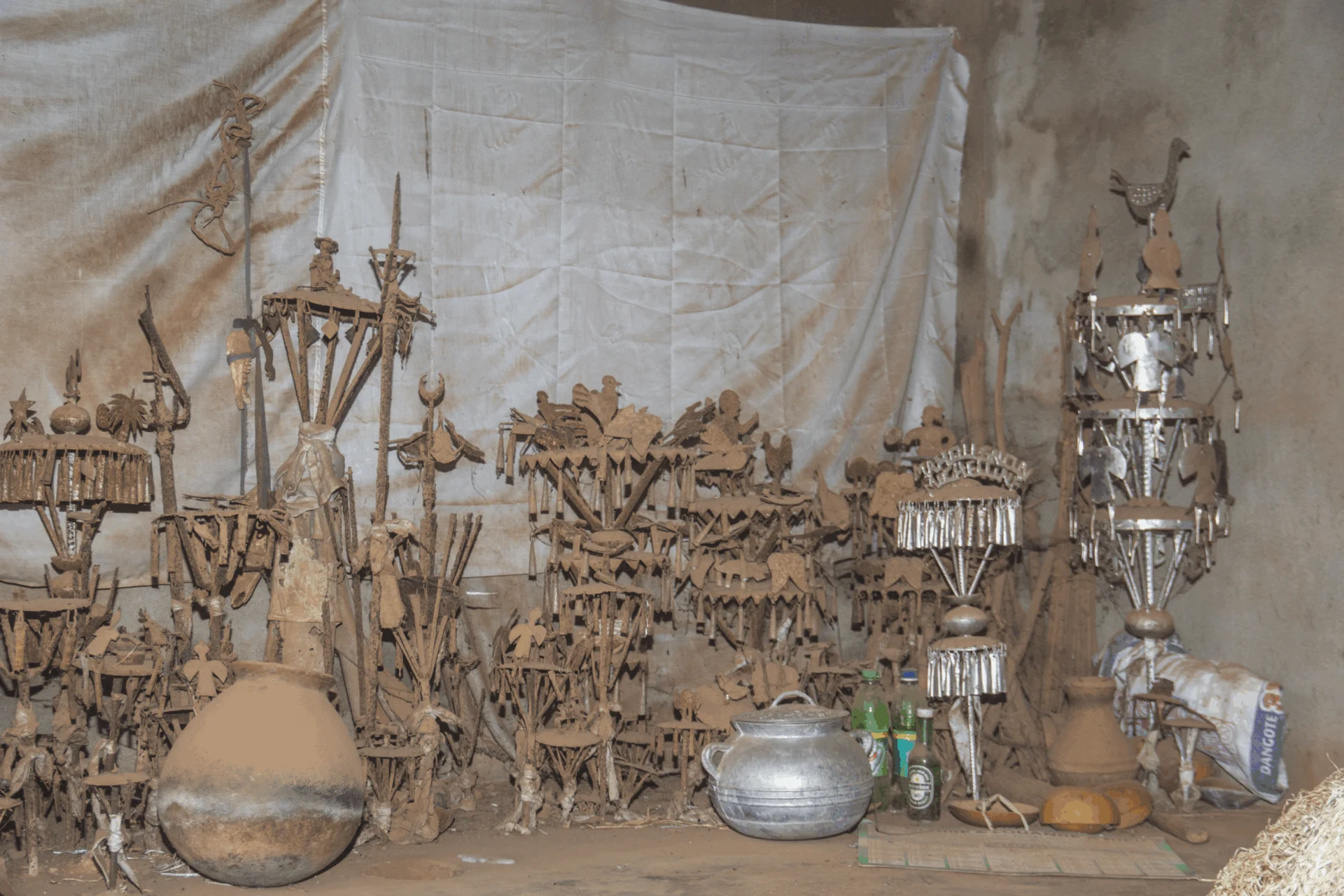
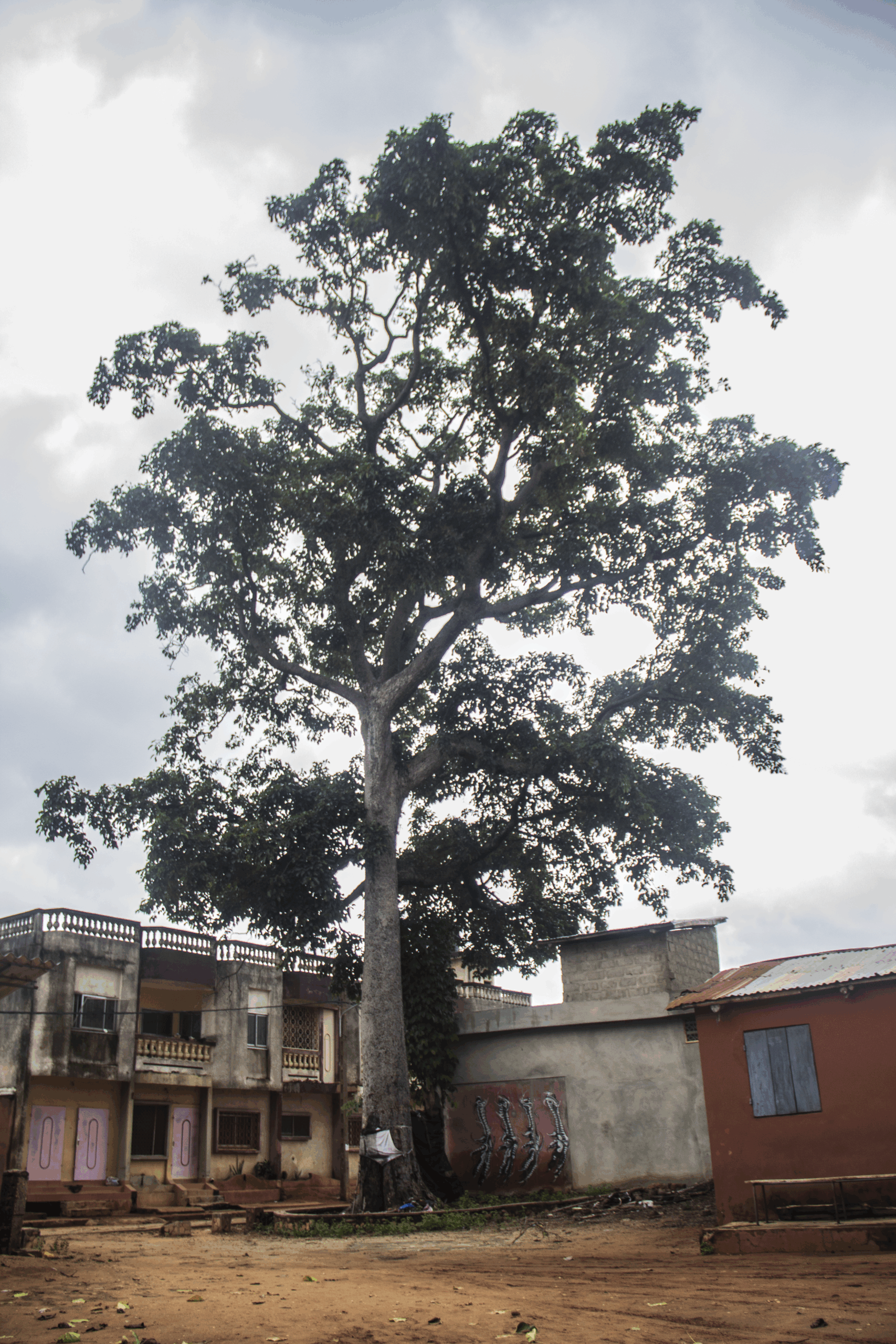
Espèce végétale qui a un caractère sacré principalement dans la région du Sud du Bénin. C’est un arbre vénéré et majoritairement intégré dans les rituels et les cérémonies en rapport avec le Vodun. En Fɔ̀ngbè et Goungbé, il est désigné sous le terme de Loko. Entouré d’un tissu blanc symbolisant la pureté et protegé par une interdiction formelle de l’abattre, il représente également une divinité à laquelle sont faites des offrandes pour demander la protection, pour obtenir un bien matériel, ou pour tout autre besoin à la suite d’une prescription par le , après une consultation chez un bokɔnɔ.

Read more

Species of plant considered sacred in Benin, particularly in the southern region. The Iroko tree is revered, and is often used in rituals and ceremonies connected with Vodun. In Fɔ̀ngbè and Goungbé, it is called Loko. Surrounded by a white cloth symbolising purity and formally protected from being felled, it also represents a deity to whom offerings are made in order to ask for protection, to obtain material goods, or for any other need following a prescription by the , after consultation with a bokɔnɔ. An Iroko can often be found in squares or Vodun temples because of its sacred nature.

Date of entry: December 15, 2024
Sacred tree (Iroko), Porto-Novo (Benin), 10/01/2021, by Montcho, Crystallin.
The name you would like to be credited with for your contribution.
The word you wish to contribute
Your email for contact and updates regarding your submission.
The language you are contributing the word in
Maximum file size: 3 MB
Maximum file size: 5 MB
By proceeding, I acknowledge and agree to GloCo's Legal notice and Terms of use
and the Guidelines for Contributors *

Related Words

IMG-20250912-WA0010
Géwél
Wolof

A person whose role is to be a historian, storyteller, poet and musician. They ensure the transmission of culture and oral history by preserving the m...

Asɛn
Asɛn
Fɔ̀ngbè

Originellement issu du Fɔ̀ngbè, le terme désigne un autel portatif fait de métal principalement, et réalisé pour commémorer un-e défunt-e qui, de son ...

tchambaga
Ewe
tcham-ba-ga

Bracelet whose name means “metal of the Tchamba,” the tchambaga symbolizes the iron shackles of enslaved people and is used to contact ancestors, as w...

Tila
Tila
Ewe
Ti-la

Protective amulet common in Togo and other parts of West Africa in various forms. The term gris-gris is apparently more widespread for protective amul...

Ataya
Ataaya
Wolof

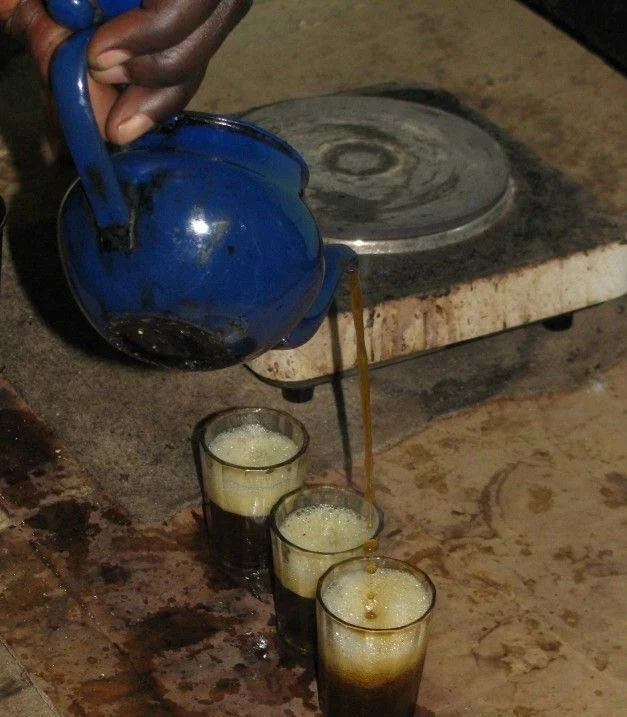
Tea prepared on the ground in a teapot and served in cups. This way of making tea has its roots in the Arab world.

Ceebu jën
Ceebu jën
Wolof

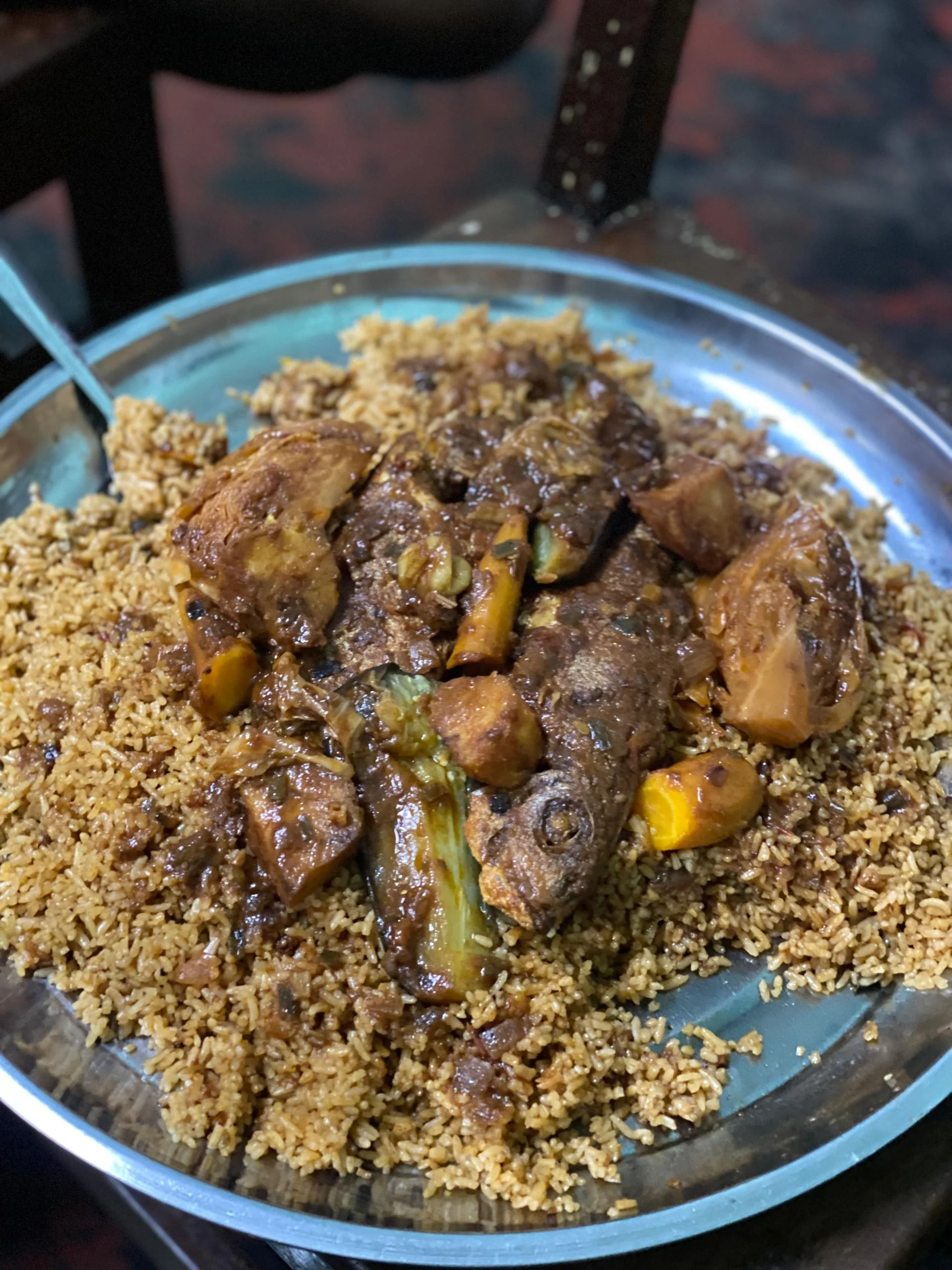
Traditional Senegalese dish with fish, rice, and vegetables. In 2021, the dish was classed by UNESCO as an intangible cultural heritage.

Rouye
Ruy
Wolof

Porridge made with 'Sunguf' cereal flour, such as millet. The term Sunguf is also used to refer to any kind of flour.

IMG-20250827-WA0037
Bassari
Wolof

Animist people from the Kédougou region (South-East Senegal). Their religion is subject to stereotypes, as is the case for other religions, such as Vo...

Chéchia
Chéchia
Wolof

Square cap worn by men and women alike. This word, of North African origin, is rejected by certain Senegalese socio-cultural groups, who use Mbakhana*...

Tenguadé
Tenngaade
Wolof

Conical straw hat often used by Fulani people when accompanying their herds.

error: