Since 2023, I have developed the concept of “conservation washing”, which exploits the vulnerability of heritage and art to argue against the relocation of an artwork. Conservation washing is most often used to justify the seizure of an artwork or heritage piece, or to prevent its return, on the basis that it can only survive in a Western museum. Thus, conservation washing suggests that physical preservation is the ultimate goal in the heritage sector and that this can only be achieved in one specific way. Conservation washing is the instrumentalization of conservation by politicians, often despite the will of conservators themselves.
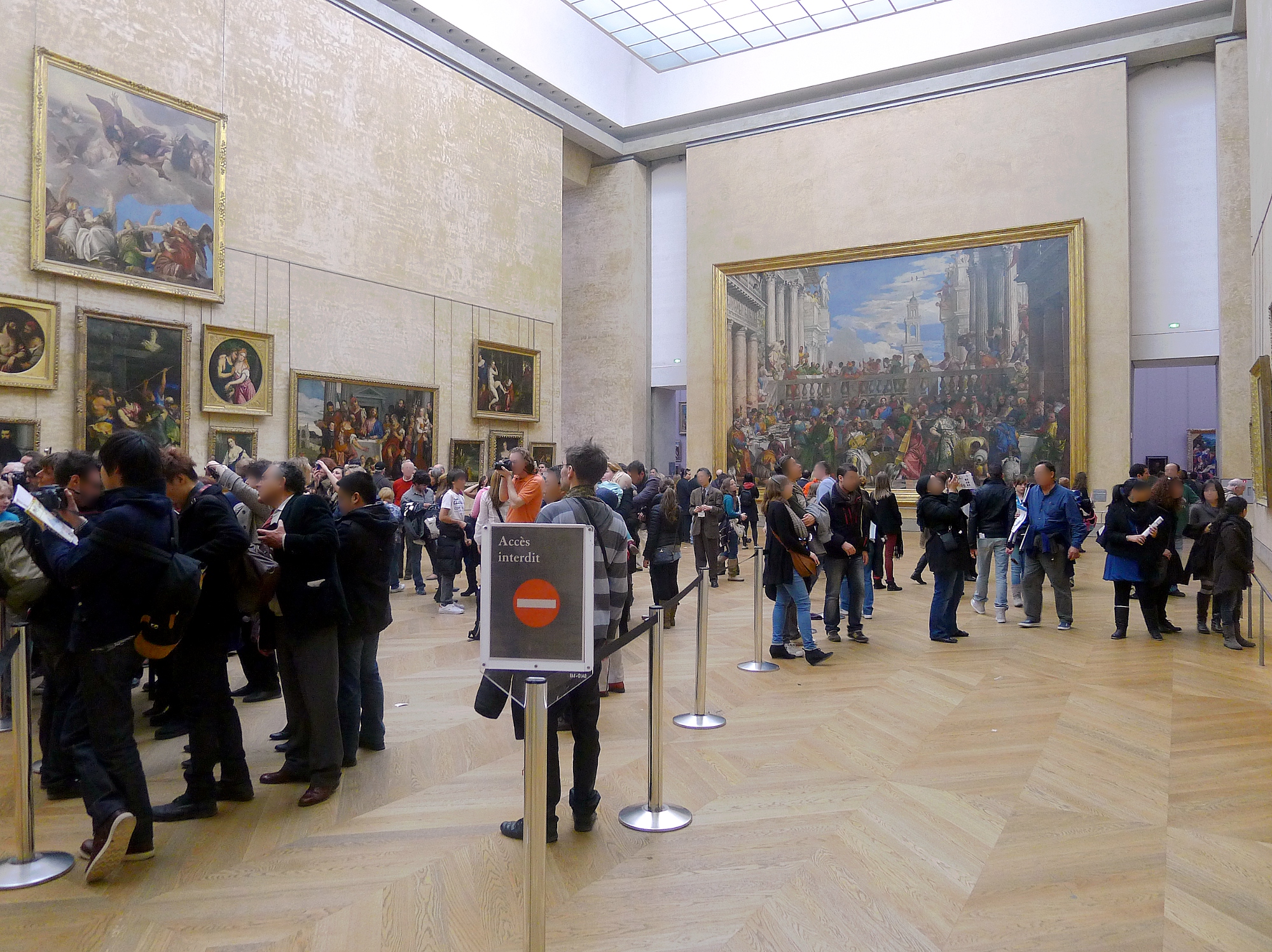
Conservation washing has existed since the 18th century as a means of legitimising museum activities and the relocation of collections. In fact, conservation washing is historically inseparable from the history of museums, which use it to establish their legitimacy. This argument emerged during the Napoleonic Wars, when French troops took artworks, books, and scientific objects all over Europe. In this context, the French authorities argued that the arts had to be saved and liberated from oppression — which meant taken to Paris and housed in the newly founded Louvre Museum. Art could not be preserved where it was created, for instance in Italy, and only French institutions could preserve it in the best possible way.
While most museums in Europe and the United States do indeed provide good conditions for the conservation of heritage, art and material culture, they have defined these terms themselves, including controlling access or freezing of collections. Under pressure from Indigenous experts and activists, certain institutions, particularly in the Pacific and the United States, do not impose these standards anymore, but rather propose relaxations of existing protocols (for example, by limiting air conditioning or inviting artists and Indigenous experts into storage facilities). However, today, the conservation washing argument is still used when concerns are raised about access or demands for restitution. In this context, artworks and objects are either said to be too fragile to travel back, or restitution is made conditional on the implementation of conventional conservation standards.
I contrast Conservation Washing with Restorative Justice, an approach that places Indigenous rights and expectations at the center.
Read more
Date of entry: October 2, 2026
Paolo Veronese, The Wedding at Cana, 1563, oil on canvas, 666 x 990 cm, Louvre Museum, Paris. View of the room where the painting is on display, 2012. Mbzt, CC BY 3.0 , via Wikimedia Commons.
Add to this entry
Related Words
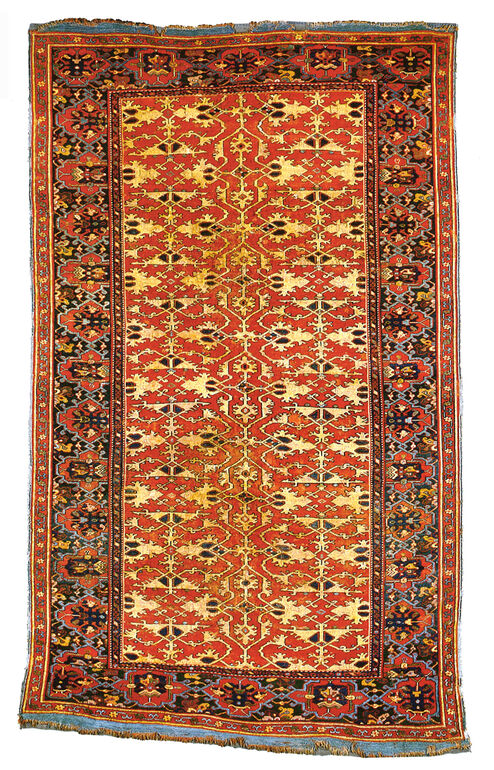
Lotto-Teppich
Deutsch
Als Lotto-Teppiche werden geknüpfte Wollteppiche bezeichnet, deren typisches Muster aus gelben, geometrisierten Ranken auf rotem Grund besteht. Sie wu...
Als Reformkleid wird ein Kleid bezeichnet, das lose von den Schultern herabhängt, bequem weite Ärmel hat und ohne Korsett getragen werden sollte. Vora...
In the heritage sector, Restorative Justice encompasses improving conservation conditions while collections are held in Western institutions and conne...
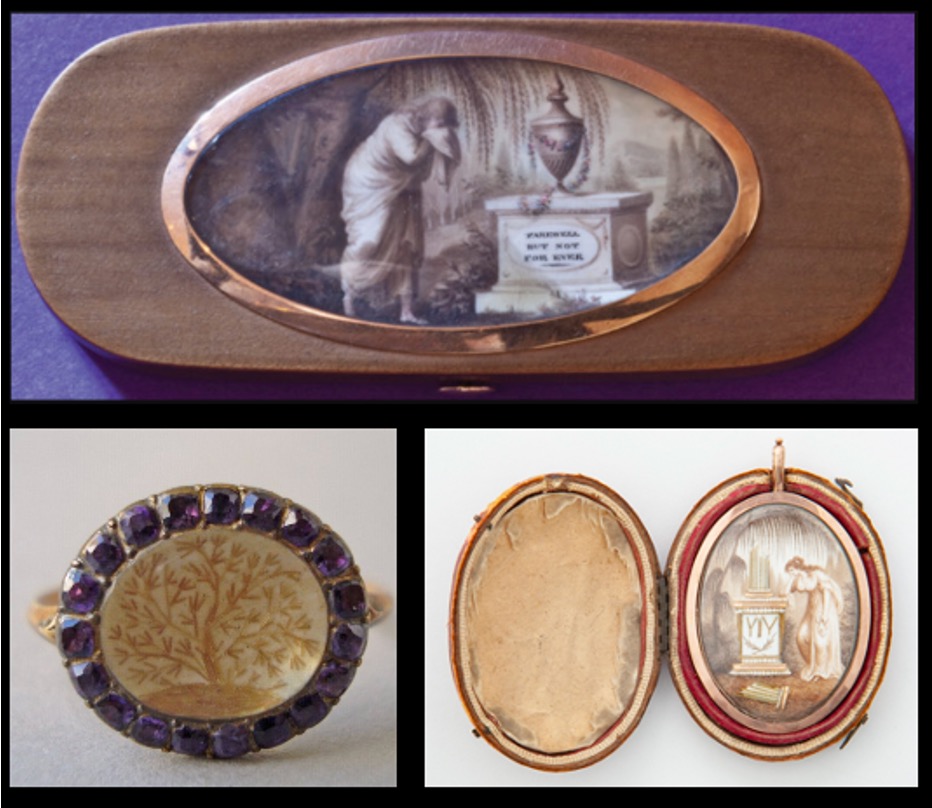
Masticated work, sometimes called cut work or sepia work, is a hairwork technique in which hair is finely chopped or ground into a powder, mixed with ...
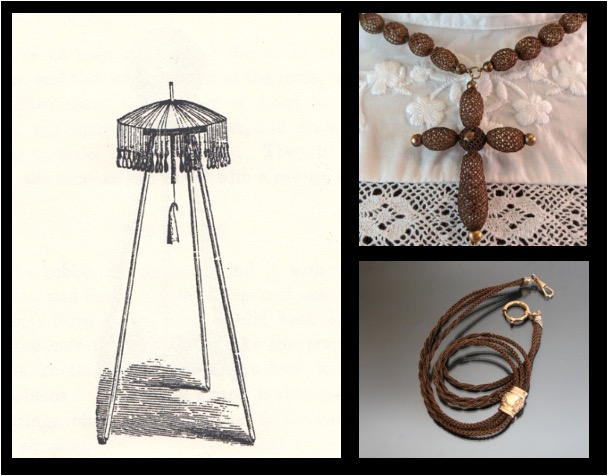
Table work refers to a wide range of hairwork techniques that involve braiding and weaving hair into a jewelry. The name comes from the apparatus at t...
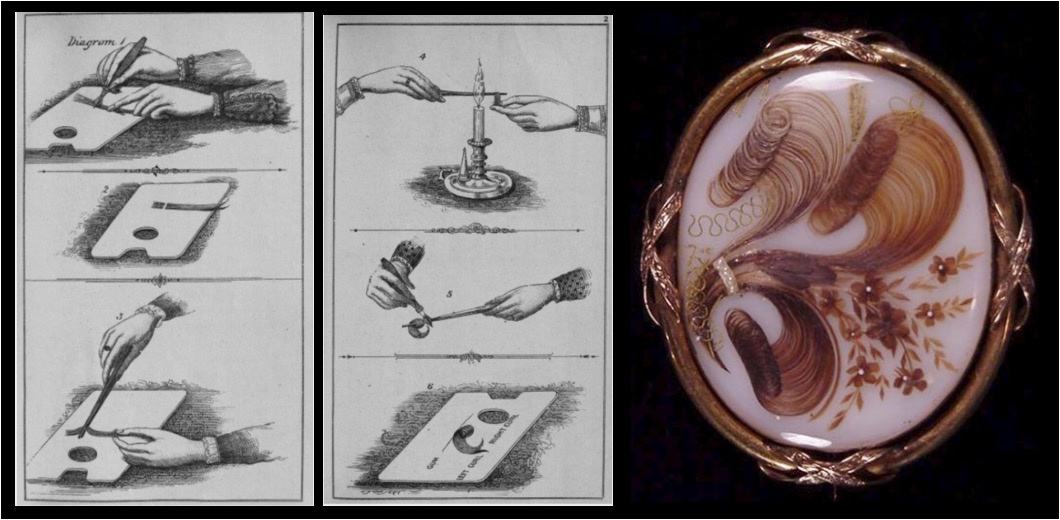
Palette work is a hairwork technique that involves flattening a lock of hair onto a piece of glass, covering it with gum tragacanth (sometimes referre...
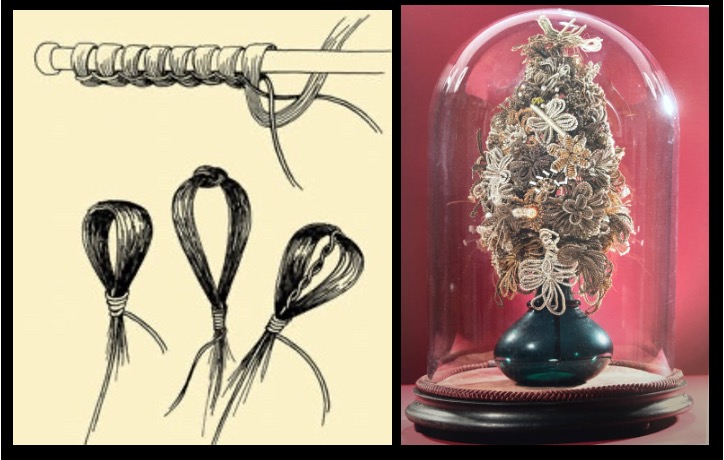
Gimp work (sometimes called wire work) refers to an extremely intricate form of hairwork that involves looping strands of hair around a pin or wire to...
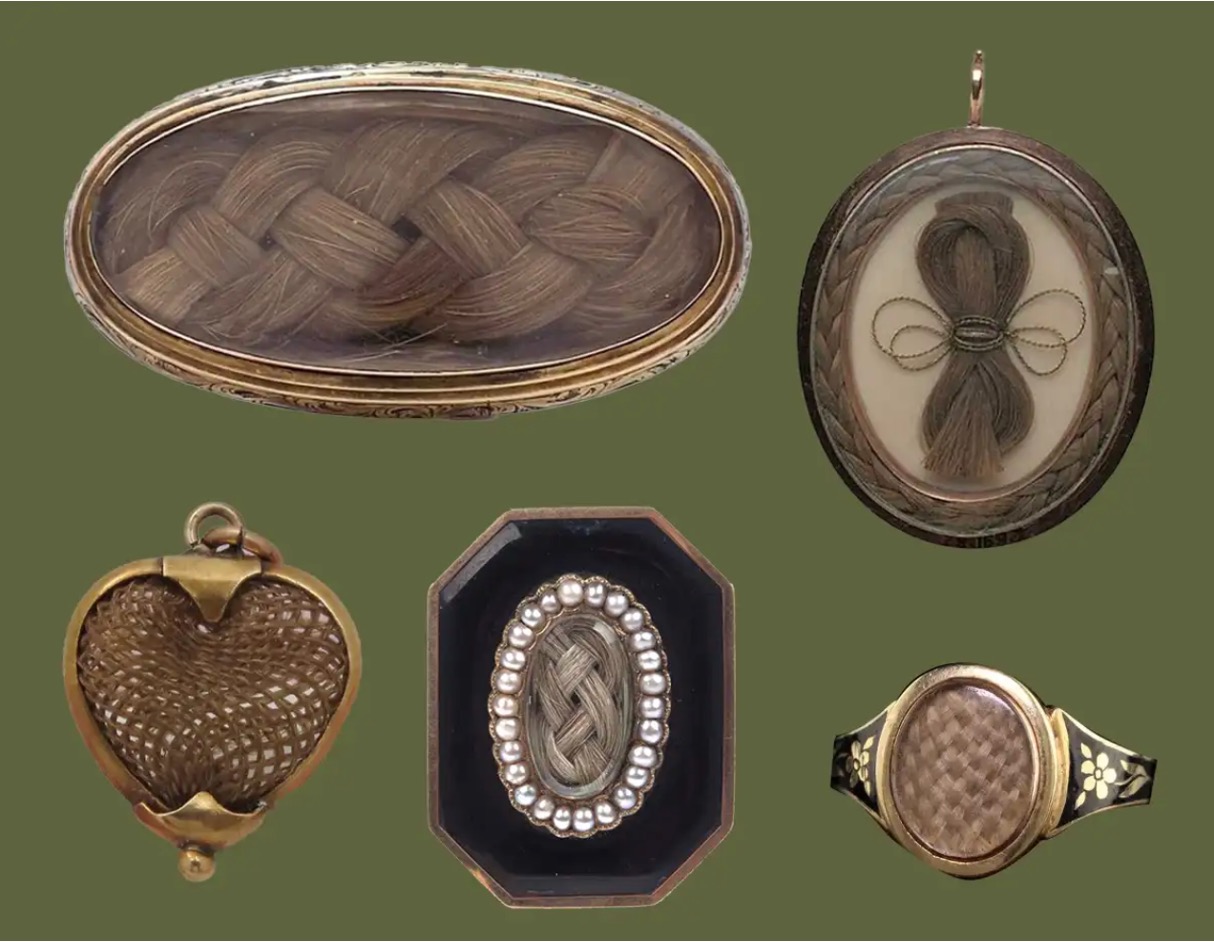
Hairwork refers to the long and varied tradition of crafting objects, images, and keepsakes from the hair of loved ones. While the practice is now mos...
Luminarias are a type of paper lantern used to decorate backyards, walkways, and roofs (particularly on flat, adobe-style buildings) in New Mexico and...
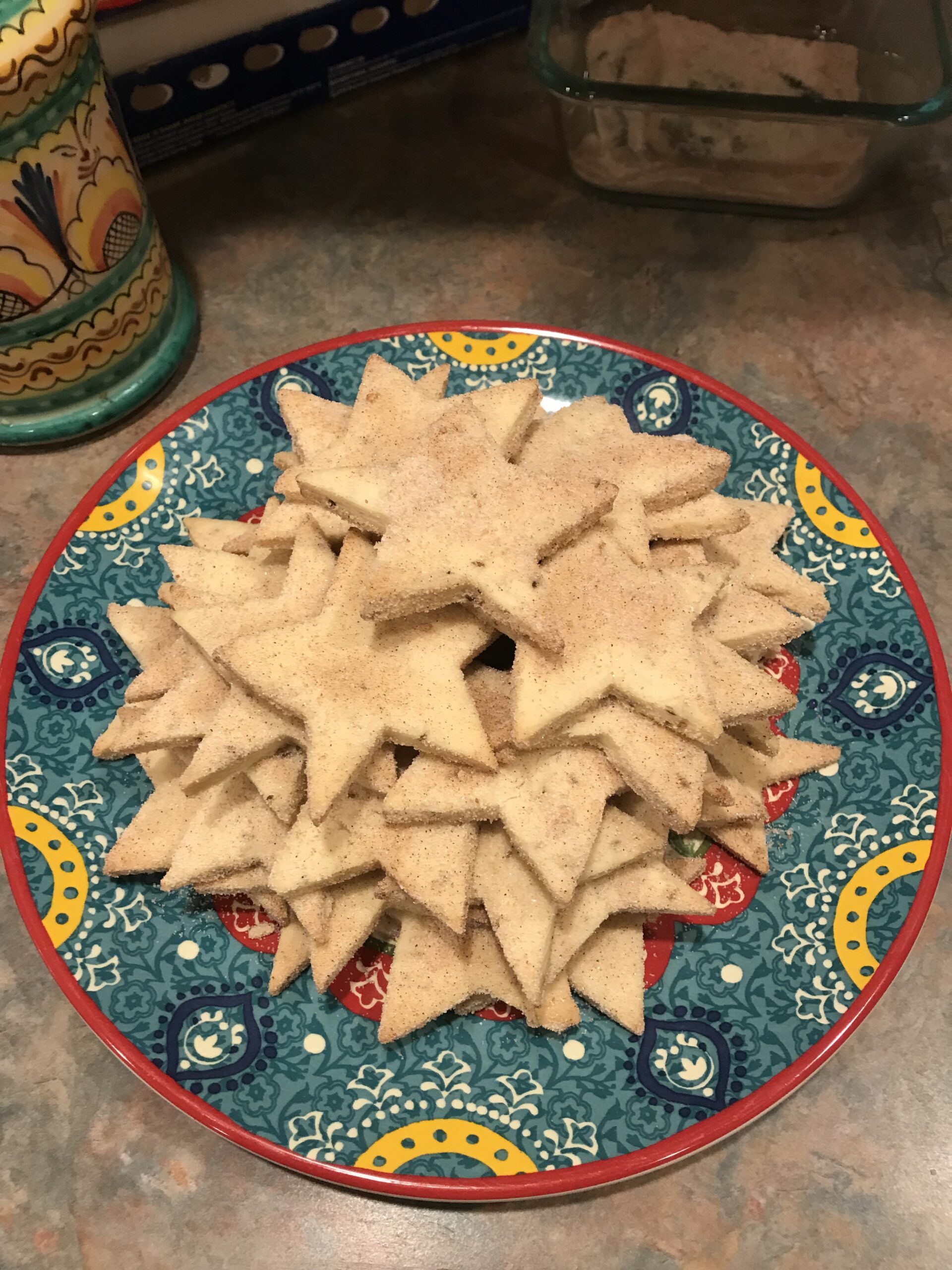
Biscochitos (sometimes spelled bizcochitos) are a short-bread-type cookie originating from New Mexico in the southwestern United States. The lard-base...
This website uses strictly necessary cookies to function. We would also like to use functional and analytical cookies to improve your experience. You can choose to accept or decline.