
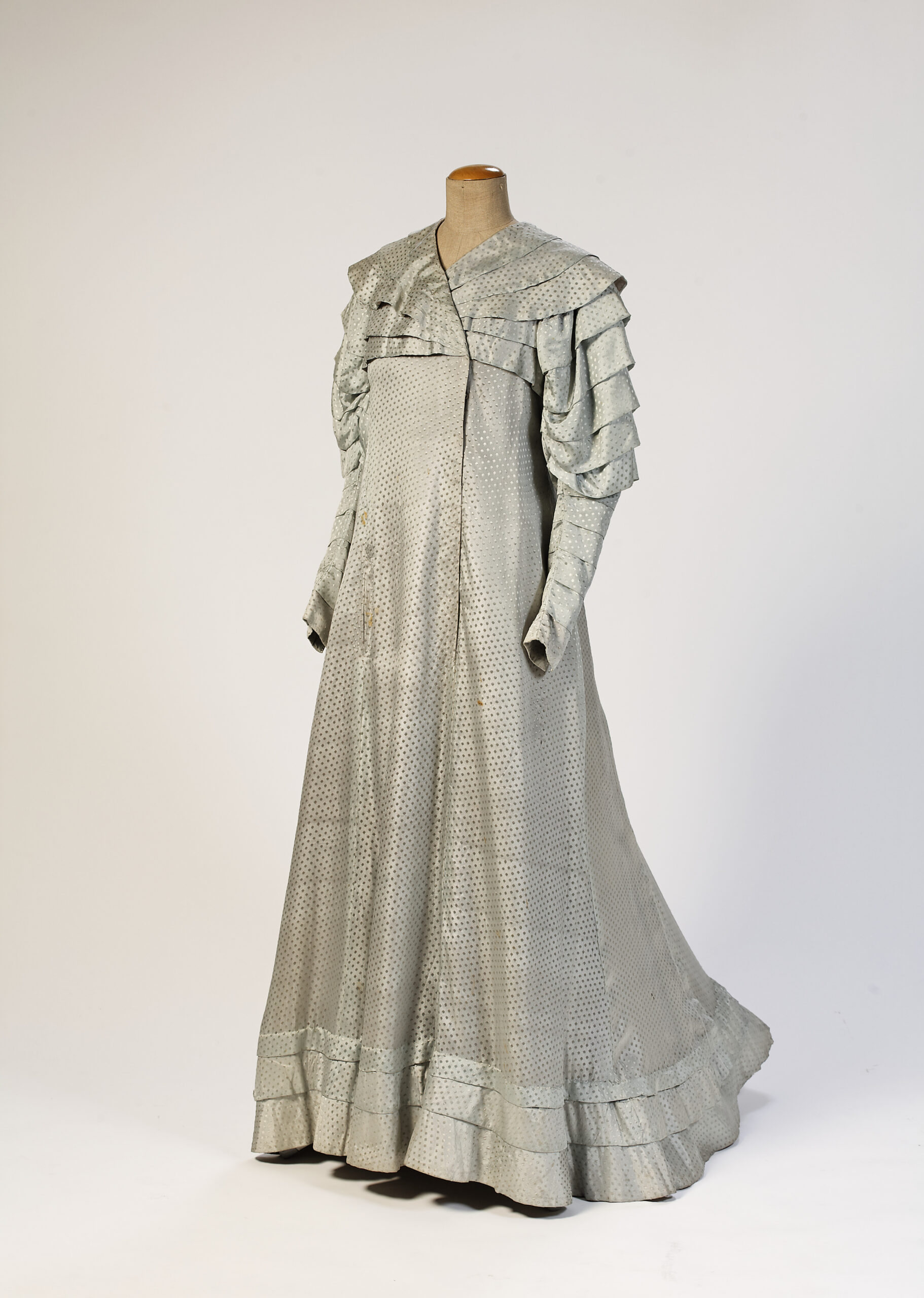
Als Reformkleid wird ein Kleid bezeichnet, das lose von den Schultern herabhängt, bequem weite Ärmel hat und ohne Korsett getragen werden sollte. Vorausgegangen war eine vielfache Kritik am gesundheitsschädlichen, eng geschnürten Korsett, vor allem aus der Medizin, aber auch aus Kunst, Sozialreform und Frauenbewegung. In den 1880er Jahren propagiert, wurde das Reformkleid bis etwa 1910 von gesundheitsbewussten Frauen getragen. In Amerika und Europa entstanden zahlreiche Initiativen wie die 1881 gegründete Rational Dress Society sowie Frauenvereine, deren Anhänger*innen oft konsumkritische und frauenemanzipatorische Haltungen vertraten. Diese Bewegungen gelten als Ausdruck eines Wandels hin zur Gleichstellung von Mann und Frau. Da sie jedoch von keiner umfassenden gesellschaftlichen Veränderung begleitet wurden, erreichten sie nur eine Minderheit.
Um 1900 kritisierten vor allem Künstler, dass die Vorschläge asketischer Kleiderreformer Kleidung auf ihre Schutzfunktion reduzierten. Oft gemeinsam mit ihren Ehefrauen suchten sie nach Kleidern, die gesund und zugleich formal ansprechend sein sollten. Als Künstlerkleid wurde das Kleid der Frau zum Kunstwerk erklärt. In Deutschland prägte Anna Muthesius dafür den Begriff „Eigenkleid“: ein individuelles Gewand, das aus der Zusammenarbeit von entwerfendem Künstler, ausführendem Schneider und Trägerin entstehen sollte. Auf die Alltagsmode hatten diese oft langschleppenden, ornamentierten Kleider jedoch kaum Einfluss, denn arbeitenden Frauen wurden sie kaum gerecht.
In Wien erhielt der Begriff eine eigene Bedeutung. Die ersten Reformkleider, die 1902 in der Zeitschrift „Wiener Mode“ erschienen, wurden nicht als gesunde Kleidung für Sport, Beruf oder Wohlbefinden präsentiert, sondern als glamouröse Abendgarderobe. Die Wiener Modewelt interessierte sich offenbar weniger für die Gesundheit als für die neue Eleganz. Es etablierte sich eine modische Variante, die man „Reformkleid“ nannte, die aber in den wechselnden Ablauf der Mode einbezogen wurde, den die Reformer gerade für eine Wurzel des Übels hielten. Die Idee eines zeitlosen, von der Mode unabhängigen Eigenkleides wurde damit ad absurdum geführt.
Anders als in Deutschland, wo Künstler ihre Kleider etwa 1900 in Krefeld ausstellten, traten die Wiener Secessionskünstler mit dem Reformkleid kaum öffentlich hervor: Es gab keine Ausstellungen, nur wenige Publikationen und kaum theoretische Äußerungen. Dass es in ihren Kreisen dennoch geschätzt wurde, belegen Fotografien von Frauen wie Dita Moser, Anna Hoffmann und Lina Loos. Die Modeschöpferin Emilie Flöge (1874–1952), Lebensgefährtin Gustav Klimts, propagierte Reformkleider in Publikationen und führte ihre Entwürfe selbst vor. Klimts Fotografien von ihr am Attersee (1906) zeigen sie in entspannten Posen, körperlich aktiv und beweglich. Flöges Kleider griffen zugleich modische Elemente wie hohe Kragen, Volants und Rüschen auf und stehen damit für einen spezifisch wienerischen Weg zwischen Reform und Mode. Wer das Reformkleid trug, empfand es als frei, unkonventionell und modisch.
Die 1911 gegründete Modeabteilung der Wiener Werkstätte war kommerziell erfolgreich, widersprach aber der ursprünglichen Bewegung. Ihre Entwürfe richteten sich an ein kommerzielles Publikum und zeigten dieselben Formen wie die Modemagazine, während die früheren Kleiderversuche von Klimt, Flöge und Moser von einem gegen Mode und Kommerz gerichteten Geist getragen waren. Erhalten sind solche Kleider heute unter anderem im Wien Museum, darunter zwei Reformkleider nach Entwurf von Kolo Moser (1900–1905) sowie eine 1984/85 angefertigte Kopie eines Reformkleids nach Moser.
The rational dress is a dress that hangs loosely from the shoulders, has comfortably wide sleeves and was intended to be worn without a corset. It emerged in response to widespread criticism of the tightly laced corset as harmful to health, above all from medicine, but also from art, social reform and the women’s movement. Promoted in the 1880s, the rational dress was worn by health-conscious women until around 1910. Numerous initiatives emerged in America and Europe, such as the Rational Dress Society, founded in 1881, as well as women’s associations whose members often held anti-consumerist and emancipatory views. These movements are regarded as an expression of a shift towards equality between men and women. However, since they were not accompanied by any broader social change, they reached only a minority.
Around 1900, artists in particular criticised the proposals of ascetic dress reformers for reducing clothing to its protective function. Often together with their wives, they sought dresses that would be healthy and at the same time formally appealing. As the Künstlerkleid (artist’s dress), the woman’s dress was declared a work of art. In Germany, Anna Muthesius coined the term “Eigenkleid” (individual dress) for this: a personal garment that was to be created through the collaboration of the designing artist, the tailor who made it and the woman who wore it. However, these often long-trained, ornamented dresses had little influence on everyday fashion, as they hardly met the needs of working women.
In Vienna, the term took on a meaning of its own. The first rational dresses to appear in the magazine “Wiener Mode” in 1902 were presented not as healthy clothing for sport, work or well-being, but as glamorous evening wear. The Viennese fashion world was apparently less interested in health than in the new elegance. A fashionable variant became established that was called “Reformkleid” but was drawn into the changing cycle of fashion that the reformers had considered one of the roots of the problem. The idea of a timeless “Eigenkleid” independent of fashion was thus reduced to absurdity.
Unlike in Germany, where artists exhibited their dresses in Krefeld in 1900, the artists of the Vienna Secession rarely engaged with the rational dress in public: there were no exhibitions, only a few publications and hardly any theoretical statements. That it was nevertheless valued in their circles is attested by photographs of women such as Dita Moser, Anna Hoffmann and Lina Loos. The fashion designer Emilie Flöge (1874–1952), Gustav Klimt’s partner, promoted rational dresses in publications and modelled her designs herself. Klimt’s photographs of her at Lake Attersee (1906) show her in relaxed poses, physically active and mobile. At the same time, Flöge’s dresses incorporated fashionable elements such as high collars, flounces and ruffles, and thus represent a specifically Viennese path between reform and fashion. Those who wore the reform dress experienced it as free, unconventional and fashionable.
The fashion department of the Wiener Werkstätte, founded in 1911, was commercially successful but contradicted the original movement. Its designs were aimed at a commercial clientele and displayed the same forms as the fashion magazines, whereas the earlier dress experiments of Klimt, Flöge and Moser had been driven by a spirit opposed to fashion and commerce. Today, such dresses survive in collections including the Wien Museum, among them two reform dresses designed by Kolo Moser (1900–1905) as well as a copy of a reform dress after Moser made in 1984/85.
Houze, Rebecca: Fashionable Reform Dress and the Invention of “Style” in Fin-de-siècle Vienna, in: Fashion Theory 5 (1), 2001, S. 29–55.
Hug, Cathérine: Mode und Öffentlichkeit im Strukturwandel, in: Zürcher Kunstgesellschaft/Kunsthaus Zürich (Hg.), Fashion Drive. Extreme Mode in der Kunst (Ausst.-Kat. Kunsthaus Zürich), Berlin 2018, S. 194–203.
Loschek, Ingrid: Reclams Mode- und Kostümlexikon, Stuttgart 2011.
Völker, Angela: Kleiderkunst und Reformmode im Wien der Jahrhundertwende, in: Neuburger, Susanne (Hg.), Reflecting Fashion. Kunst und Mode seit der Moderne (Ausst.-Kat. Museum Moderner Kunst Stiftung Ludwig Wien), Köln 2012, S. 56–61.
Wien Museum Online Sammlung: Reformkleid, Inv.-Nr. M 10128 und M 10120; Kopie Reformkleid nach Kolo Moser, Inv.-Nr. M 23142, https://sammlung.wienmuseum.at (Zugriff: 30.09.2026).
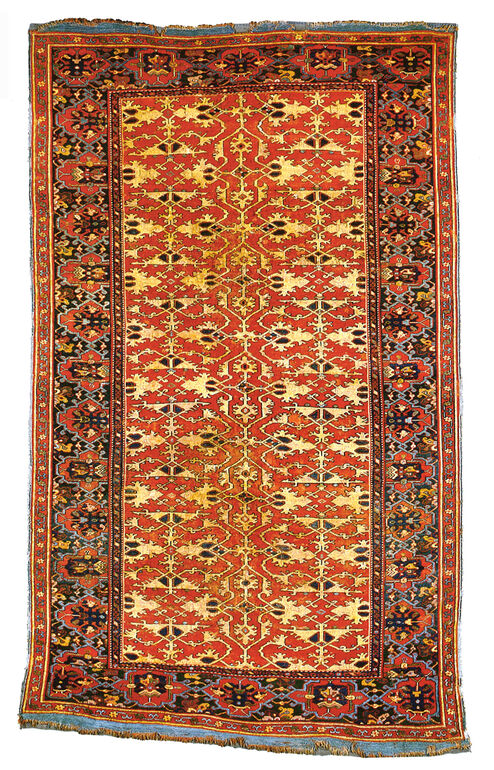
Als Lotto-Teppiche werden geknüpfte Wollteppiche bezeichnet, deren typisches Muster aus gelben, geometrisierten Ranken auf rotem Grund besteht. Sie wu...
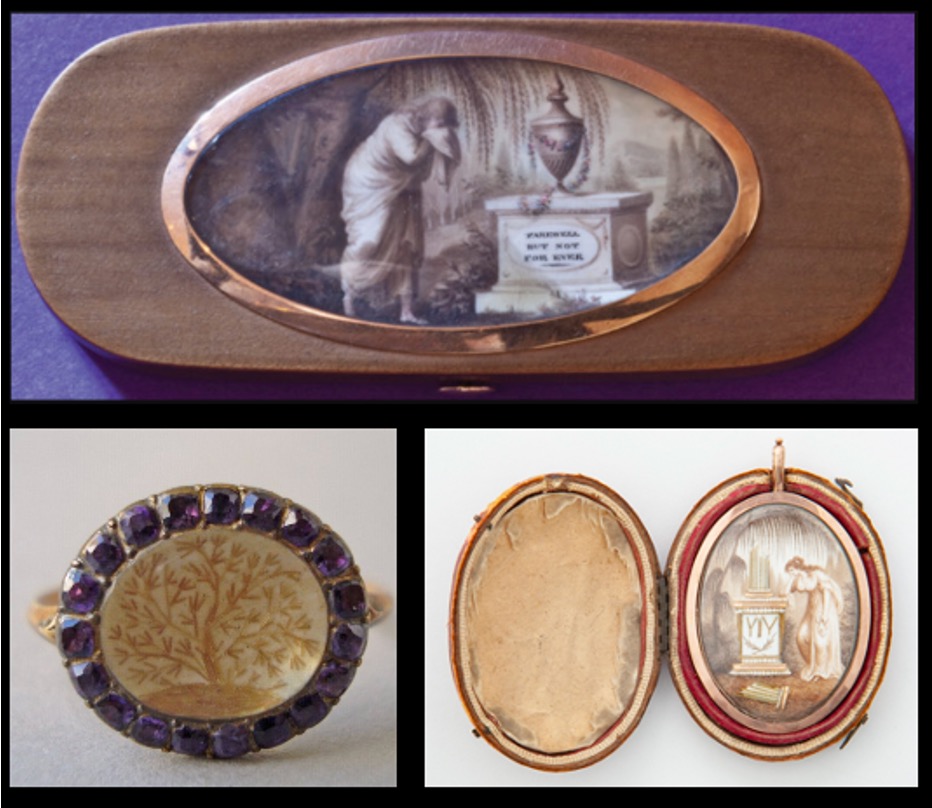
Masticated work, sometimes called cut work or sepia work, is a hairwork technique in which hair is finely chopped or ground into a powder, mixed with ...
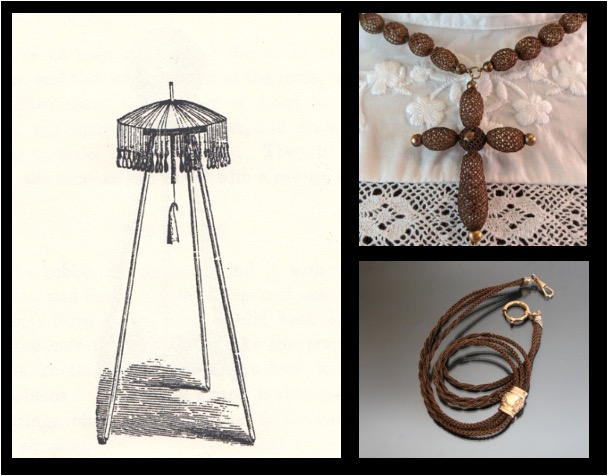
Table work refers to a wide range of hairwork techniques that involve braiding and weaving hair into a jewelry. The name comes from the apparatus at t...
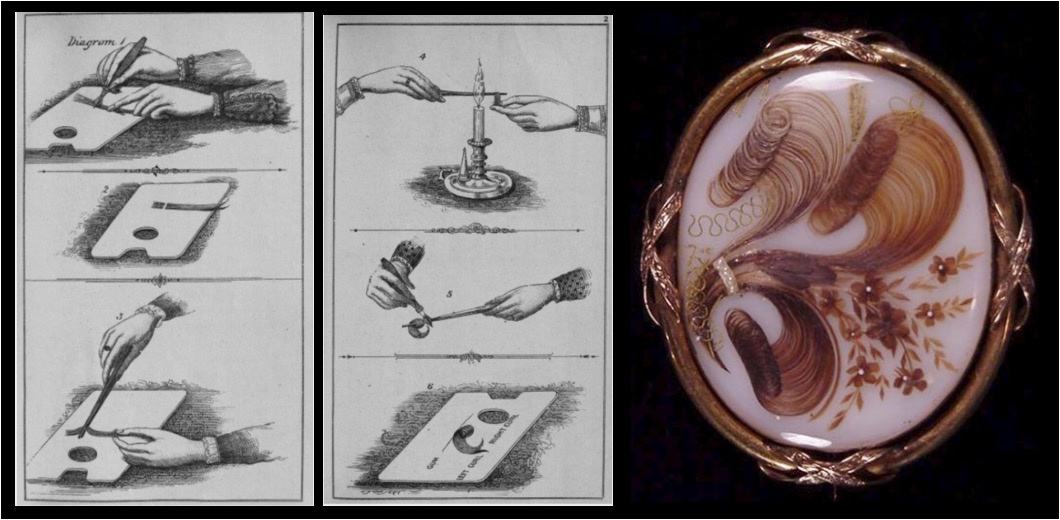
Palette work is a hairwork technique that involves flattening a lock of hair onto a piece of glass, covering it with gum tragacanth (sometimes referre...
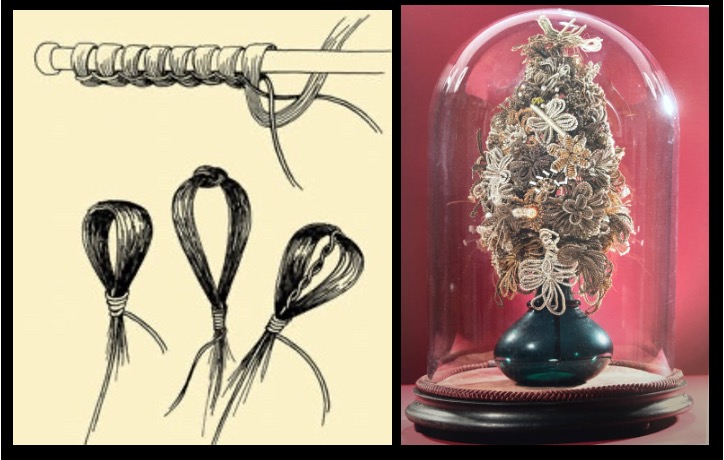
Gimp work (sometimes called wire work) refers to an extremely intricate form of hairwork that involves looping strands of hair around a pin or wire to...
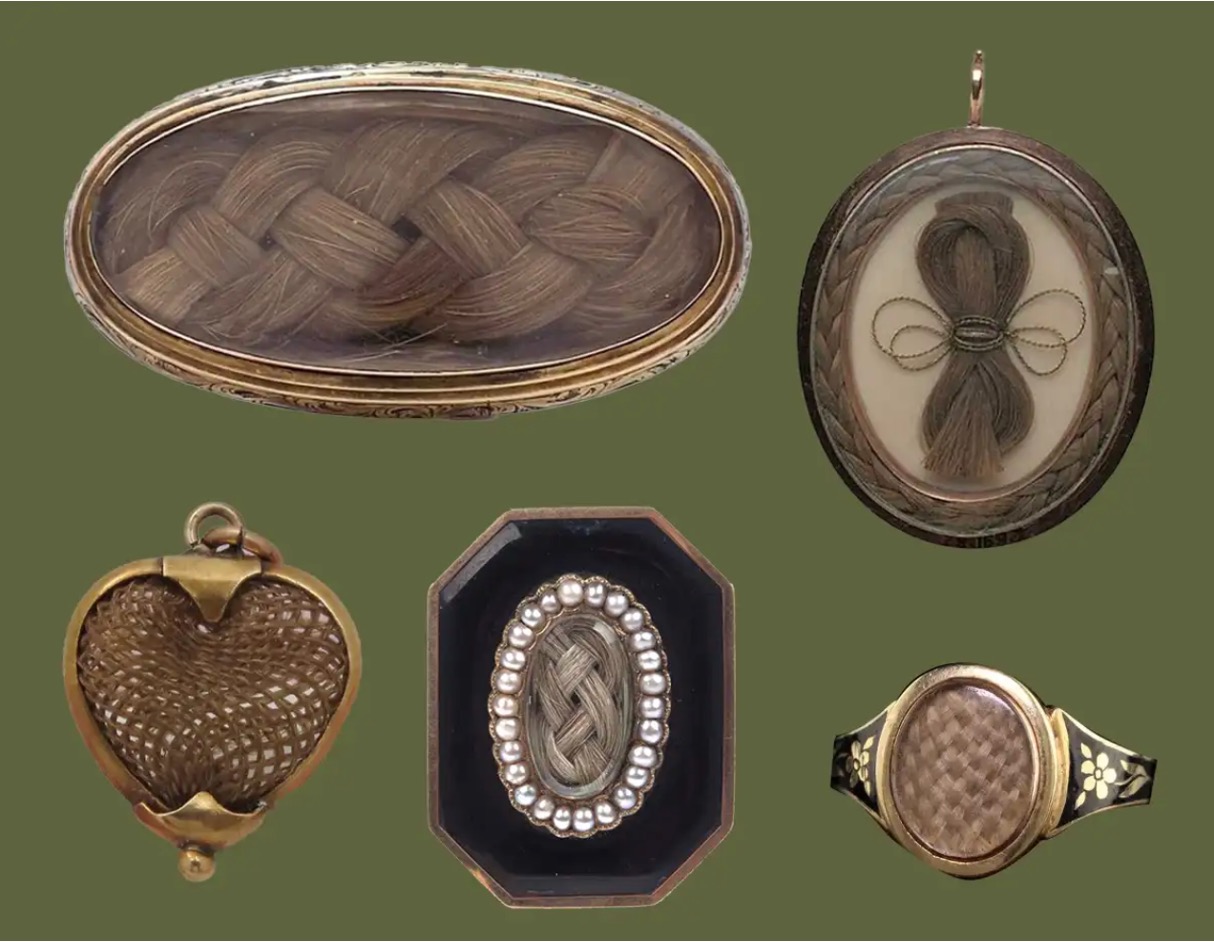
Hairwork refers to the long and varied tradition of crafting objects, images, and keepsakes from the hair of loved ones. While the practice is now mos...
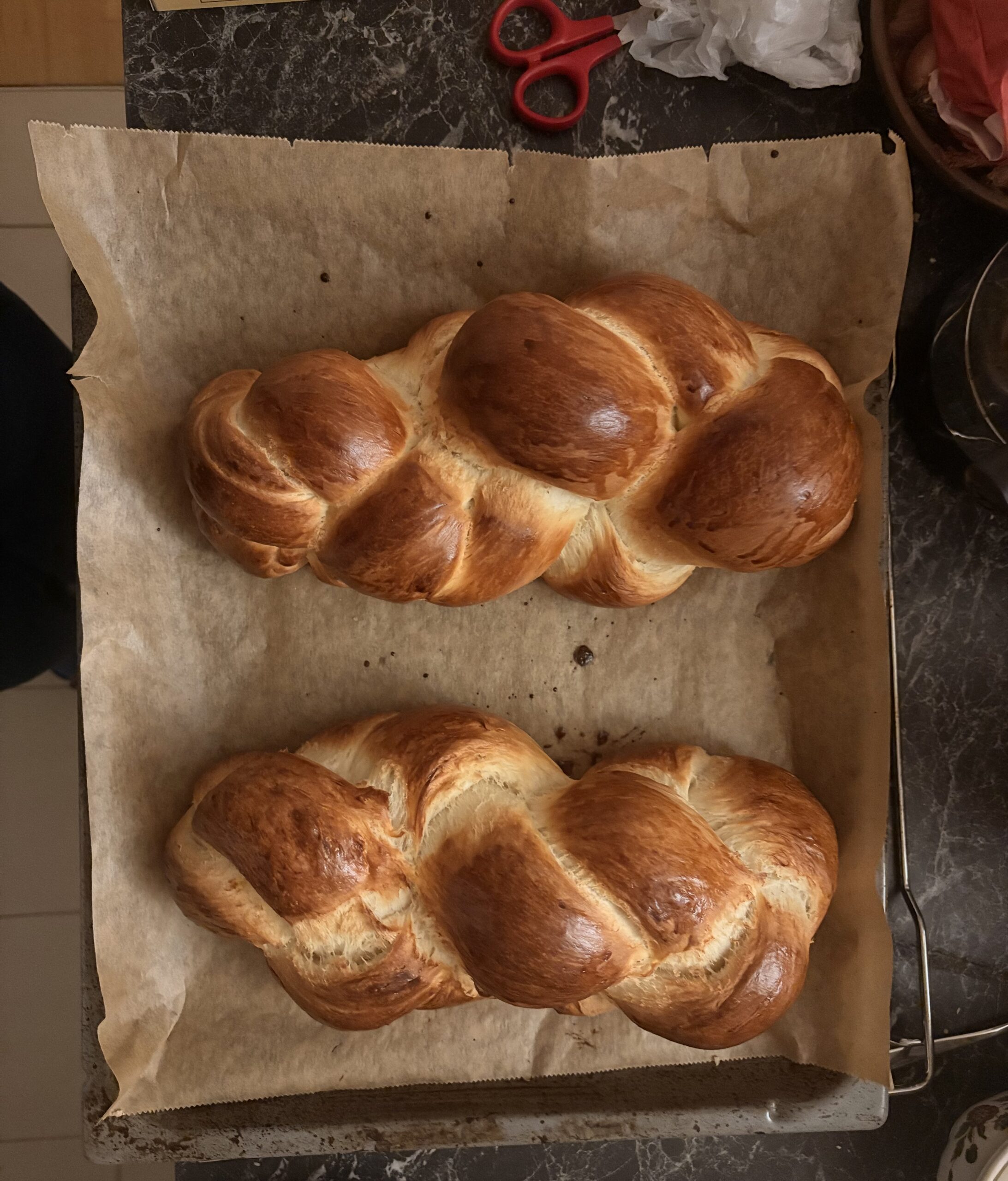
Butterzopf (Standard German) is a braided loaf of bread typically made from flour, milk, butter, yeast, and salt and brushed with egg before baking, a...
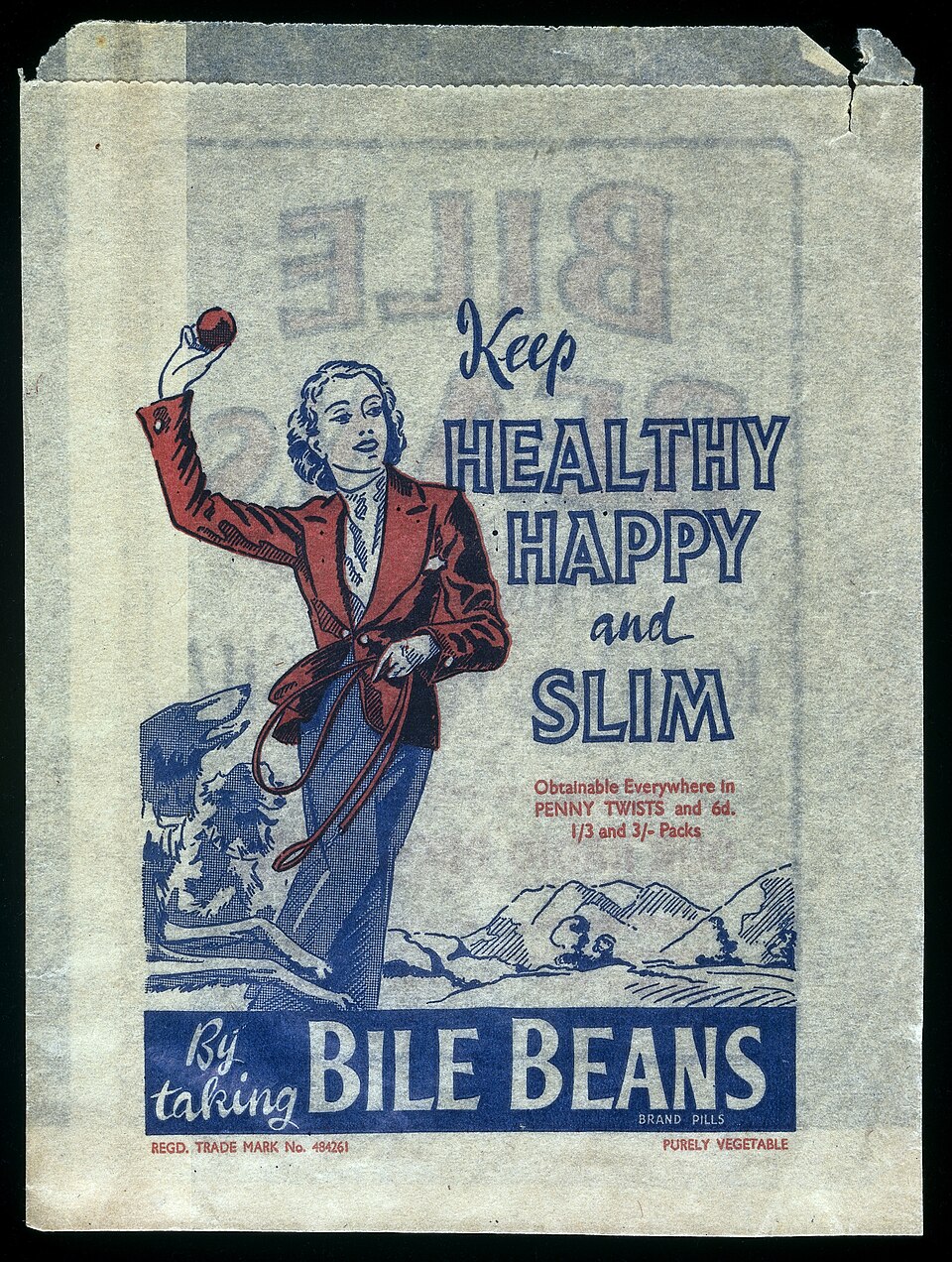
Eine Erweiterung des Vergleichs von Sammeln mit Jagd (zb. bei Donna Haraway). Hier wird extern ein Rahmen vorgegeben und die zu sammelnden Bilder etc....
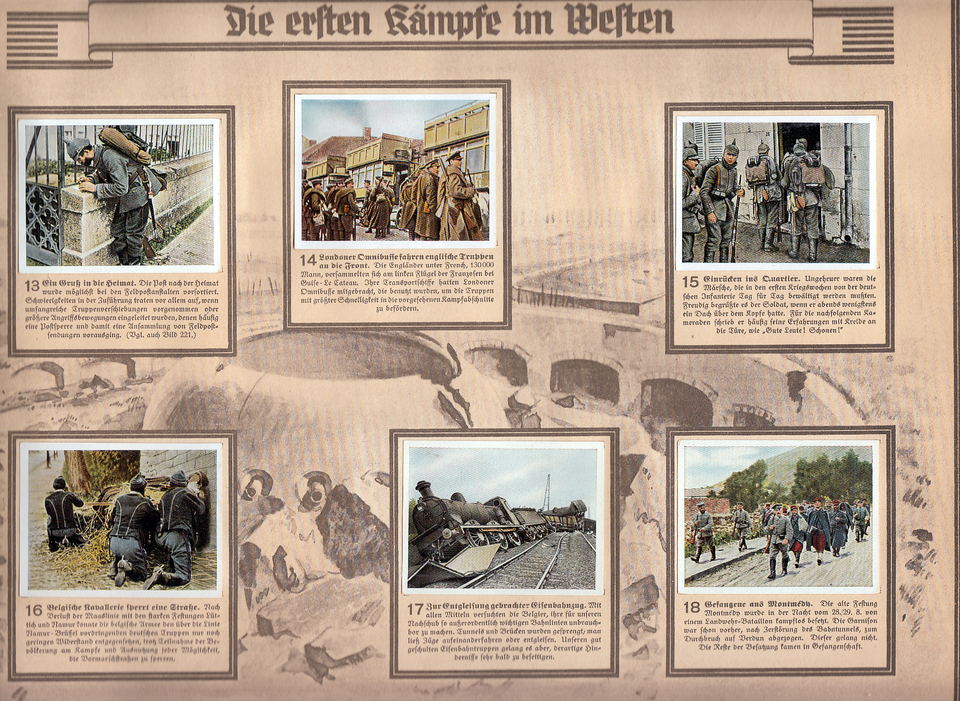
Bei Zigarettenschachteln wurden aus Werbe- und Propagandazwecken Bilder beigelegt. Besonders bekannt und eine der ersten waren Baseballcards in den US...
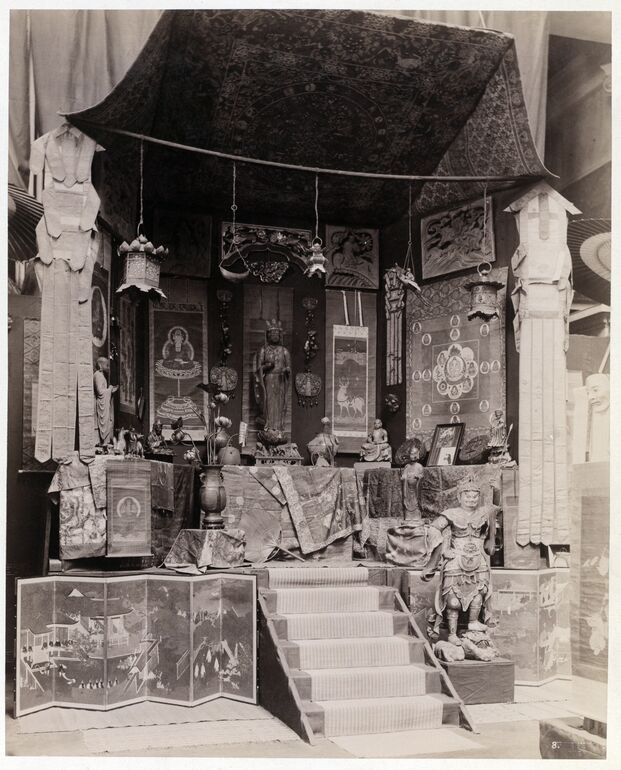
The Oriental Museum in Vienna was a museum dedicated to promoting trade relations between the Austro-Hungarian Empire and the countries of the so-call...
This website uses strictly necessary cookies to function. We would also like to use functional and analytical cookies to improve your experience. You can choose to accept or decline.