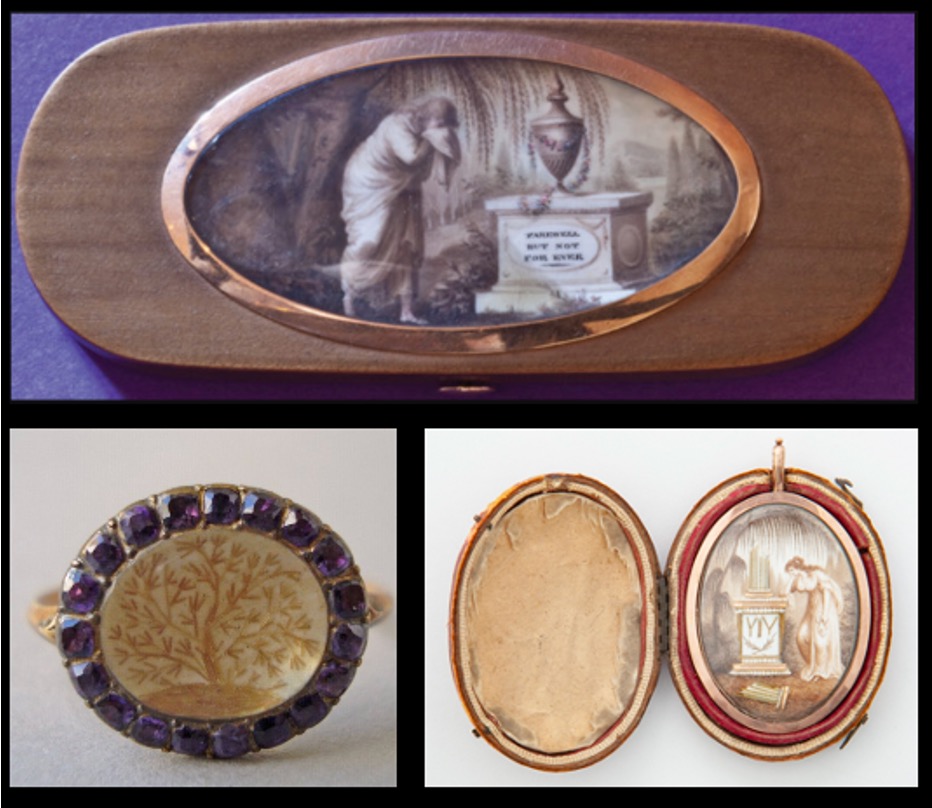
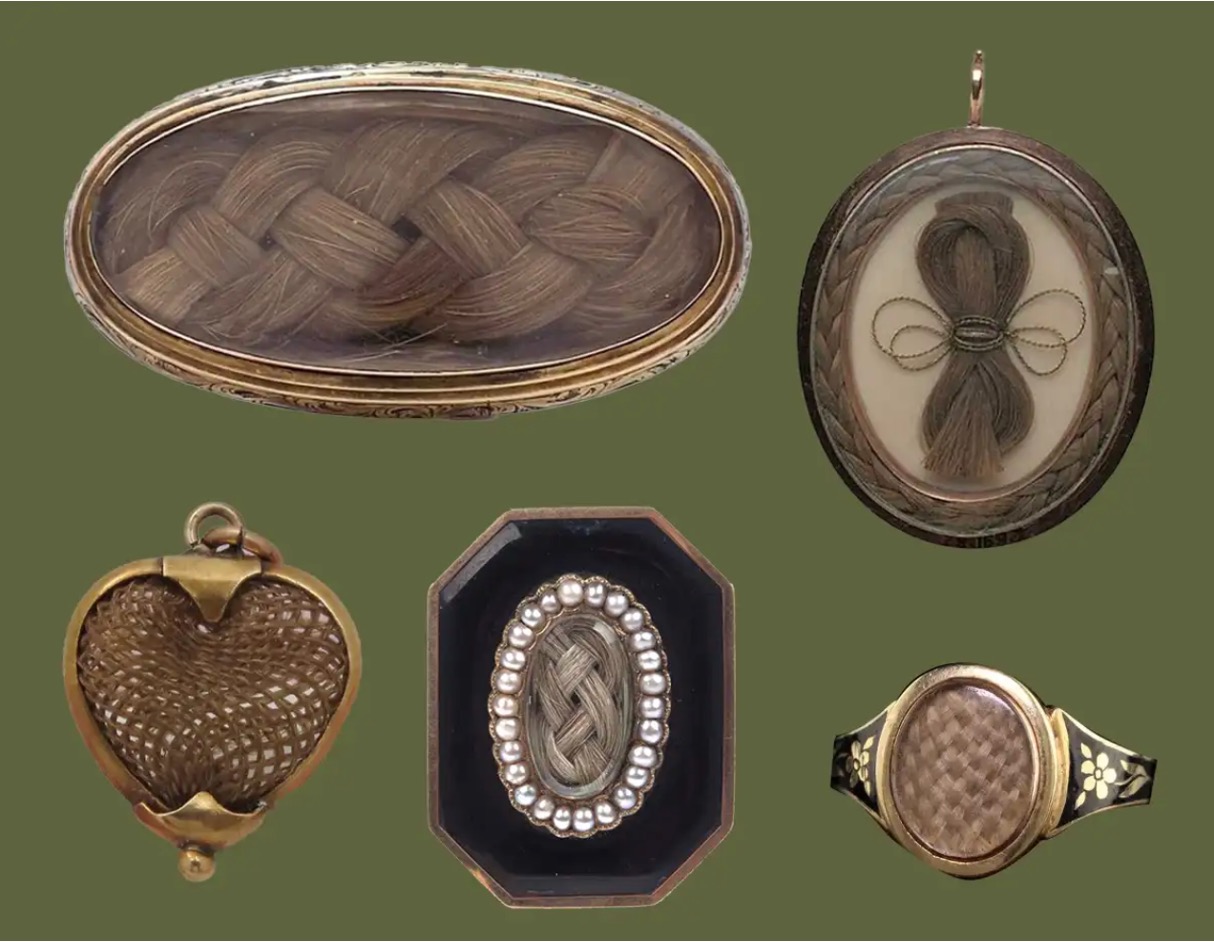
Masticated work, sometimes called cut work or sepia work, is a hairwork technique in which hair is finely chopped or ground into a powder, mixed with glue or lacquer, then used to “paint” miniature scenes, often on porcelain or ivory plaques. This particular form of hairwork predated the more well-known forms of hairwork associated with the Victorian Era (see: table work, gimp work, palette work) and was most popular in late 18th-century England. Motifs were often explicitly related to death and mourning, featuring cemetery scenes, gravestones, and, most often, the “Tree of Life.” In some cases, the resulting product could be mistaken for a normal sepia painting, but it was also common to use the chopped hair to give trees and plants a distinctive, fuzzy texture.
Read more
Bibliography
Luthi, Ann Louis. Sentimental Jewelry. Oxford: Shire Publications Ltd, 1998.
Whitenight, John. Under Glass: A Victorian Obsession. Atglen, PA: Schiffer Publishing Ltd., 2013.
Date of entry: September 16, 2026
Add to this entry
Related Words
Table Work (Hairwork)
English
Table work refers to a wide range of hairwork techniques that involve braiding and weaving hair into a jewelry. The name comes from the apparatus at t...
Palette work is a hairwork technique that involves flattening a lock of hair onto a piece of glass, covering it with gum tragacanth (sometimes referre...
Gimp work (sometimes called wire work) refers to an extremely intricate form of hairwork that involves looping strands of hair around a pin or wire to...
Hairwork refers to the long and varied tradition of crafting objects, images, and keepsakes from the hair of loved ones. While the practice is now mos...
Butterzopf (Standard German) is a braided loaf of bread typically made from flour, milk, butter, yeast, and salt and brushed with egg before baking, a...
Eine Erweiterung des Vergleichs von Sammeln mit Jagd (zb. bei Donna Haraway). Hier wird extern ein Rahmen vorgegeben und die zu sammelnden Bilder etc....
Bei Zigarettenschachteln wurden aus Werbe- und Propagandazwecken Bilder beigelegt. Besonders bekannt und eine der ersten waren Baseballcards in den US...
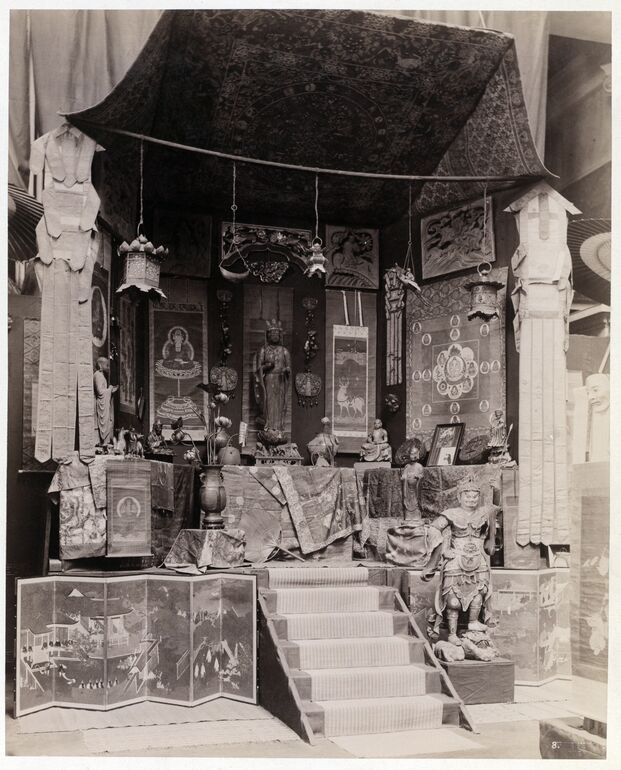
The Oriental Museum in Vienna was a museum dedicated to promoting trade relations between the Austro-Hungarian Empire and the countries of the so-call...
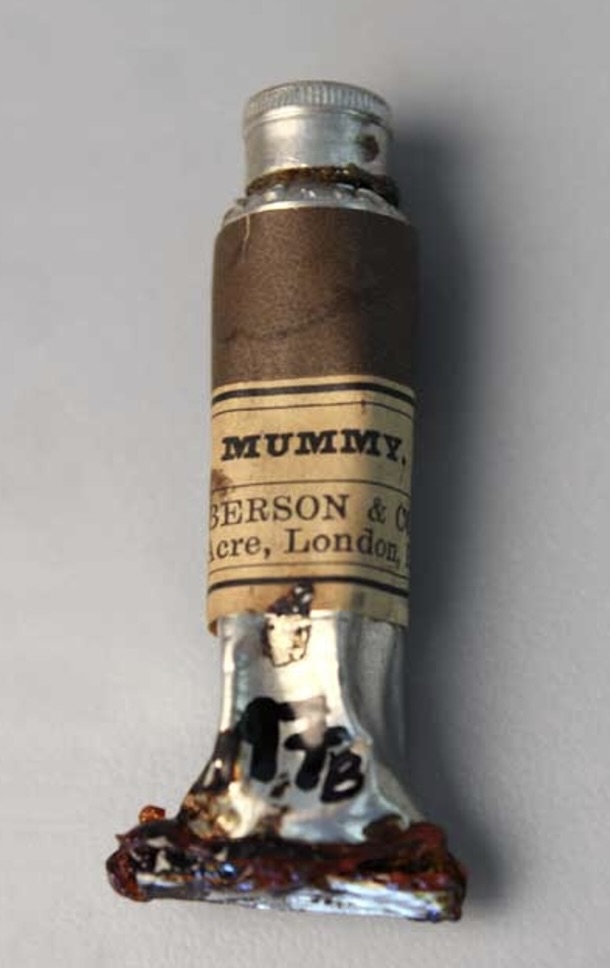
“Mummy brown” is one of the most enigmatic and ethically complex pigments in the history of Western art. Used primarily between the 17th and 19th cent...
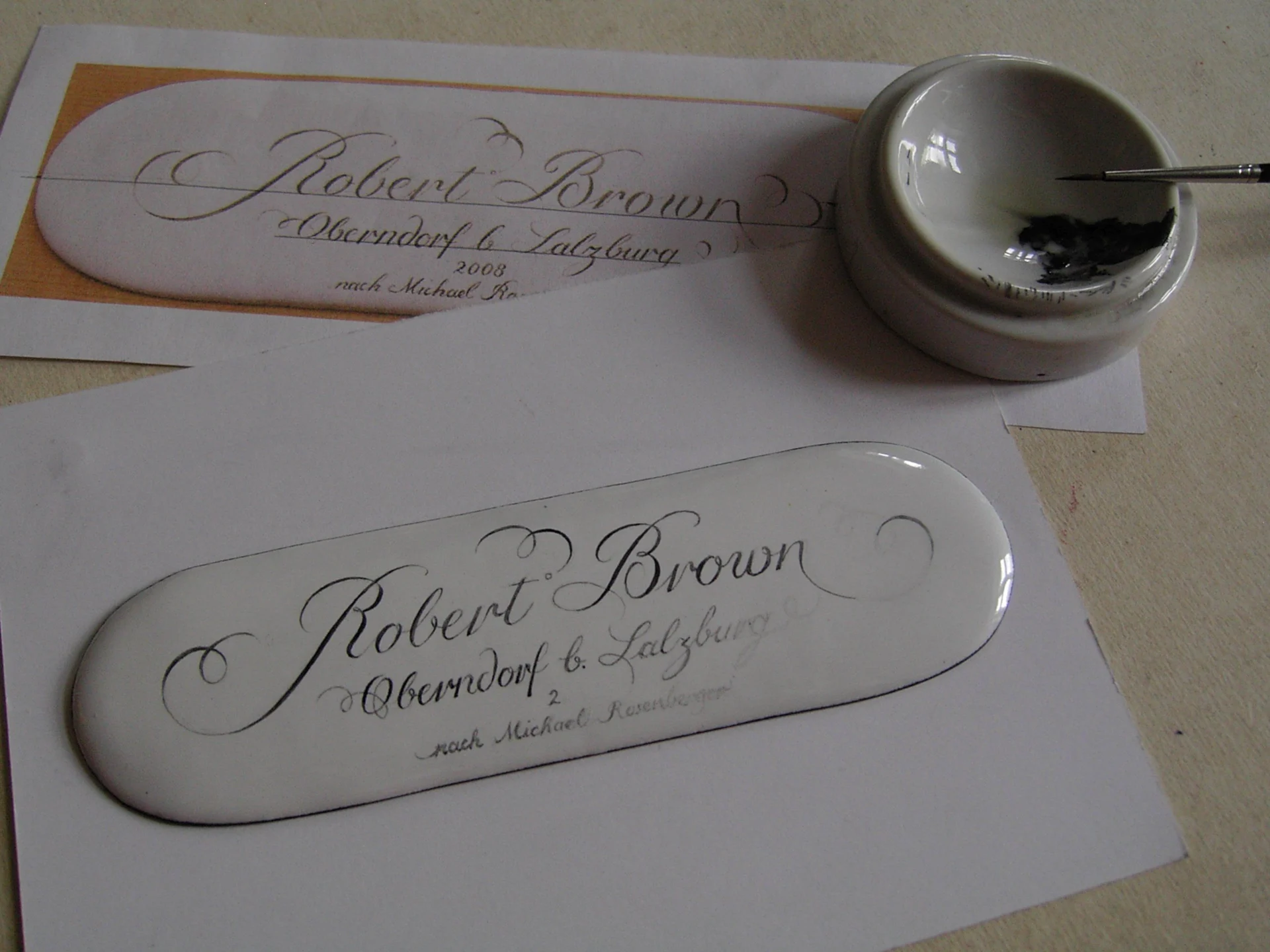
Die Bemalung der Emailschilder wird auf beidseitig mehrschichtig weiß emailliertes, leicht gewölbtes Kupferblech aufgebracht. Die Schriftenmalerei wir...
This website uses strictly necessary cookies to function. We would also like to use functional and analytical cookies to improve your experience. You can choose to accept or decline.