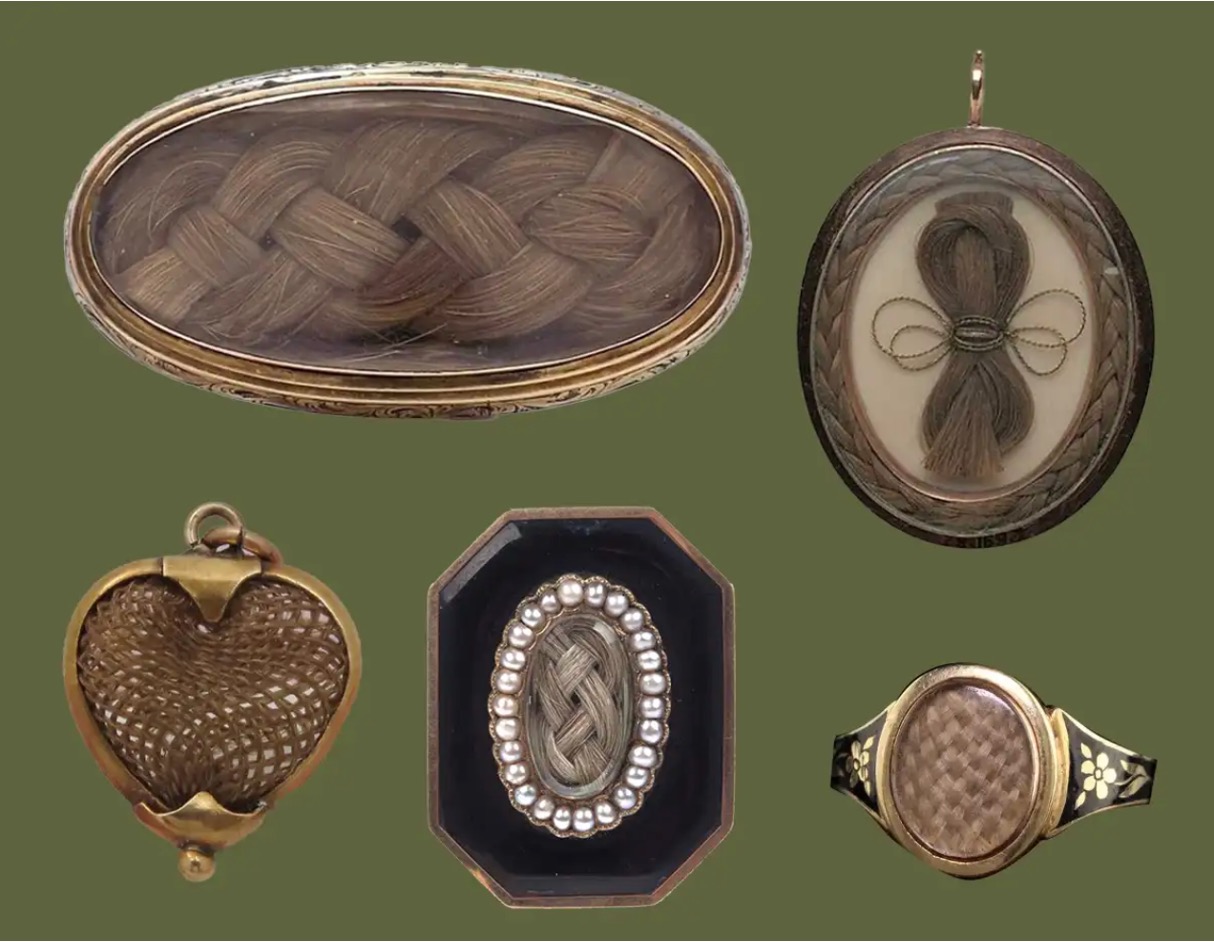
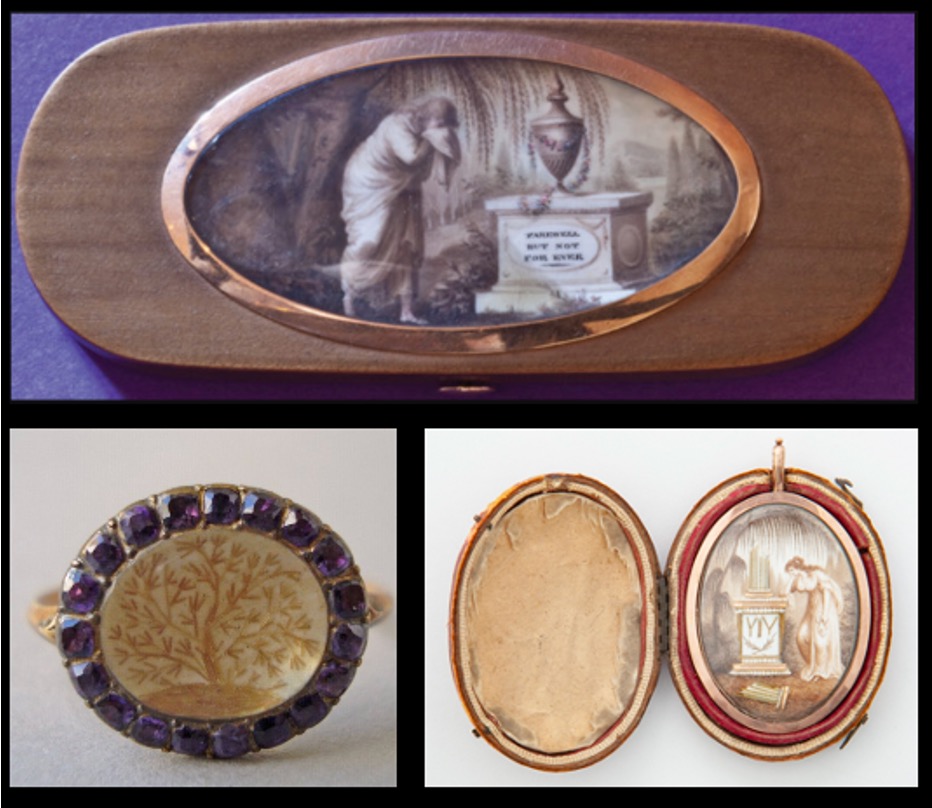
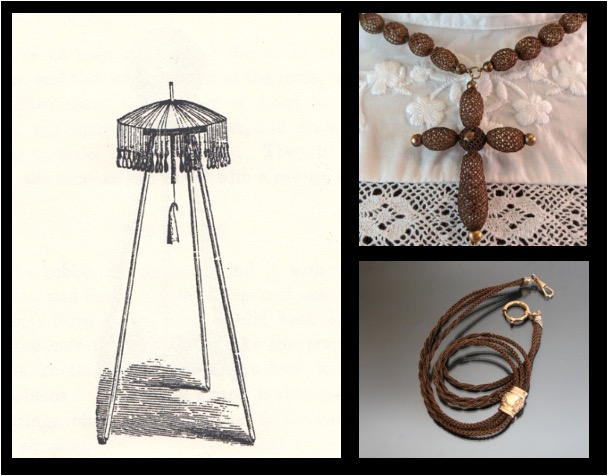
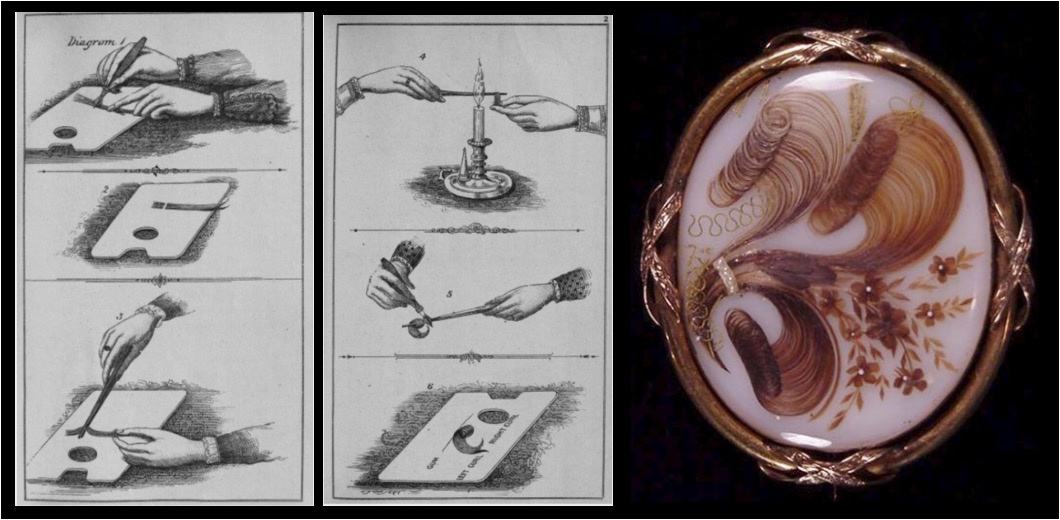
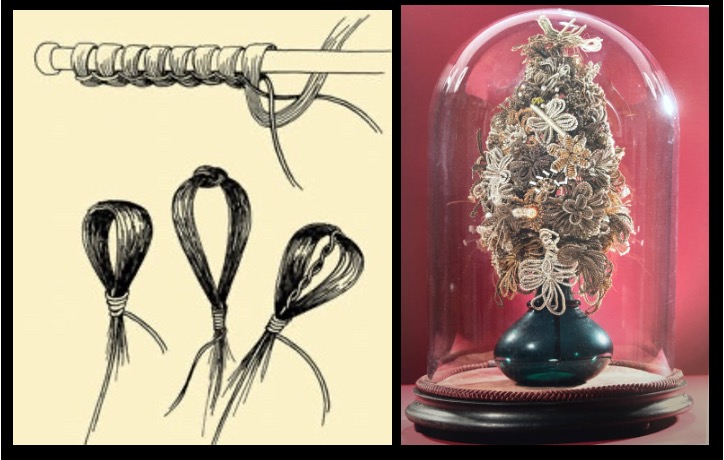
Hairwork refers to the long and varied tradition of crafting objects, images, and keepsakes from the hair of loved ones. While the practice is now most often associated with Victorian mourning rituals, hairwork is limited neither to bereavement nor to the British Isles. In fact, the ubiquity of the practice across Central and Northern Europe from the Middle Ages onward makes it impossible to pin-point the precise location and period of its emergence. Some of the earliest examples of hairwork as it is best known today likely emerged from the tradition of wearing memento mori jewelry (popular in the fifteenth and sixteenth centuries), where hair from deceased loved ones was incorporated into rings, brooches, and other objects as reminders of the transience of life and the inevitability of the wearer’s own death. This tradition eventually shifted more towards what can be referred to as “memento illius,” that is, the “commemorative remembrance of another” (DeLorme 65), and thus took on a more secular meaning. The creation of jewelry, images, sculptures, and other keepsakes from the hair of loved ones became intimate tokens of remembrance for friends and family who were deceased or otherwise physically distant, symbols of love between friends and romantic partners, and even sometimes as family portraits of sorts.
For more information on specific hair work techniques, see also the entries on table work, gimp work, masticated work, and palette work.
DeLorme, Maureen. Mourning Art and Jewelry. Atglen, PA: Schiffer Publishing, 2004.
Hind, Heather. “Hairwork in Victorian Literature and Culture: Matter, Form, Craft.” Doctoral diss., University of Exeter, 2020.
Irby, Diane. “The Taxonomy of Tresses: Material Clues and Methods for Interpreting Victorian Hair Wreaths as Art, Keepsake, and Record.” Victorian Hairwork by dirby.art (blog), October 2025, https://www.victorianhairwork.art/journal-research/the-taxonomy-of-tress-material-clues-and-methods-for-interpreting-victorian-hair-wreaths-as-art-keepsake-and-record.
Kenyon, Victoria. “Ties That Bind: Hairwork as Family Portrait in the Nineteenth-Century United States.” Sequitur 10, no. 1 (2024). https://www.bu.edu/sequitur/2024/01/11/ties-that-bind-hairwork-as-family-portrait-in-the-nineteenth-century-united-states/.
Luthi, Ann Louis. Sentimental Jewelry. Oxford: Shire Publications Ltd, 1998.
Whitenight, John. Under Glass: A Victorian Obsession. Atglen, PA: Schiffer Publishing Ltd., 2013.

Masticated work, sometimes called cut work or sepia work, is a hairwork technique in which hair is finely chopped or ground into a powder, mixed with ...
Table work refers to a wide range of hairwork techniques that involve braiding and weaving hair into a jewelry. The name comes from the apparatus at t...
Palette work is a hairwork technique that involves flattening a lock of hair onto a piece of glass, covering it with gum tragacanth (sometimes referre...
Gimp work (sometimes called wire work) refers to an extremely intricate form of hairwork that involves looping strands of hair around a pin or wire to...
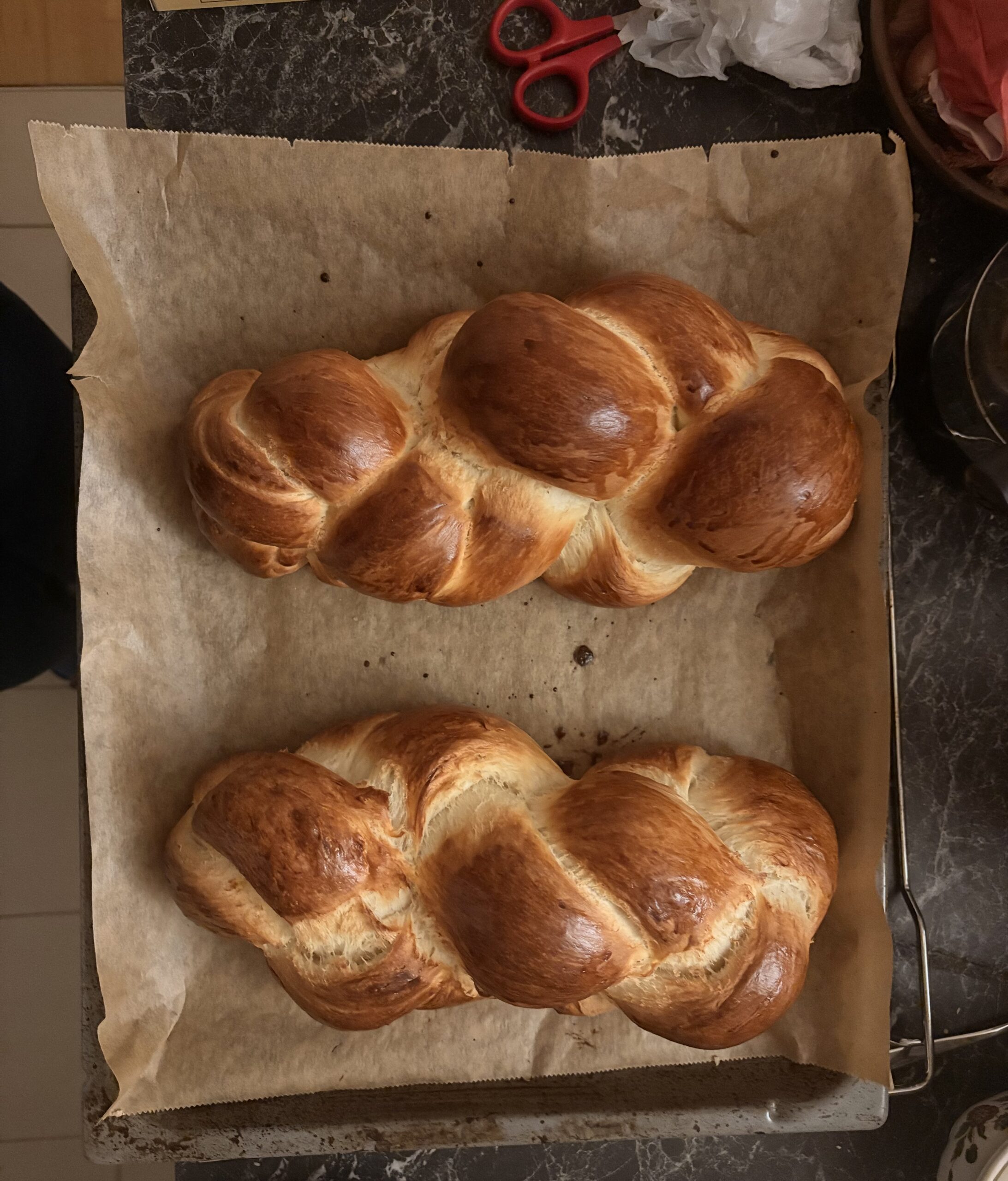
Butterzopf (Standard German) is a braided loaf of bread typically made from flour, milk, butter, yeast, and salt and brushed with egg before baking, a...
Eine Erweiterung des Vergleichs von Sammeln mit Jagd (zb. bei Donna Haraway). Hier wird extern ein Rahmen vorgegeben und die zu sammelnden Bilder etc....
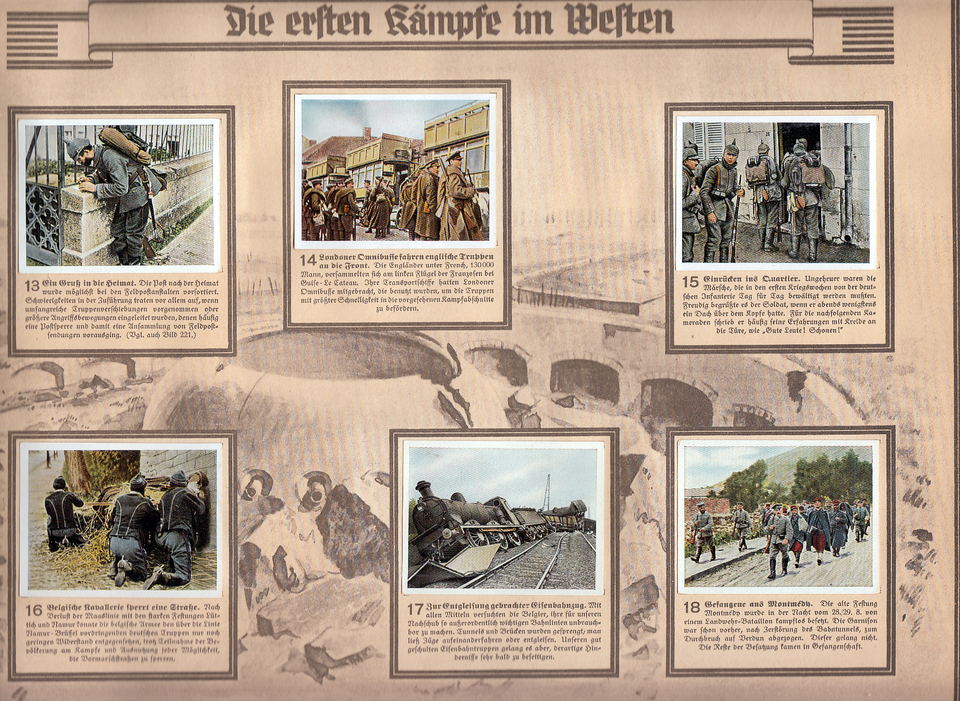
Bei Zigarettenschachteln wurden aus Werbe- und Propagandazwecken Bilder beigelegt. Besonders bekannt und eine der ersten waren Baseballcards in den US...
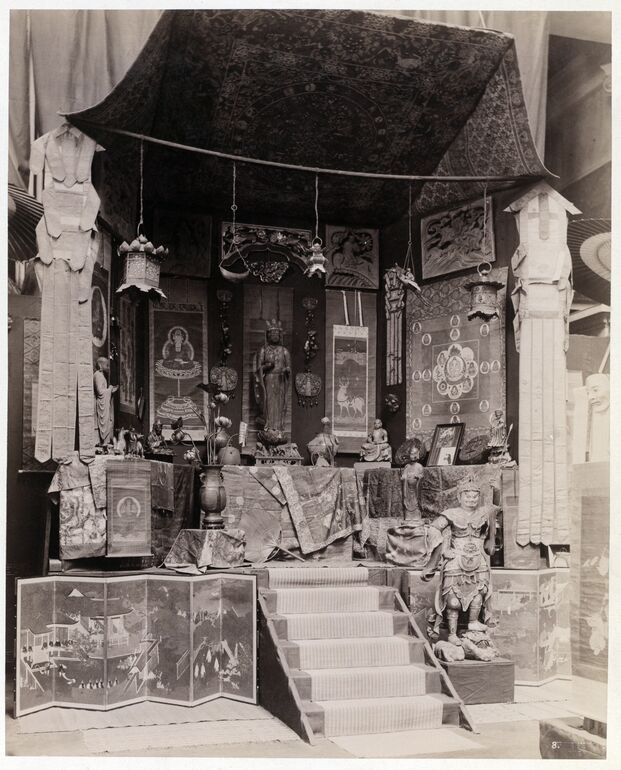
The Oriental Museum in Vienna was a museum dedicated to promoting trade relations between the Austro-Hungarian Empire and the countries of the so-call...
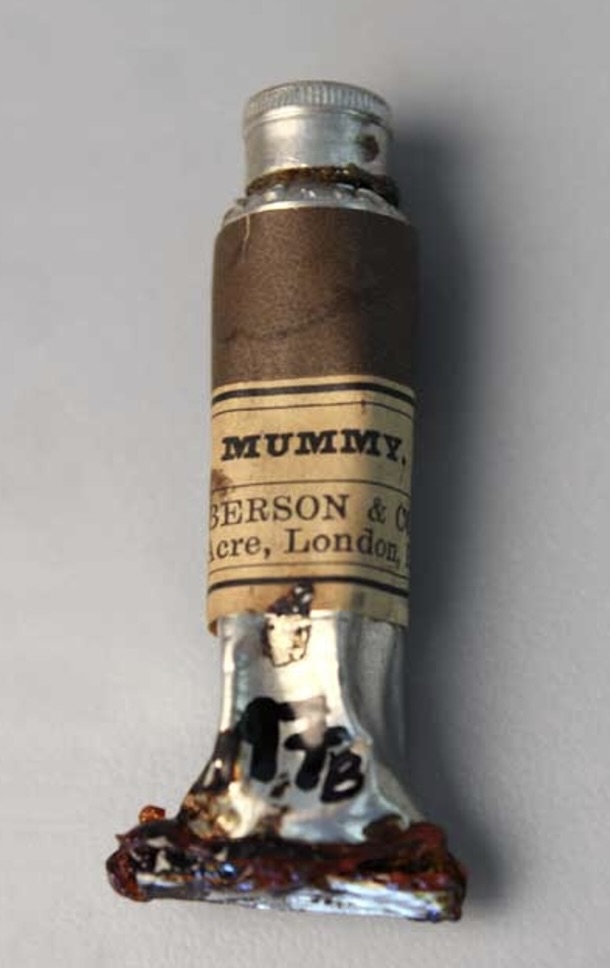
“Mummy brown” is one of the most enigmatic and ethically complex pigments in the history of Western art. Used primarily between the 17th and 19th cent...
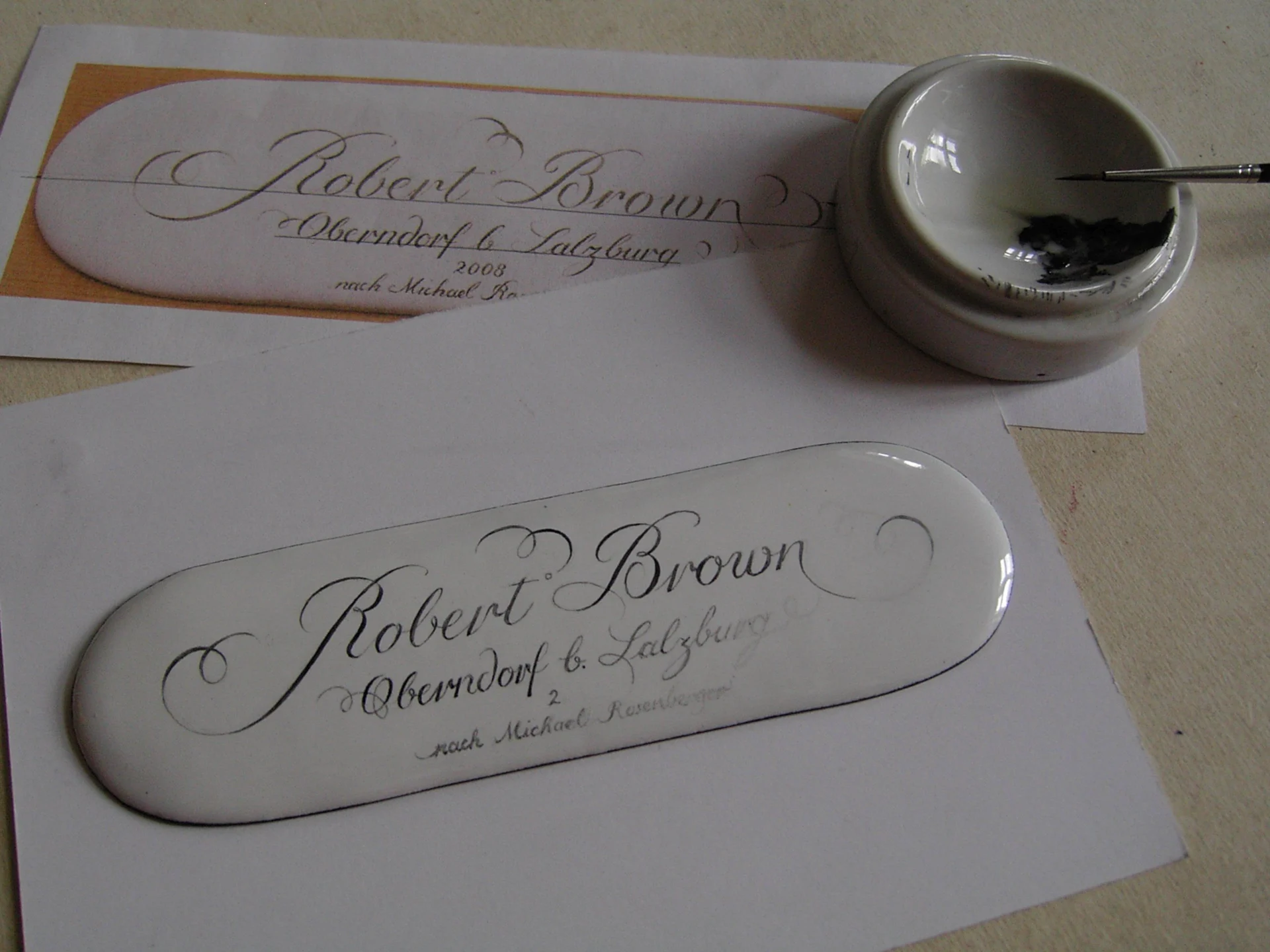
Die Bemalung der Emailschilder wird auf beidseitig mehrschichtig weiß emailliertes, leicht gewölbtes Kupferblech aufgebracht. Die Schriftenmalerei wir...
This website uses strictly necessary cookies to function. We would also like to use functional and analytical cookies to improve your experience. You can choose to accept or decline.