Ethical conservation

Language: Cameroon / English
Contributors: Honoré Tchatchouang Ngoupeyou

Description

Pour l’auteur de cette définition, la conservation éthique est une dimension particulière du travail de conservation. Elle recoupe toutes les actions, méthodes, et moyens qui concourent à assurer la pérennisation et le bien-être d’un élément donné. C’est une conservation qui met en place des pratiques qui répondent à des normes et à des valeurs situées. Elle se doit d’être dynamique autant que possible, afin de pouvoir se réinventer au fil du temps, non pas en s’imposant, mais en se conformant dans la mesure du possible à différents contextes culturels, tout en respectant les croyances, usages, et coutumes des diverses communautés et en prenant en compte ce qu’elles considèrent comme faisant partie de leur(s) patrimoine(s).

En résumé, une conservation éthique, respectueuse des cultures, et durable est une conservation qui met en place un ensemble de méthodes et de moyens pour préserver un ou plusieurs patrimoines, qui s’adapte à la fois à plusieurs contextes culturels, en restant dans une optique de maintien d’intégrité et d’authenticité des patrimoines sur le long terme.

Read more

For the author of this definition, ethical conservation is a specific aspect of conservation work. It encompasses the set of actions, methods, and means that contribute to ensuring the long-term survival and well-being of a given element. Ethical conservation involves implementing practices that meet moral standards and values. It must be as dynamic as possible, capable of reinventing itself over time by adapting as much as possible to different cultural contexts, rather than imposing itself. This involves respecting the beliefs, habits, and customs of the relevant communities and taking into account what they consider to be part of their heritage(s).

In short, ethical, culturally respectful, and sustainable conservation is a form of conservation that establishes a set of methods and resources to preserve one or more heritages, adapting to several cultural contexts at the same time, so as to maintain the integrity and authenticity of various heritages over the long term.

Date of entry: January 20, 2025
The name you would like to be credited with for your contribution.
The word you wish to contribute
Your email for contact and updates regarding your submission.
The language you are contributing the word in
Maximum file size: 3 MB
Maximum file size: 5 MB
By proceeding, I acknowledge and agree to GloCo's Legal notice and Terms of use
and the Guidelines for Contributors *

Related Words

IMG-20250912-WA0010
Géwél
Wolof

A person whose role is to be a historian, storyteller, poet and musician. They ensure the transmission of culture and oral history by preserving the m...

Asɛn
Asɛn
Fɔ̀ngbè

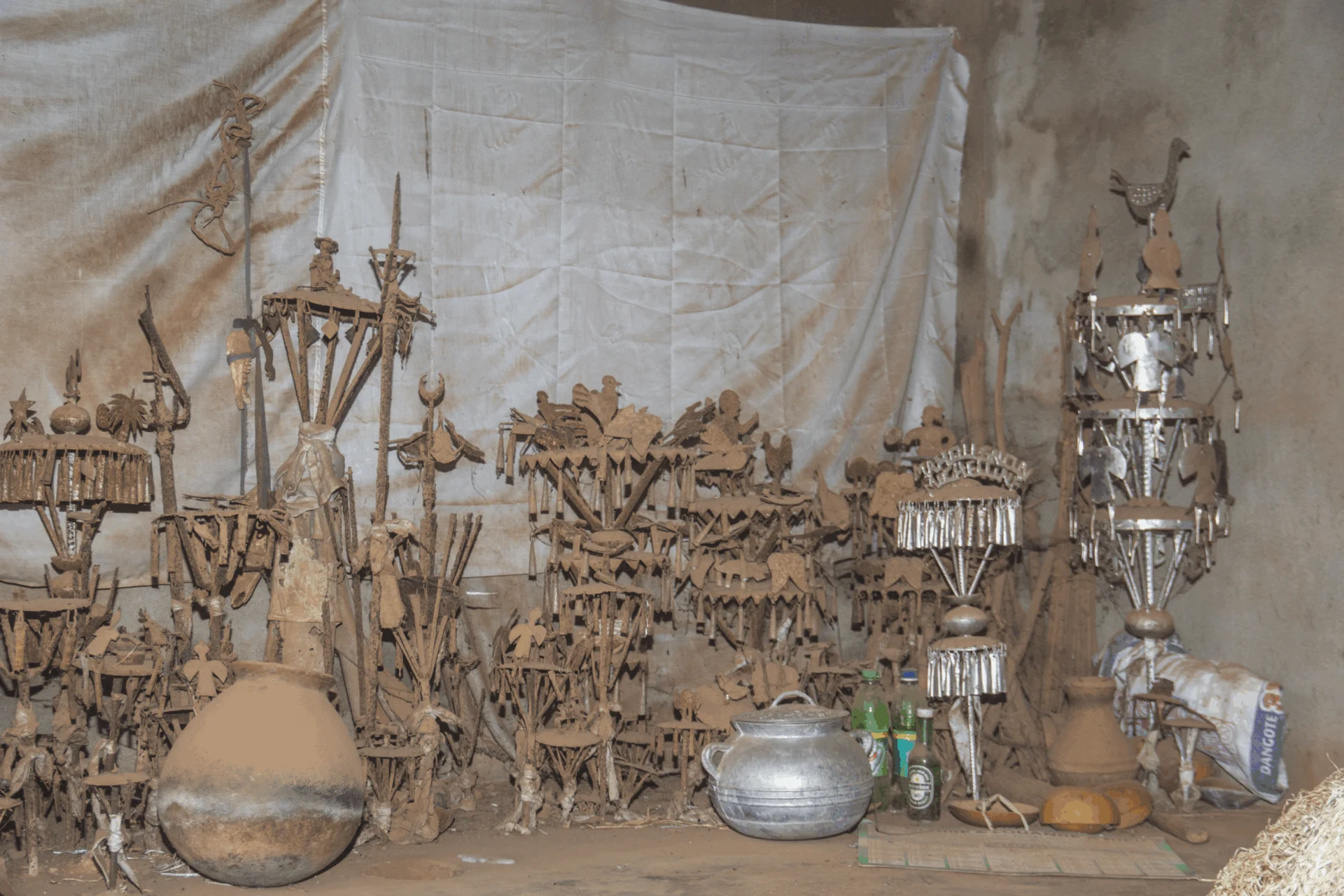
Originellement issu du Fɔ̀ngbè, le terme désigne un autel portatif fait de métal principalement, et réalisé pour commémorer un-e défunt-e qui, de son ...

tchambaga
Ewe
tcham-ba-ga

Bracelet whose name means “metal of the Tchamba,” the tchambaga symbolizes the iron shackles of enslaved people and is used to contact ancestors, as w...

Tila
Tila
Ewe
Ti-la

Protective amulet common in Togo and other parts of West Africa in various forms. The term gris-gris is apparently more widespread for protective amul...

Ataya
Ataaya
Wolof

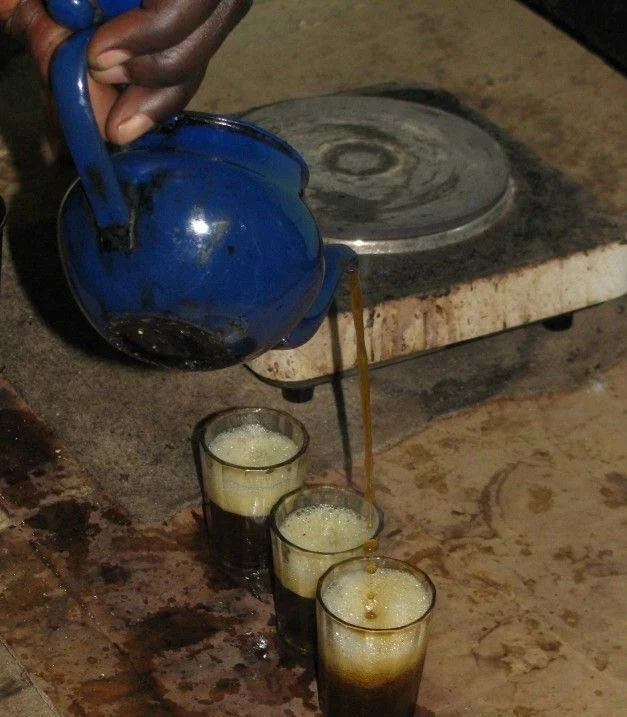
Tea prepared on the ground in a teapot and served in cups. This way of making tea has its roots in the Arab world.

Ceebu jën
Ceebu jën
Wolof

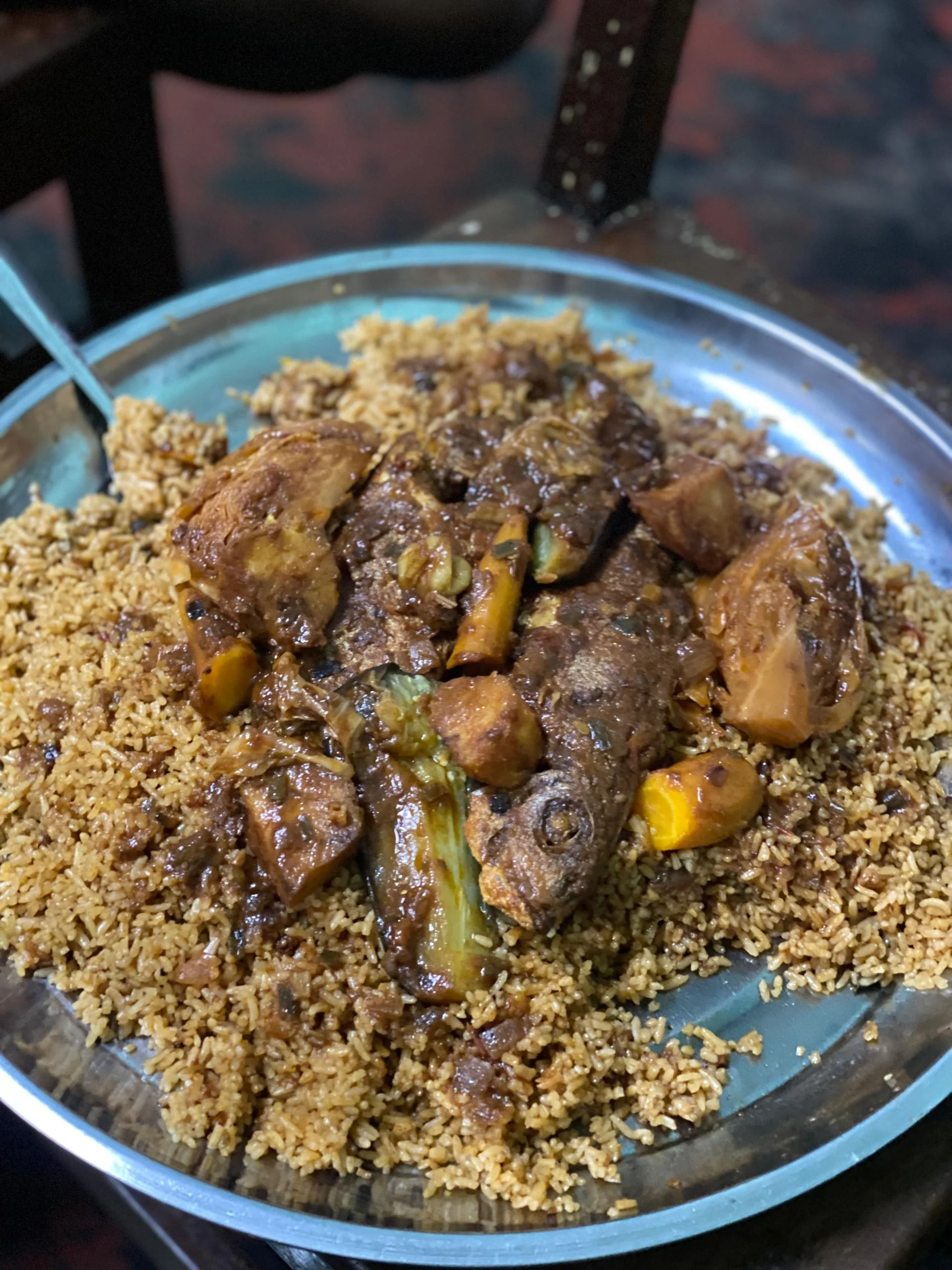
Traditional Senegalese dish with fish, rice, and vegetables. In 2021, the dish was classed by UNESCO as an intangible cultural heritage.

Rouye
Ruy
Wolof

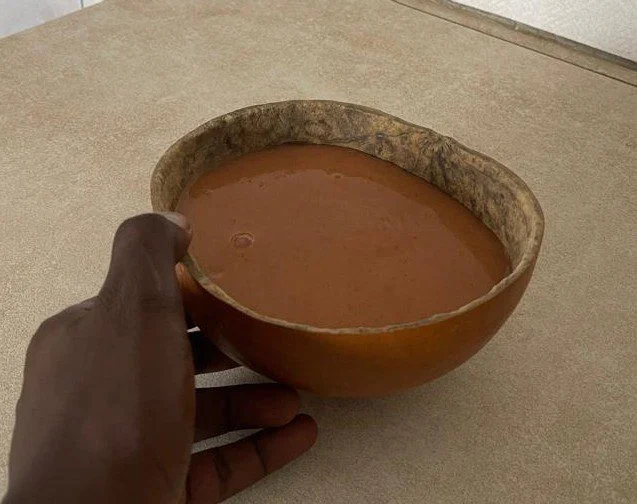
Porridge made with 'Sunguf' cereal flour, such as millet. The term Sunguf is also used to refer to any kind of flour.

IMG-20250827-WA0037
Bassari
Wolof

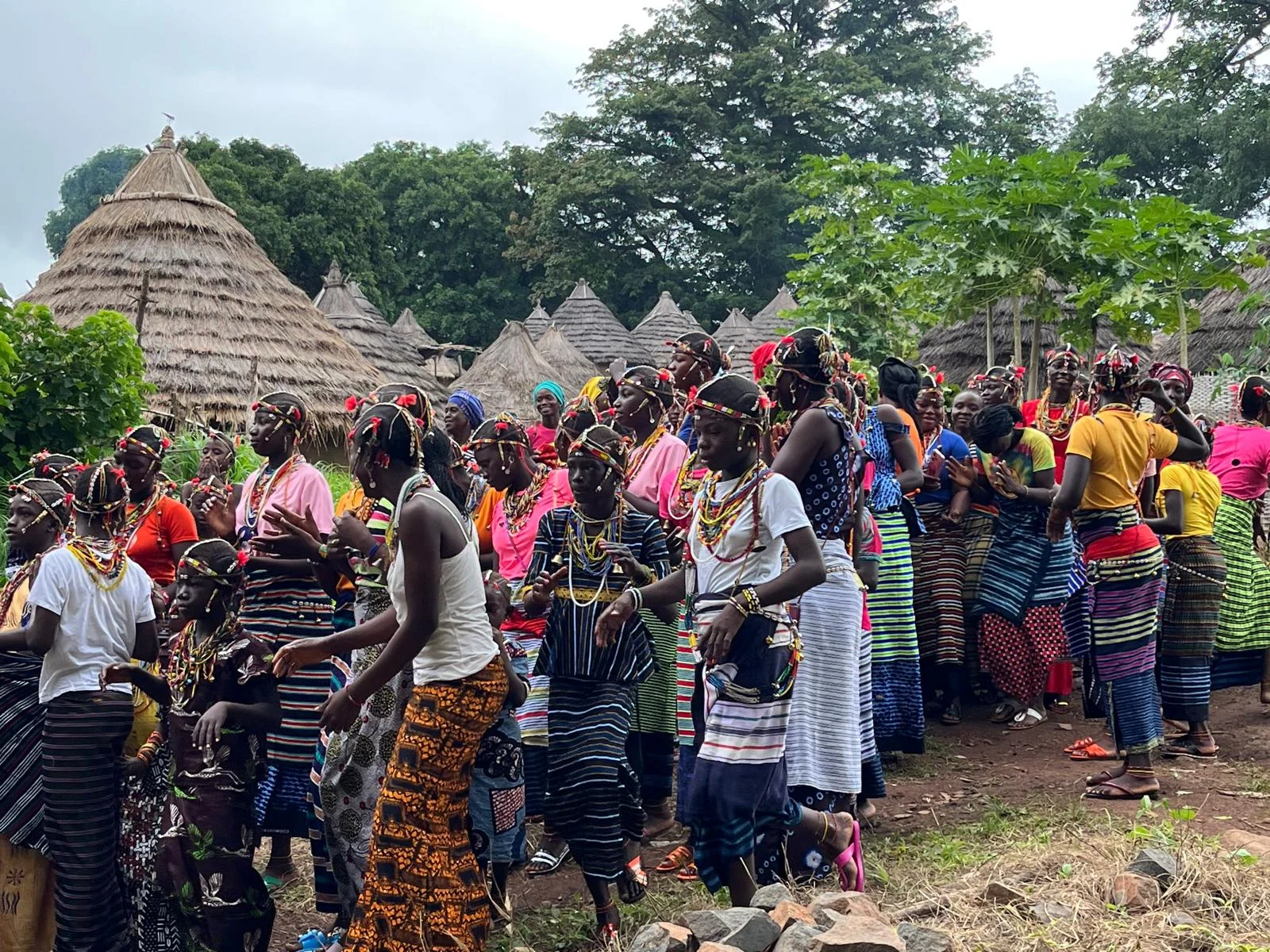
Animist people from the Kédougou region (South-East Senegal). Their religion is subject to stereotypes, as is the case for other religions, such as Vo...

Chéchia
Chéchia
Wolof

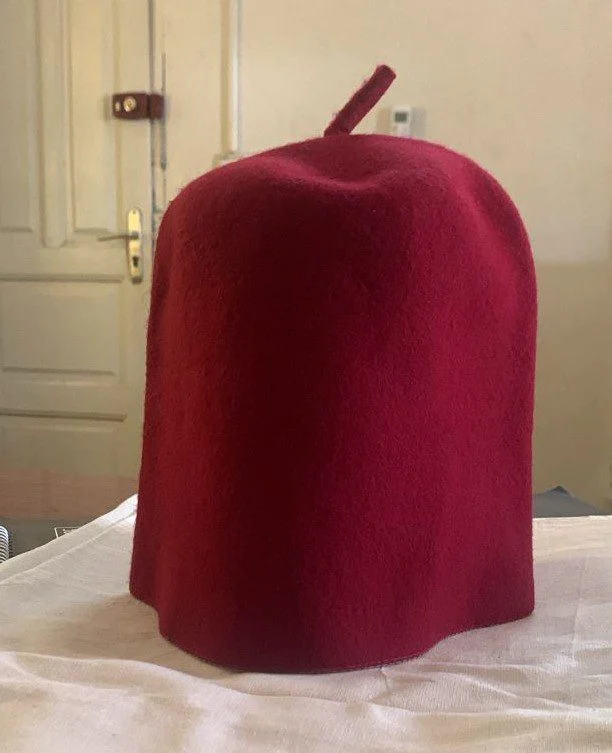
Square cap worn by men and women alike. This word, of North African origin, is rejected by certain Senegalese socio-cultural groups, who use Mbakhana*...

Tenguadé
Tenngaade
Wolof

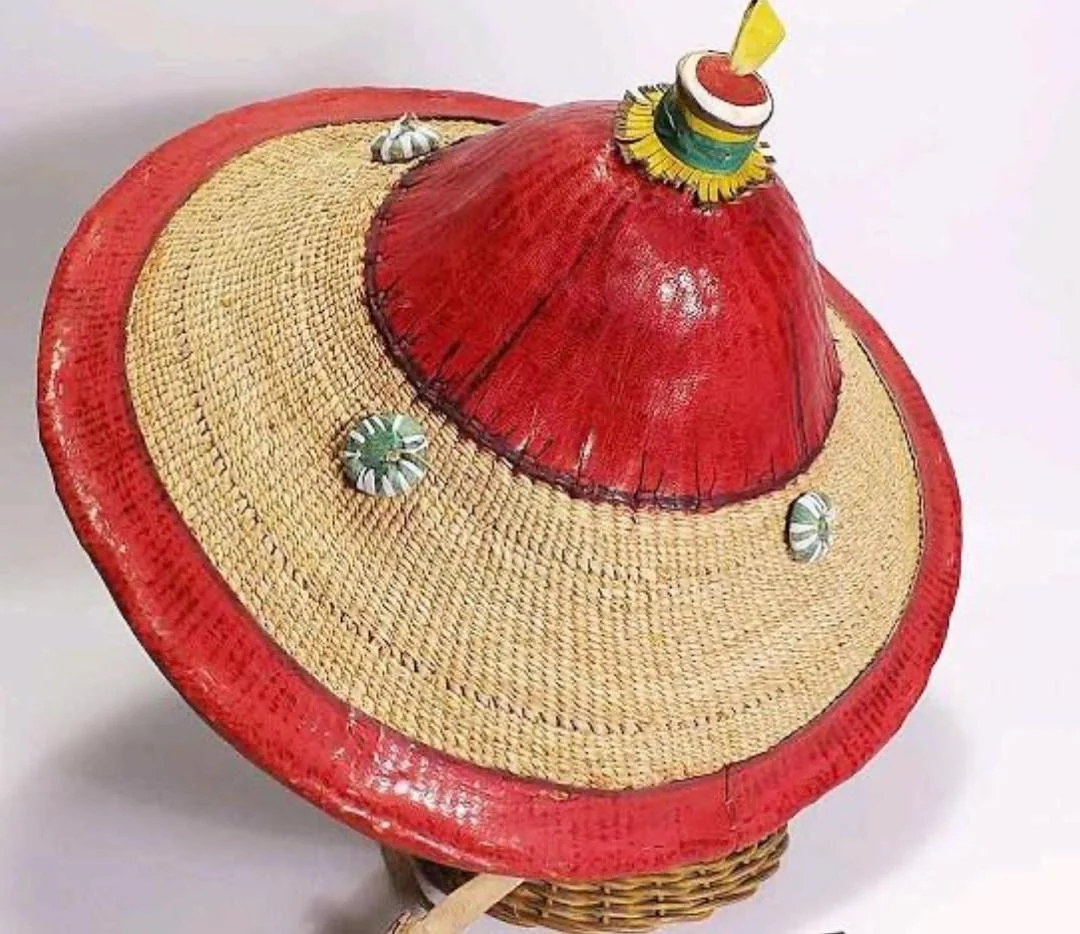
Conical straw hat often used by Fulani people when accompanying their herds.

error: