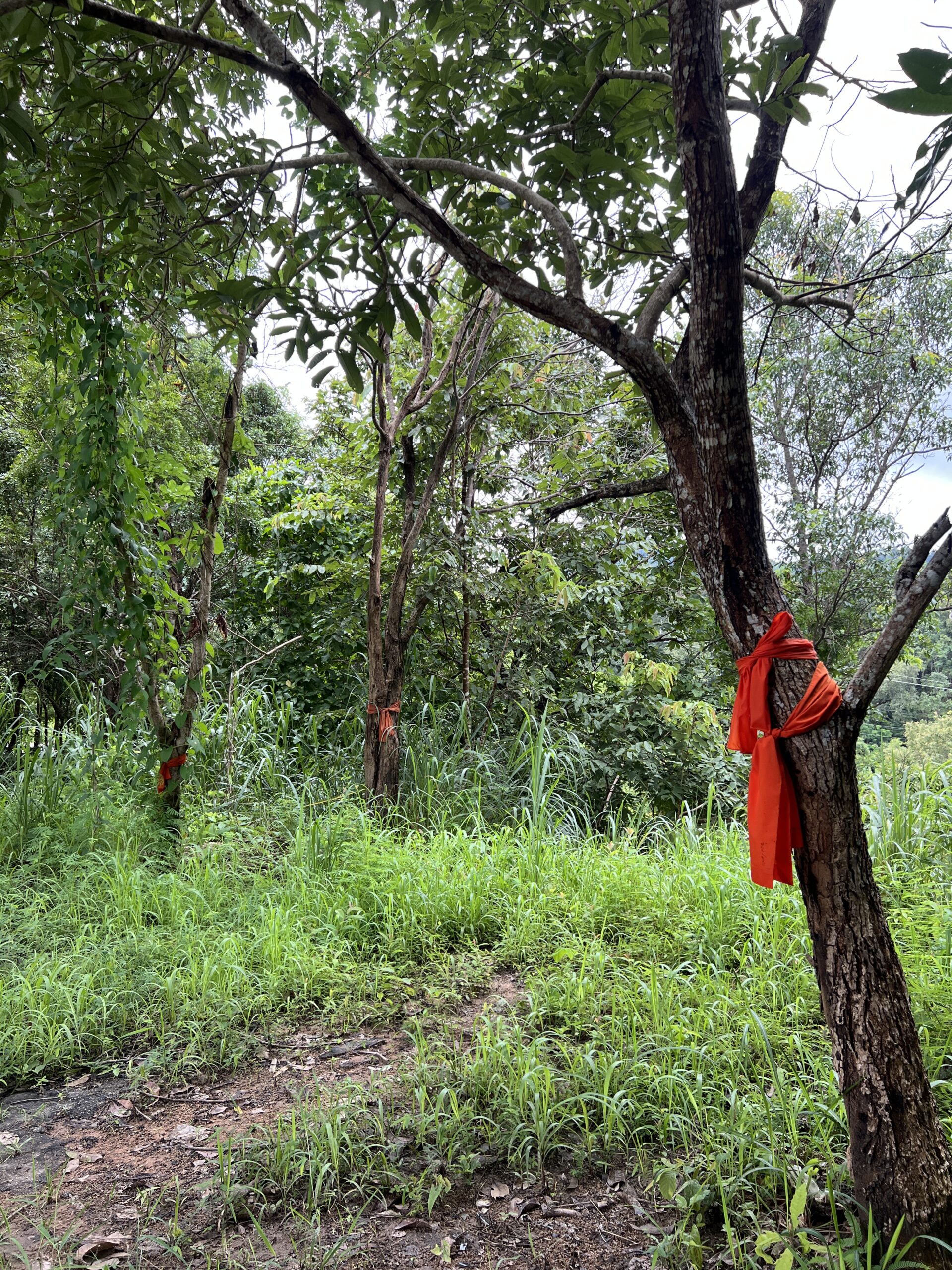
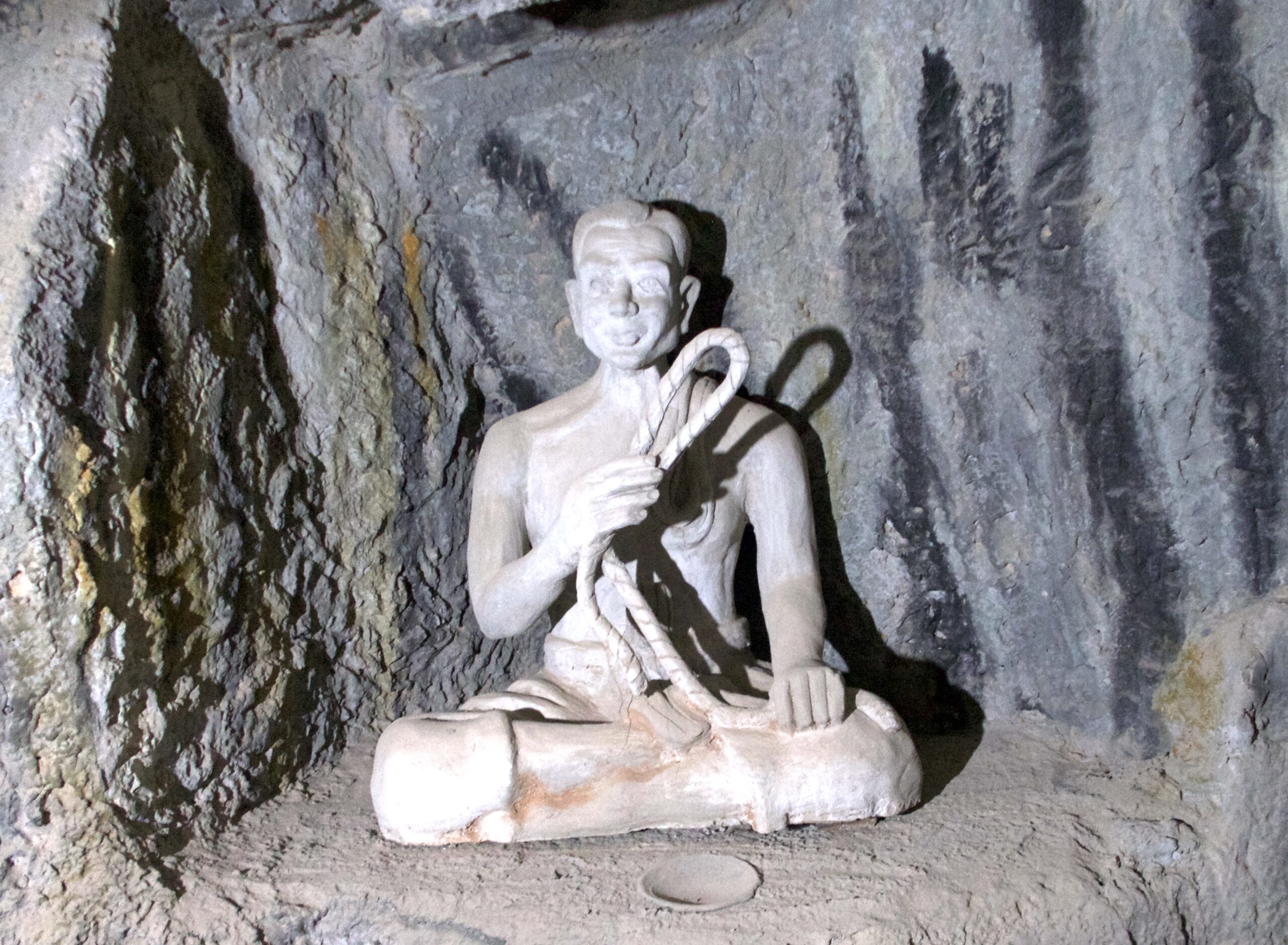
Pga K’nyaw culture and the forest are inseparable—they cannot be separated. When you tell stories about them, everything must be connected. Once there is a forest, it has to be managed under the guidance of the culture. Every part of the culture is integrated.
For example, each Pga K’nyaw person, when they are born, has a personal tree assigned to them, called the ‘De Paw tree’, or their ‘umbilical cord tree.’ It’s called the ‘De Paw tree’ because the baby’s umbilical cord is tied to that tree (see De Paw Thoo). Everyone knows which tree belongs to which child. No one is allowed to harm it. If someone accidentally cuts it, there is a ritual to restore the spirit (kwan) to the child who owns the tree. But in practice, such accidents rarely happen.
For me, my tree is a white champaca (จำปี). A child’s tree is chosen by their parents from the forest—it’s not a tree we plant ourselves. The parents select a tree that is intact, strong, and ready to grow. They don’t ask the child; they choose a tree that is fertile and sturdy.
The idea is that as the person grows, they grow alongside the tree and become strong like it. If the tree has fruits, birds, and animals, it’s believed that the person will grow up with friends, will marry, and will develop a sense of pride. From early childhood, it teaches us to love the tree.
For example, my friend’s personal tree was a Burmese grape (มะไฟ) tree. He was very proud of it. Even when we were around 12 or 13 years old, every evening, we would go to the tree to check on it. The tree belongs to him—it is not just any tree. If something is truly ours, we feel pride. This instills in children, from the beginning, a love for their personal tree and a sense of responsibility for it. As the tree grows, no one in the village is allowed to destroy it. Everyone in the village is expected to respect it.
Every person is born with a tree, and there are ceremonies to reinforce this love. There are three important events: first, birth; second, marriage; and third, death. (See the entry on ‘conservation‘).