ปะกำ/Pakam

Pronunciation: pĕē pakam
Language: Kui (Thailand)
Also known as: ปะกำ, ผีปะกำ, pakam, pĕē pakam, spirits of elephant catchers

Description

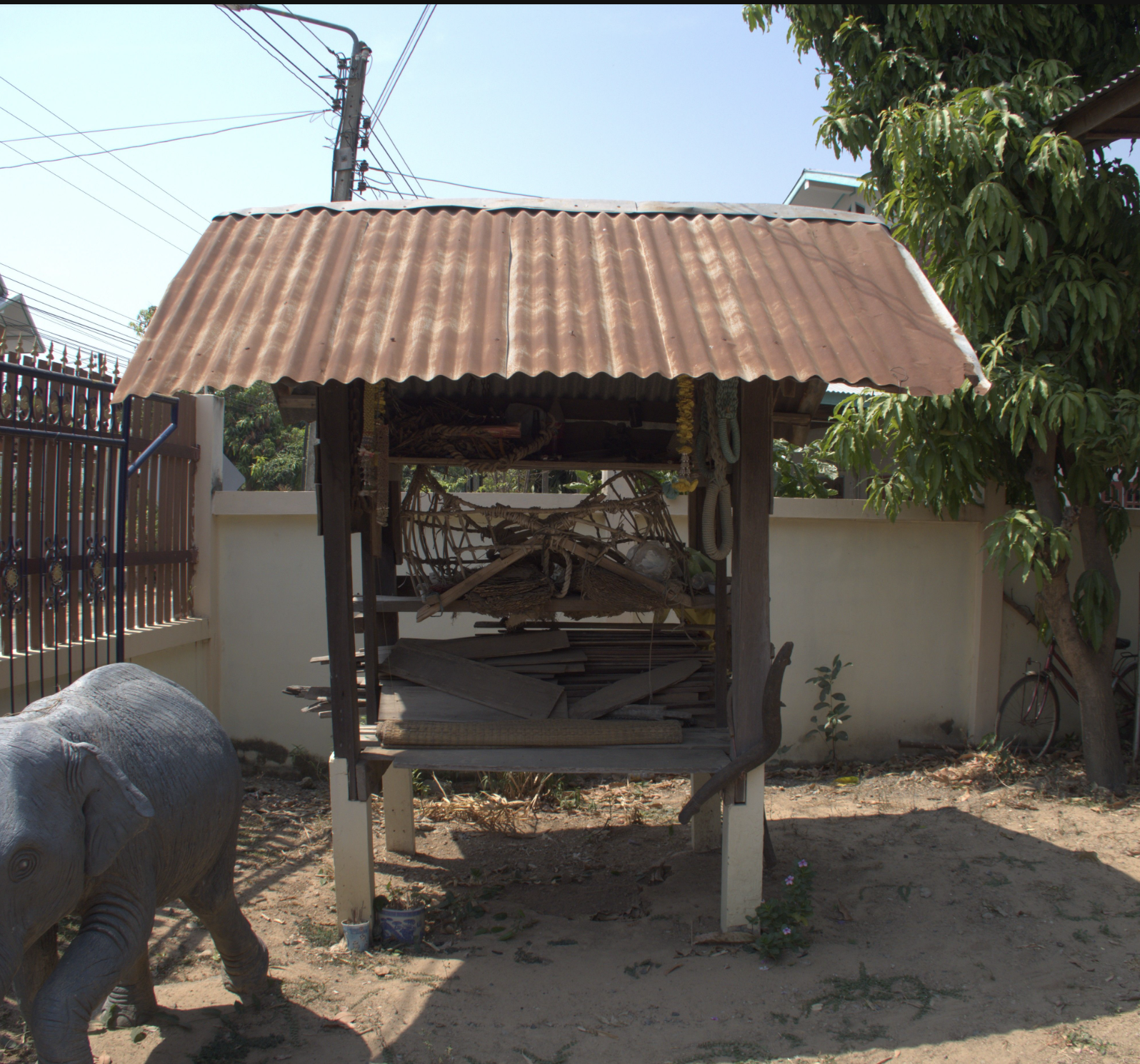
ปะกำ (ภะษากูย) หรือ ผีปะกำ (ภาษาไทย) เป็นวัฒนธรรมที่พบได้เฉพาะในกลุ่มกูยอาจีงหรือกูยเลี้ยงช้างเท่านั้น เป็นวิญญาณของบรรพบุรุษกูยเลี้ยงช้างที่เป็นหมอหรือชั้นครูผู้ชำนาญการคล้องและเลี้ยงช้างที่ล่วงลับไปแล้ว แต่วิญญาณพวกเขาจะยังคงรับรู้และต้องการการเคารพนับถือต่อไปตลอด และคอยดูแลพวกเขาจากเบื้องบน โดยลูกหลานกูยเลี้ยงช้างที่ถือปะกำจะมีศาลปะกำไว้ที่หน้าบ้านตัวเองด้วย เป็นการส่วนตัว แต่สามารถใช้ร่วมกับลูกหลานรุ่นต่อ ๆ มาได้ จะต้องมีการไหว้ปะกำที่ศาลปะกำด้วยหากมีกรณีที่ลูกหลานได้แต่งงานจะออกเรือน ที่เรียกว่า ซัดเต กูยอาจีง และการขึ้นบ้านใหม่ การเจออุปสรรคที่ไม่สามารถแก้ไขด้วยวิธีอื่น ๆ ได้ ก็จะสามารถพึ่งผีปะกำให้ช่วยเหลือได้ เป็นที่พึ่งทางจิตวิญญาณที่กูยเลี้ยงช้างต้องสืบทอดแม้ไม่มีช้างแล้วก็ตาม การผิดผีปะกำอาจส่งผลร้ายต่อการดำรงหรือดำเนินชีวิตไม่แบบใดก็แบบหนึ่ง ชาวกูยอาจีงจึงให้ความสำคัญปะกำเป็นอันดับต้น ๆ ก่อนผีบรรพบุรุษเสียด้วยซ้ำในบางราย และจะไม่อนุญาตให้ผู้ที่ไม่ใช่ลูกหลานโดยตรงมาเซ่นไหว้

Read more

Pakam (in the Kui language) or Phi Pakam (in Thai) is a cultural belief found exclusively among the Kui elephant keepers, also known as Kui Achiang. It refers to the spirits of the Kui ancestors who were masters or experts in elephant capturing and training and have since passed away. These spirits are believed to remain aware of the living, continuing to demand respect and veneration, while also watching over and protecting their descendants from above.

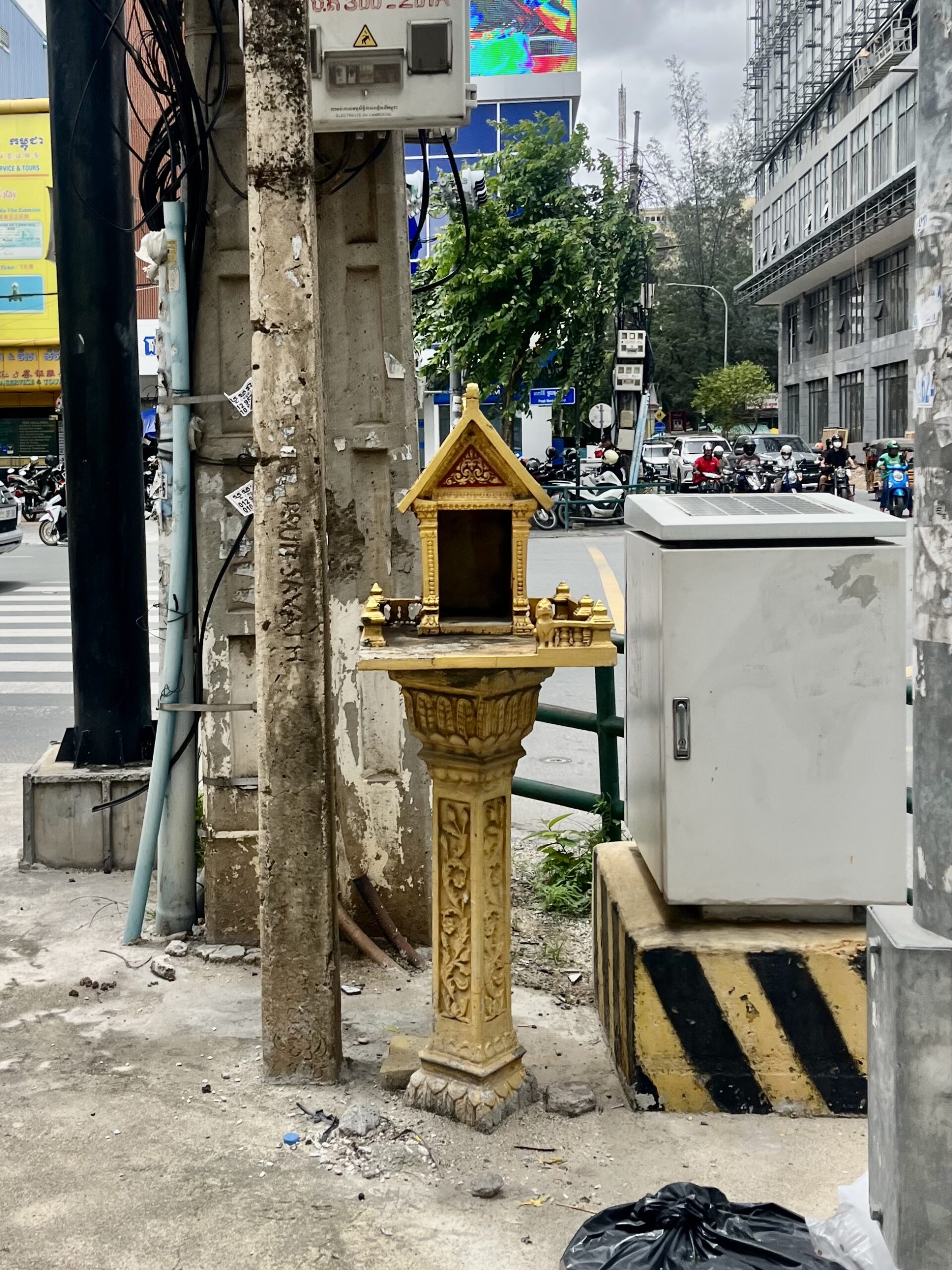
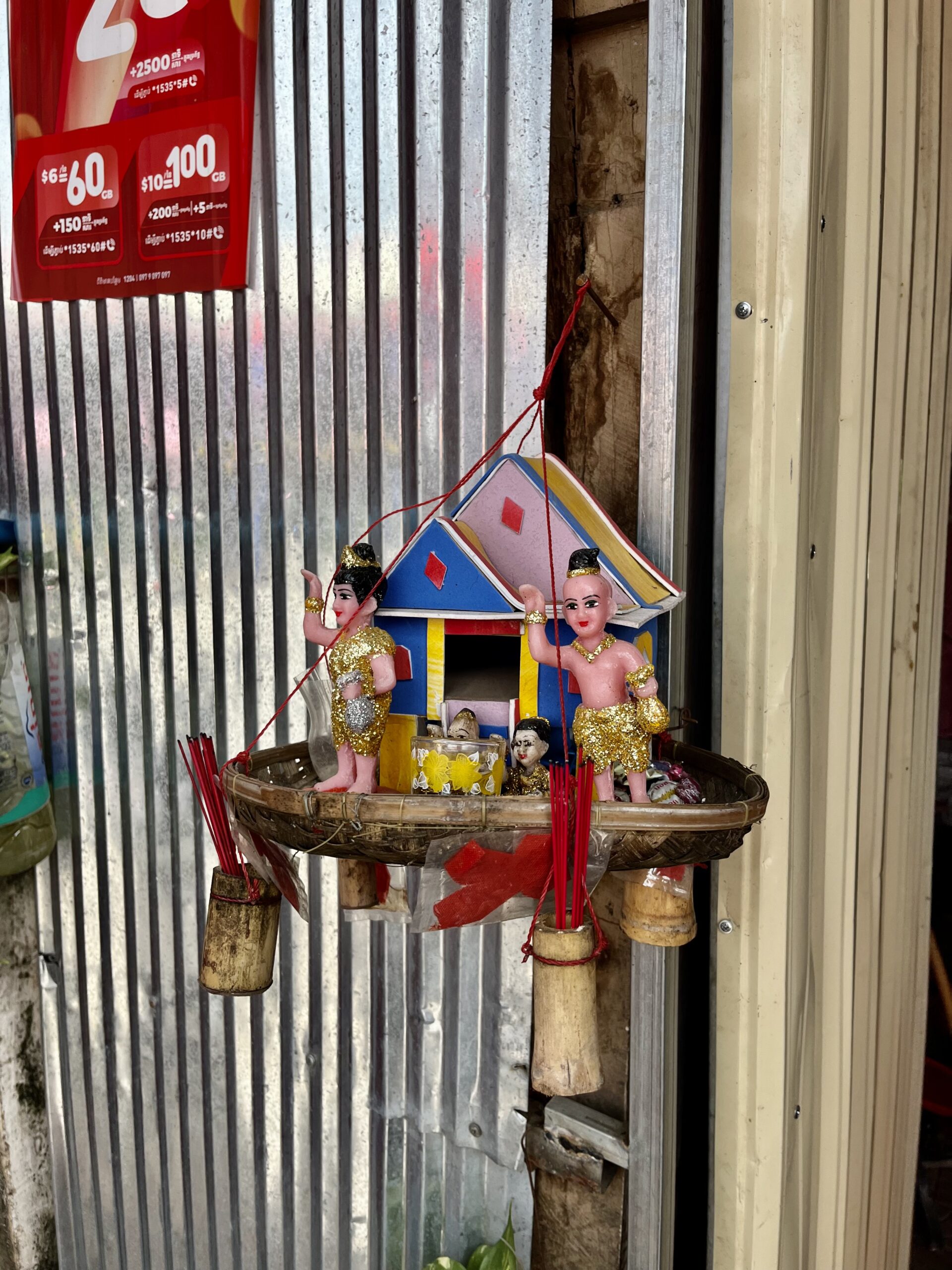
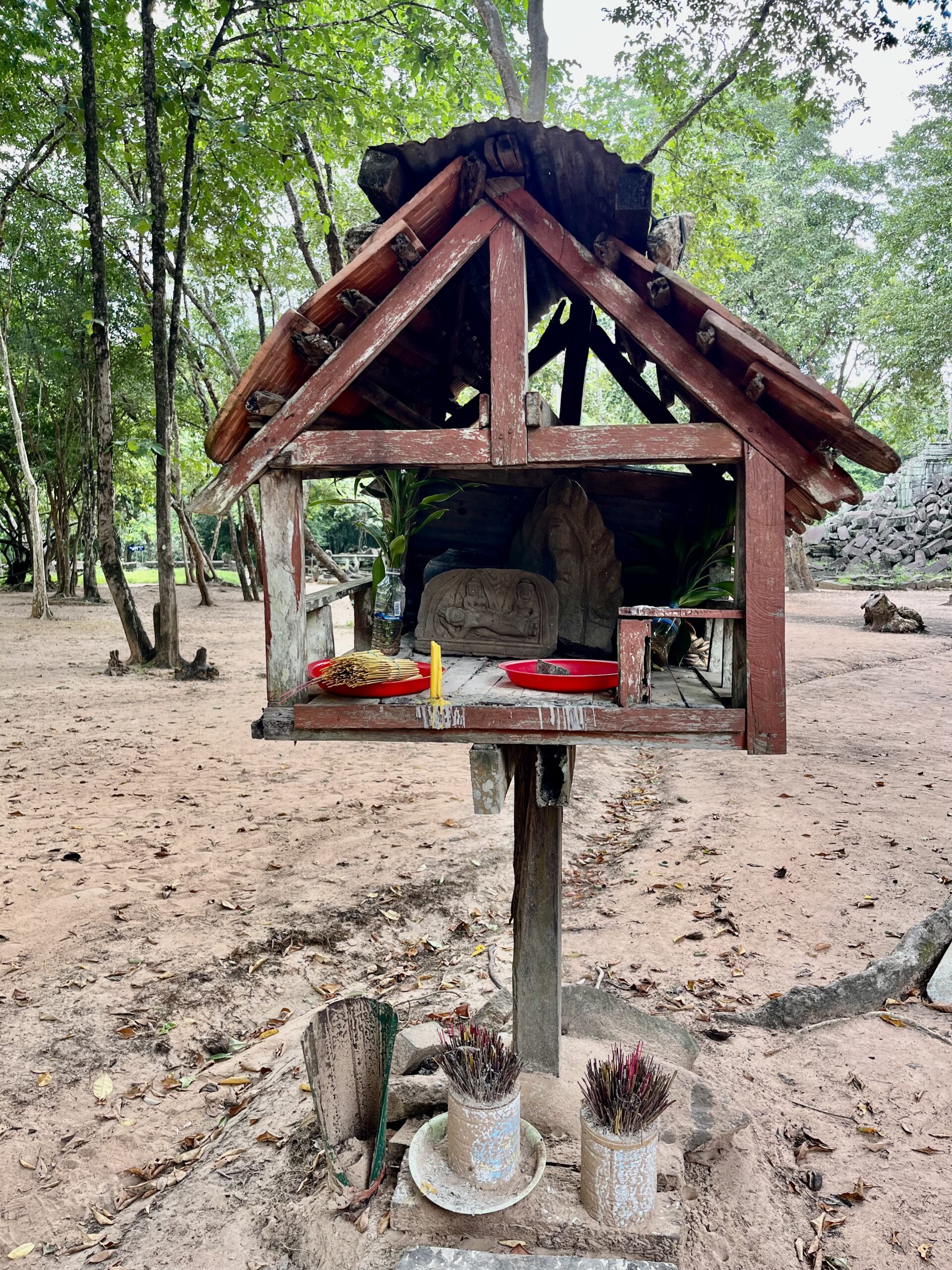
Descendants of Kui elephant keepers who uphold the Pakam tradition usually have a Pakam shrine (called saan Pakam) placed in front of their homes. This shrine is personal but may be shared and used by future generations. Offerings and rituals at the shrine are performed especially during important events — such as marriage (called “Sat Te”/ซัดเต among the Kui Achiang), moving into a new house, or when facing serious difficulties that cannot be resolved through ordinary means. In such times, they may seek help from the Pakam spirits as a spiritual refuge.

Even if a family no longer keeps elephants, the Pakam belief must still be preserved and passed down. Violating the taboos or sacred rules of Pakam may bring misfortune or harm in some form. Because of this, Kui Achiang people often regard Pakam as even more important than ancestral spirits in some cases. Outsiders or those who are not direct descendants are not allowed to make offerings to these spirits.
Date of entry: October 9, 2025
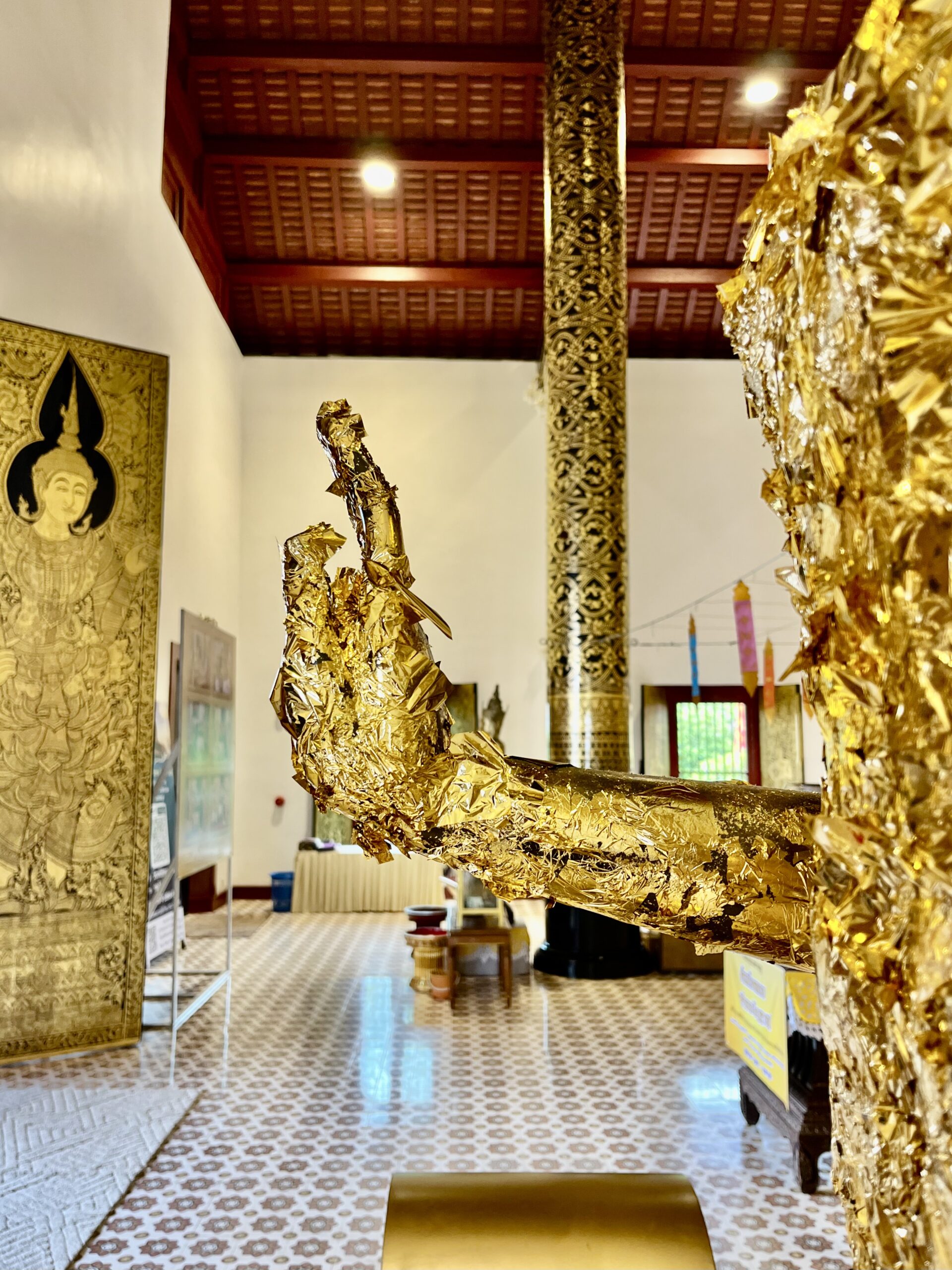
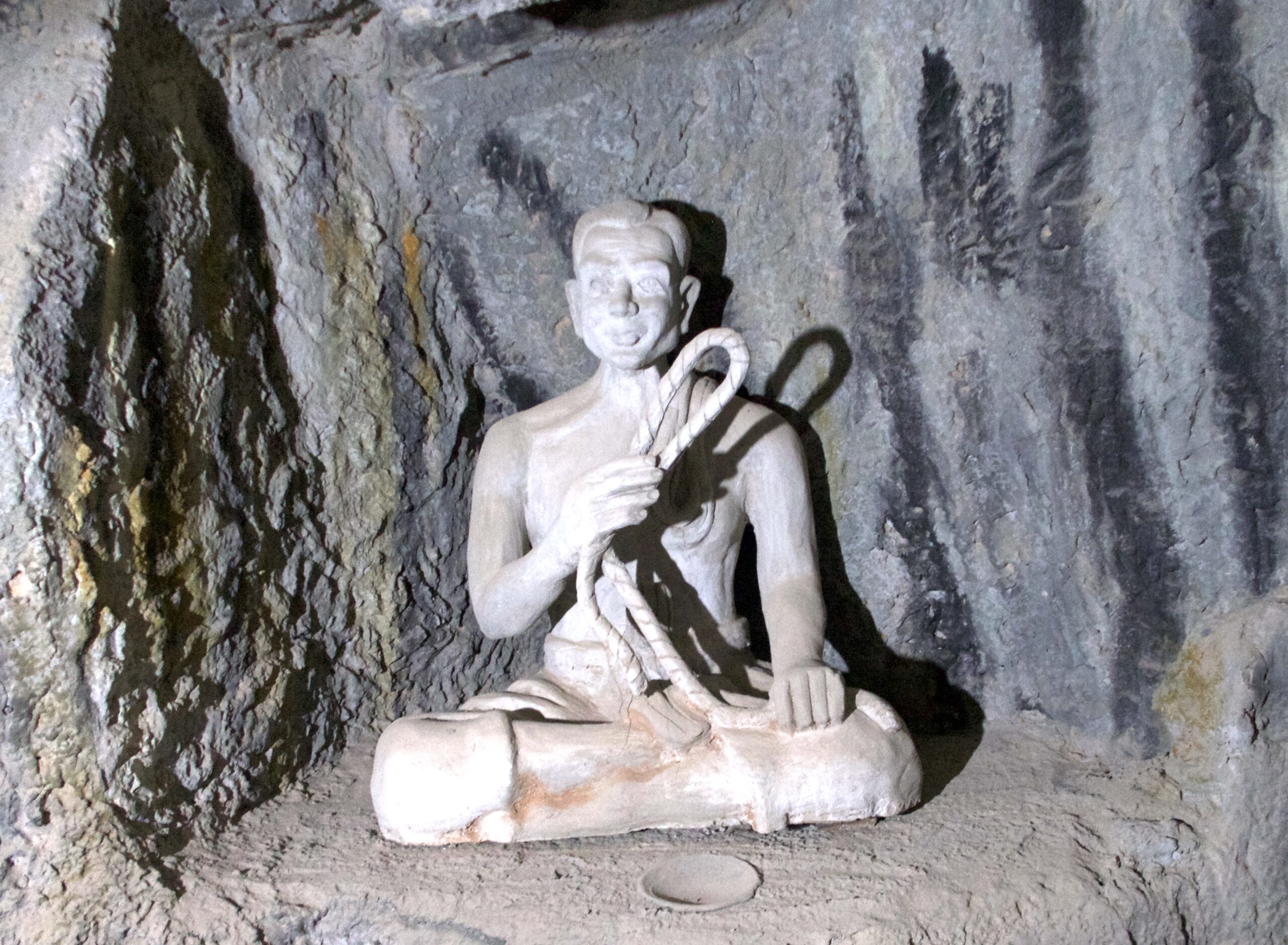
Statue of a man sitting cross-legged, carved in white, holding up a lasso in his right hand.
Statue of Pakam from Wat Pa Ajiang temple, Surin. Photograph by Alisa Santikarn.
The name you would like to be credited with for your contribution.
The word you wish to contribute
Your email for contact and updates regarding your submission.
The language you are contributing the word in
Maximum file size: 3 MB
Maximum file size: 5 MB
By proceeding, I acknowledge and agree to GloCo's Legal notice and Terms of use
and the Guidelines for Contributors *

Related Words

IMG_3464 2
ลงรักปิดทอง/Long Rak Pit Thong
Thai

ลงรักปิดทอง/Long Rak Pit Thong, or ‘lacquering and gilding’, is both a Thai conservation technique and an act of worship and a way of making merit wit...

ម្ចាស់ទឹកម្ចាស់ដី / Mchas Teuk, Mchas Dei
Khmer
mcheasatukamcheasadei

គេ​តែងតែ​គោរព​ពពួក​អស់​នឹង ព្រោះ​ពពួក​អស់​នឹង​គេ​តាម​បីបាច់​ថែរក្សា​យើង ហើយ​ខ្លះ​ទៀត ពេល​ណា​ដែល​ម្ចាស់ផ្ទះ​មាន​គ្រោះ មាន​ភ័យ មាន​អន្តរាយ​អ្វីមួយ​កើត​ម...

Shrine PP
ព្រះភូម / Preah Phum
Khmer

អ​ញ្ចឹ​ង​ពពួក​ភូមិ​ទេវតា តាម​ការពារ និង​ថែរក្សា​ម្ចាស់ផ្ទះ​នឹង ទាល់តែ​ម្ចាស់ផ្ទះ​នឹង​ជា​អ្នកមាន​ទាន មាន​សីល មាន​សេចក្តី​ល្អ ប្រព្រឹត្ត​សេចក្តី​ល្អ​ដែរ...

Spirit House
ម្រេញគង្វាល / Mrenh Kongveal
Khmer
m'renh kung'viel

ម្រេញគង្វាល គឺជាភពអមនុស្ស ដែលជាកញ្ចក់ឆ្លុះបញ្ចាំងពីភពរបស់យើង ដែលភាគច្រើនយើងតែងតែហៅក្មេងឃ្វាលគោ ឃ្វាល ក្របី។ ដោយសាររឿងហ្នឹងវាទាក់ទងបាយសំណុំ ទឹកបំពង់ ដែ...

Shrine
រានទេវតា / Rean Devata
Khmer
rien tevada

ព្រះភូមទេវតា ឬរានទេវតានេះ គេដាក់នឹង គឺភាគច្រើនគេដាក់សម្រាប់ឱ្យពពួកភូមទេវតារស់នៅ មានដូចជាអរុក្ខទេវតា ភូមិទេវតាដែលយើងហៅថាម្រេញគង្វាល ។ ហើយការដាក់ទាំងអស់...

Cambodia_2014_-_panoramio_(12)
លោកតាស្នាប់ / Lok Ta Snap
Khmer

អ្នកដែលមិនជឿលើព្រះបិតា លោកតាស្នាប់ បានជួបប្រទះអភ័យហេតុផ្សេងៗគ្នា៖ ម៉ូតូរបស់ពួកគេខូចនៅពេលបើកចូលព្រៃ ខណៈដែលមនុស្សខ្លះវិលត្រឡប់មកវិញបានដួលចេញពីម៉ូតូ បាក់...

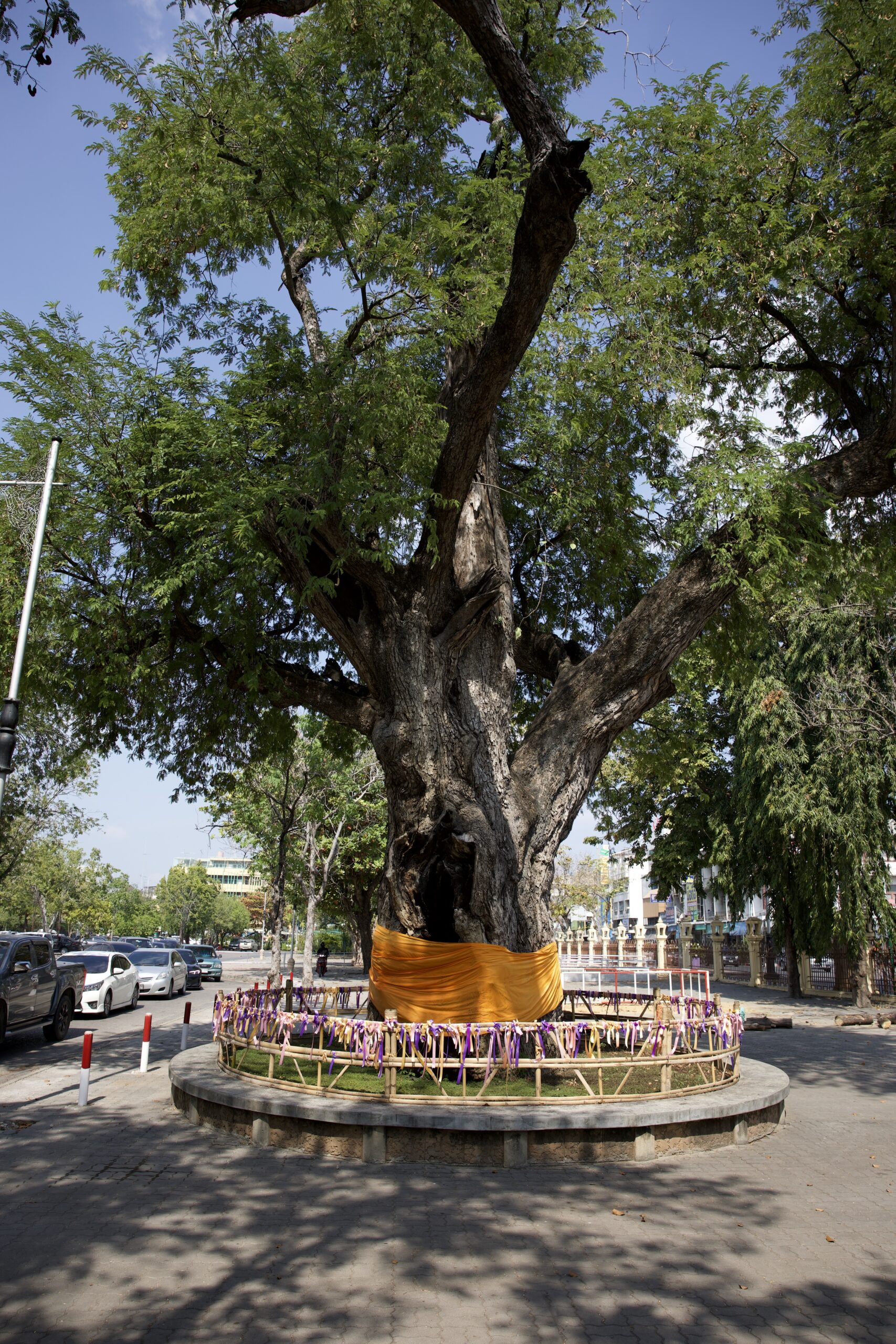
A large tree with green leaves and thick strip of orange cloth wrapped around its base. The tree is enclosed with a round metal fence. Outside of the fence is pavement, with a row of parked cars down the left side.
บวชต้นไม้/buat tonmai
Thai
Bwch t̂nmị̂

บวชต้นไม้/buat ton mai, also known as 'tree ordination', is a method of conserving trees in Thailand rooted in Buddhism. The practice emerged as a res...

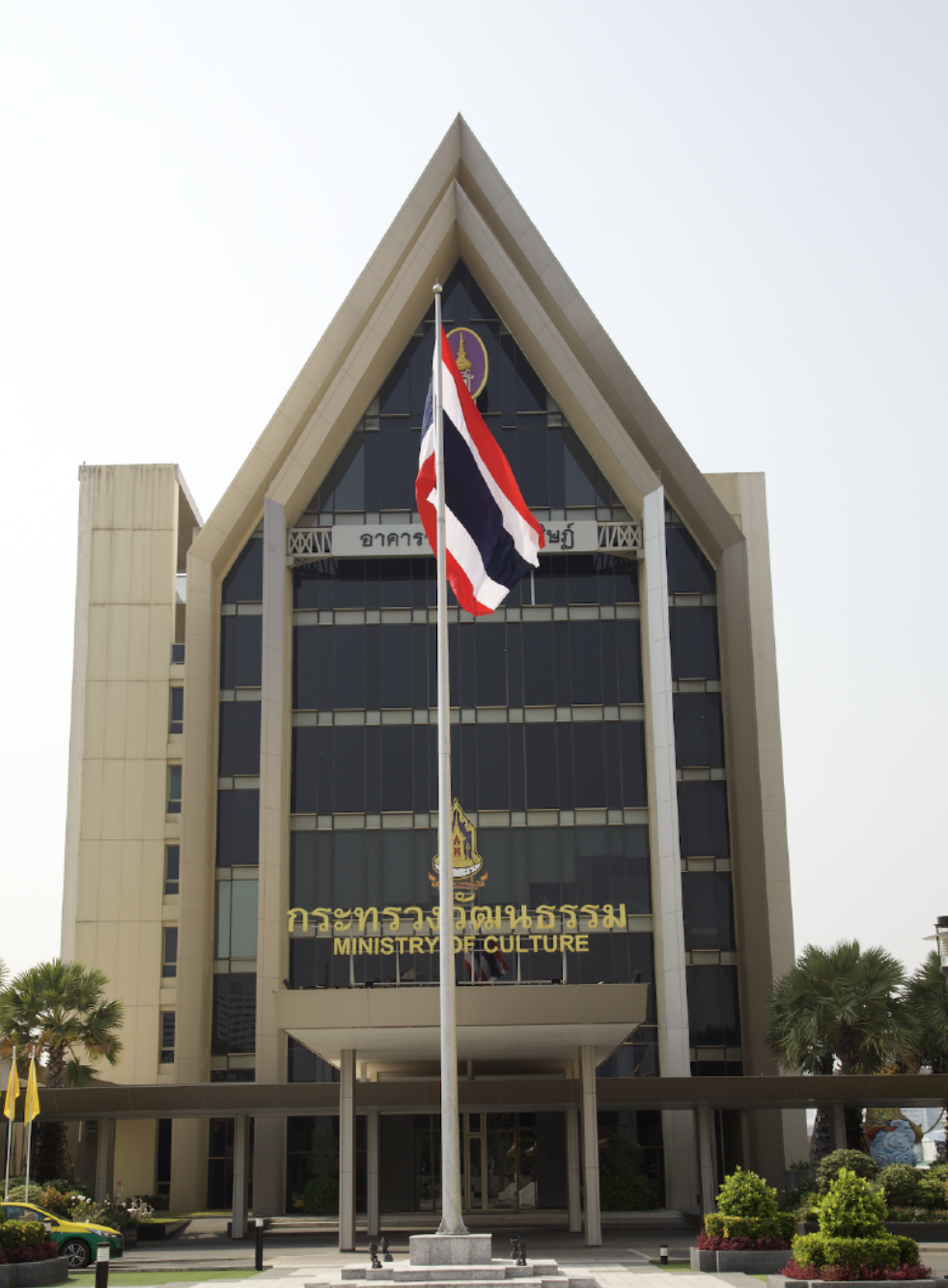
A building with large windows and a triangular roof. The sign reads: Ministry of Culture. There is a Thai flag with red, white, blue, white and red horizontal stripes on a flag pole in front of the building.
วัฒนธรรม/Wattanatham
Thai
Wạtʹhnṭhrrm

วัฒนธรรม/Wattanatham (meaning ‘culture’) is one of over one thousand terms coined by Prince Wan Waithayakon. In a 1975 interview, Prince Wan, who atte...

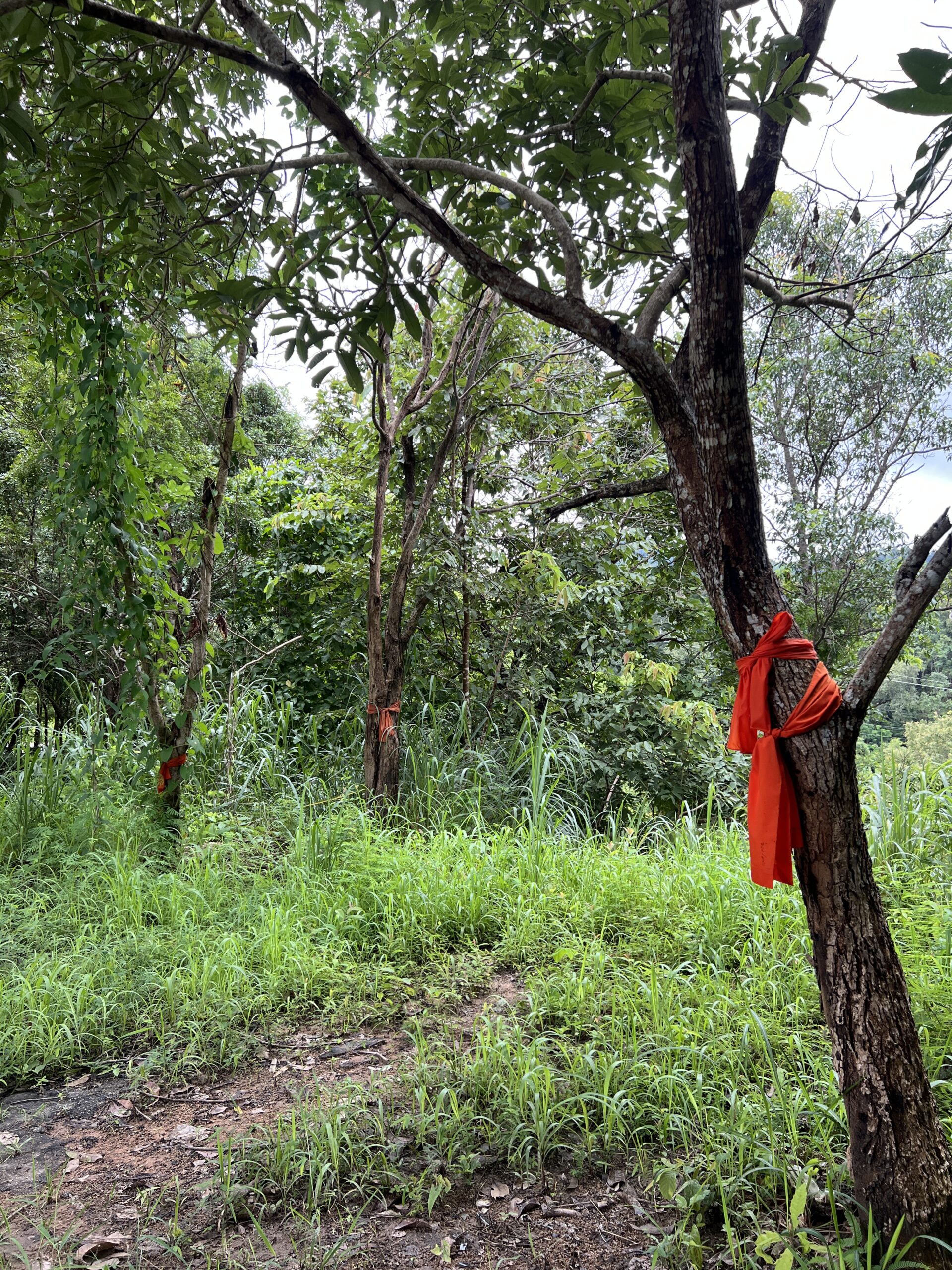
A sparse forest with thin trees. The trees are each wrapped in a strip of bright red/orange cloth.
ธรรมชาติ/thammachat
Thai
Ṭhrrmchāt

ธรรมชาติ/Thammachat, meaning ‘nature’ in Thai, was a term coined as part of a larger language policy spanning the late-19th and 20th centuries, involv...

There is a plant in the centre with thin branches with small, oval, green leaves. In the background is a lush green field and a blue sky with white clouds.
Ta'o
Manggarai (Indonesia)

Traditional Manggarai weaving designs used natural dyes as the background, including indigo, known as 'tao' in the Manggarai language or 'nila', meani...

error: