ธรรมชาติ/thammachat

Pronunciation: Ṭhrrmchāt
Language: Thai
Also known as: nature, tam-má-châat

Description

ธรรมชาติ/Thammachat, meaning ‘nature’ in Thai, was a term coined as part of a larger language policy spanning the late-19th and 20th centuries, involving the expansion of the Thai vocabulary to encompass newly-introduced Western terms and concepts. Although ‘thammachat’ was the term constructed to describe the Western term, ‘nature’, it is imbued with locally specific meaning. Chusak (2008, p. 112), for example, notes that thammachat encompasses both the “wilderness discourse of the West” alongside a more Buddhist approach to nature. 

This is visible in its etymology: ‘thamma’/ธรรม, coming from the Pali dhamma and Sanskrit धर्म (dhárma), refers to the teachings of Buddha. When combined with ‘chat’/ชาติ, from the Pali jāti and Sanskrit जाति, meaning ‘birth’, ‘thammachat’ can be viewed as meaning: ‘born of the dharma’ (Darlington, 1997; Lohmann, 1999); effectively attaching Buddhist teachings to the Thai construction of nature through language. 

‘Thammachat’ ultimately represents a combination of Thai and Eurocentric perceptions of nature. As Pinkaew (2000, p. 19) writes, thammachat is “used to accommodate the western term, ‘nature’” while also including Thai-based understandings of “natural law, native (abilities), [and] naturalistic (religion)”. 

Nature in this Thai conception is also distinctive in that it does not offer a neat separation of nature and culture. As Forsyth and Walker (2008, p. 28) observe, ‘thammachat’, unlike its predecessor of ‘pa’/ป่า (which describes the ‘wild’), is an ordered landscape, involving a degree of human control and modification. The introduction of ‘thammachat’ also followed the inclusion of the Western extractivist/capitalist view of the environment as a resource, seen, for example, through the use of terms like sappayakon thammachat (natural resources). Importantly, however, this new way of thinking about nature was also exclusionary, as it established those who were able to take advantage of this nature and benefit from its resources. ‘Thammachat’ transformed nature into something for the middle class, to satisfy their “aesthetic, educational, and recreational needs” (Ribó, 2018, p. 42). Accordingly, ‘thammachat’ became, from its very concept, an “elite Thai word” (Rigg and Stott, 1998, p. 91). 

Rather than replacing ‘pa’, ‘thammachat’ sat alongside it, entailing a separation of nature along social boundaries. As Alisa (2025, p. 58) notes, “[t]his process of civilising and adopting the country’s natural/wild spaces and resources did not extend to the “wild people”—the chao pa [ชาวป่า]—who remain removed from society and continue to be seen and named as part of the pa, rather than the more acceptable thammachat. Therefore, while the Thai urban upper and middle classes expanded their realms to include the forests, they did so to the exclusion of the people occupying these spaces.”


The above is adapted from Indigenous Heritage and Identity of the Last Elephant Catchers in Northeast Thailand by Alisa Santikarn (2025, pp. 56–58). 

Read more

Alisa Santikarn. (2025). Indigenous Heritage and Identity of the Last Elephant Catchers in Northeast Thailand. Amsterdam University Press. 

Chusak Wittayapak. (2008). History and geography of identif ications related to resource conflicts and ethnic violence in Northern Thailand. Asia Pacific Viewpoint, 49(1), 111–27.

Darlington, S. (1997). ‘Environment and nature in Buddhist Thailand: Spirit(s) of conservation.’ In H. Selin (Ed.), Encyclopaedia of the history of science, technology, and medicine in non-Western cultures (pp. 1–15). Springer. Doi: 10.1007/978–94–007–3934–5_8570–2. 

Forsyth, T., & Walker, A. (2008). Forest guardians, forest destroyers: The politics of environmental knowledge in Northern Thailand. University of Washington Press.

Lohmann, L. (1999). Forest cleansing: Racial oppression in scientific nature conservation. Corner house briefing 13. www.thecornerhouse.org.uk/resource/forest-cleansing.

Pinkaew Laungaramsri. (2000). ‘Redefining nature: Karen ecological knowledge and the challenge to the modern conservation paradigm.’ [PhD dissertation, University of Washington].

Ribó, I. (2018). ‘Ecocriticism, hermeneutics, and the vanishing elephants of Thailand.’ In J. Ryan (Ed.), Southeast Asian ecocriticism: Theories, practices, prospects. Lexington Books.

Rigg, J., & Stott, P. A. (1998). ‘Forest tales: Politics, policy making, and the environment in Thailand.’ In U. Desai (Ed.), Ecological policy and politics in developing countries: Economic growth, democracy, and environment (pp. 87–120). State University of New York Press.

Date of entry: February 22, 2026
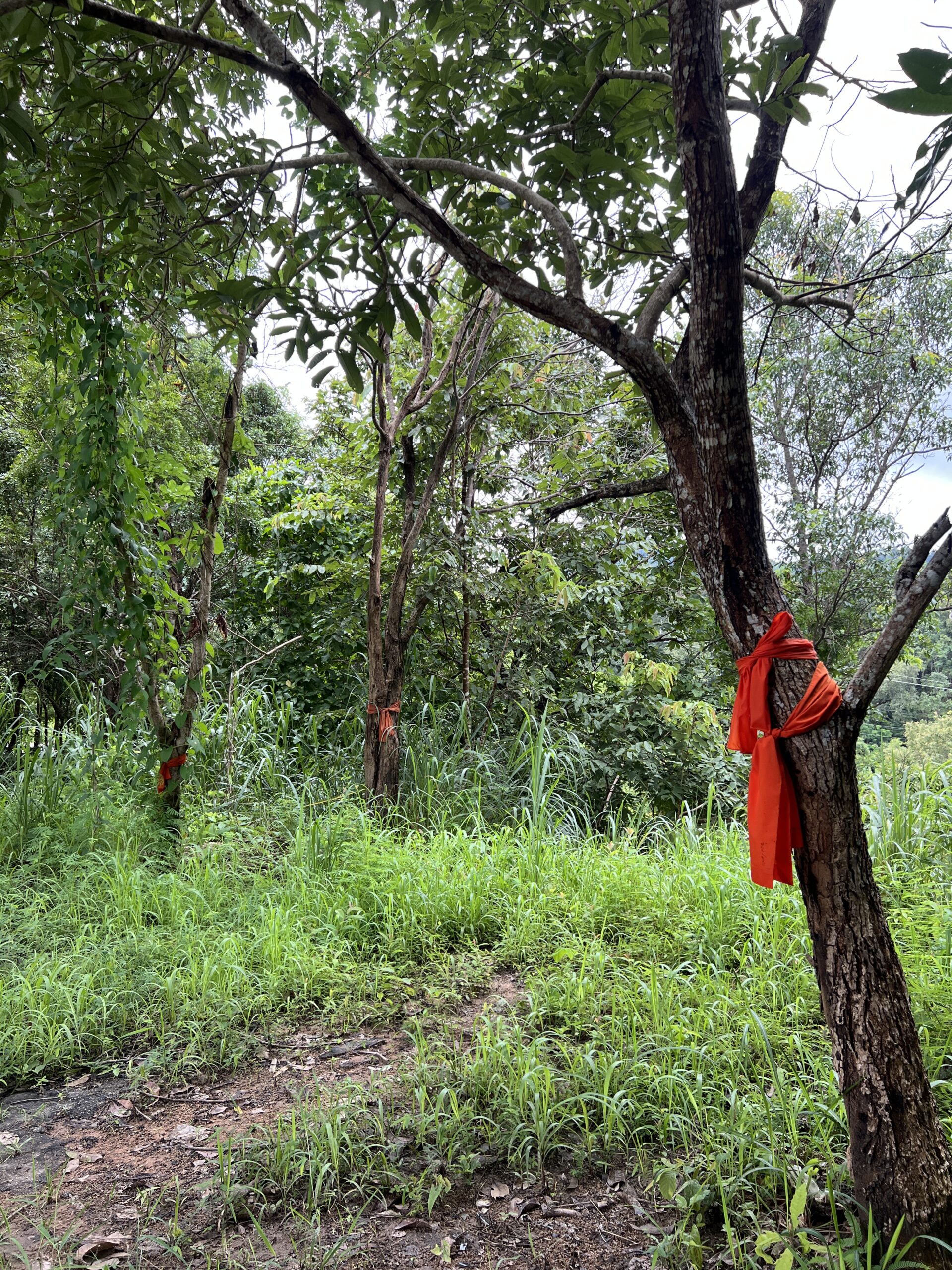
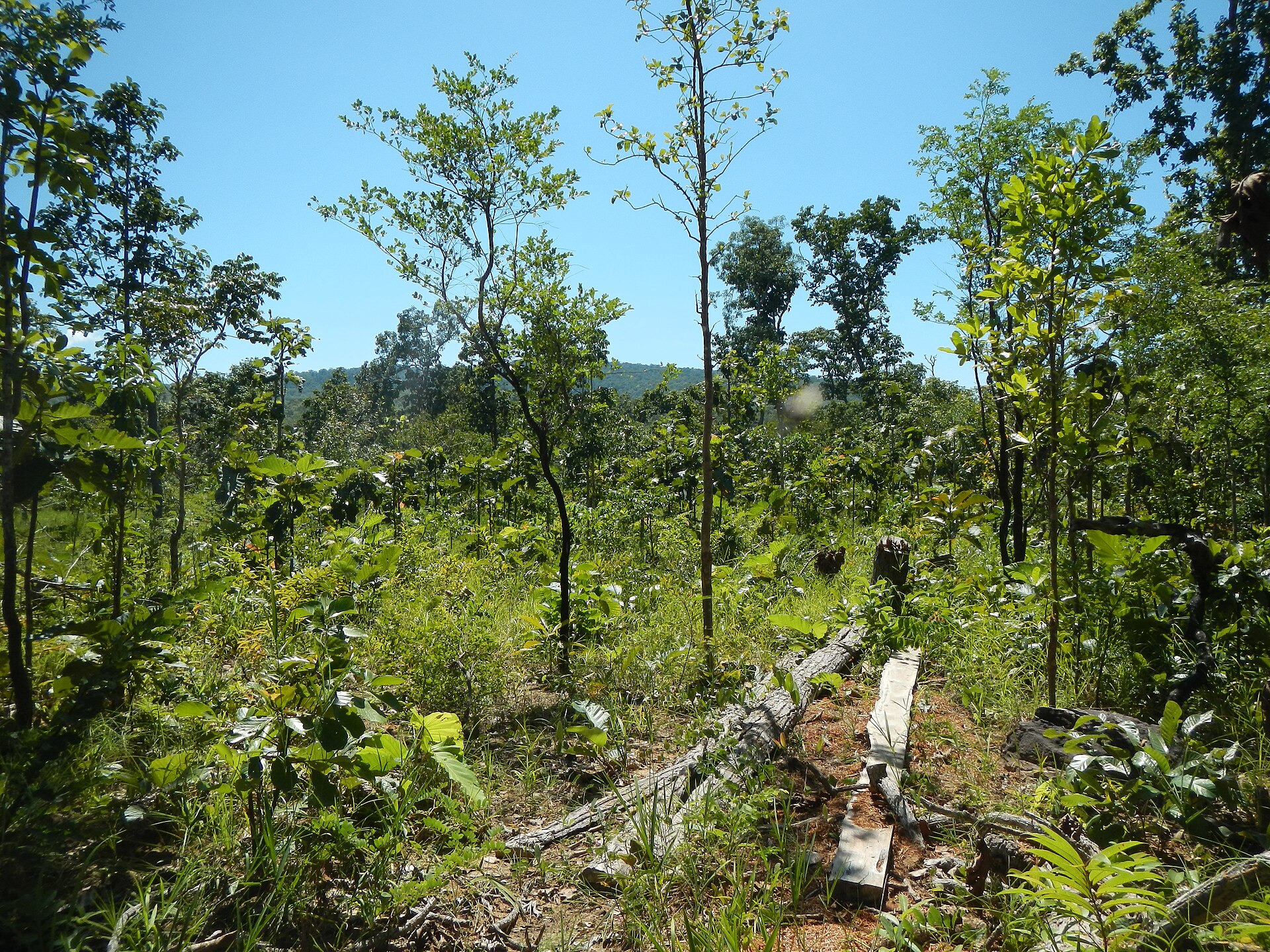
A sparse forest with thin trees. The trees are each wrapped in a strip of bright red/orange cloth.
Photograph by Alisa Santikarn, Chiang Rai, August 2025.
The name you would like to be credited with for your contribution.
The word you wish to contribute
Your email for contact and updates regarding your submission.
The language you are contributing the word in
Maximum file size: 3 MB
Maximum file size: 5 MB
By proceeding, I acknowledge and agree to GloCo's Legal notice and Terms of use
and the Guidelines for Contributors *

Related Words

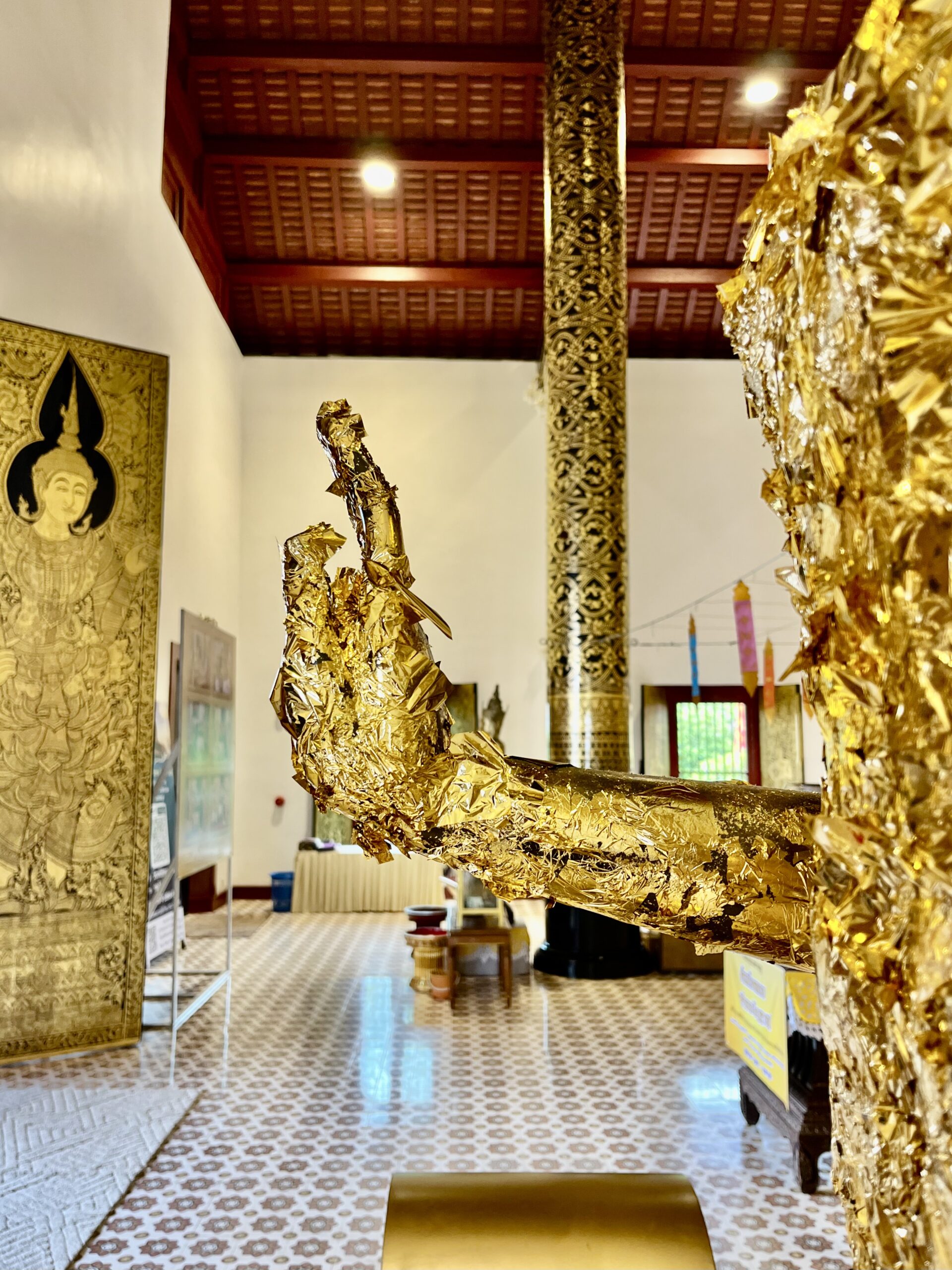
IMG_3464 2
ลงรักปิดทอง/Long Rak Pit Thong
Thai

ลงรักปิดทอง/Long Rak Pit Thong, or ‘lacquering and gilding’, is both a Thai conservation technique and an act of worship and a way of making merit wit...

ម្ចាស់ទឹកម្ចាស់ដី / Mchas Teuk, Mchas Dei
Khmer
mcheasatukamcheasadei

គេ​តែងតែ​គោរព​ពពួក​អស់​នឹង ព្រោះ​ពពួក​អស់​នឹង​គេ​តាម​បីបាច់​ថែរក្សា​យើង ហើយ​ខ្លះ​ទៀត ពេល​ណា​ដែល​ម្ចាស់ផ្ទះ​មាន​គ្រោះ មាន​ភ័យ មាន​អន្តរាយ​អ្វីមួយ​កើត​ម...

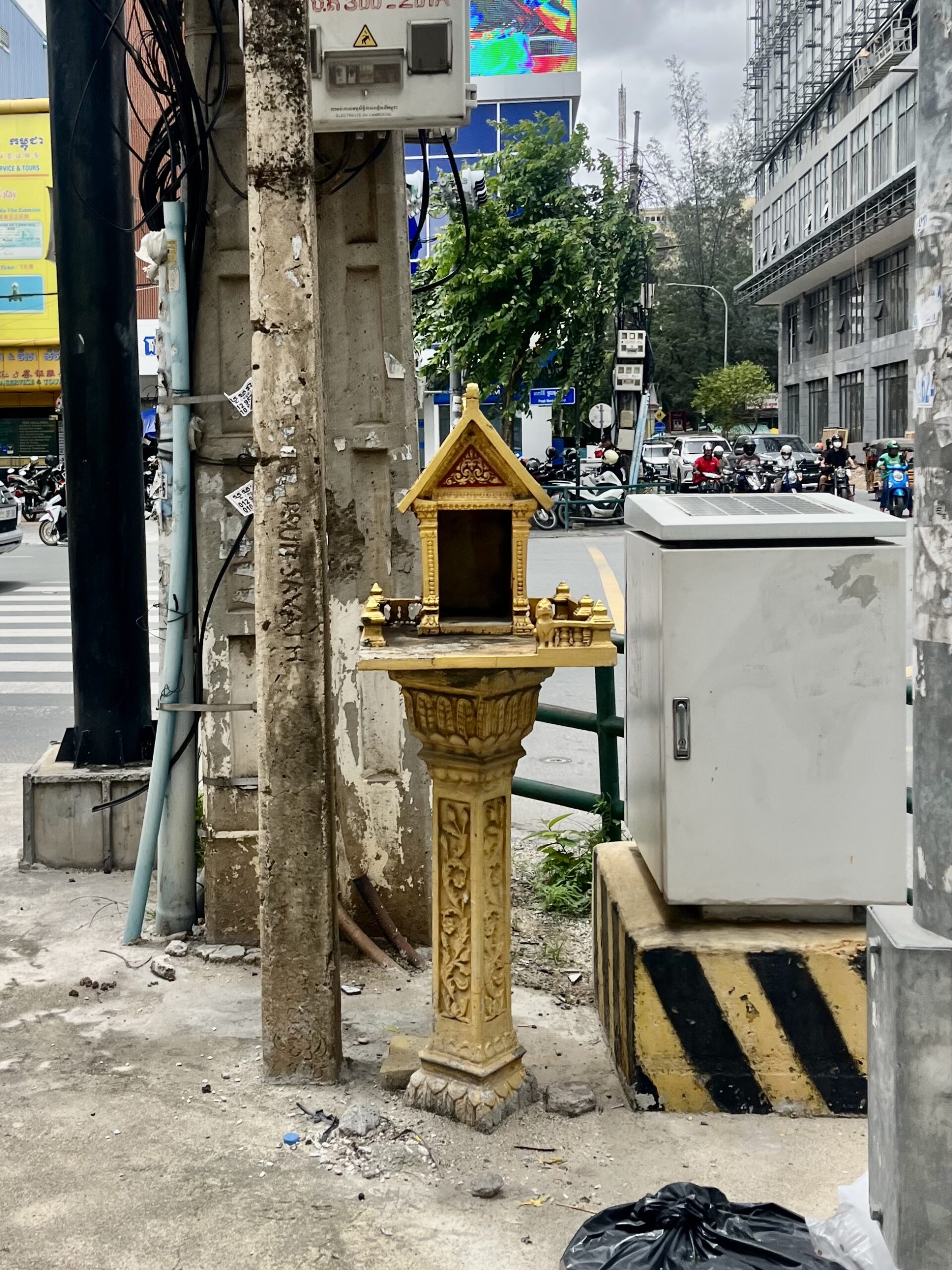
Shrine PP
ព្រះភូម / Preah Phum
Khmer

អ​ញ្ចឹ​ង​ពពួក​ភូមិ​ទេវតា តាម​ការពារ និង​ថែរក្សា​ម្ចាស់ផ្ទះ​នឹង ទាល់តែ​ម្ចាស់ផ្ទះ​នឹង​ជា​អ្នកមាន​ទាន មាន​សីល មាន​សេចក្តី​ល្អ ប្រព្រឹត្ត​សេចក្តី​ល្អ​ដែរ...

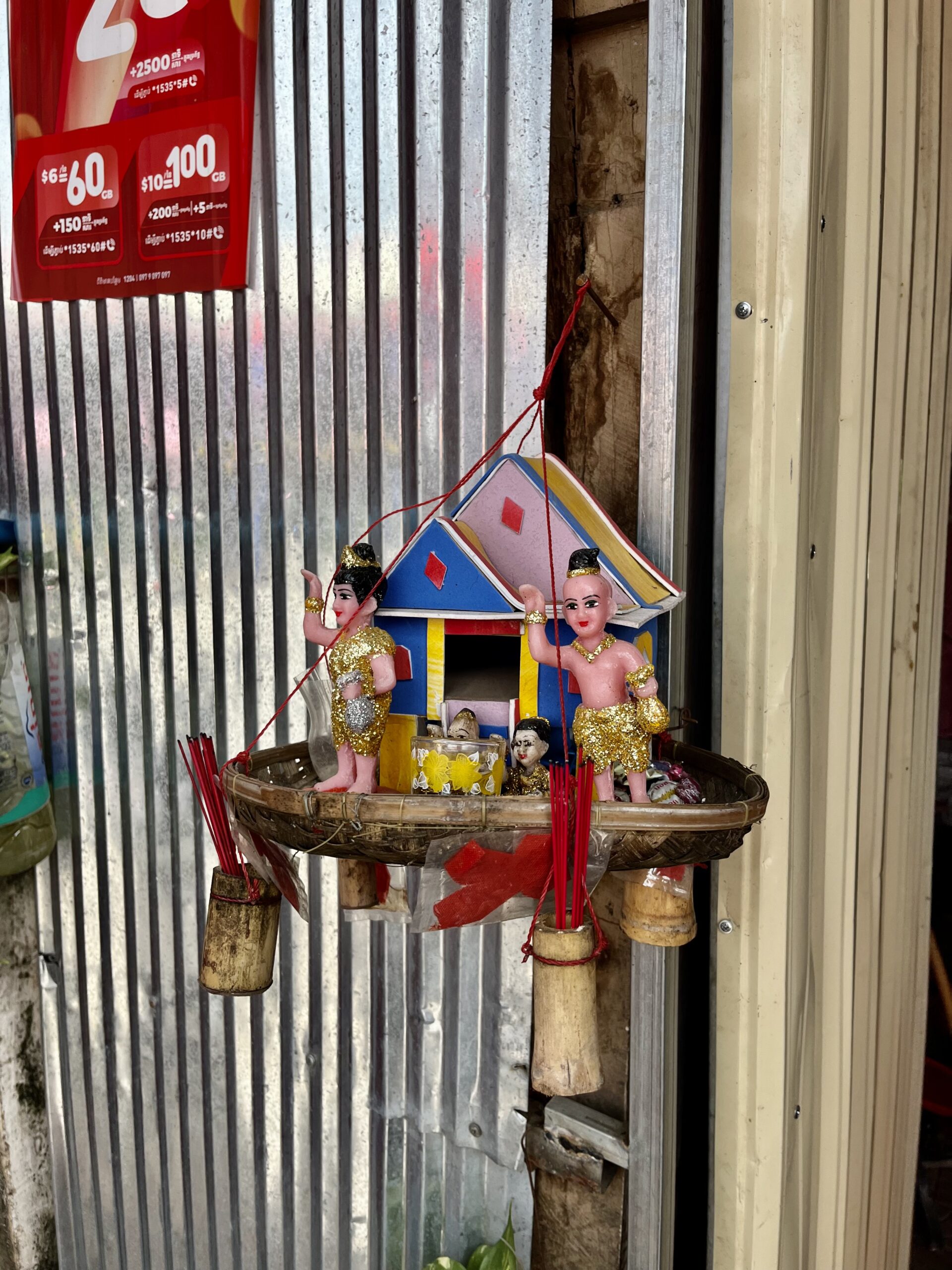
Spirit House
ម្រេញគង្វាល / Mrenh Kongveal
Khmer
m'renh kung'viel

ម្រេញគង្វាល គឺជាភពអមនុស្ស ដែលជាកញ្ចក់ឆ្លុះបញ្ចាំងពីភពរបស់យើង ដែលភាគច្រើនយើងតែងតែហៅក្មេងឃ្វាលគោ ឃ្វាល ក្របី។ ដោយសាររឿងហ្នឹងវាទាក់ទងបាយសំណុំ ទឹកបំពង់ ដែ...

Shrine
រានទេវតា / Rean Devata
Khmer
rien tevada

ព្រះភូមទេវតា ឬរានទេវតានេះ គេដាក់នឹង គឺភាគច្រើនគេដាក់សម្រាប់ឱ្យពពួកភូមទេវតារស់នៅ មានដូចជាអរុក្ខទេវតា ភូមិទេវតាដែលយើងហៅថាម្រេញគង្វាល ។ ហើយការដាក់ទាំងអស់...

Cambodia_2014_-_panoramio_(12)
លោកតាស្នាប់ / Lok Ta Snap
Khmer

អ្នកដែលមិនជឿលើព្រះបិតា លោកតាស្នាប់ បានជួបប្រទះអភ័យហេតុផ្សេងៗគ្នា៖ ម៉ូតូរបស់ពួកគេខូចនៅពេលបើកចូលព្រៃ ខណៈដែលមនុស្សខ្លះវិលត្រឡប់មកវិញបានដួលចេញពីម៉ូតូ បាក់...

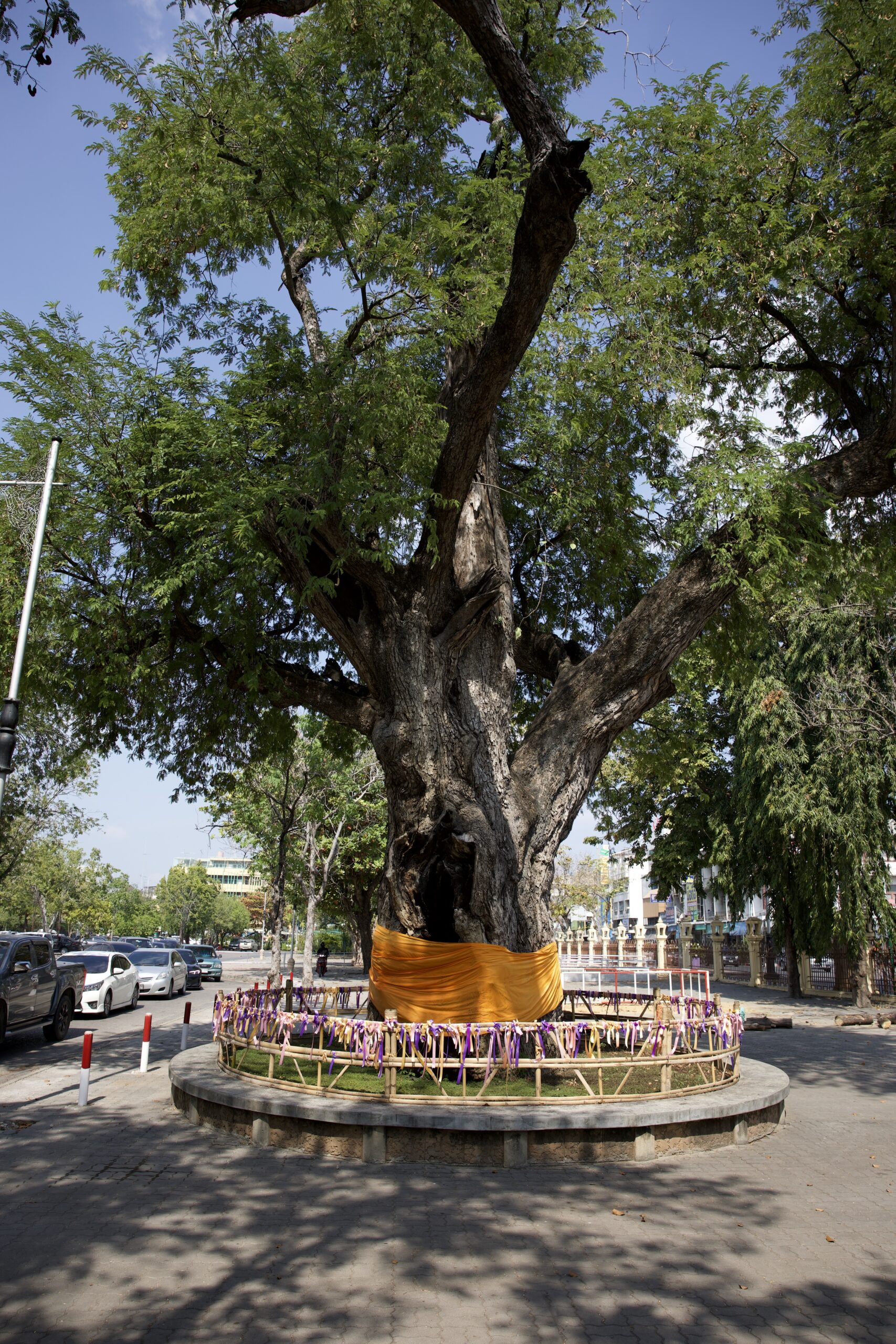
A large tree with green leaves and thick strip of orange cloth wrapped around its base. The tree is enclosed with a round metal fence. Outside of the fence is pavement, with a row of parked cars down the left side.
บวชต้นไม้/buat tonmai
Thai
Bwch t̂nmị̂

บวชต้นไม้/buat ton mai, also known as 'tree ordination', is a method of conserving trees in Thailand rooted in Buddhism. The practice emerged as a res...

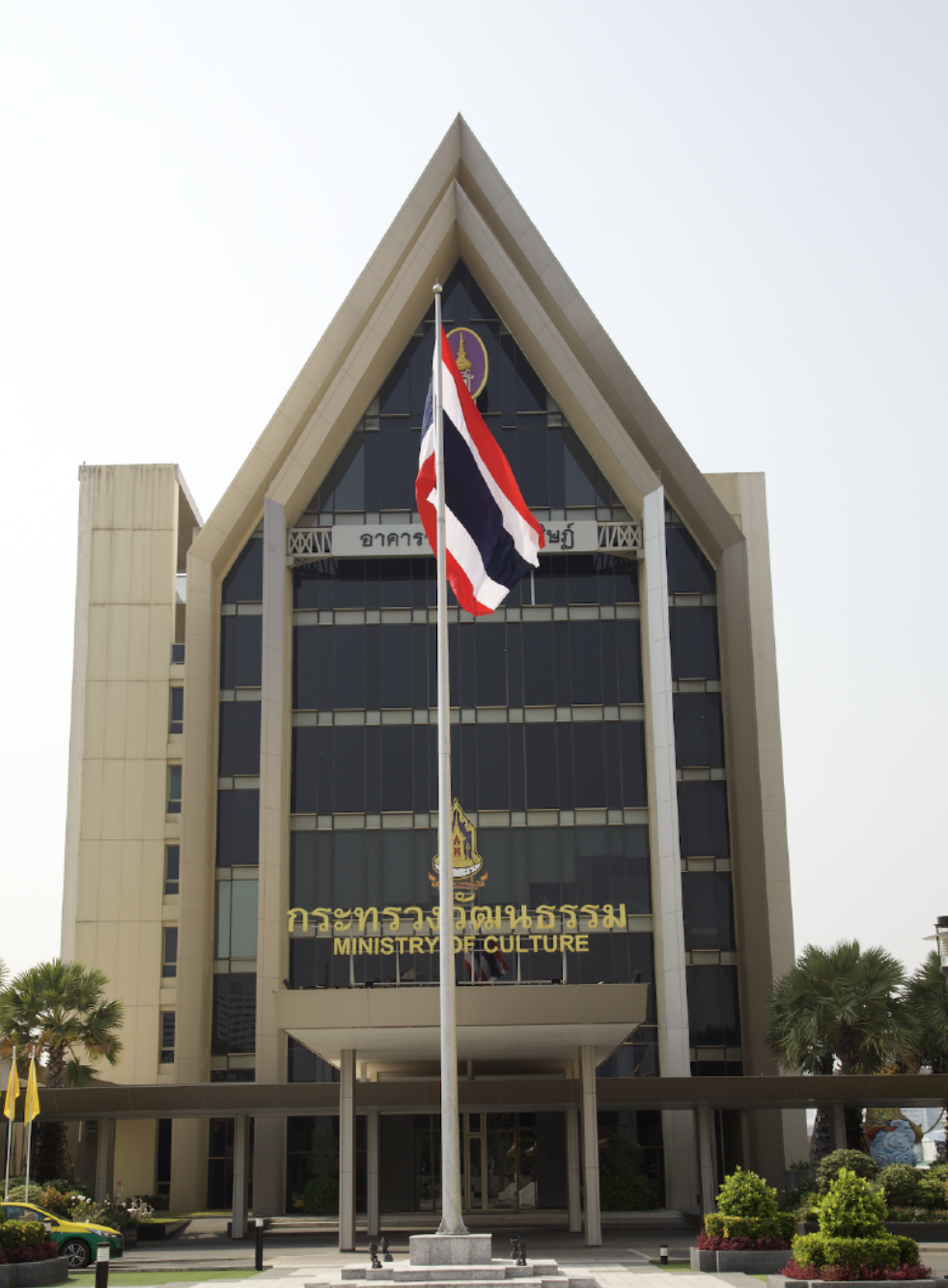
A building with large windows and a triangular roof. The sign reads: Ministry of Culture. There is a Thai flag with red, white, blue, white and red horizontal stripes on a flag pole in front of the building.
วัฒนธรรม/Wattanatham
Thai
Wạtʹhnṭhrrm

วัฒนธรรม/Wattanatham (meaning ‘culture’) is one of over one thousand terms coined by Prince Wan Waithayakon. In a 1975 interview, Prince Wan, who atte...

Statue of a man sitting cross-legged, carved in white, holding up a lasso in his right hand.
ปะกำ/Pakam
Kui (Thailand)
pĕē pakam

ปะกำ (ภะษากูย) หรือ ผีปะกำ (ภาษาไทย) เป็นวัฒนธรรมที่พบได้เฉพาะในกลุ่มกูยอาจีงหรือกูยเลี้ยงช้างเท่านั้น เป็นวิญญาณของบรรพบุรุษกูยเลี้ยงช้างที่เป็นหมอหร...

There is a plant in the centre with thin branches with small, oval, green leaves. In the background is a lush green field and a blue sky with white clouds.
Ta'o
Manggarai (Indonesia)

Traditional Manggarai weaving designs used natural dyes as the background, including indigo, known as 'tao' in the Manggarai language or 'nila', meani...

error: