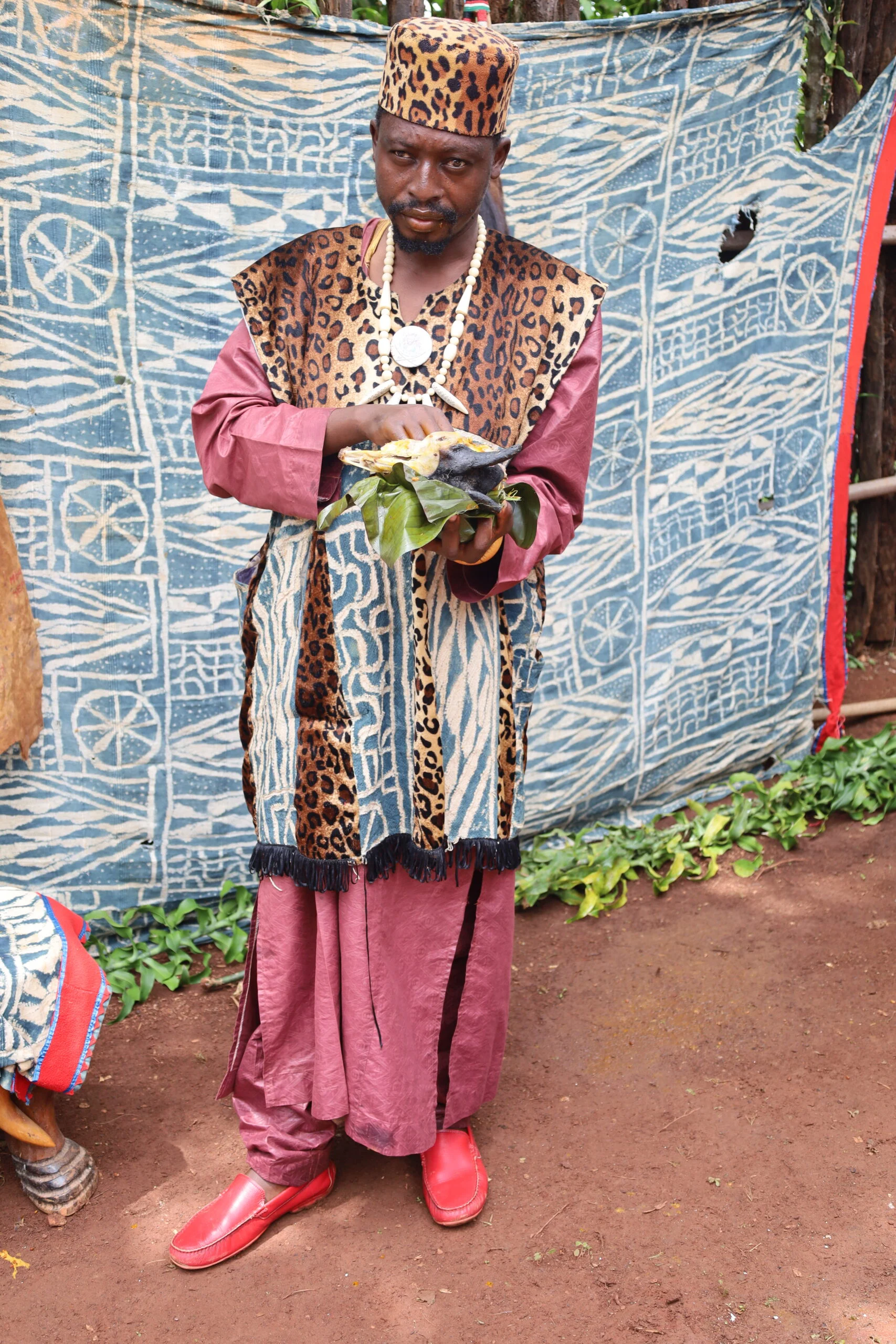
Gwísī (women of God) and Nkemsī (noblemen of God) are priestesses and priests. They are also doctors, diviners, and religious officials. According to Franck Beuvier (2018, 263–286), this corps of diviners appeared at the beginning of colonization in the Bamiléké cultural space, around 1930, as a counterweight to the social destructuring brought about by colonial institutions. Their social role grew from that point on, to the detriment of that of the Ngaŋnga* and Ngaŋafhu* (ancient bodies of diviners and doctors). These women and noblemen of God are linked to specific spirits or divinities (Sī*), from whom they receive their power and their botanical and medicinal knowledge via either visions or possession. Their entry into office is preceded by an initiation rite known as the Sī* rite, inspired by the twin rite (Beuvier 2018, 267), named after the first Djwisī who were all mothers to twins. In the past, Djwisī and Nkemsī were recognizable by the dreadlocks they sported; the longer the hair, the more powerful and respected they were considered to be.
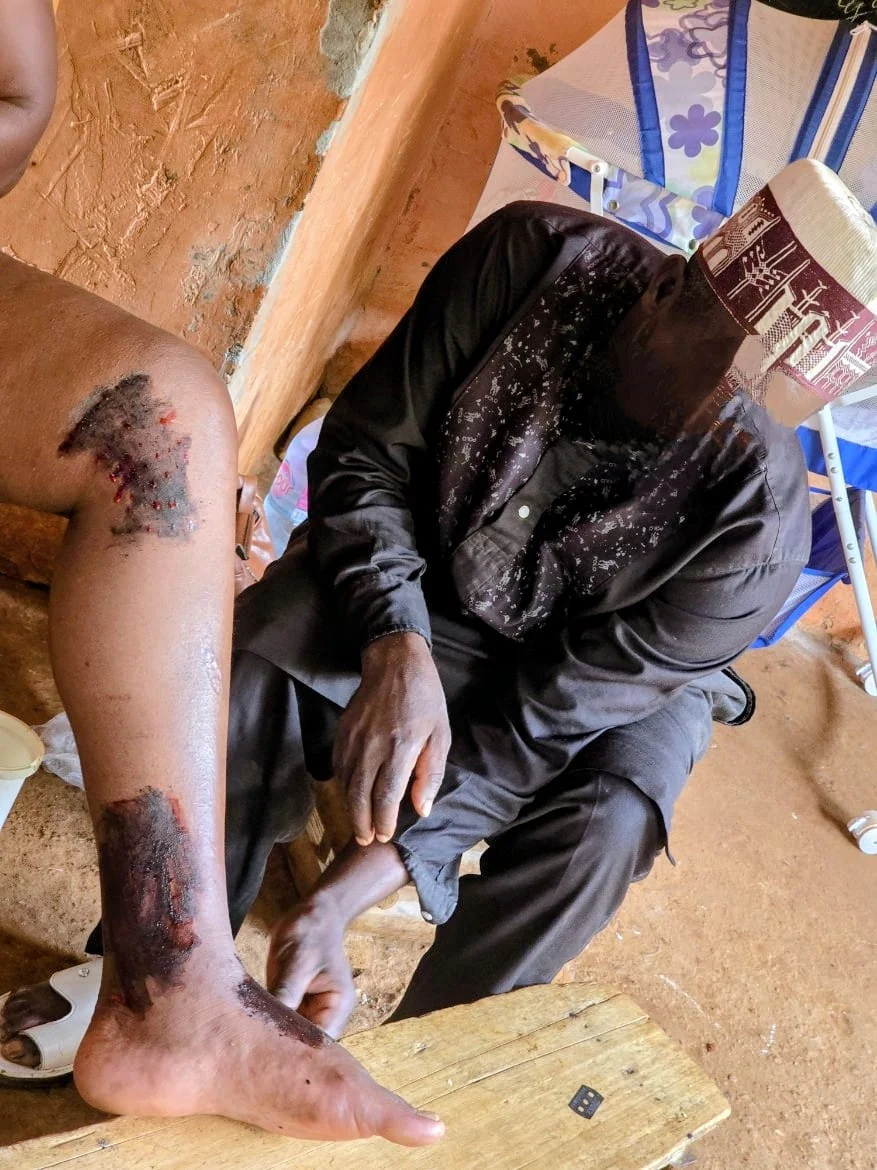
Their ability to communicate with the spirits of the deceased has made them a hub of historical memory for Bamiléké families (De Rosny 2014, 271–280). They are regularly consulted for therapeutic, spiritual, or ritual solutions to parental ties (Ndonko 2017, 6). During these consultations, they communicate with spirits who reveal any conditions likely to lead to misfortune in the patient’s life. They also reveal premonitory events, whether fortunate or unfortunate, which may help the patient to better live their spirituality and respect traditions. In a way, they are the keepers of Bamiléké tradition