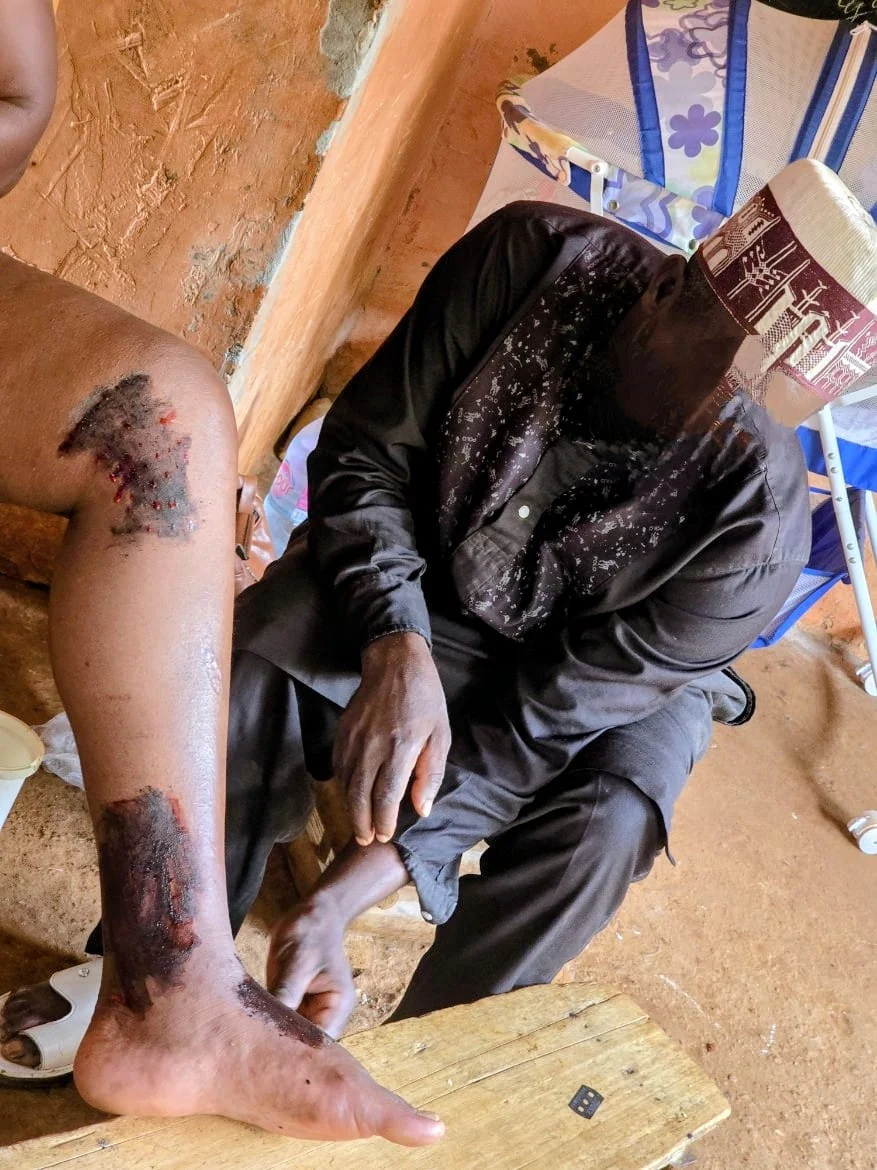
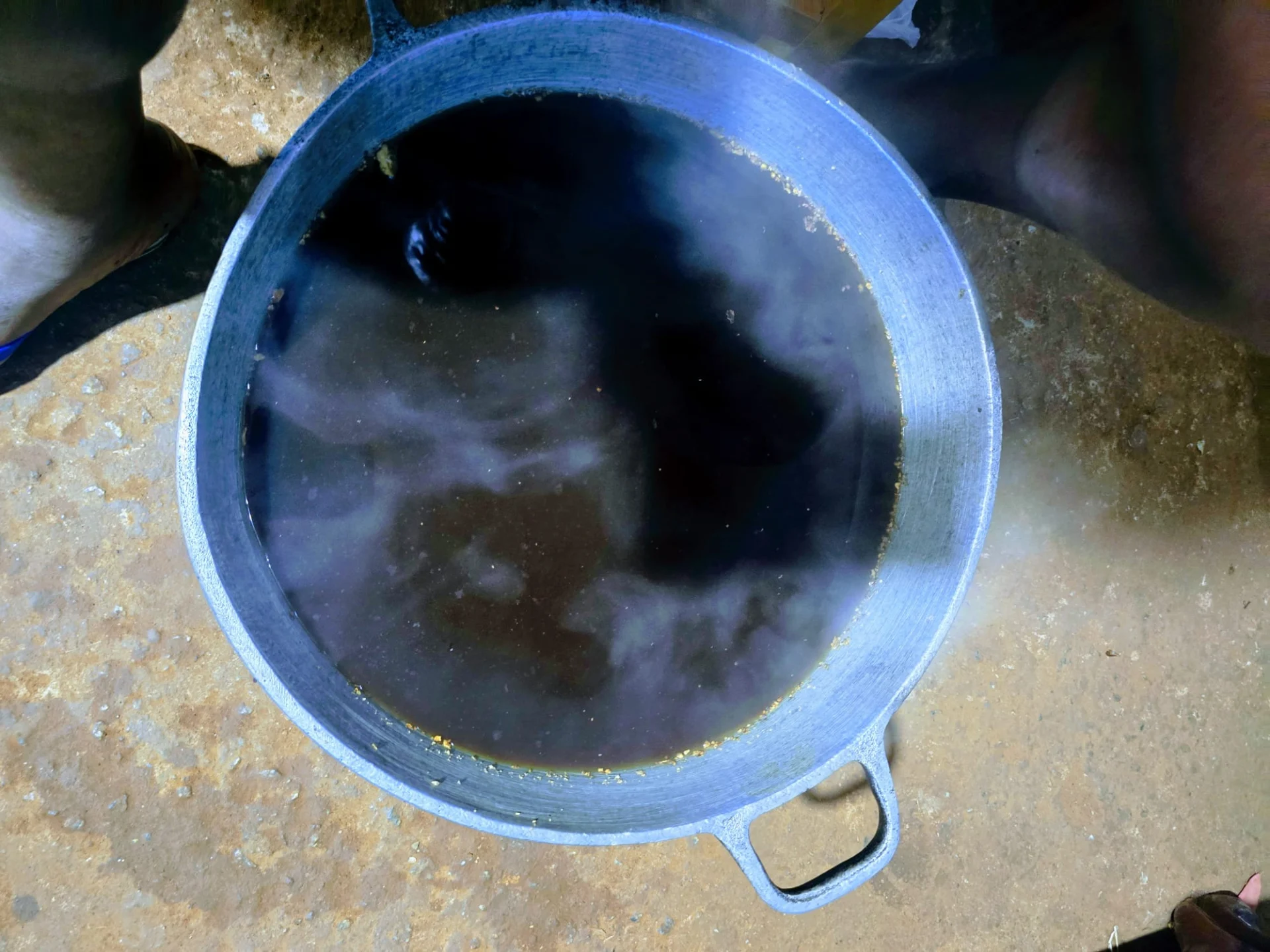
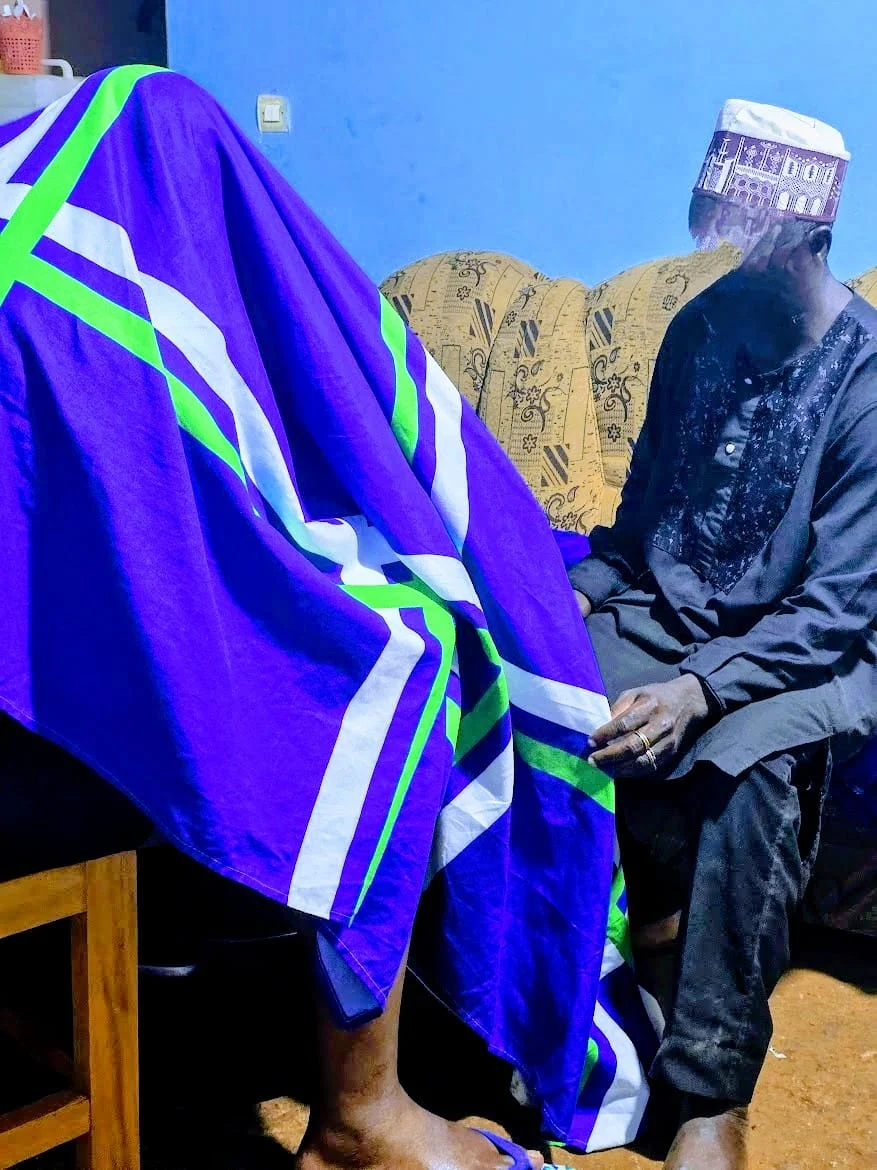
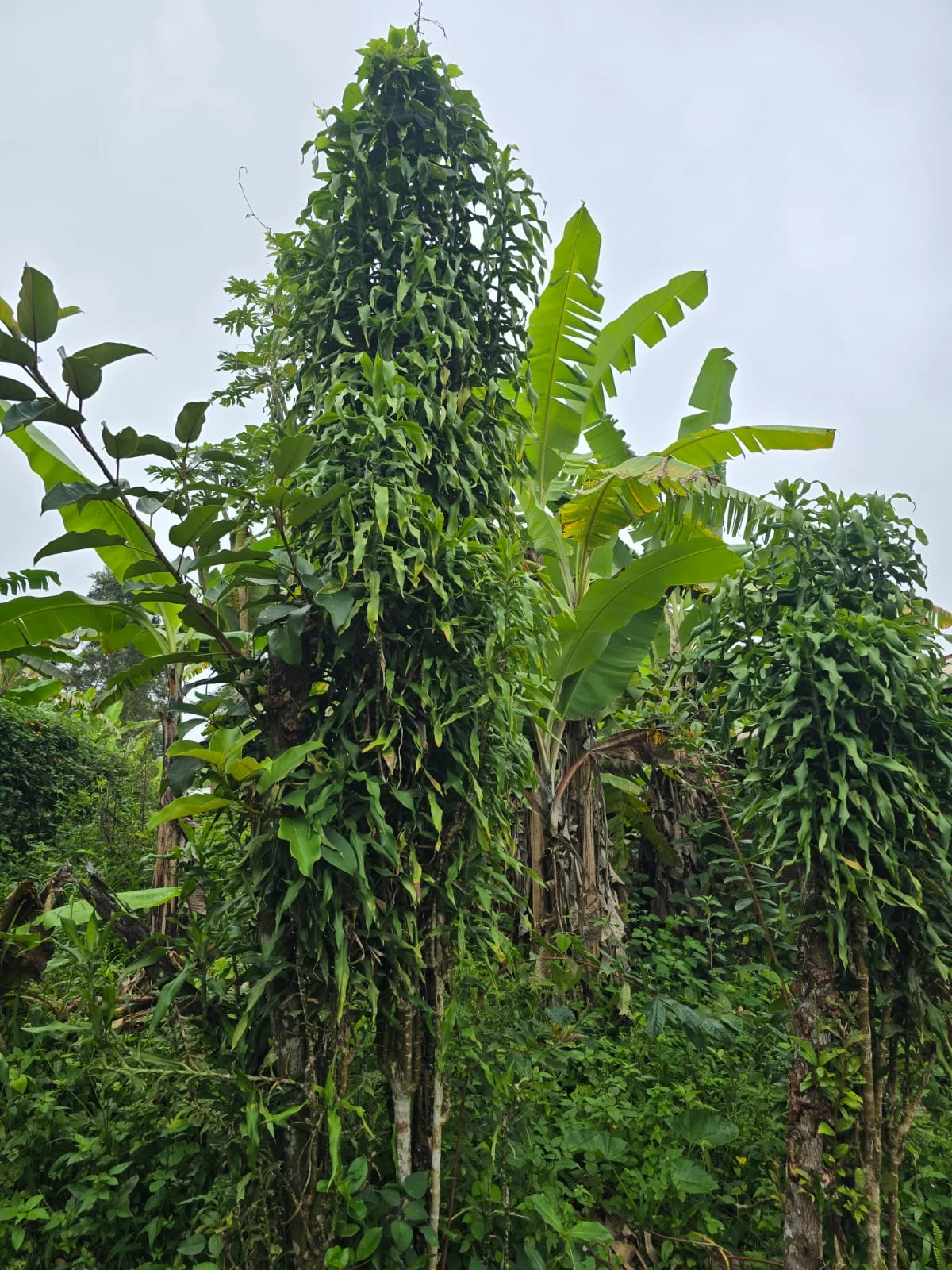
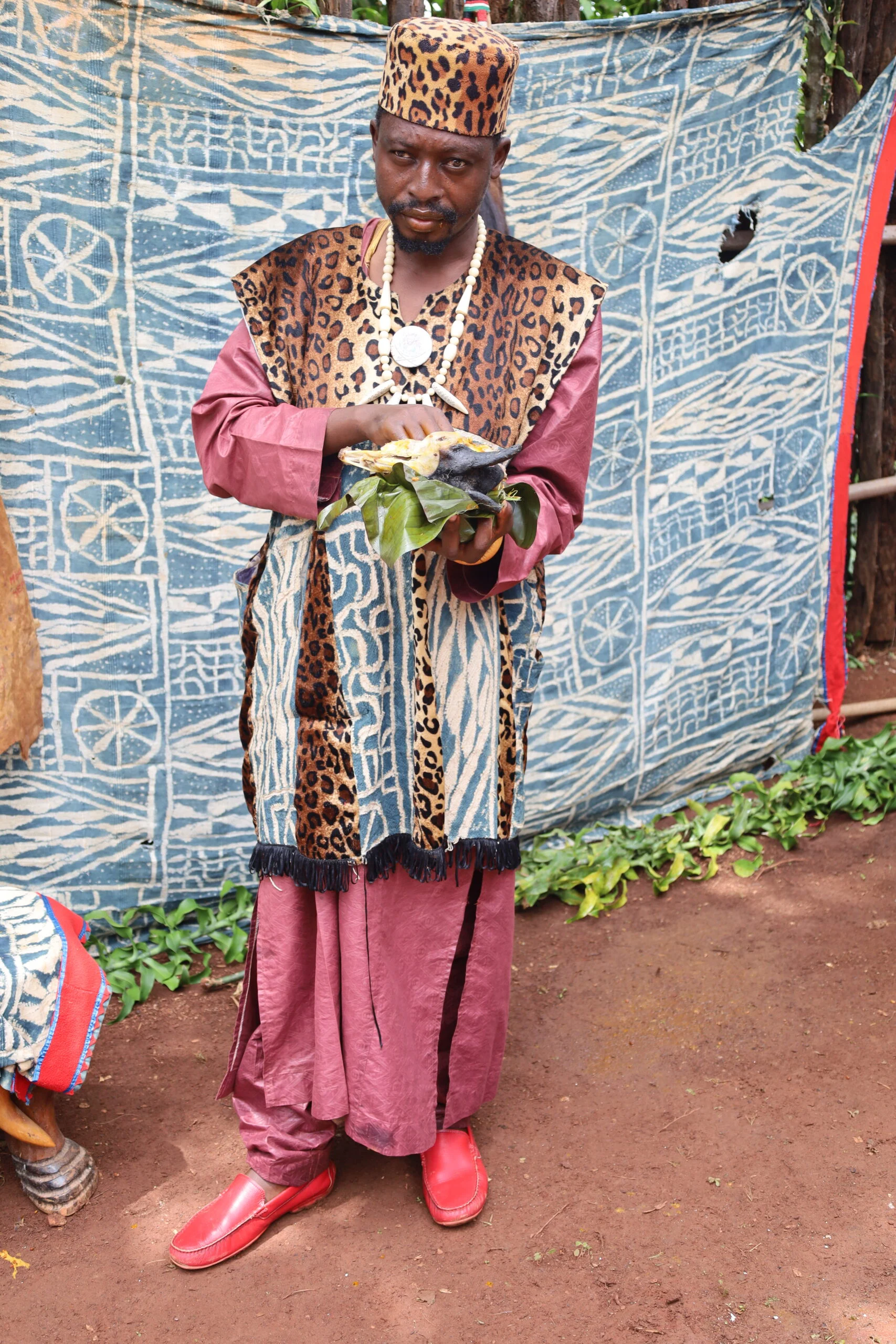
The man of leaves or medicine is the community’s chief doctor. He has a thorough knowledge of medicinal plants, but also of anatomy (Notue/Perrois 1984, p. 69). He often uses a totem animal to enrich his knowledge, which carries out a number of tasks on his behalf. This dual animal allows him to travel through the bush and forests, and to acquire knowledge more easily and quickly. He is also responsible for performing autopsies on the bodies of the deceased. (Salpéteur 2010, 78) This practice enables him to master human anatomy. In addition, his knowledge is sometimes transmitted to him through dreams. In this case, the spirits of his ancestors take charge of his training by revealing to him, in the bush, the different plants, their names and their uses. (Achegui 2018) He can then pass on his knowledge to his descendants or to anyone wishing to perform this function. Plants play an essential role in his therapeutic protocol, which is why the word Afhu (meaning leaf) is part of his title.
L’homme des feuilles ou du remède est le médecin principal de la communauté. Il détient une connaissance précise des plantes médicinales, mais aussi de l’anatomie (Notue/Perrois 1984, p. 69). Il se sert très souvent d’un animal totem pour enrichir son savoir, celui-ci réalise en son nom un certain nombre de missions. Ce double animal lui permet de parcourir les brousses et les forêts, et d’acquérir plus facilement et rapidement des connaissances. Il est par ailleurs en charge de l’autopsie des corps des défunts. (Salpéteur 2010, 78) Cette pratique permet d’acquérir une maîtrise de l’anatomie humaine. En outre, son savoir lui est parfois transmis par des songes. Dans ce cas, les esprits des ancêtres se chargent de sa formation en lui révélant, dans la brousse, les différents végétaux, leur nom et leur utilité. (Achegui 2018) Il pourra, par la suite, transmettre ses connaissances à sa descendance ou à toute personne désireuse d’exercer cette fonction. La plante joue un rôle essentiel dans son protocole thérapeutique, c’est la raison pour laquelle le mot Afhu (désignant la feuille) fait partie de son qualificatif.

The word means hat. There are many different types, from royal headdresses to simple hats, Nkam (ŋkǎm)' hats and headdresses worn by the members of t...
It refers to the offering made to deities during Bamiléké religious ceremonies. The act of making an offering is called ŋgwā' pↄↄ' (throwing the mushr...
Une poutre en bois sur laquelle sont gravées des informations, lesquelles renseignent généralement sur l’importance du lieu, les valeurs ainsi que la ...
It refers to the chiefdom, which is the most important place in the village. The chiefdom has a dual definition. Firstly, it refers to the territorial...
The peace tree is a shrub that can grow up to five meters high. In Bamiléké chiefdoms, it is one of the constituent plants of the bocage*, specific to...
A notable is a person occupying a high rank in a chiefdom (See No’h (nɔ̀’)). A notable acquires his title and rank either by succession or by recognit...
The grouping of people of a certain age category. The gaps between two age groups vary from chiefdom to chiefdom. The gap considered for a generation ...
Literally the man of the tarantula, he is a doctor and a diviner. He uses tarantulas or cowrie shells for divination. He also uses plants and sacred w...
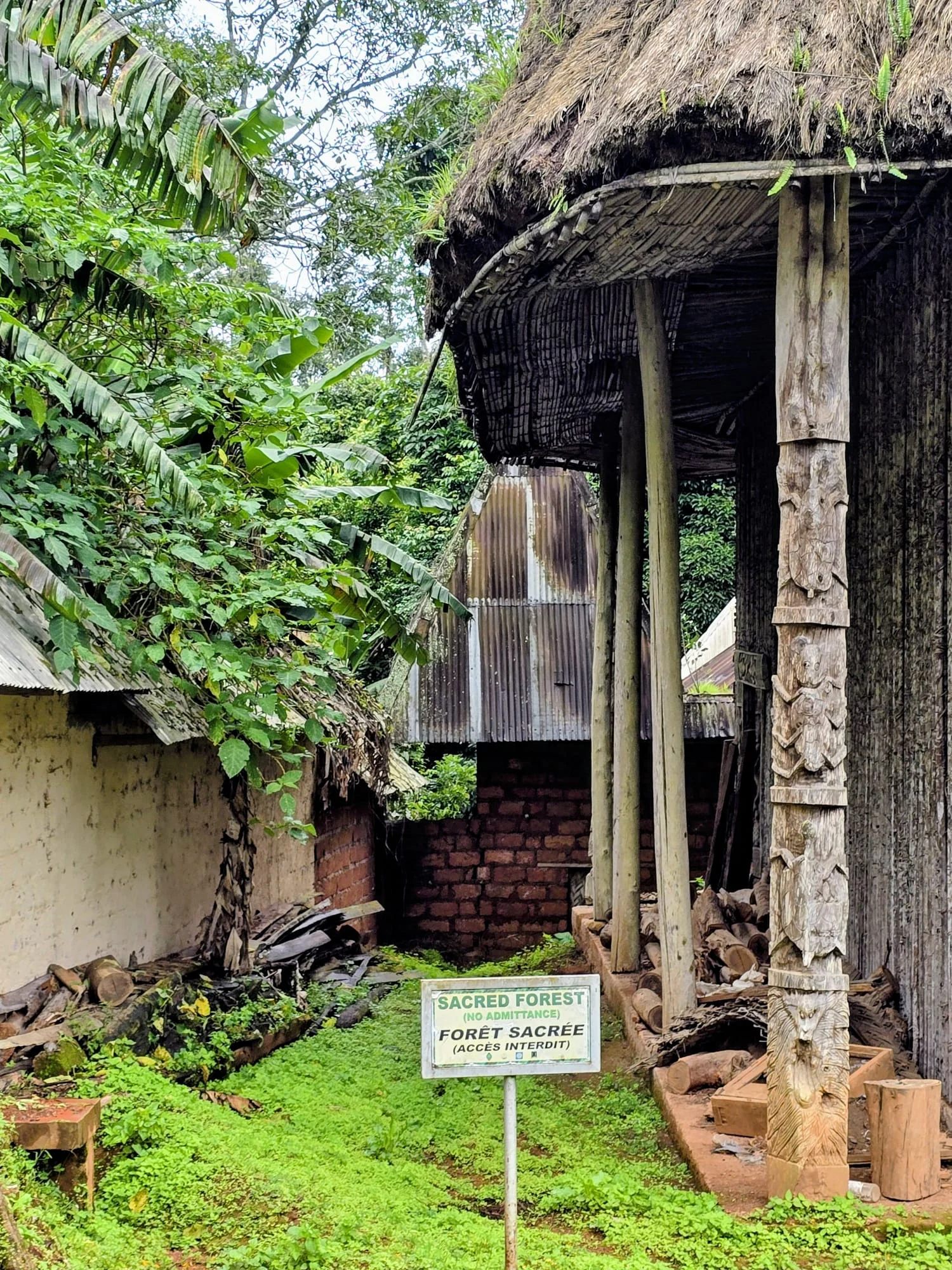
This sacred forest is located at the entrance or rear of the chiefdoms (see No’h (nɔ̀’)). It is a realm that represents the Grassfields in their origi...
This website uses strictly necessary cookies to function. We would also like to use functional and analytical cookies to improve your experience. You can choose to accept or decline.