ผึ้ง phueng / bees

Language: Pga K'nyaw/Thai

Description

Bees are insects that naturally live in the forest, and they have value for villagers. In Hin Lad Nai village in Chiang Rai, there are three types of bees:

  1. The giant honey bee (phueng luang/ผึ้งหลวง) live under tree branches.

  2. The Asian hive bee (phueng prong/ผึ้งโพรง) live in tree hollows or in the soil.

  3. The stingless bees (chan rong/ชันโรง) also live in tree hollows or in the ground, but in slightly different ways.

Giant honey bees come for only about two to three months, from February to April, and then they die. Hive bees are similar in behavior, but stingless bees don’t move—they stay in one place permanently.

Now, these bees produce honey, which has value. The villagers discussed collecting the honey to generate income for the community, and to manage the forest. They decide on percentages and assign people to monitor the areas and take care of the forest.

For example, with hive bees that live in soil or tree hollows, in the past, before we could get one liter of honey, we had to climb trees, punch holes in them, or dig in the soil. This could put the tree at risk of falling.

Using local knowledge from Chiang Mai, we made hive boxes to attract bees to live in them. We place these boxes in different spots where we think bees will settle. When the time comes, we collect the nectar, process it, and when it fetches a price, we return to the forest areas to continue monitoring.

We wouldn’t call this ‘beekeeping’ because bees naturally live in the forest; we don’t raise them. All we have done is change the way we collect honey. In the past, when we collected honey, we had to drill into the trees. Now, when we collect honey, we just open the boxes we made for them.

If we were “raising” them like domesticated bees, we would have to feed them and manage them a lot. Here, we leave them in the forest, just like before. We use methods that have the least impact on the trees. This is a new approach that has been used for about ten years. Before, we had to climb and drill into trees.

Now, it’s like a cycle: the people take care of the forest, and the forest provides resources for the people.

Read more

ผึ้งเป็นแมลงที่อยู่ในป่าอยู่แล้ว และมีราคาหรือคุณค่าต่อชาวบ้าน ในหมู่บ้านหินลาดในเชียงราย มีผึ้งอยู่สามชนิด

  1. ผึ้งหลวง จะอาศัยอยู่ใต้กิ่งไม้
  2. ผึ้งโพรง จะอาศัยในโพรงไม้หรือในดิน
  3. ชันโรง ก็จะอาศัยโพรงไม้หรือภูมิดินเหมือนกัน แต่ลักษณะการอยู่จะแตกต่างกันเล็กน้อย

ผึ้งหลวงจะมาแค่ประมาณสองถึงสามเดือน ตั้งแต่เดือนกุมภาพันธ์ถึงเมษายน แล้วก็จะตาย ผึ้งโพรงก็มีลักษณะคล้ายกัน แต่ชันโรงจะไม่เคลื่อนที่ จะอยู่ตรงนั้นตลอด

ผึ้งเหล่านี้จะมีน้ำหวาน ซึ่งมีราคา ชาวบ้านก็จะมาคุยกันว่าเก็บน้ำผึ้งเพื่อสร้างรายได้ให้กับชุมชน และเพื่อดูแลจัดการป่า มีการกำหนดเปอร์เซ็นต์และเลือกคนมาดูแลพื้นที่

ตัวอย่างเช่น ผึ้งโพรงที่อาศัยในดินหรือโพรงไม้ เมื่อก่อน ก่อนที่เราจะได้หนึ่งลิตรน้ำผึ้ง เราต้องปีนต้นไม้ ตอกต้นไม้ หรือขุดดิน ซึ่งอาจทำให้ต้นไม้มีความเสี่ยงล้ม

จากภูมิปัญญาของเชียงใหม่ เราก็ทำกล่องเพื่อดึงดูดผึ้งให้มาอาศัย เราก็แค่ไปวางตามจุดต่างๆ ที่คิดว่าผึ้งจะมาอาศัย พอถึงเวลา ก็ไปเก็บน้ำหวาน แปรรูป แล้วถ้าได้ราคาก็กลับไปดูแลพื้นที่ป่าต่อ

เราไม่ได้เรียกว่าเลี้ยงผึ้ง เพราะผึ้งอยู่ในป่าเอง เราไม่ได้ให้อาหารหรือเลี้ยงอะไร แค่เปลี่ยนวิธีเก็บน้ำผึ้งเท่านั้น จากเมื่อก่อนเก็บต้องเจาะไม้ ตอนนี้ก็แค่ไปเปิดกล่องที่เราเตรียมไว้

ถ้าเลี้ยงเหมือนผึ้งบ้าน เราต้องให้อาหารและจัดการเยอะ แต่ที่นี่ก็ปล่อยไว้ในป่าเหมือนเดิม ใช้วิธีที่กระทบต้นไม้น้อยที่สุด วิธีนี้เป็นสิ่งใหม่ที่ใช้มากว่า 10 ปี จากแต่ก่อนต้องปีนและเจาะต้นไม้

ตอนนี้มันก็เป็นเหมือนวงจร คนดูแลป่า และป่าก็ให้ผลผลิตกับคน

Date of entry: September 11, 2025
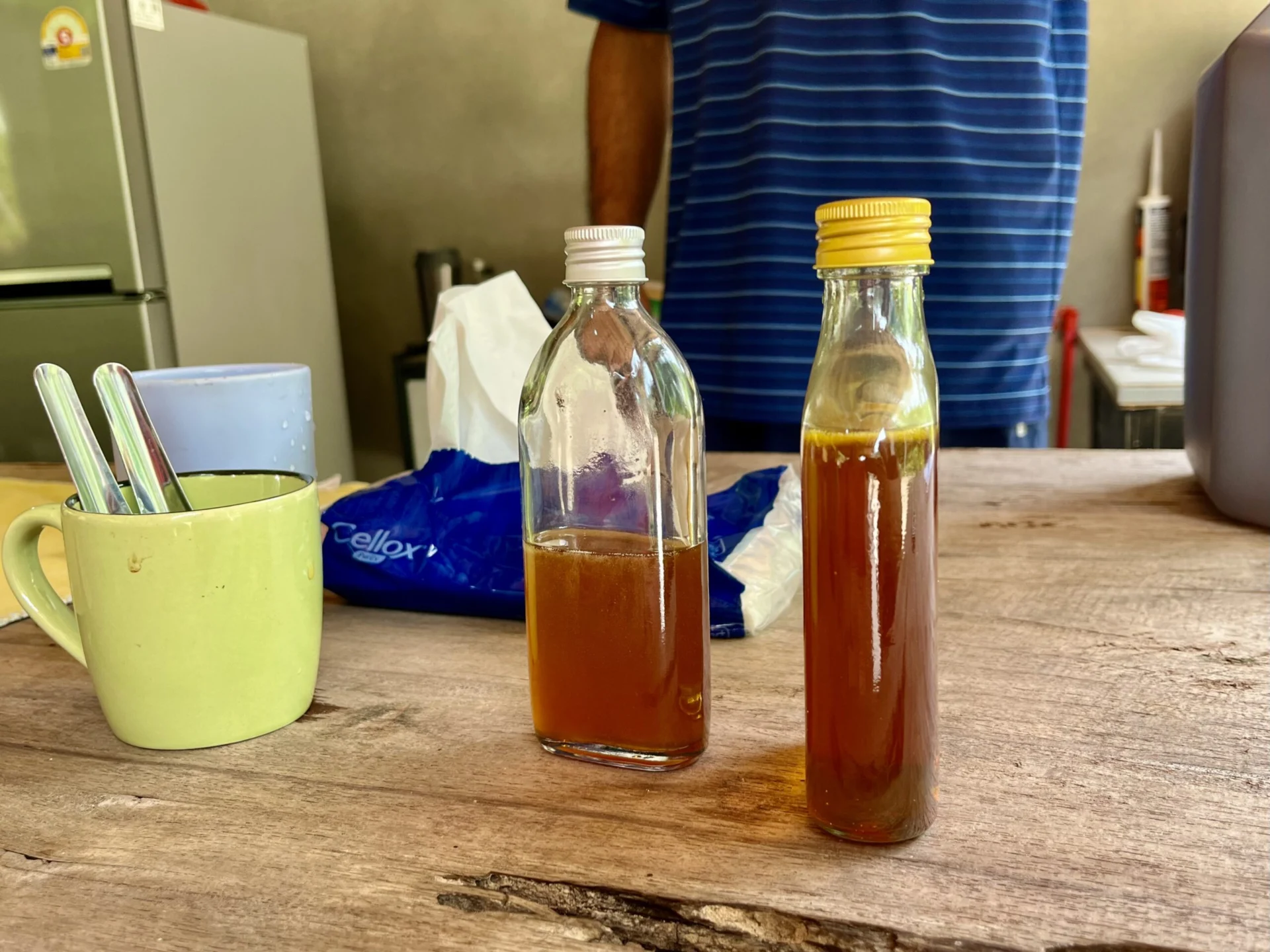
Two glass jars, partially filled with honey, sit on a wooden table.
Wild honey from Hin Lad Nai village, Chiang Rai. Photograph by Alisa Santikarn.
The name you would like to be credited with for your contribution.
The word you wish to contribute
Your email for contact and updates regarding your submission.
The language you are contributing the word in
Maximum file size: 3 MB
Maximum file size: 5 MB
By proceeding, I acknowledge and agree to GloCo's Legal notice and Terms of use
and the Guidelines for Contributors *

Related Words

IMG_3464 2
ลงรักปิดทอง/Long Rak Pit Thong
Thai

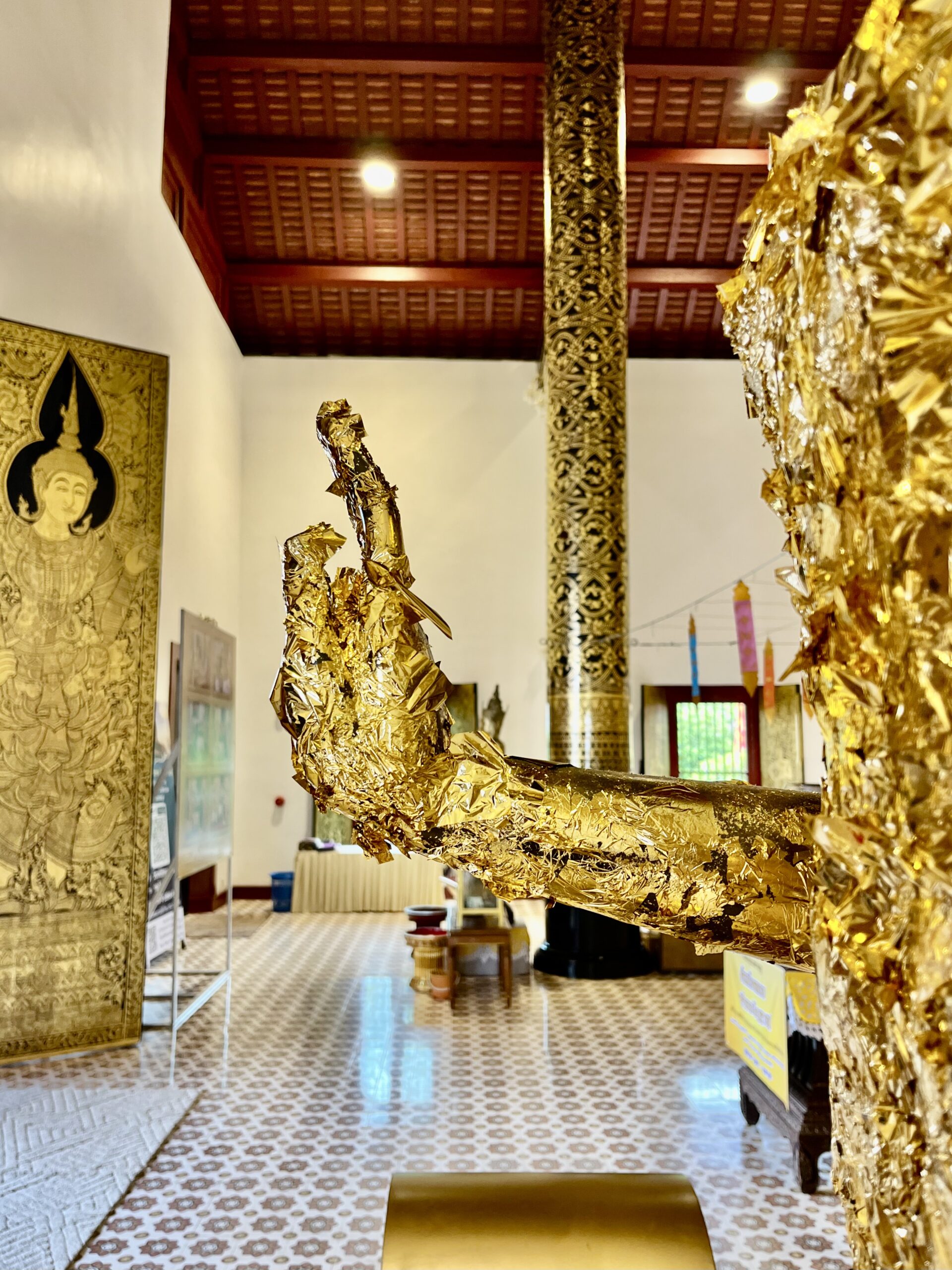
ลงรักปิดทอง/Long Rak Pit Thong, or ‘lacquering and gilding’, is both a Thai conservation technique and an act of worship and a way of making merit wit...

ម្ចាស់ទឹកម្ចាស់ដី / Mchas Teuk, Mchas Dei
Khmer
mcheasatukamcheasadei

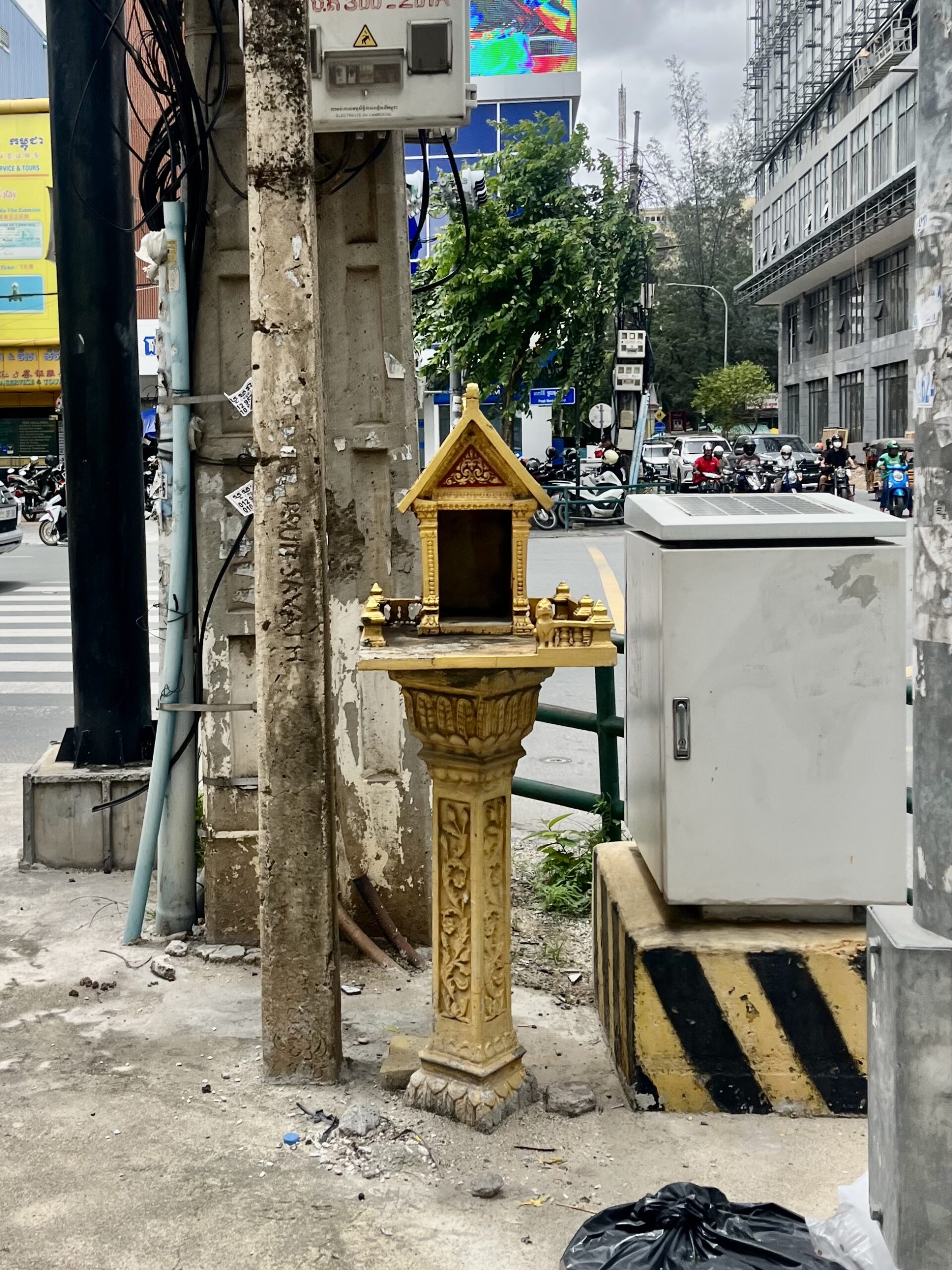
គេ​តែងតែ​គោរព​ពពួក​អស់​នឹង ព្រោះ​ពពួក​អស់​នឹង​គេ​តាម​បីបាច់​ថែរក្សា​យើង ហើយ​ខ្លះ​ទៀត ពេល​ណា​ដែល​ម្ចាស់ផ្ទះ​មាន​គ្រោះ មាន​ភ័យ មាន​អន្តរាយ​អ្វីមួយ​កើត​ម...

Shrine PP
ព្រះភូម / Preah Phum
Khmer

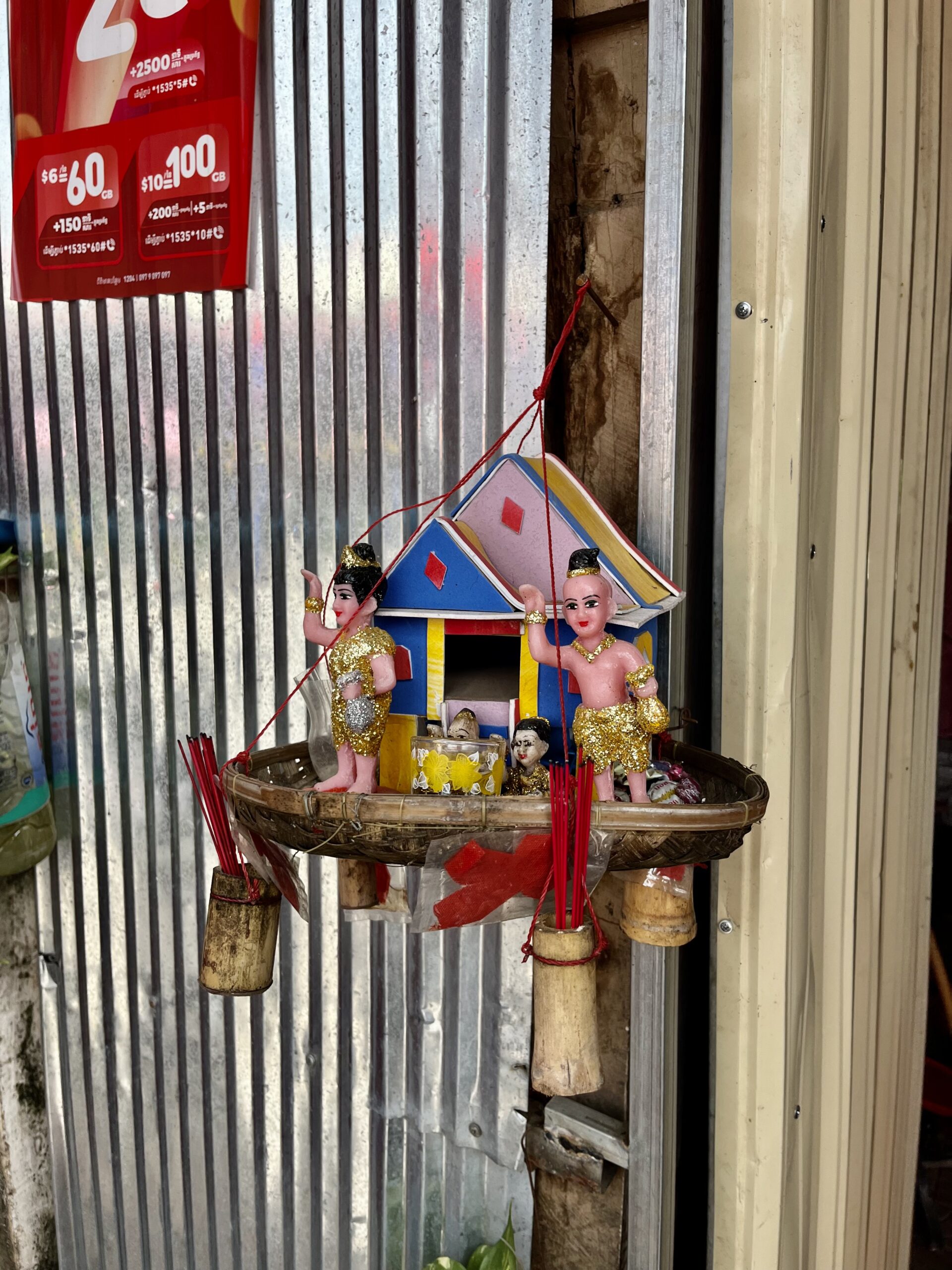
អ​ញ្ចឹ​ង​ពពួក​ភូមិ​ទេវតា តាម​ការពារ និង​ថែរក្សា​ម្ចាស់ផ្ទះ​នឹង ទាល់តែ​ម្ចាស់ផ្ទះ​នឹង​ជា​អ្នកមាន​ទាន មាន​សីល មាន​សេចក្តី​ល្អ ប្រព្រឹត្ត​សេចក្តី​ល្អ​ដែរ...

Spirit House
ម្រេញគង្វាល / Mrenh Kongveal
Khmer
m'renh kung'viel

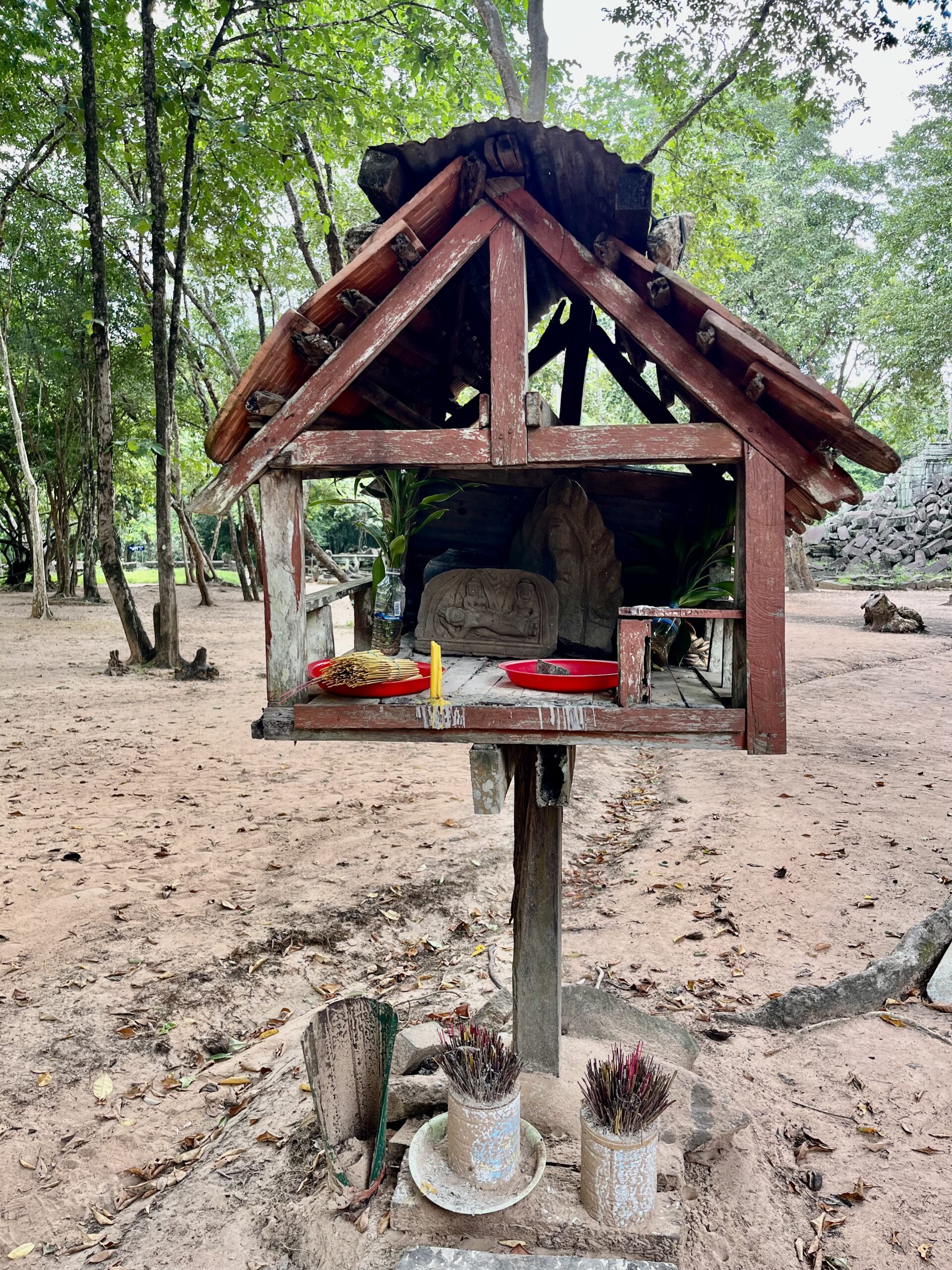
ម្រេញគង្វាល គឺជាភពអមនុស្ស ដែលជាកញ្ចក់ឆ្លុះបញ្ចាំងពីភពរបស់យើង ដែលភាគច្រើនយើងតែងតែហៅក្មេងឃ្វាលគោ ឃ្វាល ក្របី។ ដោយសាររឿងហ្នឹងវាទាក់ទងបាយសំណុំ ទឹកបំពង់ ដែ...

Shrine
រានទេវតា / Rean Devata
Khmer
rien tevada

ព្រះភូមទេវតា ឬរានទេវតានេះ គេដាក់នឹង គឺភាគច្រើនគេដាក់សម្រាប់ឱ្យពពួកភូមទេវតារស់នៅ មានដូចជាអរុក្ខទេវតា ភូមិទេវតាដែលយើងហៅថាម្រេញគង្វាល ។ ហើយការដាក់ទាំងអស់...

Cambodia_2014_-_panoramio_(12)
លោកតាស្នាប់ / Lok Ta Snap
Khmer

អ្នកដែលមិនជឿលើព្រះបិតា លោកតាស្នាប់ បានជួបប្រទះអភ័យហេតុផ្សេងៗគ្នា៖ ម៉ូតូរបស់ពួកគេខូចនៅពេលបើកចូលព្រៃ ខណៈដែលមនុស្សខ្លះវិលត្រឡប់មកវិញបានដួលចេញពីម៉ូតូ បាក់...

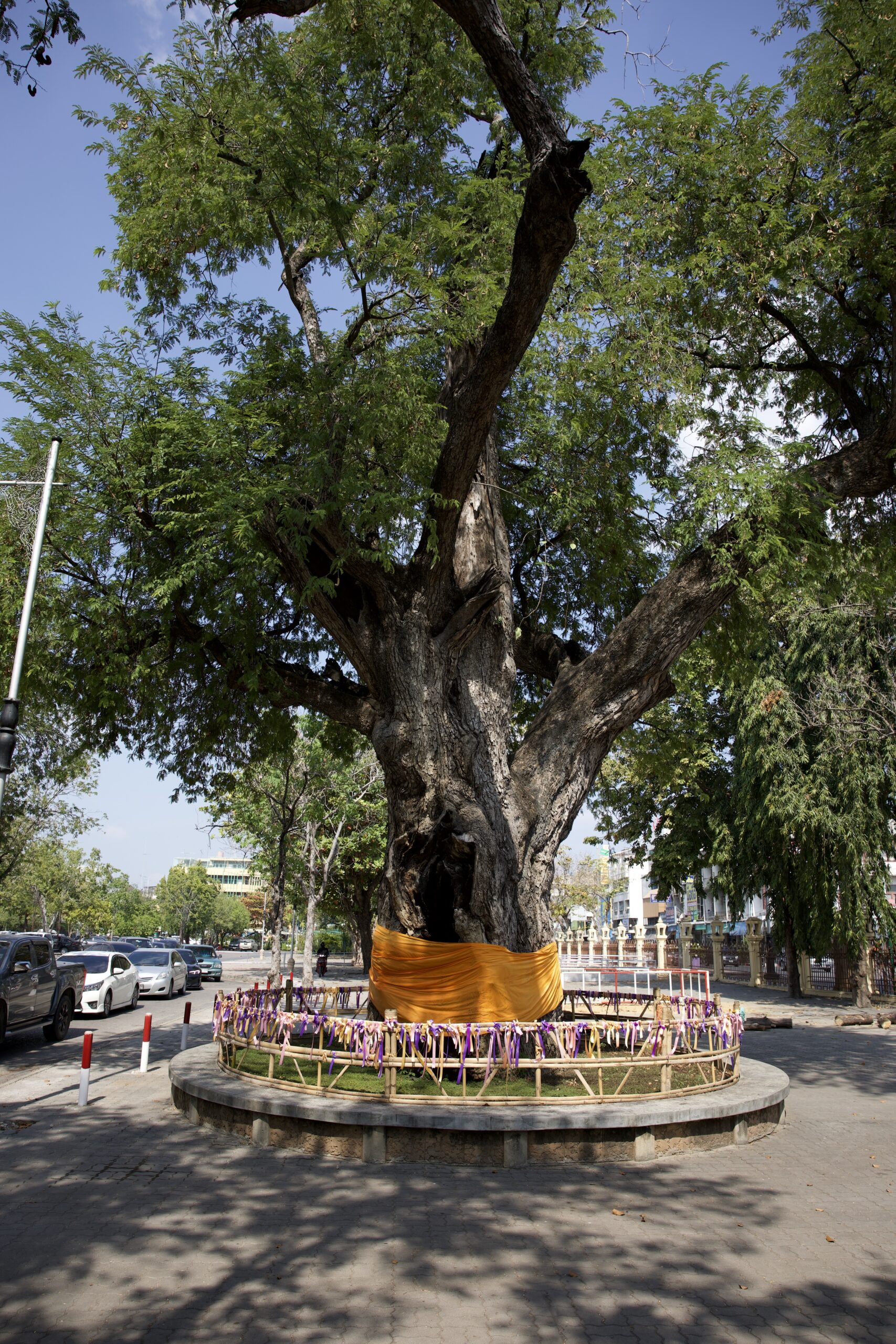
A large tree with green leaves and thick strip of orange cloth wrapped around its base. The tree is enclosed with a round metal fence. Outside of the fence is pavement, with a row of parked cars down the left side.
บวชต้นไม้/buat tonmai
Thai
Bwch t̂nmị̂

บวชต้นไม้/buat ton mai, also known as 'tree ordination', is a method of conserving trees in Thailand rooted in Buddhism. The practice emerged as a res...

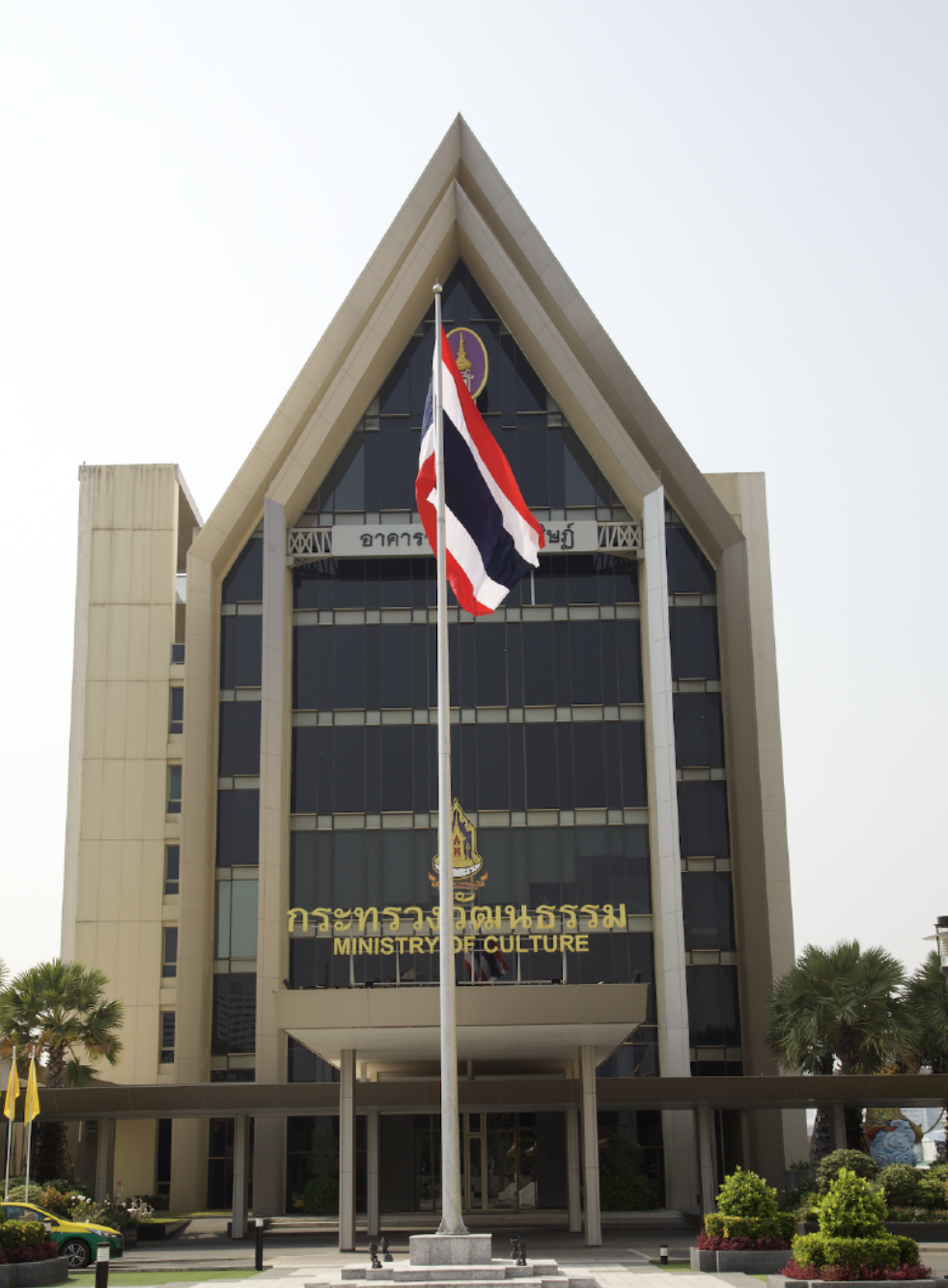
A building with large windows and a triangular roof. The sign reads: Ministry of Culture. There is a Thai flag with red, white, blue, white and red horizontal stripes on a flag pole in front of the building.
วัฒนธรรม/Wattanatham
Thai
Wạtʹhnṭhrrm

วัฒนธรรม/Wattanatham (meaning ‘culture’) is one of over one thousand terms coined by Prince Wan Waithayakon. In a 1975 interview, Prince Wan, who atte...

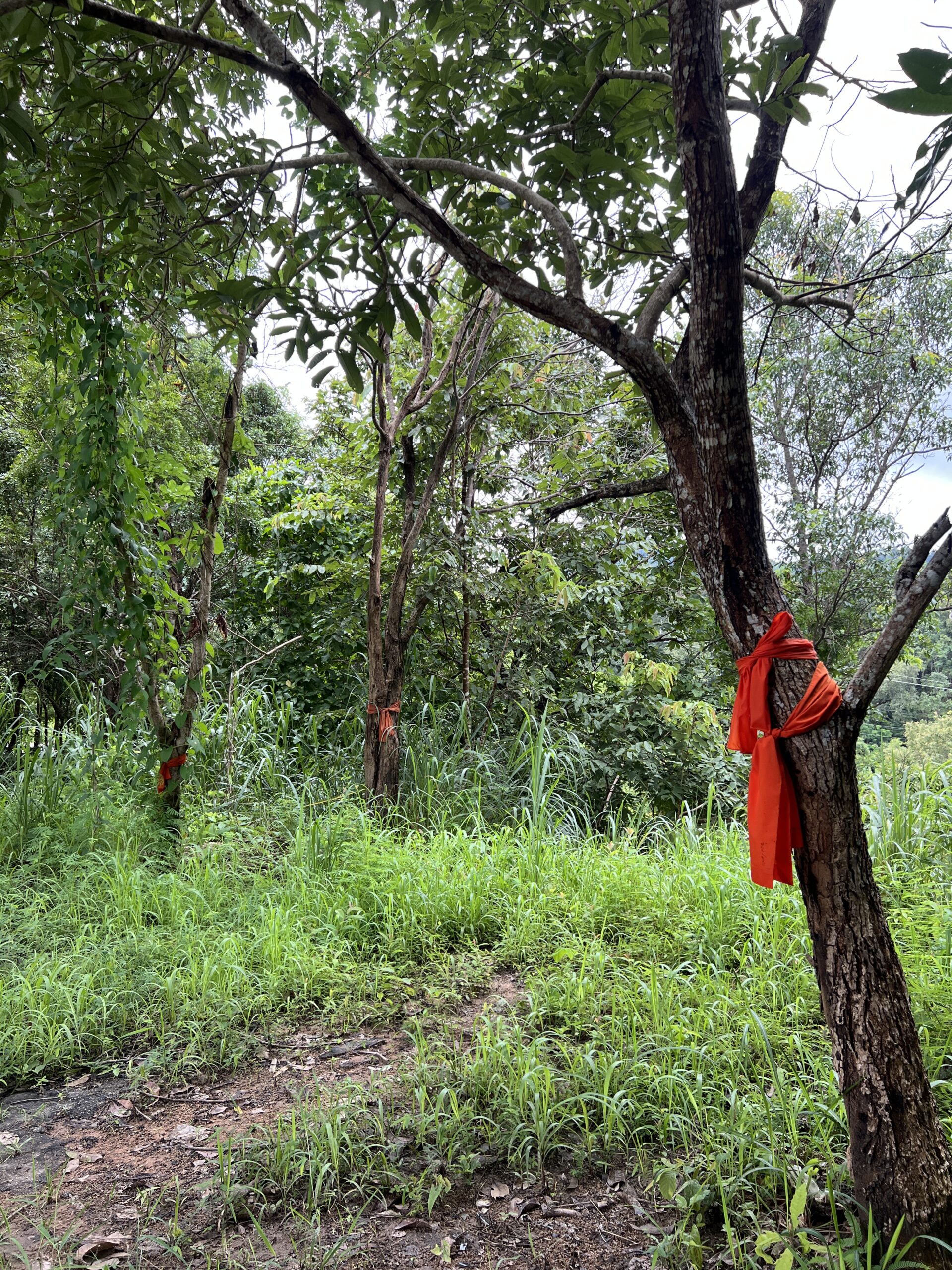
A sparse forest with thin trees. The trees are each wrapped in a strip of bright red/orange cloth.
ธรรมชาติ/thammachat
Thai
Ṭhrrmchāt

ธรรมชาติ/Thammachat, meaning ‘nature’ in Thai, was a term coined as part of a larger language policy spanning the late-19th and 20th centuries, involv...

Statue of a man sitting cross-legged, carved in white, holding up a lasso in his right hand.
ปะกำ/Pakam
Kui (Thailand)
pĕē pakam

ปะกำ (ภะษากูย) หรือ ผีปะกำ (ภาษาไทย) เป็นวัฒนธรรมที่พบได้เฉพาะในกลุ่มกูยอาจีงหรือกูยเลี้ยงช้างเท่านั้น เป็นวิญญาณของบรรพบุรุษกูยเลี้ยงช้างที่เป็นหมอหร...

error: