Hungerbaum

Pronunciation: Hung-a-bam
Language: Bavarian
Also known as: hunger tree

Description

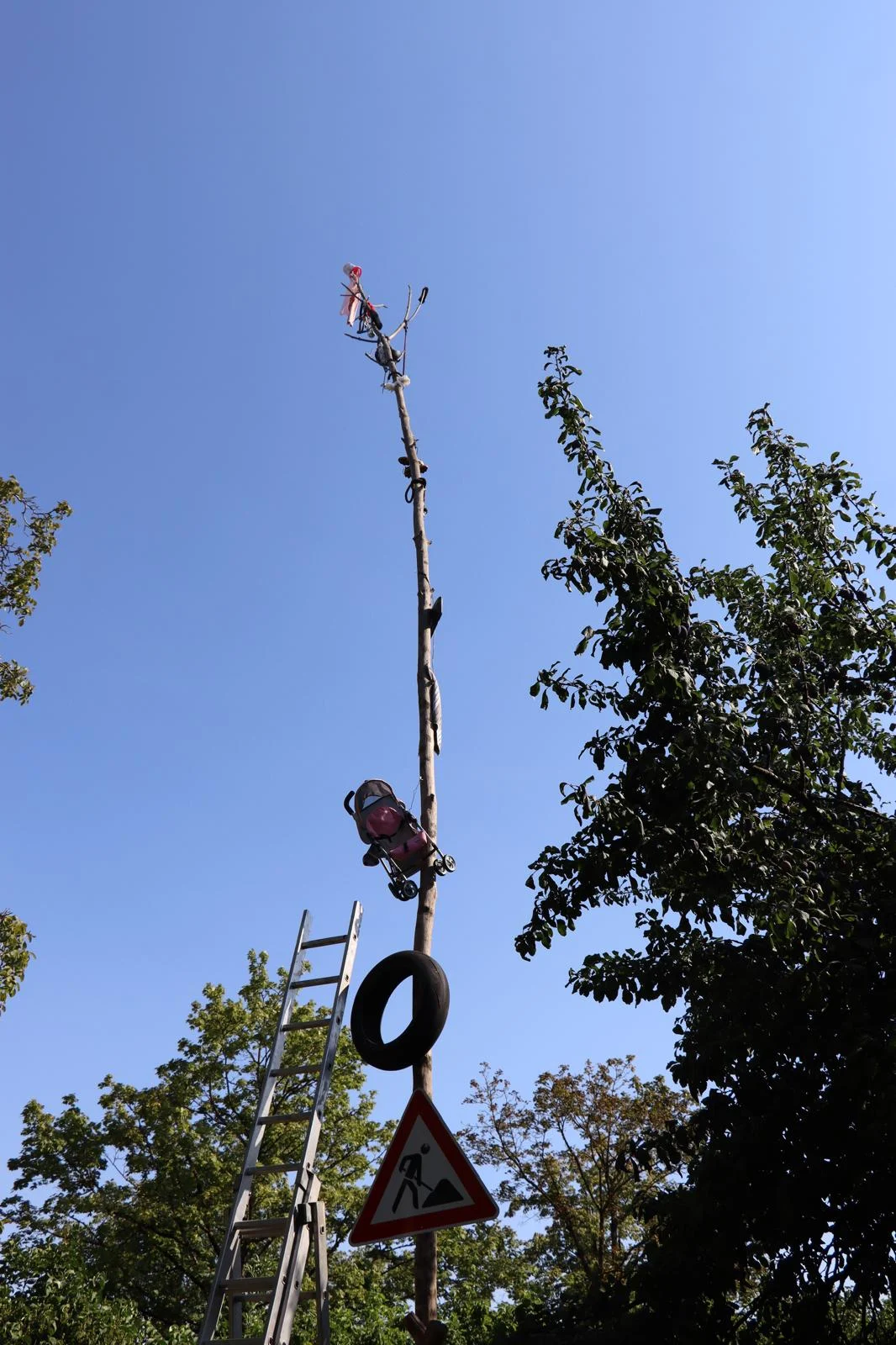
Das Aufstellen eines Hungerbaums ist eine in Oberbayern ausgeübte Tradition, die aber in anderen Teilen Bayerns schon weniger bekannt. In dieser Region Deutschlands stellen Freunde eines Paares, das seit sieben Jahren eine Beziehung führt, aber weder verlobt noch verheiratet ist, einen so genannten Hungerbaum auf. Das Aufstellen eines krummen Baumes im Vorgarten des Paares ist als Aufforderung zur Heirat zu verstehen. Dabei handelt es sich in der Regel nur um einen verkümmerten Baum, dessen Äste mit Gerümpel verziert sind. Diese Tradition wurde ursprünglich vor allem von im Umfeld von Großbauern praktiziert, als die Eltern noch entschieden, wen ihre Kinder heiraten sollten. Mit der Heirat des Hoferben musste die ältere Generation den Hof an die nächste Generation übergeben. Viele Altbauern zögerten diese Übergabe hinaus, um die Kontrolle über die Geschicke des Hofes nicht aus der Hand geben zu müssen. Während dieser langen Wartezeit „verhungerte“ die Liebe zwischen dem jungen Paar im übertragenen Sinne, da sie ihre Beziehung nicht voll ausleben konnten. Außerdem symbolisierte der verdorrte Baum traditionell die ebenfalls verdorrte Fruchtbarkeit der Braut, während der Schrott die veralteten Strukturen darstellte, die das Leben und die nächste Generation am Gedeihen hinderten. Im Laufe der Zeit hat sich diese Tradition weiterentwickelt. Heute werden Freunde und Verwandte, die den Baum aufgestellt haben, jedes weitere Jahr, in dem das Paar unverheiratet bleibt, zu einer festlichen Brotzeit mit Bier bei ihnen zu Hause eingeladen.
Read more
Practiced in Oberbayern (but less well known in other parts of Bavaria), the tradition of the Hungerbaum involves placing a tree in front of the house of a couple who have been together for seven years but are neither engaged nor married, to encourage them to wed. Generally set up by the couple’s friends, the Hungerbaum tends to be a crooked, stunted specimen adorned with junk. The tradition was originally practiced primarily in large-scale farming communities at a time when one’s spouse was still chosen by their parents. Upon marriage, this older generation was expected to hand the farm over to the heir. However, many farmers were reluctant to lose control, and delayed this transfer. During this period of waiting, the love between the young couple was said to starve, as they were unable to fully realize their relationship. Furthermore, the withered tree traditionally symbolized the bride’s similarly diminished fertility, while the junk represented the outdated structures preventing life and the next generation from thriving. Over time, the tradition evolved. The friends and relatives who put up the tree are invited to the couple’s home for a festive snack and beer for every year that the couple remains unmarried.

Date of entry: June 18, 2025
Hunger Tree, Aschheim, Germany, Feburary 22, 2025, by Paulin Maier.
The name you would like to be credited with for your contribution.
The word you wish to contribute
Your email for contact and updates regarding your submission.
The language you are contributing the word in
Maximum file size: 3 MB
Maximum file size: 5 MB
By proceeding, I acknowledge and agree to GloCo's Legal notice and Terms of use
and the Guidelines for Contributors *

Related Words

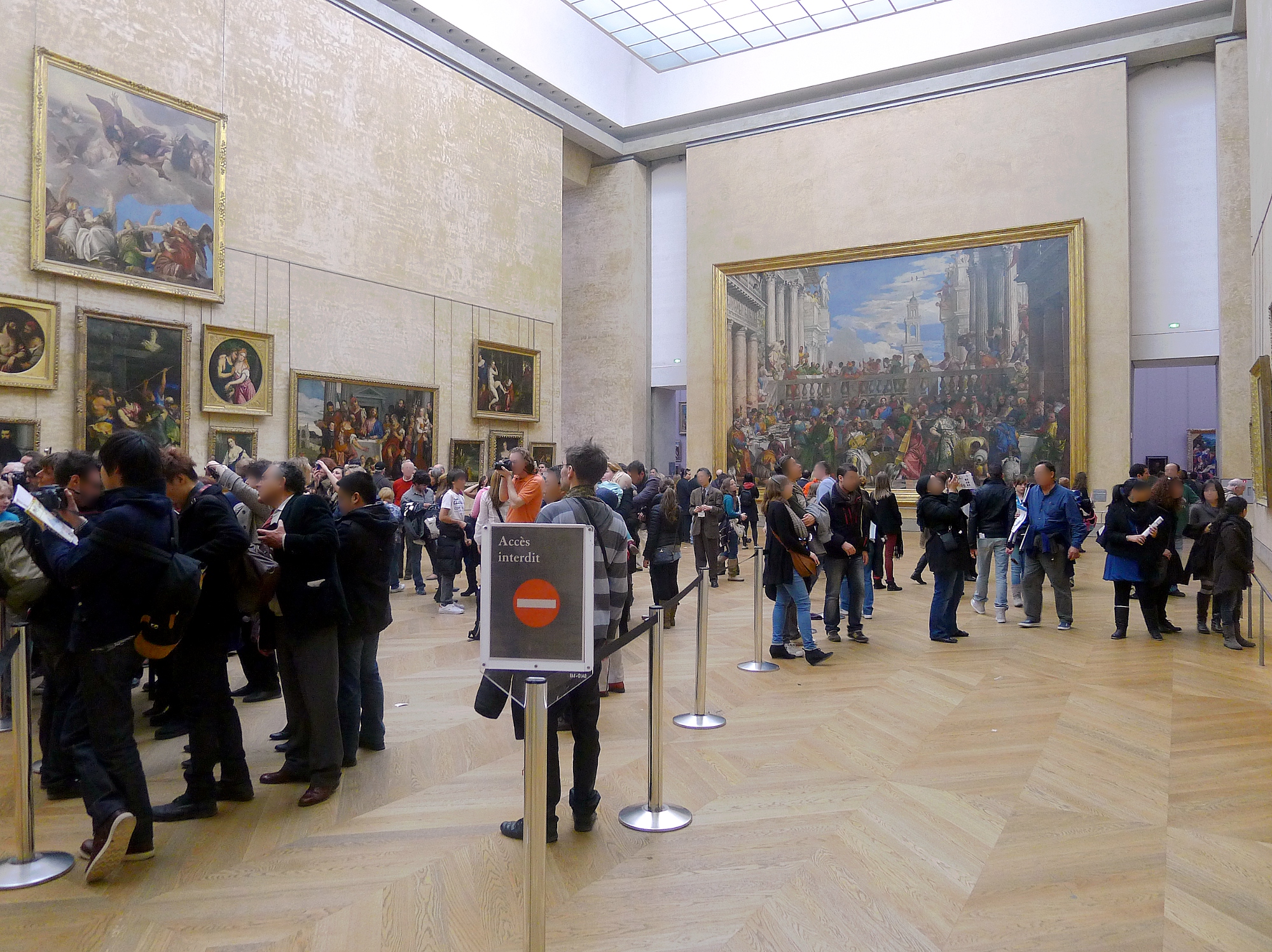
P1080718_Louvre_salle_711_rwk
Conservation Washing
English

Since 2023, I have developed the concept of "conservation washing", which exploits the vulnerability of heritage and art to argue against the relocati...

MAK_t-6907_lotto-teppich_1-1
Lotto-Teppich
Deutsch

Als Lotto-Teppiche werden geknüpfte Wollteppiche bezeichnet, deren typisches Muster aus gelben, geometrisierten Ranken auf rotem Grund besteht. Sie wu...

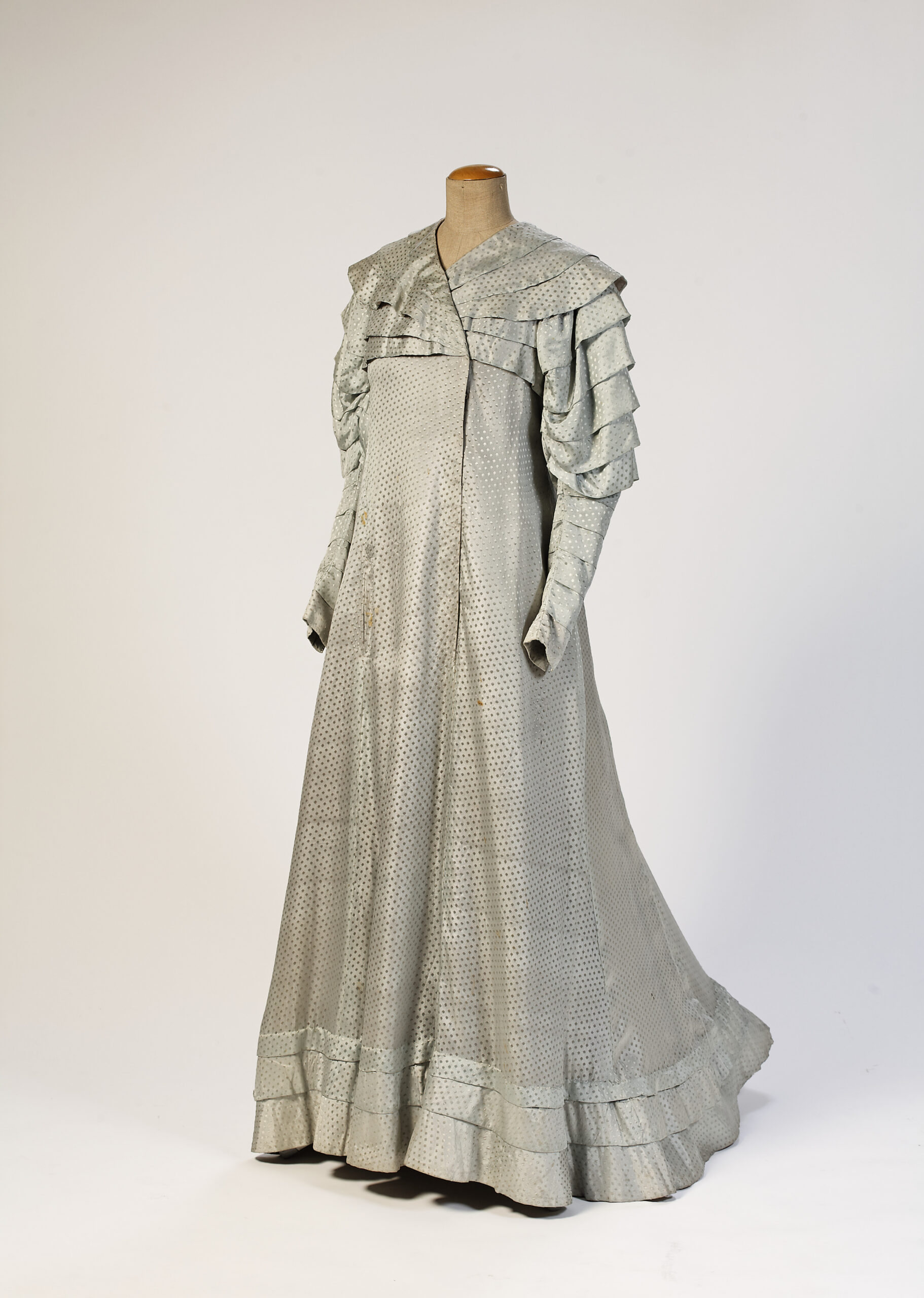
Wien-Museum-Online-Sammlung-M-10120
Reformkleid/Künstlerkleid
Deutsch

Als Reformkleid wird ein Kleid bezeichnet, das lose von den Schultern herabhängt, bequem weite Ärmel hat und ohne Korsett getragen werden sollte. Vora...

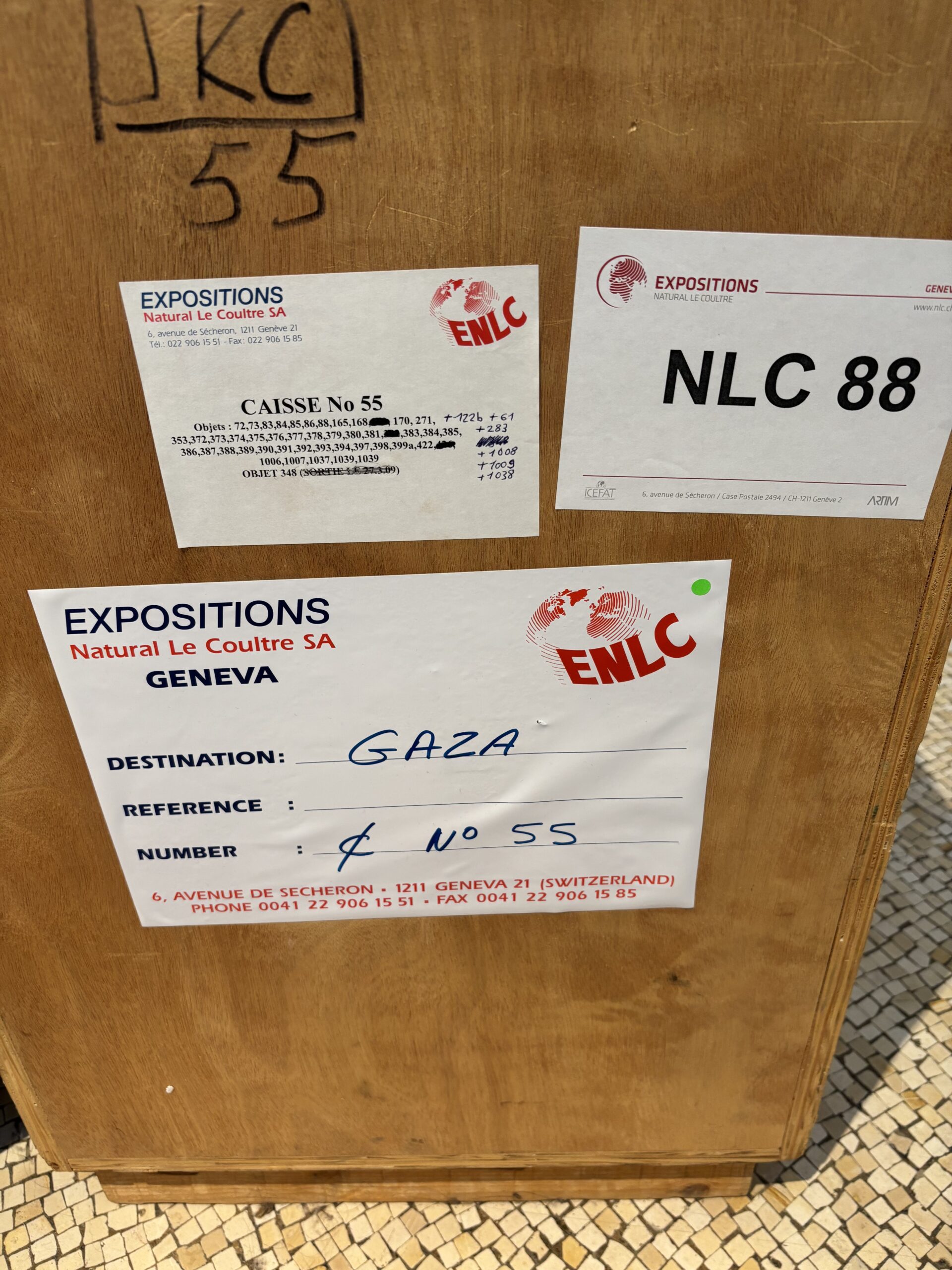
IMG_3281
Restorative Justice
English

In the heritage sector, Restorative Justice encompasses improving conservation conditions while collections are held in Western institutions and conne...

masticated-work
Masticated Work (Hairwork)
English

Masticated work, sometimes called cut work or sepia work, is a hairwork technique in which hair is finely chopped or ground into a powder, mixed with ...

table-work
Table Work (Hairwork)
English

Table work refers to a wide range of hairwork techniques that involve braiding and weaving hair into a jewelry. The name comes from the apparatus at t...

palette-work
Palette Work (Hairwork)
English

Palette work is a hairwork technique that involves flattening a lock of hair onto a piece of glass, covering it with gum tragacanth (sometimes referre...

gimp-work
Gimp Work (Hairwork)
English

Gimp work (sometimes called wire work) refers to an extremely intricate form of hairwork that involves looping strands of hair around a pin or wire to...

Picture1
Hairwork
English

Hairwork refers to the long and varied tradition of crafting objects, images, and keepsakes from the hair of loved ones. While the practice is now mos...

IMG_4762
Luminarias
English, Spanish

Luminarias are a type of paper lantern used to decorate backyards, walkways, and roofs (particularly on flat, adobe-style buildings) in New Mexico and...

error: