Krakonoš

Pronunciation: KRAH-ko-nosh
Language: Czech
Also known as: Rýbrcoul, Rübezahl, Liczyrzepa

Description

Krakonoš (též Rýbrcoul; německy Rübezahl, polsky Liczyrzepa) je bájný duch a pán Krkonoš, který v českých pověstech střeží tyto hory a jejich obyvatelstvo. Jeho příběhy jsou rozšířené napříč českým, německým i polským prostředím. Vystupuje především jako ochránce spravedlivých lidí a těch, kdo žijí v nouzi, ale také jako trestající pytláctví, chamtivost a podvody. Podle nálady tedy dokáže být laskavý nebo hrozivý, mění podobu i velikost a ovládá počasí i přírodní síly. První zmínky se o něm objevují už kolem 15. století, přičemž nejstarší vyobrazení pochází z Helwigovy mapy Slezska z roku 1561. Postupem času se původně démonická bytost proměnila v lidového ochránce hor a v 19. století v českém prostředí zlidověla jako Krakonoš – jméno mu dal obrozenský spisovatel Václav Kliment Klicpera. Později se stal nejen symbolem Krkonoš, ale i součástí české kulturní identity: Krakonoš se objevuje v pohádkách, literatuře i ve výtvarném umění, známé je především jeho moderní ztvárnění v televizním seriálu Krkonošské pohádky z roku 1974. Dodnes je přítomen i ve veřejném prostoru, připomínají ho sochy, názvy chat a penzionů, regionální produkty či turistické značky.

Read more

Krakonoš (also known as Rýbrcoul; Rübezahl in German, and Liczyrzepa in Polish) is a mythological spirit and the lord of the Giant Mountains (Krkonoše), who in Czech folklore watches over these mountains and their inhabitants. His tales are shared across Czech, German, and Polish folklore. Sometimes kind and protective of the poor and just, sometimes fearsome toward poachers, cheats, and the greedy, Krakonoš can change his appearance and size at will and command the forces of nature. The first mentions of him appear as early as the 15th century, with the oldest depiction found on Helwig’s map of Silesia from 1561. Over time, the originally demonic figure transformed into a folk guardian of the mountains, and in the 19th century became popular in Czech culture as Krakonoš — a name given to him by the National Revival writer Václav Kliment Klicpera. Later, he became not only a symbol of the Giant Mountains but also part of Czech cultural identity: Krakonoš appears in fairy tales, literature, and visual art, with his modern portrayal best known from the 1974 television series Krkonošské pohádky [Krkonoše Fairy Tales]. Even today, he remains present in the public sphere, commemorated by statues, the names of cottages and guesthouses, regional products, and tourist symbols.

Date of entry: September 9, 2025
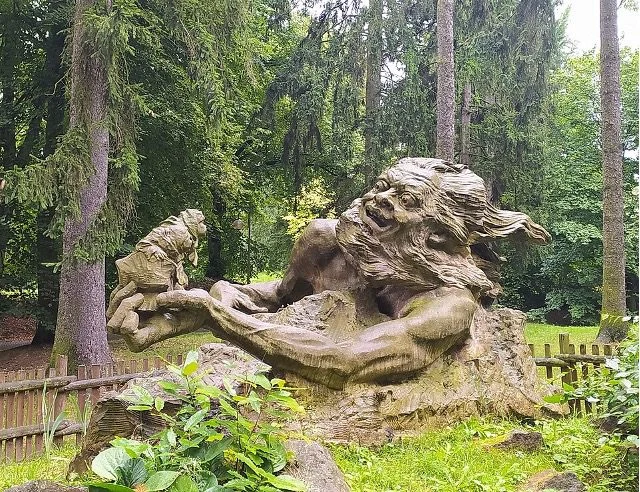
Ladislav Šaloun, Krakonoš, Hořice (1908). Photo by Jiří Ptáček, Wikimedia Commons, CC BY-SA 4.0 International.
The name you would like to be credited with for your contribution.
The word you wish to contribute
Your email for contact and updates regarding your submission.
The language you are contributing the word in
Maximum file size: 3 MB
Maximum file size: 5 MB
By proceeding, I acknowledge and agree to GloCo's Legal notice and Terms of use
and the Guidelines for Contributors *

Related Words

960px-Ephemera_collection;_Paper_bag_advertising_Bile_Beans_Wellcome_L0030503
Aassammeln
Deutsch

Eine Erweiterung des Vergleichs von Sammeln mit Jagd (zb. bei Donna Haraway). Hier wird extern ein Rahmen vorgegeben und die zu sammelnden Bilder etc....

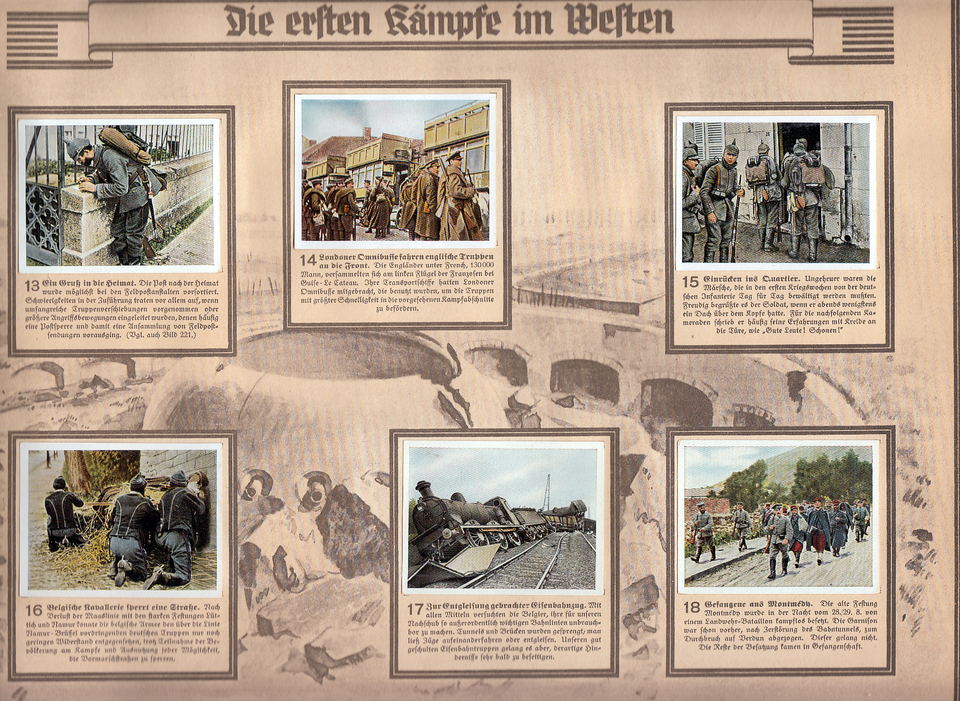
960px-_Der_Weltkrieg__(Zigarettenalbum)_-_Einzelseite
Zigarettensammelalbum
Deutsch

Bei Zigarettenschachteln wurden aus Werbe- und Propagandazwecken Bilder beigelegt. Besonders bekannt und eine der ersten waren Baseballcards in den US...

9-Tempel
Oriental Museum (Vienna)
English

The Oriental Museum in Vienna was a museum dedicated to promoting trade relations between the Austro-Hungarian Empire and the countries of the so-call...

Screenshot-2026-01-17-at-16.32.12-1
Mummy brown
English

“Mummy brown” is one of the most enigmatic and ethically complex pigments in the history of Western art. Used primarily between the 17th and 19th cent...

Emailleschildmalen_Zita-Breu
Emailschilder Beschriftung
Deutsch (Österreich)
[ˈeːmaɪ̯ʃɪldɐ bəˈʃʁɪftʊŋ]

Die Bemalung der Emailschilder wird auf beidseitig mehrschichtig weiß emailliertes, leicht gewölbtes Kupferblech aufgebracht. Die Schriftenmalerei wir...

Goldleder
Goldleder
Deutsch
/ˈɡɔltˌleːdɐ/

Goldleder (frz. cuir de Cordue) ist ein kunstvoll verziertes, vergoldetes oder versilbertes Leder, das seit dem Mittelalter als Wandverkleidung und fü...

chawan_W
Kintsugi (金継ぎ)
Japanese
/kɪnˈtsuːɡi/

Kintsugi setzt sich aus folgenden Zeichen zusammen: 金 (kin) – Gold, Metall, Geld und 継ぎ (tsugi) – Verbindung / Reparatur / Zusammenfügen Kintsugi i...

Poliment
Polimentvergoldung
Deutsch
/ˈpoːlimɛntfɛɐ̯ˌɡɔldʊŋ/

Die Vergoldung mit Poliment (frz. poliment zu polir „glätten“) ist seit der Antike bekannt. Auf einen Kreidegrund wird mit organischem Leim versetzter...

Blattgoldschlägerei
Blattgoldschlägerei
Deutsch
[ˌblatɡɔltʃlɛːɡəˈʁaɪ̯]

Das Goldschlägerhandwerk wurde 2018 von der UNESCO zum immateriellem Kulturerbe Österreichs erklärt. Nur noch eine Werkstatt in Wien versorgen Vergold...

zmijovka
Zmijovka
Czech
ZMEE-yo-vkah

Zmijovka je tradiční česká pletená čepice s charakteristickým klikatým vzorem připomínajícím hada – odtud její název. Její původ není jednoznačný, ale...

error: