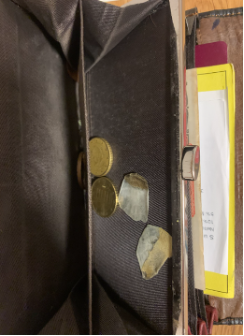
Kapří šupiny pod talířem patří k nejznámějším českým vánočním zvykům. Kapr je v Česku tradiční součástí štědrovečerní večeře 24. prosince. Při jeho přípravě se šupiny odstraní a odkládají stranou, aby se před večeří několik z nich mohlo vložit pod každý talíř. Po jídle si je lidé schovávají do peněženky, nejčastěji k mincím. Podle lidové tradice kulatý tvar a kovový lesk šupin připomíná právě peníze, a proto se věří, že dotyčným přinášejí především finanční hojnost v následujícím roce. Tento obyčej se v Česku dodržuje dodnes – mnozí si kapří šupiny suší a nosí je v peněžence po celý rok, aby „držely peníze pohromadě“.
Placing carp scales under the plate is one of the best-known Czech Christmas traditions. Carp is a traditional part of Christmas Eve dinner in the Czech Republic on December 24. When it is prepared, the scales are removed and set aside so that a few can be placed under each plate before the meal. After dinner, people keep them in their wallets, usually with coins. According to folk tradition, the round shape and metallic sheen of the scales resemble money, and so they are believed to bring financial abundance in the coming year. This custom is still followed in the Czech Republic today – many people dry carp scales and carry them in their wallets throughout the year to “keep money together.”

Eine Erweiterung des Vergleichs von Sammeln mit Jagd (zb. bei Donna Haraway). Hier wird extern ein Rahmen vorgegeben und die zu sammelnden Bilder etc....
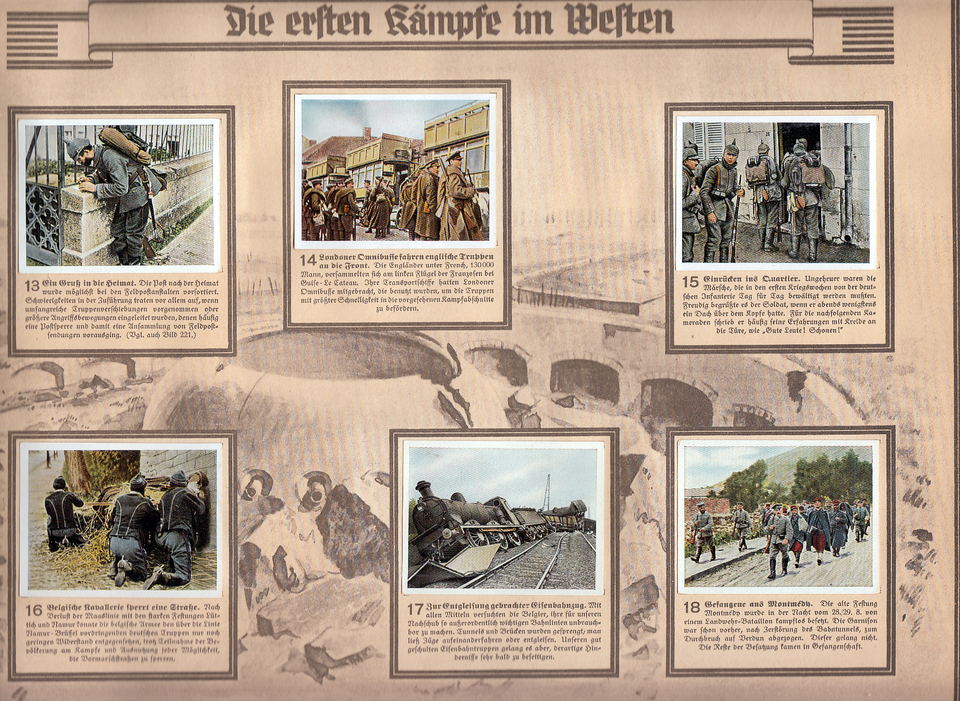
Bei Zigarettenschachteln wurden aus Werbe- und Propagandazwecken Bilder beigelegt. Besonders bekannt und eine der ersten waren Baseballcards in den US...
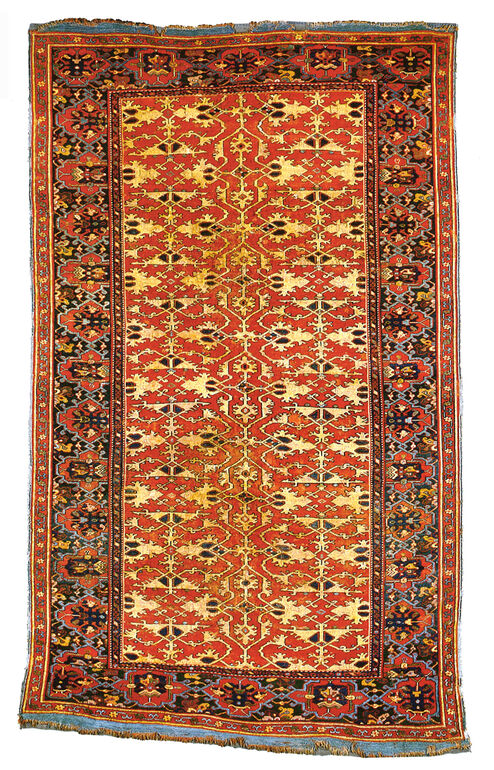
The Oriental Museum in Vienna was a museum dedicated to promoting trade relations between the Austro-Hungarian Empire and the countries of the so-call...
“Mummy brown” is one of the most enigmatic and ethically complex pigments in the history of Western art. Used primarily between the 17th and 19th cent...
Die Bemalung der Emailschilder wird auf beidseitig mehrschichtig weiß emailliertes, leicht gewölbtes Kupferblech aufgebracht. Die Schriftenmalerei wir...
Goldleder (frz. cuir de Cordue) ist ein kunstvoll verziertes, vergoldetes oder versilbertes Leder, das seit dem Mittelalter als Wandverkleidung und fü...
Kintsugi setzt sich aus folgenden Zeichen zusammen: 金 (kin) – Gold, Metall, Geld und 継ぎ (tsugi) – Verbindung / Reparatur / Zusammenfügen Kintsugi i...
Die Vergoldung mit Poliment (frz. poliment zu polir „glätten“) ist seit der Antike bekannt. Auf einen Kreidegrund wird mit organischem Leim versetzter...
Das Goldschlägerhandwerk wurde 2018 von der UNESCO zum immateriellem Kulturerbe Österreichs erklärt. Nur noch eine Werkstatt in Wien versorgen Vergold...
Zmijovka je tradiční česká pletená čepice s charakteristickým klikatým vzorem připomínajícím hada – odtud její název. Její původ není jednoznačný, ale...
This website uses strictly necessary cookies to function. We would also like to use functional and analytical cookies to improve your experience. You can choose to accept or decline.