Rite Kack/Kè/Keng/Kang/Nyang-Nyang

Pronunciation: Kak/ Kan/ Nian-nian
Language: Nda’Nda/Ghomala’
Also known as: Community rite

Description

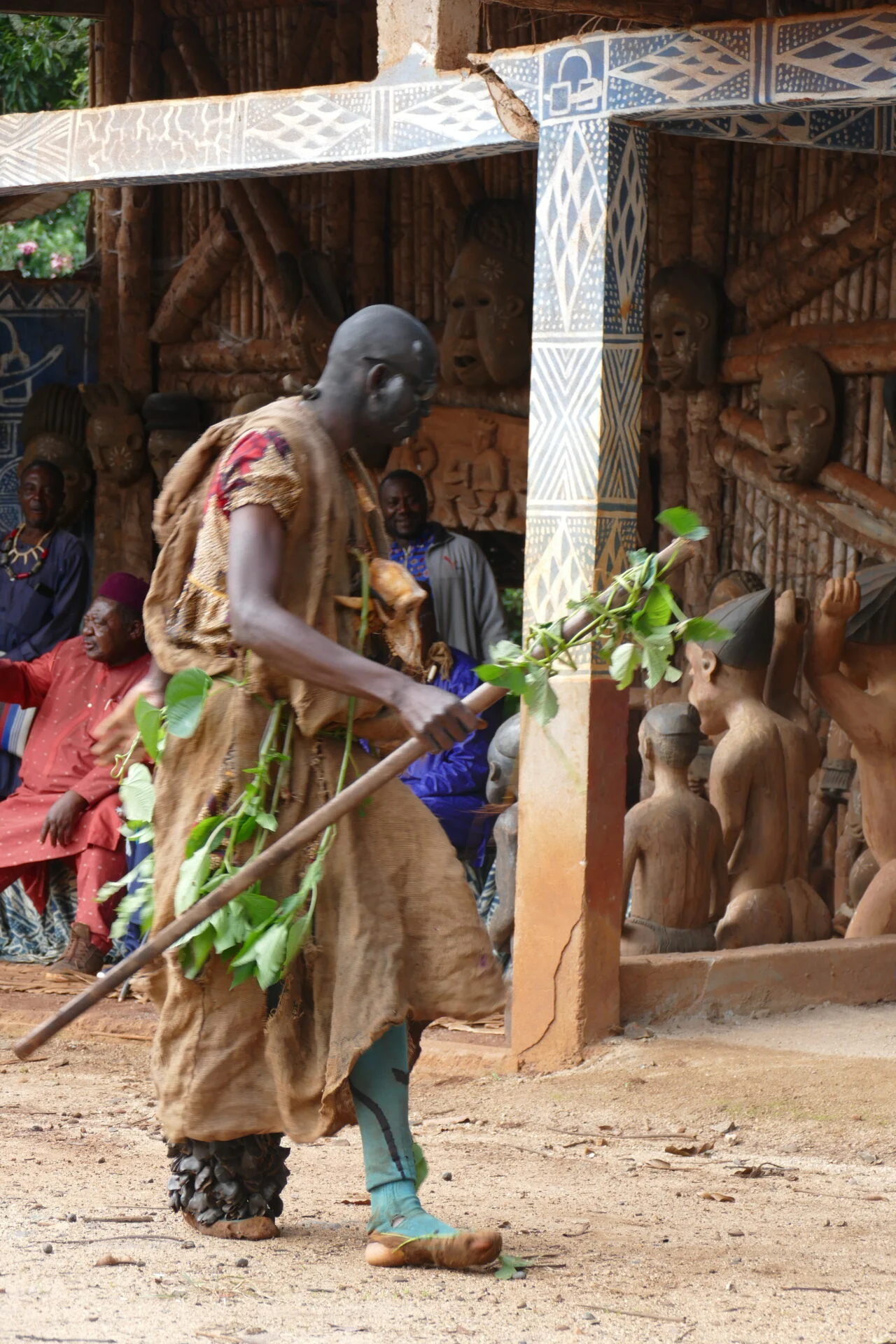
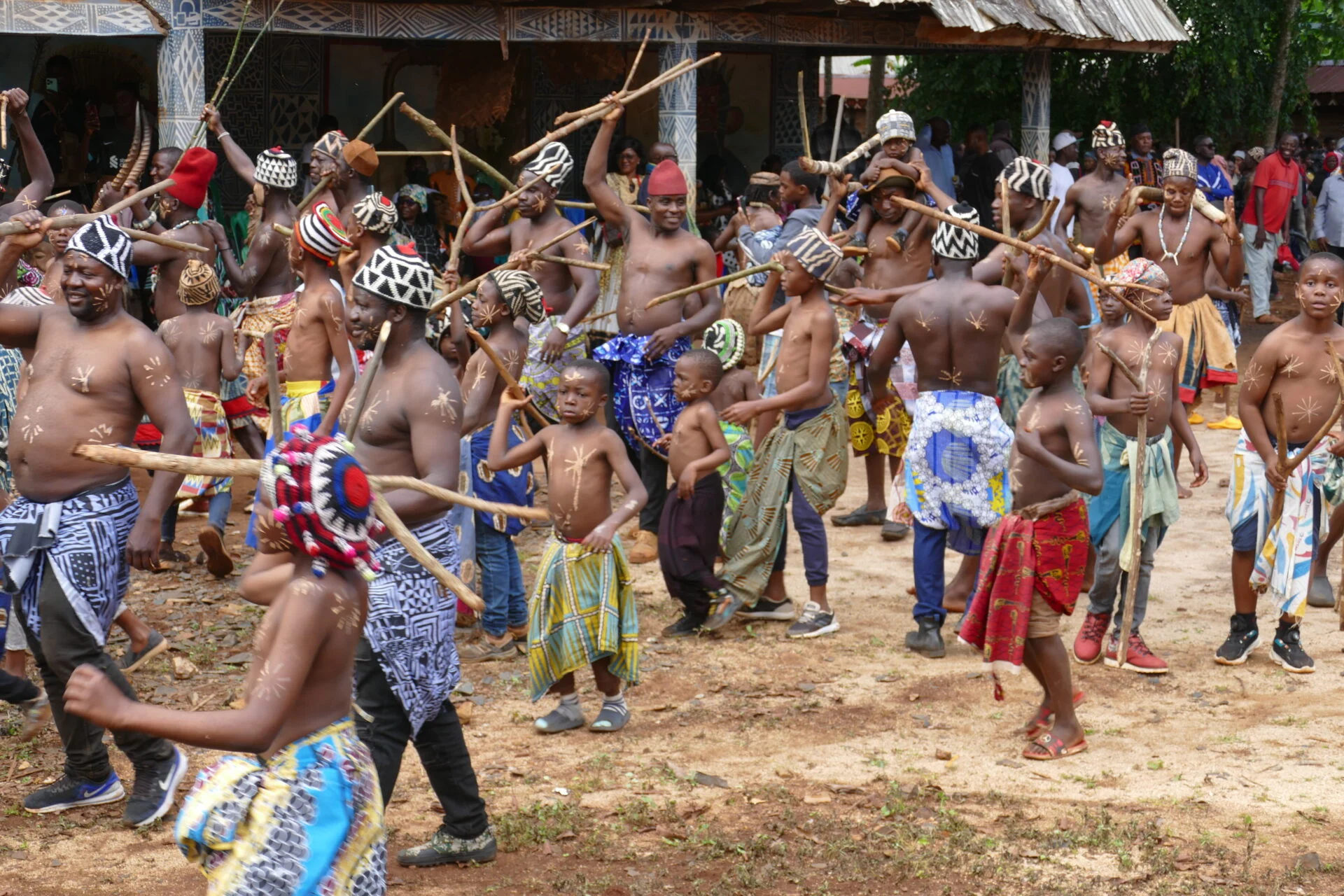
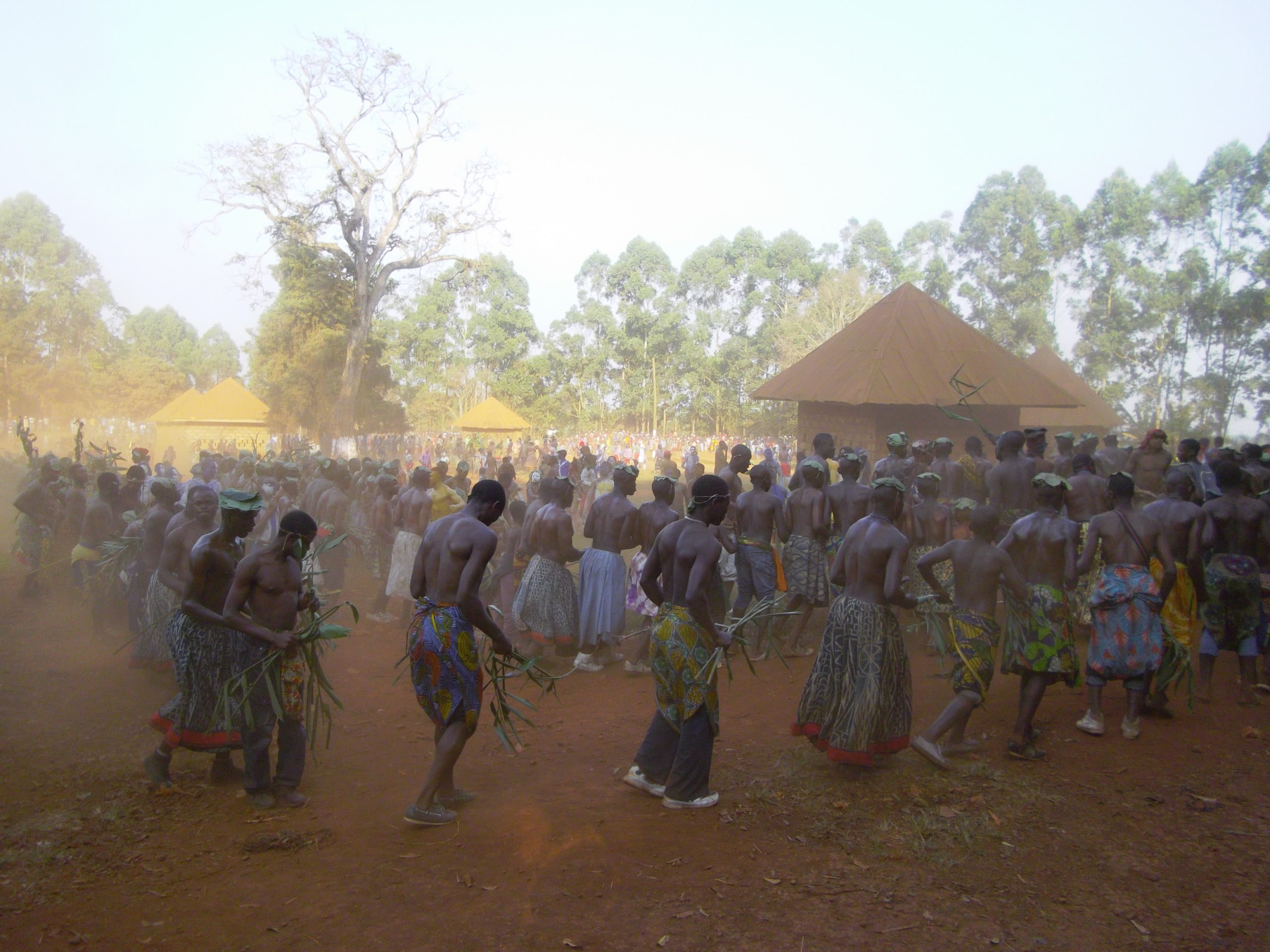
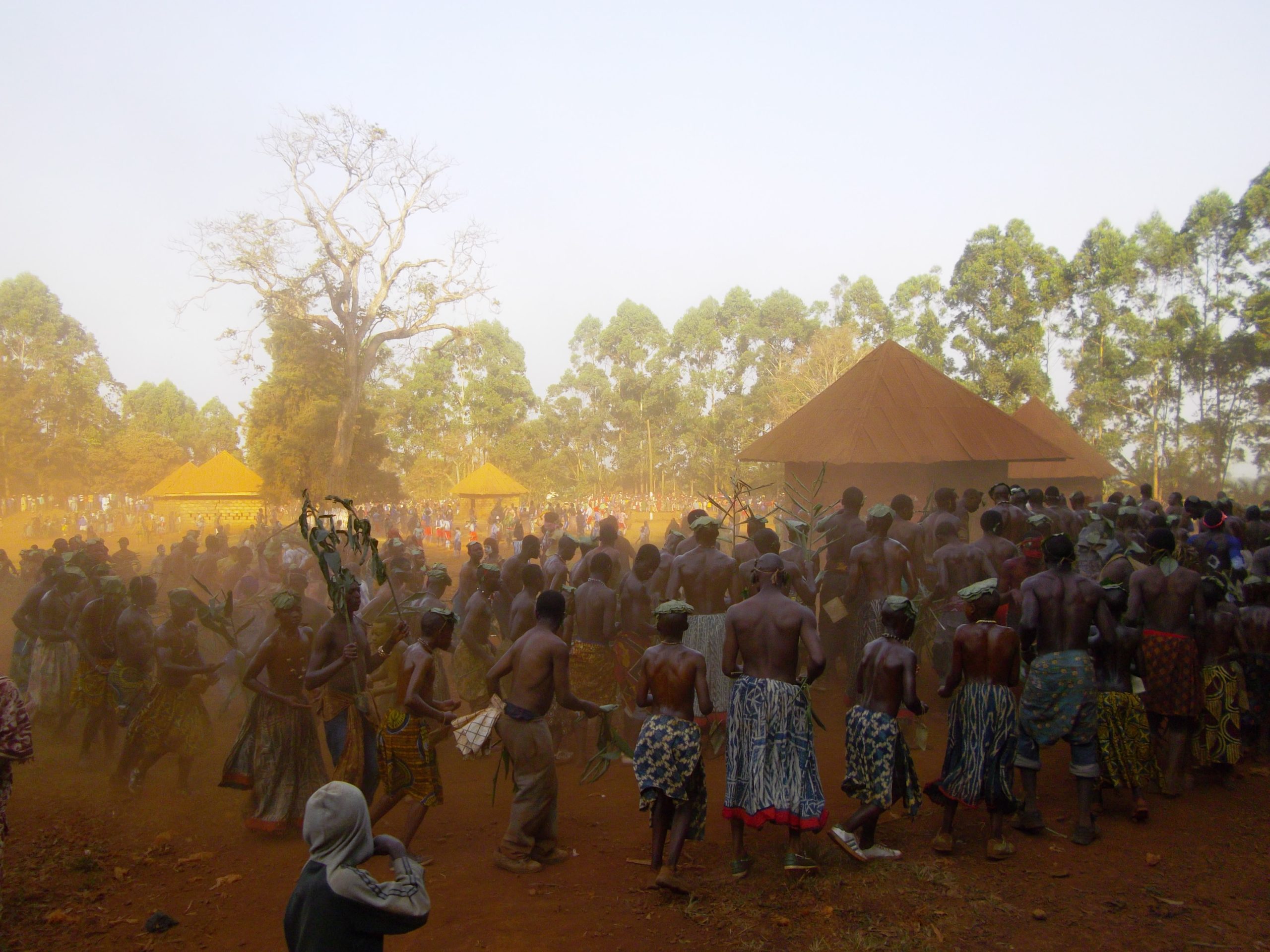
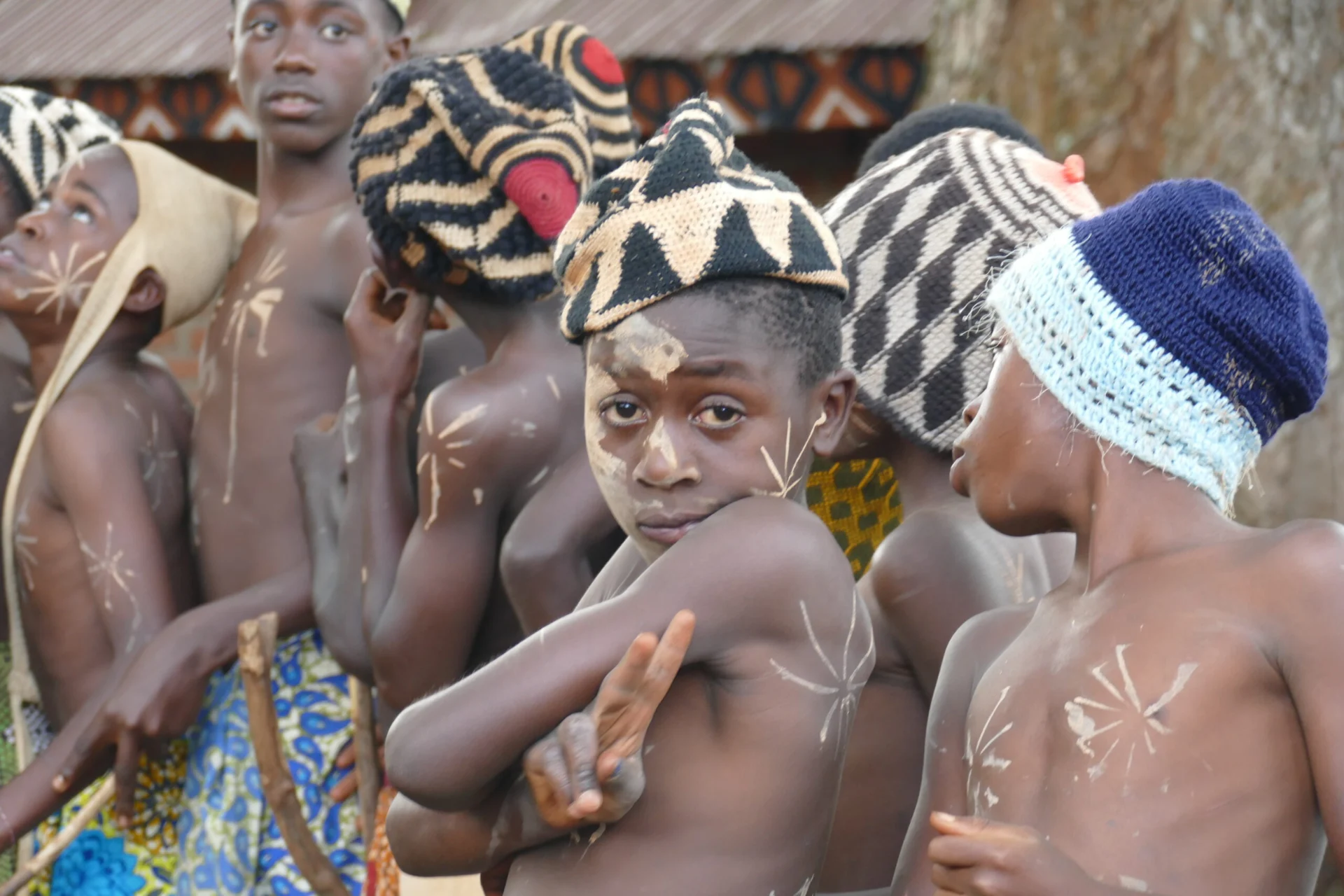
Le Kack, également appelé Kè, Keng, ou Kang, est un rite communautaire bisannuel, qui se déroule tous les deux ans, plus précisément durant les années impaires. Avant la colonisation, chez les Bamilékés, ce rite était uniformément pratiqué, avec seulement quelques variations d’une chefferie à l’autre (Perrois and Notué 1995, 107). Le temps, divisé en cycle bisannuel, commençait avec l’année du Kack et se terminait avec l’année du Jack. Ces deux années constituaient les années initiatiques (Hurault 1962, 123). L’année du Kack correspondait à l’année des interdits, et l’on procédait à divers rituels pour la prospérité communautaire, notamment le rite agraire et celui de la circoncision. L’année du Kack était l’année des réjouissances et de l’initiation des jeunes filles. 

Le rite Kack rassemble toute la communauté autour de son chef pour un renouvellement du contrat social. Il est lié à la fondation de la chefferie. Le but initial du rite était de rassembler les populations d’origines diverses autour d’un idéal commun et d’établir un compromis harmonieux entre les fondateurs venus d’ailleurs et les populations Autochtones présentes sur place. En effet, presque toutes les chefferies bamiléké ont été établies par un chasseur, un guerrier, ou un aventurier venu d’ailleurs, qui, par ruse ou par force, a réussi à rassembler autour de lui des populations diverses. Ainsi, tous les deux ans, pendant dix-huit semaines, le rite Kack reconstitue de manière symbolique les grands épisodes de la fondation de la chefferie à travers une série de rituels (Fiè-kack, Souock kack, Nkoup-Kack, etc.). Ces rituels théâtralisent l’opposition Autochtones-conquérants et se termine par une réaffirmation du pouvoir du chef, descendant de l’étranger fondateur de la chefferie (Tsékenis 2010, 489).

Read more

Also known as Kè, Keng, or Kang, Kack is a biannual community rite that takes place every two years, more precisely those that end in an odd number. Before colonization, this rite was uniformly practiced among the Bamilékés, with only a few variations from one chiefdom to another (Perrois and Notué 1995, 107). Time, divided into a two-year cycle, began with the year of Kack and ended with the year of Jack. These two years constituted what Hurault calls the initiatory years (Hurault 1962, 123). The year of the Kack was the year of the forbidden, and various rituals would be performed to ensure the prosperity of the community, most notably the agrarian rite and the rite of circumcision. The Kack year was the year of festivities and the initiation of young girls.
The Kack rite brings the entire community together around its chief to renew the social contract, for it is linked to the founding of the chiefdom. The initial aim of the rite was to unite the population of diverse origins around a common ideal and to establish a harmonious compromise between the foreign founders and the local indigenous populations. Indeed, almost all Bamiléké chieftaincies were established by a hunter, warrior, or adventurer from elsewhere, who, by cunning or force, succeeded in gathering around him an array of different people. Every two years, over a period of eighteen weeks, the Kack rite symbolically re-enacts the major events in the founding of the chiefdom through a series of rituals (Fiè-kack, Souock Kack, Nkoup-Kack, etc.). These rituals dramatize the opposition between natives and conquerors, and end with a reaffirmation of the authority of the chief, a descendant of the foreign founder of the chiefdom (Tsékenis 2010, 489).

Date of entry: January 20, 2025
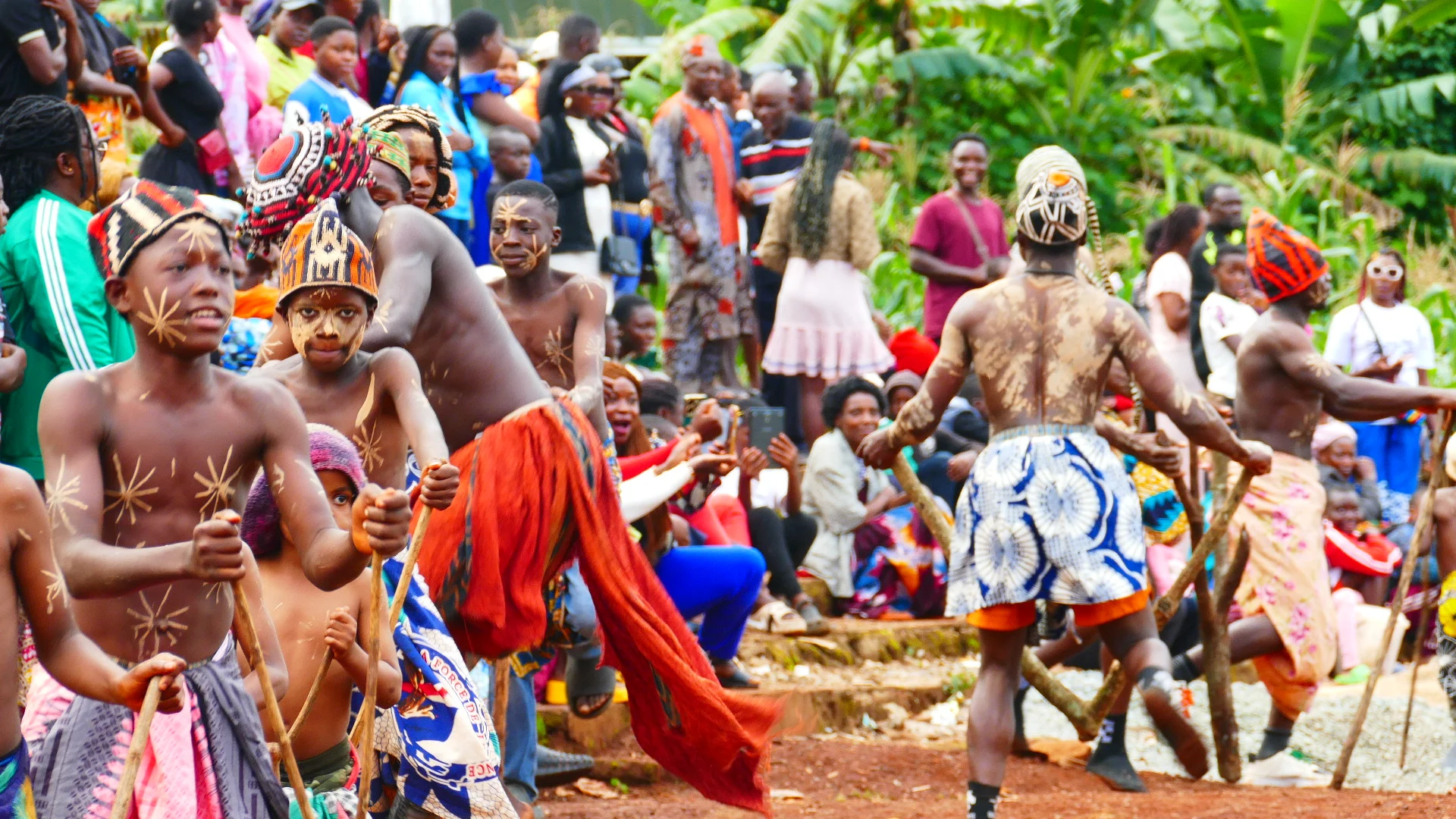
Kack ritual at Batoufam chiefdom, West Cameroon, 07/2025 by Arsène Ngandjouong
The name you would like to be credited with for your contribution.
The word you wish to contribute
Your email for contact and updates regarding your submission.
The language you are contributing the word in
Maximum file size: 3 MB
Maximum file size: 5 MB
By proceeding, I acknowledge and agree to GloCo's Legal notice and Terms of use
and the Guidelines for Contributors *

Related Words

Children preparing for the Kang dance
Tcheu’ (cœ̀')
Nguemba

The word means hat. There are many different types, from royal headdresses to simple hats, Nkam (ŋkǎm)' hats and headdresses worn by the members of t...

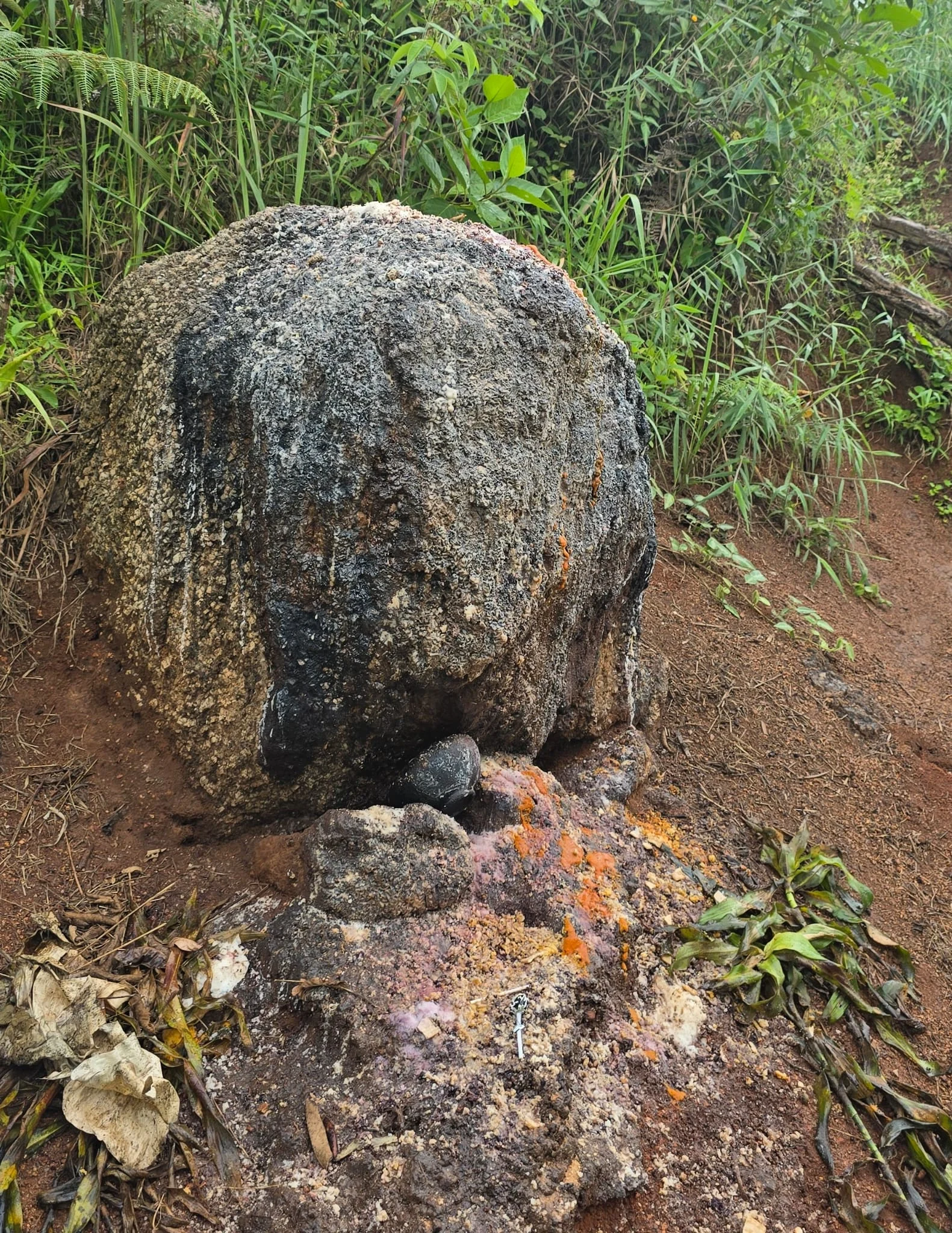
offering, Bapa village (Cameroon), 26.07.2025, by Maeva PIMO
Pↄↄ’
Yemba

It refers to the offering made to deities during Bamiléké religious ceremonies. The act of making an offering is called ŋgwā' pↄↄ' (throwing the mushr...

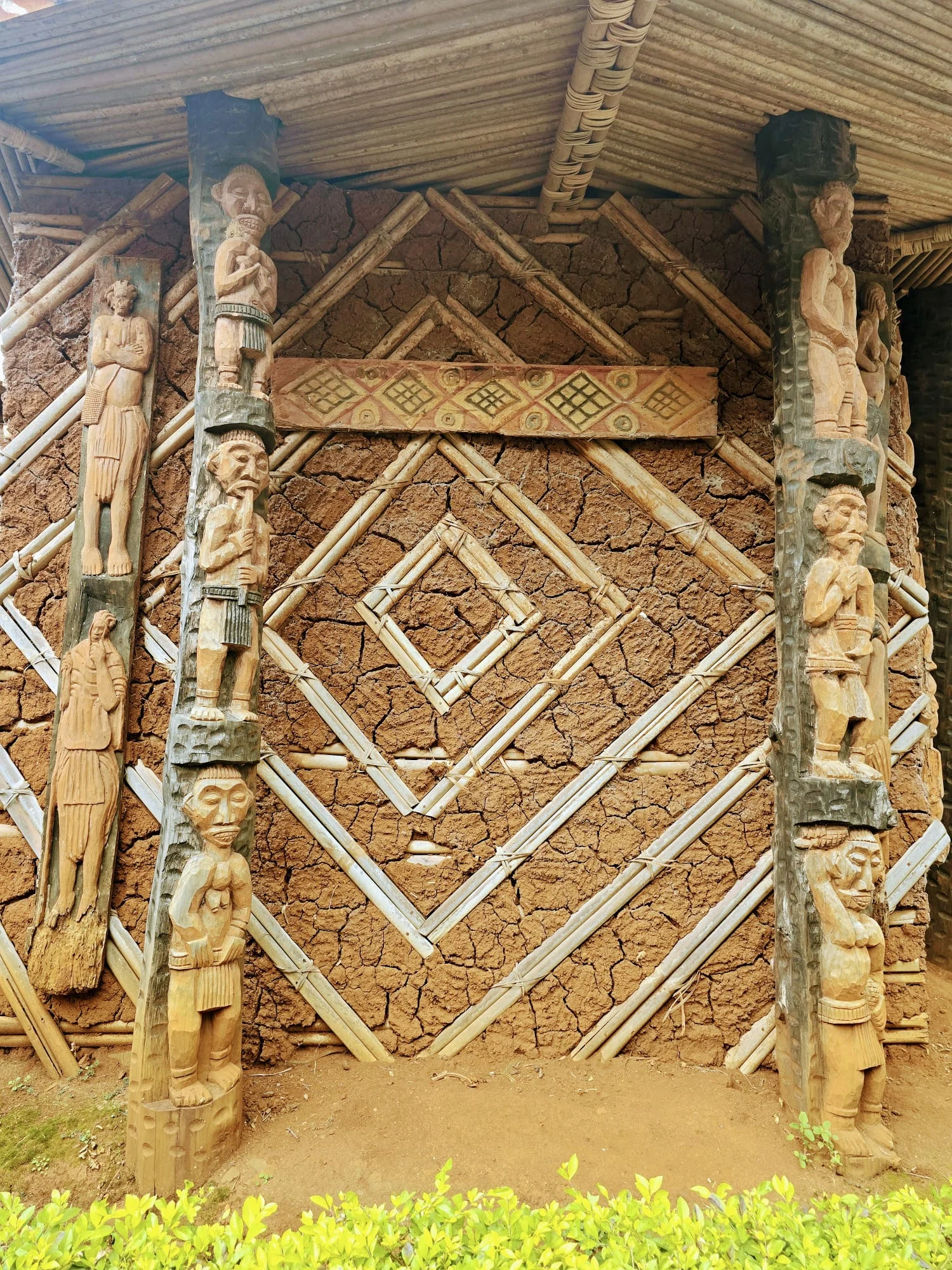
Piliers sculptés, chefferie de Batoufam (Cameroun), 08/2025, par Maeva PIMO
Pilier sculpté
French

Une poutre en bois sur laquelle sont gravées des informations, lesquelles renseignent généralement sur l’importance du lieu, les valeurs ainsi que la ...

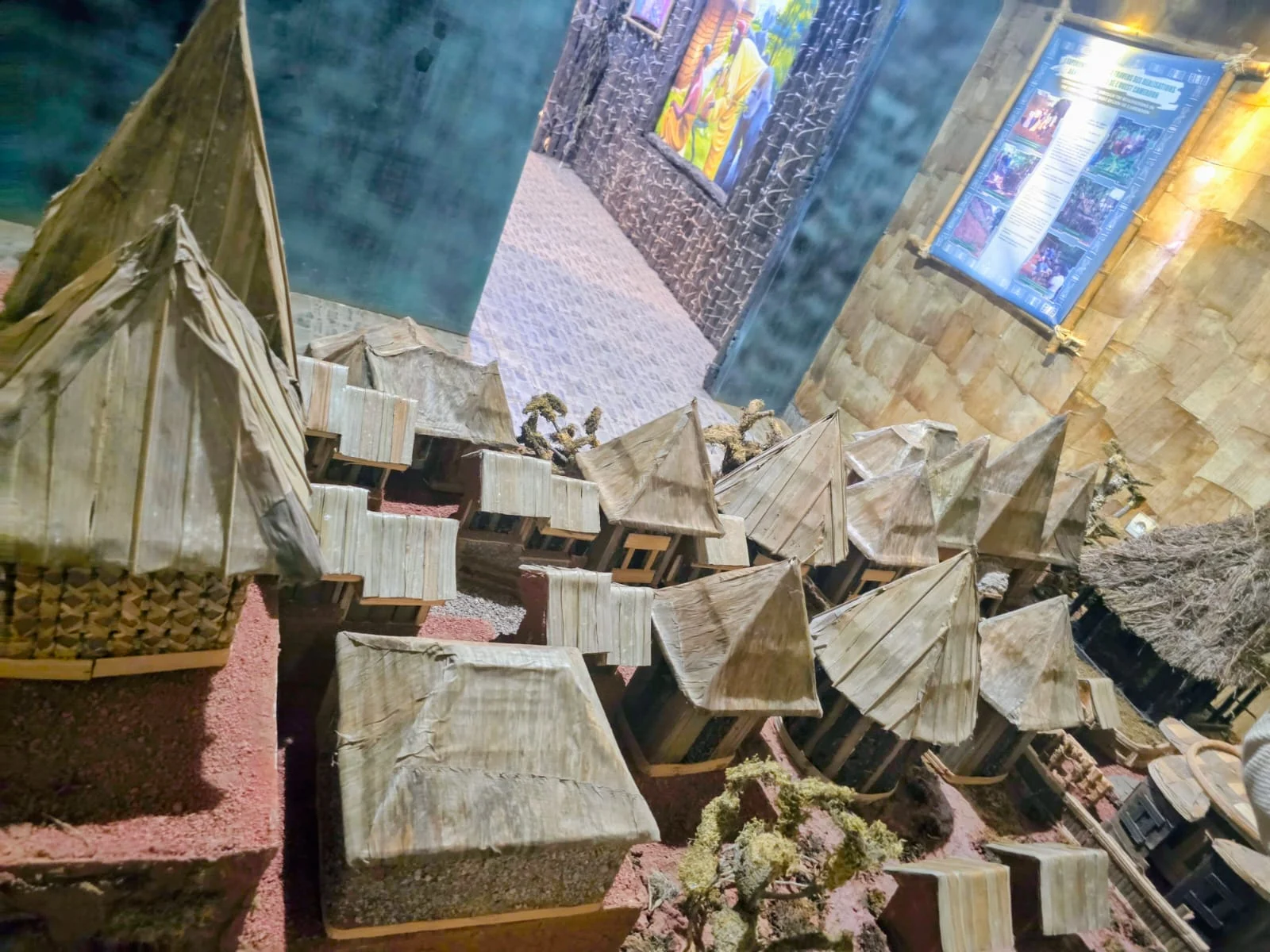
Bapa chiefdom model, Bapa (Cameroon), 07/2025, by Maeva PIMO
No'h (nɔ̀')
Nguemba

It refers to the chiefdom, which is the most important place in the village. The chiefdom has a dual definition. Firstly, it refers to the territorial...

Peace_Tree, Bapa chiefdom (Cameroon), 26.07.2025, by Maeva PIMO
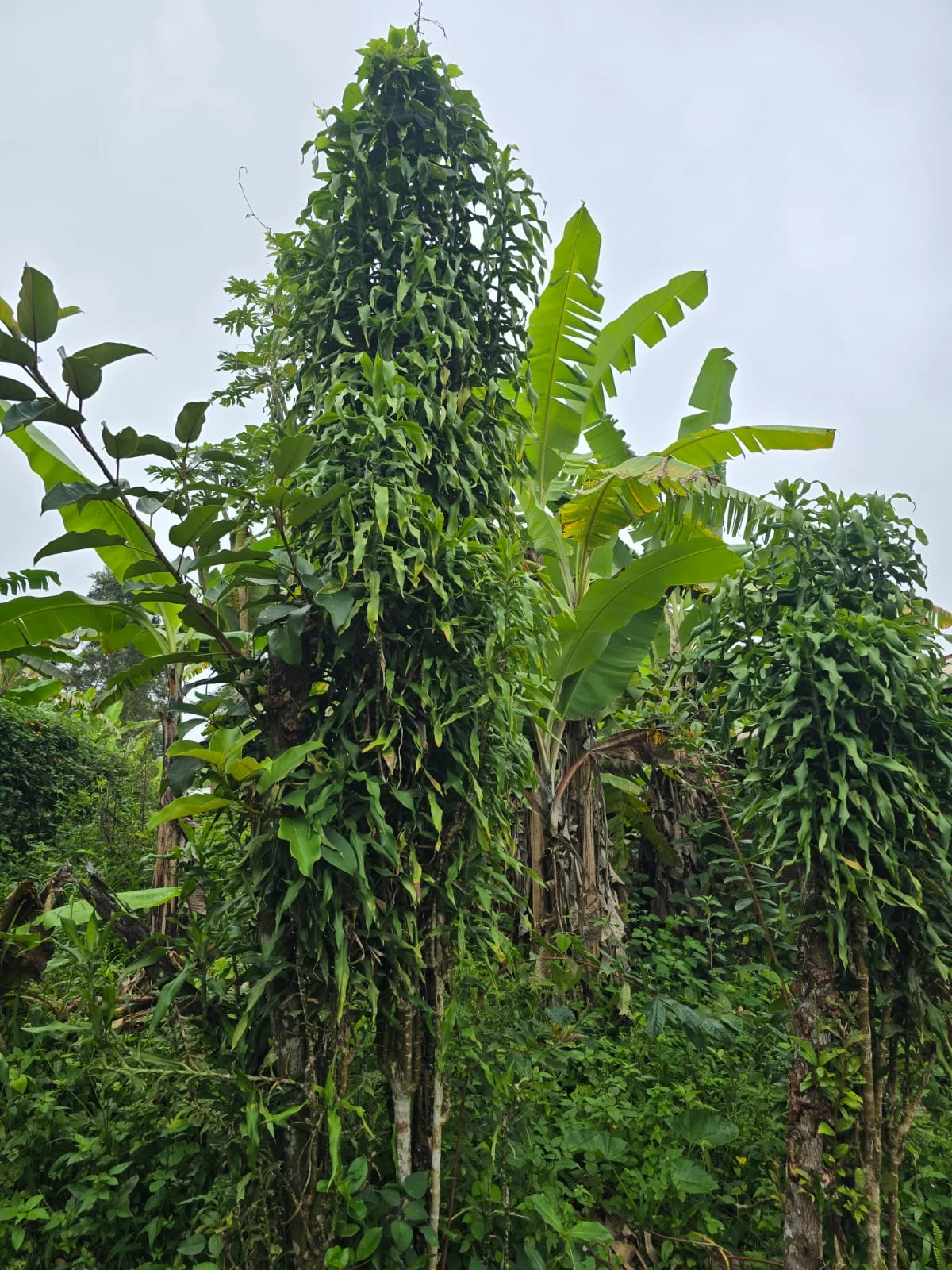
Nkeŋ/ pfʉǝkeŋ/ Kwetkeng (kwɛ̀tŋkǝ̂ŋ) (Draceana Déléistéliana)
Yemba/Ghomala’/Nguemba

The peace tree is a shrub that can grow up to five meters high. In Bamiléké chiefdoms, it is one of the constituent plants of the bocage*, specific to...

Nkam Ssi (ŋkám Ssí)
Nguemba

A person with clairvoyant abilities. (See Djwisī/Nkemsī).

Nkam Bangoua - Right-hand man of Chief Bangoua
Nkam (ŋkǎm)
Nguemba

A notable is a person occupying a high rank in a chiefdom (See No’h (nɔ̀’)). A notable acquires his title and rank either by succession or by recognit...

Nkà shin (kǎ shìn)
Nguemba

The grouping of people of a certain age category. The gaps between two age groups vary from chiefdom to chiefdom. The gap considered for a generation ...

Ngaŋnga/Gegↄm
Yemba/ Ghomela

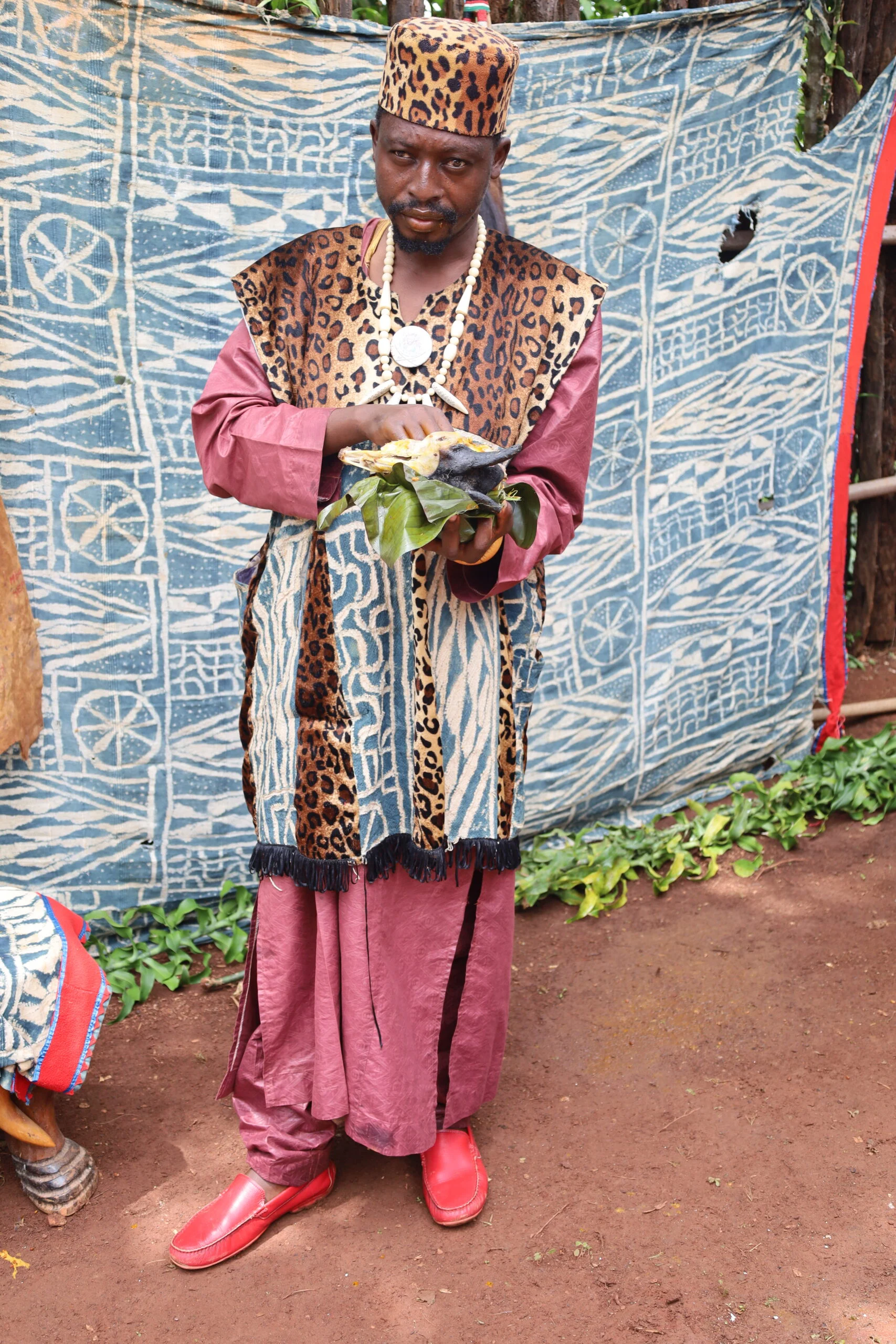
Literally the man of the tarantula, he is a doctor and a diviner. He uses tarantulas or cowrie shells for divination. He also uses plants and sacred w...

Nganafhu working on a patient, Yaounde (Cameroon), 06/2025, by Maeva PIMO
Nganafhū/Gaghĕ
Yemba/ Ghomela

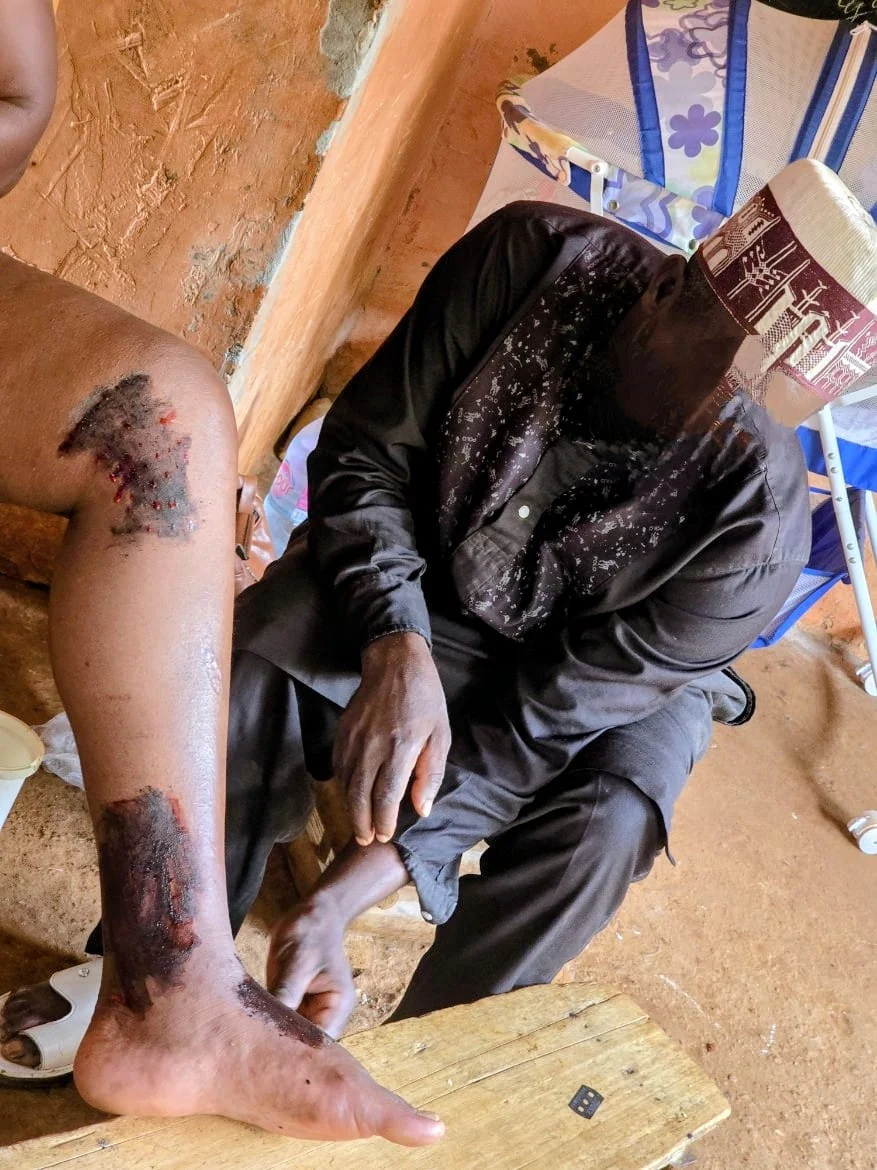
The man of leaves or medicine is the community's chief doctor. He has a thorough knowledge of medicinal plants, but also of anatomy (Notue/Perrois 198...

error: