Vodun squares

Language: English

Description

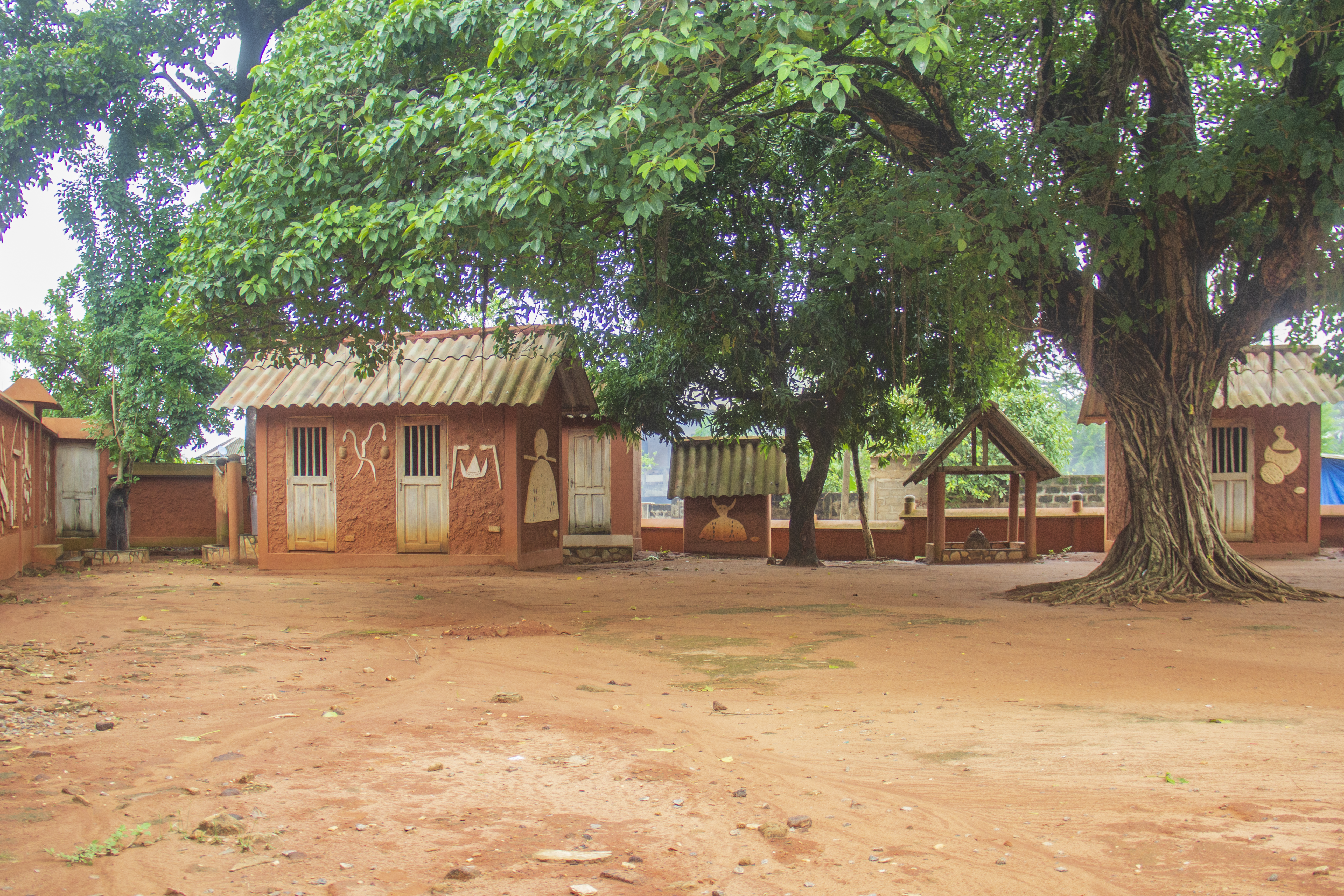
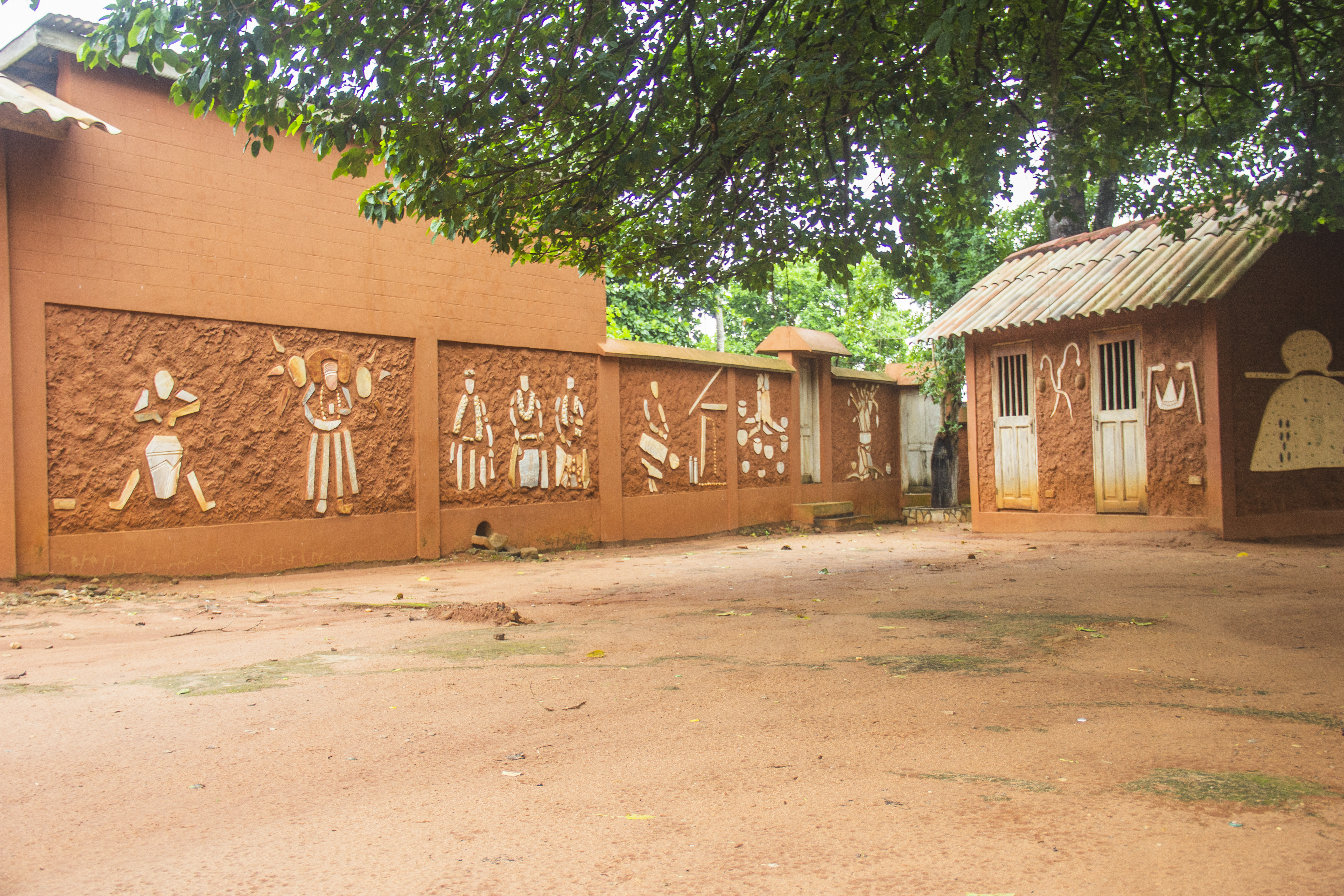
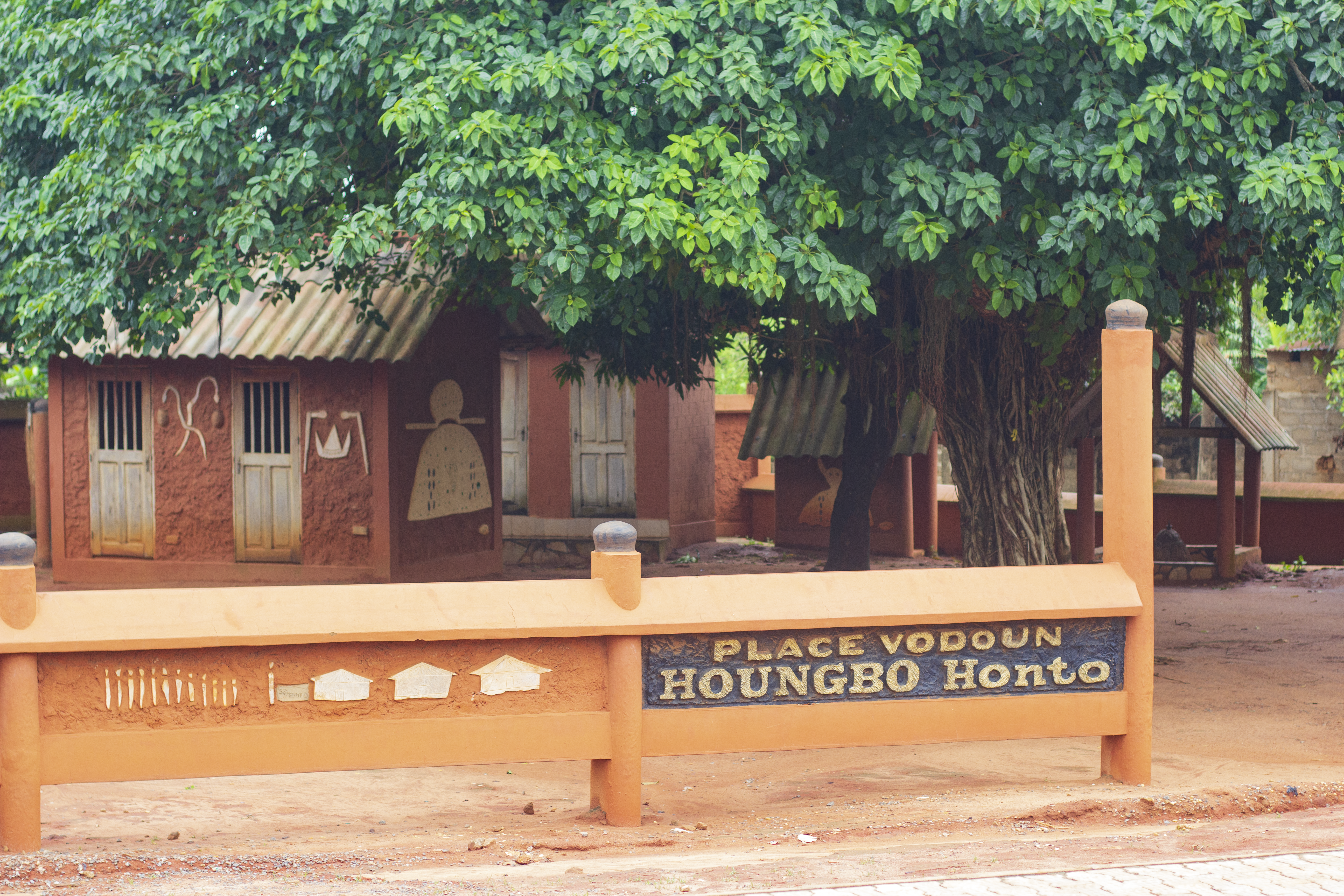
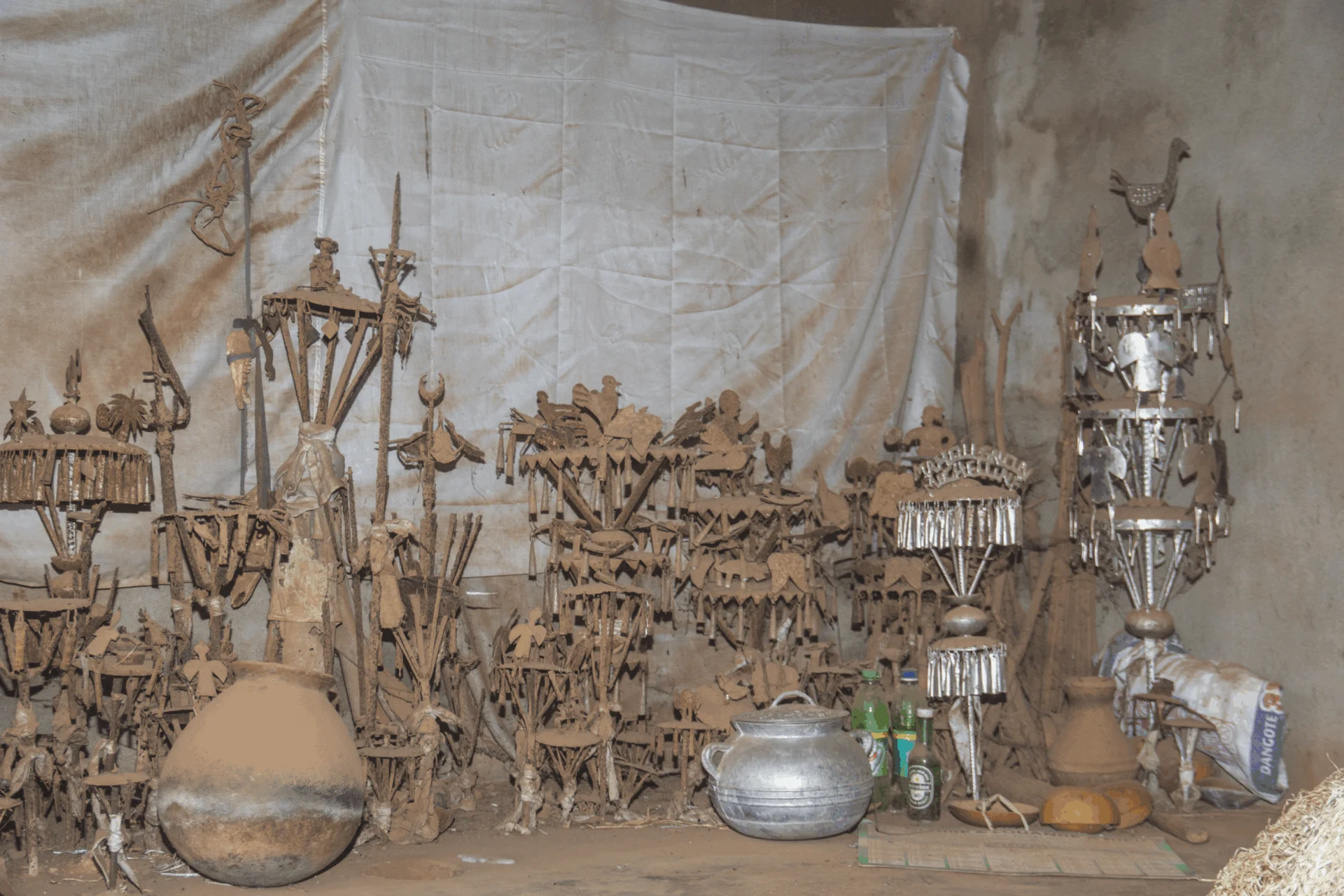
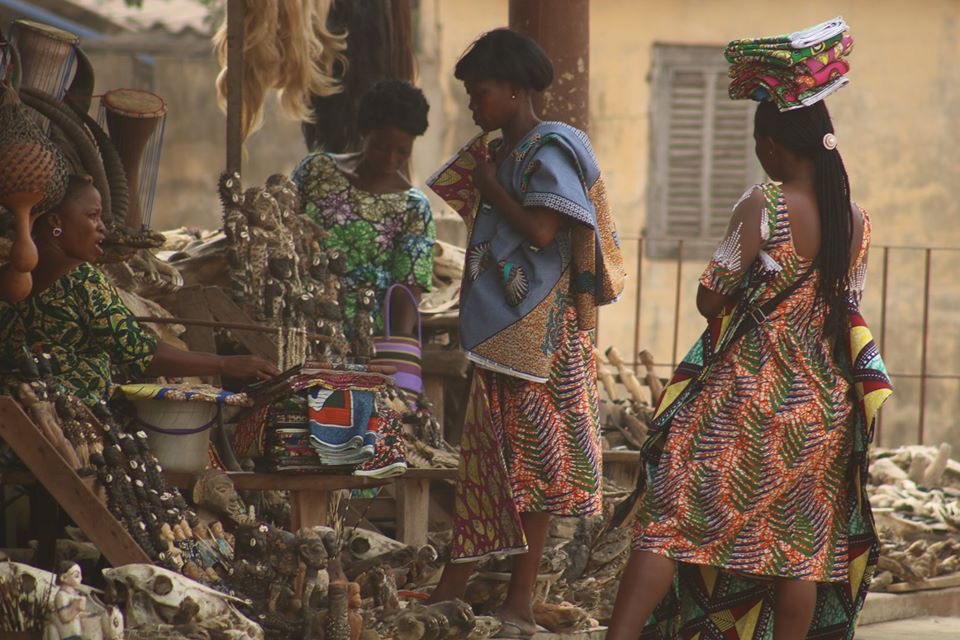
Lieux sacrés consacrés à la pratique religieuse et aux rituels associés au culte Vodun. Ils sont imprégnés d’histoire et de spiritualité, et sont des témoignages vivants des identités collectives. Ils représentent des espaces où les populations peuvent matérialiser leur identité, se rencontrer, et mener leur vie quotidienne en communauté. Les places Vodun sont souvent ornées de sculptures, d’autels, et d’autres éléments symboliques. En dehors des divinités qui s’y trouvent, plusieurs éléments permettent de les reconnaître: notamment des temples, des couvents, et des arbres liturgiques. Ce sont des lieux essentiels pour la préservation et la transmission de la culture et la tradition Vodun.

Read more

Sacred places for religious practice and rituals associated with the Vodun cult. Such spaces are steeped in history and spirituality, and are living testimonies to collective identities. They are places where people can materialise their identity, meet each other, and live their daily lives as part of a community. Vodun squares are often adorned with sculptures, altars, and other symbolic objects, and are gathering places for ceremonies. In addition to the deities that can be found in these squares, several other features are characteristic. These include temples, convents, and liturgical trees. Vodun squares are essential places for the preservation and transmission of Vodun culture and tradition.

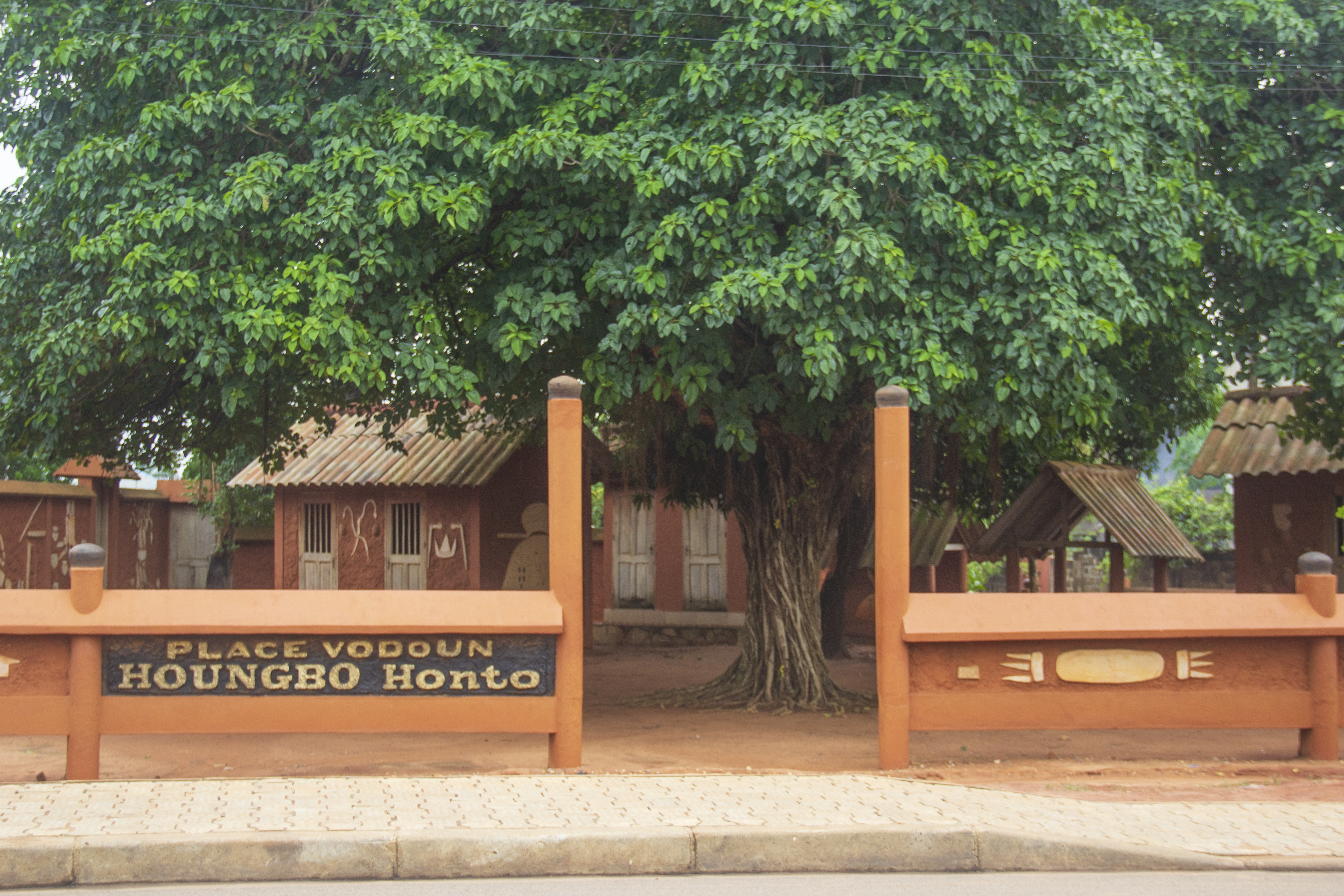
Date of entry: January 20, 2025
The name you would like to be credited with for your contribution.
The word you wish to contribute
Your email for contact and updates regarding your submission.
The language you are contributing the word in
Maximum file size: 3 MB
Maximum file size: 5 MB
By proceeding, I acknowledge and agree to GloCo's Legal notice and Terms of use
and the Guidelines for Contributors *

Related Words

IMG-20250912-WA0010
Géwél
Wolof

A person whose role is to be a historian, storyteller, poet and musician. They ensure the transmission of culture and oral history by preserving the m...

Asɛn
Asɛn
Fɔ̀ngbè

Originellement issu du Fɔ̀ngbè, le terme désigne un autel portatif fait de métal principalement, et réalisé pour commémorer un-e défunt-e qui, de son ...

tchambaga
Ewe
tcham-ba-ga

Bracelet whose name means “metal of the Tchamba,” the tchambaga symbolizes the iron shackles of enslaved people and is used to contact ancestors, as w...

Tila
Tila
Ewe
Ti-la

Protective amulet common in Togo and other parts of West Africa in various forms. The term gris-gris is apparently more widespread for protective amul...

Ataya
Ataaya
Wolof

Tea prepared on the ground in a teapot and served in cups. This way of making tea has its roots in the Arab world.

Ceebu jën
Ceebu jën
Wolof

Traditional Senegalese dish with fish, rice, and vegetables. In 2021, the dish was classed by UNESCO as an intangible cultural heritage.

Rouye
Ruy
Wolof

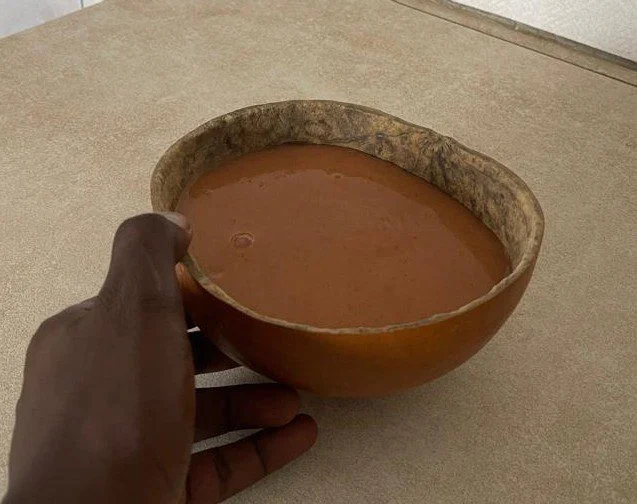
Porridge made with 'Sunguf' cereal flour, such as millet. The term Sunguf is also used to refer to any kind of flour.

IMG-20250827-WA0037
Bassari
Wolof

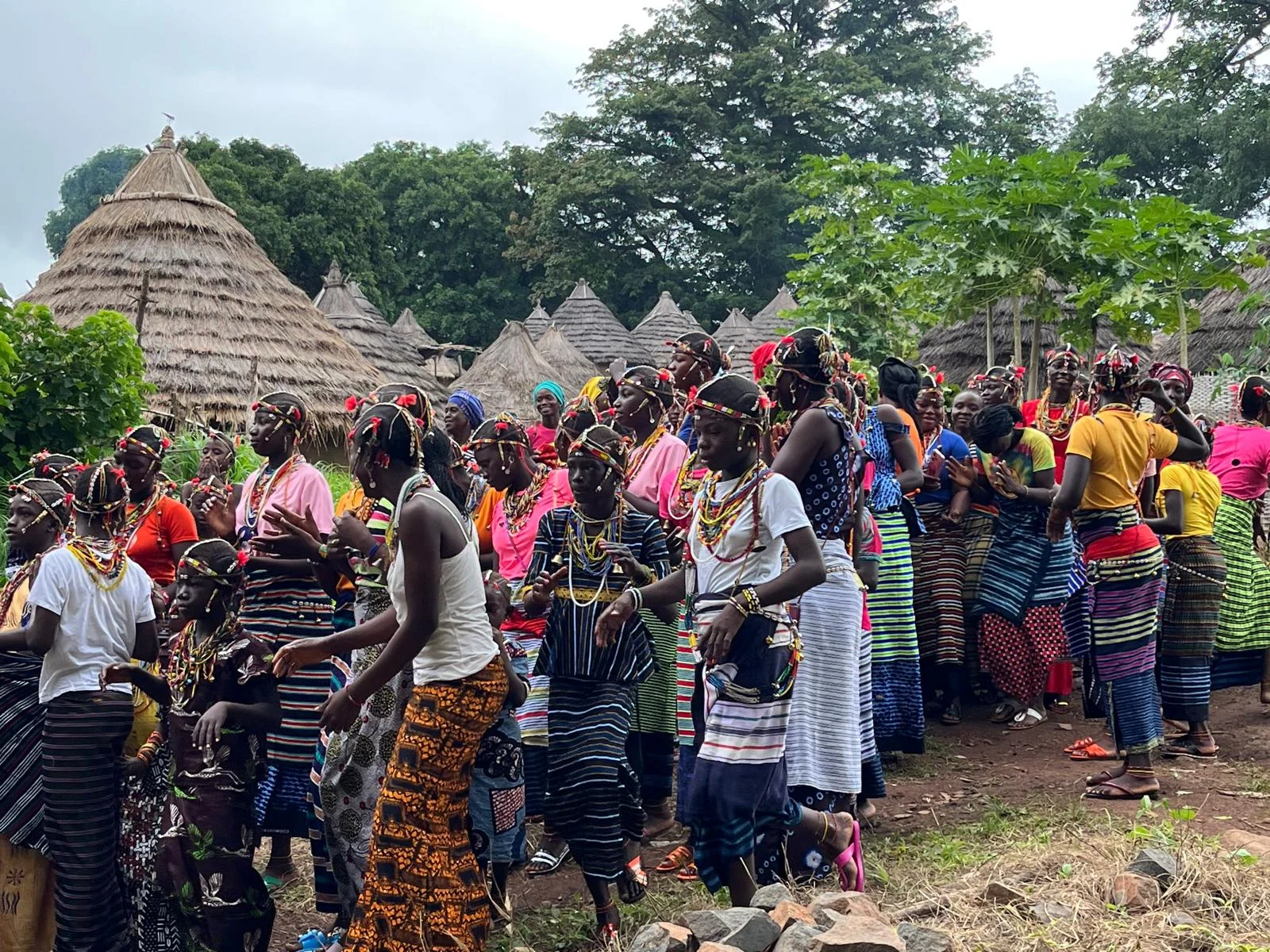
Animist people from the Kédougou region (South-East Senegal). Their religion is subject to stereotypes, as is the case for other religions, such as Vo...

Chéchia
Chéchia
Wolof

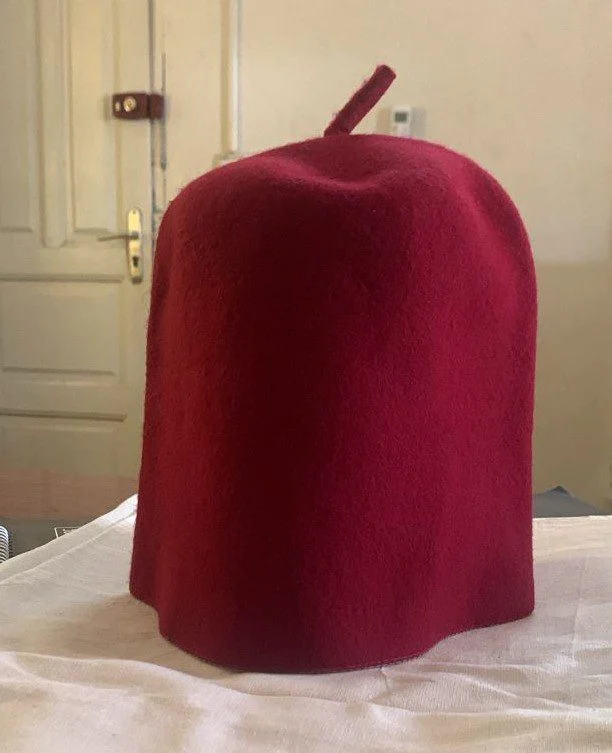
Square cap worn by men and women alike. This word, of North African origin, is rejected by certain Senegalese socio-cultural groups, who use Mbakhana*...

Tenguadé
Tenngaade
Wolof

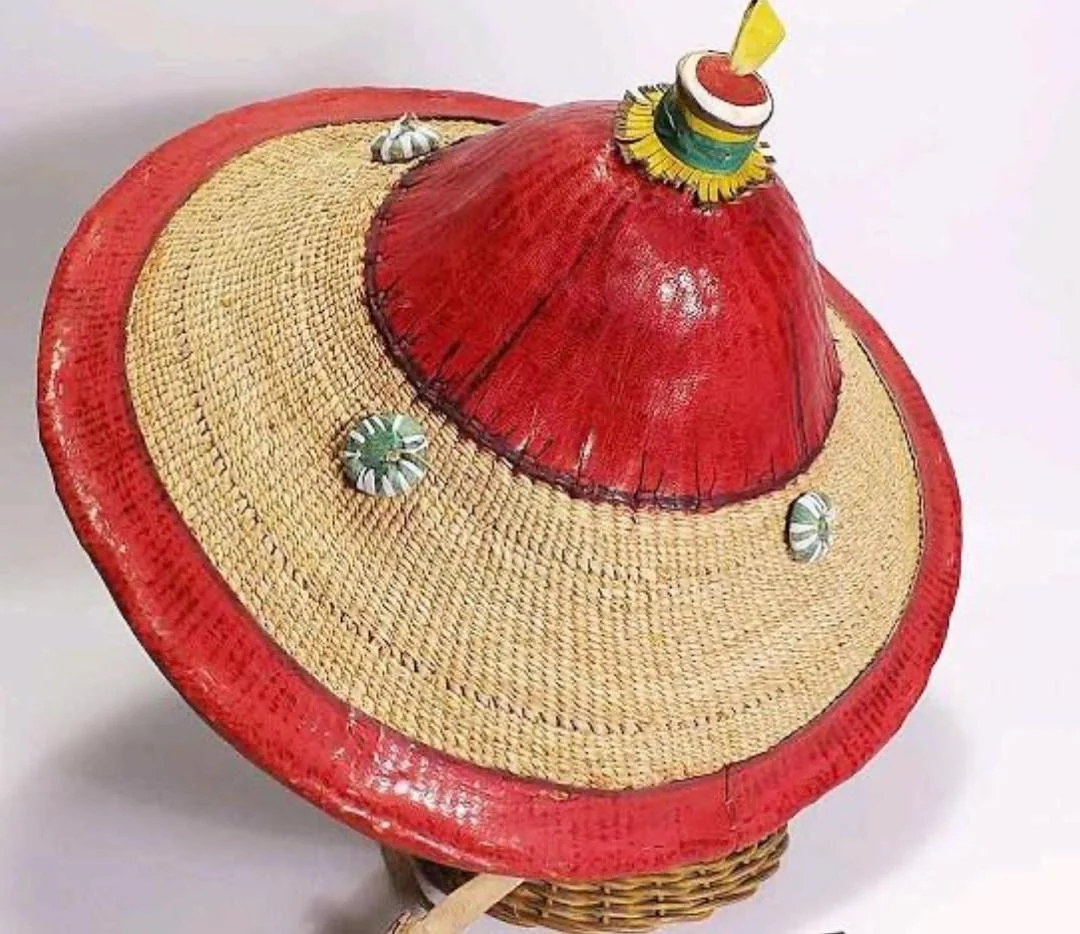
Conical straw hat often used by Fulani people when accompanying their herds.

error: