Poterie

Language: French
Also known as: Pottery

Description

La poterie a longtemps été le principal ustensile de cuisine chez les Bamilékés. Par contre, cet usage a presque ou totalement disparu aujourd’hui. Or, il y a quelques années, le savoir-faire en matière de céramique était pratiqué dans la presque totalité des chefferies et était connu comme un art réalisé par les femmes (Dole 2001, 15). La terre argilo-siliceuse utilisée permettait de mouler une variété d’objets, lesquels, décorés selon le goût et la classe sociale du-de la commanditaire, était cuite à haute température sur du feu de bois. Les femmes produisaient alors des objets tels que des marmites pour la cuisson, des écuelles pour le service, des contenants pour usage divers (rituels et domestiques), ainsi que des pipes d’apparat. De nos jours, seules les poteries rituelles sont encore produites, notamment celles du rite des jumeaux/jumelles. Ces dernières sont une relique de ce savoir-faire et tiennent lieu de supports religieux, servant de contenants aux fluides purificateurs distribués pendant le rite.

Read more

Pottery has long been the main cooking utensil among the Bamilekes, though today this function has almost completely disappeared. However, a few years ago, ceramic skills were practiced in almost all chiefdoms, and were known as an art performed by women (Dole 2001, 15). The silica clay allowed for a variety of objects to be created, which–decorated according to the taste and social class of the patron–were fired at high temperatures over a wood fire. Objects such as cooking pots, serving bowls, ritual and domestic containers, and ceremonial pipes were produced by women. Today, only ritual pottery is still produced, notably objects to be used as part of the twin rite. Such objects are the relics of this know-how, and serve as religious supports, containing the purifying fluids distributed during the rite.

Date of entry: January 20, 2025
Display of pottery for sale. Bamendjou (Cameroon), 27.04.2011, by Honoré Tchatchouang Ngoupeyou.
The name you would like to be credited with for your contribution.
The word you wish to contribute
Your email for contact and updates regarding your submission.
The language you are contributing the word in
Maximum file size: 3 MB
Maximum file size: 5 MB
By proceeding, I acknowledge and agree to GloCo's Legal notice and Terms of use
and the Guidelines for Contributors *

Related Words

IMG-20250912-WA0010
Géwél
Wolof

A person whose role is to be a historian, storyteller, poet and musician. They ensure the transmission of culture and oral history by preserving the m...

Asɛn
Asɛn
Fɔ̀ngbè

Originellement issu du Fɔ̀ngbè, le terme désigne un autel portatif fait de métal principalement, et réalisé pour commémorer un-e défunt-e qui, de son ...

tchambaga
Ewe
tcham-ba-ga

Bracelet whose name means “metal of the Tchamba,” the tchambaga symbolizes the iron shackles of enslaved people and is used to contact ancestors, as w...

Tila
Tila
Ewe
Ti-la

Protective amulet common in Togo and other parts of West Africa in various forms. The term gris-gris is apparently more widespread for protective amul...

Ataya
Ataaya
Wolof

Tea prepared on the ground in a teapot and served in cups. This way of making tea has its roots in the Arab world.

Ceebu jën
Ceebu jën
Wolof

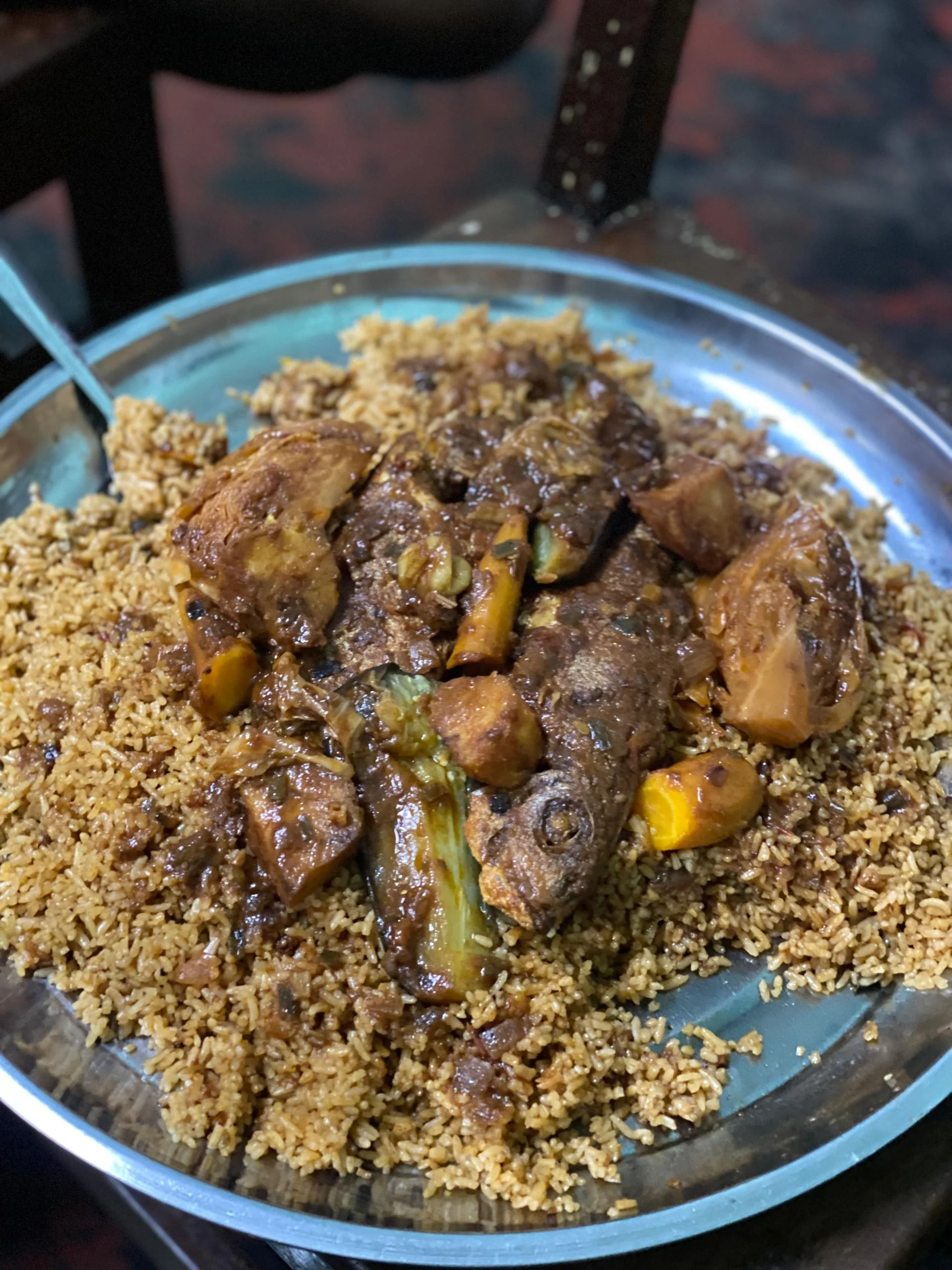
Traditional Senegalese dish with fish, rice, and vegetables. In 2021, the dish was classed by UNESCO as an intangible cultural heritage.

Rouye
Ruy
Wolof

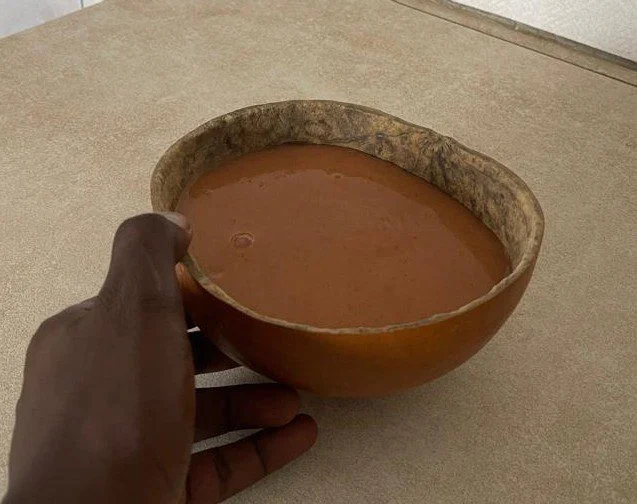
Porridge made with 'Sunguf' cereal flour, such as millet. The term Sunguf is also used to refer to any kind of flour.

IMG-20250827-WA0037
Bassari
Wolof

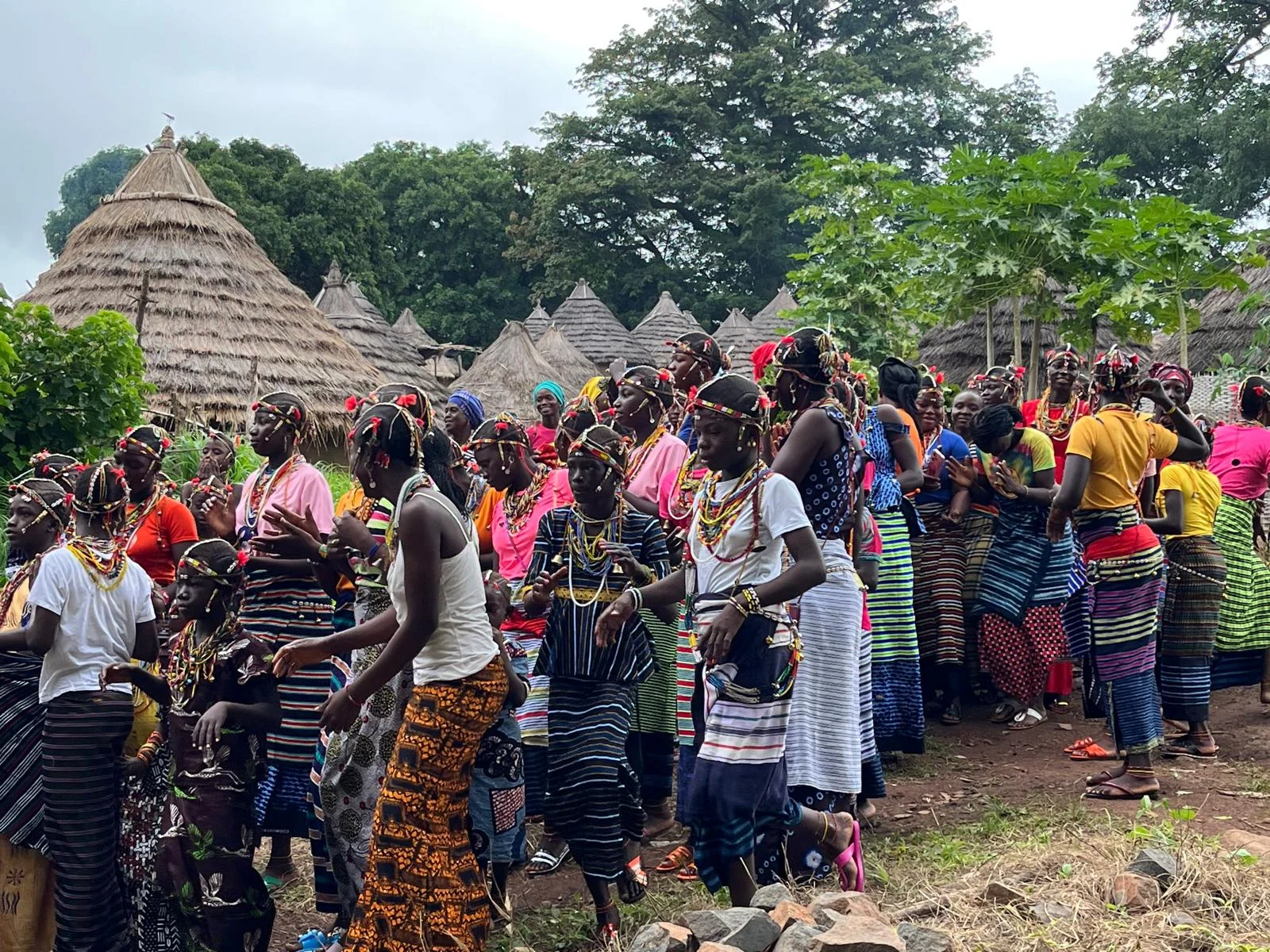
Animist people from the Kédougou region (South-East Senegal). Their religion is subject to stereotypes, as is the case for other religions, such as Vo...

Chéchia
Chéchia
Wolof

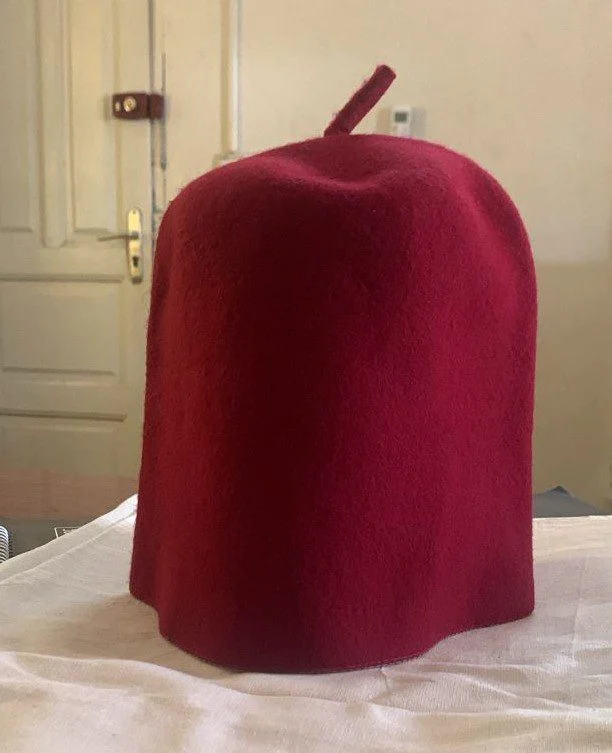
Square cap worn by men and women alike. This word, of North African origin, is rejected by certain Senegalese socio-cultural groups, who use Mbakhana*...

Tenguadé
Tenngaade
Wolof

Conical straw hat often used by Fulani people when accompanying their herds.

error: