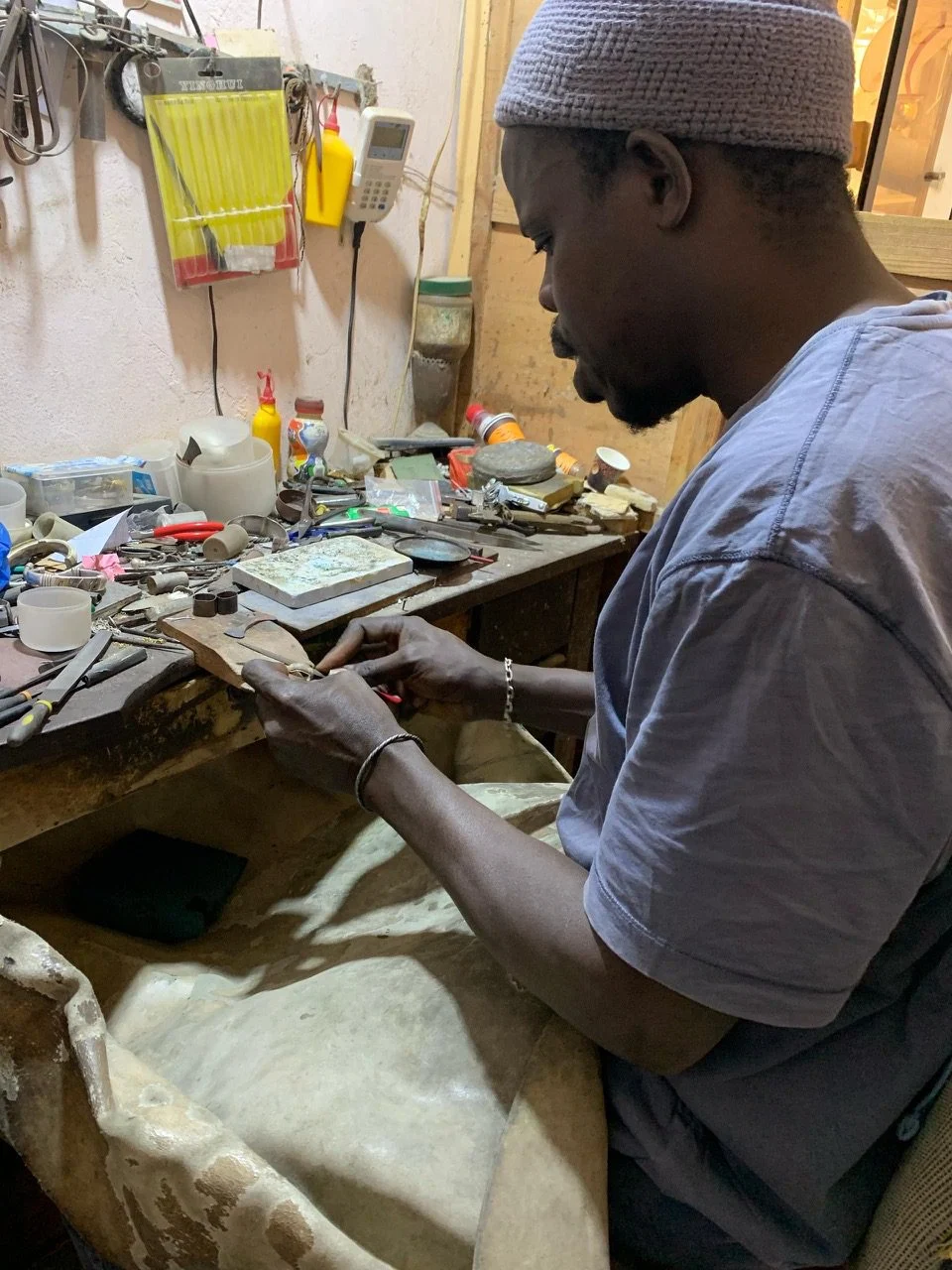
Literally “to forge,” in reference to blacksmiths, guardians of craft heritage. Tëgg symbolizes craftsmanship, but also represents the spiritual role of the blacksmith, seen as a mediator between the material and the spiritual. In Senegalese culture, the blacksmith is not just a craftsman, but is also respected for his ability to transform raw material into useful objects, and to influence the spiritual life of his community.
Littéralement « forger », en référence aux forgerons, gardiens du patrimoine artisanal. Tëgg symbolise le savoir-faire artisanal, mais il représente également le rôle spirituel du forgeron, vu comme un médiateur entre le matériel et le spirituel. Dans la culture sénégalaise, le forgeron n’est pas seulement un artisan ; il est aussi respecté pour sa capacité à transformer la matière brute en objets d’usage et à influencer la vie spirituelle de sa communauté.

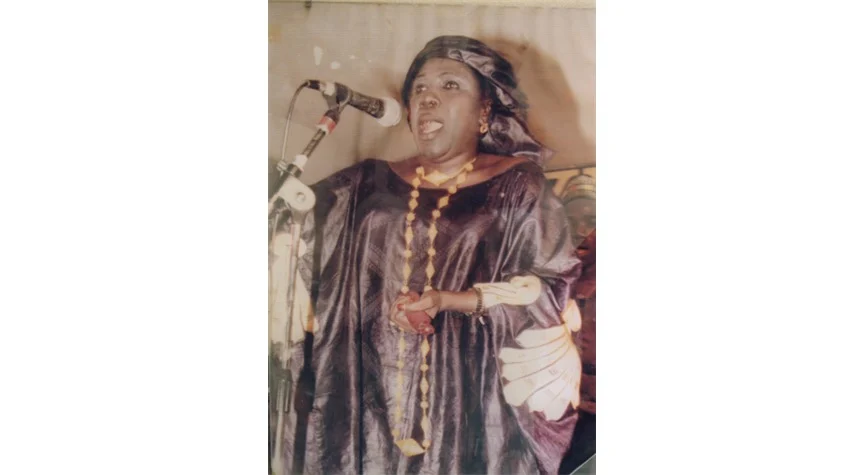
A person whose role is to be a historian, storyteller, poet and musician. They ensure the transmission of culture and oral history by preserving the m...
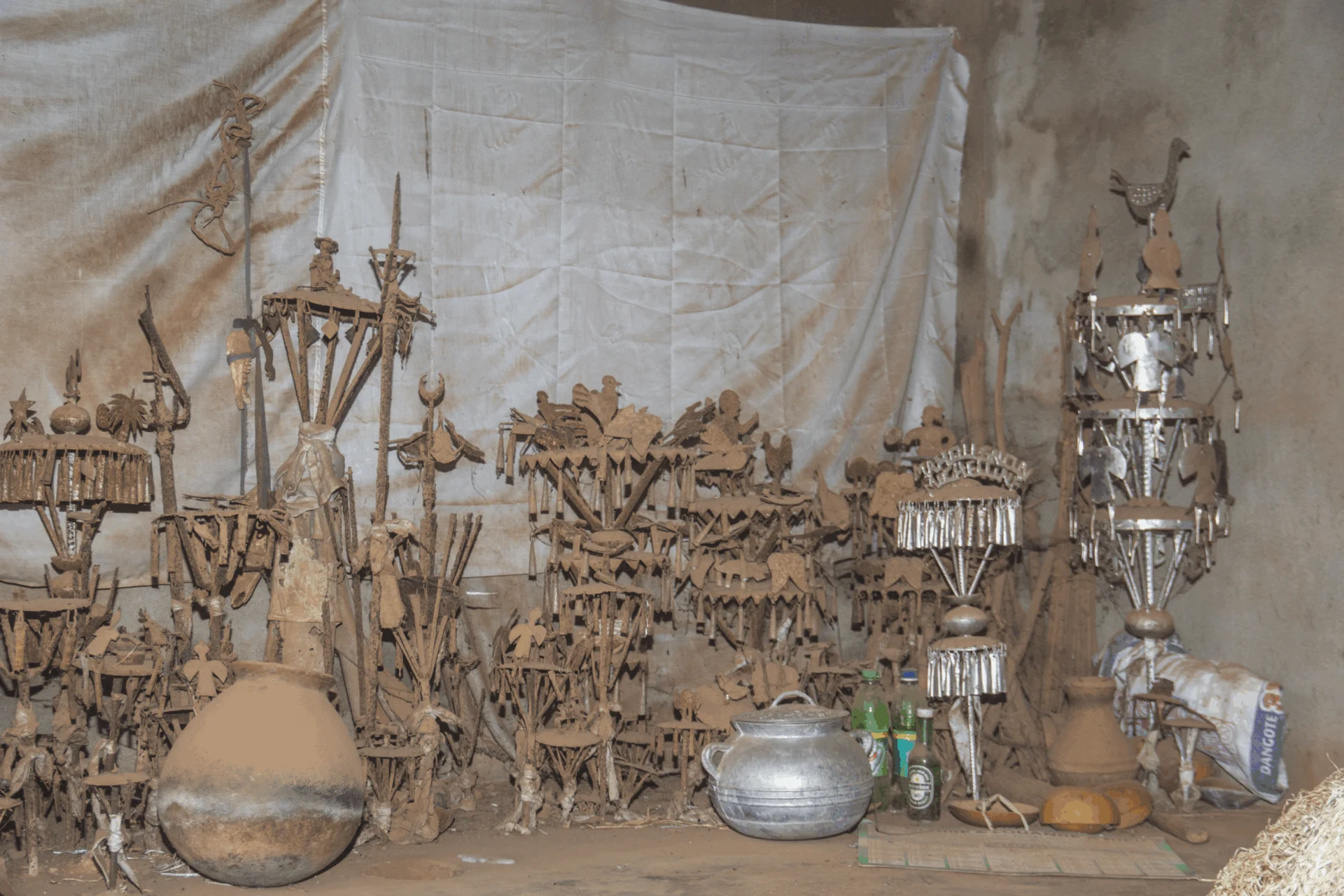
Originellement issu du Fɔ̀ngbè, le terme désigne un autel portatif fait de métal principalement, et réalisé pour commémorer un-e défunt-e qui, de son ...
Bracelet whose name means “metal of the Tchamba,” the tchambaga symbolizes the iron shackles of enslaved people and is used to contact ancestors, as w...
Protective amulet common in Togo and other parts of West Africa in various forms. The term gris-gris is apparently more widespread for protective amul...
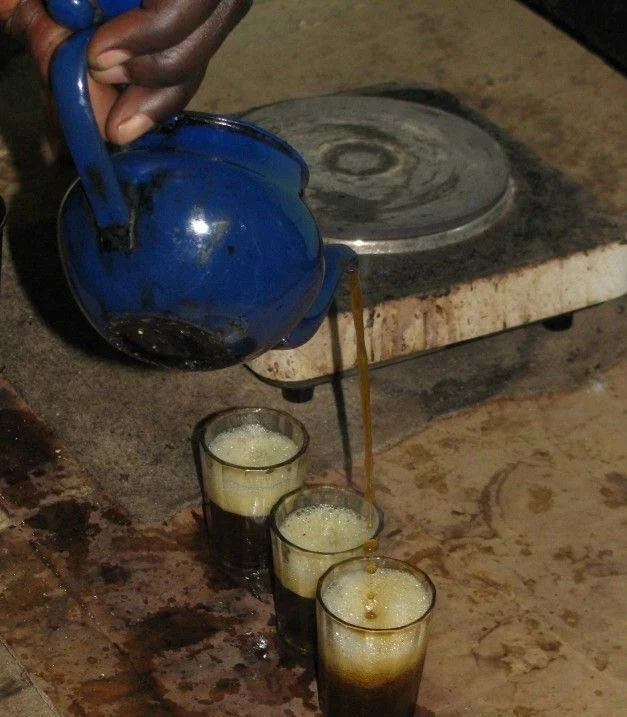
Tea prepared on the ground in a teapot and served in cups. This way of making tea has its roots in the Arab world.
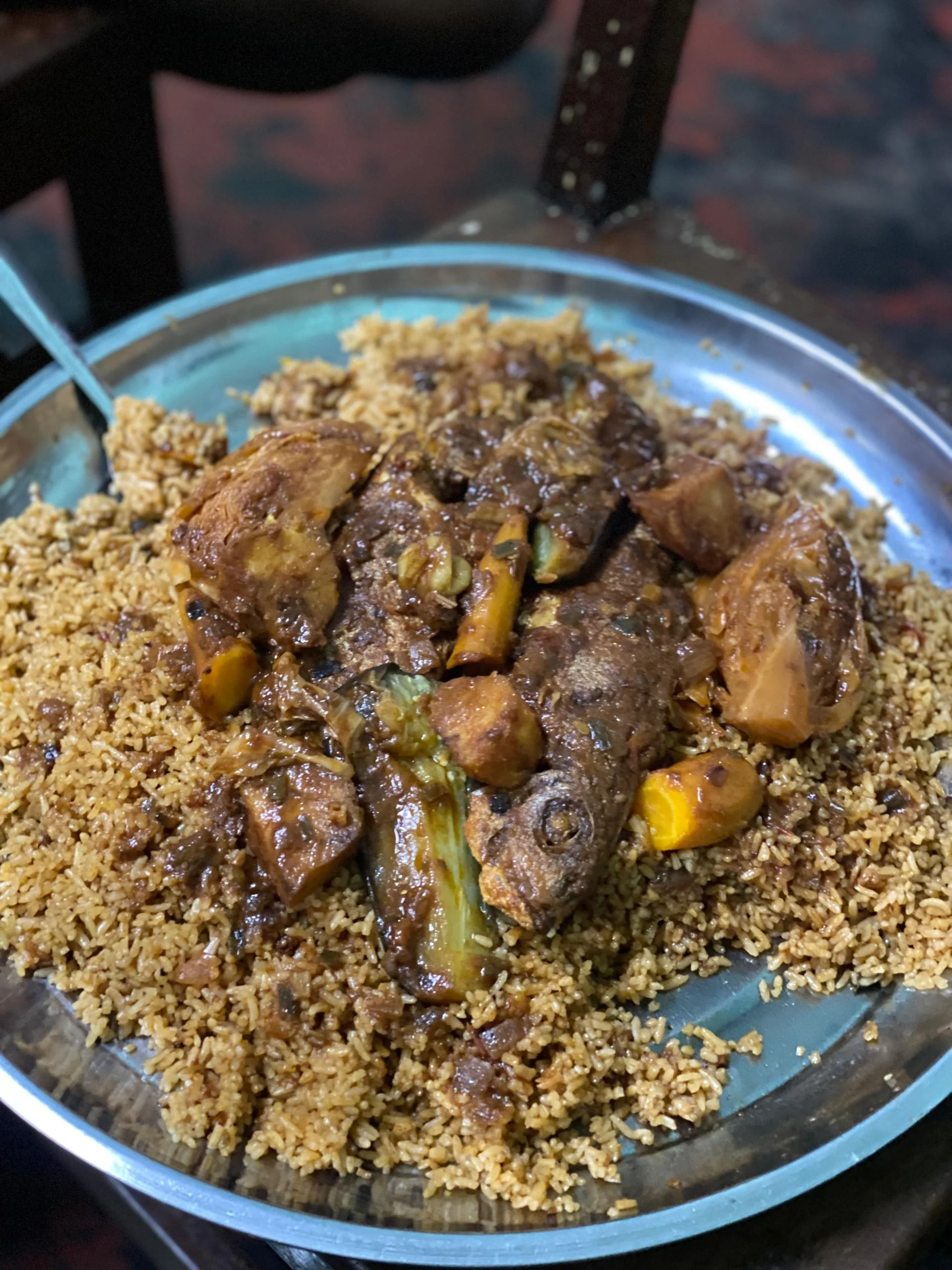
Traditional Senegalese dish with fish, rice, and vegetables. In 2021, the dish was classed by UNESCO as an intangible cultural heritage.
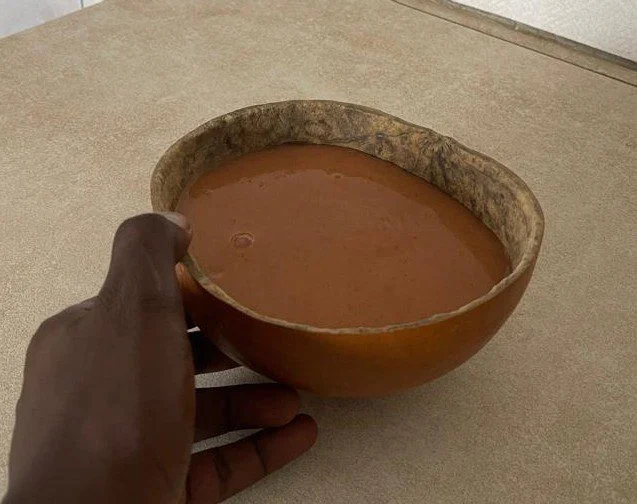
Porridge made with 'Sunguf' cereal flour, such as millet. The term Sunguf is also used to refer to any kind of flour.
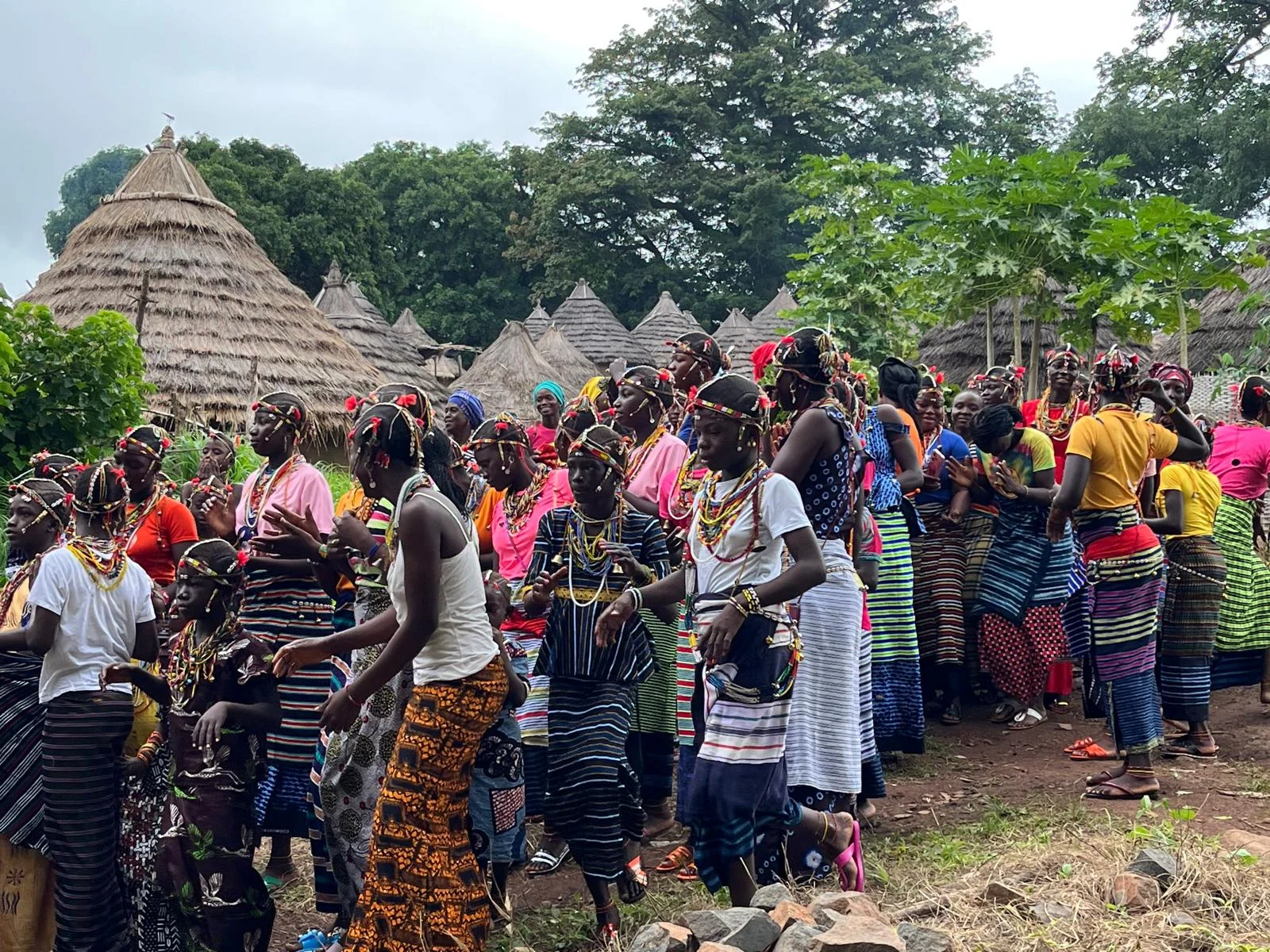
Animist people from the Kédougou region (South-East Senegal). Their religion is subject to stereotypes, as is the case for other religions, such as Vo...
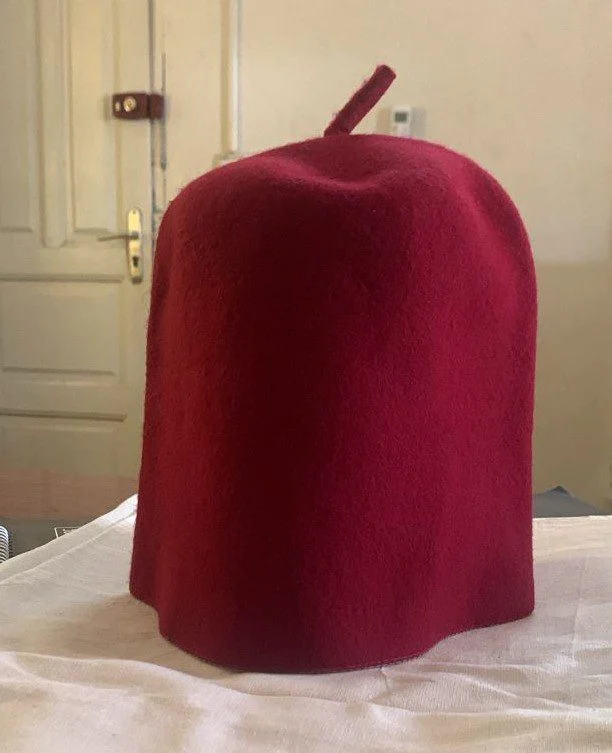
Square cap worn by men and women alike. This word, of North African origin, is rejected by certain Senegalese socio-cultural groups, who use Mbakhana*...
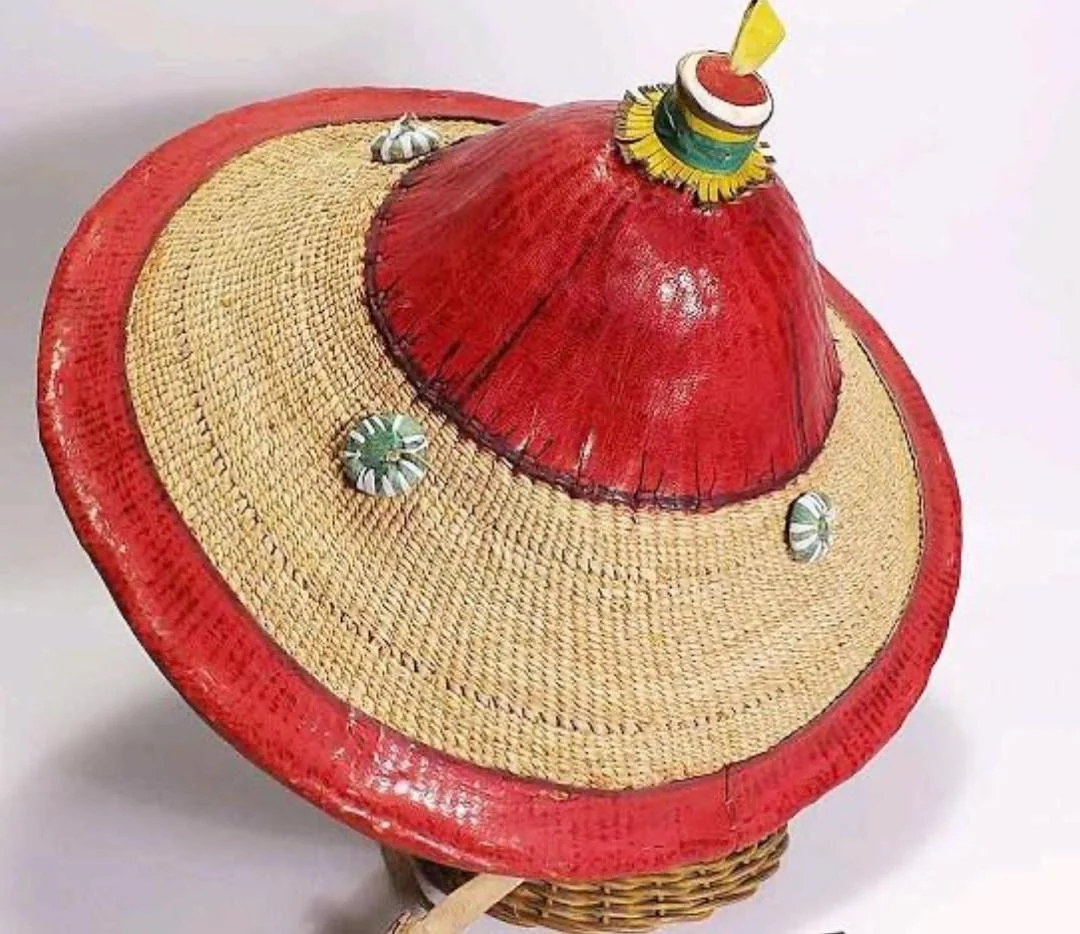
Conical straw hat often used by Fulani people when accompanying their herds.
This website uses strictly necessary cookies to function. We would also like to use functional and analytical cookies to improve your experience. You can choose to accept or decline.