Tua’ā

Pronunciation: tu-a-‘a
Language: Samoan
Also known as: ancestor(s), parents (an informal word for parents is mātua)

Description

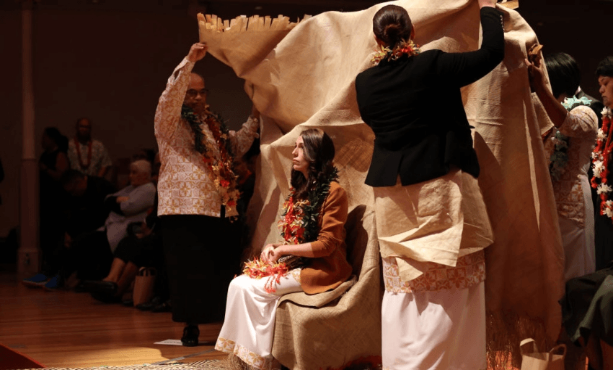
Samoan customs and attitudes reveal devotion to tua’ā, with the deceased generally buried on family land and property. This allows the family to remain close to their tua’ā, and to continue to care for them by maintaining and decorating the grave. In lauga (formal speeches), people honor one another in a wide variety of different ways, such as by acknowledging their ancestors, sometimes distant tua’ā who are often spoken about in legends. One such example occurred at my wedding, during which an orator/chief representing the non-family guests gave a lauga to express their thanks to my family and my husband’s family, as per fa’asamoa. He addressed me and my family through my paternal lineage by acknowledging a woman of power called Salamasina, also known as Queen Salamasina, who played a notable role in transforming Samoa’s male-dominated aristrocracy in the 1500s. This was a significant sign of respect shown by the chief to me and my family. In George Bertram Milner’s Samoan Dictionary (1966), ancestor is translated as tupuga and tupu’aga. The former is used to refer to one’s origin or lineal connection, such as in the phrase “O Ruby e tupuga mai ia Mulioaiga,” which translates to “Ruby descends from Mulioaiga” (i.e., Mulioaiga is my great-grandmother).

Read more
Date of entry: December 15, 2024
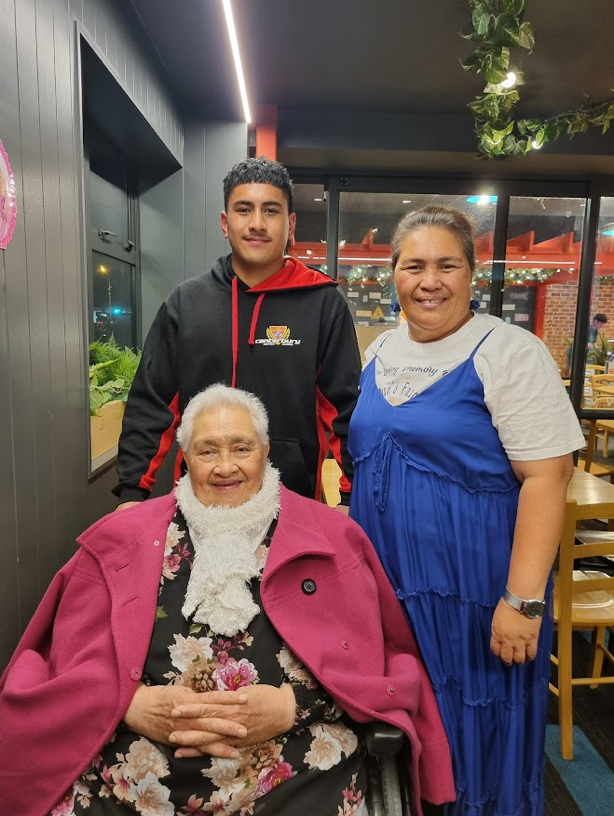
Three generations: Francis (top left) is third generation, Lucy (top right) is second generation, and Nana Maria (bottom) is first generation. Otautahi, New Zealand, September 12, 2023, by Ruby Satele Asiata.
The name you would like to be credited with for your contribution.
The word you wish to contribute
Your email for contact and updates regarding your submission.
The language you are contributing the word in
Maximum file size: 3 MB
Maximum file size: 5 MB
By proceeding, I acknowledge and agree to GloCo's Legal notice and Terms of use
and the Guidelines for Contributors *

Related Words

1613830902
Nifo'oti
Samoan

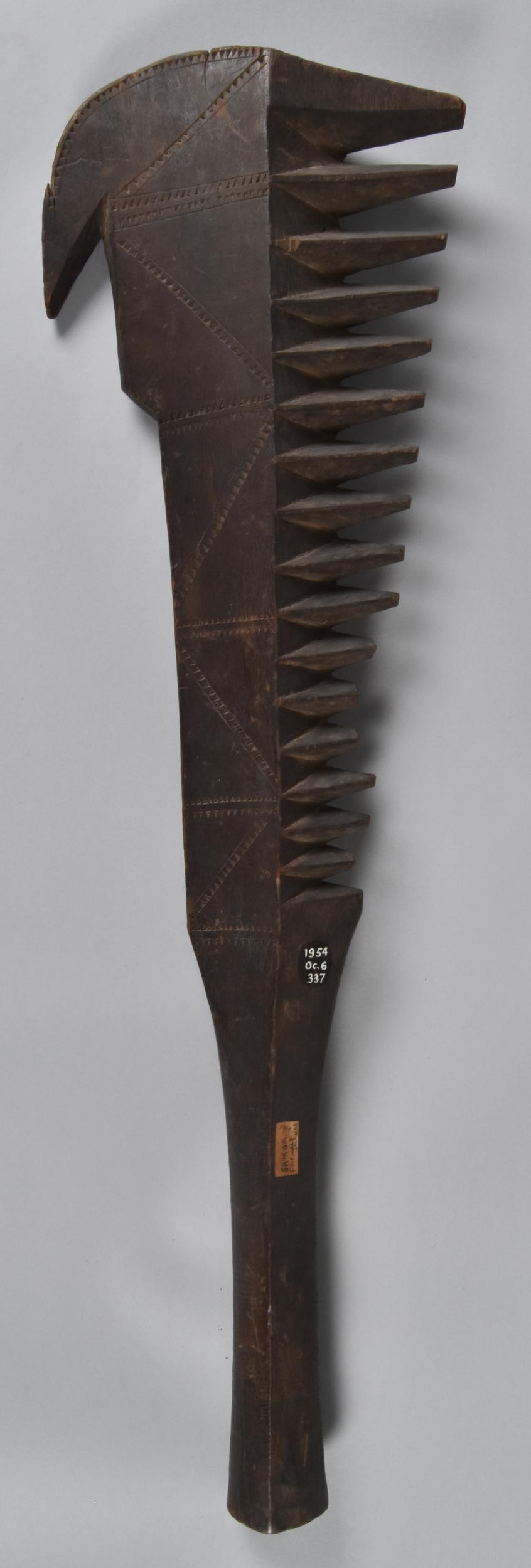
Parmi les nombreuses massues ou armes des îles Samoa, on compte un objet nommé le nifo’oti. Il était traditionnellement réalisé en bois de fer (très d...

Liutōfaga
Samoan
liu-tō-fa-nga

Process of transferal of ancestral remains. This may occur for various reasons, for example when another family member passes away, and the family wis...

falemataaga
Falemata’aga
Samoan
fa-le-ma-ta-‘ā-nga

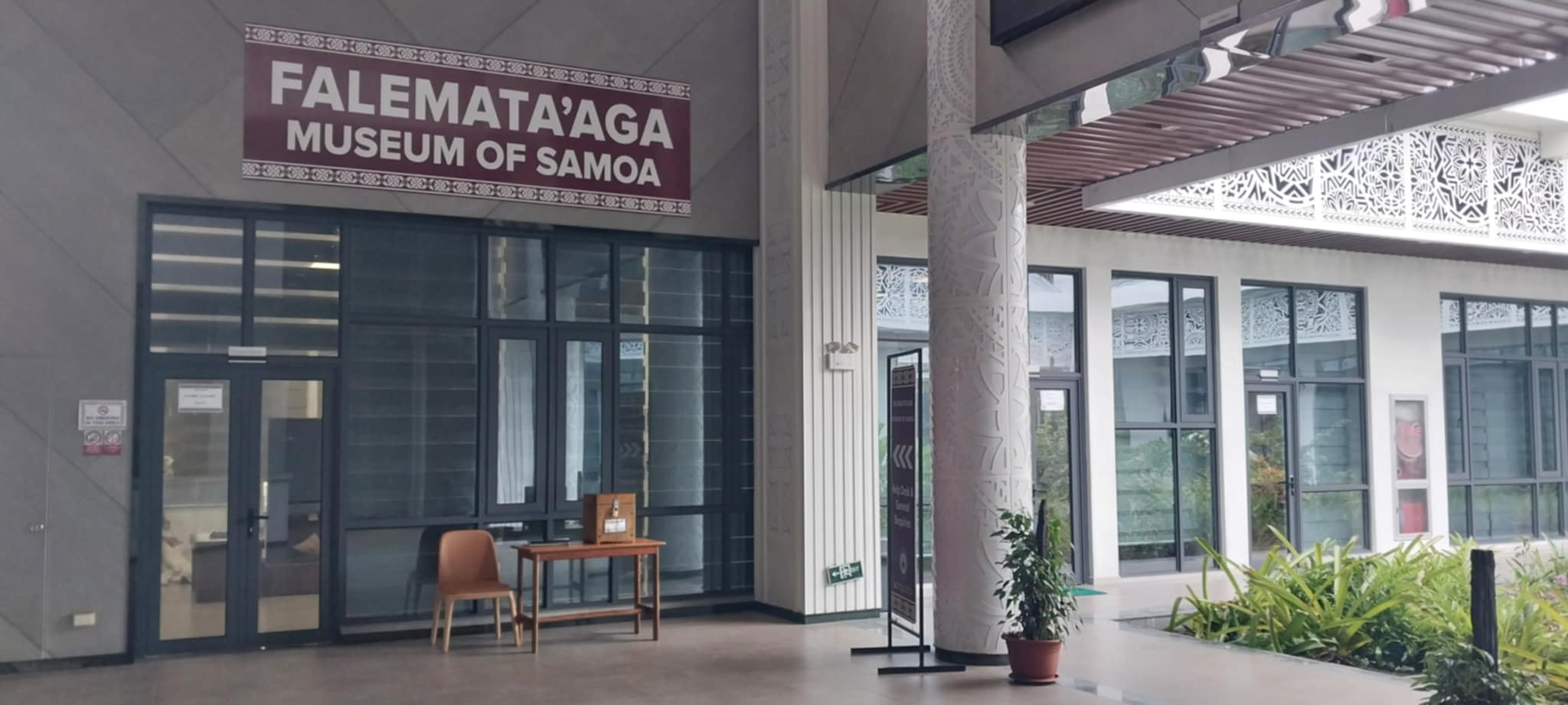
Made up of the words fale (house) and mata’aga (site to explore), falemata’aga is a Samoan term for museum, gallery, and other institutions for touris...

20221117_221636
‘Aīga
Samoan
‘a-ī-ga

Kin. Family. This word is applied to the unit of extended family and within. In formal conversations, it can also be used to refer to your spouse.

fanua
Fanua
Samoan
fa-nu-a

As the lecturer and educator Dr. Niusila Faamanatu-Etetuati explains, “Land is fanua and is a very important measina* to Sāmoans, connecting them to t...

faalelei
Fa’alelei, Fa’aleleiga
Samoan
fa-‘a-le-lei fa-‘a-le-lei-ga

Fa’alelei comes from the words Fa’a (to make) and lelei (good). Fa’alelei can mean repairing a relationship or, in the museum context, an object. Fa’a...

measina
Measina
Samoan
mea-sī-na

The ensemble of Samoan cultural treasures, art, codified movement, language, sounds, and customary practices—essentially all elements considered core ...

Ivi
Samoan
i-vih

In Samoan culture, ancestral remains are sacred, and are kept and looked after by the families and descendants of the deceased. Attitudes toward thes...

error: