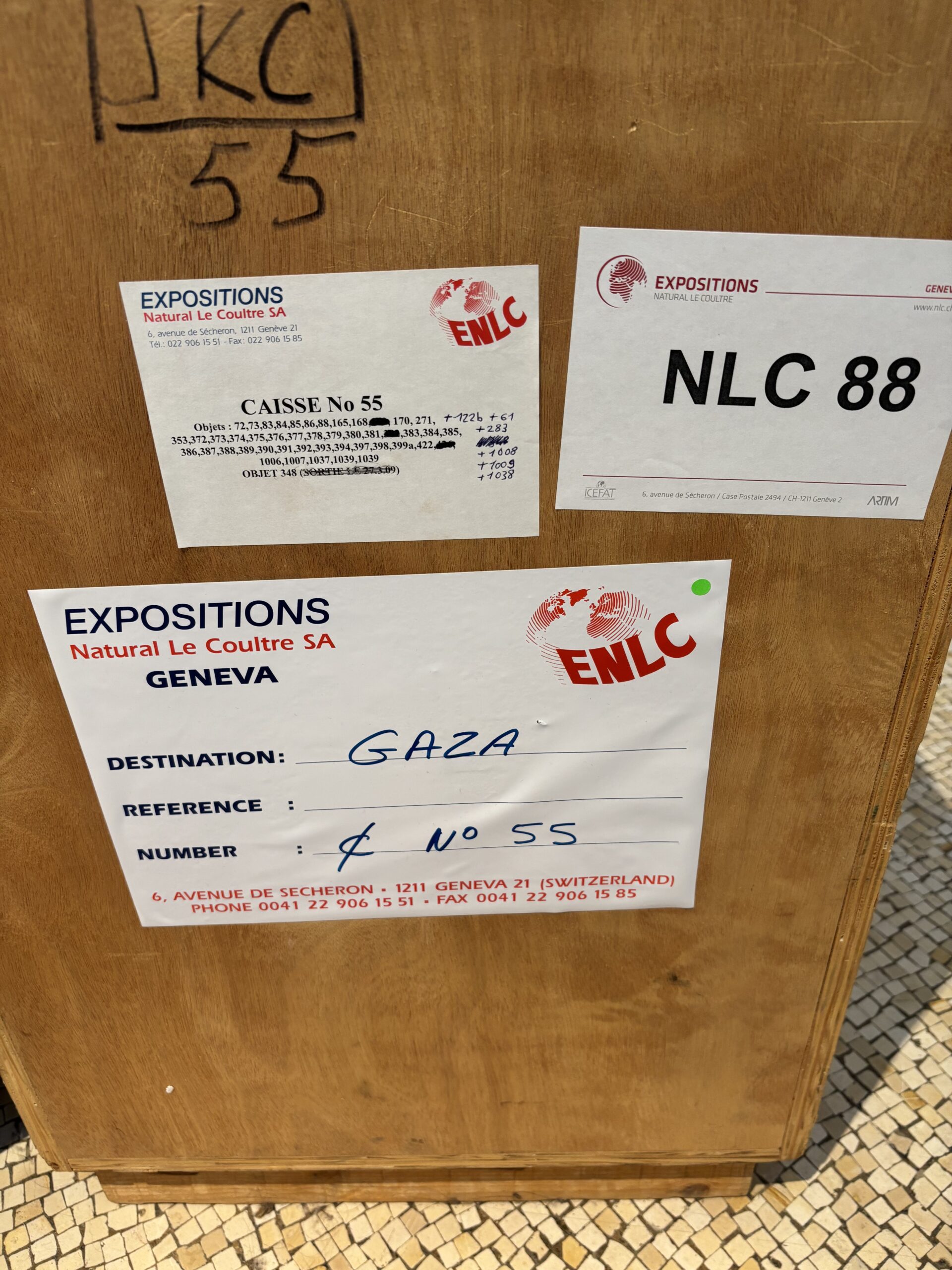
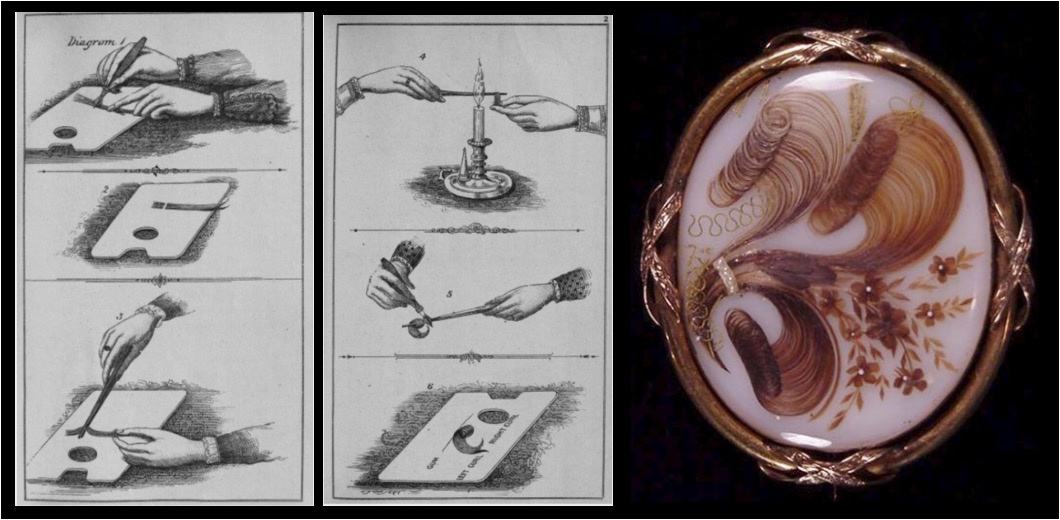
Conservation transparency refers to the principle and practice of making conservation processes, decisions, and documentation visible, accessible, and accountable to a wider range of stakeholders — including researchers, institutions, source communities, and the public.
Traditionally, conservation has been positioned as a highly specialized professional domain, where technical knowledge, treatment decisions, and scientific data remain largely internal to institutions or expert circles. Documentation often exists, but access to it is uneven, restricted, or mediated through institutional authority. Conservation transparency challenges this model by asking not only what is done to cultural objects, but also who gets to know about it, how that knowledge circulates, and for whose benefit.
In practical terms, conservation transparency may involve:
open access to treatment reports and technical documentation, clear communication of conservation decisions and uncertainties, disclosure of materials, methods, and ethical reasoning, sharing conservation data with source communities, acknowledging limitations, risks, and failures in practice.
Transparency reframes conservation as a dialogic process rather than a closed technical operation. It recognizes that conservation actions actively shape the future meaning, materiality, and interpretation of heritage, and therefore carry ethical and cultural implications beyond the laboratory or museum store.
From an ethical perspective, conservation transparency is closely linked to questions of authority and trust. When documentation is partial, inaccessible, or selectively curated, conservation knowledge becomes a form of institutional power. Transparency, in contrast, redistributes that power by allowing others to scrutinize, question, reinterpret, and participate in conservation narratives.
However, conservation transparency is not simply about publishing more data. It raises complex tensions around intellectual property, professional liability, cultural sensitivity, and the potential misuse of technical information. What should be made visible, to whom, and under what conditions remains an ongoing negotiation rather than a fixed standard.
Seen in this way, conservation transparency is less a technical policy and more a critical stance: it invites conservators and institutions to reflect on their role as knowledge producers, cultural mediators, and ethical agents within broader social and political frameworks.