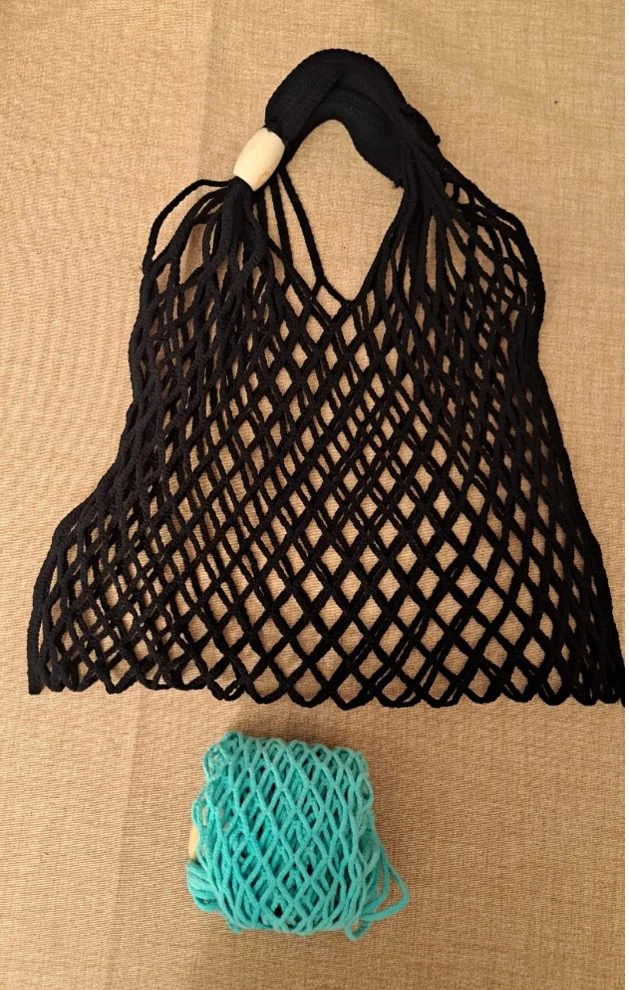
Síťovka je tradiční síťovaná nákupní taška, která vzniká vázáním provázků do okatého vzoru. V minulosti se vyráběla ručně a podomácku především technikou síťkování (též necování), nejprve z hedvábné příze, později i ze syntetických vláken, vlny, bavlny, lnu nebo viskózy. Princip síťové tašky je velmi starý; moderní síťovku vymyslel v roce 1926 Vavřín Krčil ze Žďáru nad Sázavou v tehdejším Československu, jenž tašku opatřil síťkovaným uchem a obšitím proti třepení. Z ruční výroby tak vytvořil dostupný, skladný a praktický produkt – při naplnění se taška přirozeně roztáhne a má silnou nosnost –, který se rychle rozšířil doma i v zahraničí. V socialistickém Československu (1948–1989) se už síťovka vyráběla průmyslově, a stala se jistým symbolem každodennosti. Později ji sice vytlačily igelitové tašky, ale v 21. století zažívá síťovka návrat v moderní a udržitelné podobě, často vyráběná z recyklovaných materiálů.
A síťovka is a traditional net shopping bag made by tying strings into a mesh pattern. In the past, it was handmade at home, mainly using the technique of netting (síťkování), at first from silk yarn, later also from synthetic fibers, wool, cotton, linen, or viscose. The principle of the net bag is very old; the modern síťovka was invented in 1926 by Vavřín Krčil from Žďár nad Sázavou in then-Czechoslovakia, who added a netted handle and stitching to prevent fraying. From a handmade item he created an affordable, compact, and practical product – when filled, the bag naturally stretches and has a strong carrying capacity – which quickly spread both domestically and abroad. In socialist Czechoslovakia (1948–1989), the síťovka was already produced industrially and became something of an everyday symbol. Although it was later replaced by plastic bags, the síťovka made a comeback in the 21st century in a modern, sustainable form, often made from recycled materials.

Eine Erweiterung des Vergleichs von Sammeln mit Jagd (zb. bei Donna Haraway). Hier wird extern ein Rahmen vorgegeben und die zu sammelnden Bilder etc....
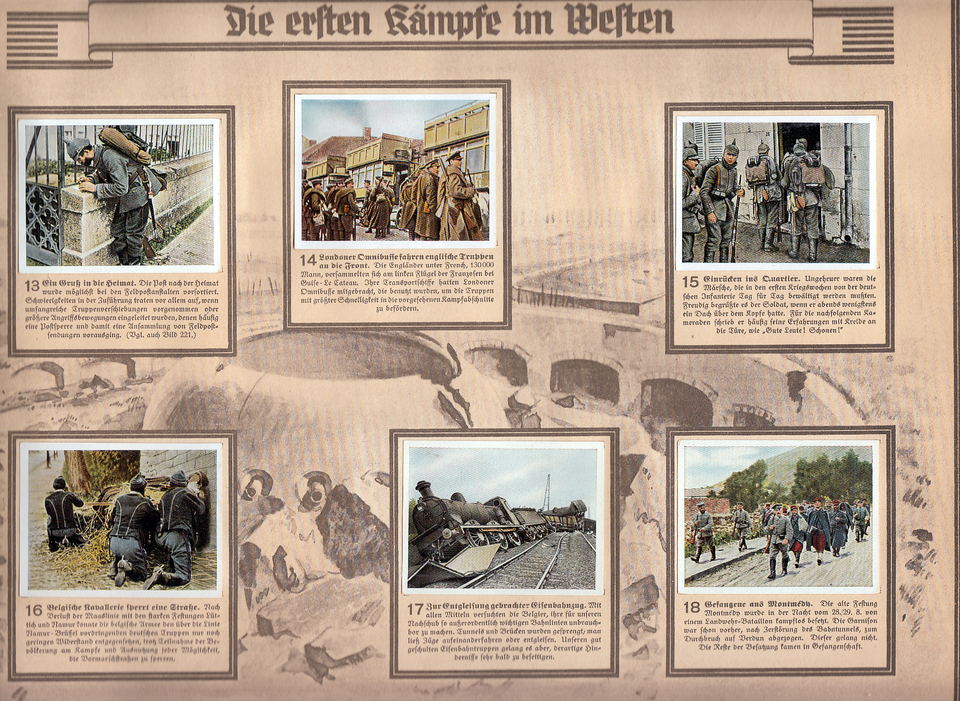
Bei Zigarettenschachteln wurden aus Werbe- und Propagandazwecken Bilder beigelegt. Besonders bekannt und eine der ersten waren Baseballcards in den US...
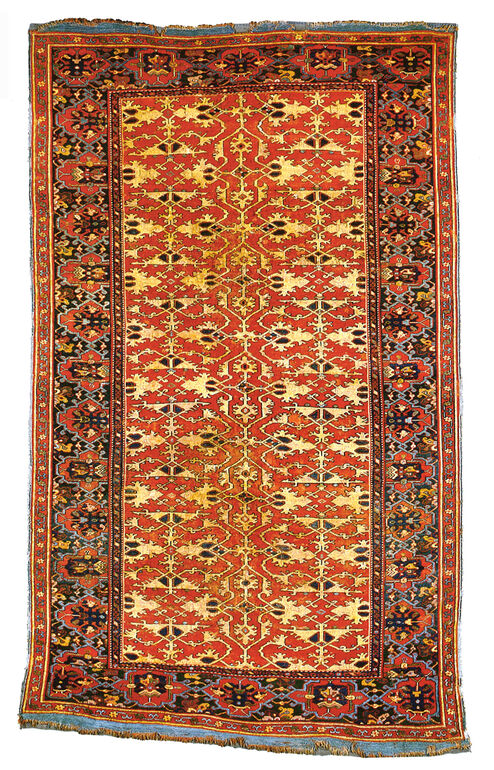
The Oriental Museum in Vienna was a museum dedicated to promoting trade relations between the Austro-Hungarian Empire and the countries of the so-call...
“Mummy brown” is one of the most enigmatic and ethically complex pigments in the history of Western art. Used primarily between the 17th and 19th cent...
Die Bemalung der Emailschilder wird auf beidseitig mehrschichtig weiß emailliertes, leicht gewölbtes Kupferblech aufgebracht. Die Schriftenmalerei wir...
Goldleder (frz. cuir de Cordue) ist ein kunstvoll verziertes, vergoldetes oder versilbertes Leder, das seit dem Mittelalter als Wandverkleidung und fü...
Kintsugi setzt sich aus folgenden Zeichen zusammen: 金 (kin) – Gold, Metall, Geld und 継ぎ (tsugi) – Verbindung / Reparatur / Zusammenfügen Kintsugi i...
Die Vergoldung mit Poliment (frz. poliment zu polir „glätten“) ist seit der Antike bekannt. Auf einen Kreidegrund wird mit organischem Leim versetzter...
Das Goldschlägerhandwerk wurde 2018 von der UNESCO zum immateriellem Kulturerbe Österreichs erklärt. Nur noch eine Werkstatt in Wien versorgen Vergold...
Zmijovka je tradiční česká pletená čepice s charakteristickým klikatým vzorem připomínajícím hada – odtud její název. Její původ není jednoznačný, ale...
This website uses strictly necessary cookies to function. We would also like to use functional and analytical cookies to improve your experience. You can choose to accept or decline.