ฆึ / Ku

Language: Pga K'nyaw (Thailand)
Also known as: swidden agriculture, shifting cultivation, rotational cultivation, koo, rotational farming, ไร่หมุนเวียน, slash and burn (pejorative)

Description

The way of life of the Pga K’nyaw is tied to the forest. The forest is like life itself, and they are especially known for how they manage the forest. Whatever cultural practice there is, it all depends on the forest.

Whether it’s farming or rice cultivation, they grow mixed crops in a way that doesn’t harm nature. And in everything they do, there are beliefs tied into it—those beliefs guide their methods.

If we go into detail, we can start with rotational farming – ‘ku’. Rice is the main occupation in Hin Lad Nai (a Pga K’nyaw village in Chiang Rai). People grow rice to eat, not to sell—just enough for the family. About three rai per family. One family will usually manage seven plots. This is different from permanent farming. Permanent farming repeats on the same land until the soil degrades. Sometimes that requires clearing new land.

But our system here has lasted for more than a hundred years, on the same land. As you can see, if you walk into the forest, each family manages seven plots, each about three to four rai. In the first year we farm plot one, in the second year plot two, and so on until the seventh year. Then we return to plot one. During the six years in between, that plot rests and the soil recovers.

In the old days, the resting period was ten years, but now that conflicts with Thai law. Officials often see it as “clearing new forest” when in fact it isn’t—it’s returning to old land. So we reduced the cycle to about seven years. In that time, the trees grow tall enough that when we return, it doesn’t look destructive. If it’s less than five years, though, the soil hasn’t recovered yet.

This system means the forest can remain stable for hundreds of years. And it ties in with our culture: before clearing and planting, we never just open new land. It’s always the old land. And before farming, we ask permission from the spirits of nature. We ask the sacred beings for their blessing to use that piece of land this year. There are rituals—sometimes using sticks for divination. If the signs are bad, we can’t use that plot and must find another.

When it comes to burning the field, some people might think it just releases carbon. But actually, in the rotational farming system, only one plot is burned each year, while the other six are regrowing and absorbing carbon. That balances out the emissions. Also, the burning creates ash and charcoal, which enrich the soil. Without burning, we’d need chemical fertilizers and pesticides. After burning, though, the soil produces well.

But burning must be followed by a ritual of apology to the spirits, because in burning we also kill living beings. If we don’t make that offering, misfortunes can happen—family members might fall ill with fevers or sickness.

Besides rotational farming, another livelihood is terraced rice paddies. Terraces are built along rivers or in small valleys, usually by the wealthier families in a village. These terraces are also for growing rice to eat, not for sale. Water is diverted into the terraces for cultivation.

The Pga K’nyaw way of life emphasizes the forest above all. Then comes agriculture that is in harmony with nature. Some households also grow tea, coffee, pumpkins, or other crops that are eco-friendly. Tea and coffee especially are grown as cash crops. But overall, they avoid anything that harms the environment.

Read more
Date of entry: September 11, 2025
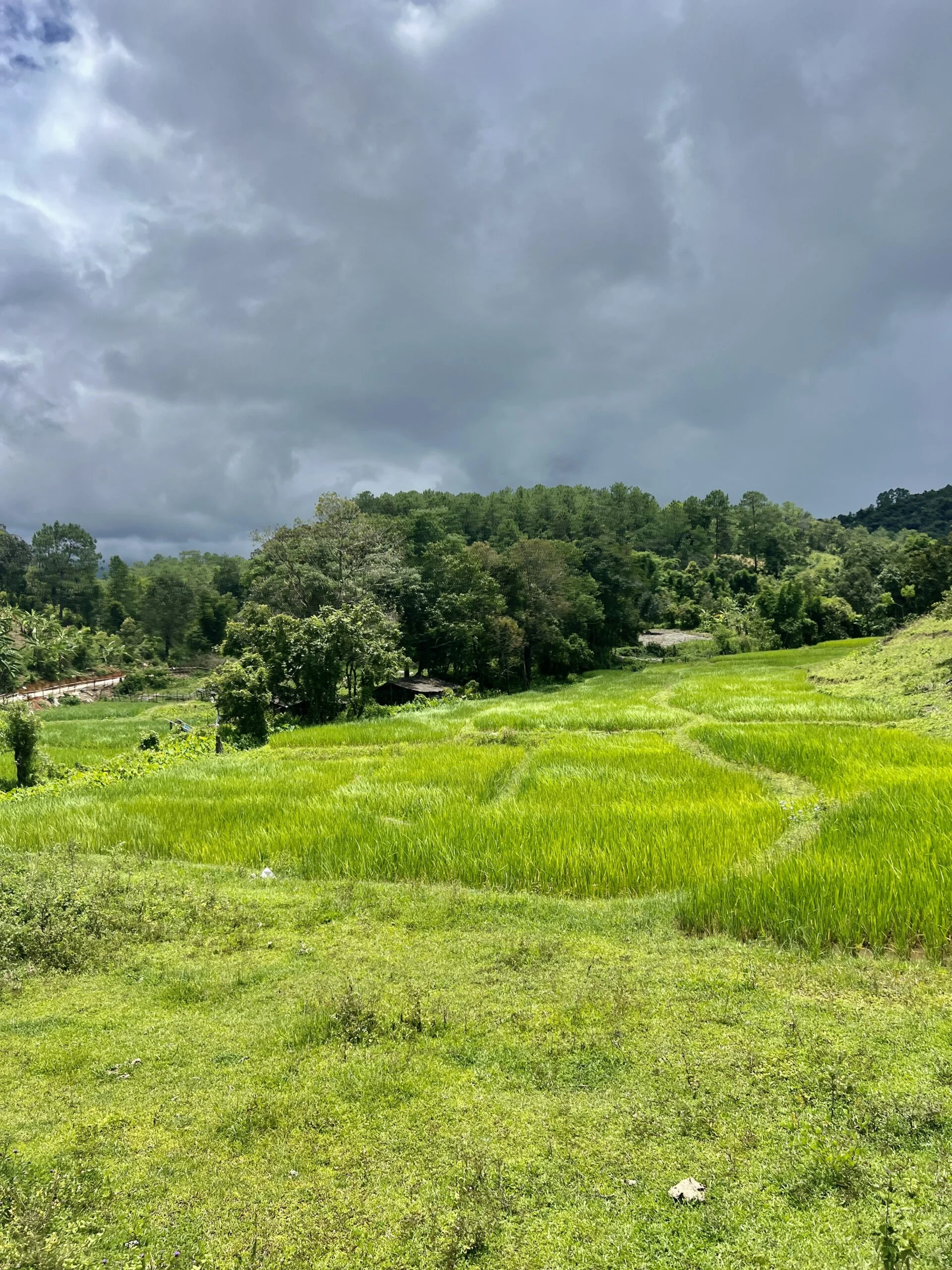
A bright green field covered with green shoots of rice. Behind the field are clumps of dark green leafy trees. The sky is dark grey.
Rice field, Huai E Khang village, Chiang Mai, Thailand. Photograph by Alisa Santikarn.
The name you would like to be credited with for your contribution.
The word you wish to contribute
Your email for contact and updates regarding your submission.
The language you are contributing the word in
Maximum file size: 3 MB
Maximum file size: 5 MB
By proceeding, I acknowledge and agree to GloCo's Legal notice and Terms of use
and the Guidelines for Contributors *

Related Words

IMG_3464 2
ลงรักปิดทอง/Long Rak Pit Thong
Thai

ลงรักปิดทอง/Long Rak Pit Thong, or ‘lacquering and gilding’, is both a Thai conservation technique and an act of worship and a way of making merit wit...

ម្ចាស់ទឹកម្ចាស់ដី / Mchas Teuk, Mchas Dei
Khmer
mcheasatukamcheasadei

គេ​តែងតែ​គោរព​ពពួក​អស់​នឹង ព្រោះ​ពពួក​អស់​នឹង​គេ​តាម​បីបាច់​ថែរក្សា​យើង ហើយ​ខ្លះ​ទៀត ពេល​ណា​ដែល​ម្ចាស់ផ្ទះ​មាន​គ្រោះ មាន​ភ័យ មាន​អន្តរាយ​អ្វីមួយ​កើត​ម...

Shrine PP
ព្រះភូម / Preah Phum
Khmer

អ​ញ្ចឹ​ង​ពពួក​ភូមិ​ទេវតា តាម​ការពារ និង​ថែរក្សា​ម្ចាស់ផ្ទះ​នឹង ទាល់តែ​ម្ចាស់ផ្ទះ​នឹង​ជា​អ្នកមាន​ទាន មាន​សីល មាន​សេចក្តី​ល្អ ប្រព្រឹត្ត​សេចក្តី​ល្អ​ដែរ...

Spirit House
ម្រេញគង្វាល / Mrenh Kongveal
Khmer
m'renh kung'viel

ម្រេញគង្វាល គឺជាភពអមនុស្ស ដែលជាកញ្ចក់ឆ្លុះបញ្ចាំងពីភពរបស់យើង ដែលភាគច្រើនយើងតែងតែហៅក្មេងឃ្វាលគោ ឃ្វាល ក្របី។ ដោយសាររឿងហ្នឹងវាទាក់ទងបាយសំណុំ ទឹកបំពង់ ដែ...

Shrine
រានទេវតា / Rean Devata
Khmer
rien tevada

ព្រះភូមទេវតា ឬរានទេវតានេះ គេដាក់នឹង គឺភាគច្រើនគេដាក់សម្រាប់ឱ្យពពួកភូមទេវតារស់នៅ មានដូចជាអរុក្ខទេវតា ភូមិទេវតាដែលយើងហៅថាម្រេញគង្វាល ។ ហើយការដាក់ទាំងអស់...

Cambodia_2014_-_panoramio_(12)
លោកតាស្នាប់ / Lok Ta Snap
Khmer

អ្នកដែលមិនជឿលើព្រះបិតា លោកតាស្នាប់ បានជួបប្រទះអភ័យហេតុផ្សេងៗគ្នា៖ ម៉ូតូរបស់ពួកគេខូចនៅពេលបើកចូលព្រៃ ខណៈដែលមនុស្សខ្លះវិលត្រឡប់មកវិញបានដួលចេញពីម៉ូតូ បាក់...

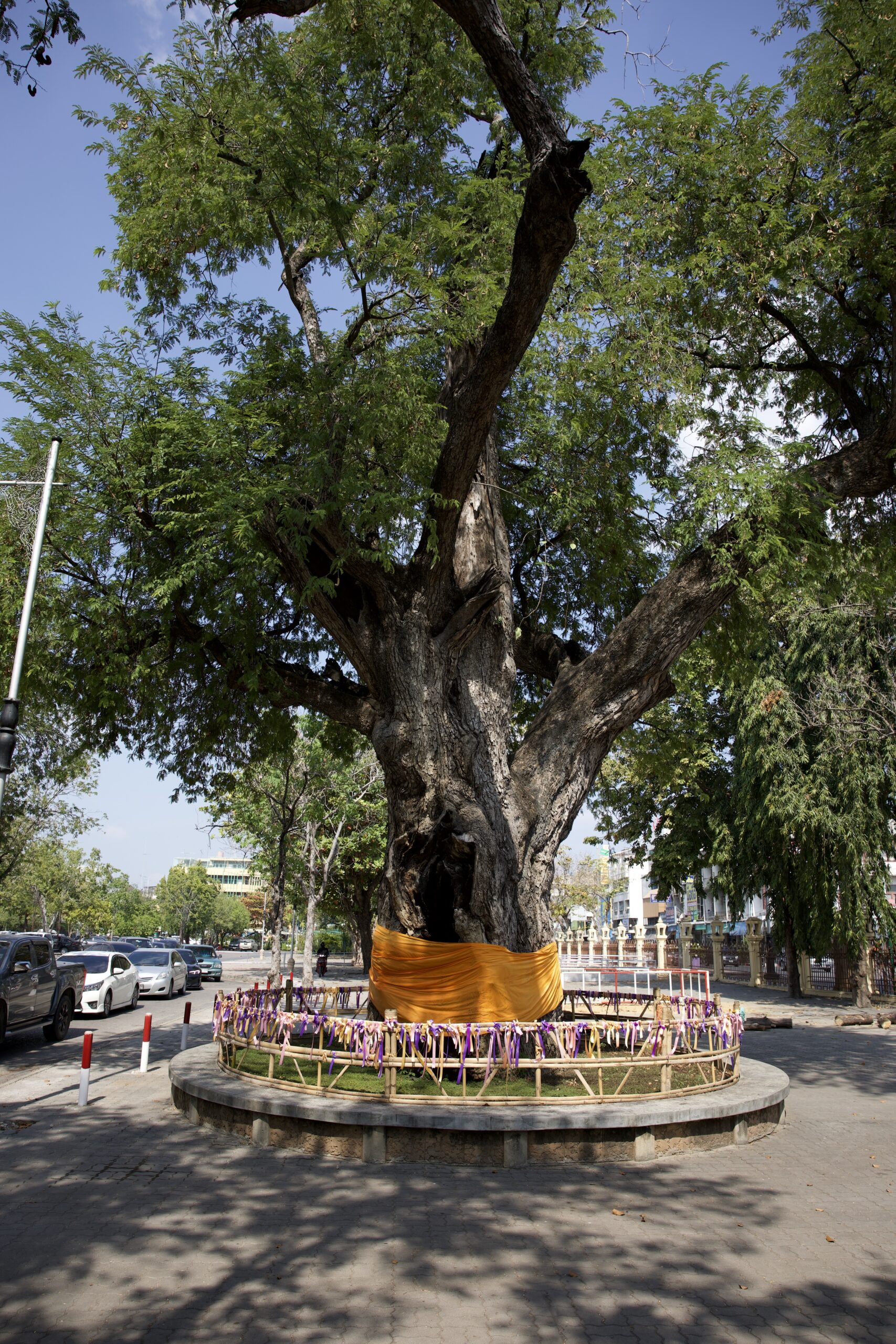
A large tree with green leaves and thick strip of orange cloth wrapped around its base. The tree is enclosed with a round metal fence. Outside of the fence is pavement, with a row of parked cars down the left side.
บวชต้นไม้/buat tonmai
Thai
Bwch t̂nmị̂

บวชต้นไม้/buat ton mai, also known as 'tree ordination', is a method of conserving trees in Thailand rooted in Buddhism. The practice emerged as a res...

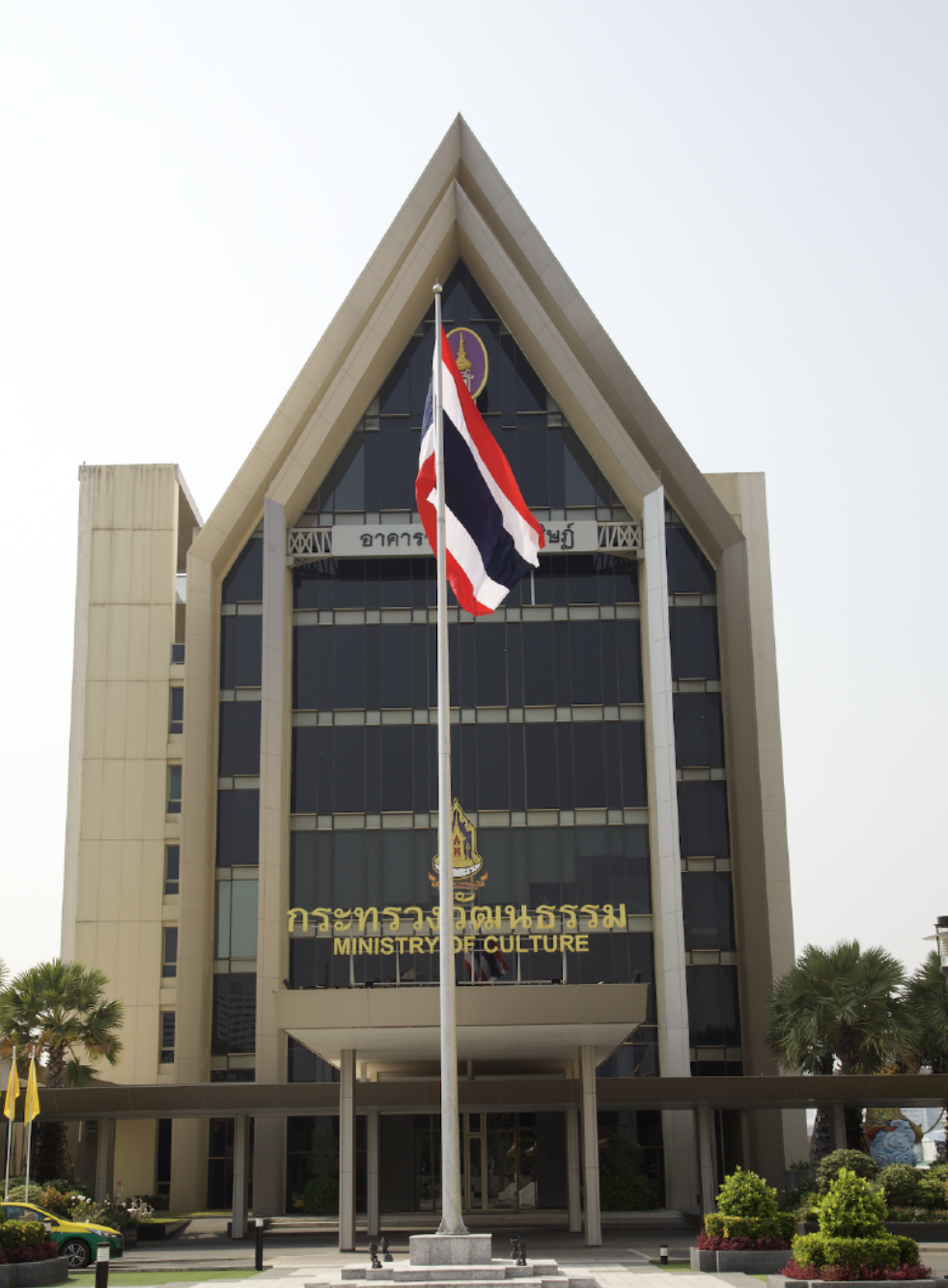
A building with large windows and a triangular roof. The sign reads: Ministry of Culture. There is a Thai flag with red, white, blue, white and red horizontal stripes on a flag pole in front of the building.
วัฒนธรรม/Wattanatham
Thai
Wạtʹhnṭhrrm

วัฒนธรรม/Wattanatham (meaning ‘culture’) is one of over one thousand terms coined by Prince Wan Waithayakon. In a 1975 interview, Prince Wan, who atte...

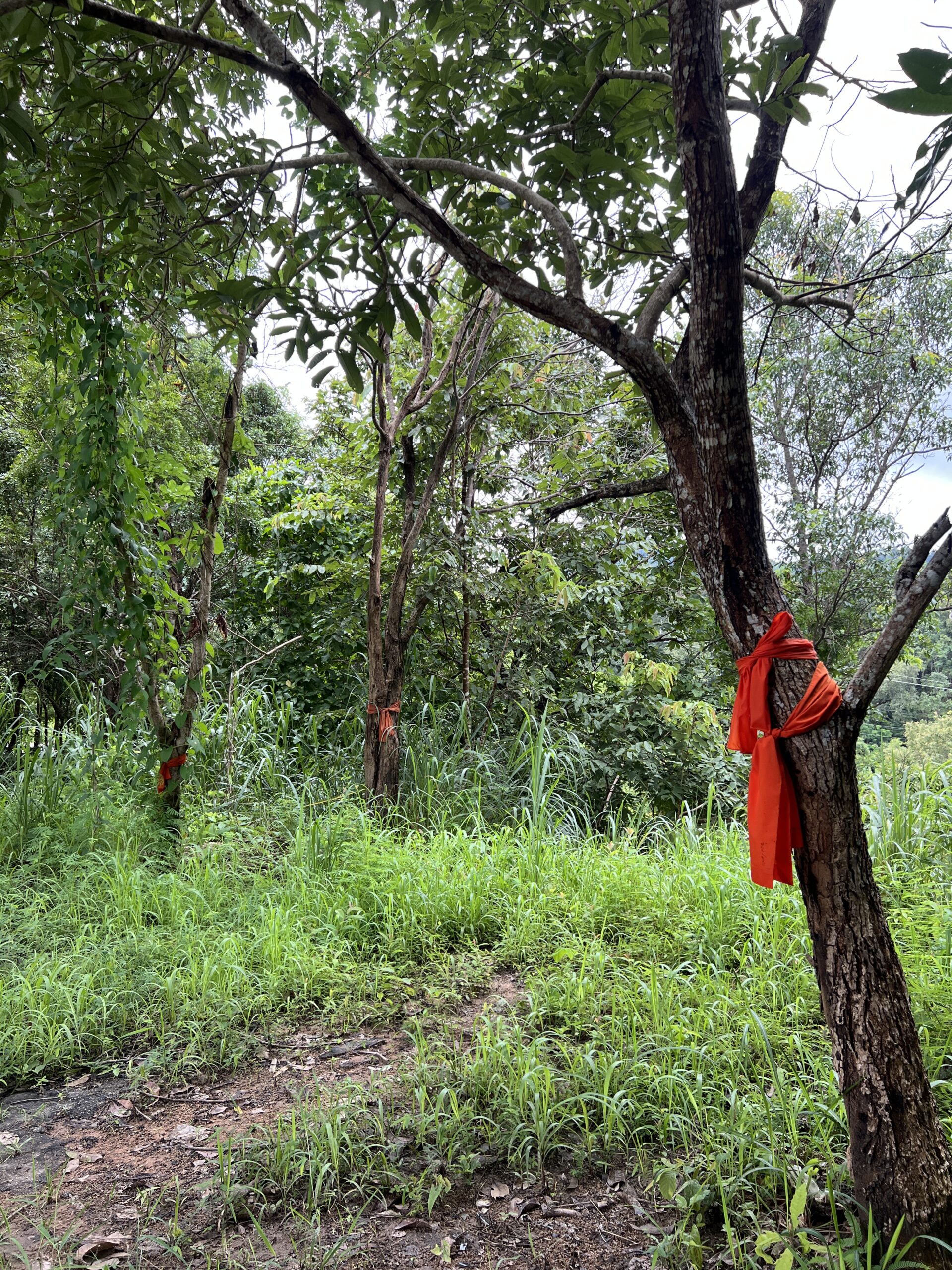
A sparse forest with thin trees. The trees are each wrapped in a strip of bright red/orange cloth.
ธรรมชาติ/thammachat
Thai
Ṭhrrmchāt

ธรรมชาติ/Thammachat, meaning ‘nature’ in Thai, was a term coined as part of a larger language policy spanning the late-19th and 20th centuries, involv...

Statue of a man sitting cross-legged, carved in white, holding up a lasso in his right hand.
ปะกำ/Pakam
Kui (Thailand)
pĕē pakam

ปะกำ (ภะษากูย) หรือ ผีปะกำ (ภาษาไทย) เป็นวัฒนธรรมที่พบได้เฉพาะในกลุ่มกูยอาจีงหรือกูยเลี้ยงช้างเท่านั้น เป็นวิญญาณของบรรพบุรุษกูยเลี้ยงช้างที่เป็นหมอหร...

error: