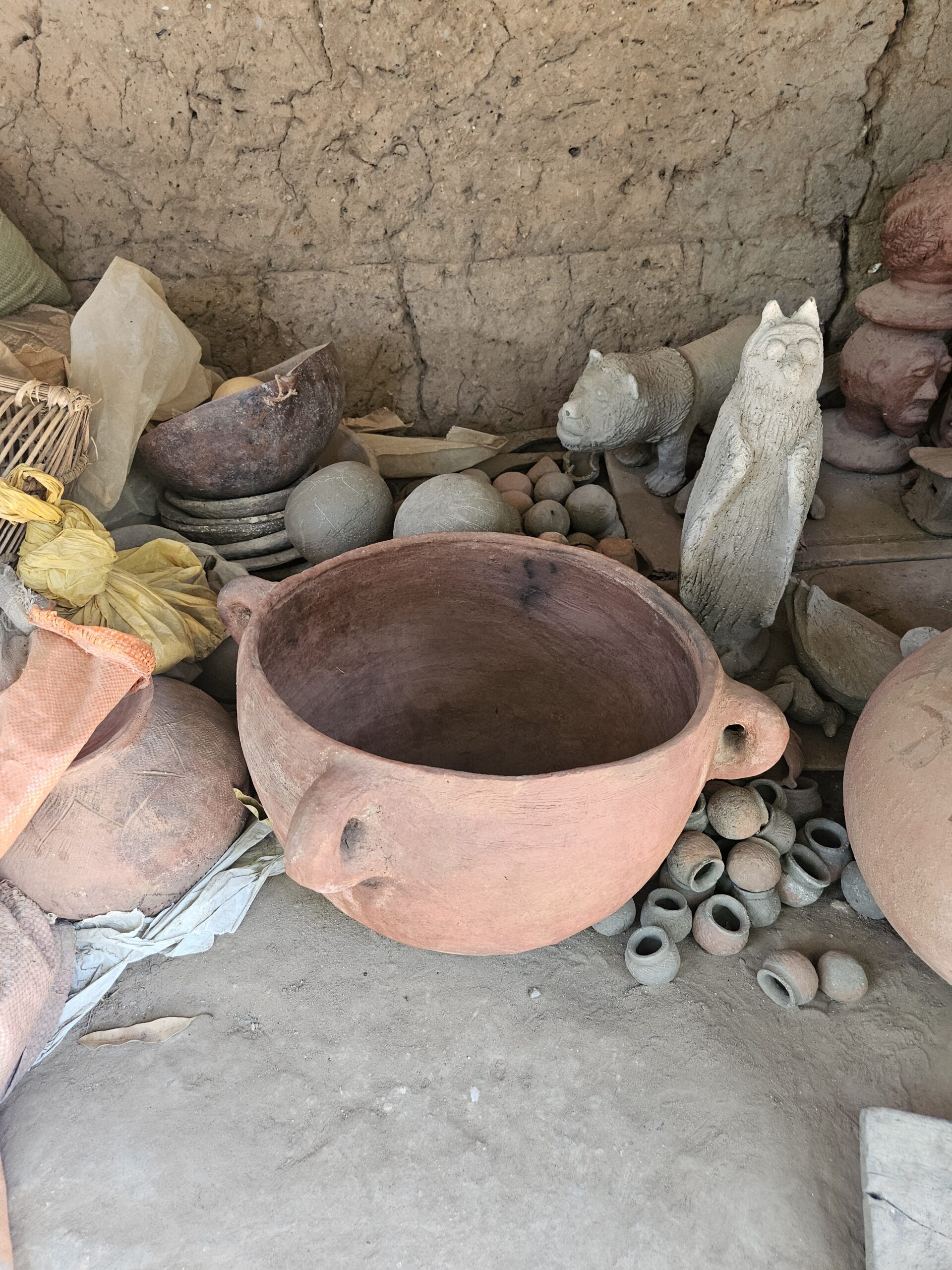
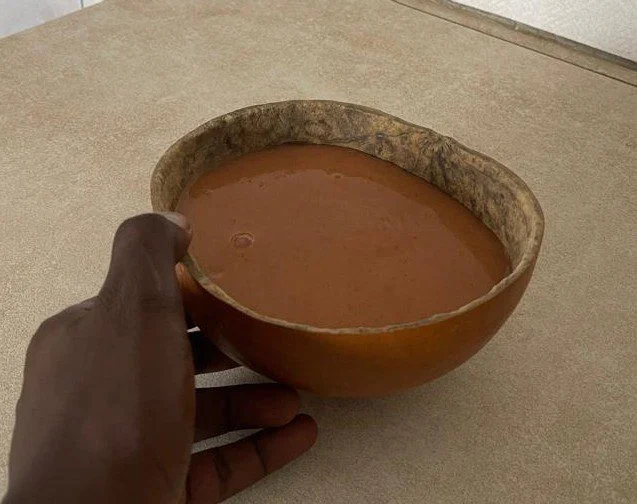
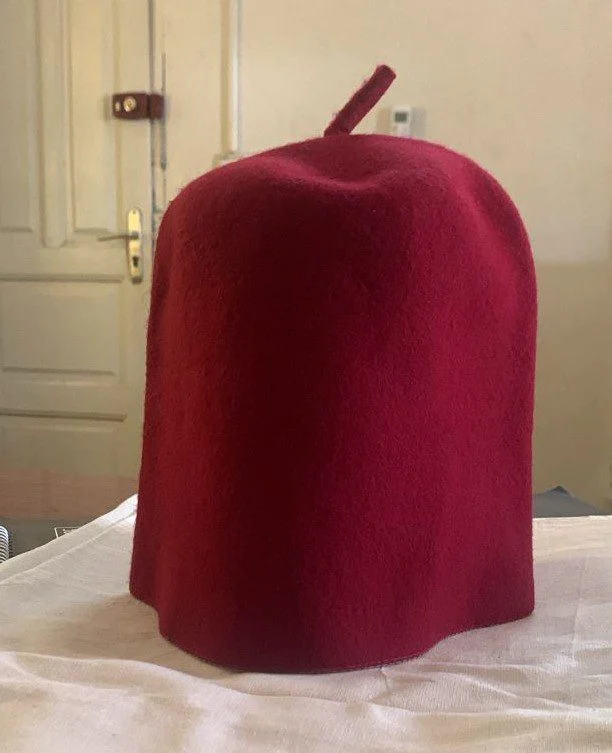
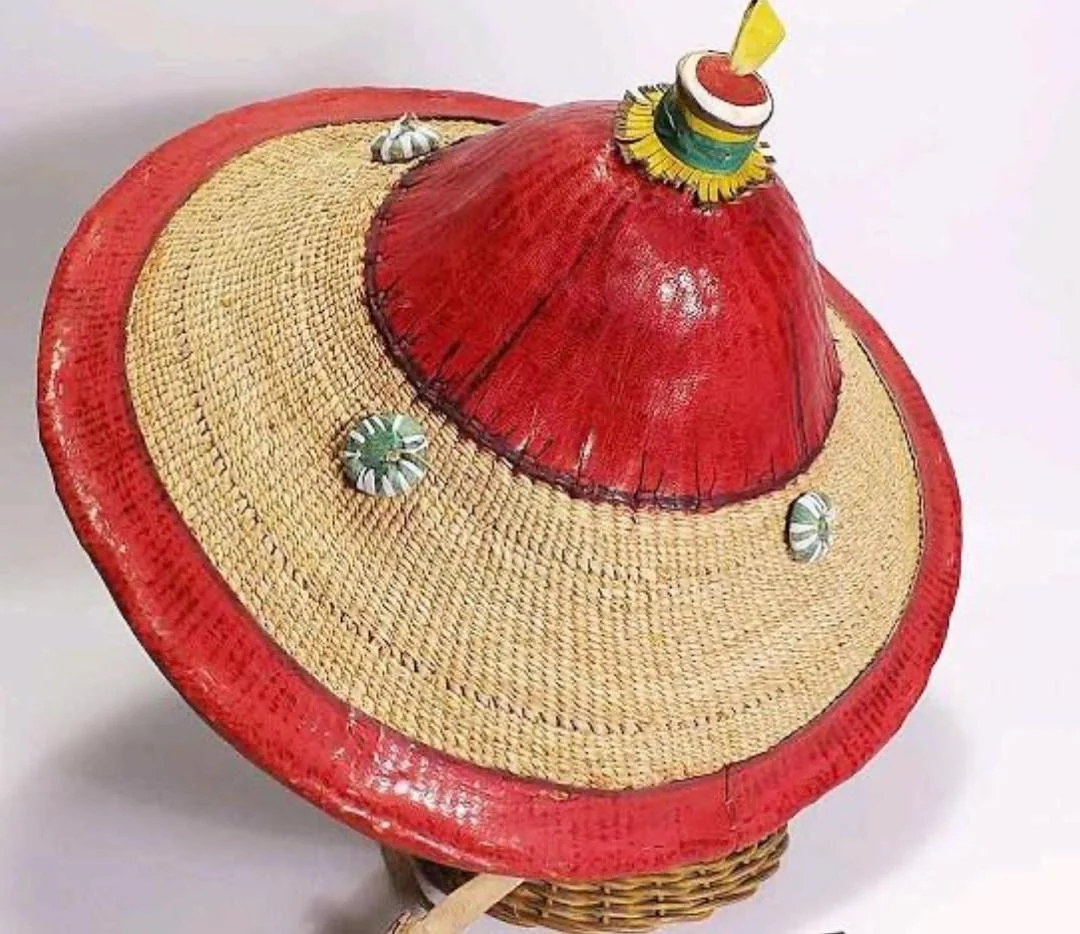
The traditional bucket of the Diola People community. It is also used as a safe to keep money and precious jewelry. A hole is dug somewhere in the room where the safe is secretly buried.
Read more
Alternative Description
Le sceau traditionnel du peuple Diola. Il est aussi utilisé comme coffre-fort pour garder l’argent et les bijoux précieux. Pour cela, on creuse un trou quelque part dans la chambre où on enterre secrètement le coffre.
Date of entry: January 22, 2025
Nom de l’objet : Kàyijum;
Artiste : Evelyne Bassène
Date et lieu : Juin 2024 ; Edioungou, Ziguinchor/ Sénégal
Photographe : Cécile Mendy
Add to this entry
Related Words
Géwél
Wolof
A person whose role is to be a historian, storyteller, poet and musician. They ensure the transmission of culture and oral history by preserving the m...
Originellement issu du Fɔ̀ngbè, le terme désigne un autel portatif fait de métal principalement, et réalisé pour commémorer un-e défunt-e qui, de son ...
Bracelet whose name means “metal of the Tchamba,” the tchambaga symbolizes the iron shackles of enslaved people and is used to contact ancestors, as w...
Protective amulet common in Togo and other parts of West Africa in various forms. The term gris-gris is apparently more widespread for protective amul...
Animist people from the Kédougou region (South-East Senegal). Their religion is subject to stereotypes, as is the case for other religions, such as Vo...
Square cap worn by men and women alike. This word, of North African origin, is rejected by certain Senegalese socio-cultural groups, who use Mbakhana*...
This website uses strictly necessary cookies to function. We would also like to use functional and analytical cookies to improve your experience. You can choose to accept or decline.