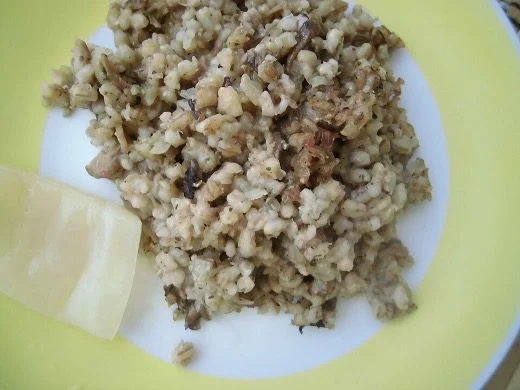
Kuba, známý též jako houbový nebo černý kuba, je tradiční staročeský pokrm, který se pojí s českými Vánocemi. Připravuje se z krup, sušených hub, cibule, česneku, sádla a koření (nejčastěji majoránky, pepře či kmínu). Vzniklá směs se poté zapéká do nákypu s křupavou kůrkou. Kuba se původně připravoval jakožto postní jídlo především na Štědrý den (24. prosince), kdy se nesmělo jíst maso. Základní suroviny přitom byly snadno dostupné – kroupy patřily k levným a sytým obilninám, houby se sbíraly přes léto a sušily na zimu – a jídlo bylo sice prosté, ale výživné a chutné. Pokrm má po celém Česku dlouhou tradici, přičemž jeho původ bývá připisován do jižních Čech či na Šumavu. Ještě ve 20. století byl kuba často hlavním chodem štědrovečerní večeře, než ho postupně vytlačil smažený kapr s bramborovým salátem. V posledních letech se však kuba na stoly znovu vrací, ať už jako součást „retro“ kuchyně, nebo v moderních vegetariánských a veganských úpravách.
Kuba, also known as mushroom kuba or black kuba, is a traditional Czech dish associated with Christmas. It is made from groats, dried mushrooms, onion, garlic, lard, and spices (most often marjoram, pepper, or caraway). The mixture is then baked into a casserole with a crispy crust. Originally a meatless dish served on Christmas Eve, when fasting rules prohibited meat, kuba was both humble and practical: groat was a cheap, nourishing grain, and mushrooms could be gathered in the summer and dried for the winter. Though simple, the dish was nourishing and flavorful, and over the centuries became part of Christmas traditions across the country, with roots often traced to South Bohemia and the Šumava region. Until well into the 20th century, kuba was often the centerpiece of the Christmas Eve table, before fried carp with potato salad gradually took its place. Recently, however, kuba has made a comeback – celebrated both as part of “retro” Czech cooking and in modern vegetarian and vegan versions.

Eine Erweiterung des Vergleichs von Sammeln mit Jagd (zb. bei Donna Haraway). Hier wird extern ein Rahmen vorgegeben und die zu sammelnden Bilder etc....
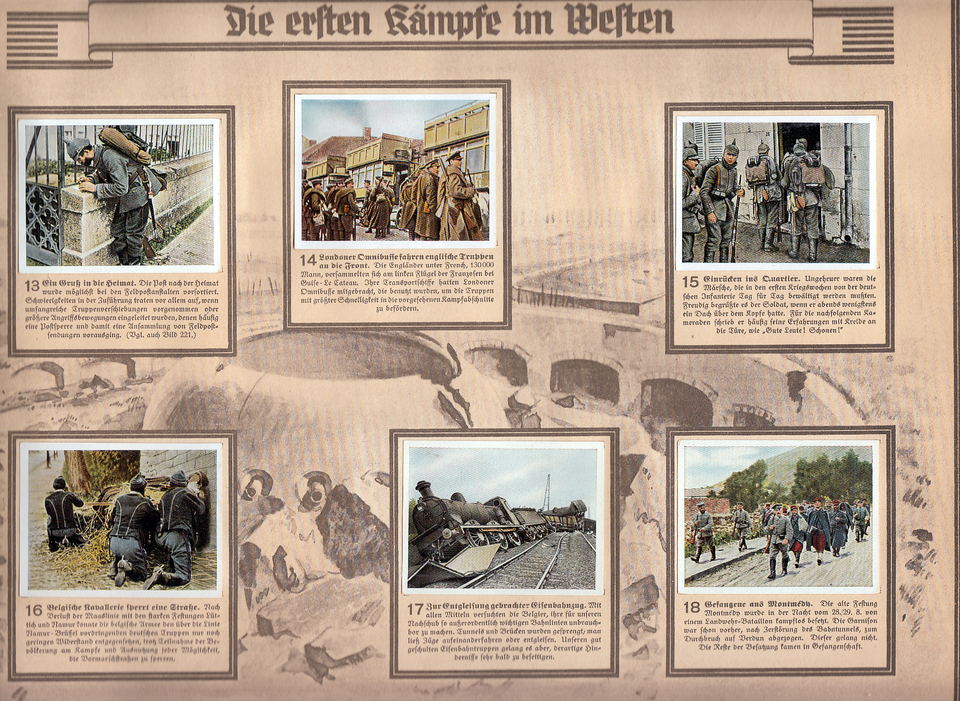
Bei Zigarettenschachteln wurden aus Werbe- und Propagandazwecken Bilder beigelegt. Besonders bekannt und eine der ersten waren Baseballcards in den US...
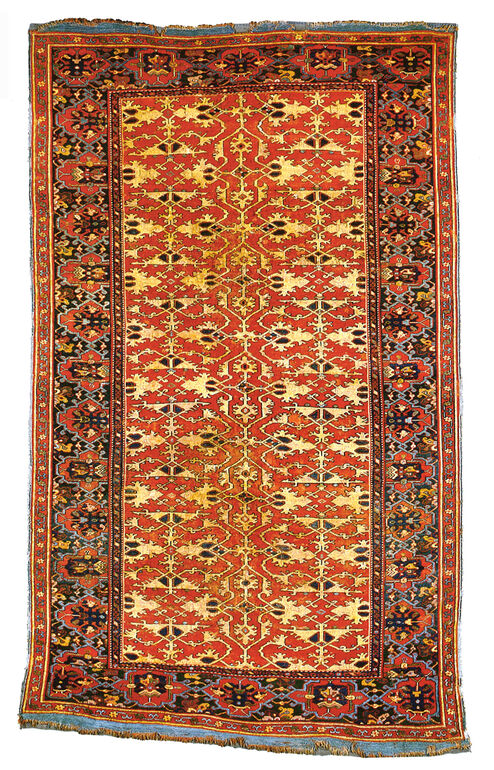
The Oriental Museum in Vienna was a museum dedicated to promoting trade relations between the Austro-Hungarian Empire and the countries of the so-call...
“Mummy brown” is one of the most enigmatic and ethically complex pigments in the history of Western art. Used primarily between the 17th and 19th cent...
Die Bemalung der Emailschilder wird auf beidseitig mehrschichtig weiß emailliertes, leicht gewölbtes Kupferblech aufgebracht. Die Schriftenmalerei wir...
Goldleder (frz. cuir de Cordue) ist ein kunstvoll verziertes, vergoldetes oder versilbertes Leder, das seit dem Mittelalter als Wandverkleidung und fü...
Kintsugi setzt sich aus folgenden Zeichen zusammen: 金 (kin) – Gold, Metall, Geld und 継ぎ (tsugi) – Verbindung / Reparatur / Zusammenfügen Kintsugi i...
Die Vergoldung mit Poliment (frz. poliment zu polir „glätten“) ist seit der Antike bekannt. Auf einen Kreidegrund wird mit organischem Leim versetzter...
Das Goldschlägerhandwerk wurde 2018 von der UNESCO zum immateriellem Kulturerbe Österreichs erklärt. Nur noch eine Werkstatt in Wien versorgen Vergold...
Zmijovka je tradiční česká pletená čepice s charakteristickým klikatým vzorem připomínajícím hada – odtud její název. Její původ není jednoznačný, ale...
This website uses strictly necessary cookies to function. We would also like to use functional and analytical cookies to improve your experience. You can choose to accept or decline.