Ŋdédùm/ŋdidium

Pronunciation: Ndi-ndum
Language: Yemba/ Ghomela
Also known as: Aframomum, Mbongo spice, Grains of paradise, Aframomum letestuanum

Description

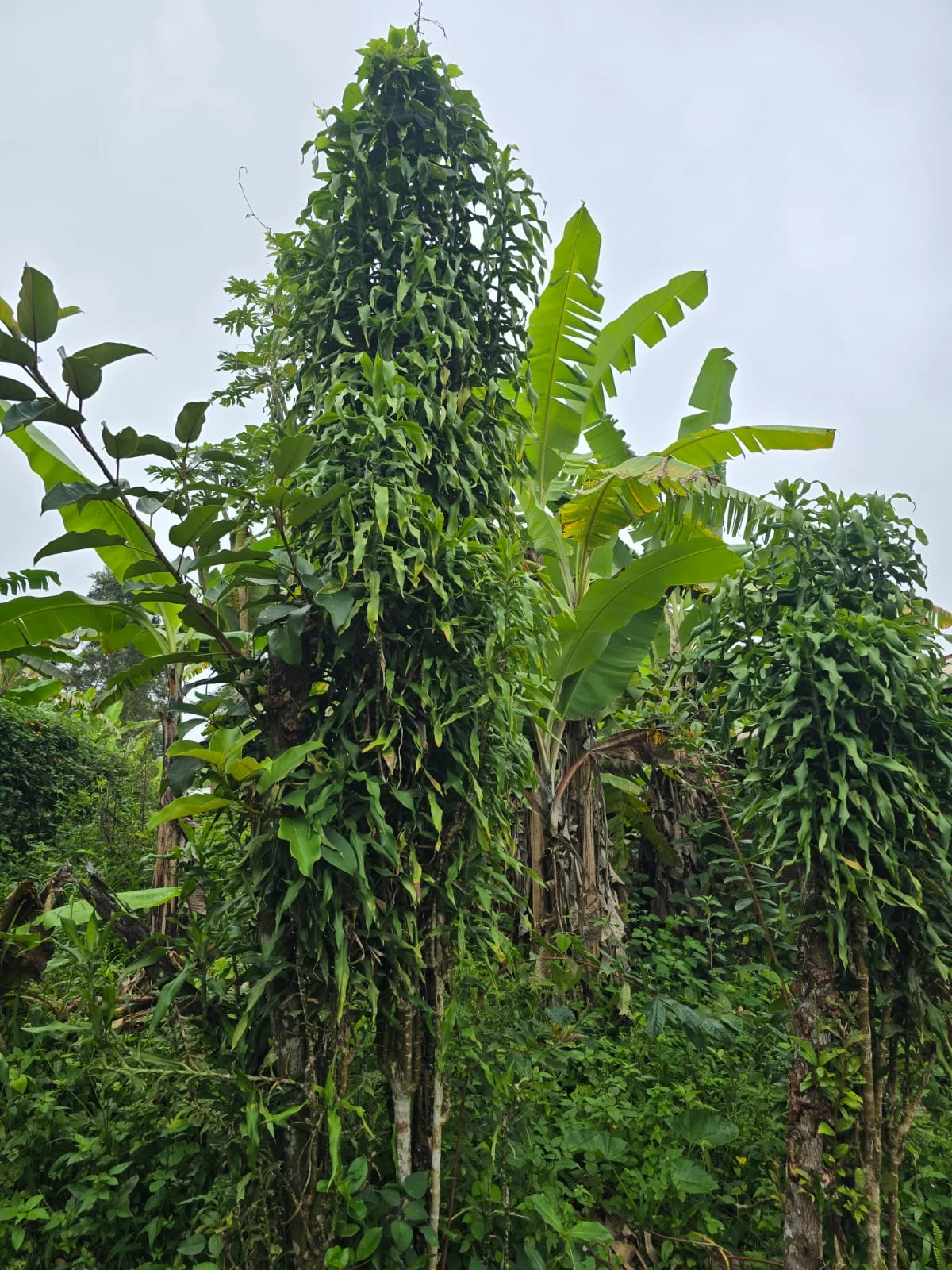
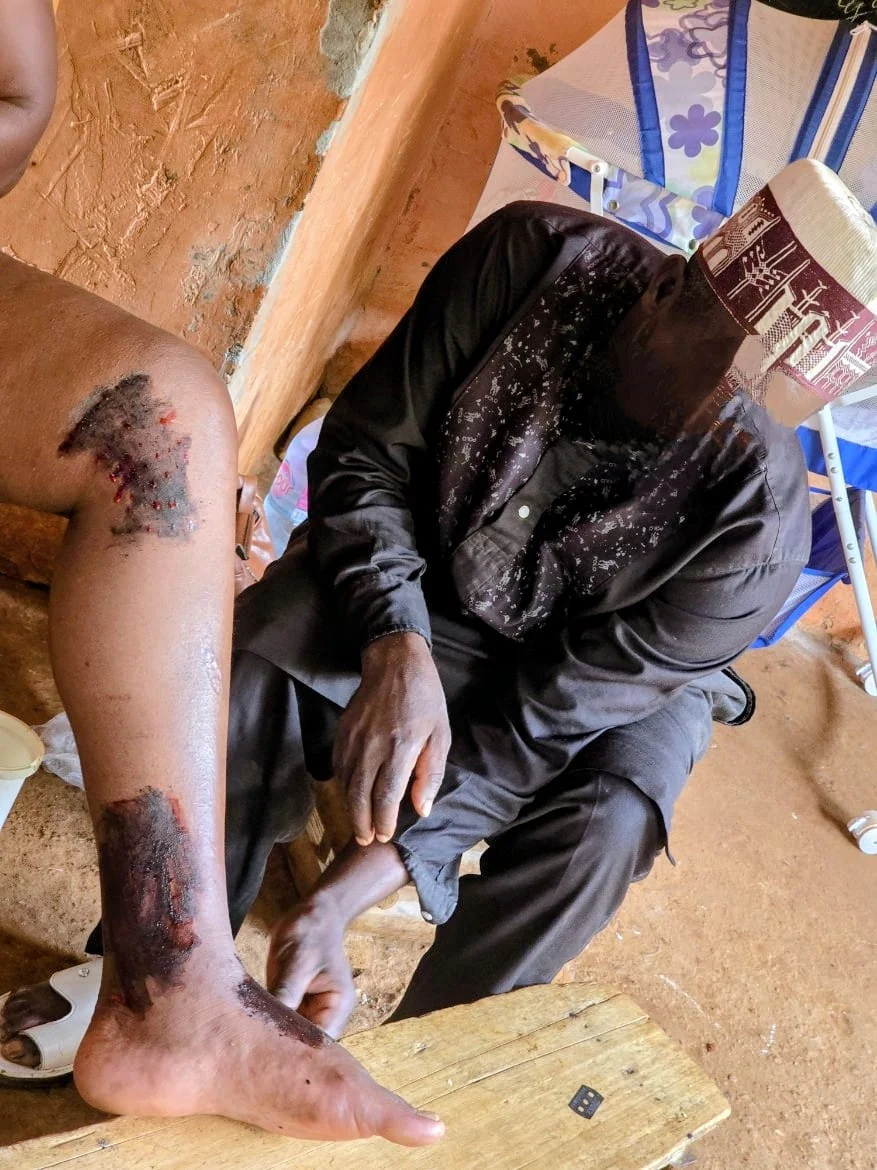
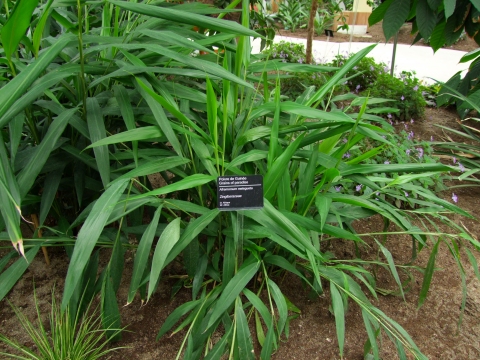
In Bamileke religious beliefs, the ŋdédùm or ŋdidium is one of the plants whose sacredness refers to the myth of origin. It is said to have been given to humans by God during the creation of the world for the purpose of appeasing them and protecting them from evil spirits (Kouemo 2018). It is used as a complement to medicinal treatments, particularly for infertility and complications during pregnancy (Yemele et al., 2015, 17).

Its addition to medicines is intended not only to ensure the physical healing of the sick person, but also to provide them with protection and spiritual comfort. Its  are worn as talismans and its sweet-tasting seeds are regularly chewed. Despite the gradual abandonment of its use in the face of Christian practices, the Bamiléké people almost never part with it. These ŋdédùm seeds are believed to have the ability to capture positive forces and ward off negative energies for the benefit of those who carry or consume them.

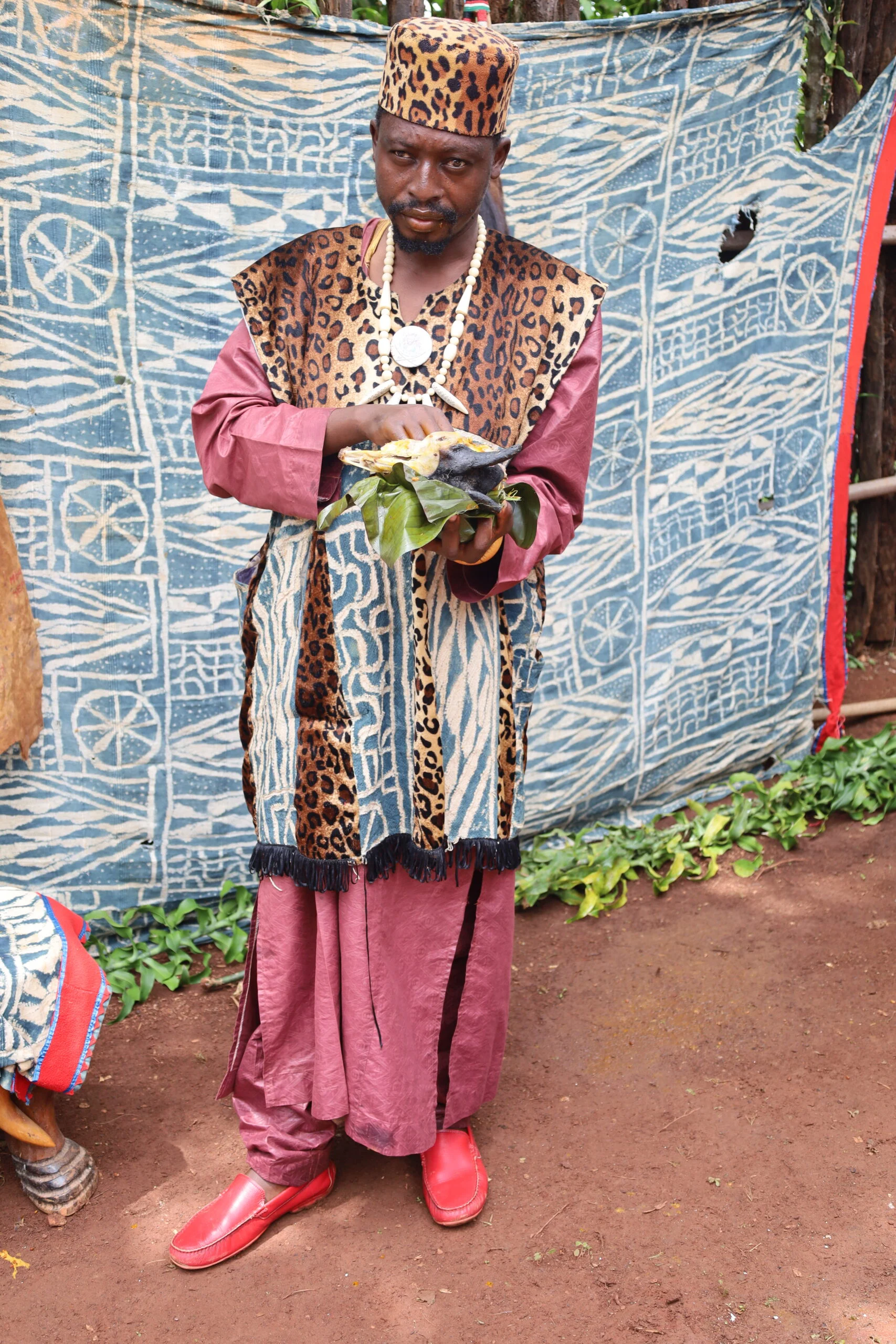
During the sanctification or protection ritual, the seeds are chewed and thrown onto the candidates. Their fruits are purified by soil from a sacred place or sanctuary containing the relics of ancestors and carefully preserved as talismans. They accompany and protect their owners, who sometimes consume the seeds. Chewing these seeds—called mfè ŋdédùm—represents a spiritual action that drives vitality: one chews to express one’s desire to live, to be. In this sense, ŋdédùm is a mediator between vital forces and human beings. According to Clémentine Madiya Faïk-Nzuji, “symbols fulfil an important mediating function for Africans ” (Madiya Faïk-Nzuji 1993, 24), in the Bamileke ritual space, the ŋdédùm is one of those conciliatory symbols that allows one to transcend time and interact with supernatural forces.

Read more

Dans les croyances religieuses bamiléké, le ŋdédùm ou ŋdidium est l’une des plantes dont la sacralité renvoie au mythe d’origine. Il aurait été offert aux humains par Dieu lors de la création du monde dans le but de leur apaisement et de leur protection contre les esprits maléfiques. (Kouemo 2018) Il est utilisé en complément aux traitements médicinaux, notamment contre la stérilité et dans le cas de complications chez la personne enceinte (Yemele et al., 2015, 17).

Son addition dans les médicaments vise non seulement à assurer une guérison physique du malade, mais aussi à lui apporter une protection et un apaisement spirituel. Ses fruits sont portés comme talisman et ses graines, au goût sucré, sont régulièrement mâchonnées. Malgré l’abandon progressif de son usage face aux pratiques du Christianisme, les Bamiléké ne s’en séparent presque jamais. On attribue à ces graines du ŋdédùm la capacité de capter des forces positives et d’éloigner les ondes négatives pour le bien de celui-celle qui les porte ou qui les consomme.

Durant le rite de sanctification ou de protection, les graines sont mâchonnées et lancées sur les candidat-e-s. Leurs fruits sont purifiés par la terre provenant d’un lieu sacré ou d’un sanctuaire contenant les reliques d’ancêtres et précieusement conservés comme talismans. Ils accompagnent et protègent leurs propriétaires, lesquels, parfois, consomment les graines. La mastication de ces graines —appelée mfè ŋdédùm–, représente une action spirituelle motrice de vitalité: l’on mastique pour exprimer son désir de vivre, d’être. Dans ce sens, le ŋdédùm est un médiateur entre les forces vitales et l’être humain. Si, selon Clémentine Madiya Faïk-Nzuji, « les symboles remplissent pour l’africain une importante fonction médiatrice » (Madiya Faïk-Nzuji 1993, 24), dans l’espace rituel bamiléké, le ŋdédùm est l’un de ces symboles conciliateurs qui permet d’outrepasser le temps et d’interagir avec les forces surnaturelles.

Kouemo Martin, 110 ans, notable de la sous-chefferie Bamegwou (Fokoué), interviewé le 30 Aout 2018.

Madiya Faïk-Nzudji, Clémentine. Arts africains : signes et symboles. De Boeck University, Brussels, 2000.

Yemele MD, Telefo PB, Lienou LL, Tagne SR, Fodouop CSP, Goka CS, Lemfack MC, Moundipa FP. 2015. Ethnobotanical survey of medicinal plants used for pregnant women ׳ s health conditions in Menoua division -West Cameroon. Journal of Ethnopharmacology 160:14 -31. doi:10.1016/j.jep.2014.11.017.


Date of entry: August 18, 2025
Bamba Tubaab, CC BY-SA 4.0, https://creativecommons.org/licenses/by-sa/4.0, via Wikimedia Commons
The name you would like to be credited with for your contribution.
The word you wish to contribute
Your email for contact and updates regarding your submission.
The language you are contributing the word in
Maximum file size: 3 MB
Maximum file size: 5 MB
By proceeding, I acknowledge and agree to GloCo's Legal notice and Terms of use
and the Guidelines for Contributors *

Related Words

Children preparing for the Kang dance
Tcheu’ (cœ̀')
Nguemba

The word means hat. There are many different types, from royal headdresses to simple hats, Nkam (ŋkǎm)' hats and headdresses worn by the members of t...

offering, Bapa village (Cameroon), 26.07.2025, by Maeva PIMO
Pↄↄ’
Yemba

It refers to the offering made to deities during Bamiléké religious ceremonies. The act of making an offering is called ŋgwā' pↄↄ' (throwing the mushr...

Piliers sculptés, chefferie de Batoufam (Cameroun), 08/2025, par Maeva PIMO
Pilier sculpté
French

Une poutre en bois sur laquelle sont gravées des informations, lesquelles renseignent généralement sur l’importance du lieu, les valeurs ainsi que la ...

Bapa chiefdom model, Bapa (Cameroon), 07/2025, by Maeva PIMO
No'h (nɔ̀')
Nguemba

It refers to the chiefdom, which is the most important place in the village. The chiefdom has a dual definition. Firstly, it refers to the territorial...

Peace_Tree, Bapa chiefdom (Cameroon), 26.07.2025, by Maeva PIMO
Nkeŋ/ pfʉǝkeŋ/ Kwetkeng (kwɛ̀tŋkǝ̂ŋ) (Draceana Déléistéliana)
Yemba/Ghomala’/Nguemba

The peace tree is a shrub that can grow up to five meters high. In Bamiléké chiefdoms, it is one of the constituent plants of the bocage*, specific to...

Nkam Ssi (ŋkám Ssí)
Nguemba

A person with clairvoyant abilities. (See Djwisī/Nkemsī).

Nkam Bangoua - Right-hand man of Chief Bangoua
Nkam (ŋkǎm)
Nguemba

A notable is a person occupying a high rank in a chiefdom (See No’h (nɔ̀’)). A notable acquires his title and rank either by succession or by recognit...

Nkà shin (kǎ shìn)
Nguemba

The grouping of people of a certain age category. The gaps between two age groups vary from chiefdom to chiefdom. The gap considered for a generation ...

Ngaŋnga/Gegↄm
Yemba/ Ghomela

Literally the man of the tarantula, he is a doctor and a diviner. He uses tarantulas or cowrie shells for divination. He also uses plants and sacred w...

Nganafhu working on a patient, Yaounde (Cameroon), 06/2025, by Maeva PIMO
Nganafhū/Gaghĕ
Yemba/ Ghomela

The man of leaves or medicine is the community's chief doctor. He has a thorough knowledge of medicinal plants, but also of anatomy (Notue/Perrois 198...

error: