Saan Jao Ti / ศาลเจ้าที่

Pronunciation: Ṣ̄āl cêā thī̀
Language: Thai
Also known as: shrine, guardian spirits shrine, saan da yay, ศาลตายาย, grandparents’ shrine

Description

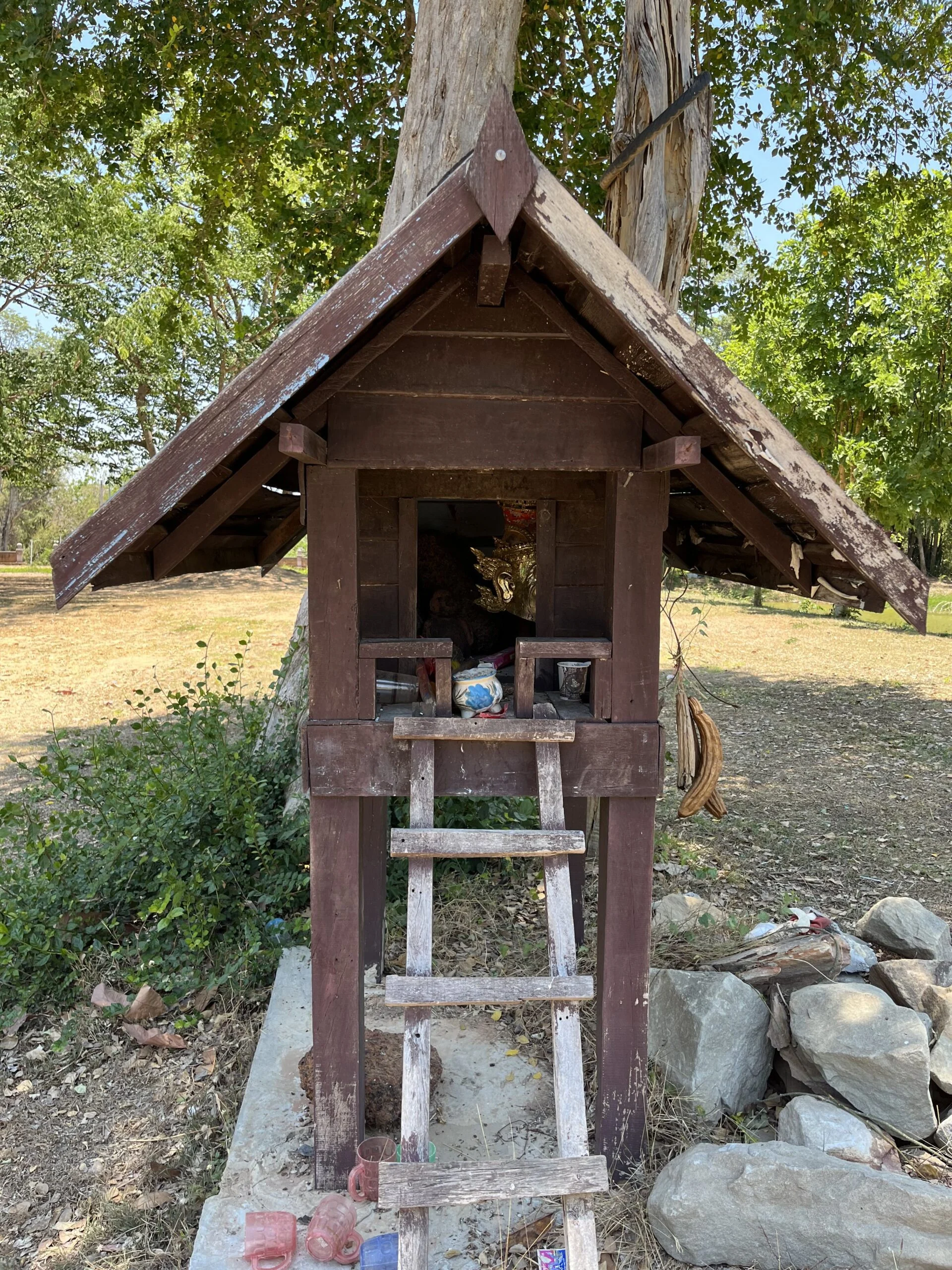
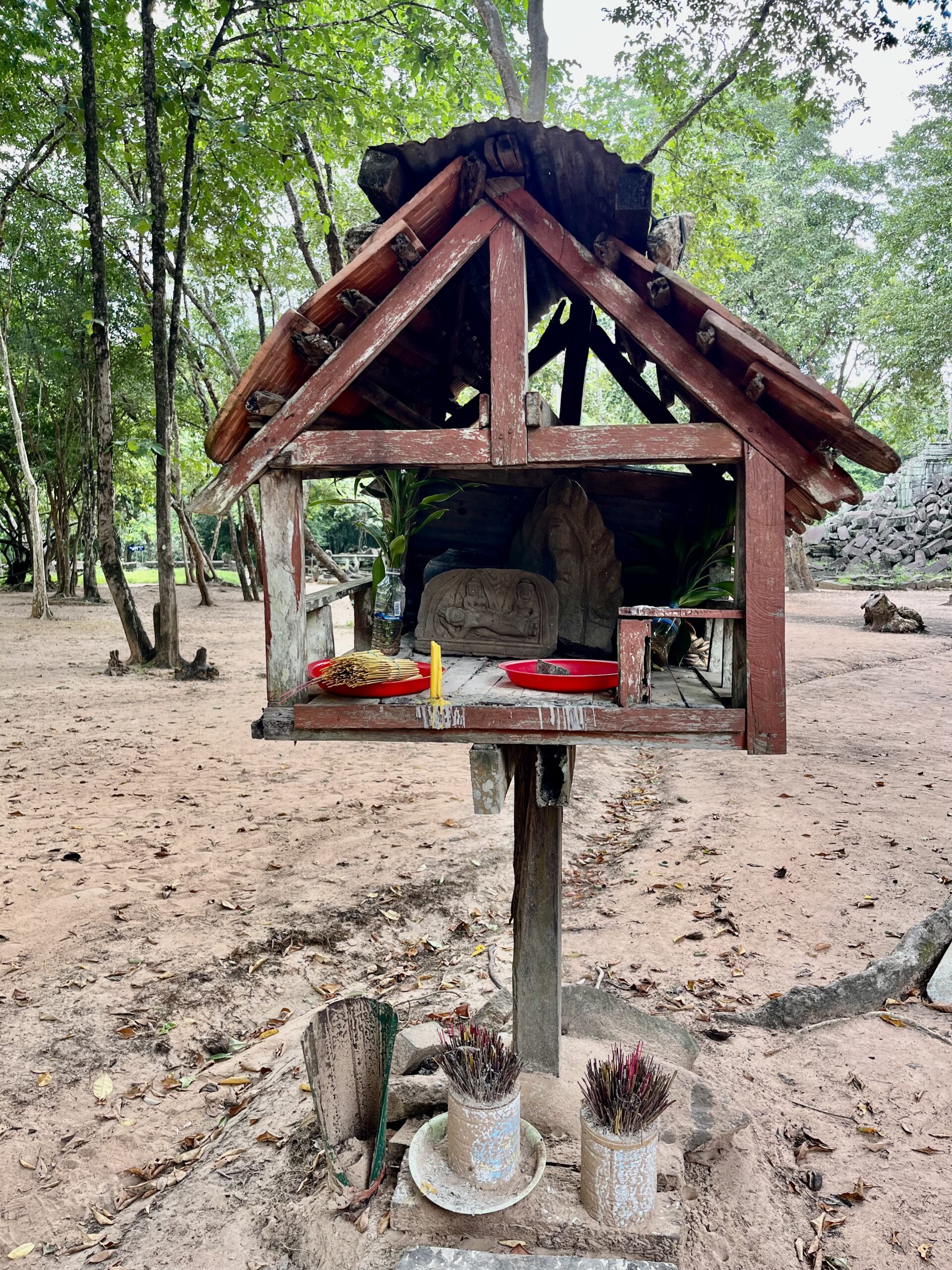
ศาลเจ้าที่ บางครั้งเรียกว่า ศาลตายาย เป็นสถานที่ศักดิ์สิทธิ์ที่แตกต่างจาก ศาลพระภูมิ ในแง่ของโครงสร้าง โดยศาลพระภูมิมักมีเสาเพียงต้นเดียว ขณะที่ศาลเจ้าที่จะมีเสาตั้งแต่สี่ถึงหกต้น ลักษณะนี้ทำให้ศาลเจ้าที่ดูคล้ายบ้านมากกว่าวัด เพราะถือว่าเป็นที่อยู่อาศัยของวิญญาณทั่วไป จึงมักตั้งอยู่ในระดับที่ต่ำกว่า เนื่องจากวิญญาณเหล่านี้ไม่ได้มีสถานะสูงเท่าวิญญาณพระภูมิ

ในขณะที่วิญญาณพระภูมิถูกเชื่อว่าเป็นวิญญาณแห่งท้องฟ้า วิญญาณเจ้าที่กลับถูกเชื่อว่าอาศัยอยู่บนพื้นดิน นี่จึงเป็นเหตุผลว่าทำไมศาลเจ้าที่จึงมักมีบันไดขึ้นไปยังตัวศาลหลัก เพื่อสะท้อนแนวคิดเรื่องการอยู่อาศัย ศาลเจ้าที่ถือเป็นที่พำนักของวิญญาณดั้งเดิมของผืนแผ่นดิน ซึ่งคอยปกปักรักษาบ้านเรือนและพื้นที่โดยรอบ วิญญาณเหล่านี้อาจเป็นบรรพบุรุษ เจ้าของที่ดินคนก่อน หรือวิญญาณท้องถิ่นอื่น ๆ

โดยทั่วไป วิญญาณเจ้าที่แบ่งออกเป็นสองประเภท ได้แก่ เจ้าที่แท้ ซึ่งมีความเชื่อมโยงโดยตรงกับที่ดินผืนนั้น และ เจ้าที่จร ซึ่งเป็นวิญญาณเร่ร่อนที่ไม่มีที่อยู่ถาวร แต่จะเข้ามาดูแลแทนเมื่อไม่มีเจ้าที่แท้ประจำอยู่ (Sansiri 2567)

นิตยสารบ้านและสวน (2563) ยังกล่าวว่า ปัจจุบันมีการปรับเปลี่ยนรูปแบบของศาลเจ้าที่ให้เข้ากับสถาปัตยกรรมบ้านสมัยใหม่ในไทย ซึ่งได้รับอิทธิพลจากสไตล์ตะวันตก แม้รูปลักษณ์ภายนอกจะเปลี่ยนแปลงไปได้ แต่ก็ยังมีกฎเกณฑ์บางประการที่ต้องปฏิบัติตาม เช่น “ ศาลพระภูมิต้องไม่มีช่องเปิดด้านหลัง และต้องมีช่องเปิดด้านข้าง และช่องเปิดนั้นต้องเลียนแบบจากช่องเปิดของบ้าน” (บ้านและสวน 2563)

Read more

Saan jao ti (ศาลเจ้าที่) are sometimes referred to as saan da yay (ศาลตายาย) or ‘grandparents’ shrine’. They also differ from saan phra phuum in their structure. Saan phra phuum will typically only have one pillar, whereas a saan jao ti will have four to six pillars. It is considered a home to common spirits, therefore, it resembles a house more than a temple and is usually placed lower to the ground, as these spirits are not ranked as highly as the phra phum spirits. Where Phra Phum spirits are thought to be of the sky, Jao Ti spirits are believed to live on the ground, which is why saan jao ti will often incorporate stairs up to the main building. 

Saan jao ti house the original spirits of the land, who protect the home and the surrounding area. These spirits include ancestors, former landowners, and other local spirits. The spirits are divided into two categories: true spirits (เจ้าที่แท้), with a connection to that specific piece of land, or wandering spirits (เจ้าที่จร), who do not have a fixed home, but take over in the absence of true spirits (Sansiri 2024). 

Baan Lae Suan (2020) note that these shrines are having their appearance updated to match more modern house designs seen in Thailand, influenced by more western architectural styles. While the form can change, there are a few rules that have to be maintained, for example, “a spirit house must not have an opening at the back and must have an opening on the side, and that opening must imitate the opening of the house” (Baan Lae Suan 2020). 

Sansiri (2024). ไหว้ศาลพระภูมิเจ้าที่ ใช้ธูปกี่ดอก พร้อมวิธีไหว้เสริมสิริมงคล. https://www.sansiri.com/content/view/homecare-how-many-incense-sticks-pray-buddha-shrine/th.

Baan Lae Suan (2020). ไอเดียออกแบบ “ศาลพระภูมิ” และ “ตี่จู่เอี้ย” ให้เข้ากับดีไซน์ของบ้าน. https://www.baanlaesuan.com/213096/ideas/house-ideas/sanphrapoom/.

Date of entry: July 24, 2025
A brown wooden shrine resembling a simple house with a triangular roof with a ladder leading up to the entrance.
A Saan Jao Ti, Prang Ku District, Si Sa Ket Province, Thailand. Photo by Alisa Santikarn, April 2024.
The name you would like to be credited with for your contribution.
The word you wish to contribute
Your email for contact and updates regarding your submission.
The language you are contributing the word in
Maximum file size: 3 MB
Maximum file size: 5 MB
By proceeding, I acknowledge and agree to GloCo's Legal notice and Terms of use
and the Guidelines for Contributors *

Related Words

IMG_3464 2
ลงรักปิดทอง/Long Rak Pit Thong
Thai

ลงรักปิดทอง/Long Rak Pit Thong, or ‘lacquering and gilding’, is both a Thai conservation technique and an act of worship and a way of making merit wit...

ម្ចាស់ទឹកម្ចាស់ដី / Mchas Teuk, Mchas Dei
Khmer
mcheasatukamcheasadei

គេ​តែងតែ​គោរព​ពពួក​អស់​នឹង ព្រោះ​ពពួក​អស់​នឹង​គេ​តាម​បីបាច់​ថែរក្សា​យើង ហើយ​ខ្លះ​ទៀត ពេល​ណា​ដែល​ម្ចាស់ផ្ទះ​មាន​គ្រោះ មាន​ភ័យ មាន​អន្តរាយ​អ្វីមួយ​កើត​ម...

Shrine PP
ព្រះភូម / Preah Phum
Khmer

អ​ញ្ចឹ​ង​ពពួក​ភូមិ​ទេវតា តាម​ការពារ និង​ថែរក្សា​ម្ចាស់ផ្ទះ​នឹង ទាល់តែ​ម្ចាស់ផ្ទះ​នឹង​ជា​អ្នកមាន​ទាន មាន​សីល មាន​សេចក្តី​ល្អ ប្រព្រឹត្ត​សេចក្តី​ល្អ​ដែរ...

Spirit House
ម្រេញគង្វាល / Mrenh Kongveal
Khmer
m'renh kung'viel

ម្រេញគង្វាល គឺជាភពអមនុស្ស ដែលជាកញ្ចក់ឆ្លុះបញ្ចាំងពីភពរបស់យើង ដែលភាគច្រើនយើងតែងតែហៅក្មេងឃ្វាលគោ ឃ្វាល ក្របី។ ដោយសាររឿងហ្នឹងវាទាក់ទងបាយសំណុំ ទឹកបំពង់ ដែ...

Shrine
រានទេវតា / Rean Devata
Khmer
rien tevada

ព្រះភូមទេវតា ឬរានទេវតានេះ គេដាក់នឹង គឺភាគច្រើនគេដាក់សម្រាប់ឱ្យពពួកភូមទេវតារស់នៅ មានដូចជាអរុក្ខទេវតា ភូមិទេវតាដែលយើងហៅថាម្រេញគង្វាល ។ ហើយការដាក់ទាំងអស់...

Cambodia_2014_-_panoramio_(12)
លោកតាស្នាប់ / Lok Ta Snap
Khmer

អ្នកដែលមិនជឿលើព្រះបិតា លោកតាស្នាប់ បានជួបប្រទះអភ័យហេតុផ្សេងៗគ្នា៖ ម៉ូតូរបស់ពួកគេខូចនៅពេលបើកចូលព្រៃ ខណៈដែលមនុស្សខ្លះវិលត្រឡប់មកវិញបានដួលចេញពីម៉ូតូ បាក់...

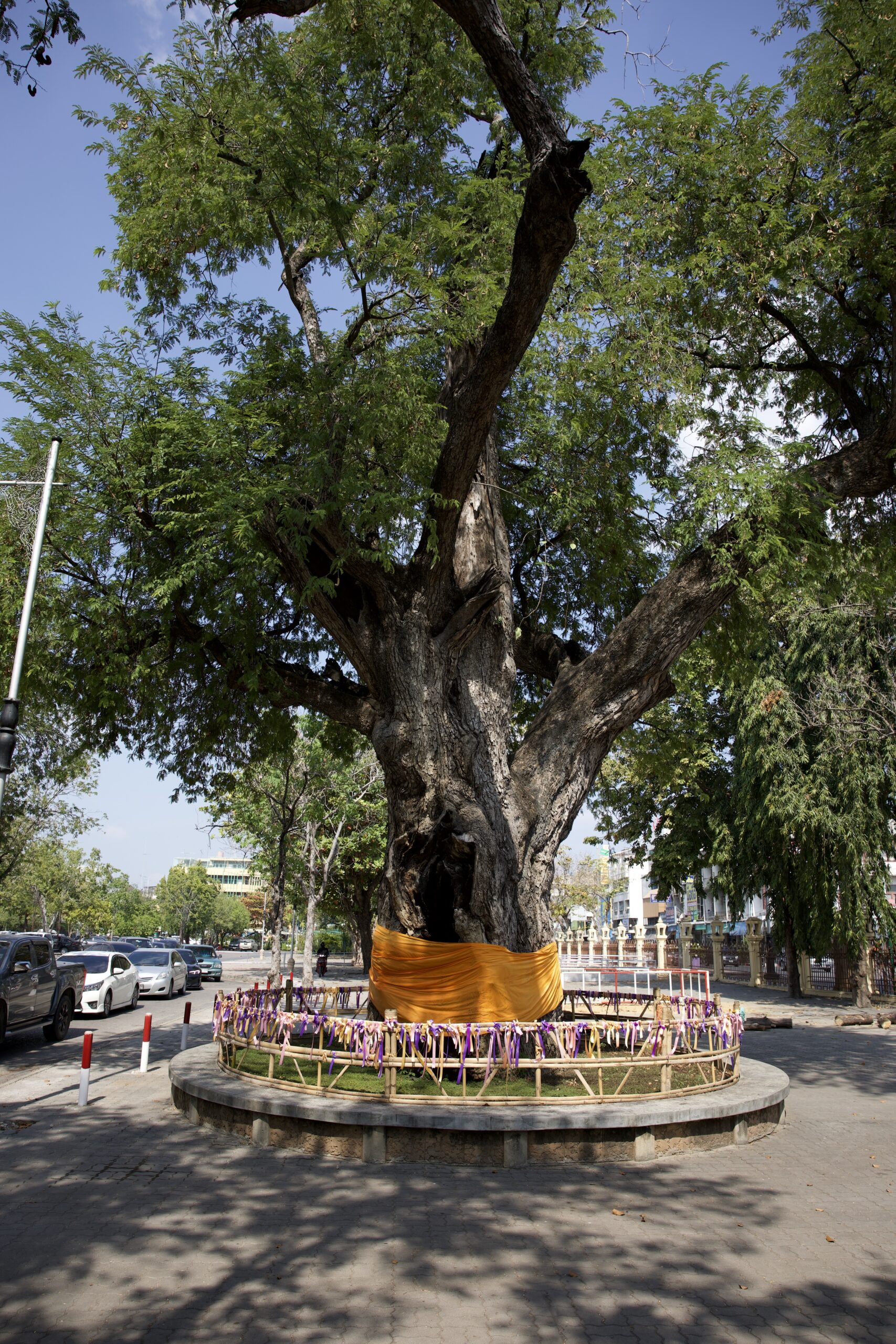
A large tree with green leaves and thick strip of orange cloth wrapped around its base. The tree is enclosed with a round metal fence. Outside of the fence is pavement, with a row of parked cars down the left side.
บวชต้นไม้/buat tonmai
Thai
Bwch t̂nmị̂

บวชต้นไม้/buat ton mai, also known as 'tree ordination', is a method of conserving trees in Thailand rooted in Buddhism. The practice emerged as a res...

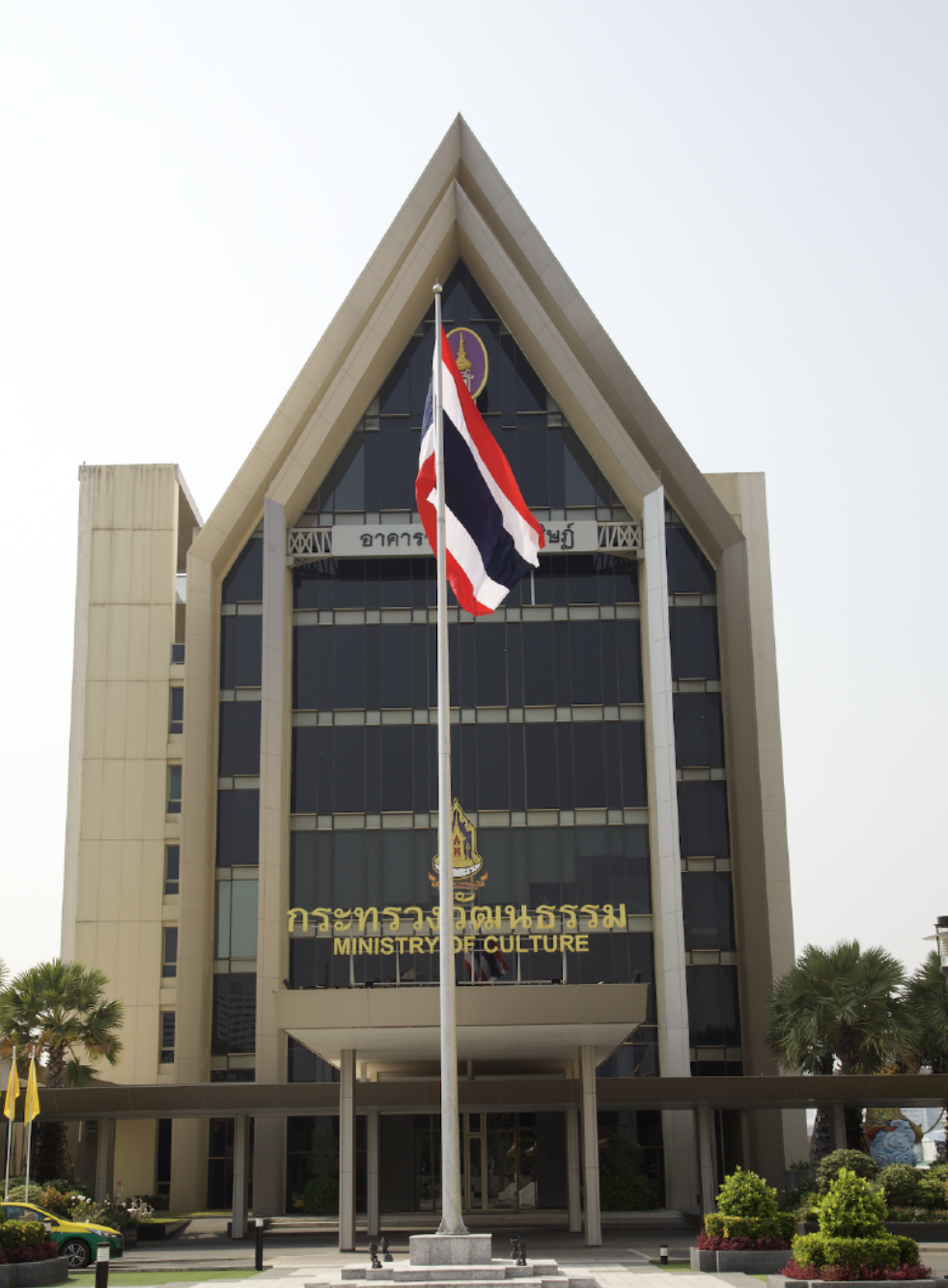
A building with large windows and a triangular roof. The sign reads: Ministry of Culture. There is a Thai flag with red, white, blue, white and red horizontal stripes on a flag pole in front of the building.
วัฒนธรรม/Wattanatham
Thai
Wạtʹhnṭhrrm

วัฒนธรรม/Wattanatham (meaning ‘culture’) is one of over one thousand terms coined by Prince Wan Waithayakon. In a 1975 interview, Prince Wan, who atte...

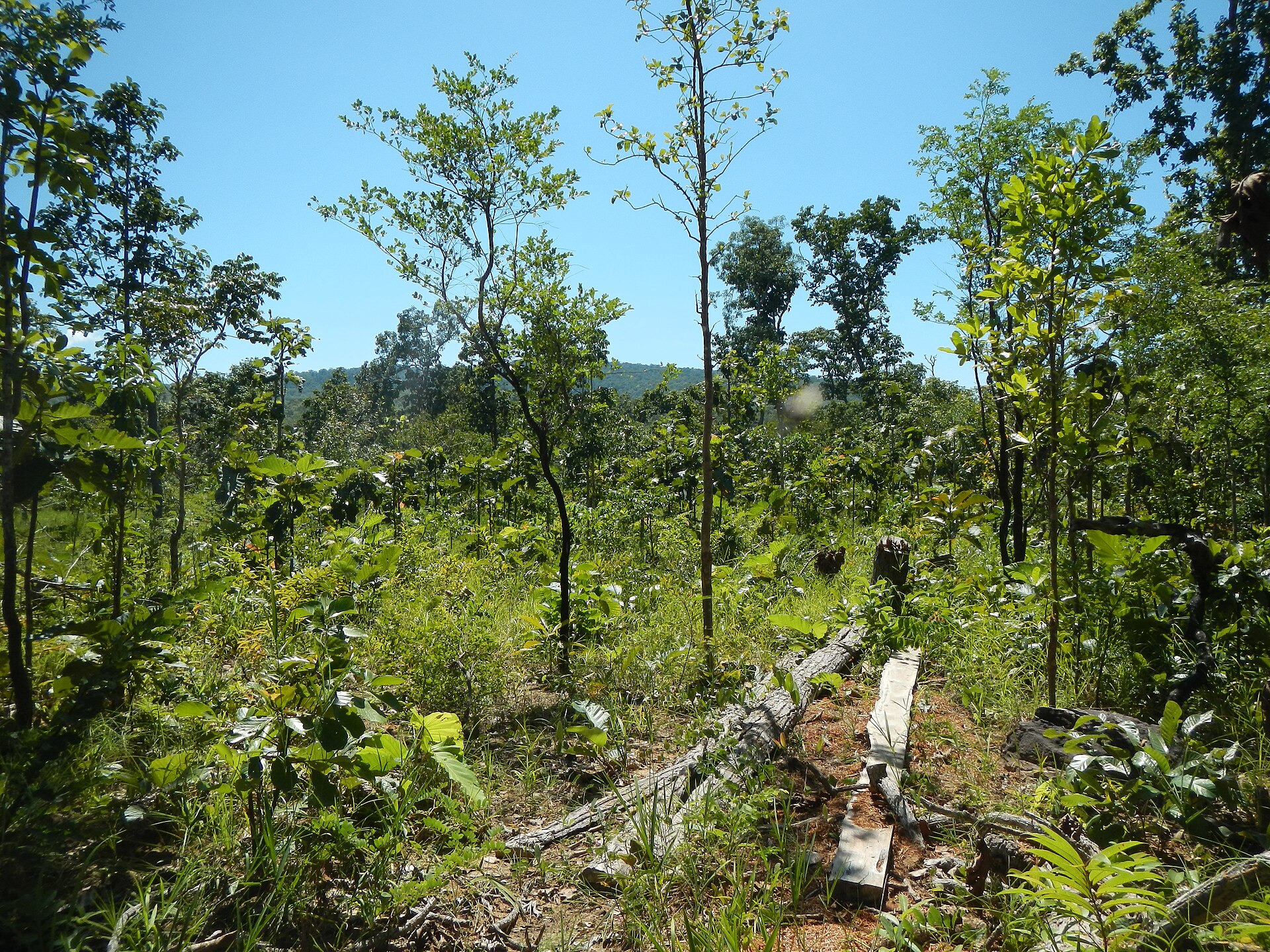
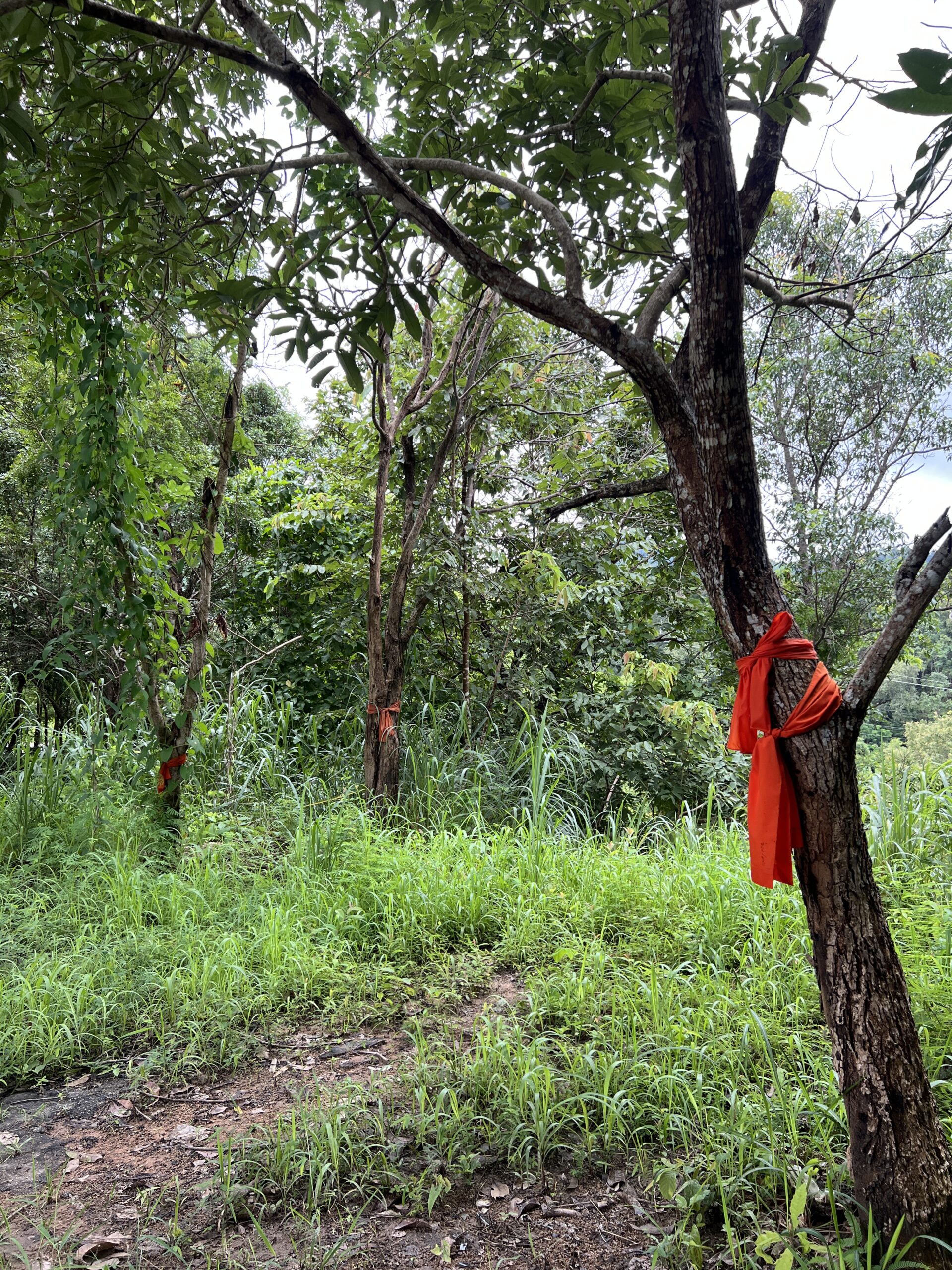
A sparse forest with thin trees. The trees are each wrapped in a strip of bright red/orange cloth.
ธรรมชาติ/thammachat
Thai
Ṭhrrmchāt

ธรรมชาติ/Thammachat, meaning ‘nature’ in Thai, was a term coined as part of a larger language policy spanning the late-19th and 20th centuries, involv...

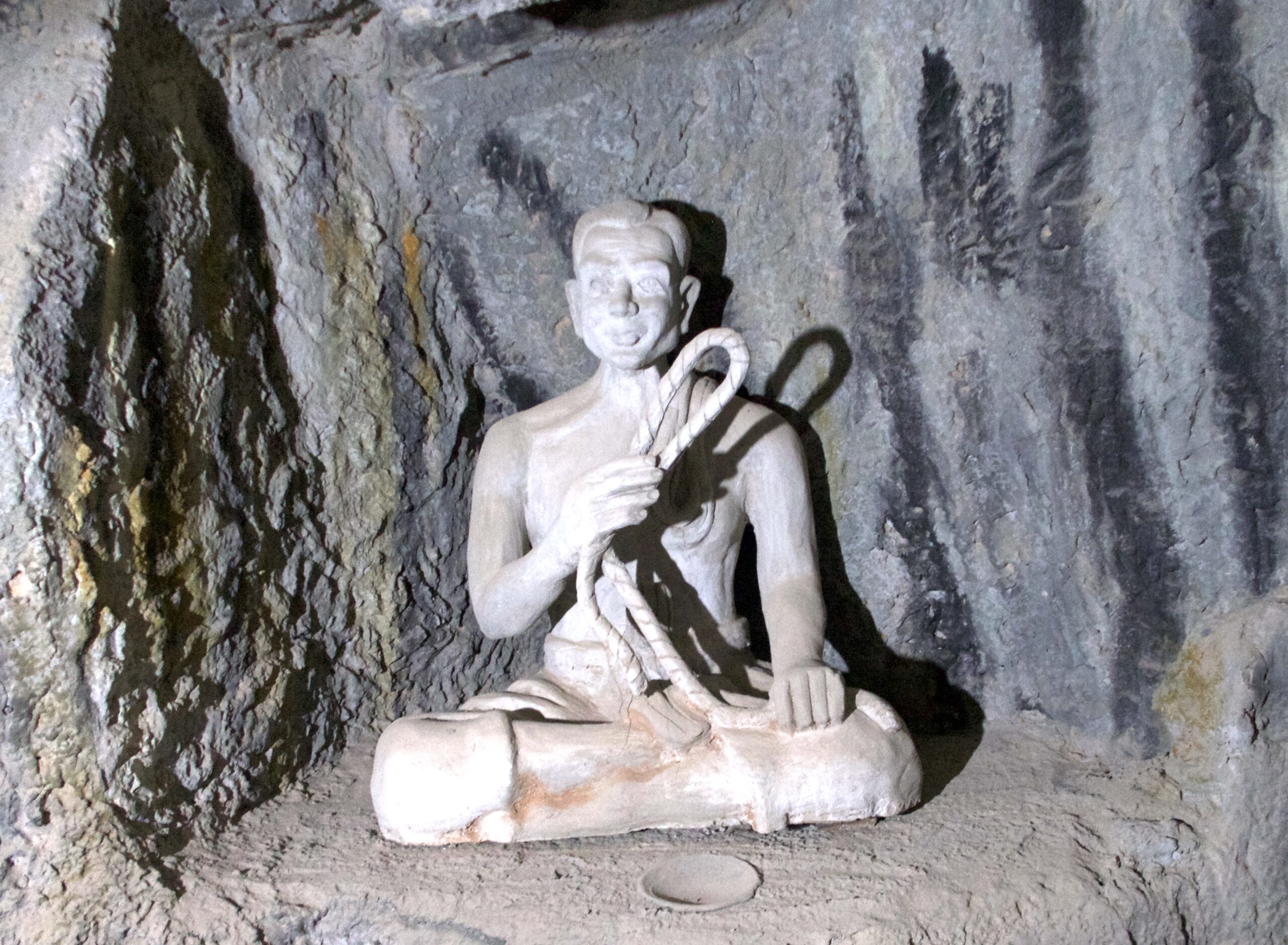
Statue of a man sitting cross-legged, carved in white, holding up a lasso in his right hand.
ปะกำ/Pakam
Kui (Thailand)
pĕē pakam

ปะกำ (ภะษากูย) หรือ ผีปะกำ (ภาษาไทย) เป็นวัฒนธรรมที่พบได้เฉพาะในกลุ่มกูยอาจีงหรือกูยเลี้ยงช้างเท่านั้น เป็นวิญญาณของบรรพบุรุษกูยเลี้ยงช้างที่เป็นหมอหร...

error: