มรดกภูมิปัญญาทางวัฒนธรรม morodok phumibanya thang wattanatham

Pronunciation: Mrdk p̣hūmipạỵỵā thāng wạtʹhnṭhrrm
Language: Thai
Also known as: intangible cultural heritage, มรดกทางวัฒนธรรมที่จับต้องไม่ได้

Description

The direct translation of ‘Intangible Cultural Heritage’ (ICH) into Thai is ‘มรดกทางวัฒนธรรมที่จับต้องไม่ได้’. However, the government felt that this term did not translate well, and had the potential to be misunderstood (Department of Cultural Promotion, 2015, p. 5). Various alternatives were suggested, including ‘abstract cultural heritage’ (มรดกวัฒนธรรมเชิงนามธรรม), ‘spiritual cultural heritage’ (มรดกวัฒนธรรมทางจิตใจ), and ‘non-material cultural heritage’ (มรดกวัฒนธรรมที่ไม่เป็นวัตถุ) (Department of Cultural Promotion, 2015, p. 5). However, it was felt that each of these options had issues when translated back into English (Department of Cultural Promotion, 2015, p. 5). Due to this debate, the National Culture Mission used ‘cultural heritage’ (มรดกภูมิปัญญาทางวัฒนธรรม) in lieu of intangible cultural heritage until 31 August 2009, after which the preferred translation of มรดกภูมิปัญญาทางวัฒนธรรม (morodok phumibanya thang wattanatham), or ‘cultural wisdom heritage’, was decided upon (Department of Cultural Promotion, 2015, p. 6). Morodok phumibanya thang wattanatham is not an exact translation of intangible cultural heritage. For example, when referring to the 2003 Convention for the Safeguarding of the Intangible Cultural Heritage, the government opted to use the literal translation, มรดกทางวัฒนธรรมที่จับต้องไม่ได้ (Department of Cultural Promotion, 2015, p. 6).

Furthermore, where UNESCO divides ICH into five domains, the Thai government divides this heritage into seven parts. This is because the Ministry of Culture “believe that Thailand has intangible cultural heritage that is distinctive and unique”, and accordingly, requires more categories to encompass it, thus making it “more consistent with the cultural context of Thailand” (Department of Cultural Promotion, 2015, pp. 6–7).

The seven categories of ICH in Thailand are (with numbers 3 and 4 being additions to UNESCO’s domains):

1. Performing arts
2. Traditional craftsmanship
3. Folk literature (วรรณกรรมพื้นบ้าน)
4. Thai wisdom sports (กีฬาภูมิปัญญาไทย)
5. Social practices, rituals and festivals
6. Knowledge and practices about nature and the universe
7. Language

Read more

กรมส่งเสริมวัฒนธรรม [Department of Cultural Promotion]. (2558) [2015]. คู่มือการเสนอขอขึ้นทะเบียนมรดกภูมิปัญญาทางวัฒนธรรมของชาติ [Guide for submittion applications for the registration of national cultural heritage]. Bangkok: สำนักงานกิจการโรงพิมพ์ องค์การสงเคราะห์ทหารผ่านศึก [Printing Office, War Veterans Organisation].

Date of entry: June 10, 2025
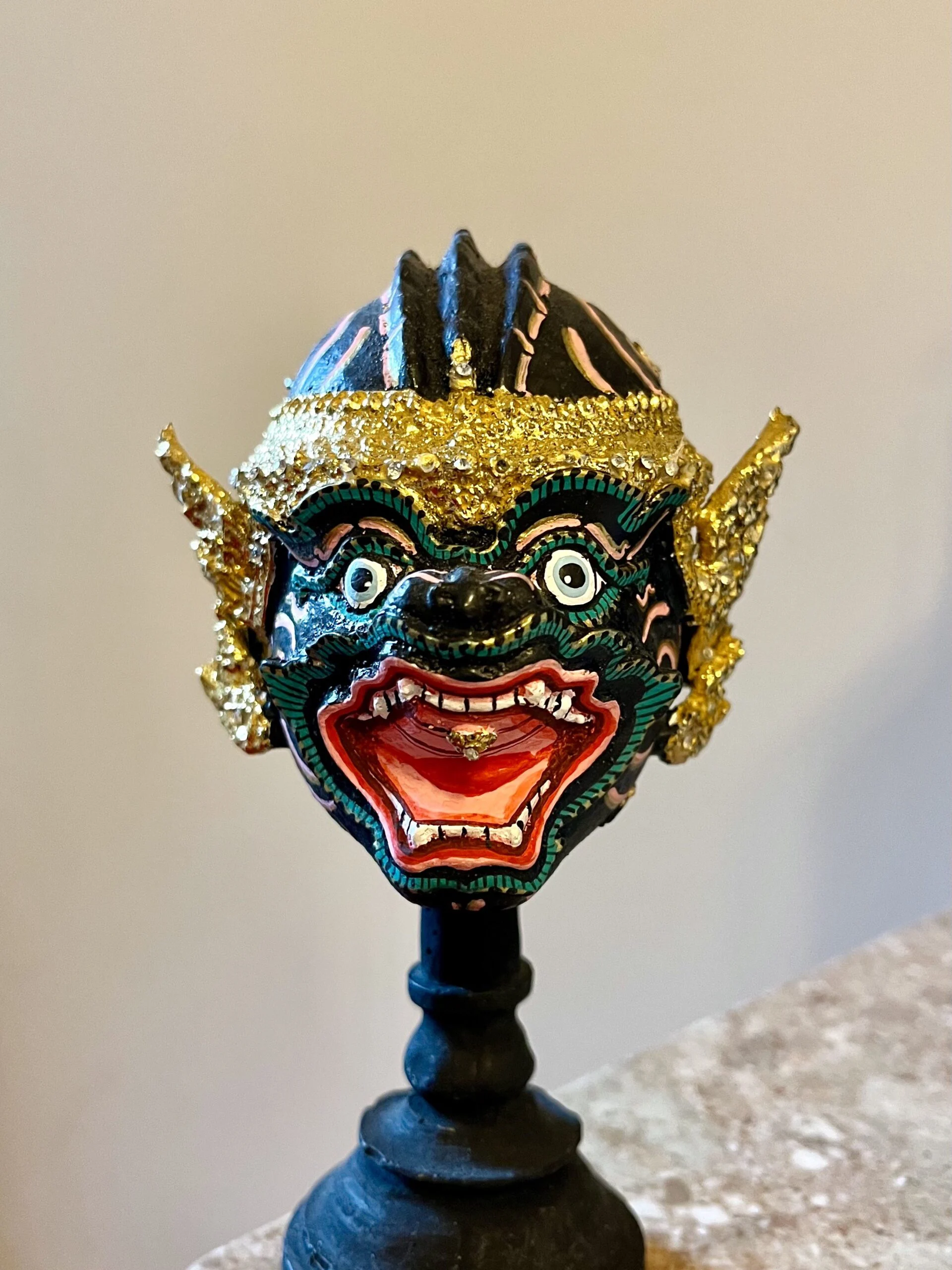
A black mask of Hanuman with a golden headdress with an open mouth and pointed teeth.
Khon mask made by Patchanee Leangson (พัชนี เลี้ยงสอน). 'Khon, masked dance drama in Thailand' was Thailand's first item added to the UNESCO Intangible Cultural Heritage list. Photograph by Alisa Santikarn, 15 May 2025.
The name you would like to be credited with for your contribution.
The word you wish to contribute
Your email for contact and updates regarding your submission.
The language you are contributing the word in
Maximum file size: 3 MB
Maximum file size: 5 MB
By proceeding, I acknowledge and agree to GloCo's Legal notice and Terms of use
and the Guidelines for Contributors *

Related Words

IMG_3464 2
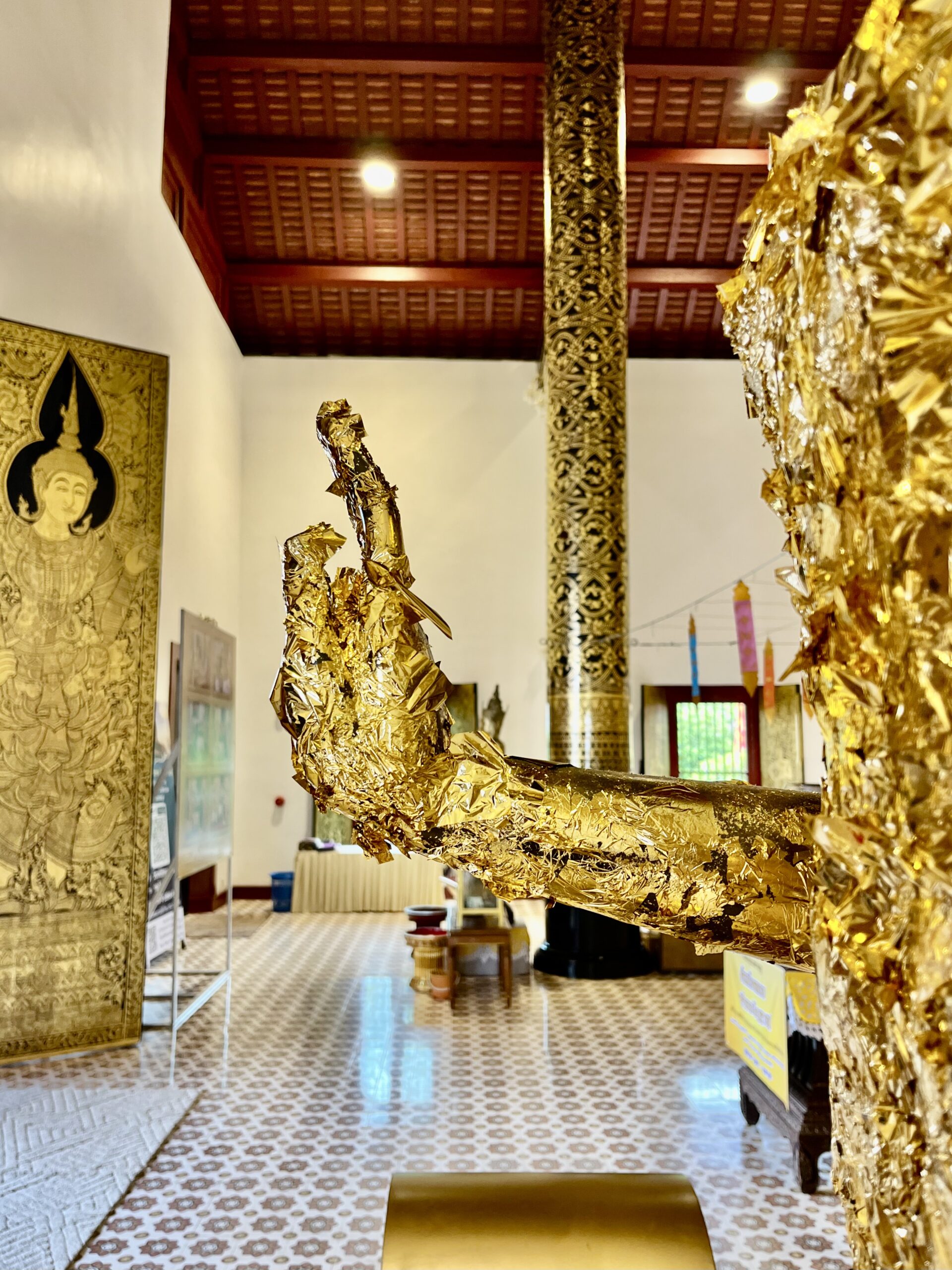
ลงรักปิดทอง/Long Rak Pit Thong
Thai

ลงรักปิดทอง/Long Rak Pit Thong, or ‘lacquering and gilding’, is both a Thai conservation technique and an act of worship and a way of making merit wit...

ម្ចាស់ទឹកម្ចាស់ដី / Mchas Teuk, Mchas Dei
Khmer
mcheasatukamcheasadei

គេ​តែងតែ​គោរព​ពពួក​អស់​នឹង ព្រោះ​ពពួក​អស់​នឹង​គេ​តាម​បីបាច់​ថែរក្សា​យើង ហើយ​ខ្លះ​ទៀត ពេល​ណា​ដែល​ម្ចាស់ផ្ទះ​មាន​គ្រោះ មាន​ភ័យ មាន​អន្តរាយ​អ្វីមួយ​កើត​ម...

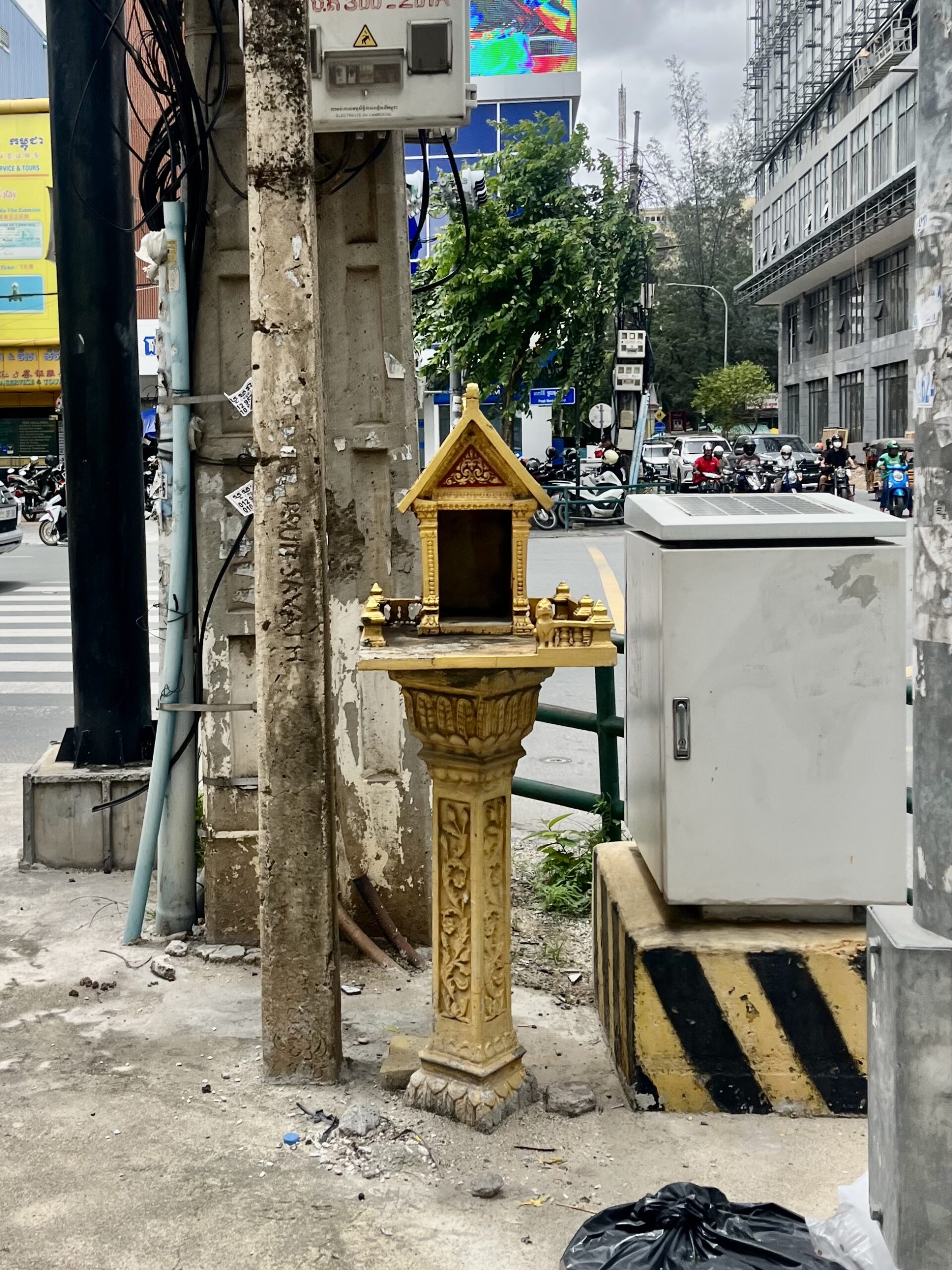
Shrine PP
ព្រះភូម / Preah Phum
Khmer

អ​ញ្ចឹ​ង​ពពួក​ភូមិ​ទេវតា តាម​ការពារ និង​ថែរក្សា​ម្ចាស់ផ្ទះ​នឹង ទាល់តែ​ម្ចាស់ផ្ទះ​នឹង​ជា​អ្នកមាន​ទាន មាន​សីល មាន​សេចក្តី​ល្អ ប្រព្រឹត្ត​សេចក្តី​ល្អ​ដែរ...

Spirit House
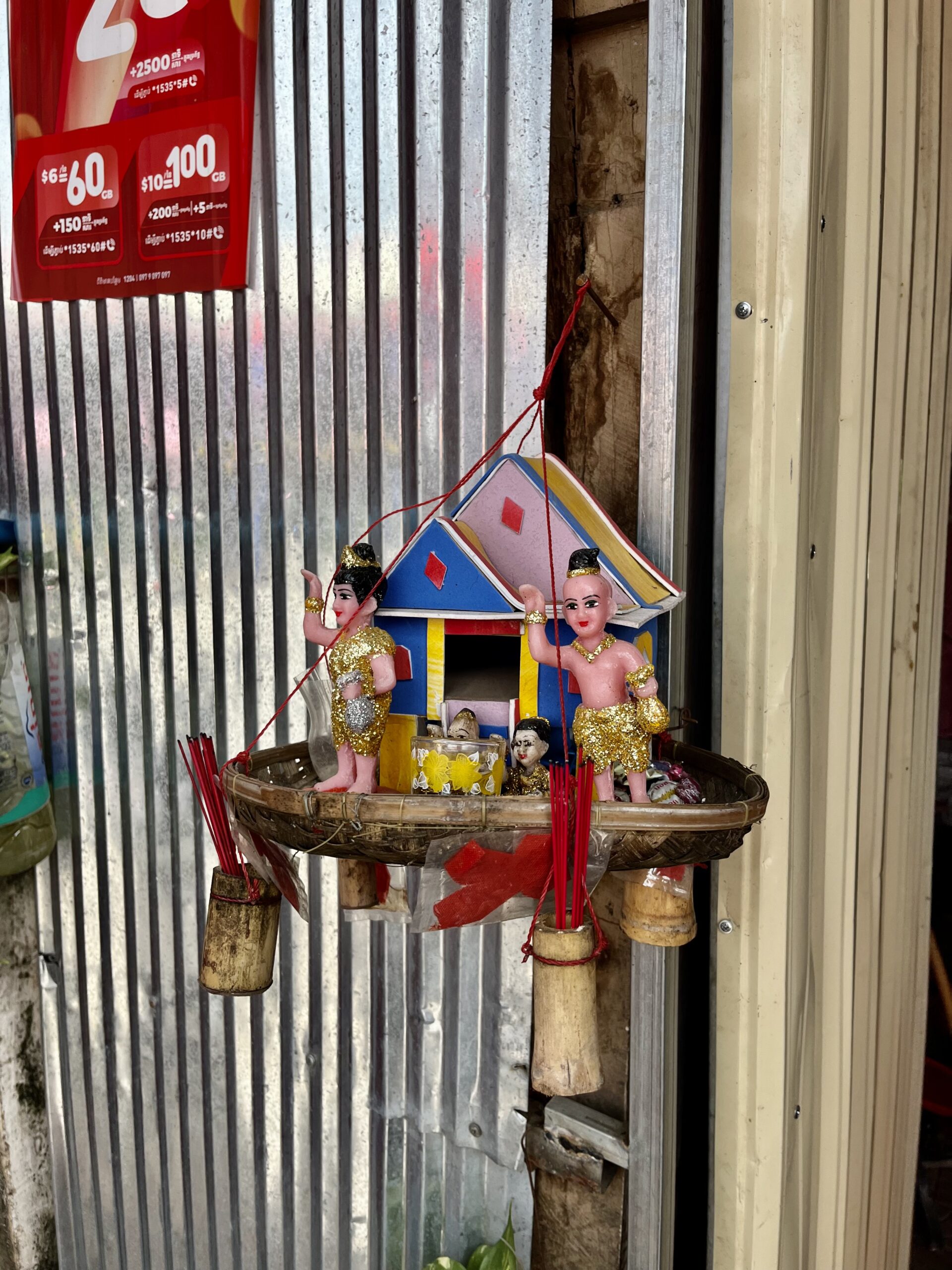
ម្រេញគង្វាល / Mrenh Kongveal
Khmer
m'renh kung'viel

ម្រេញគង្វាល គឺជាភពអមនុស្ស ដែលជាកញ្ចក់ឆ្លុះបញ្ចាំងពីភពរបស់យើង ដែលភាគច្រើនយើងតែងតែហៅក្មេងឃ្វាលគោ ឃ្វាល ក្របី។ ដោយសាររឿងហ្នឹងវាទាក់ទងបាយសំណុំ ទឹកបំពង់ ដែ...

Shrine
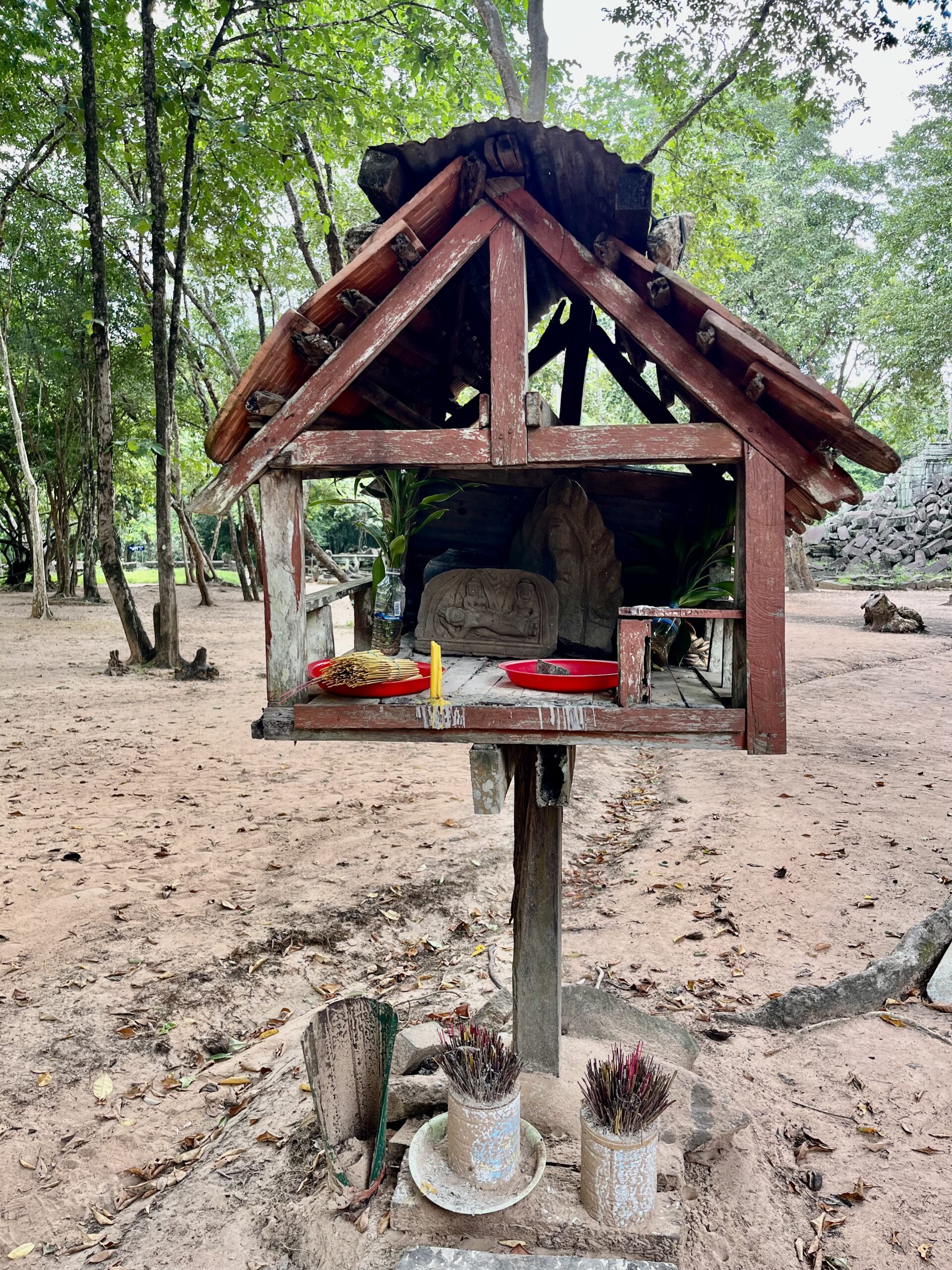
រានទេវតា / Rean Devata
Khmer
rien tevada

ព្រះភូមទេវតា ឬរានទេវតានេះ គេដាក់នឹង គឺភាគច្រើនគេដាក់សម្រាប់ឱ្យពពួកភូមទេវតារស់នៅ មានដូចជាអរុក្ខទេវតា ភូមិទេវតាដែលយើងហៅថាម្រេញគង្វាល ។ ហើយការដាក់ទាំងអស់...

Cambodia_2014_-_panoramio_(12)
លោកតាស្នាប់ / Lok Ta Snap
Khmer

អ្នកដែលមិនជឿលើព្រះបិតា លោកតាស្នាប់ បានជួបប្រទះអភ័យហេតុផ្សេងៗគ្នា៖ ម៉ូតូរបស់ពួកគេខូចនៅពេលបើកចូលព្រៃ ខណៈដែលមនុស្សខ្លះវិលត្រឡប់មកវិញបានដួលចេញពីម៉ូតូ បាក់...

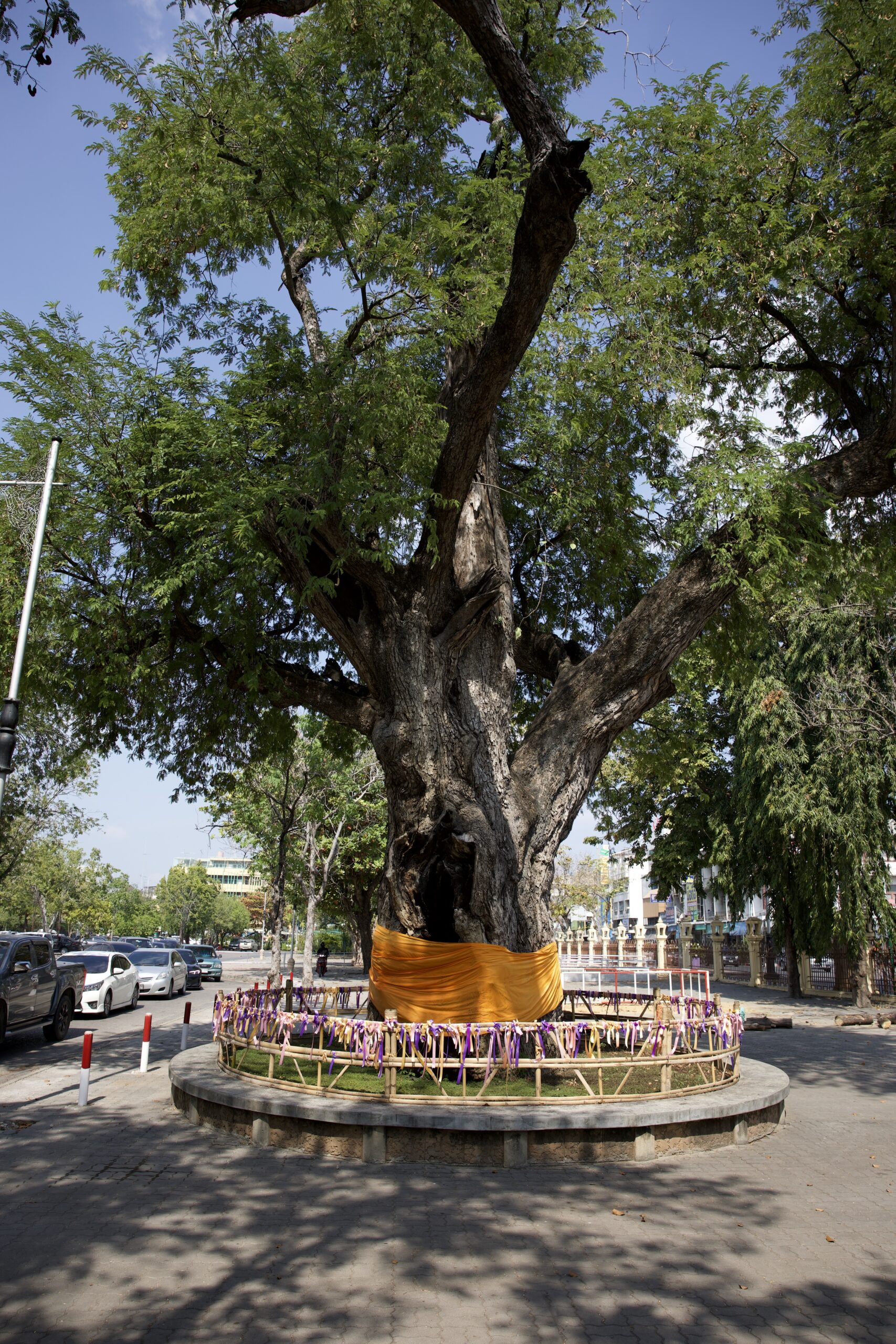
A large tree with green leaves and thick strip of orange cloth wrapped around its base. The tree is enclosed with a round metal fence. Outside of the fence is pavement, with a row of parked cars down the left side.
บวชต้นไม้/buat tonmai
Thai
Bwch t̂nmị̂

บวชต้นไม้/buat ton mai, also known as 'tree ordination', is a method of conserving trees in Thailand rooted in Buddhism. The practice emerged as a res...

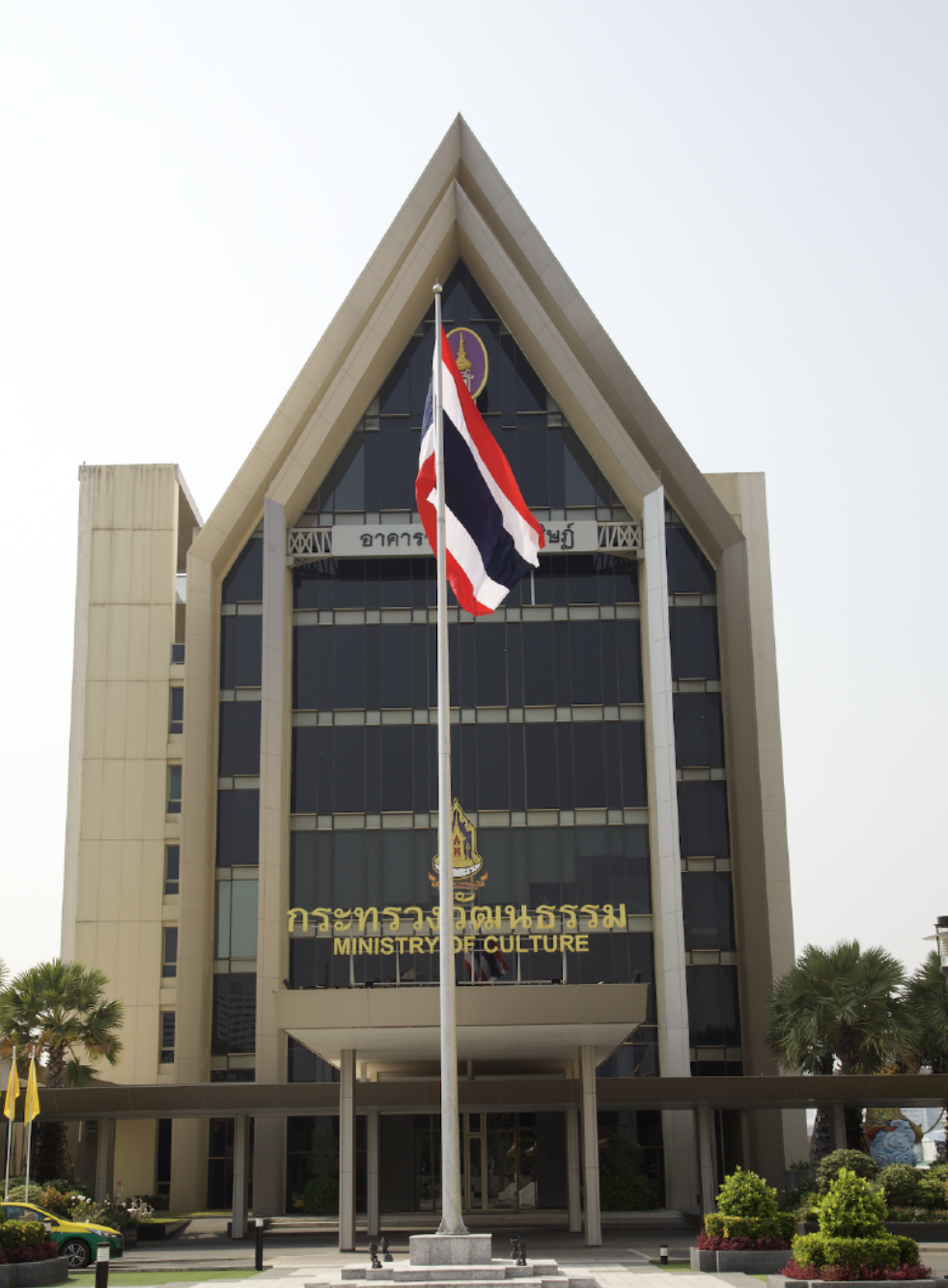
A building with large windows and a triangular roof. The sign reads: Ministry of Culture. There is a Thai flag with red, white, blue, white and red horizontal stripes on a flag pole in front of the building.
วัฒนธรรม/Wattanatham
Thai
Wạtʹhnṭhrrm

วัฒนธรรม/Wattanatham (meaning ‘culture’) is one of over one thousand terms coined by Prince Wan Waithayakon. In a 1975 interview, Prince Wan, who atte...

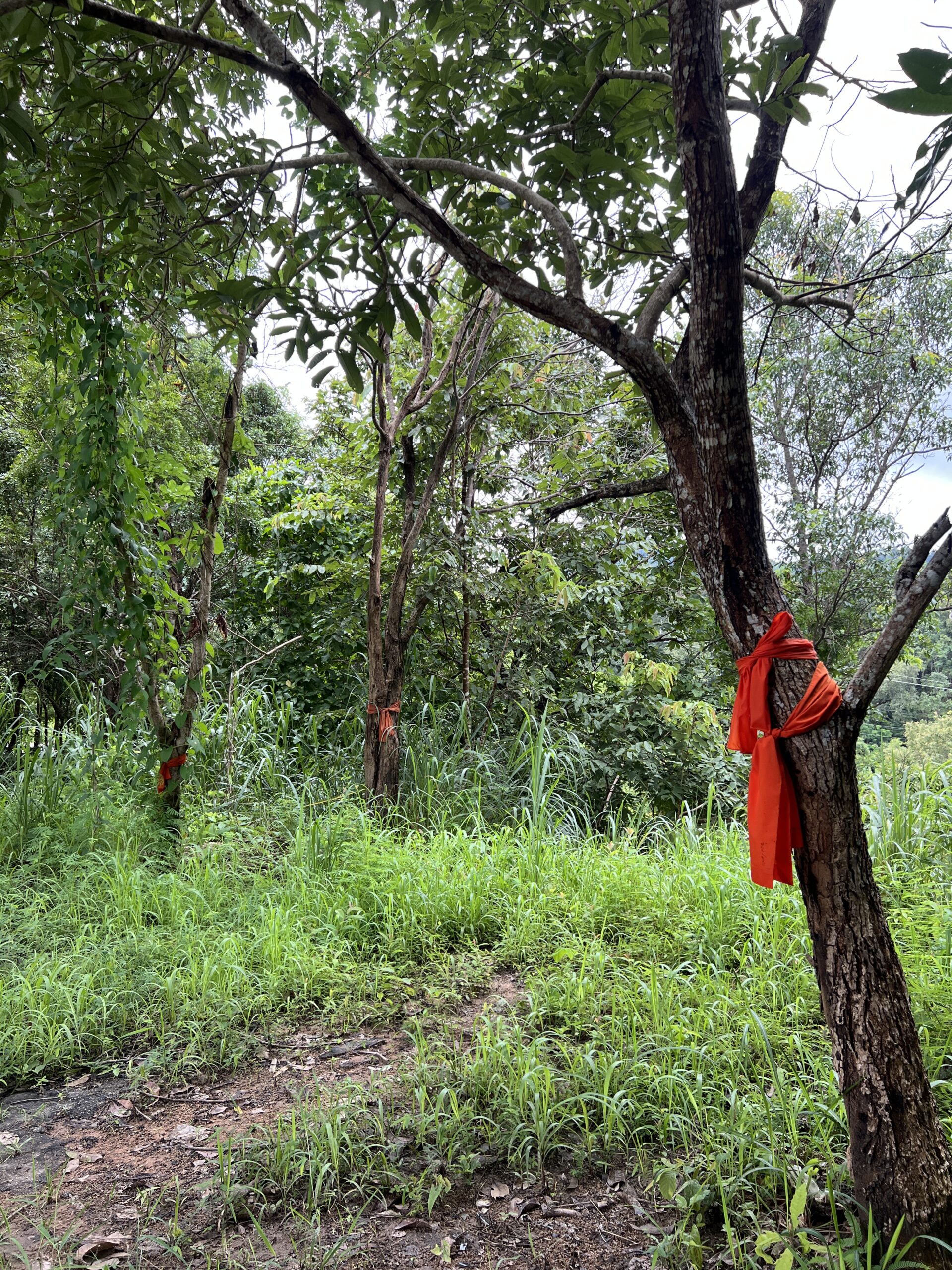
A sparse forest with thin trees. The trees are each wrapped in a strip of bright red/orange cloth.
ธรรมชาติ/thammachat
Thai
Ṭhrrmchāt

ธรรมชาติ/Thammachat, meaning ‘nature’ in Thai, was a term coined as part of a larger language policy spanning the late-19th and 20th centuries, involv...

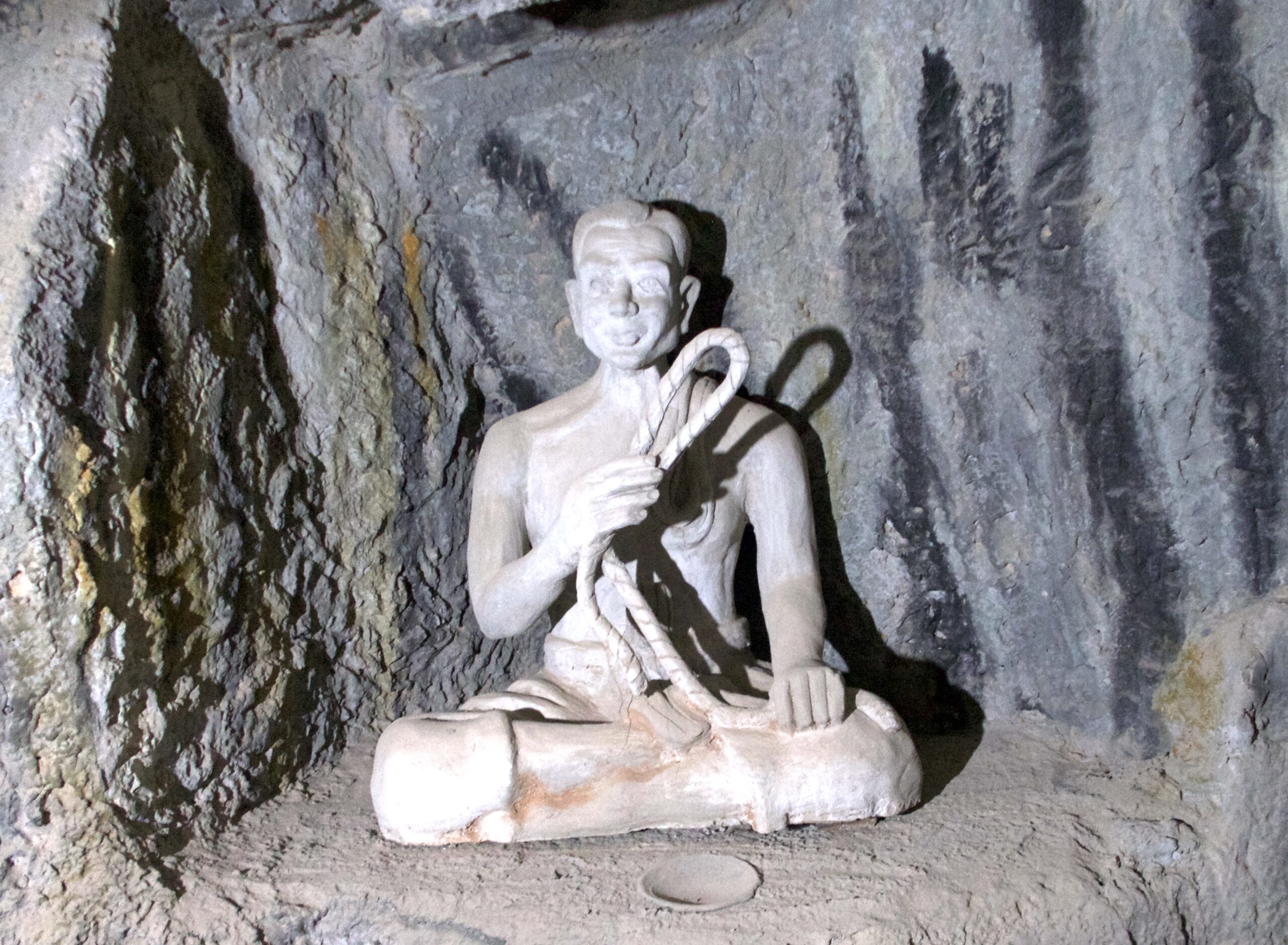
Statue of a man sitting cross-legged, carved in white, holding up a lasso in his right hand.
ปะกำ/Pakam
Kui (Thailand)
pĕē pakam

ปะกำ (ภะษากูย) หรือ ผีปะกำ (ภาษาไทย) เป็นวัฒนธรรมที่พบได้เฉพาะในกลุ่มกูยอาจีงหรือกูยเลี้ยงช้างเท่านั้น เป็นวิญญาณของบรรพบุรุษกูยเลี้ยงช้างที่เป็นหมอหร...

error: