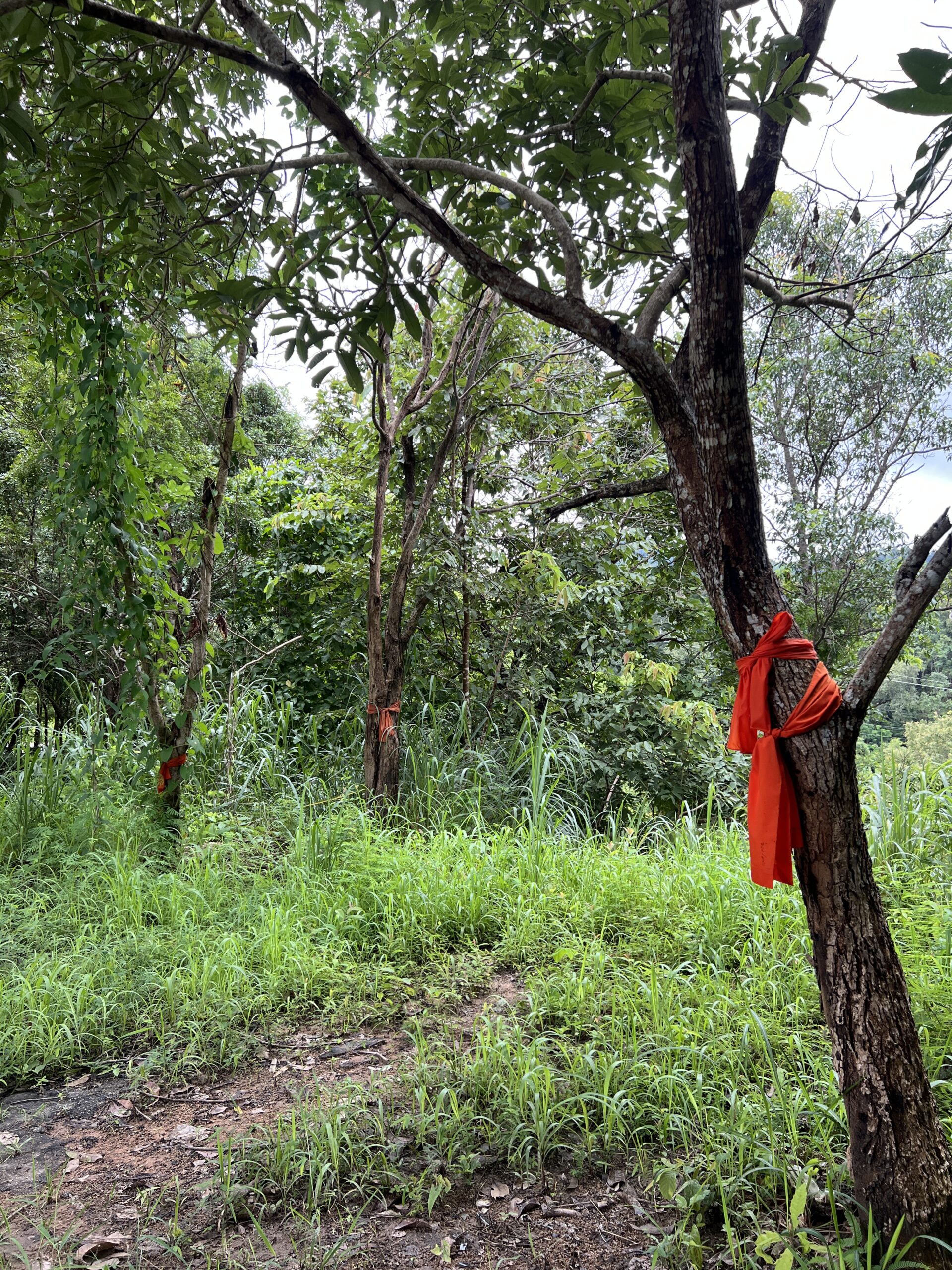
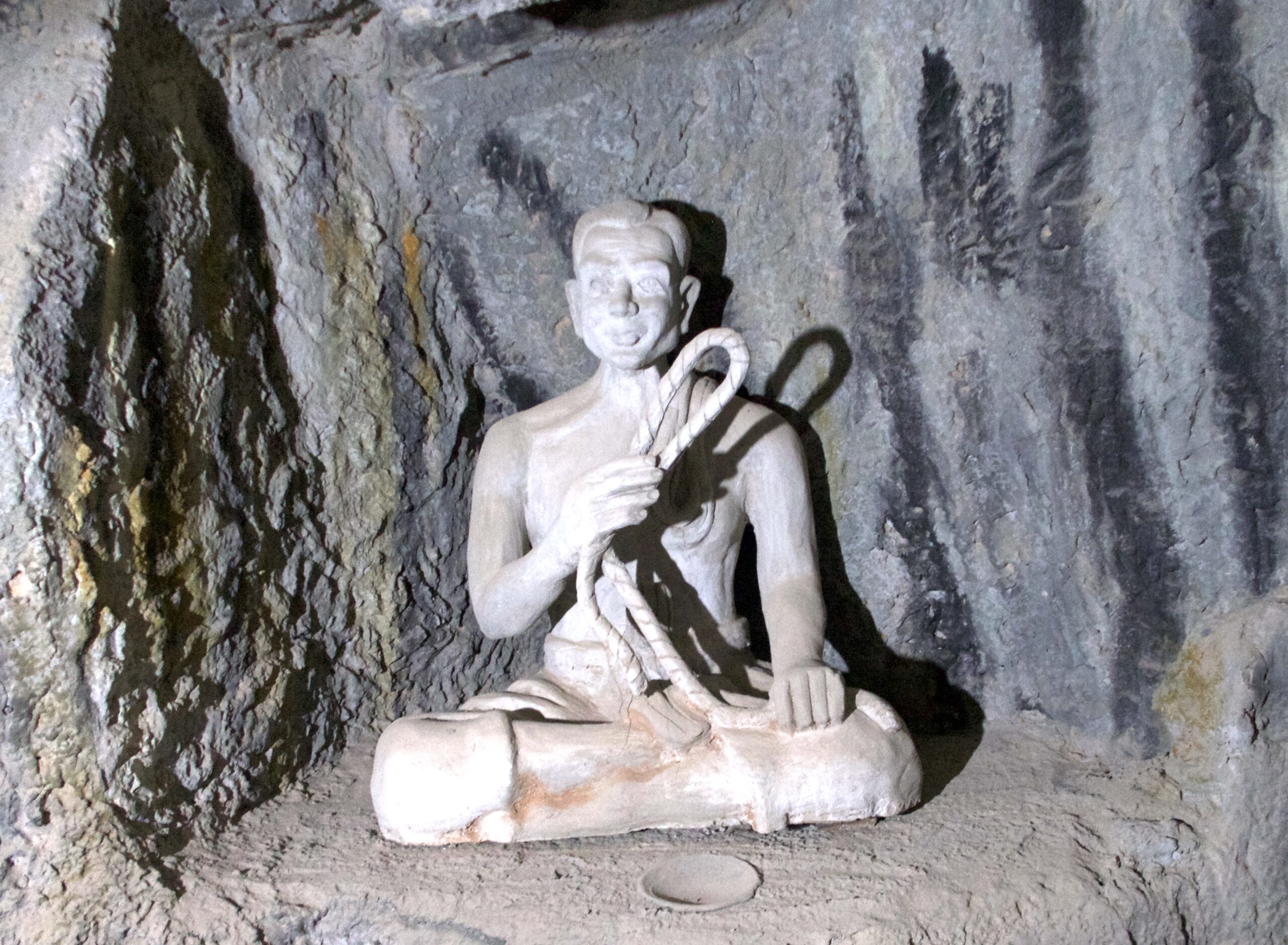
พิธีวาไม้ เป็นวิธีหนึ่งในการสื่อสารกับผีบรรพบุรุษ ในระหว่างพิธีวาไม้ ผู้ประกอบพิธี – ซึ่งมักเป็นผู้อาวุโสหรือร่างทรง – จะตั้งคำถามต่อวิญญาณ แล้วถือไม้โดยจับปลายแต่ละข้าง ยื่นแขนออกไปด้านข้างจนสุดแขน หากวิญญาณเห็นด้วยกับสิ่งที่ถูกถาม ไม้จะยืดออกเกินปลายนิ้วมือของผู้ถือ แต่ถ้าวิญญาณไม่เห็นด้วย ไม้จะยังคงอยู่ภายในระยะมือทั้งสองข้างของผู้ถือ
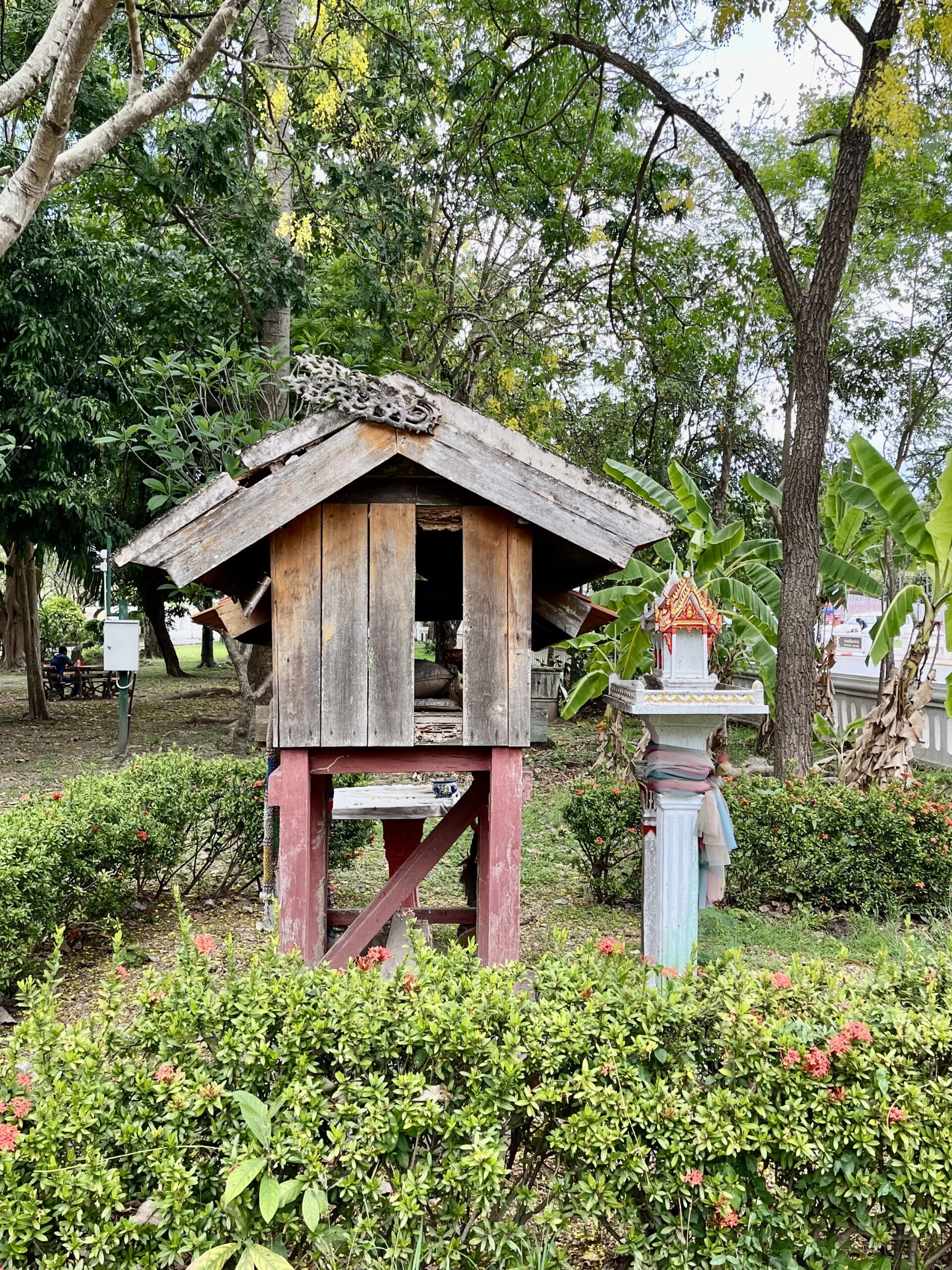
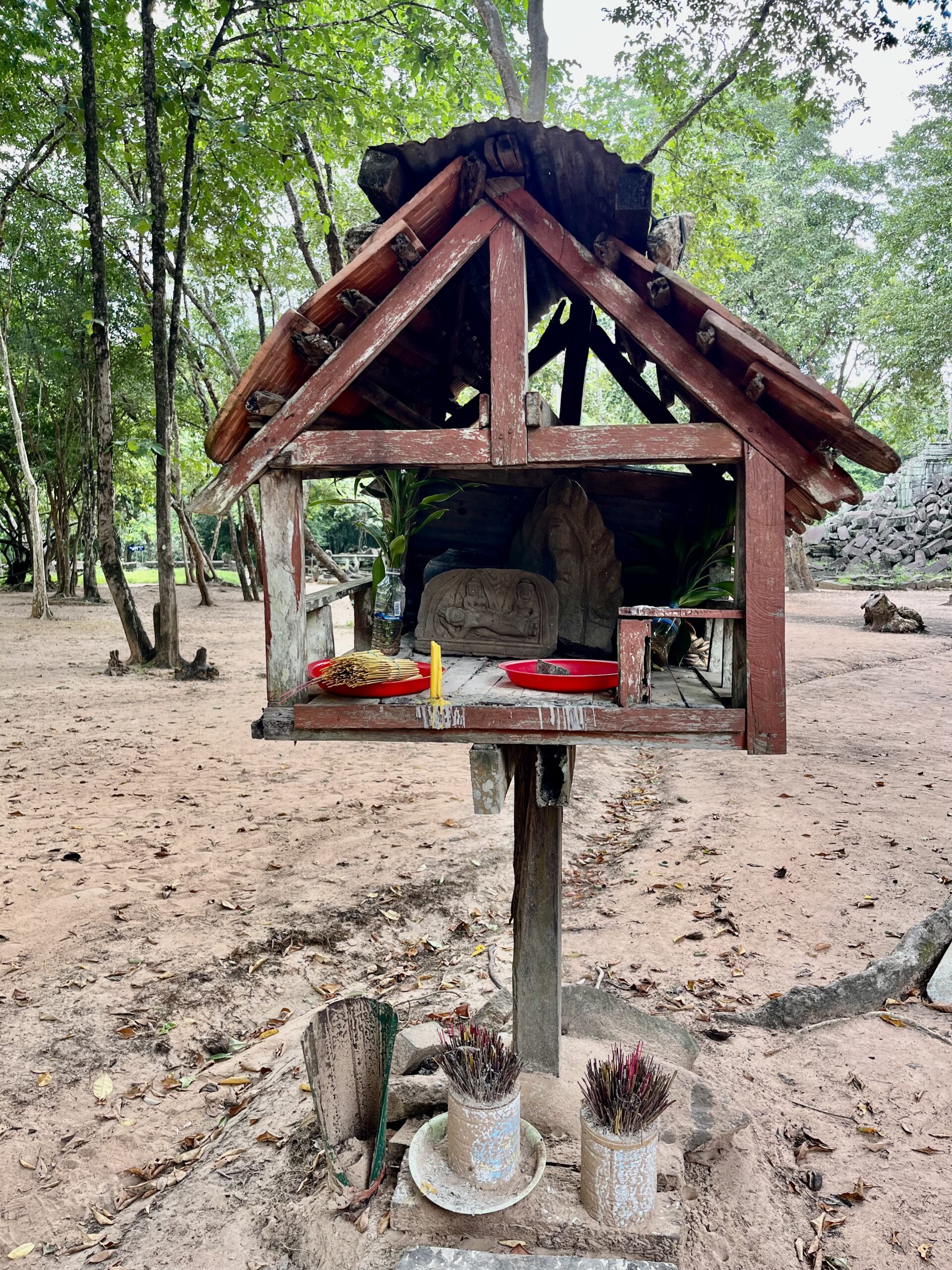
ในปี พ.ศ. 2567 พิพิธภัณฑสถานแห่งชาติน่าน (จังหวัดน่าน ประเทศไทย) ซึ่งจัดแสดงวัตถุโบราณภายในอดีตพระราชวังของเจ้าเมืองน่านสององค์สุดท้าย ได้จัดพิธีวาไม้ที่ศาลภายในบริเวณพิพิธภัณฑ์ของหลวงเจ้าคันธา – ผีผู้พิทักษ์หลวง พิธีนี้จัดขึ้นเพื่อขออนุญาตจากวิญญาณในการซ่อมแซมศาลไม้กลางแจ้งซึ่งชำรุดทรุดโทรมและถูกปลวกกัดกิน
The wa mai ceremony is a way of communicating with ancestral spirits (phi bapburut/ผีบรรพบุรุษ). ‘Wa’ is a unit of measurement of two meters and ‘mai’ means ‘stick’. During the wa mai ceremony, the person performing the ritual – often an elder or spirit medium – will ask the spirit a question and hold each end of a stick roughly the span of the their arms stretched out to either side of their body. If the spirits agree with what was asked, the stick will extend beyond the tips of their fingers. If the spirit disagrees, the stick will remain within the reach of both hands.
In 2024, the Nan National Museum (in Nan Province, Thailand), whose collections are held in the former palace of the last two lords of Nan, performed the wa mai ceremony at the shrine of Luang Chao Khantha – a royal guardian ghost – in the museum grounds. The ceremony was conducted to request permission from the spirit to repair the outdoor wooden shrine, which was broken and decaying, suffering from termites.

Nan National Museum. (2024). พิธีวาไม้ [Piti Wa Mai]. Available at: https://www.finearts.go.th/nanmuseum/view/47640-พิธีวาไม้
Watch a wa mai ceremony being performed here: https://www.youtube.com/watch?v=9vbV-JqAdto
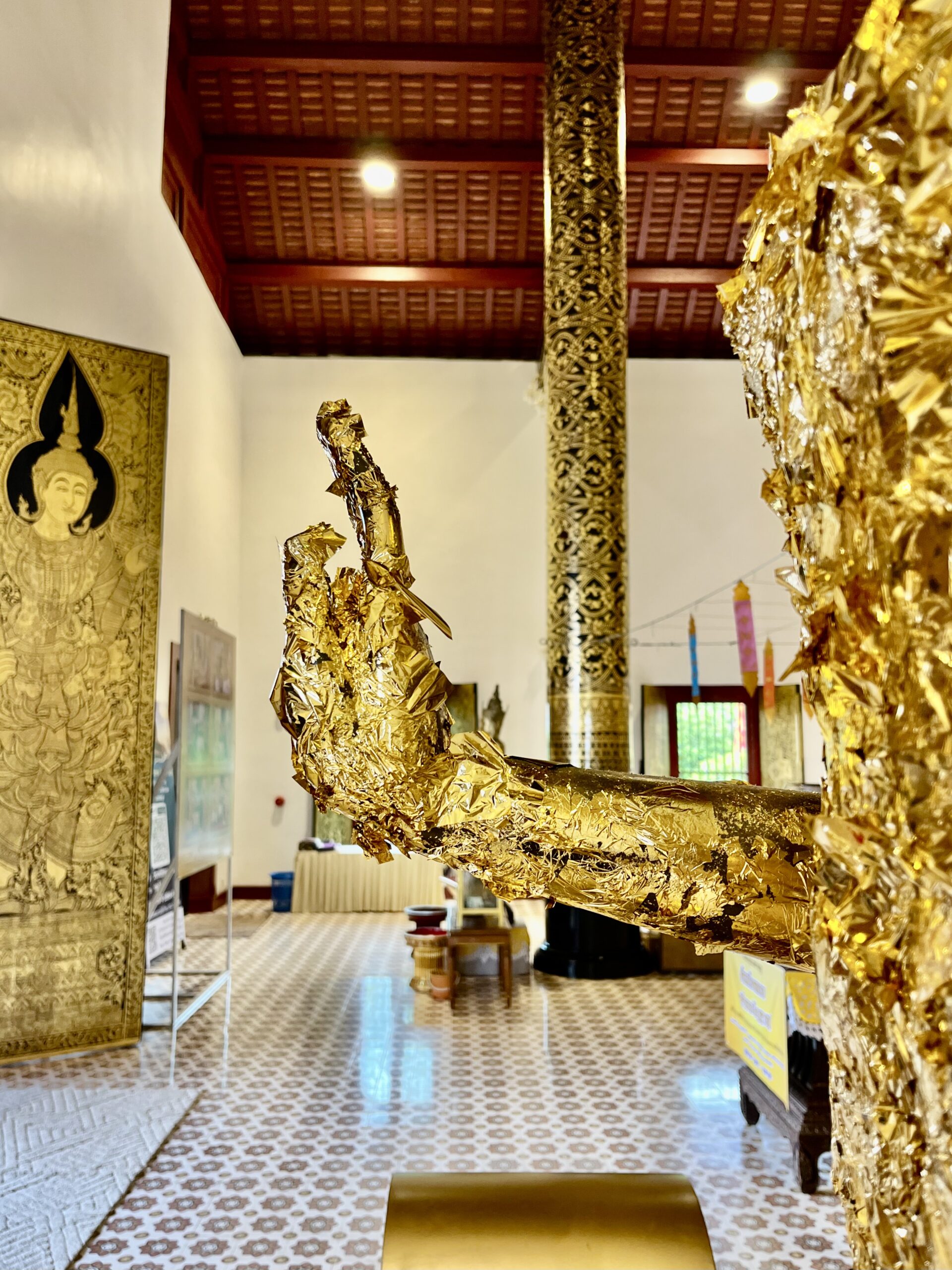
ลงรักปิดทอง/Long Rak Pit Thong, or ‘lacquering and gilding’, is both a Thai conservation technique and an act of worship and a way of making merit wit...
គេតែងតែគោរពពពួកអស់នឹង ព្រោះពពួកអស់នឹងគេតាមបីបាច់ថែរក្សាយើង ហើយខ្លះទៀត ពេលណាដែលម្ចាស់ផ្ទះមានគ្រោះ មានភ័យ មានអន្តរាយអ្វីមួយកើតម...
អញ្ចឹងពពួកភូមិទេវតា តាមការពារ និងថែរក្សាម្ចាស់ផ្ទះនឹង ទាល់តែម្ចាស់ផ្ទះនឹងជាអ្នកមានទាន មានសីល មានសេចក្តីល្អ ប្រព្រឹត្តសេចក្តីល្អដែរ...
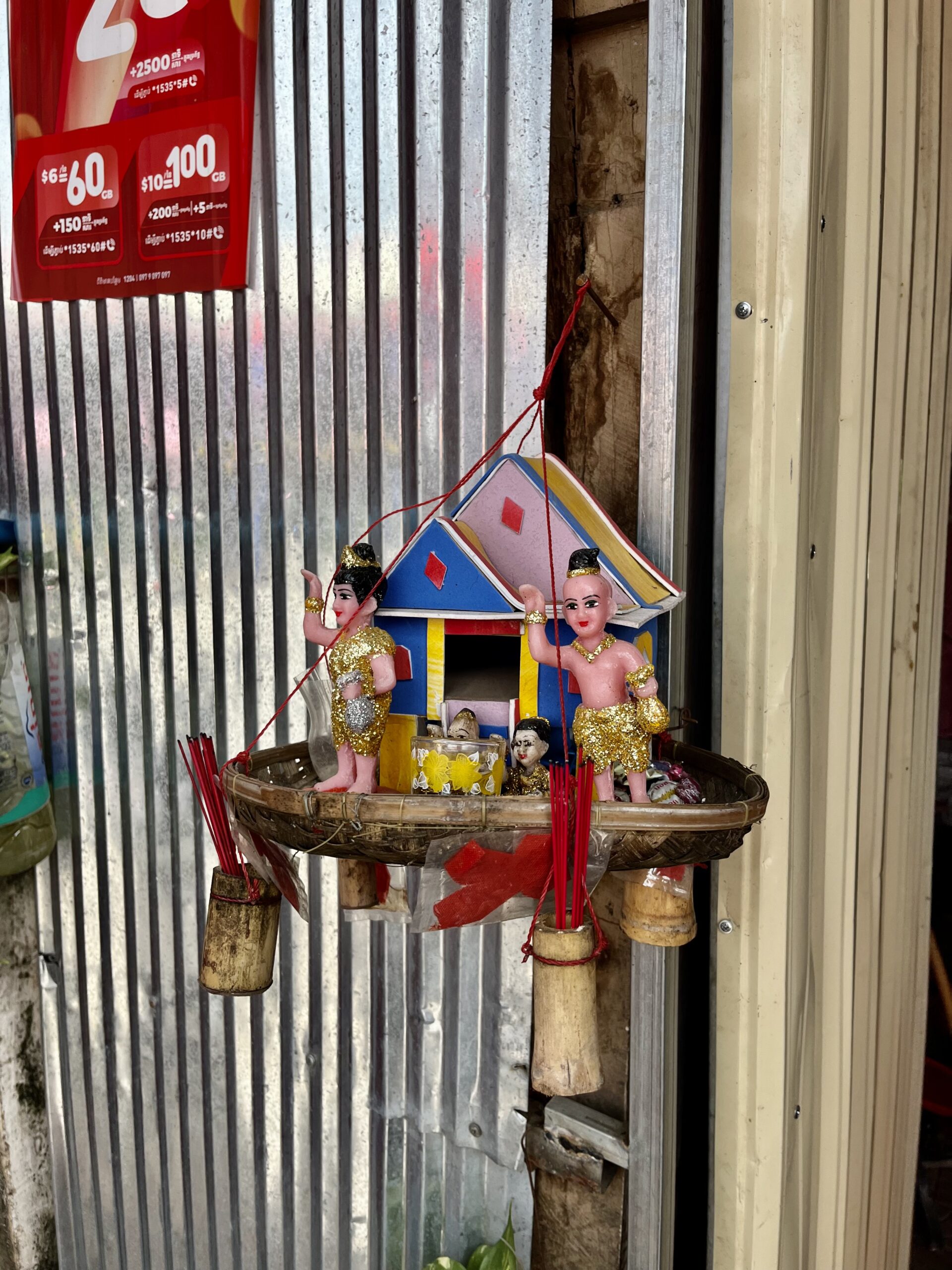
ម្រេញគង្វាល គឺជាភពអមនុស្ស ដែលជាកញ្ចក់ឆ្លុះបញ្ចាំងពីភពរបស់យើង ដែលភាគច្រើនយើងតែងតែហៅក្មេងឃ្វាលគោ ឃ្វាល ក្របី។ ដោយសាររឿងហ្នឹងវាទាក់ទងបាយសំណុំ ទឹកបំពង់ ដែ...
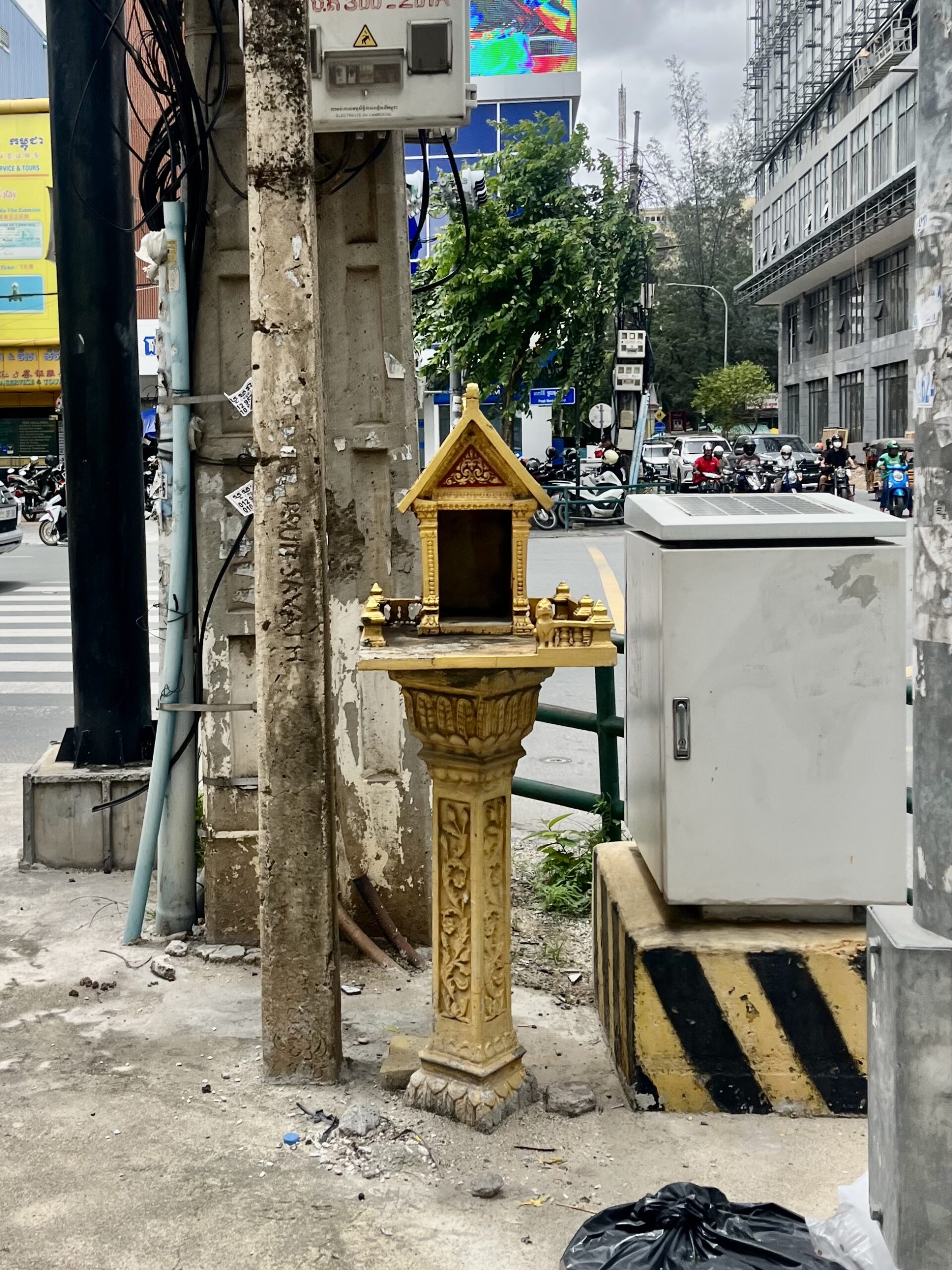
ព្រះភូមទេវតា ឬរានទេវតានេះ គេដាក់នឹង គឺភាគច្រើនគេដាក់សម្រាប់ឱ្យពពួកភូមទេវតារស់នៅ មានដូចជាអរុក្ខទេវតា ភូមិទេវតាដែលយើងហៅថាម្រេញគង្វាល ។ ហើយការដាក់ទាំងអស់...
អ្នកដែលមិនជឿលើព្រះបិតា លោកតាស្នាប់ បានជួបប្រទះអភ័យហេតុផ្សេងៗគ្នា៖ ម៉ូតូរបស់ពួកគេខូចនៅពេលបើកចូលព្រៃ ខណៈដែលមនុស្សខ្លះវិលត្រឡប់មកវិញបានដួលចេញពីម៉ូតូ បាក់...
บวชต้นไม้/buat ton mai, also known as 'tree ordination', is a method of conserving trees in Thailand rooted in Buddhism. The practice emerged as a res...
วัฒนธรรม/Wattanatham (meaning ‘culture’) is one of over one thousand terms coined by Prince Wan Waithayakon. In a 1975 interview, Prince Wan, who atte...
ธรรมชาติ/Thammachat, meaning ‘nature’ in Thai, was a term coined as part of a larger language policy spanning the late-19th and 20th centuries, involv...
ปะกำ (ภะษากูย) หรือ ผีปะกำ (ภาษาไทย) เป็นวัฒนธรรมที่พบได้เฉพาะในกลุ่มกูยอาจีงหรือกูยเลี้ยงช้างเท่านั้น เป็นวิญญาณของบรรพบุรุษกูยเลี้ยงช้างที่เป็นหมอหร...
This website uses strictly necessary cookies to function. We would also like to use functional and analytical cookies to improve your experience. You can choose to accept or decline.