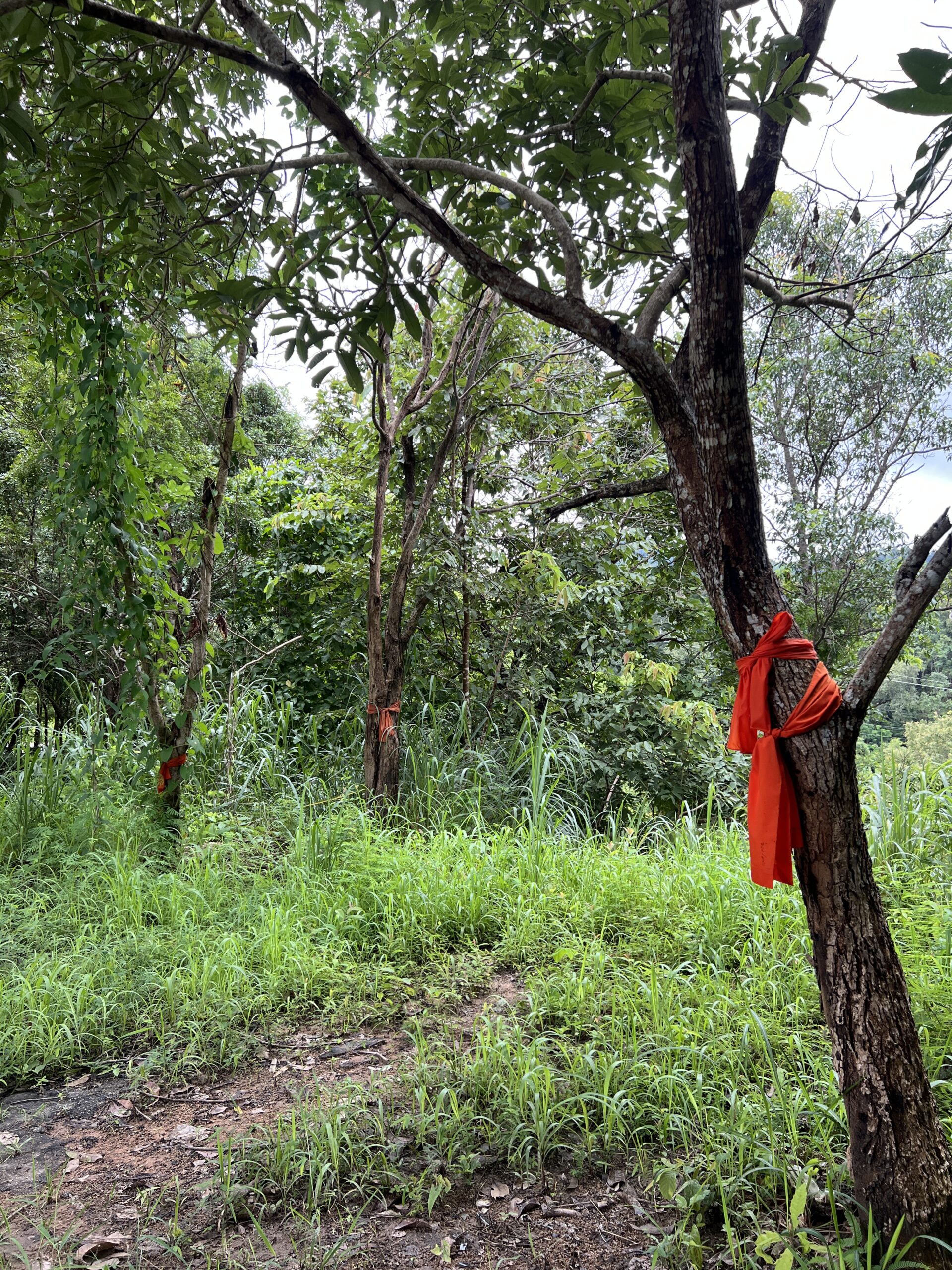
I try to compare belief to the wind: we can feel it, but we cannot see it. Like when the trees sway, when the breeze blows, we feel comfortable. It moves, but we don’t see it. Belief is the same.
And if we want to teach children, they must have belief. Belief is the anchor that makes people fear the supernatural. If there is no belief in a place—if people don’t believe—then they just do whatever they want.
If you observe, in many areas, in many villages, if there is no belief, then the question arises—without belief, without fear of what is left, what happens?
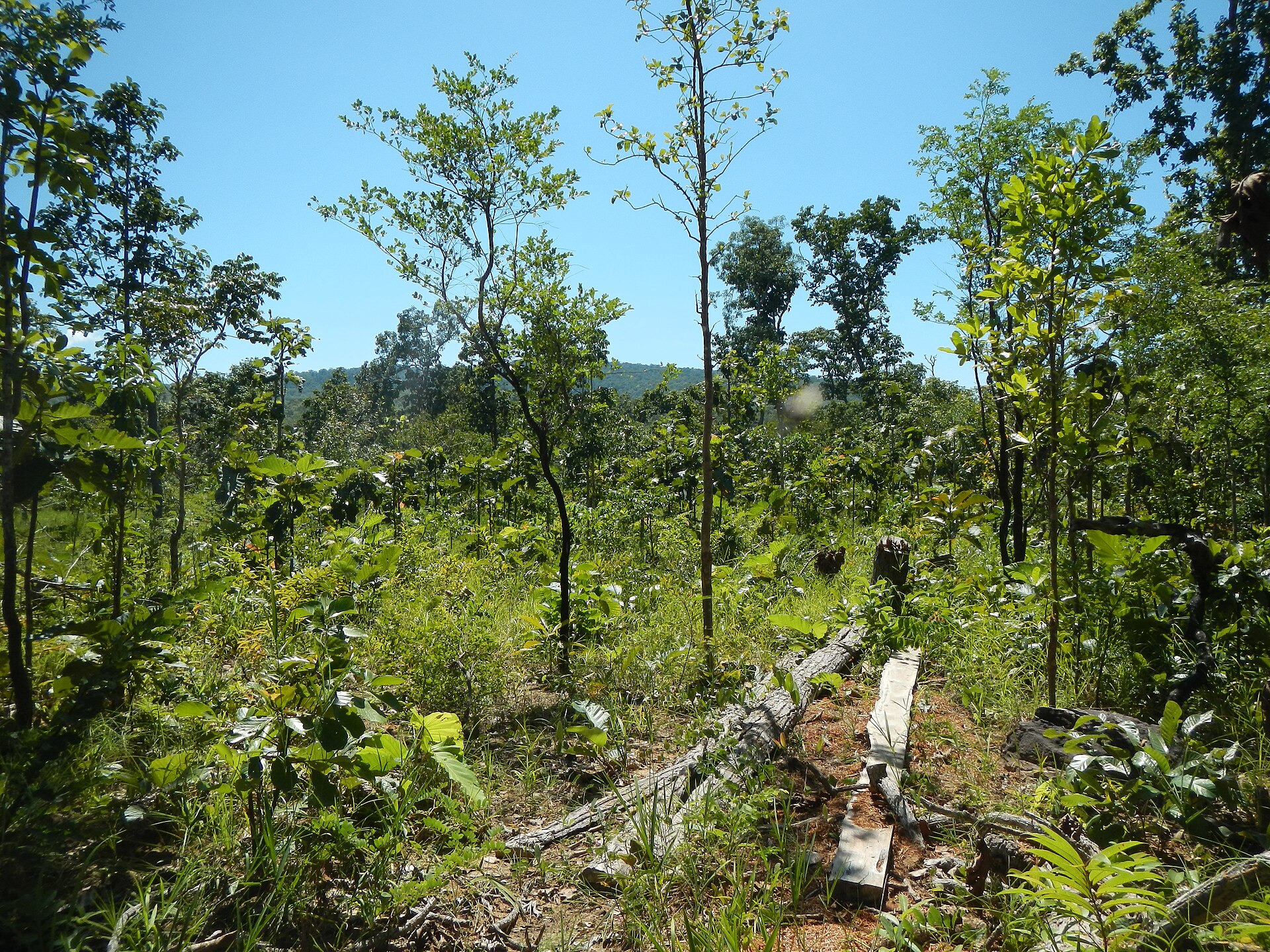
Belief may be just a teaching method of the old people. For example, they would say there is a spirit of the water, so don’t disturb the headwaters. If we cut the forest at the source of the stream, then we may not live happily, we may fall sick. Maybe that was just a teaching method of the old people. But in truth, if we cut the forest at the source, the water really will dry up. So maybe they called it a water spirit.
Or with the mountaintops—they would say don’t clear the very top. In swidden farming, people clear between the valley and the mountaintop, in the middle. That is one reason: if we clear the summit, leaves and seeds can only fall down, they cannot roll back up. Then the recovery of the soil and the land takes a very long time. But if we clear lower down, then seeds and leaves can still flow down into the field, and the land recovers.
So, people explained everything in terms of spirits and beliefs. And because of that, people developed fear and respect for the supernatural—things we cannot see.

ผมพยายามเปรียบเทียบความเชื่อเหมือนกับลม เราสัมผัสมันได้ แต่เราไม่เห็น เหมือนเวลาต้นไม้โอนเอนไปมา เวลาลมพัด เรารู้สึกสบาย มันเคลื่อนไหว แต่เราไม่เห็น ความเชื่อก็เหมือนกัน
และถ้าเราต้องการสอนเด็ก เด็กต้องมีความเชื่อ ความเชื่อเป็นจุดยึดเหนี่ยวที่ทำให้คนเกรงกลัวสิ่งเหนือธรรมชาติ ถ้าในพื้นที่ใดไม่มีความเชื่อ คนก็จะทำอะไรก็ทำตามใจ
ถ้าสังเกต ในหลายพื้นที่ หลายหมู่บ้าน ถ้าไม่มีความเชื่อ ก็จะเกิดคำถามขึ้น—ถ้าไม่มีความเชื่อ ไม่เกรงกลัวสิ่งที่เหลือไว้ จะเกิดอะไรขึ้น?
ความเชื่ออาจเป็นเพียงกุศโลบายของคนสมัยก่อน เช่น เขาจะบอกว่ามีผีน้ำ ดังนั้นอย่ารบกวนต้นน้ำ ถ้าเราถางป่าที่ต้นน้ำ เราอาจอยู่ไม่สุขสบาย อาจเจ็บป่วย ก็อาจเป็นเพียงกุศโลบายของคนสมัยก่อน แต่ความจริง ถ้าเราถางป่าที่ต้นน้ำ น้ำจะเหือดแห้งจริง ๆ ดังนั้นจึงเรียกว่าผีน้ำ
หรือบนยอดเขา เขาจะบอกว่าอย่าถางบนยอดสูงสุด ในการทำไร่หมุนเวียน คนจะถางระหว่างห้วยกับยอดเขาอยู่ตรงกลาง นี่คือหนึ่งเหตุผล: ถ้าเราถางยอดสูงสุด ใบไม้และเมล็ดพันธุ์จะไหลลงไปข้างล่างเท่านั้น ไม่สามารถไหลขึ้นมาใหม่ได้ การฟื้นฟูดินและพื้นที่จะใช้เวลานาน แต่ถ้าเราถางต่ำลง เมล็ดพันธุ์และใบไม้ยังไหลลงไปในแปลง และพื้นที่ก็ฟื้นตัว
ดังนั้น คนจึงอธิบายทุกอย่างผ่านเรื่องผีและความเชื่อ และเพราะเหตุนี้ คนจึงมีความเกรงกลัวและเคารพต่อสิ่งเหนือธรรมชาติ สิ่งที่เราไม่สามารถมองเห็นได้
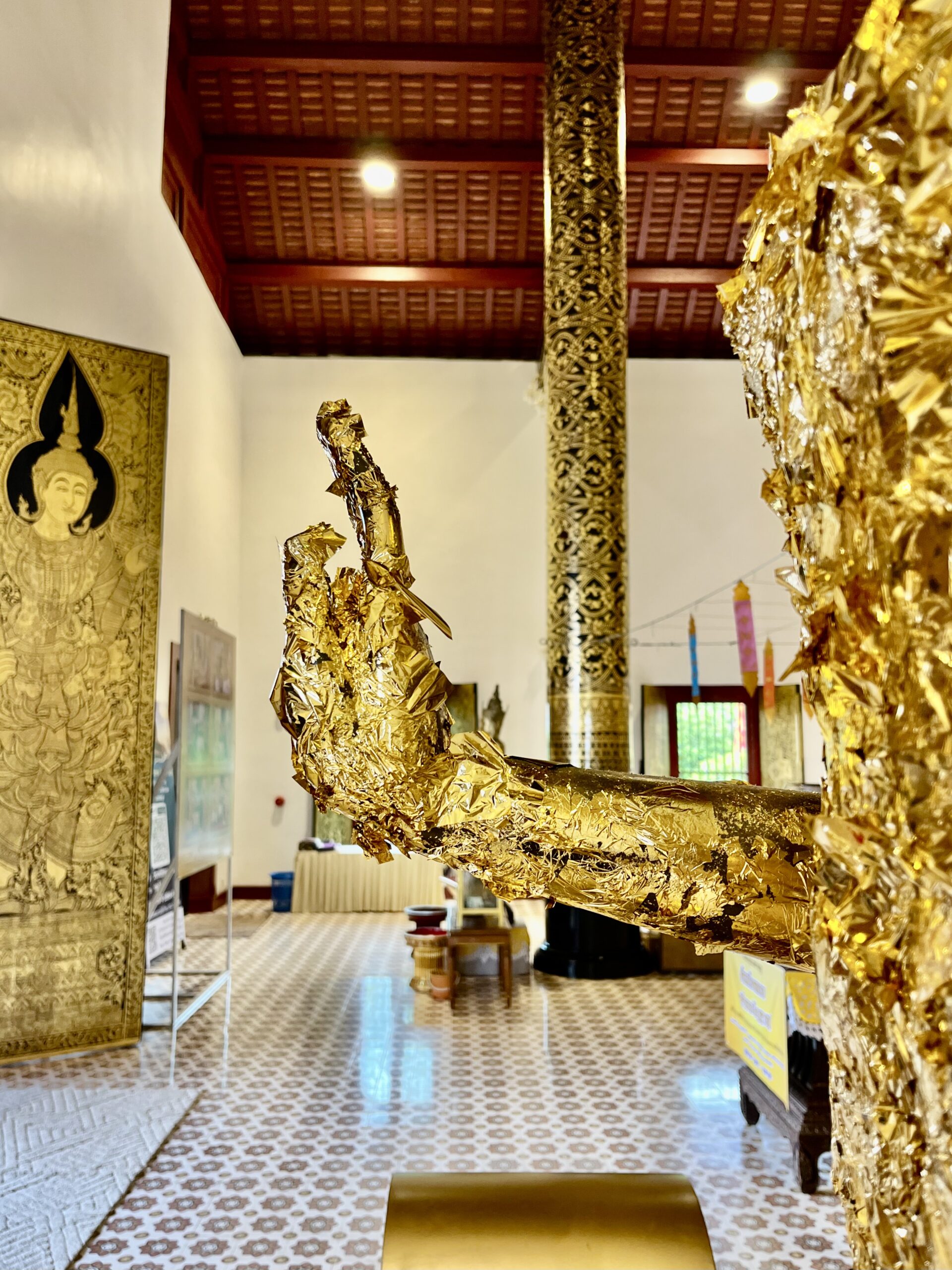
ลงรักปิดทอง/Long Rak Pit Thong, or ‘lacquering and gilding’, is both a Thai conservation technique and an act of worship and a way of making merit wit...
គេតែងតែគោរពពពួកអស់នឹង ព្រោះពពួកអស់នឹងគេតាមបីបាច់ថែរក្សាយើង ហើយខ្លះទៀត ពេលណាដែលម្ចាស់ផ្ទះមានគ្រោះ មានភ័យ មានអន្តរាយអ្វីមួយកើតម...
អញ្ចឹងពពួកភូមិទេវតា តាមការពារ និងថែរក្សាម្ចាស់ផ្ទះនឹង ទាល់តែម្ចាស់ផ្ទះនឹងជាអ្នកមានទាន មានសីល មានសេចក្តីល្អ ប្រព្រឹត្តសេចក្តីល្អដែរ...
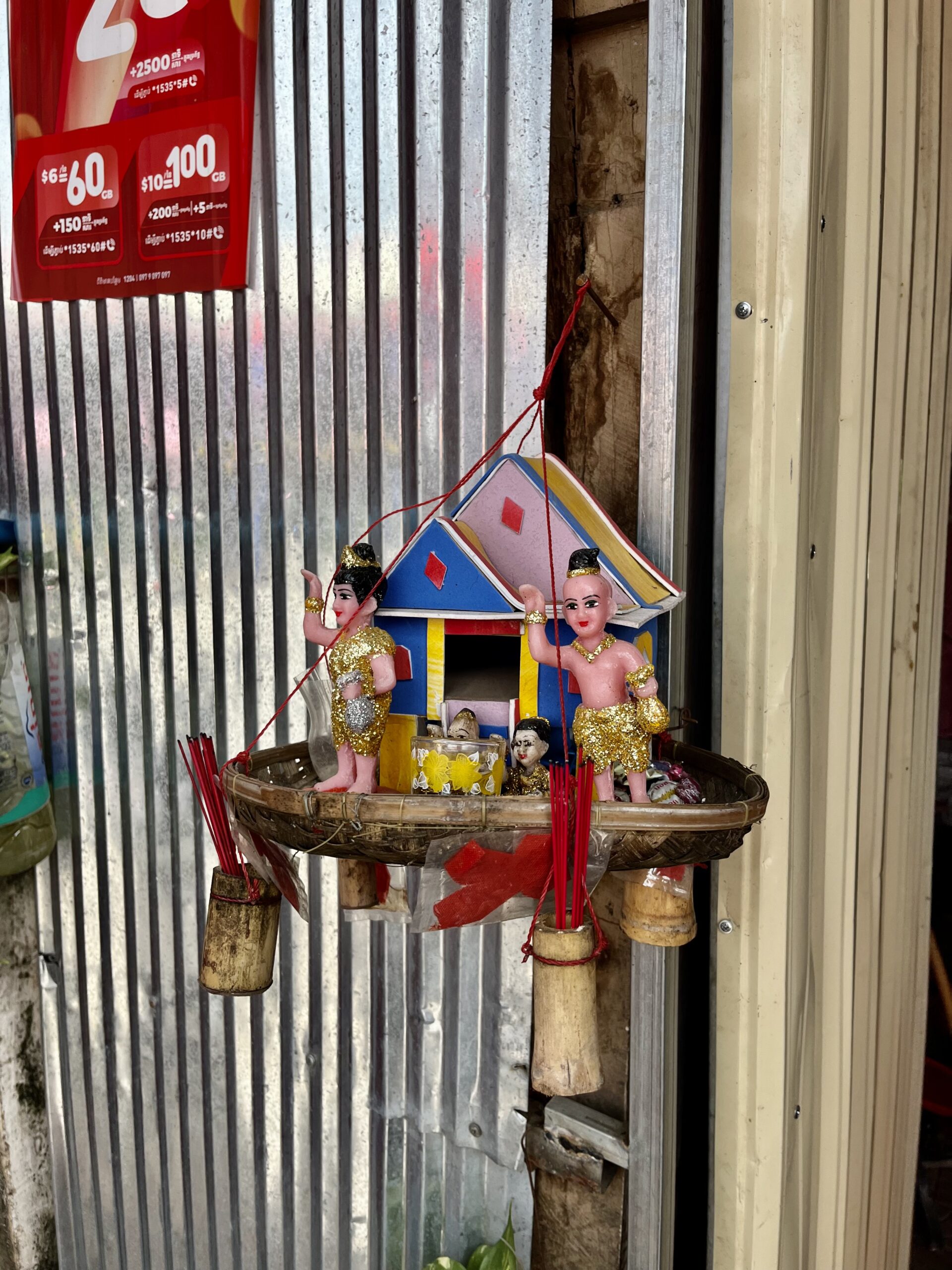
ម្រេញគង្វាល គឺជាភពអមនុស្ស ដែលជាកញ្ចក់ឆ្លុះបញ្ចាំងពីភពរបស់យើង ដែលភាគច្រើនយើងតែងតែហៅក្មេងឃ្វាលគោ ឃ្វាល ក្របី។ ដោយសាររឿងហ្នឹងវាទាក់ទងបាយសំណុំ ទឹកបំពង់ ដែ...
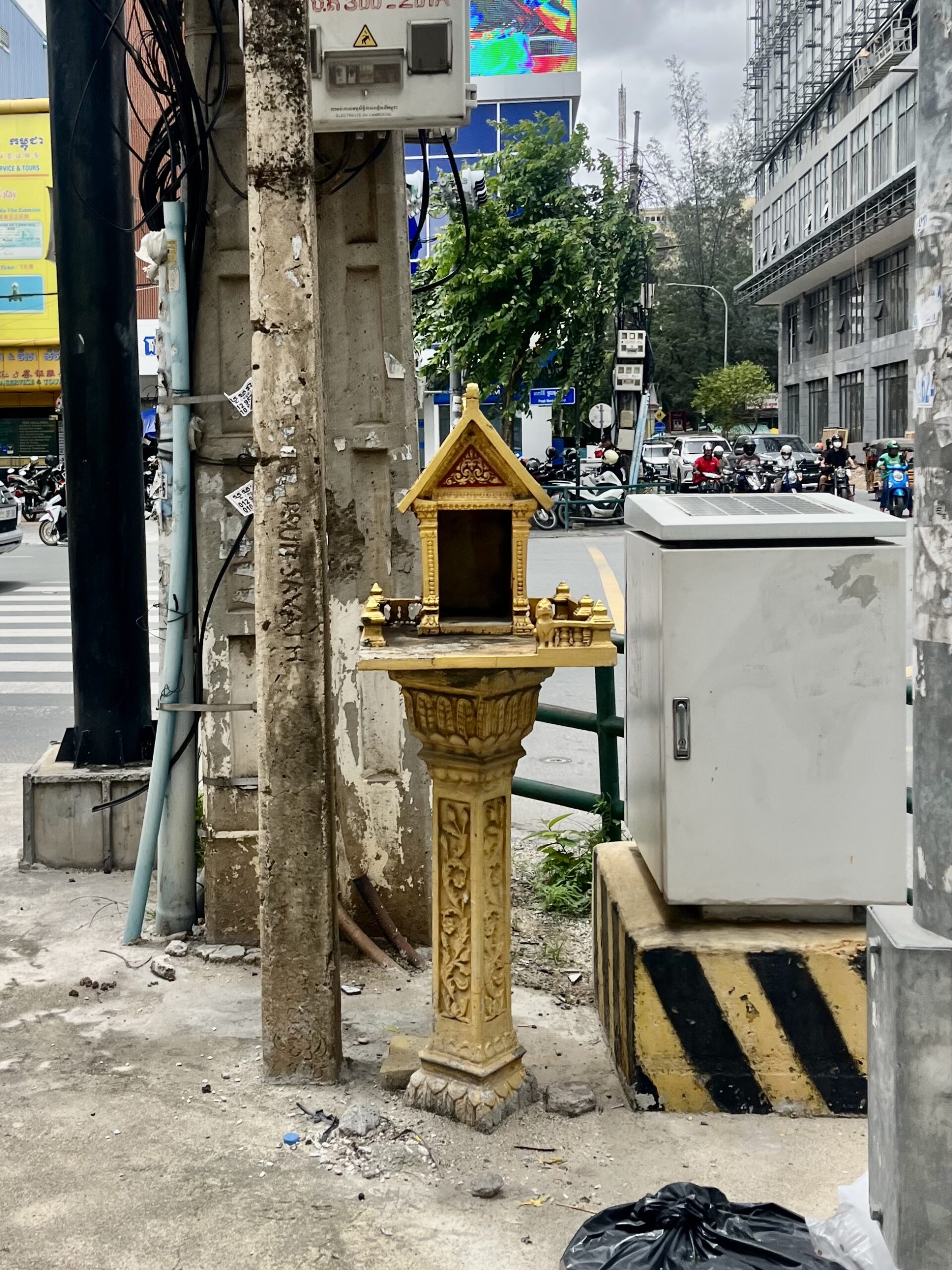
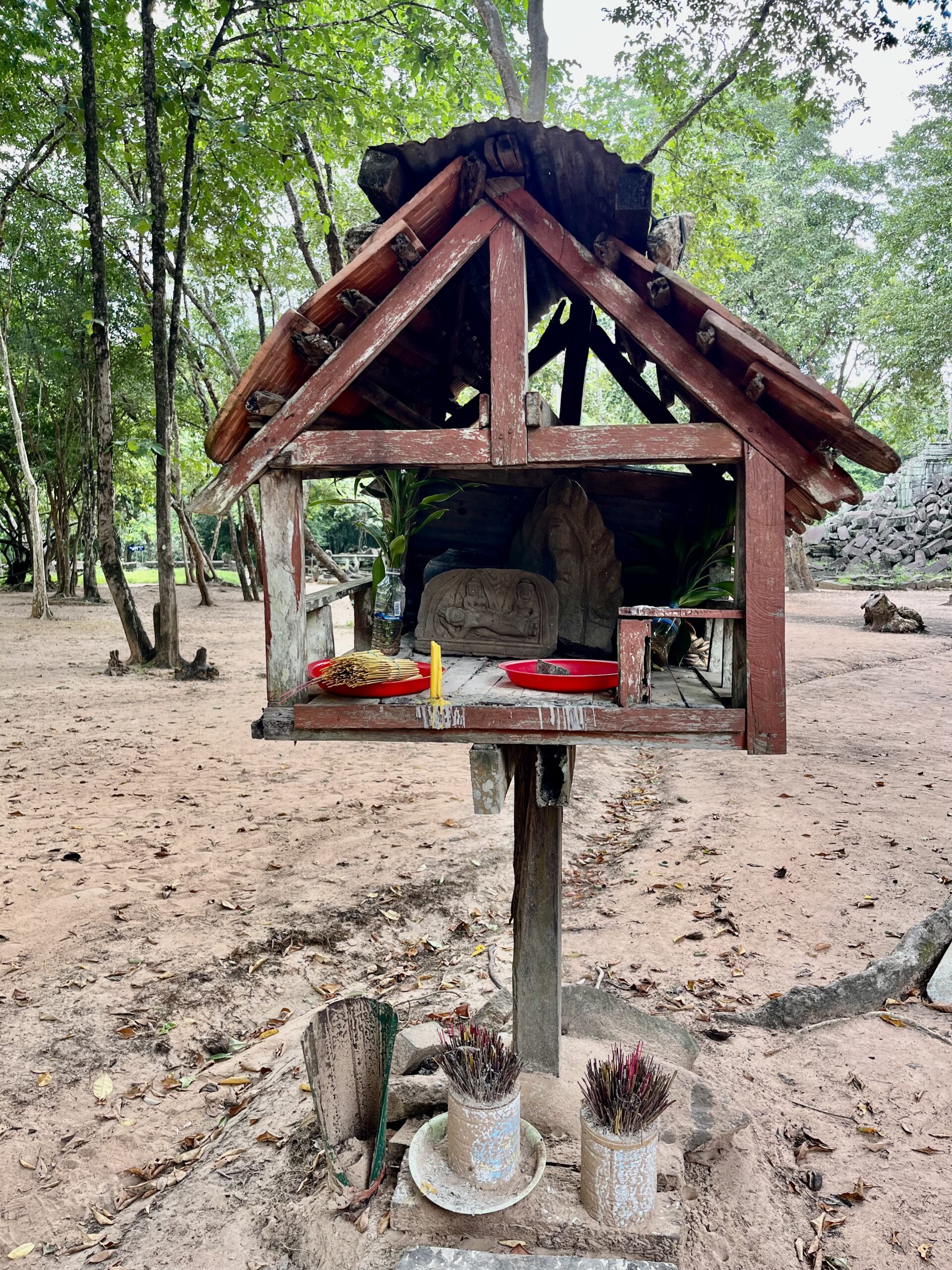
ព្រះភូមទេវតា ឬរានទេវតានេះ គេដាក់នឹង គឺភាគច្រើនគេដាក់សម្រាប់ឱ្យពពួកភូមទេវតារស់នៅ មានដូចជាអរុក្ខទេវតា ភូមិទេវតាដែលយើងហៅថាម្រេញគង្វាល ។ ហើយការដាក់ទាំងអស់...
អ្នកដែលមិនជឿលើព្រះបិតា លោកតាស្នាប់ បានជួបប្រទះអភ័យហេតុផ្សេងៗគ្នា៖ ម៉ូតូរបស់ពួកគេខូចនៅពេលបើកចូលព្រៃ ខណៈដែលមនុស្សខ្លះវិលត្រឡប់មកវិញបានដួលចេញពីម៉ូតូ បាក់...
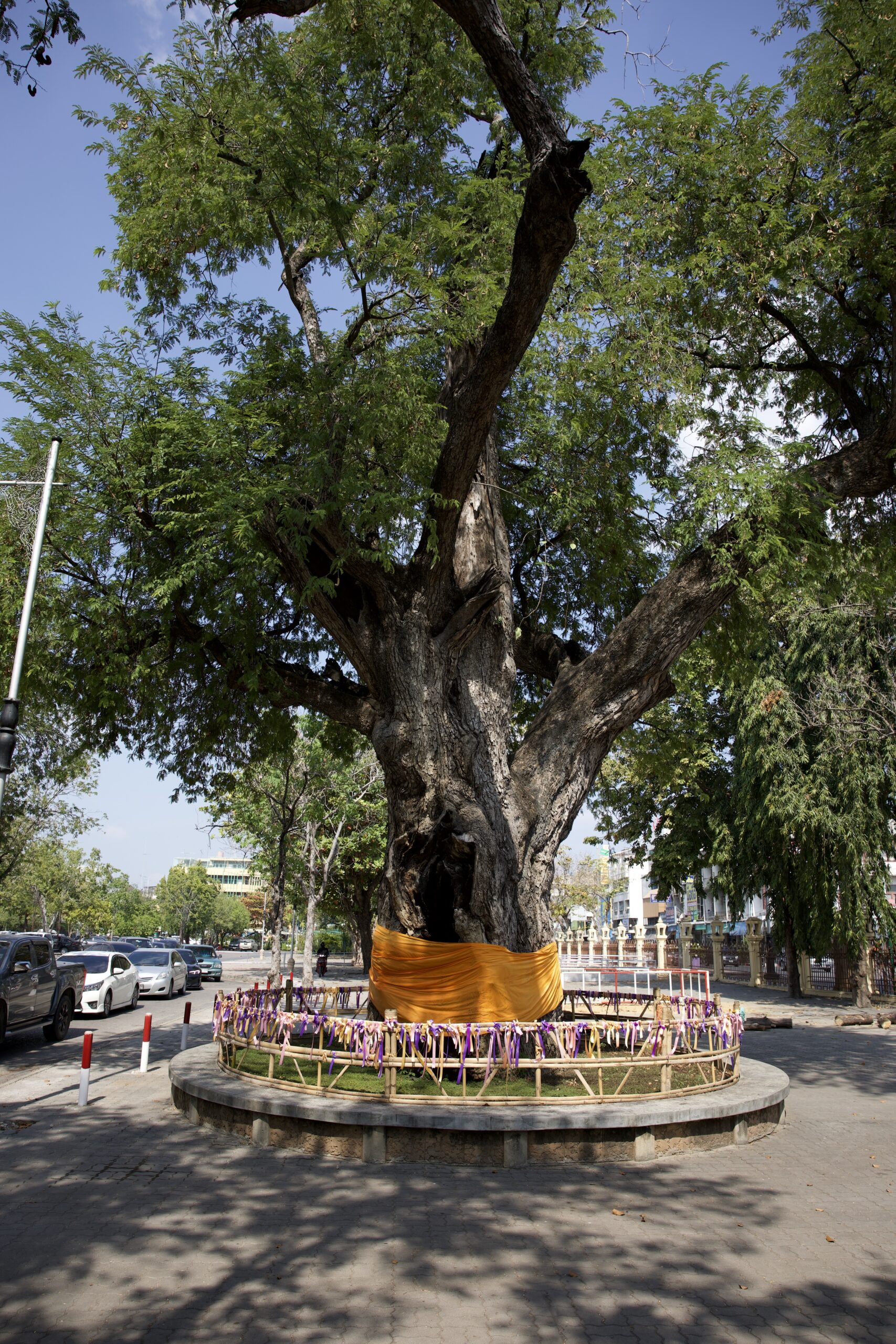
บวชต้นไม้/buat ton mai, also known as 'tree ordination', is a method of conserving trees in Thailand rooted in Buddhism. The practice emerged as a res...
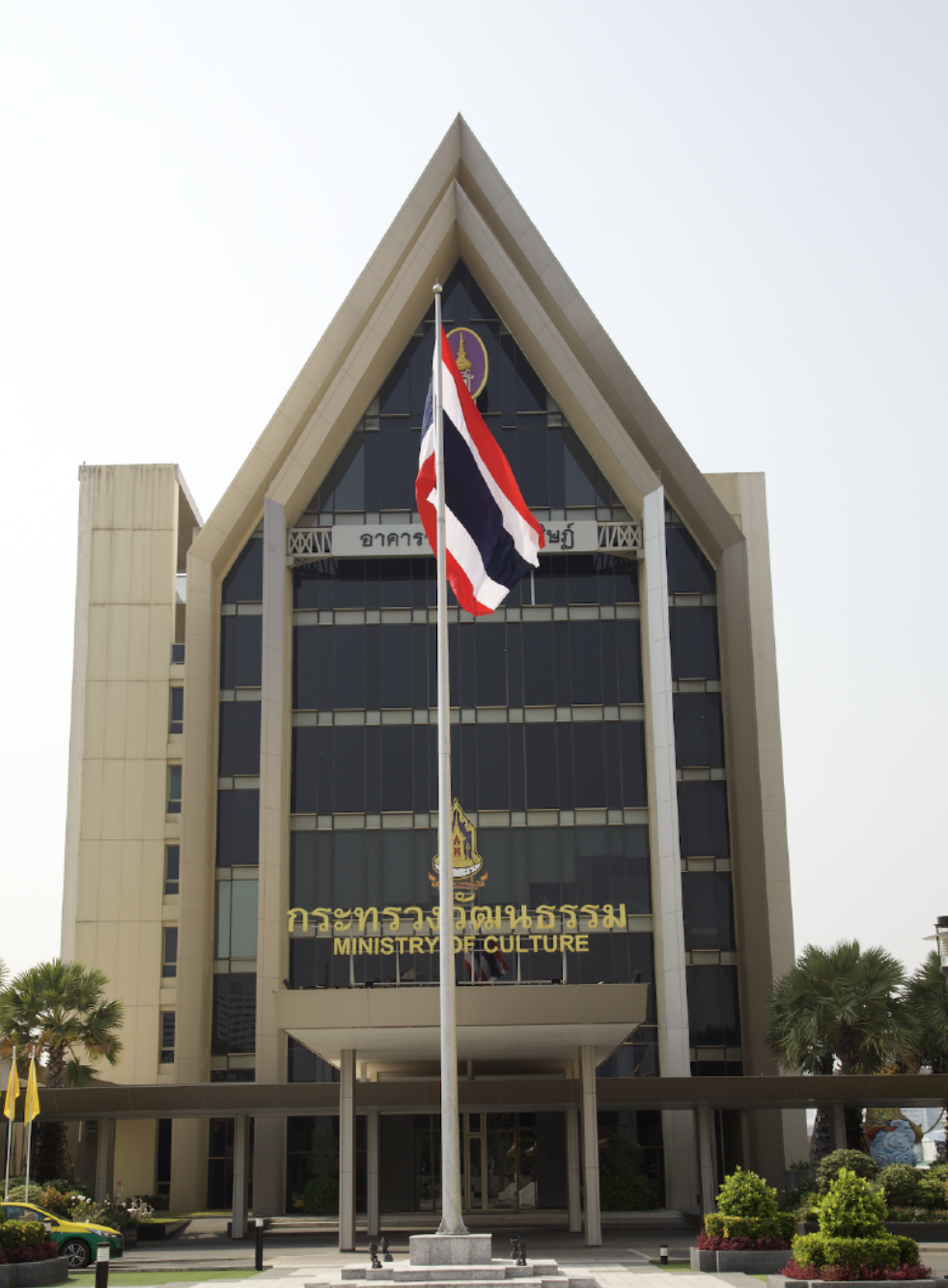
วัฒนธรรม/Wattanatham (meaning ‘culture’) is one of over one thousand terms coined by Prince Wan Waithayakon. In a 1975 interview, Prince Wan, who atte...
ธรรมชาติ/Thammachat, meaning ‘nature’ in Thai, was a term coined as part of a larger language policy spanning the late-19th and 20th centuries, involv...
ปะกำ (ภะษากูย) หรือ ผีปะกำ (ภาษาไทย) เป็นวัฒนธรรมที่พบได้เฉพาะในกลุ่มกูยอาจีงหรือกูยเลี้ยงช้างเท่านั้น เป็นวิญญาณของบรรพบุรุษกูยเลี้ยงช้างที่เป็นหมอหร...
This website uses strictly necessary cookies to function. We would also like to use functional and analytical cookies to improve your experience. You can choose to accept or decline.