Saan Phra Phuum / ศาลพระภูมิ

Pronunciation: Ṣ̄āl phrap̣hūmi
Language: Thai
Also known as: spirit house, spirit shrine, household shrine

Description

ศาลพระภูมิ คือศาลหรือบ้านขนาดย่อมที่สร้างขึ้นเพื่อให้ เทพผู้พิทักษ์ พักอาศัย คำว่า “ศาล” หมายถึงสถานที่ศักดิ์สิทธิ์หรือพื้นที่ประกอบพิธีกรรม ส่วน “พระภูมิ” หมายถึงเทพารักษ์หรือผู้คุ้มครองพื้นที่หนึ่ง ๆ

หนึ่งในตำนานเกี่ยวกับกำเนิดของศาลพระภูมิ (ศาลพระภูมิ) มาจากเรื่องราวของ พระเจ้าท้าวทศราช และพระมเหสี พระนางสันทรทุกเทวี ทั้งสองทรงครองนครปาฬี และมีพระโอรส 9 องค์ โดยแต่ละองค์มีพลังพิเศษต่างกัน และถูกส่งไปปกป้องสถานที่เฉพาะ ดังนี้:

  1. พระชัยมงคล – ปกป้องบ้านเรือน ร้านค้า และหอการค้า 
  2. พระนครราช – ปกป้องประตูเมือง ป้อมปราการ และค่ายทหาร 
  3. พระเทเพล – ปกป้องโรงช้าง โรงม้า และคอกสัตว์ 
  4. พระชัยศพณ์ – ปกป้องยุ้งข้าวและคลังอาหาร 
  5. พระคนธรรพ์ – ปกป้องห้องหอของคู่บ่าวสาว 
  6. พระธรรมโหรา – ปกป้องทุ่งนา ป่าไม้ และภูเขา 
  7. พระวัยทัต – ปกป้องวัด ศาล และสถานที่ศักดิ์สิทธิ์ 
  8. พระธรรมมิคกะราช – ปกป้องสวนสาธารณะและสวนผลไม้ 
  9. พระทาษธารา – ปกป้องลำธาร หนองน้ำ คู คลอง บ่อ และแม่น้ำ 

แต่ต่อมา พระราชาท้าวทศราชกลับกลายเป็นทรราช ข่มเหงประชาชน และเรียกเก็บบรรณาการอย่างไม่เป็นธรรม จนข่าวลือไปถึง พระนารายณ์ (ปางหนึ่งของพระวิษณุ) พระองค์จึงวางแผนสั่งสอนพระราชาและครอบครัว

พระนารายณ์แปลงกายเป็นพราหมณ์และเข้าเมืองปาฬี เมื่อได้เข้าเฝ้าพระราชา ก็ขอที่ดินเพียงแค่ “สามก้าวย่าง” พระราชายอมรับโดยไม่ลังเล แต่เมื่อพระนารายณ์คืนร่างเดิมที่สูงใหญ่ยิ่งกว่าพระราชวัง เพียงสามก้าว พระองค์ก็ครอบคลุมทั่วทั้งอาณาจักรปาฬี พระราชาและครอบครัวตกตะลึงและขอขมา

พระนารายณ์จึงสั่งให้พวกเขาออกจากเมือง และเมื่อเผชิญความยากลำบากภายนอก พวกเขากลับมาอ้อนวอนอีกครั้ง พระนารายณ์จึงประทานโอกาสให้พวกเขากลับเข้ามา แต่เฉพาะในฐานะ ผู้พิทักษ์ โดยต้องอาศัยอยู่ในศาลที่มีเสาเดียวปักพื้น และไม่อาจออกจากบริเวณนั้นได้

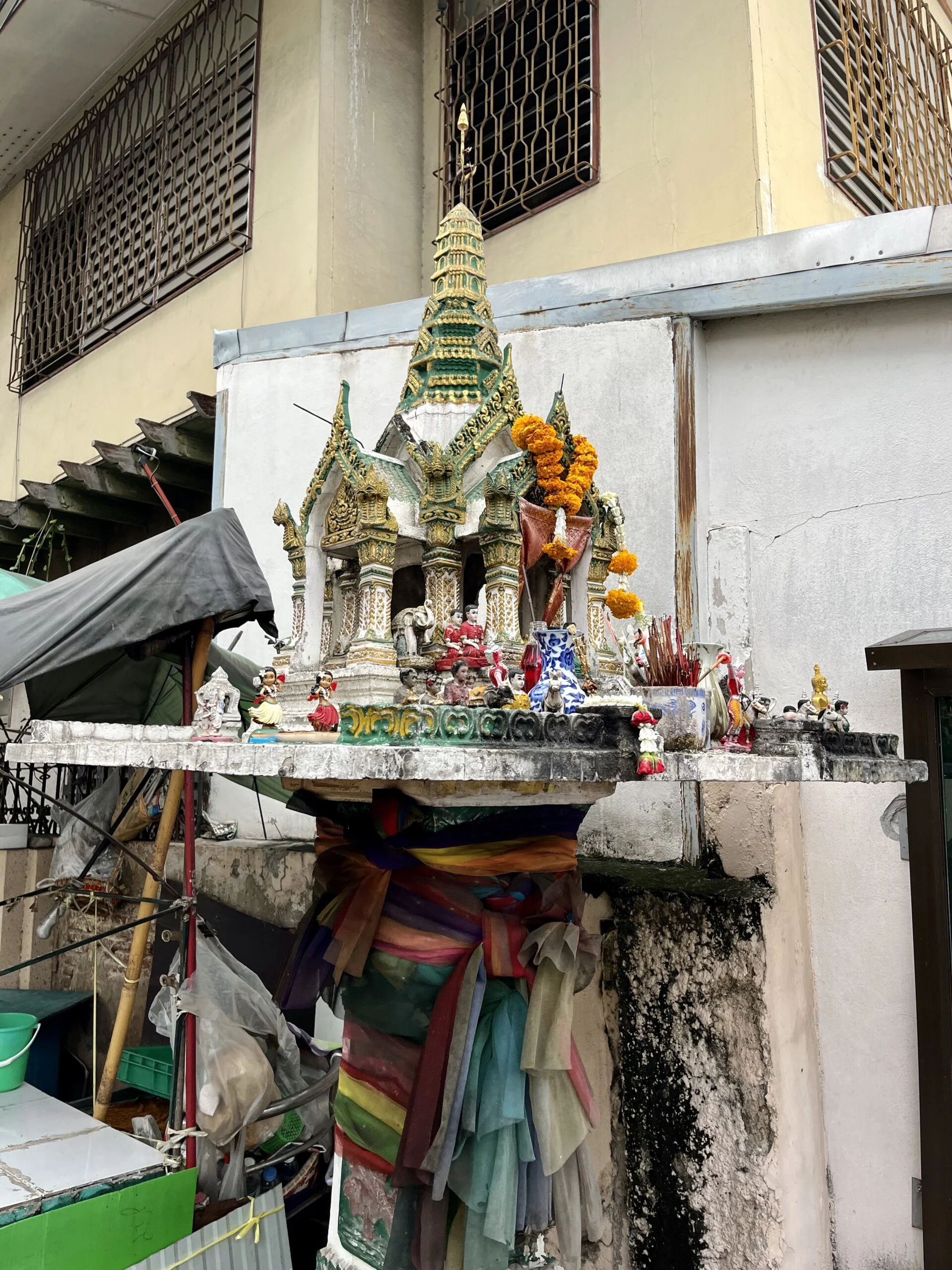
ด้วยเหตุนี้ ศาลพระภูมิ ในปัจจุบันจึงมักมีลักษณะคล้ายศาลาหรือเทวสถานขนาดย่อม ตั้งอยู่บนเสาเดี่ยว สูงเหนือระดับสายตา แตกต่างจากศาลของ เจ้าที่ ซึ่งมักตั้งอยู่บนฐานสี่ขา คล้ายบ้านหลังเล็ก และต้องมีบันไดหรือขั้น เพื่อให้วิญญาณที่ไม่สามารถบินได้ขึ้นไปสถิตได้ ในขณะที่เทพารักษ์ในศาลพระภูมินั้นเชื่อว่าสามารถเหาะเหินได้ จึงไม่จำเป็นต้องมีบันไดหรือทางขึ้นใด ๆ

ศาลพระภูมิจะสร้างโดยหันหน้าไปทางทิศเหนือหรือทิศตะวันออก ทั้งนี้ต้องอาศัยความเห็นจากผู้เชี่ยวชาญที่เรียกว่า หมอศาล ซึ่งอาจเป็นพราหมณ์ พระสงฆ์ ซินแส หรือหมอดู หมอศาลจะเป็นผู้กำหนดทิศทาง วัน และเวลาที่เหมาะสม พร้อมประกอบพิธีเชิญเทพผู้ปกปักษ์เข้าสถิต และขอพรให้เกิดสิริมงคลแก่เจ้าของบ้านและพื้นที่โดยรอบ

Read more

A saan phra phuum is a spirit house or spirit shrine. ‘Saan’ means ‘shrine’ or ‘court’, and ‘phra phuum’ means ‘guardian spirit’.

One suggestion for the origins of saan phra phuum (ศาลพระภูมิ) spirit shrines lies in the legend of King Thao Thotrat (ท้าวทศราช) and his wife Queen Sandharatthukdevi (พระนางสันทรทุกเทวี). Together they ruled a place called Pali, and had nine sons, each of whom had a different ability.

These nine sons were sent to protect different areas:

  1. Phra Chai Mongkhon (พระชัยมงคล) was sent to protect houses, shops, and trading halls.
  2. Phra Nakhon Ratcha (พระนครราช) was sent to protect the city gates, forts, and camps.
  3. Phra Thep Pen (พระเทเพล) was sent to protect elephant, horse, and cattle stables.
  4. Phra Chaisap (พระชัยศพณ์) was sent to protect the rice granaries and food stores.
  5. Phra Khanthap (พระคนธรรพ์) was sent to protect the bridal chamber.
  6. Phra Thammahora (พระธรรมโหรา) was sent to protect fields, rice paddies, forests, and mountains.
  7. Phra Thewathera (พระวัยทัต) was sent to protect monasteries, temples, shrines, and various religious sites.
  8. Phra Thammarat (พระธรรมมิคกะราช) was sent to protect parks and orchards.
  9. Phra Thatsathara (พระทาษธารา) was sent to protect streams, swamps, canals, ponds, and rivers.

However, the King became a tyrant, oppressing his people and demanding tribute from them. Eventually word of their struggles reached Lord Narayana (one of the forms of Lord Vishnu), who devised a plan to teach the King and his family a lesson. Lord Narayana disguised himself as a Brahmin and entered the city of Pali, where he met with the King and asked for a piece of land. When the King asked how much land he wanted, Narayana replied that he needed only three steps’ worth. After the king agreed, Lord Narayana transformed into his original form, which was taller than the palace itself. In three steps, he covered the entire territory of Pali. The King and his family were shocked and begged Lord Narayana for forgiveness. Lord Narayana told them to leave the city. Upon facing the hardship of life outside the city, they returned to beg Lord Narayana for forgiveness. He agreed to let them return to the city, but only as protectors, living in a pavillion with a single pillar planted on the ground and unable to leave. 

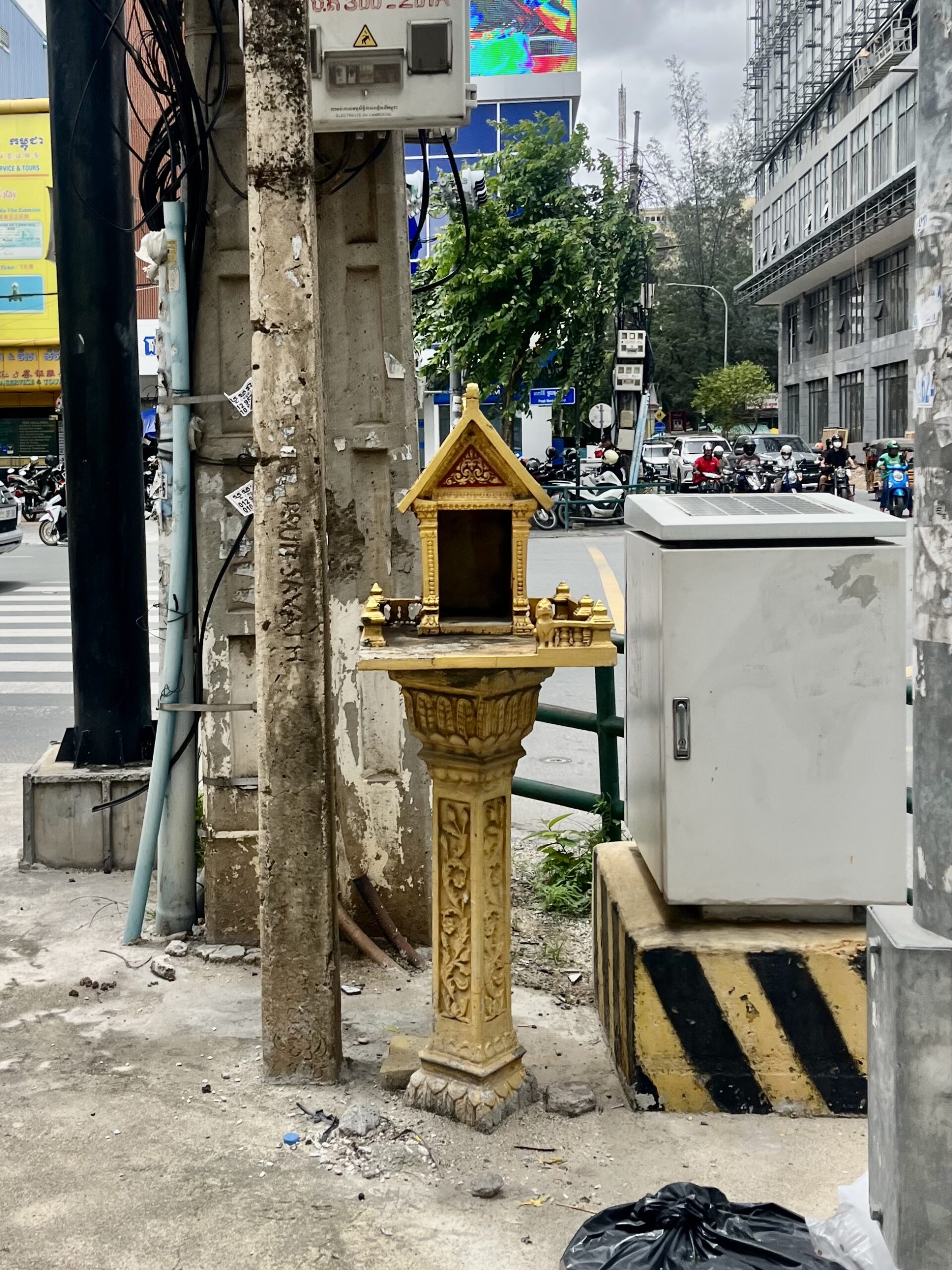
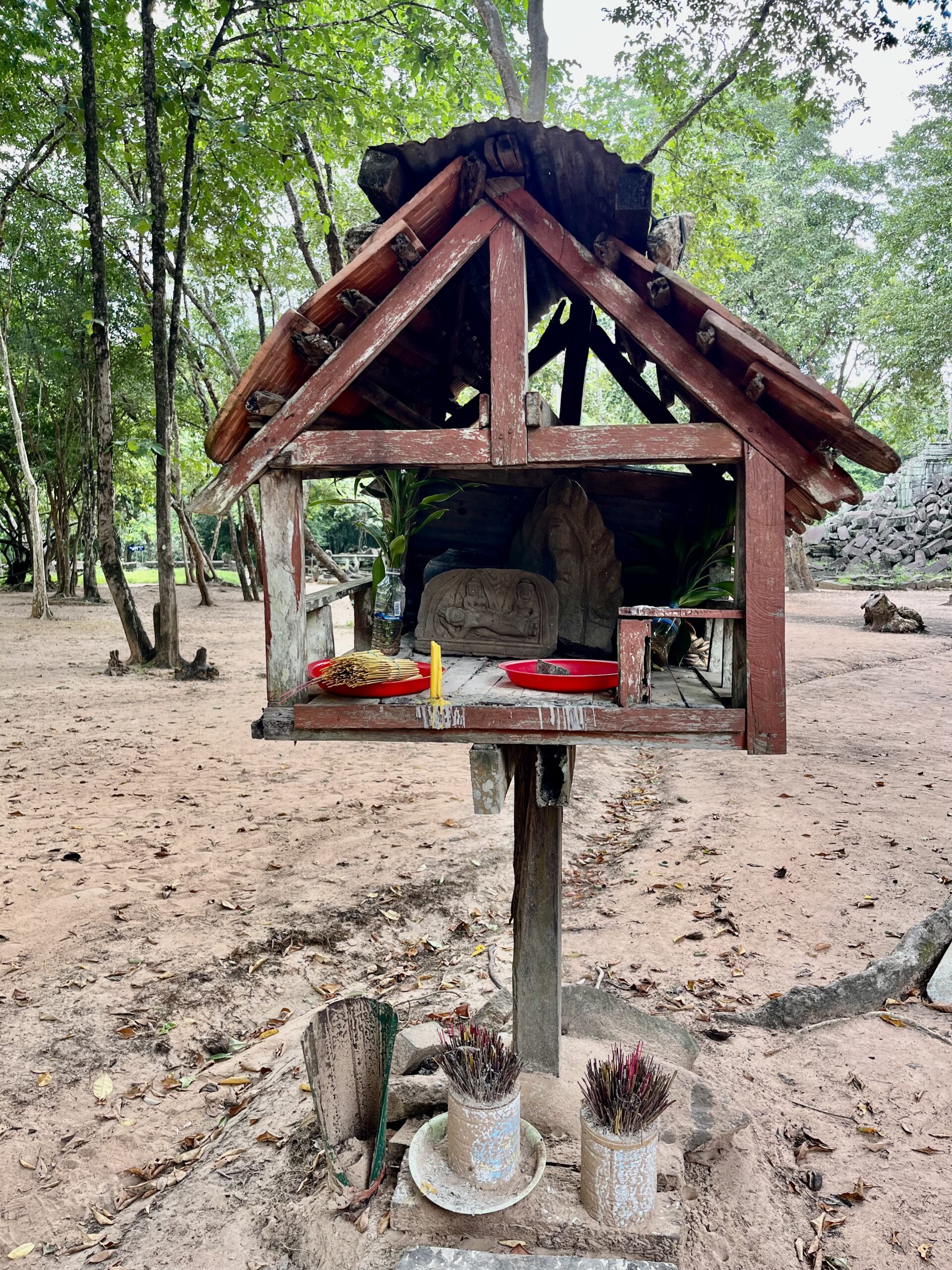
The saan phra phuum today, therefore, typically resemble a temple/pavillion and stand on a single pillar, elevated to just above eye-level. Unlike the jao ti spirits who live on the ground and need stairs to access their shrines, saan phra phuum spirits can fly and, therefore, the shrines do not incorporate staircases or ladders into the design. The shrines for the jao ti spirits will also often sit on four legs, more closely ressembling a house. Saan phra phuum are for guardian spirits called ‘theparak’ เทพารักษ์ who protect the house and the area around it. They are built north or east facing, with the exact placement done in consultation with a ‘hmor saan’ or shrine doctor (หมอศาล). Hmor saan can be Brahmin priests, monks, feng shui masters, or fortune tellers. The hmor saan will dictate the appropriate time, date and direction for the shrine to be erected and will then perform a ceremony to invite the appropriate spirits inside and ask for good fortune. 

Date of entry: July 23, 2025
A white shrine resembling a temple structure with a pointed roof sits on a single pillar. Old pieces of coloured cloth are wrapped around the pillar.
A single-pillar shrine, Phra Nakhon, Bangkok. Photo by Alisa Santikarn, October 2024.
The name you would like to be credited with for your contribution.
The word you wish to contribute
Your email for contact and updates regarding your submission.
The language you are contributing the word in
Maximum file size: 3 MB
Maximum file size: 5 MB
By proceeding, I acknowledge and agree to GloCo's Legal notice and Terms of use
and the Guidelines for Contributors *

Related Words

IMG_3464 2
ลงรักปิดทอง/Long Rak Pit Thong
Thai

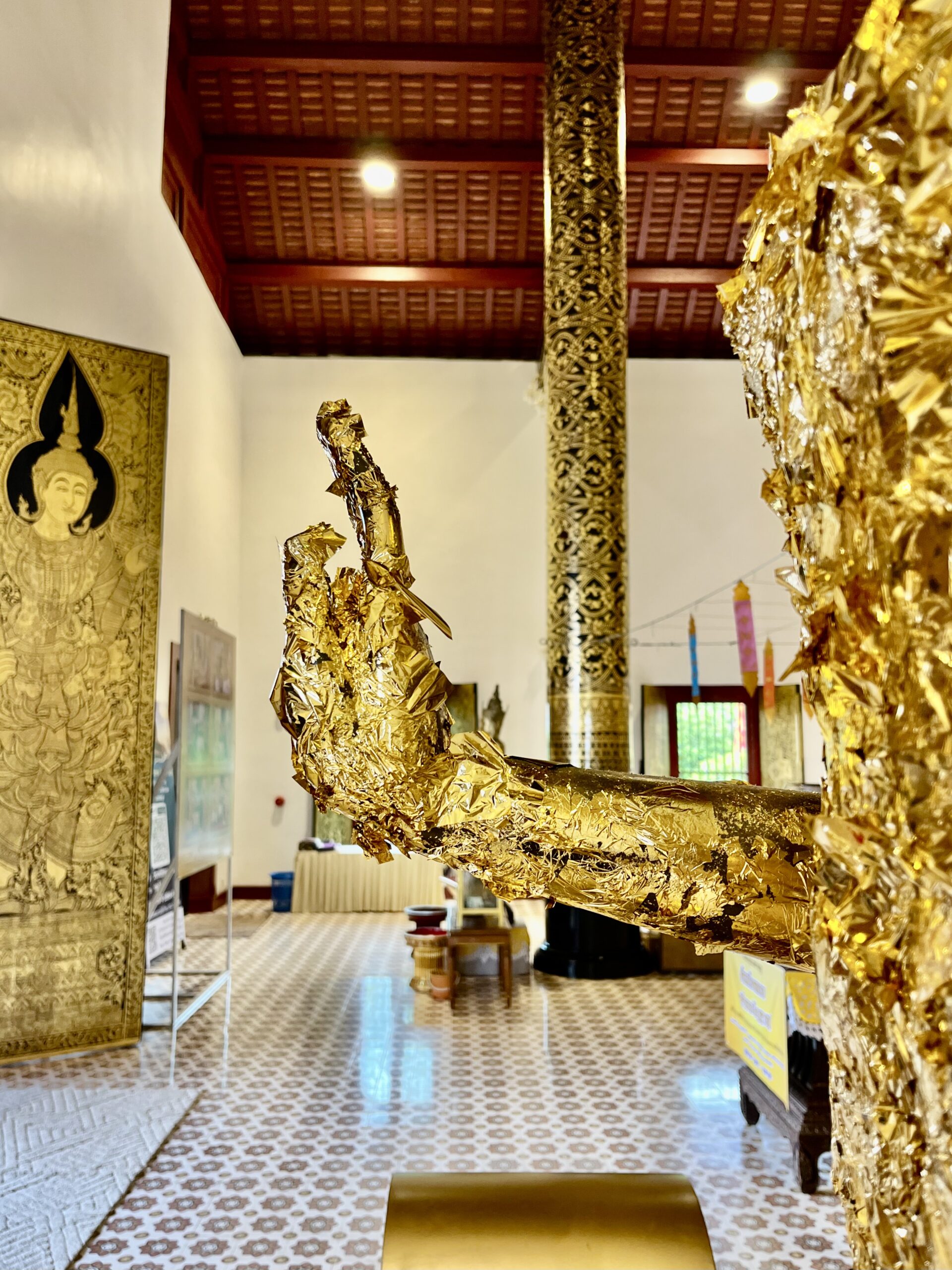
ลงรักปิดทอง/Long Rak Pit Thong, or ‘lacquering and gilding’, is both a Thai conservation technique and an act of worship and a way of making merit wit...

ម្ចាស់ទឹកម្ចាស់ដី / Mchas Teuk, Mchas Dei
Khmer
mcheasatukamcheasadei

គេ​តែងតែ​គោរព​ពពួក​អស់​នឹង ព្រោះ​ពពួក​អស់​នឹង​គេ​តាម​បីបាច់​ថែរក្សា​យើង ហើយ​ខ្លះ​ទៀត ពេល​ណា​ដែល​ម្ចាស់ផ្ទះ​មាន​គ្រោះ មាន​ភ័យ មាន​អន្តរាយ​អ្វីមួយ​កើត​ម...

Shrine PP
ព្រះភូម / Preah Phum
Khmer

អ​ញ្ចឹ​ង​ពពួក​ភូមិ​ទេវតា តាម​ការពារ និង​ថែរក្សា​ម្ចាស់ផ្ទះ​នឹង ទាល់តែ​ម្ចាស់ផ្ទះ​នឹង​ជា​អ្នកមាន​ទាន មាន​សីល មាន​សេចក្តី​ល្អ ប្រព្រឹត្ត​សេចក្តី​ល្អ​ដែរ...

Spirit House
ម្រេញគង្វាល / Mrenh Kongveal
Khmer
m'renh kung'viel

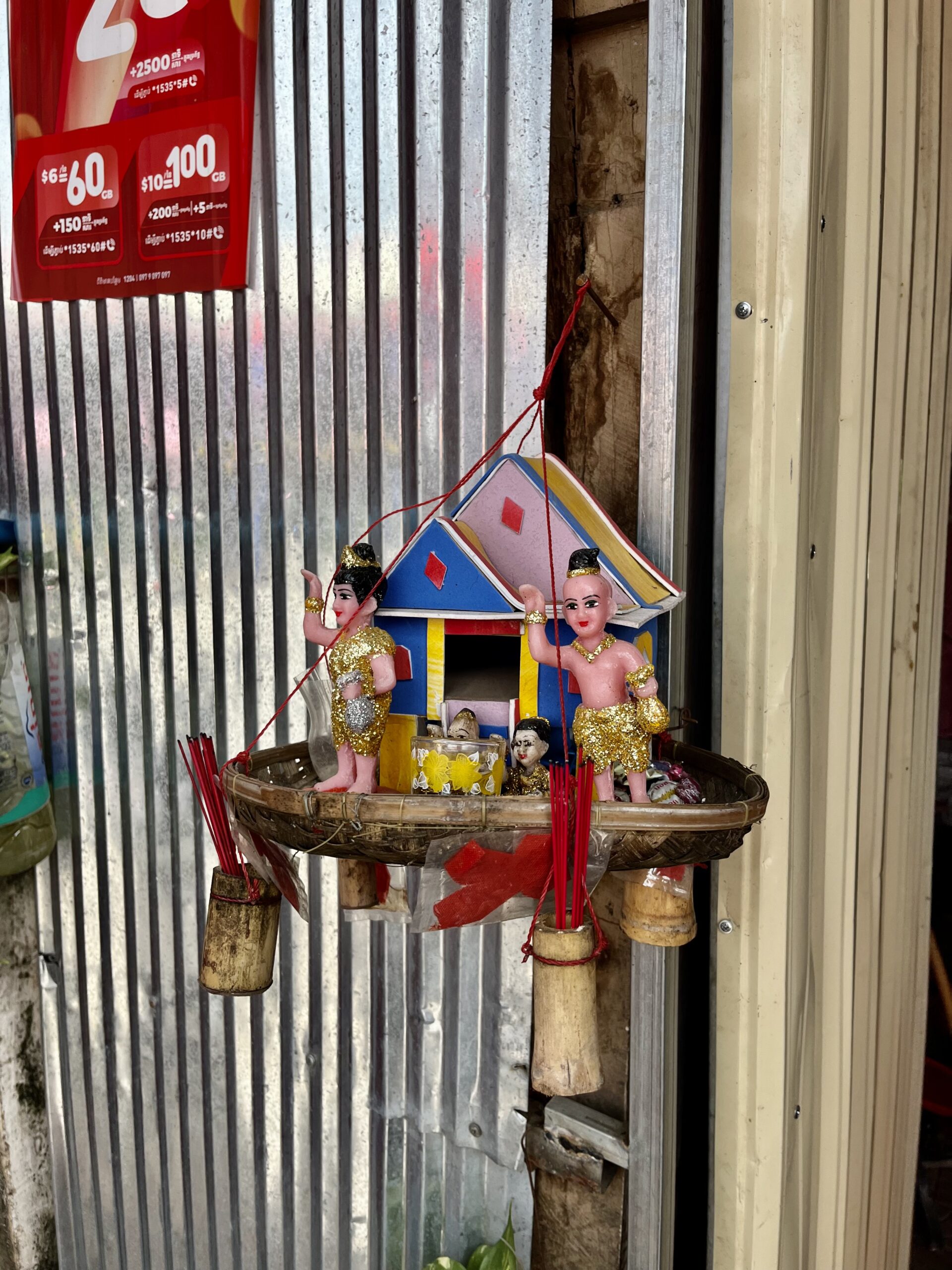
ម្រេញគង្វាល គឺជាភពអមនុស្ស ដែលជាកញ្ចក់ឆ្លុះបញ្ចាំងពីភពរបស់យើង ដែលភាគច្រើនយើងតែងតែហៅក្មេងឃ្វាលគោ ឃ្វាល ក្របី។ ដោយសាររឿងហ្នឹងវាទាក់ទងបាយសំណុំ ទឹកបំពង់ ដែ...

Shrine
រានទេវតា / Rean Devata
Khmer
rien tevada

ព្រះភូមទេវតា ឬរានទេវតានេះ គេដាក់នឹង គឺភាគច្រើនគេដាក់សម្រាប់ឱ្យពពួកភូមទេវតារស់នៅ មានដូចជាអរុក្ខទេវតា ភូមិទេវតាដែលយើងហៅថាម្រេញគង្វាល ។ ហើយការដាក់ទាំងអស់...

Cambodia_2014_-_panoramio_(12)
លោកតាស្នាប់ / Lok Ta Snap
Khmer

អ្នកដែលមិនជឿលើព្រះបិតា លោកតាស្នាប់ បានជួបប្រទះអភ័យហេតុផ្សេងៗគ្នា៖ ម៉ូតូរបស់ពួកគេខូចនៅពេលបើកចូលព្រៃ ខណៈដែលមនុស្សខ្លះវិលត្រឡប់មកវិញបានដួលចេញពីម៉ូតូ បាក់...

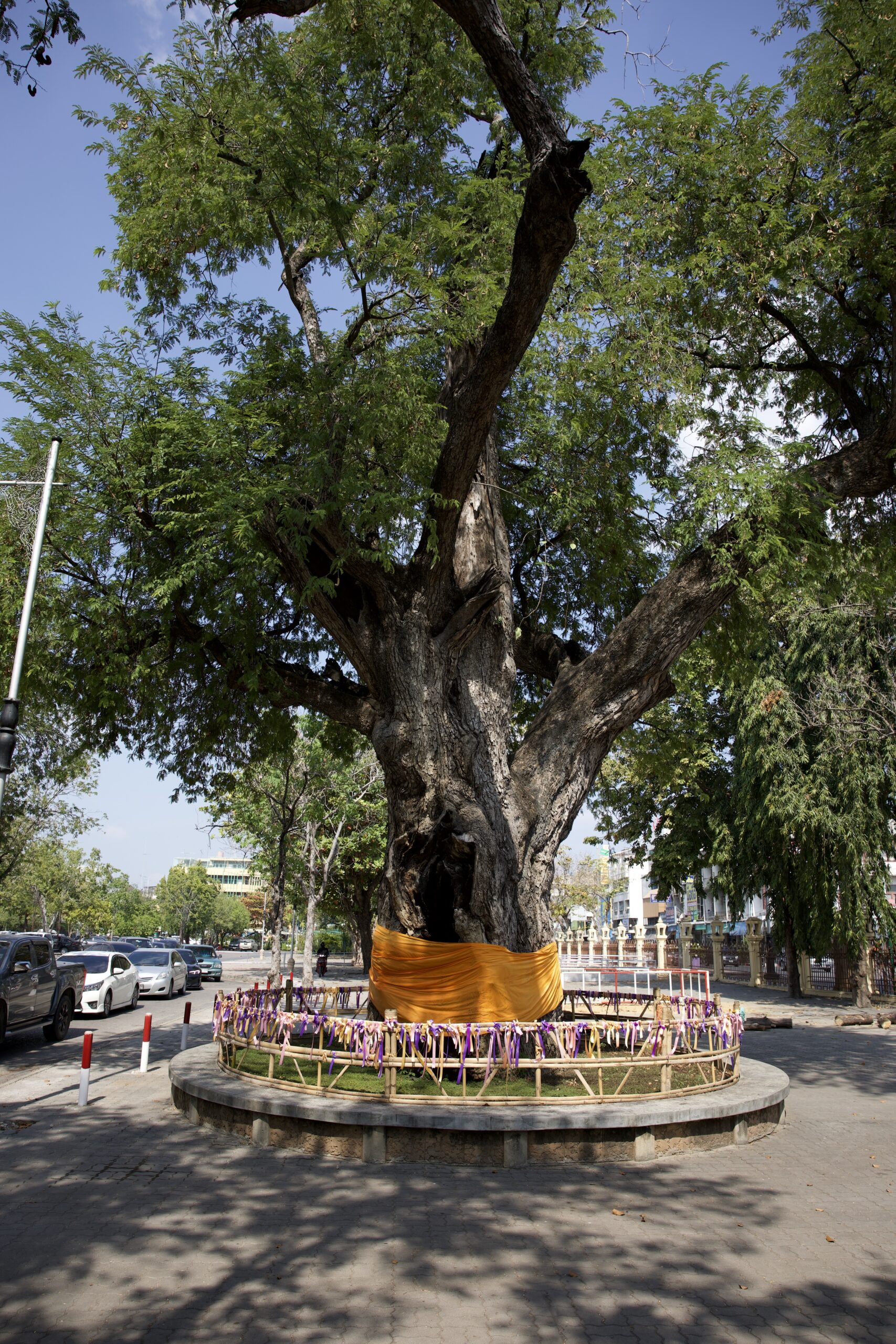
A large tree with green leaves and thick strip of orange cloth wrapped around its base. The tree is enclosed with a round metal fence. Outside of the fence is pavement, with a row of parked cars down the left side.
บวชต้นไม้/buat tonmai
Thai
Bwch t̂nmị̂

บวชต้นไม้/buat ton mai, also known as 'tree ordination', is a method of conserving trees in Thailand rooted in Buddhism. The practice emerged as a res...

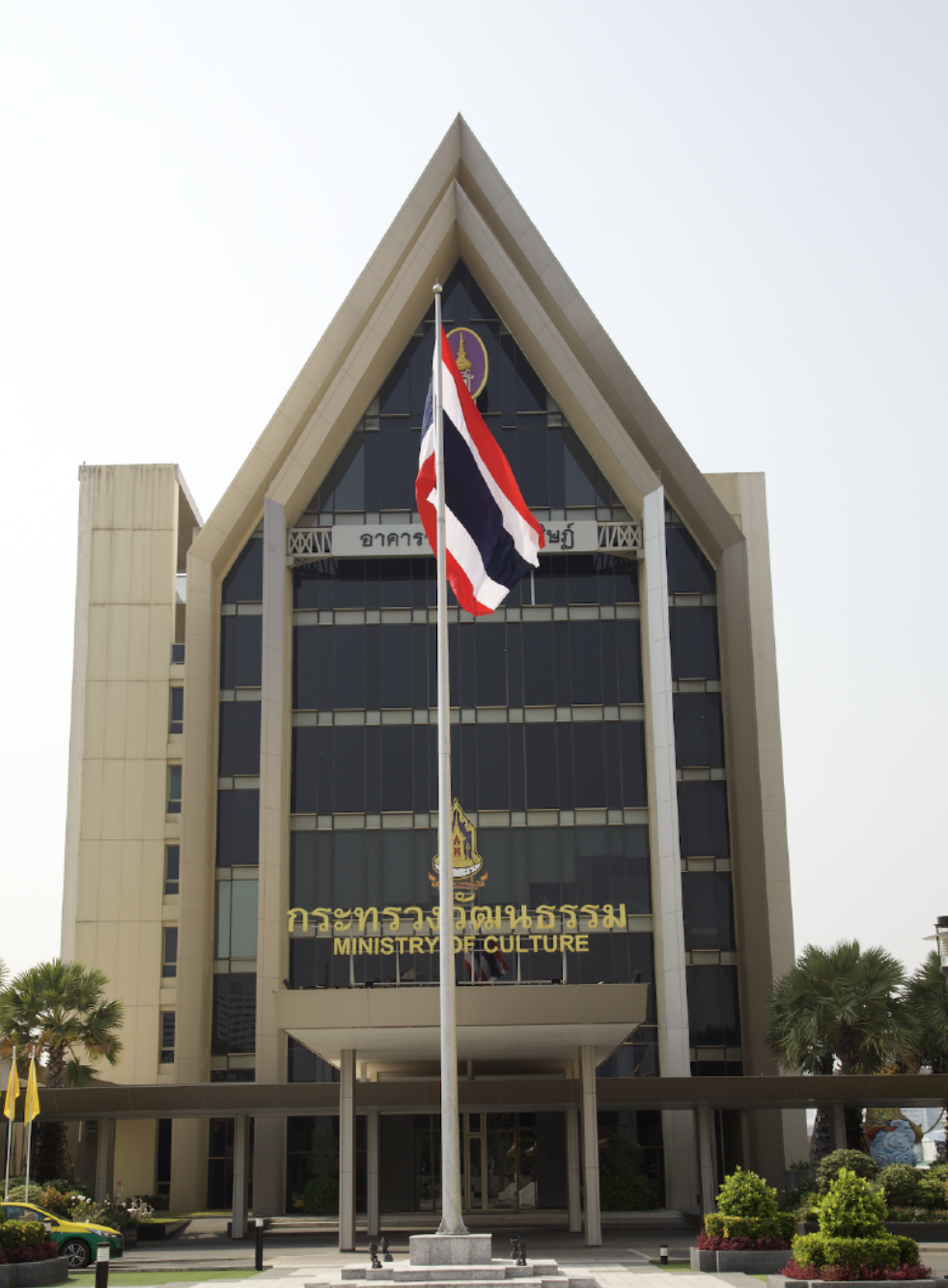
A building with large windows and a triangular roof. The sign reads: Ministry of Culture. There is a Thai flag with red, white, blue, white and red horizontal stripes on a flag pole in front of the building.
วัฒนธรรม/Wattanatham
Thai
Wạtʹhnṭhrrm

วัฒนธรรม/Wattanatham (meaning ‘culture’) is one of over one thousand terms coined by Prince Wan Waithayakon. In a 1975 interview, Prince Wan, who atte...

A sparse forest with thin trees. The trees are each wrapped in a strip of bright red/orange cloth.
ธรรมชาติ/thammachat
Thai
Ṭhrrmchāt

ธรรมชาติ/Thammachat, meaning ‘nature’ in Thai, was a term coined as part of a larger language policy spanning the late-19th and 20th centuries, involv...

Statue of a man sitting cross-legged, carved in white, holding up a lasso in his right hand.
ปะกำ/Pakam
Kui (Thailand)
pĕē pakam

ปะกำ (ภะษากูย) หรือ ผีปะกำ (ภาษาไทย) เป็นวัฒนธรรมที่พบได้เฉพาะในกลุ่มกูยอาจีงหรือกูยเลี้ยงช้างเท่านั้น เป็นวิญญาณของบรรพบุรุษกูยเลี้ยงช้างที่เป็นหมอหร...

error: