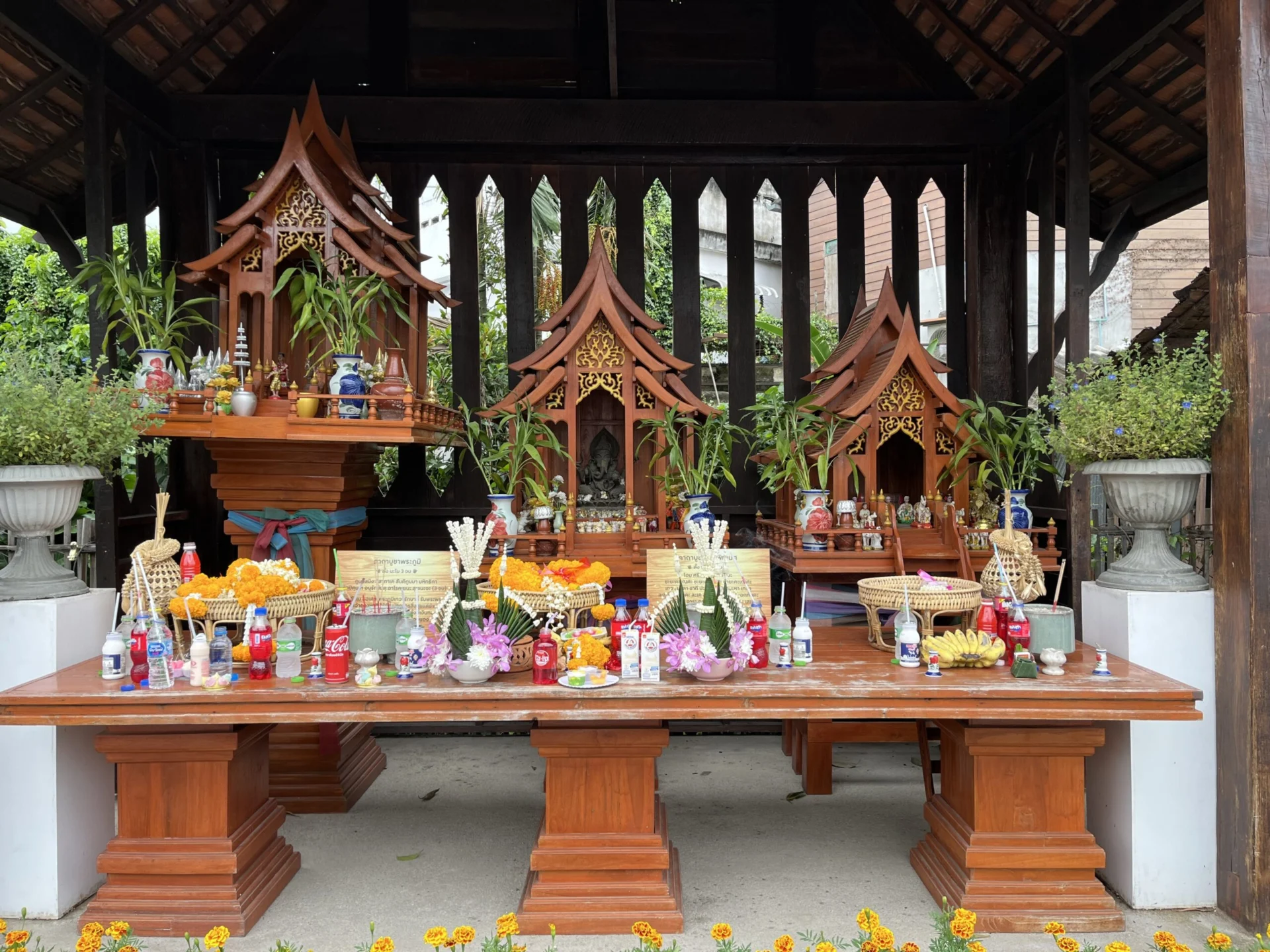
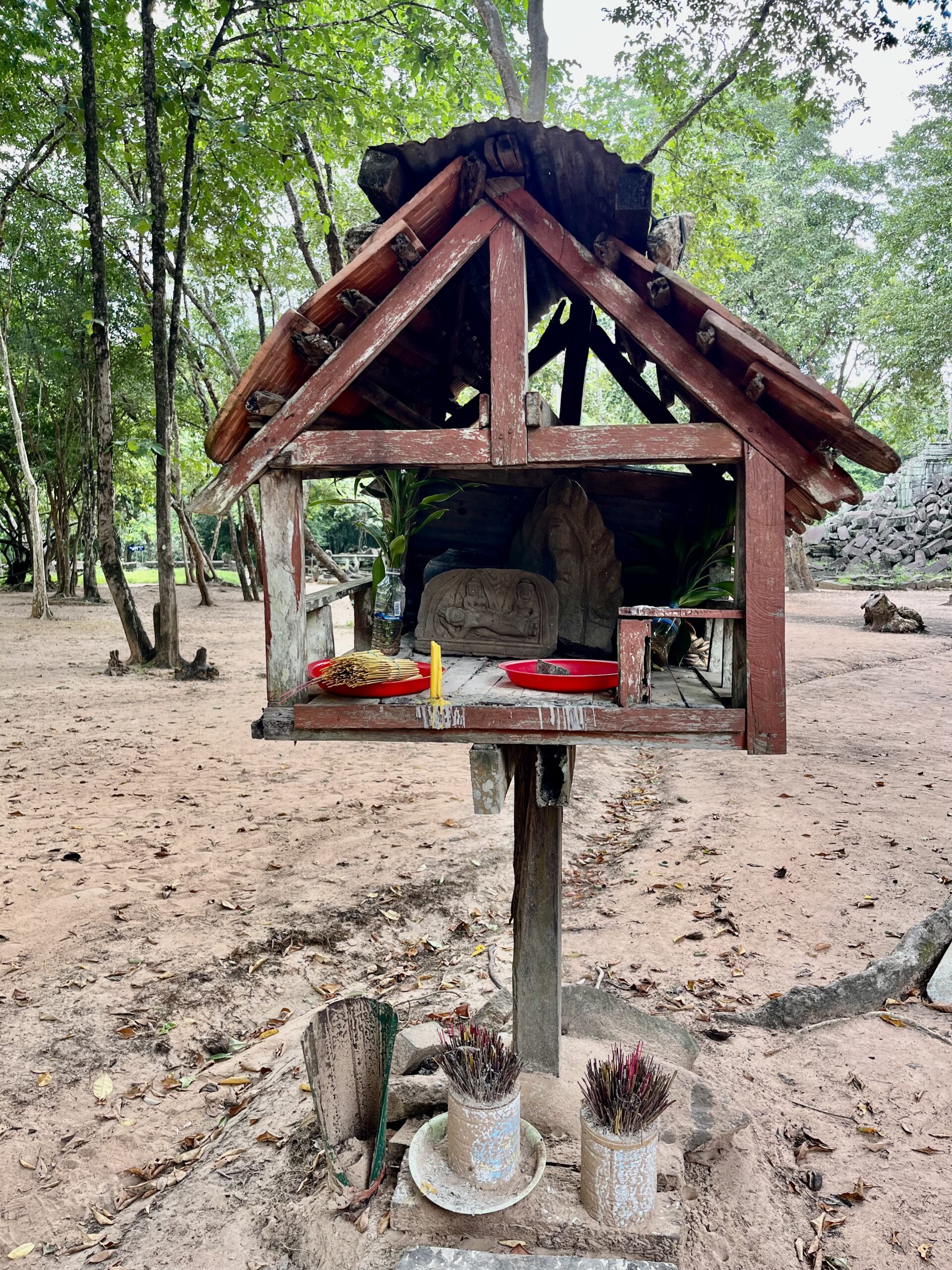
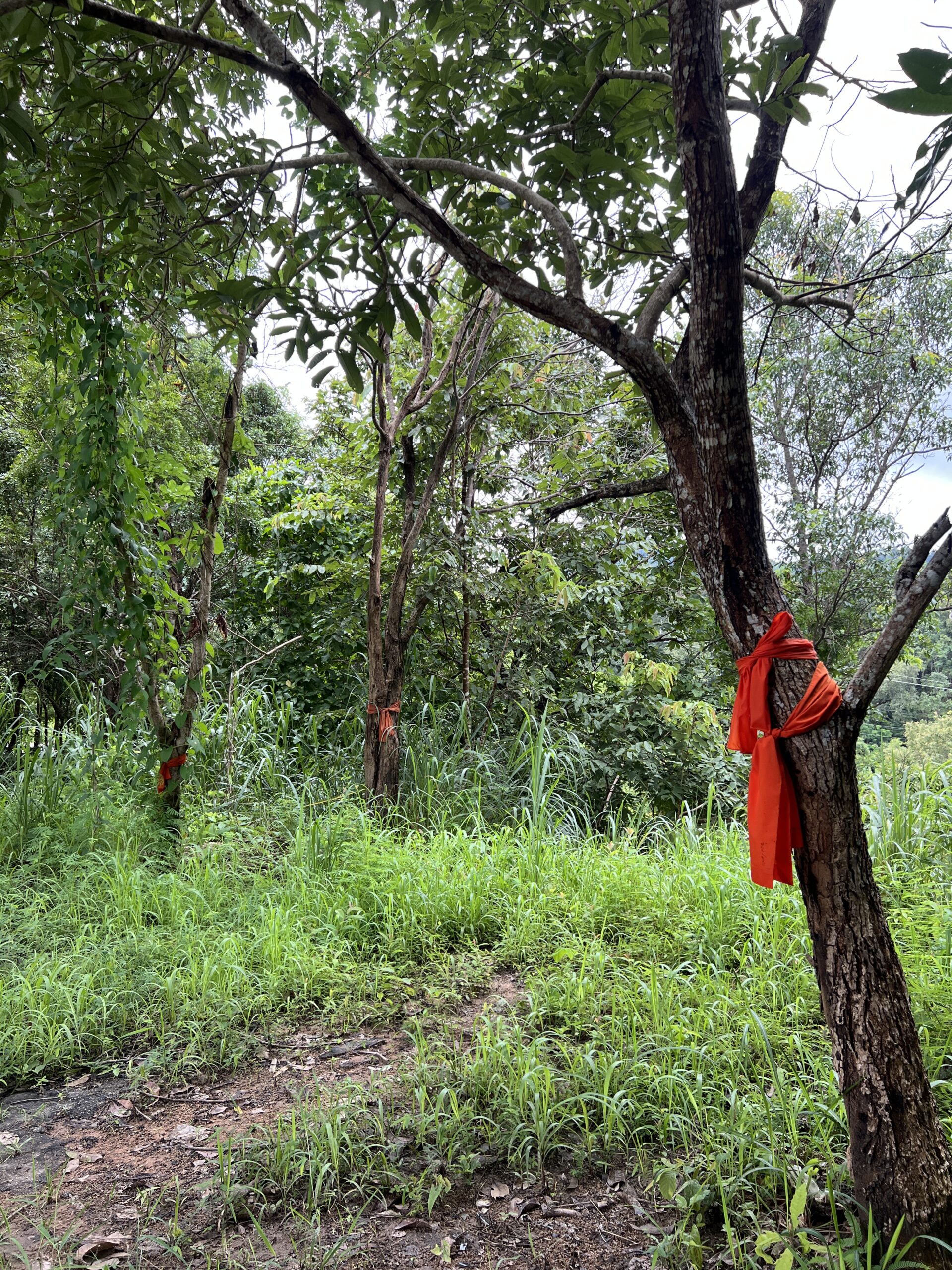
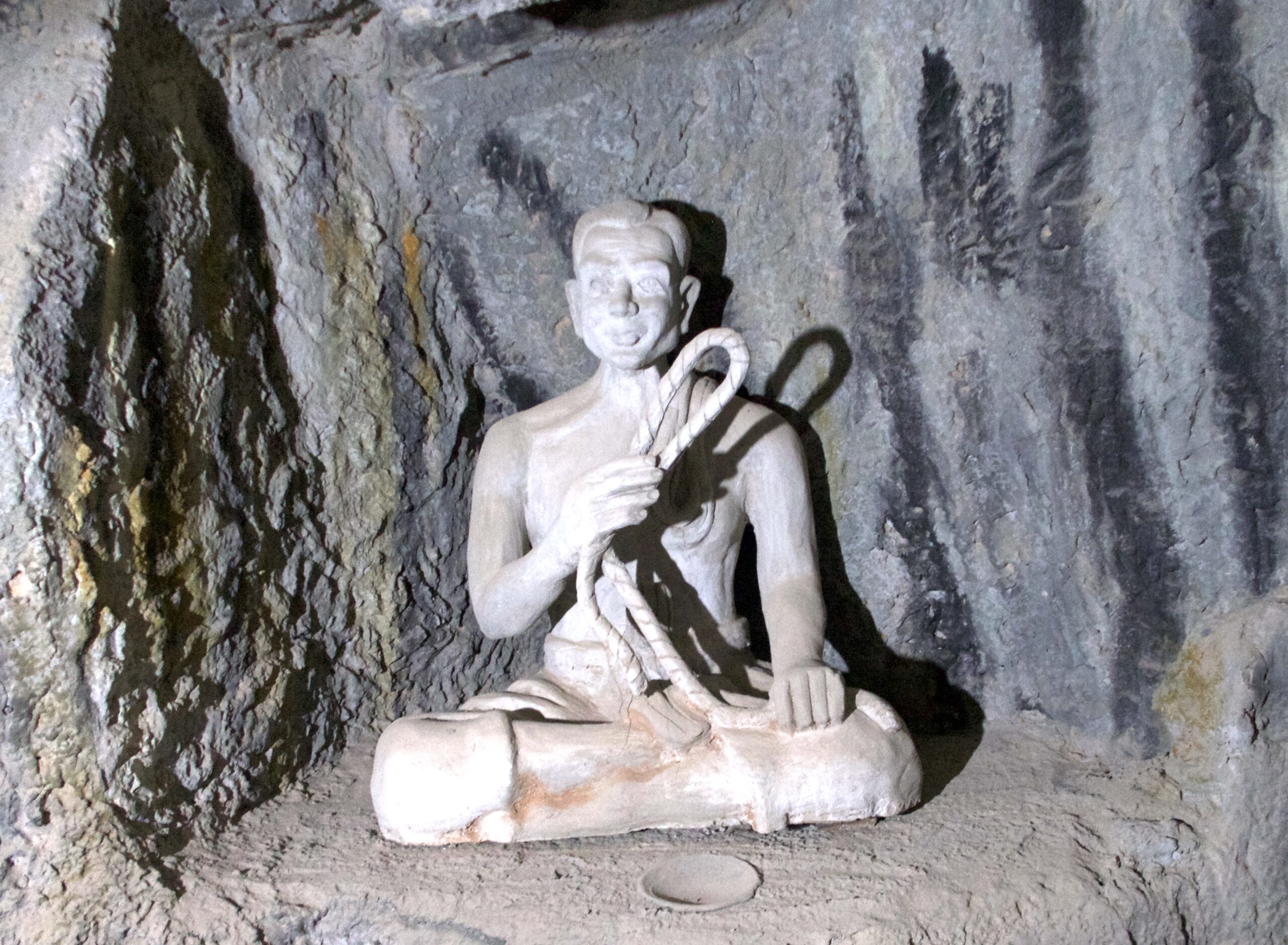
ผีในประเทศไทยสามารถเป็นได้ทั้งผีดี – ที่ให้การคุ้มครอง หรือผีร้าย – ที่นำพาความเสียหายมาให้ ศาลเป็นสถานที่อยู่อาศัยของผีดีที่ได้รับเชิญเข้ามา และได้รับการเคารพบูชา มีศาลผีหลากหลายประเภทในประเทศไทย โดยแต่ละประเภทมีไว้สำหรับผีหรือวิญญาณต่างชนิดกัน ศาลเหล่านี้มีชื่อเรียกต่างกัน โดยเริ่มต้นด้วยคำว่า “ศาล” ซึ่งยังแปลว่า ‘ลาน’ หรือ ‘ลานพิธี’ ได้อีกด้วย ได้อีกด้วย ศาลแต่ละประเภทก็มีลักษณะภายนอกและวิธีการบูชารวมถึงการถวายของต่างกันไป ความเชื่อและวิถีปฏิบัติที่เกี่ยวกับศาลและผี ยังแตกต่างกันไปตามภูมิภาคและชุมชนในประเทศไทย
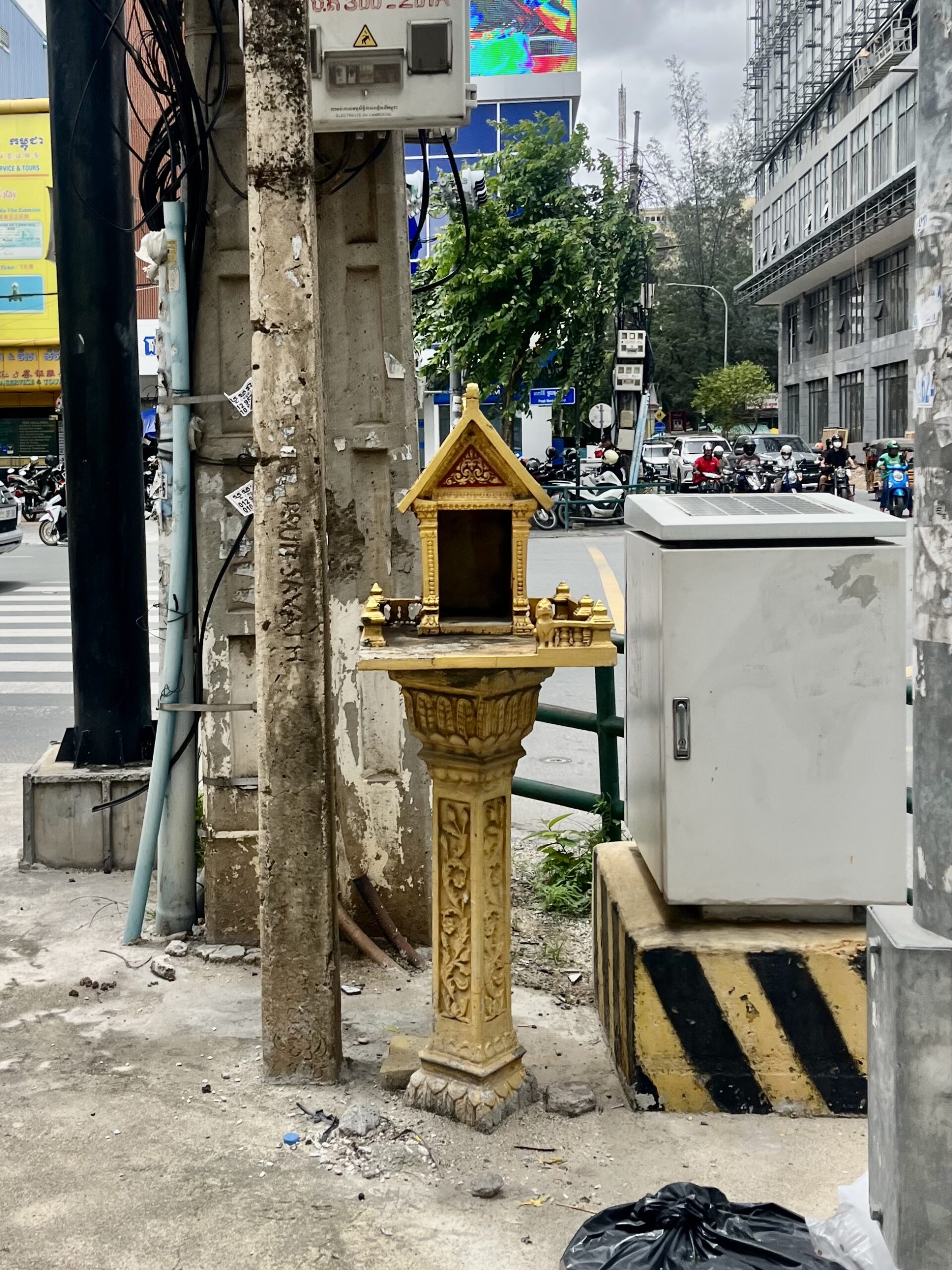
เว้นแต่ในบางกรณี เช่น ศาลเพียงตา ซึ่งเป็นศาลชั่วคราวที่สร้างจากวัสดุธรรมชาติเช่น ใบไม้ กก ลำต้นกล้วย และไม้ไผ่ ซึ่งสามารถย่อยสลายได้ตามธรรมชาติ รวมถึงศาลหลักเมือง ซึ่งเป็นอาคารขนาดใหญ่ในระดับเท่าคนจริง ศาลผีทั่วไปมักสร้างจากไม้ (ในรูปแบบดั้งเดิม) หรือปูนซีเมนต์ (ในรูปแบบสมัยใหม่) โดยมีลักษณะคล้ายบ้านไทยหรือวัดแบบไทยดั้งเดิม
เนื่องจากศาลไม้มีความเปราะบางต่อความเสียหายจากสภาพอากาศหรือแมลงศัตรูไม้ เช่น ปลวก ศาลที่ทำจากปูนซีเมนต์จึงเริ่มเป็นที่นิยมมากขึ้น นอกจากนี้ บางชุมชนยังได้ขยายศาลให้กลายเป็นอาคารขนาดใหญ่ เพื่อให้ชาวบ้านสามารถเข้าไปกราบไหว้ภายในได้ แทนที่รูปแบบศาลขนาดเล็กแบบดั้งเดิมที่คล้ายบ้านจำลอง
Ghosts/spirits (phi) in Thailand can be good – offering protection, or bad – bringing harm. Shrines provide a place of residence for good spirits who are invited inside and then venerated. There are different types of spirit shrines in Thailand, each accommodating different types of spirits/ghosts. These shrines have different names, starting with the word ‘saan’ (ศาล), which also means ‘court’. These shrines also have different appearances and ways of worshipping and giving offerings. Practices and beliefs related to shrines and spirits will also vary by region and community within Thailand.
With some exceptions, for example, the Saan Piang Da (ศาลเพียงตา), which are temporary and made of degradable natural materials like leaves, reeds, banana tree trunks, and bamboo, as well as city pillar shrines (Saan Hlak Mueang/ศาลหลักเมือง), which are larger-scale, life-sized buildings, spirit shrines are typically made of wood (traditional) or cement (modern), resembling a traditional Thai house or temple.
Because of the vulnerability of wooden shrines to damage from weather or pests like termites, cement shrines are becoming increasingly popular. Some communities are also expanding their shrines to become buildings that the village can worship inside, replacing the traditional miniature house style.

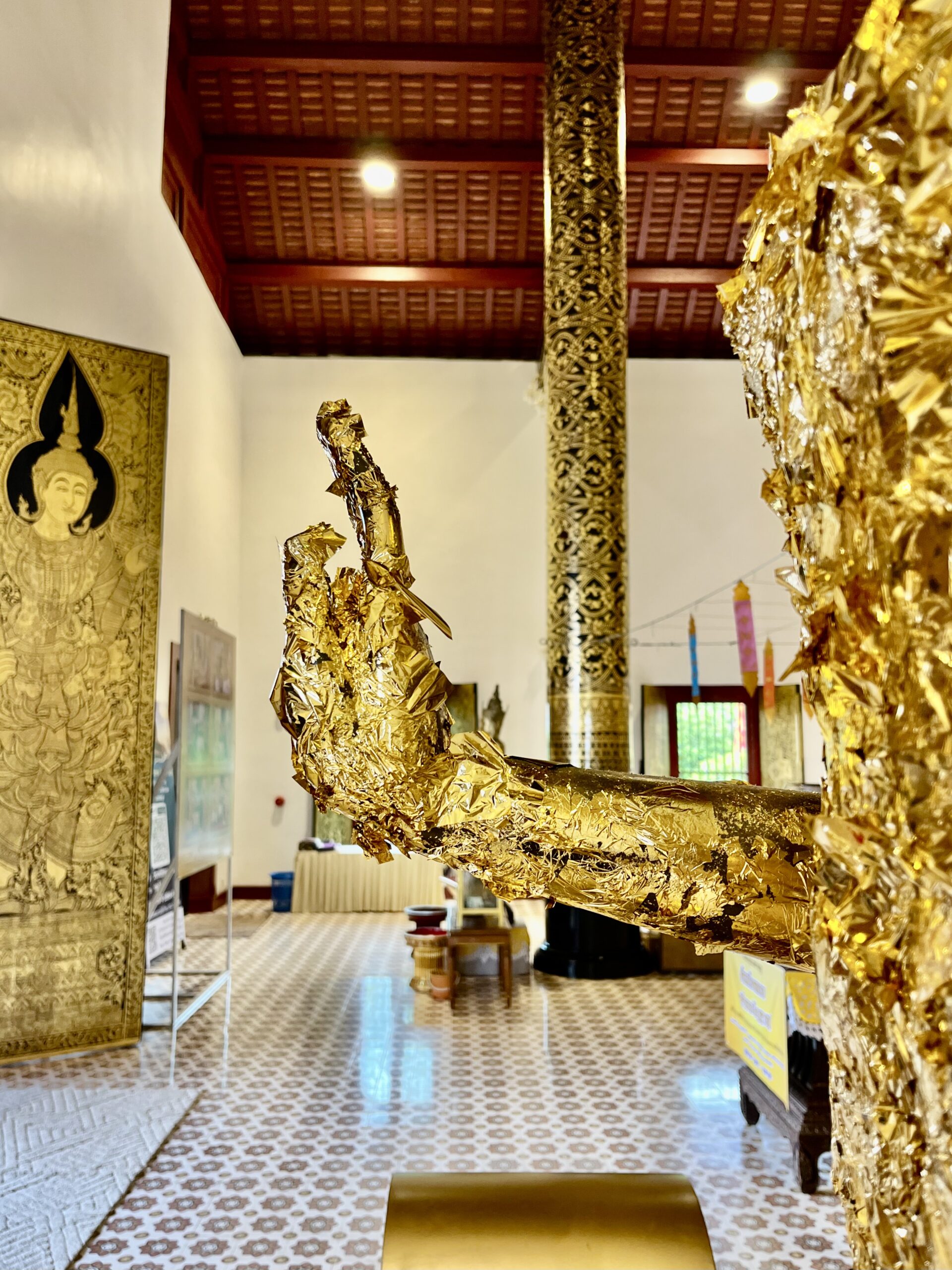
ลงรักปิดทอง/Long Rak Pit Thong, or ‘lacquering and gilding’, is both a Thai conservation technique and an act of worship and a way of making merit wit...
គេតែងតែគោរពពពួកអស់នឹង ព្រោះពពួកអស់នឹងគេតាមបីបាច់ថែរក្សាយើង ហើយខ្លះទៀត ពេលណាដែលម្ចាស់ផ្ទះមានគ្រោះ មានភ័យ មានអន្តរាយអ្វីមួយកើតម...
អញ្ចឹងពពួកភូមិទេវតា តាមការពារ និងថែរក្សាម្ចាស់ផ្ទះនឹង ទាល់តែម្ចាស់ផ្ទះនឹងជាអ្នកមានទាន មានសីល មានសេចក្តីល្អ ប្រព្រឹត្តសេចក្តីល្អដែរ...
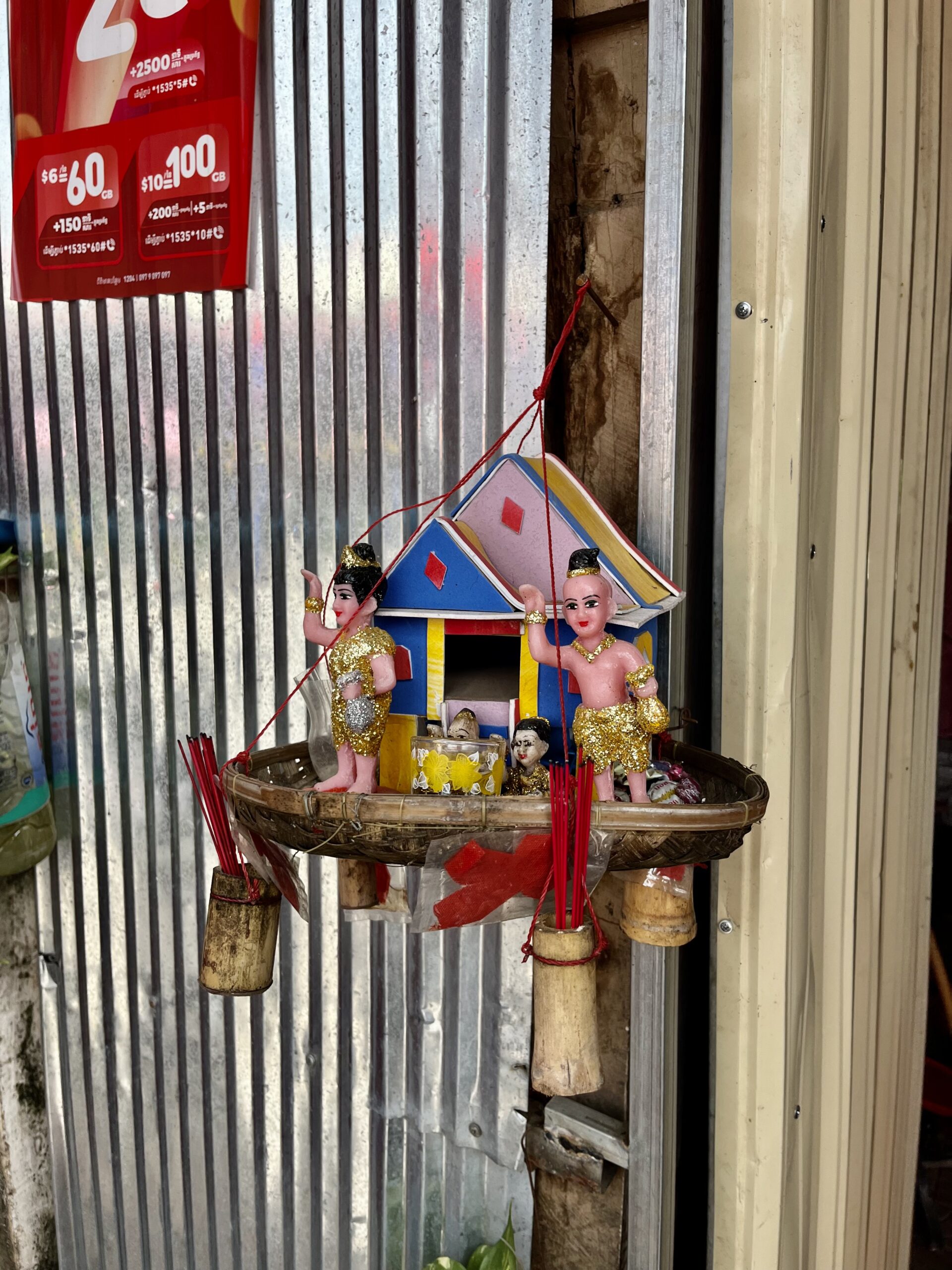
ម្រេញគង្វាល គឺជាភពអមនុស្ស ដែលជាកញ្ចក់ឆ្លុះបញ្ចាំងពីភពរបស់យើង ដែលភាគច្រើនយើងតែងតែហៅក្មេងឃ្វាលគោ ឃ្វាល ក្របី។ ដោយសាររឿងហ្នឹងវាទាក់ទងបាយសំណុំ ទឹកបំពង់ ដែ...
ព្រះភូមទេវតា ឬរានទេវតានេះ គេដាក់នឹង គឺភាគច្រើនគេដាក់សម្រាប់ឱ្យពពួកភូមទេវតារស់នៅ មានដូចជាអរុក្ខទេវតា ភូមិទេវតាដែលយើងហៅថាម្រេញគង្វាល ។ ហើយការដាក់ទាំងអស់...
អ្នកដែលមិនជឿលើព្រះបិតា លោកតាស្នាប់ បានជួបប្រទះអភ័យហេតុផ្សេងៗគ្នា៖ ម៉ូតូរបស់ពួកគេខូចនៅពេលបើកចូលព្រៃ ខណៈដែលមនុស្សខ្លះវិលត្រឡប់មកវិញបានដួលចេញពីម៉ូតូ បាក់...
บวชต้นไม้/buat ton mai, also known as 'tree ordination', is a method of conserving trees in Thailand rooted in Buddhism. The practice emerged as a res...
วัฒนธรรม/Wattanatham (meaning ‘culture’) is one of over one thousand terms coined by Prince Wan Waithayakon. In a 1975 interview, Prince Wan, who atte...
ธรรมชาติ/Thammachat, meaning ‘nature’ in Thai, was a term coined as part of a larger language policy spanning the late-19th and 20th centuries, involv...
ปะกำ (ภะษากูย) หรือ ผีปะกำ (ภาษาไทย) เป็นวัฒนธรรมที่พบได้เฉพาะในกลุ่มกูยอาจีงหรือกูยเลี้ยงช้างเท่านั้น เป็นวิญญาณของบรรพบุรุษกูยเลี้ยงช้างที่เป็นหมอหร...
This website uses strictly necessary cookies to function. We would also like to use functional and analytical cookies to improve your experience. You can choose to accept or decline.