文物/wén wù

Pronunciation: /wɛn wu/
Language: Mandarin
Contributors: JIA PENG
Also known as: Cultural good, Bien culturel

Description

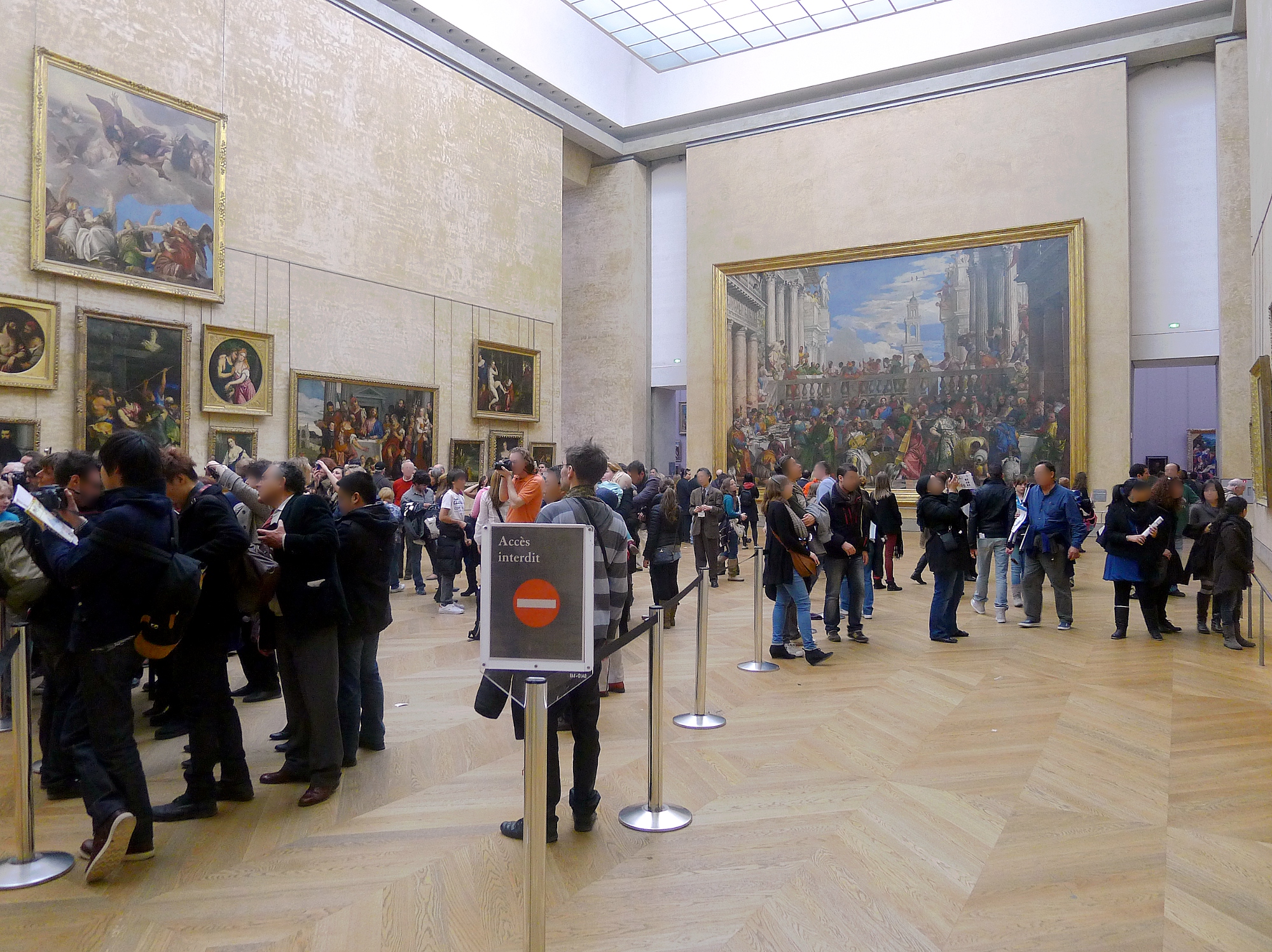
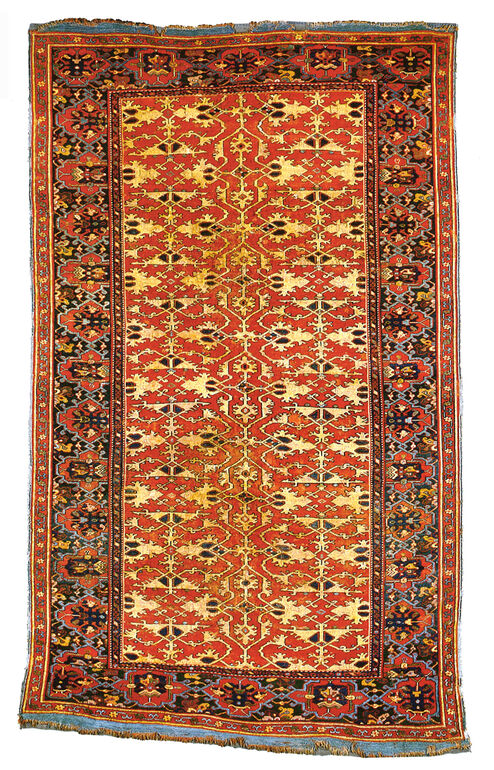
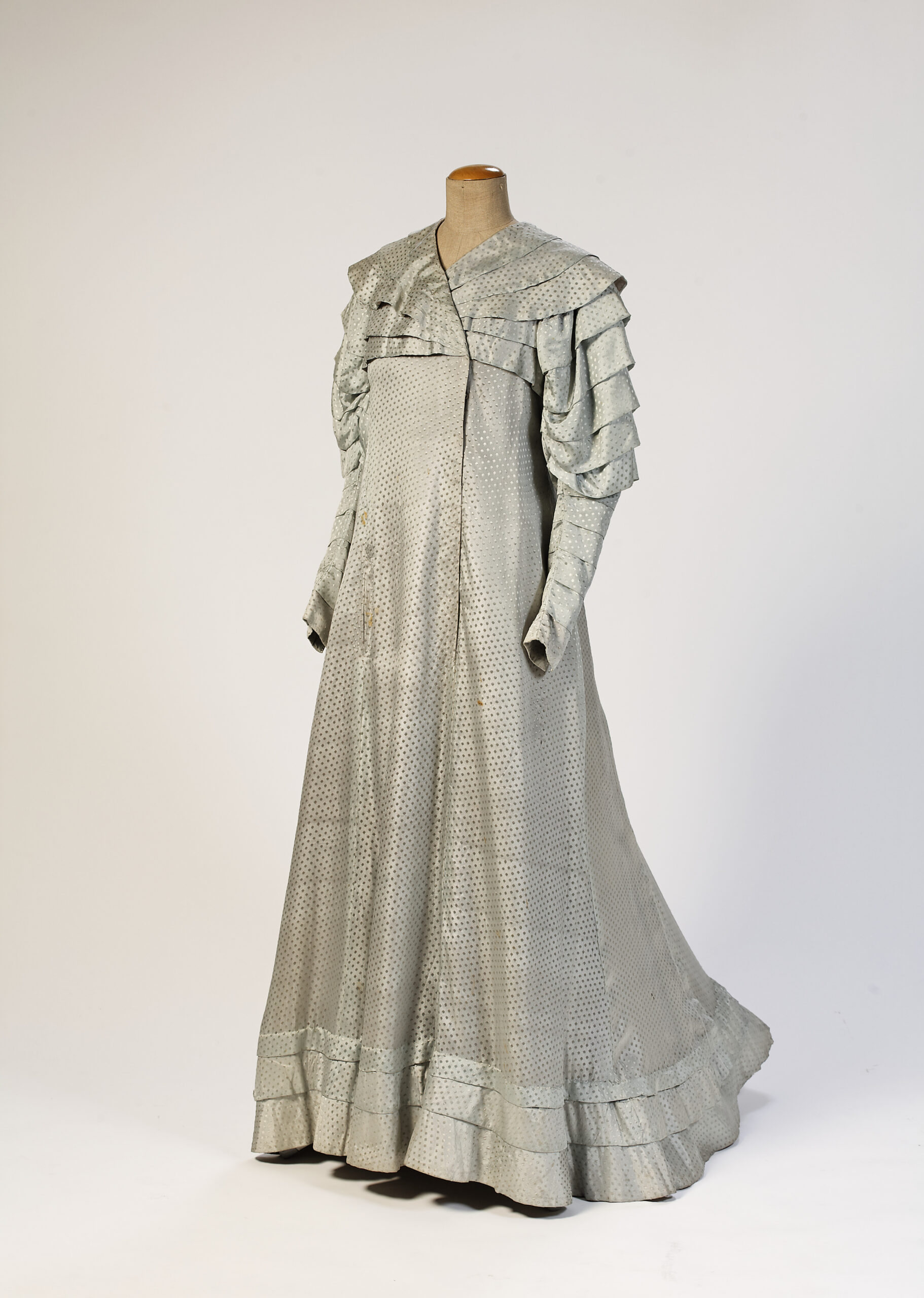
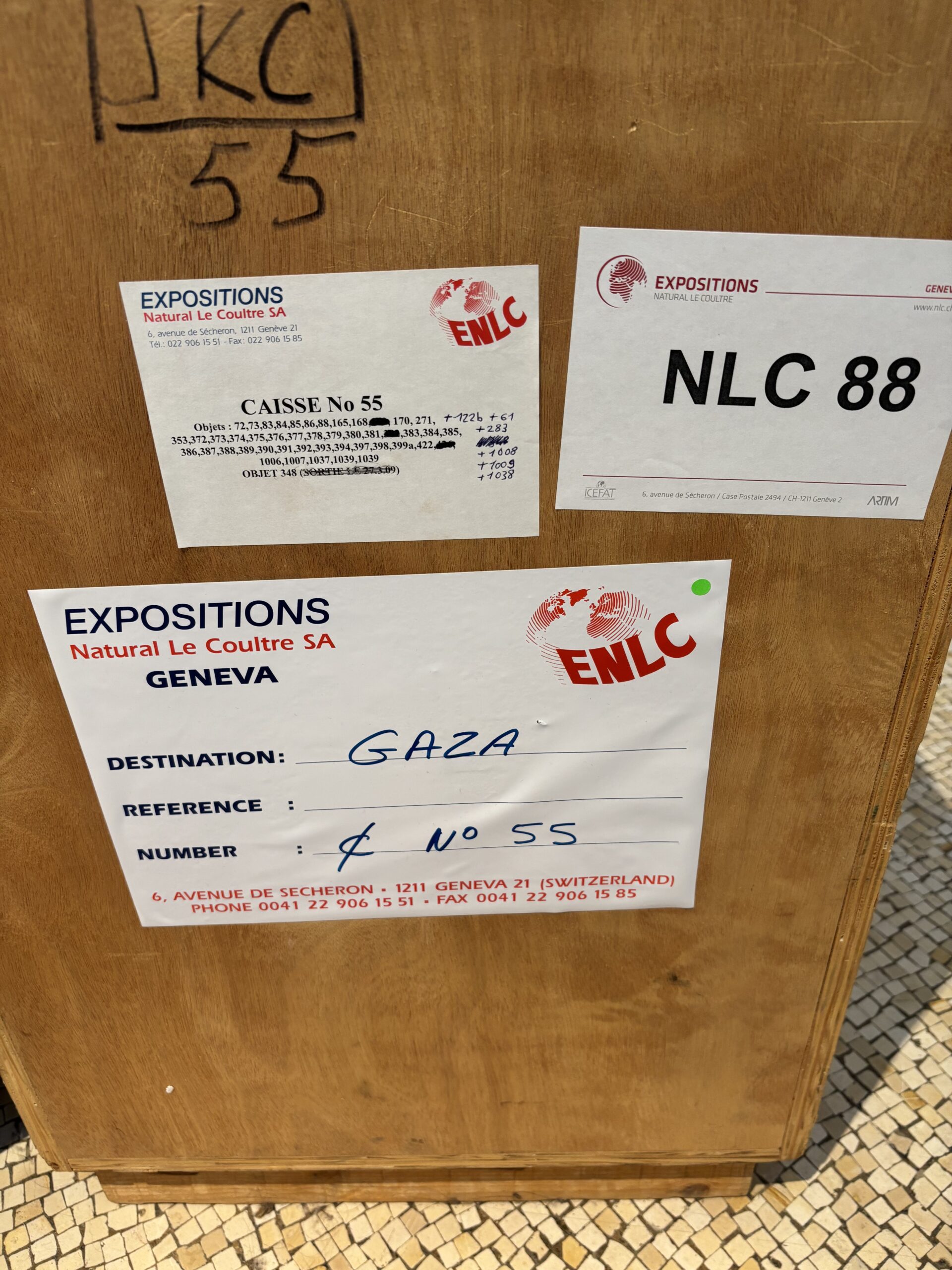
The term 文物/wén wù is defined in the modern Chinese language dictionary (教育部國語推行委員會 2021) as all objects of value that attest to the history and development of human society, such as buildings, everyday utensils, and works of art.

The earliest occurrence of 文物 can be found in the historical work Zuo Zhuan (左丘明, 公元前770-476年), written during the Warring States period. At that time, the term mainly referred to objects and instruments associated with ritual and musical functions (礼乐/lǐ yuè). During the Tang dynasty, the meaning of 文物 gradually broadened beyond ritual and funerary objects. Writers of the time, such as Du Mu and Yan Shigu, were already using the term to refer to the historical remains of earlier dynasties, an approach more akin to the modern meaning of the word (顏师古, 618-907).
In the early twentieth century, the meaning of 文物 continued to evolve: in 1930, the nationalist government enacted the Antiquities Preservation Act (古物保存法), officially broadening the concept of 文物 to include all archaeological and historical remains. In 1935, the publication of the Brief Survey of the Cultural Remains of the Ancient Capital (旧都文物略) further expanded the concept of文物 with the inclusion of ancient buildings and cultural sites. That same year, the Beiping Cultural Relics Restoration Committee (北平文物整理委员会) was founded to undertake systematic work to research and protect the文物 (李晓东 2005).

Since 1949, the term文物 has become a legal concept in the People’s Republic of China. It now encompasses a wide range of cultural property and relics, from historical monuments to objects of heritage interest (李晓东 2005).

Read more
Date of entry: March 31, 2025
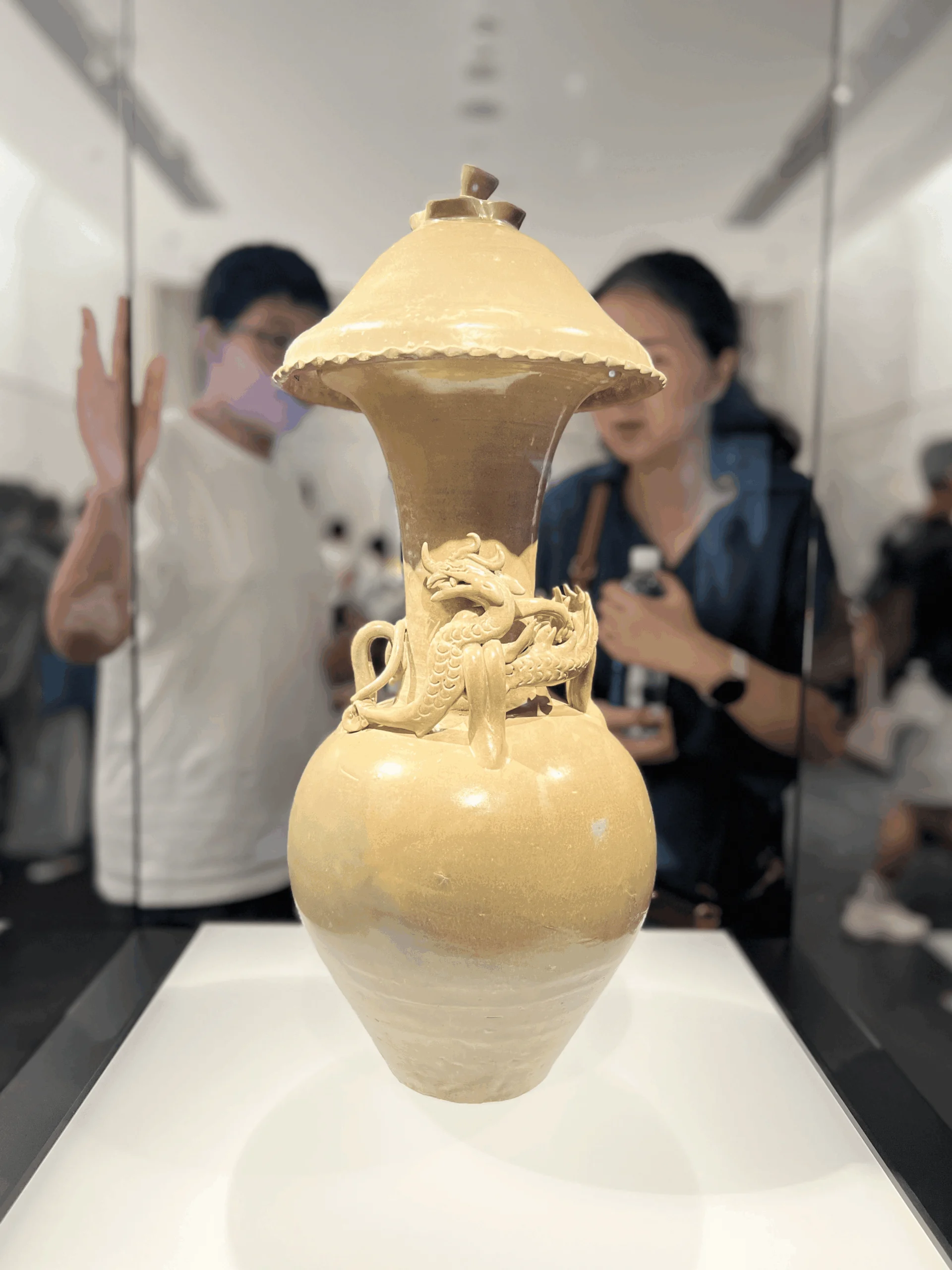
Figure 2: Tang Dynasty celadon vase, classified as a 文物 (heritage object). Shanghai Museum, December 21, 2024, by Jia Peng.
The name you would like to be credited with for your contribution.
The word you wish to contribute
Your email for contact and updates regarding your submission.
The language you are contributing the word in
Maximum file size: 3 MB
Maximum file size: 5 MB
By proceeding, I acknowledge and agree to GloCo's Legal notice and Terms of use
and the Guidelines for Contributors *

Related Words

IMG_3464 2
ลงรักปิดทอง/Long Rak Pit Thong
Thai

ลงรักปิดทอง/Long Rak Pit Thong, or ‘lacquering and gilding’, is both a Thai conservation technique and an act of worship and a way of making merit wit...

960px-Ephemera_collection;_Paper_bag_advertising_Bile_Beans_Wellcome_L0030503
Aassammeln
Deutsch

Eine Erweiterung des Vergleichs von Sammeln mit Jagd (zb. bei Donna Haraway). Hier wird extern ein Rahmen vorgegeben und die zu sammelnden Bilder etc....

960px-_Der_Weltkrieg__(Zigarettenalbum)_-_Einzelseite
Zigarettensammelalbum
Deutsch

Bei Zigarettenschachteln wurden aus Werbe- und Propagandazwecken Bilder beigelegt. Besonders bekannt und eine der ersten waren Baseballcards in den US...

ម្ចាស់ទឹកម្ចាស់ដី / Mchas Teuk, Mchas Dei
Khmer
mcheasatukamcheasadei

គេ​តែងតែ​គោរព​ពពួក​អស់​នឹង ព្រោះ​ពពួក​អស់​នឹង​គេ​តាម​បីបាច់​ថែរក្សា​យើង ហើយ​ខ្លះ​ទៀត ពេល​ណា​ដែល​ម្ចាស់ផ្ទះ​មាន​គ្រោះ មាន​ភ័យ មាន​អន្តរាយ​អ្វីមួយ​កើត​ម...

Shrine PP
ព្រះភូម / Preah Phum
Khmer

អ​ញ្ចឹ​ង​ពពួក​ភូមិ​ទេវតា តាម​ការពារ និង​ថែរក្សា​ម្ចាស់ផ្ទះ​នឹង ទាល់តែ​ម្ចាស់ផ្ទះ​នឹង​ជា​អ្នកមាន​ទាន មាន​សីល មាន​សេចក្តី​ល្អ ប្រព្រឹត្ត​សេចក្តី​ល្អ​ដែរ...

Spirit House
ម្រេញគង្វាល / Mrenh Kongveal
Khmer
m'renh kung'viel

ម្រេញគង្វាល គឺជាភពអមនុស្ស ដែលជាកញ្ចក់ឆ្លុះបញ្ចាំងពីភពរបស់យើង ដែលភាគច្រើនយើងតែងតែហៅក្មេងឃ្វាលគោ ឃ្វាល ក្របី។ ដោយសាររឿងហ្នឹងវាទាក់ទងបាយសំណុំ ទឹកបំពង់ ដែ...

Shrine
រានទេវតា / Rean Devata
Khmer
rien tevada

ព្រះភូមទេវតា ឬរានទេវតានេះ គេដាក់នឹង គឺភាគច្រើនគេដាក់សម្រាប់ឱ្យពពួកភូមទេវតារស់នៅ មានដូចជាអរុក្ខទេវតា ភូមិទេវតាដែលយើងហៅថាម្រេញគង្វាល ។ ហើយការដាក់ទាំងអស់...

Cambodia_2014_-_panoramio_(12)
លោកតាស្នាប់ / Lok Ta Snap
Khmer

អ្នកដែលមិនជឿលើព្រះបិតា លោកតាស្នាប់ បានជួបប្រទះអភ័យហេតុផ្សេងៗគ្នា៖ ម៉ូតូរបស់ពួកគេខូចនៅពេលបើកចូលព្រៃ ខណៈដែលមនុស្សខ្លះវិលត្រឡប់មកវិញបានដួលចេញពីម៉ូតូ បាក់...

10602790_322080884634495_1776057173_n
Lilanje
Serbian

Lilanje je drevni narodni običaj, tipičan za stanovništvo istočne Bosne i zapadne Srbije, koji, prema starim vjerovanjima, datira iz perioda prije hri...

image
Sicanje/Bocanje
Serbo-Croatian

Postoji pretpostavka da ritual Sicanja/Bocanja, ili tradicionalni običaj tetoviranja među katolkinjama iz današnje Bosne i Hercegovine i nekih dijelov...

error: