The GloCo logo has the letters GLOCO all capitalised in black. The letters GLO are in bold and the letters CO are in italics.

Contributions

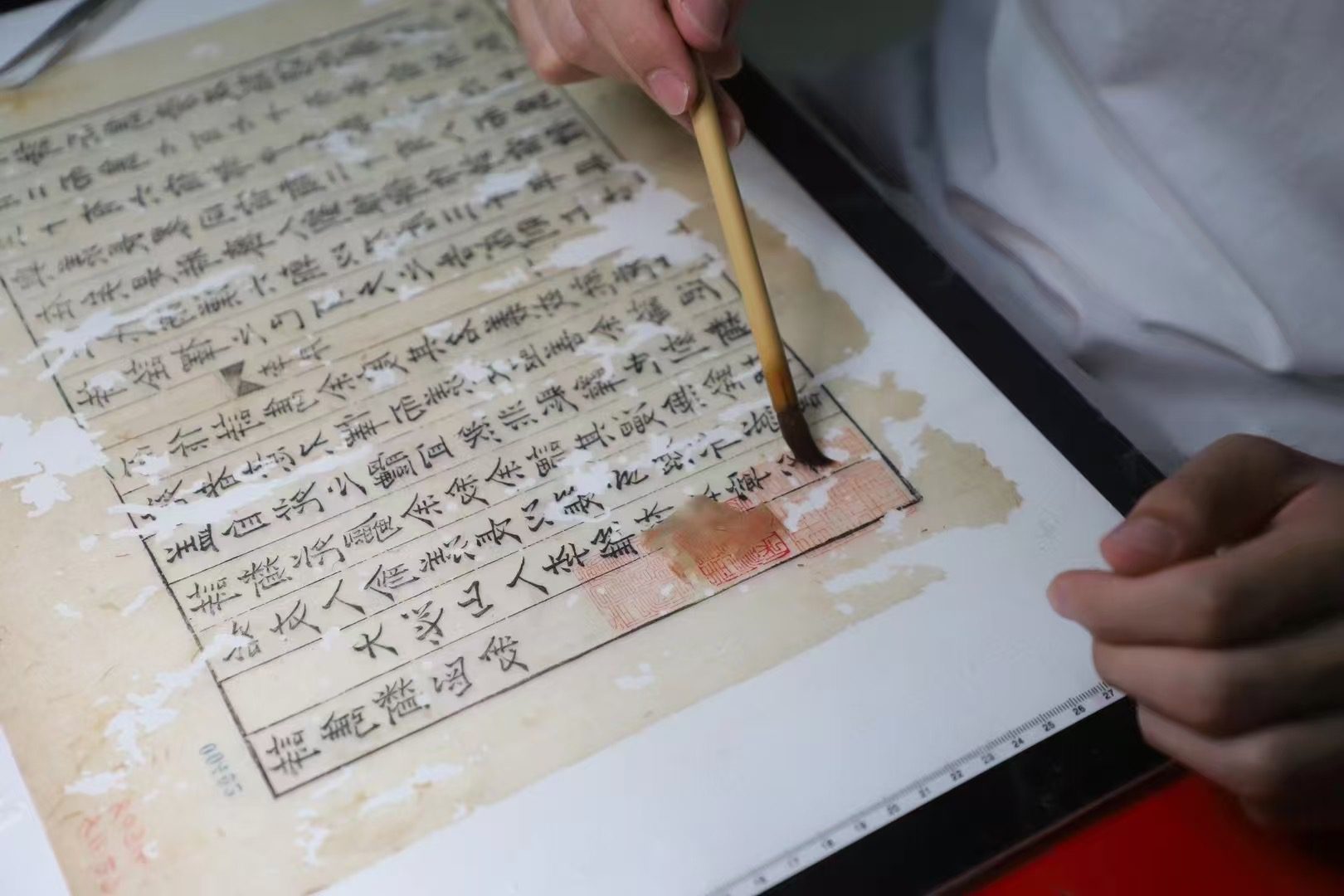
Figure 8: Brush wetting during the restoration of an ancient painting, known as 补水/bǔ shuǐ, as part of the 装潢 process. By He Liang Ren Pucheng.
装潢/ zhuāng huáng
Mandarin
/tʂwaŋ/ /xwaŋ/

Dans la langue chinoise moderne, le terme « 装潢/ zhuāng huáng » (zhuānghuáng) revêt trois sens, dont l’un fait référence à l’utilisation de papier te...

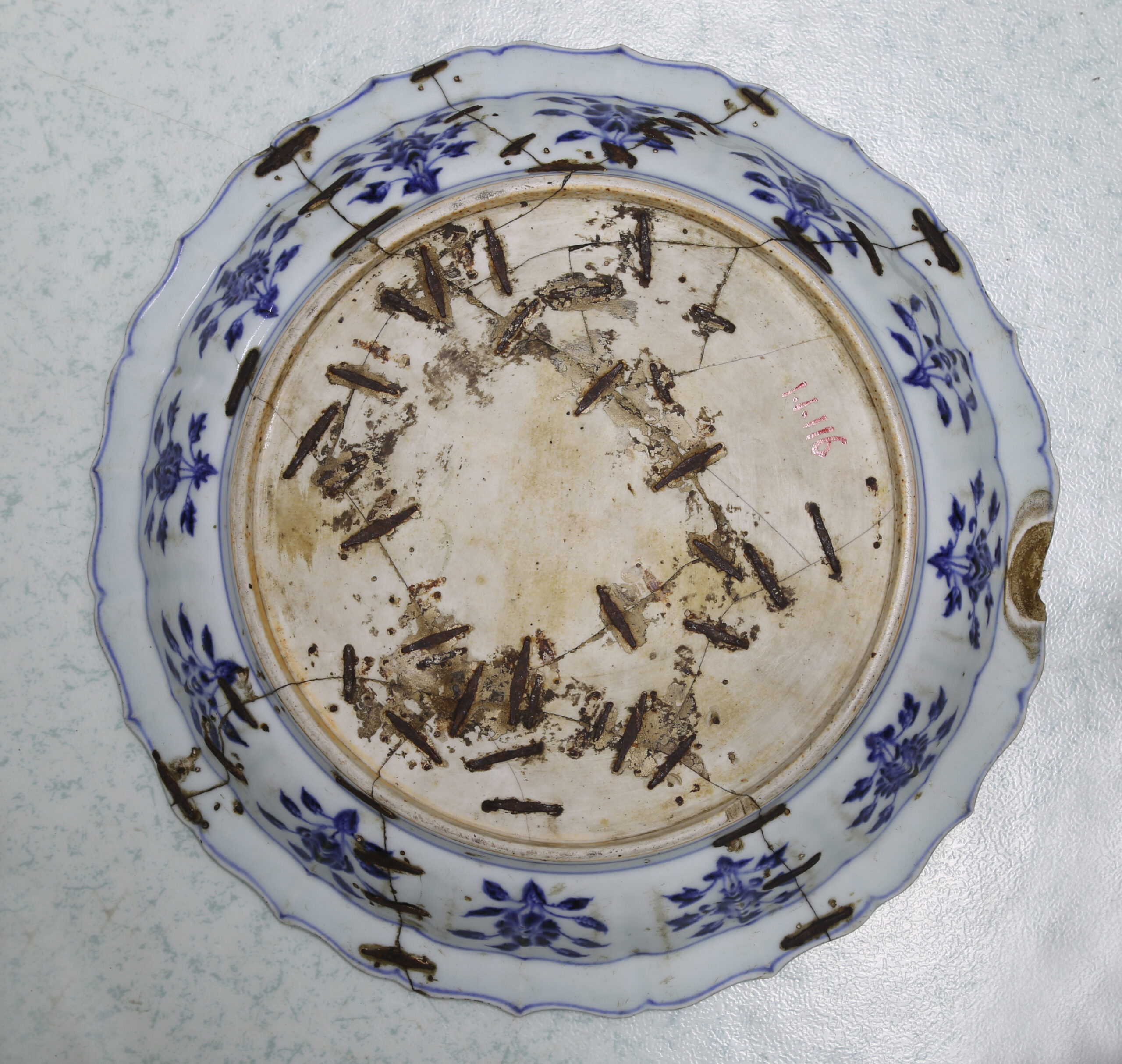
Figure 7: Blue and white porcelain dishes with floral decoration, intended for everyday use, dating from the Ming dynasty during the reign of Emperor Yongle (1403–1424) (朱 & 李 2022). The staples themselves have undergone several repairs. The Wanlin Museum of Art, Wuhan University, China, by Qi Li.
锔瓷/jū cí
Mandarin
/dʒy tshɨ/

In contemporary Chinese, the term 锔瓷/jū cí refers to a traditional technique for repairing ceramics using metal staples. Prior to the twentieth cent...

锔子/jū zi
Mandarin
/dʒy tsɨ/

According to modern Chinese language dictionaries, the term 锔子/jū zi refers to an instrument, usually fashioned from copper, iron, or another materi...

Eighteenth-century watercolor drawing of a ceramics repairer in a Beijing street. Source: ‘Streets of Peking: [drawing]. Digitisation of RESERVE OE-55 (A)-4’, volume II © BnF Gallica.
锔补/jū bǔ
Mandarin
/dʒy bu/

The term 锔补/jū bǔ is made up of two Chinese characters: 锔/jū and 补/bǔ. The character锔first appears in the phonology dictionary of Chinese charact...

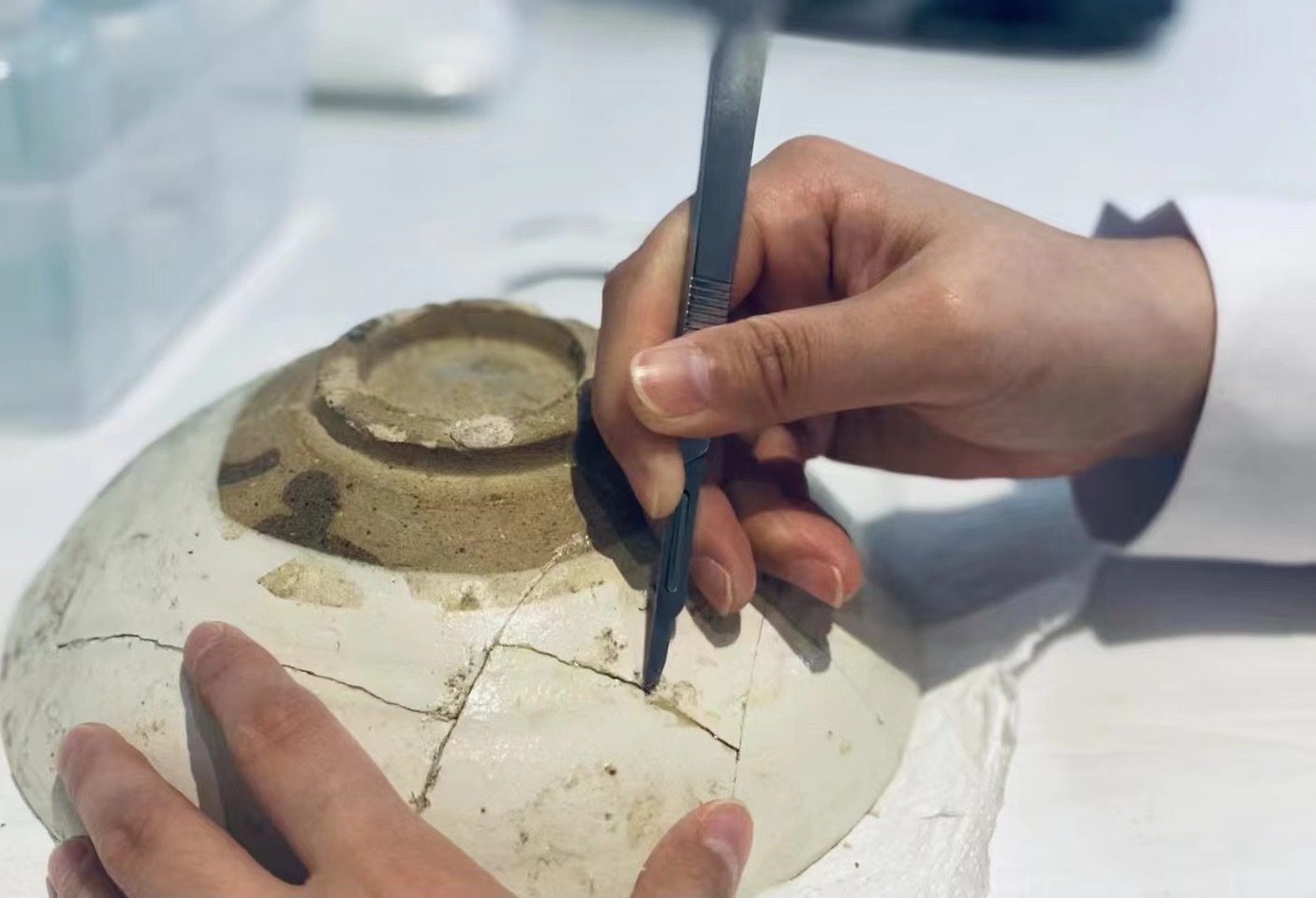
Figure 4: Cleaning during the restoration of a glazed stoneware bowl from the Jin dynasty (1115-1234). Jingdezhen, China, November 22, 2021, by Jia Peng.
修补/ xiū bǔ-修缮/xiū shàn-修复/ xiū fù
Mandarin
/ɕju bu/

In Chinese, the three terms 修补/xiū bǔ, 修缮/xiū shàn, and 修复/xiū fù all express the idea of making a damaged or incomplete object whole. However, ...

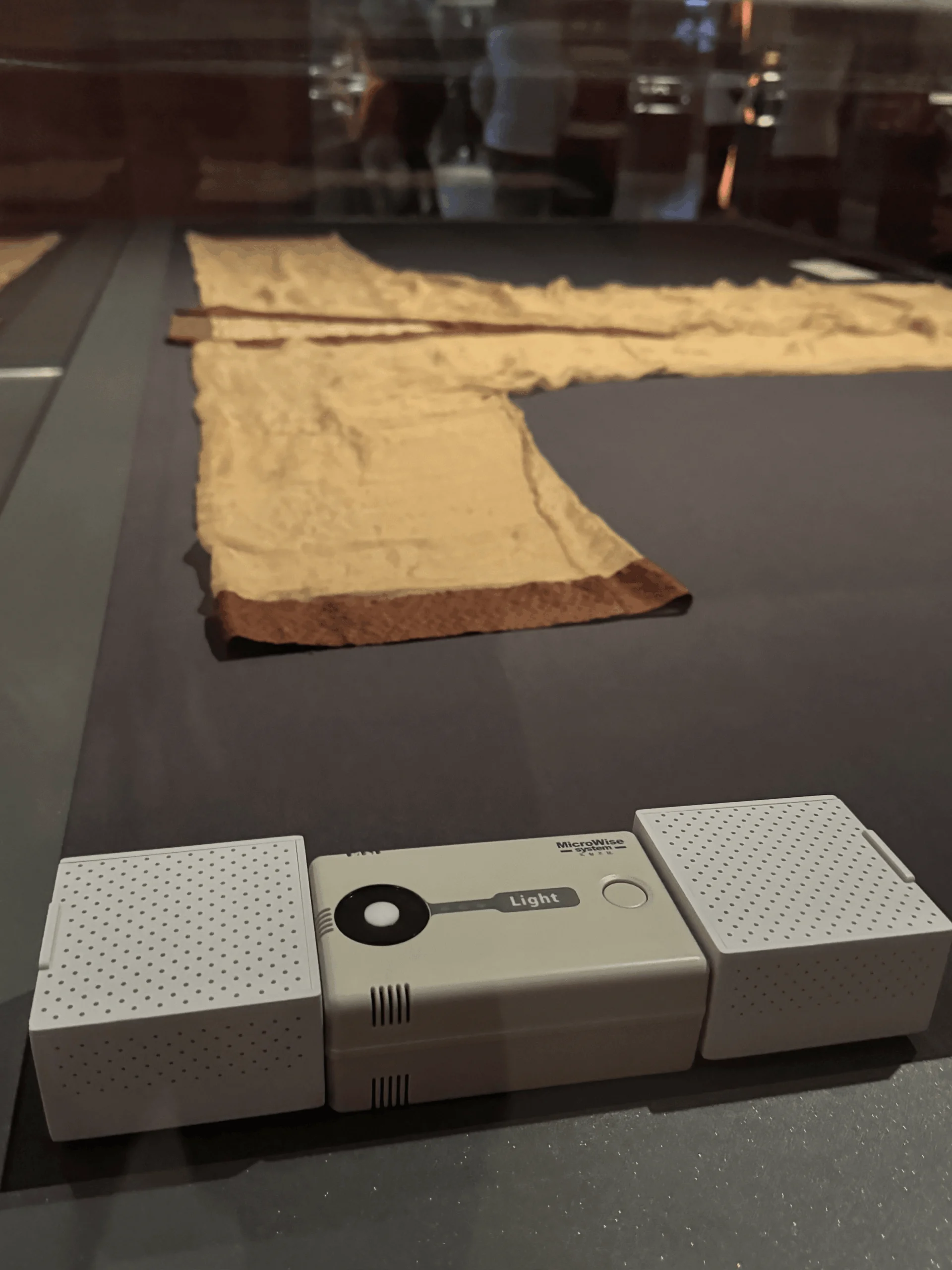
A view of a display case housing a Han Dynasty silk robe, integrated with a light, temperature, and humidity monitoring system to ensure an optimal environment for the preventive conservation of the cultural object, on February 7, 2025. Photograph by CHEN Zoe.
保护/bǎo hù
Mandarin
/baw.hu/

According to the Dictionary of Modern Chinese (漢典 2016), the term 保护/bǎo hù refers to the action of taking care of something, by protecting it fro...

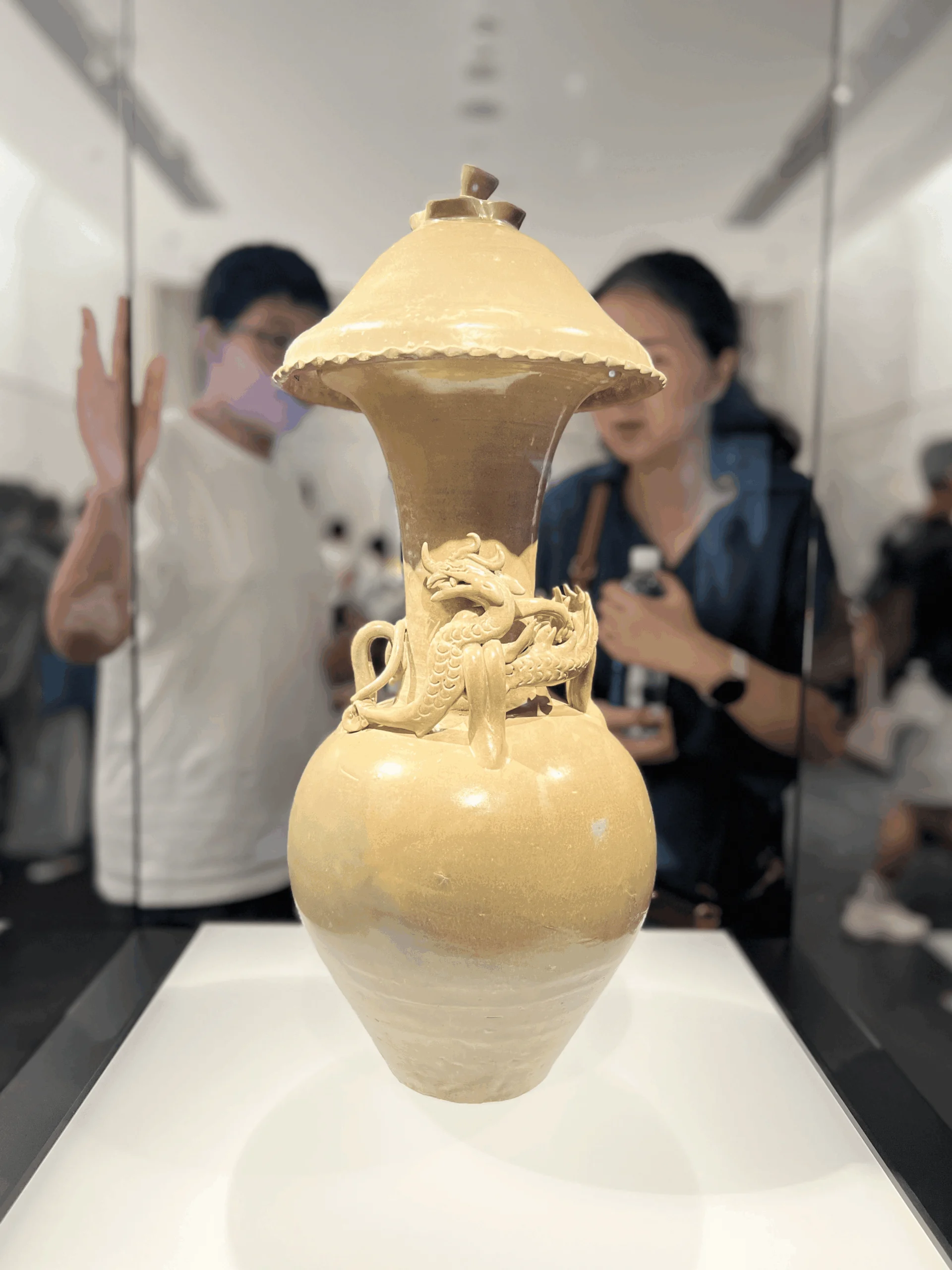
Figure 2: Tang Dynasty celadon vase, classified as a 文物 (heritage object). Shanghai Museum, December 21, 2024, by Jia Peng.
文物/wén wù
Mandarin
/wɛn wu/

The term 文物/wén wù is defined in the modern Chinese language dictionary (教育部國語推行委員會 2021) as all objects of value that attest to the histo...

博物馆_bó_wù_guǎn
博物馆/bó wù guǎn
Mandarin
/bo wu gwan/

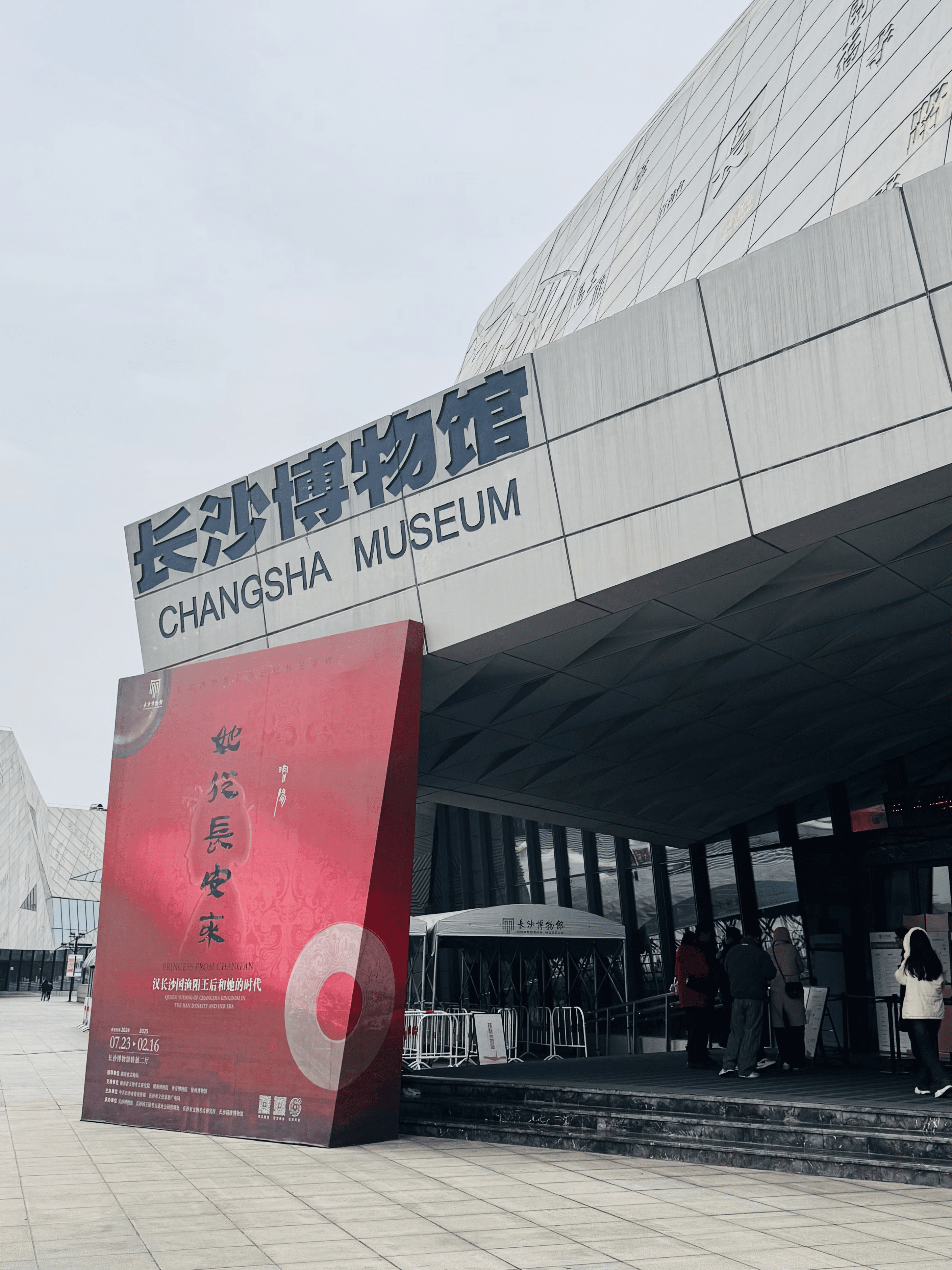
In contemporary Chinese dictionaries, the term 博物馆/bó wù guǎn refers to a place devoted to the permanent preservation and study of animals, plants,...

error: