ไม้ค้ำสะหรี (mai kham sahri)

Pronunciation: Mị̂ kĥả s̄a h̄ rī
Language: Thai
Also known as: ไม้ค้ำโพธิ์ (mai kham pho)

Description

ในภาษา ล้านนา – ซึ่งเป็นภาษากลุ่มไททางตะวันตกเฉียงใต้ที่ใช้ในภาคเหนือของประเทศไทย – ต้นโพธิ์เรียกว่า “ต้นสรี” หรือ “ต้นสะหรี” ดังนั้น “ไม้ค้ำสะหรี” จึงหมายถึง ไม้ค้ำต้นโพธิ์ ตามชื่อที่ระบุ ไม้ค้ำสะหรีคือไม้หรือเสาไม้ที่ปลายมักจะแยกออกคล้ายไม้ค้ำยัน ซึ่งใช้ค้ำพยุงต้นโพธิ์

ความเชื่อหลักที่เกี่ยวข้องกับการนำไม้ค้ำสะหรีมาค้ำต้นโพธิ์มีอยู่สามประการ ได้แก่ หนึ่ง การสนับสนุนพระพุทธศาสนาโดยการค้ำพยุงต้นไม้ที่เป็นสัญลักษณ์ของพระพุทธเจ้าและพุทธศาสนา สอง การสร้างบุญกุศลและขอพรให้สมปรารถนา และสาม การแสดงออกถึงการสนับสนุนชีวิตที่ยืนยาวและรุ่งเรือง

มีสองโอกาสสำคัญที่นิยมมีการนำไม้ค้ำสะหรีมาค้ำต้นโพธิ์ โดยเป็นส่วนหนึ่งของขบวนแห่ในประเพณีที่เรียกว่า “ประเพณีแห่ไม้ค้ำโพธิ์” ได้แก่ช่วงเทศกาลสงกรานต์ และในพิธีล้านนาแบบดั้งเดิมที่เรียกว่า “พิธีสืบชะตา”

Read more

In Lanna – a Southwestern Tai language used in Northern Thailand – the Bodhi tree is called ต้นสรี (Sri Tree) or ต้นสะหรี (Sahri Tree). Mai kham sahri, therefore, directly translates to a Sahri Crutch. Like the name suggests, the mai kham sahri is a wooden stick/pole, typically with a fork at the end to resemble a crutch, that is propped up against a Bodhi tree.

There are three main beliefs associated with adding a mai kham sahri. One is to support Buddhism by providing literal support to the tree that symbolises Buddha and Buddhism, the second is as a way of making merit and having their wishes granted, and the third is to symbolise support for a long and prosperous life.

There are two main occasions where the mai kham sahri is added to the Bodhi tree as part of a procession known as the mai kham sahri procession (ประเพณีแห่ไม้ค้ำโพธิ์): Songkran (Thai New Year) and as part of the Lanna tradition of พิธีสืบชะตา (piti sueb chada) or ‘fate-extending ceremony’.

ชมรมฮักตั๋วเมือง สำนักส่งเสริมศิลปวัฒนธรรม มหาวิทยาลัยเชียงใหม่ [Hug Tua Muang Club, Office of Arts and Culture Promotion, Chiang Mai University]. 2024. พิธีสืบชะตาตามความเชื่อชาวล้านนา “ชะตาคน-ชะตาบ้าน-ชะตาเมือง” [The ceremony of prolonging one’s destiny according to the beliefs of the Lanna people: “”People’s destiny – House’s destiny – City’s destiny]. 3 January. Matichon Weekly. Available at:
https://www.matichonweekly.com/column/article_112914.

สนั่น ธรรมธิ [Sanan Thammathi]. n.d. สะหรี [Sahri]. The Center for the Promotion of Arts and Culture, The Lanna Traditional House Museum, Chiang Mai University. Available at: https://art-culture.cmu.ac.th/Museum/treedetail/34.

สนั่น ธรรมธิ [Sanan Thammathi]. 2022. แห่ไม้ค้ำสะหรี [Parade of Sahris]. 13 May. Lanna Magazine On Cloud. Available at: https://accl.cmu.ac.th/Knowledge/details/2628#:~:text=ไม้ค้ำสะหรี%20หมายถึง%20ไม้ค้ำส่วน,สุดท้ายถือเป็นการค้ำจุนพระพุทธ.

Department of Fine Arts, Public Relations and Dissemination Group. 2016. การแห่ไม้ก๊ำสะหรี (ไม้ค้ำโพธิ์) [The procession of the Mai Kum Sahri (Mai Kum Bodhi)].
Available at:
https://www.finearts.go.th/promotion/view/33537-การแห่ไม้ก๊ำสะหรี–ไม้ค้ำโพธิ์-#:~:text=การแห่ไม้ค้ำสะหรีนิยมทำใน,จะจัดขบวนแห่อย่าง.

Date of entry: June 22, 2025
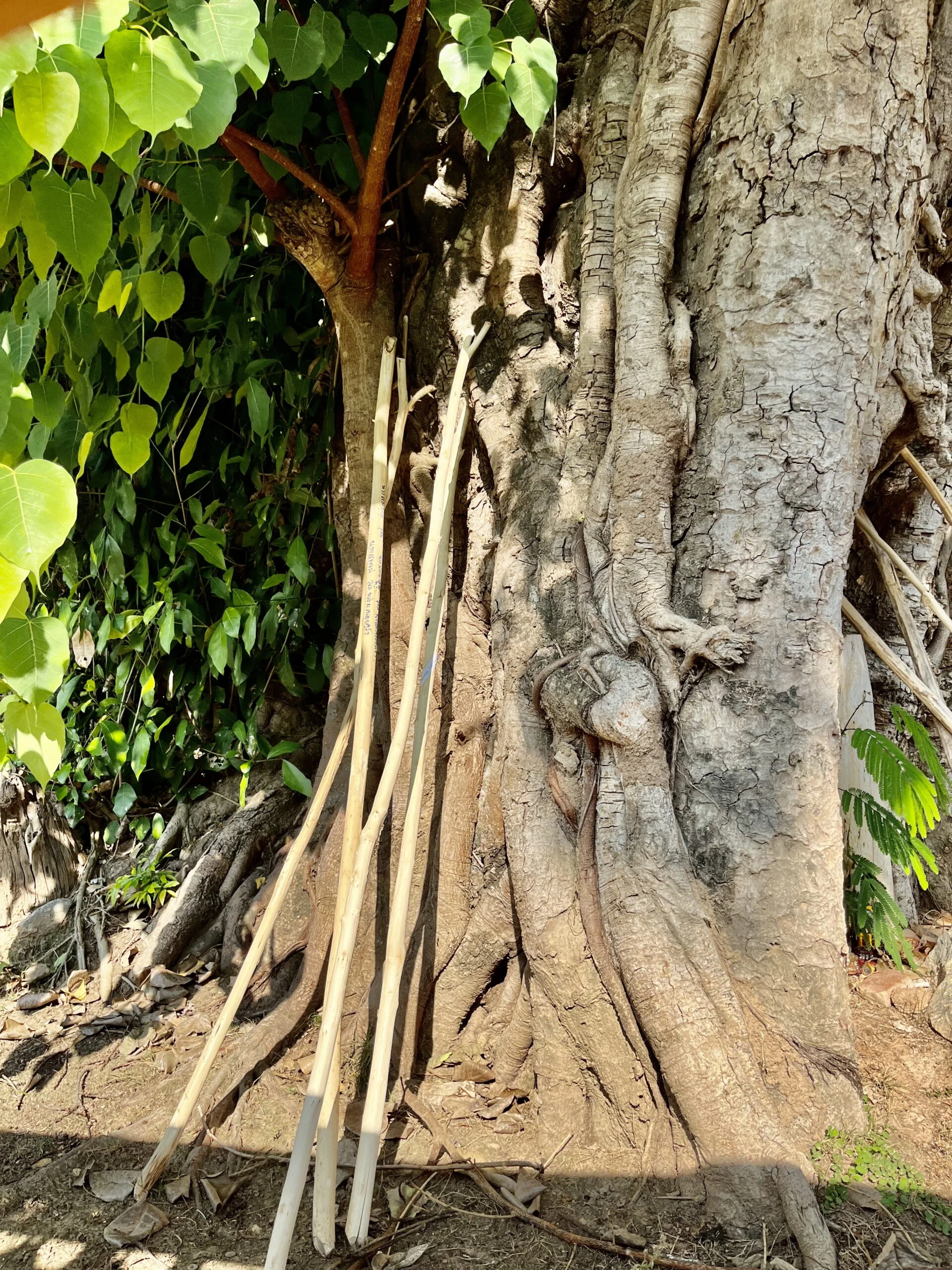
Long pale sticks with a V shaped notch at the top propped up against the trunk of a large tree
Mai kham sahri leaning against a Bodhi tree at Wat Phrathat Chae Haeng in Nan province, Thailand. Photograph by Alisa Santikarn, April 2025.
The name you would like to be credited with for your contribution.
The word you wish to contribute
Your email for contact and updates regarding your submission.
The language you are contributing the word in
Maximum file size: 3 MB
Maximum file size: 5 MB
By proceeding, I acknowledge and agree to GloCo's Legal notice and Terms of use
and the Guidelines for Contributors *

Related Words

IMG_3464 2
ลงรักปิดทอง/Long Rak Pit Thong
Thai

ลงรักปิดทอง/Long Rak Pit Thong, or ‘lacquering and gilding’, is both a Thai conservation technique and an act of worship and a way of making merit wit...

ម្ចាស់ទឹកម្ចាស់ដី / Mchas Teuk, Mchas Dei
Khmer
mcheasatukamcheasadei

គេ​តែងតែ​គោរព​ពពួក​អស់​នឹង ព្រោះ​ពពួក​អស់​នឹង​គេ​តាម​បីបាច់​ថែរក្សា​យើង ហើយ​ខ្លះ​ទៀត ពេល​ណា​ដែល​ម្ចាស់ផ្ទះ​មាន​គ្រោះ មាន​ភ័យ មាន​អន្តរាយ​អ្វីមួយ​កើត​ម...

Shrine PP
ព្រះភូម / Preah Phum
Khmer

អ​ញ្ចឹ​ង​ពពួក​ភូមិ​ទេវតា តាម​ការពារ និង​ថែរក្សា​ម្ចាស់ផ្ទះ​នឹង ទាល់តែ​ម្ចាស់ផ្ទះ​នឹង​ជា​អ្នកមាន​ទាន មាន​សីល មាន​សេចក្តី​ល្អ ប្រព្រឹត្ត​សេចក្តី​ល្អ​ដែរ...

Spirit House
ម្រេញគង្វាល / Mrenh Kongveal
Khmer
m'renh kung'viel

ម្រេញគង្វាល គឺជាភពអមនុស្ស ដែលជាកញ្ចក់ឆ្លុះបញ្ចាំងពីភពរបស់យើង ដែលភាគច្រើនយើងតែងតែហៅក្មេងឃ្វាលគោ ឃ្វាល ក្របី។ ដោយសាររឿងហ្នឹងវាទាក់ទងបាយសំណុំ ទឹកបំពង់ ដែ...

Shrine
រានទេវតា / Rean Devata
Khmer
rien tevada

ព្រះភូមទេវតា ឬរានទេវតានេះ គេដាក់នឹង គឺភាគច្រើនគេដាក់សម្រាប់ឱ្យពពួកភូមទេវតារស់នៅ មានដូចជាអរុក្ខទេវតា ភូមិទេវតាដែលយើងហៅថាម្រេញគង្វាល ។ ហើយការដាក់ទាំងអស់...

Cambodia_2014_-_panoramio_(12)
លោកតាស្នាប់ / Lok Ta Snap
Khmer

អ្នកដែលមិនជឿលើព្រះបិតា លោកតាស្នាប់ បានជួបប្រទះអភ័យហេតុផ្សេងៗគ្នា៖ ម៉ូតូរបស់ពួកគេខូចនៅពេលបើកចូលព្រៃ ខណៈដែលមនុស្សខ្លះវិលត្រឡប់មកវិញបានដួលចេញពីម៉ូតូ បាក់...

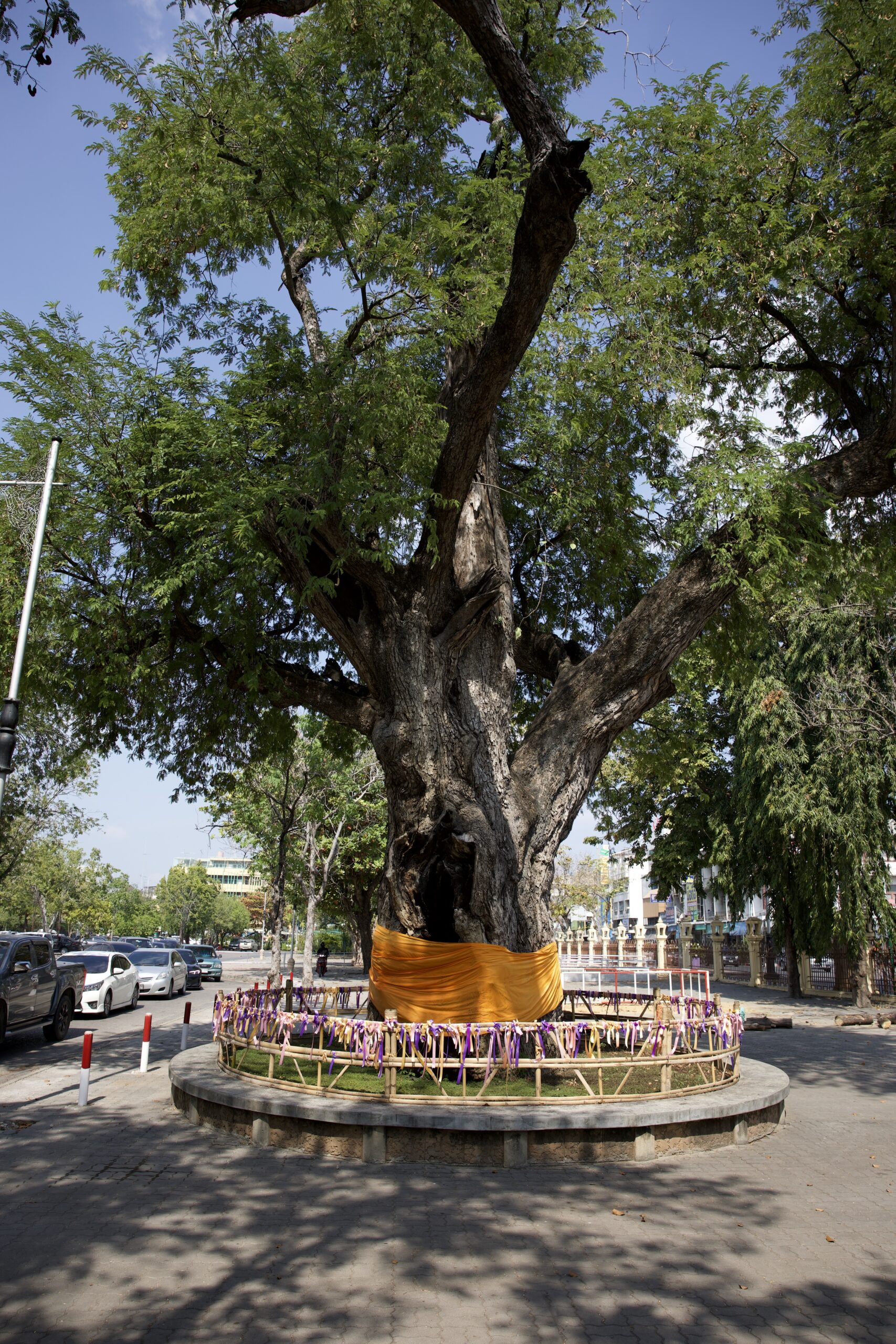
A large tree with green leaves and thick strip of orange cloth wrapped around its base. The tree is enclosed with a round metal fence. Outside of the fence is pavement, with a row of parked cars down the left side.
บวชต้นไม้/buat tonmai
Thai
Bwch t̂nmị̂

บวชต้นไม้/buat ton mai, also known as 'tree ordination', is a method of conserving trees in Thailand rooted in Buddhism. The practice emerged as a res...

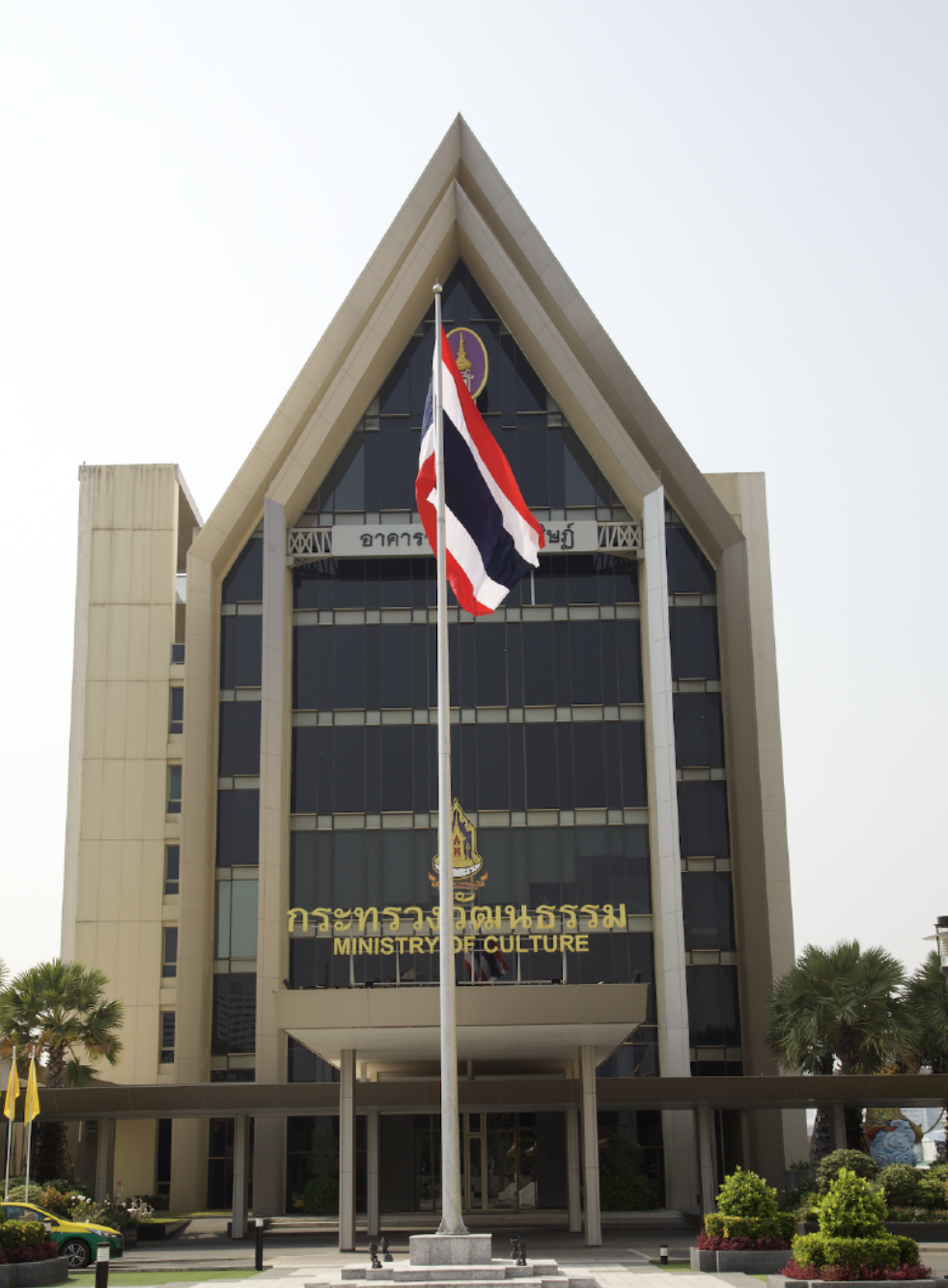
A building with large windows and a triangular roof. The sign reads: Ministry of Culture. There is a Thai flag with red, white, blue, white and red horizontal stripes on a flag pole in front of the building.
วัฒนธรรม/Wattanatham
Thai
Wạtʹhnṭhrrm

วัฒนธรรม/Wattanatham (meaning ‘culture’) is one of over one thousand terms coined by Prince Wan Waithayakon. In a 1975 interview, Prince Wan, who atte...

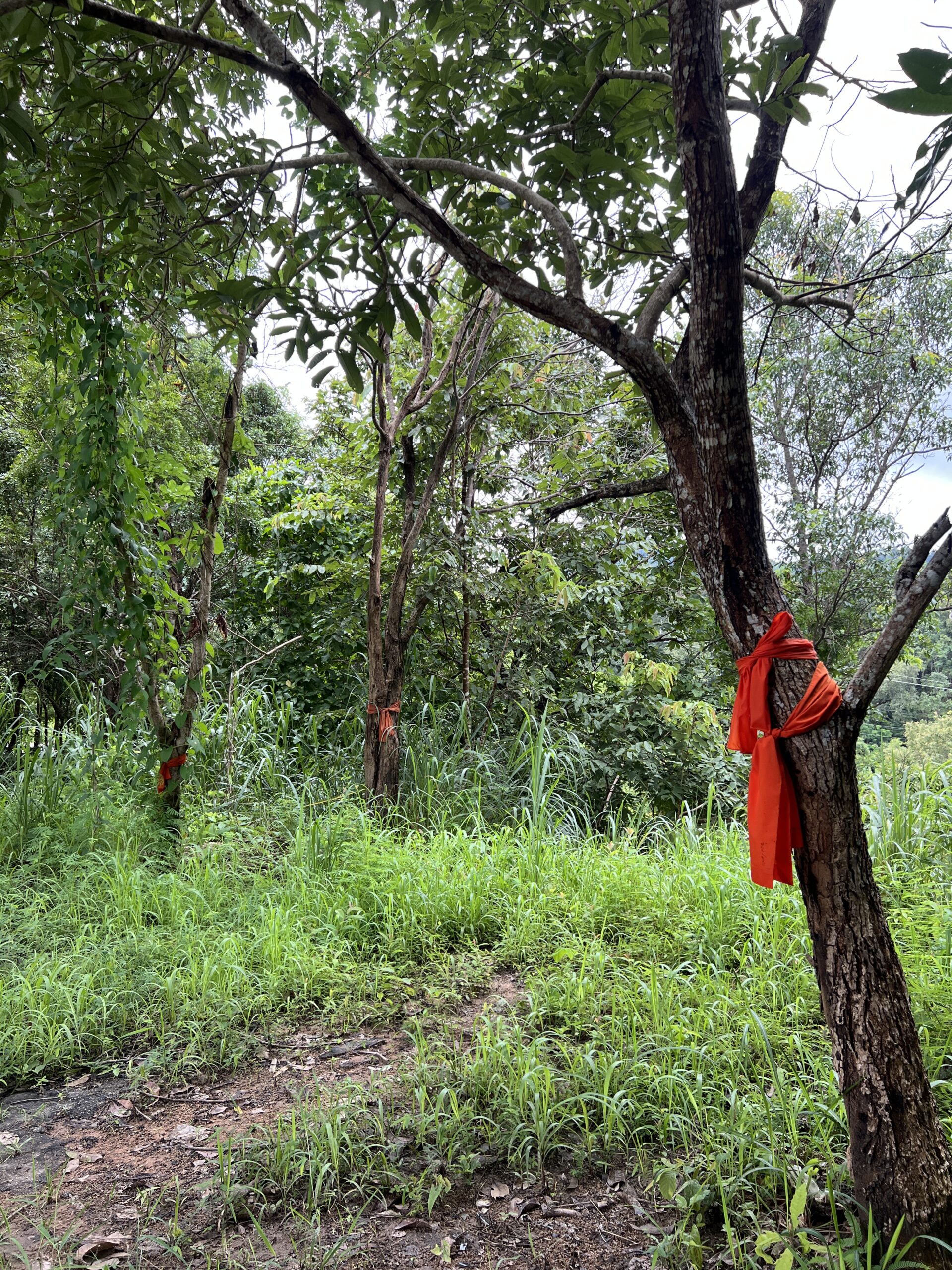
A sparse forest with thin trees. The trees are each wrapped in a strip of bright red/orange cloth.
ธรรมชาติ/thammachat
Thai
Ṭhrrmchāt

ธรรมชาติ/Thammachat, meaning ‘nature’ in Thai, was a term coined as part of a larger language policy spanning the late-19th and 20th centuries, involv...

Statue of a man sitting cross-legged, carved in white, holding up a lasso in his right hand.
ปะกำ/Pakam
Kui (Thailand)
pĕē pakam

ปะกำ (ภะษากูย) หรือ ผีปะกำ (ภาษาไทย) เป็นวัฒนธรรมที่พบได้เฉพาะในกลุ่มกูยอาจีงหรือกูยเลี้ยงช้างเท่านั้น เป็นวิญญาณของบรรพบุรุษกูยเลี้ยงช้างที่เป็นหมอหร...

error: