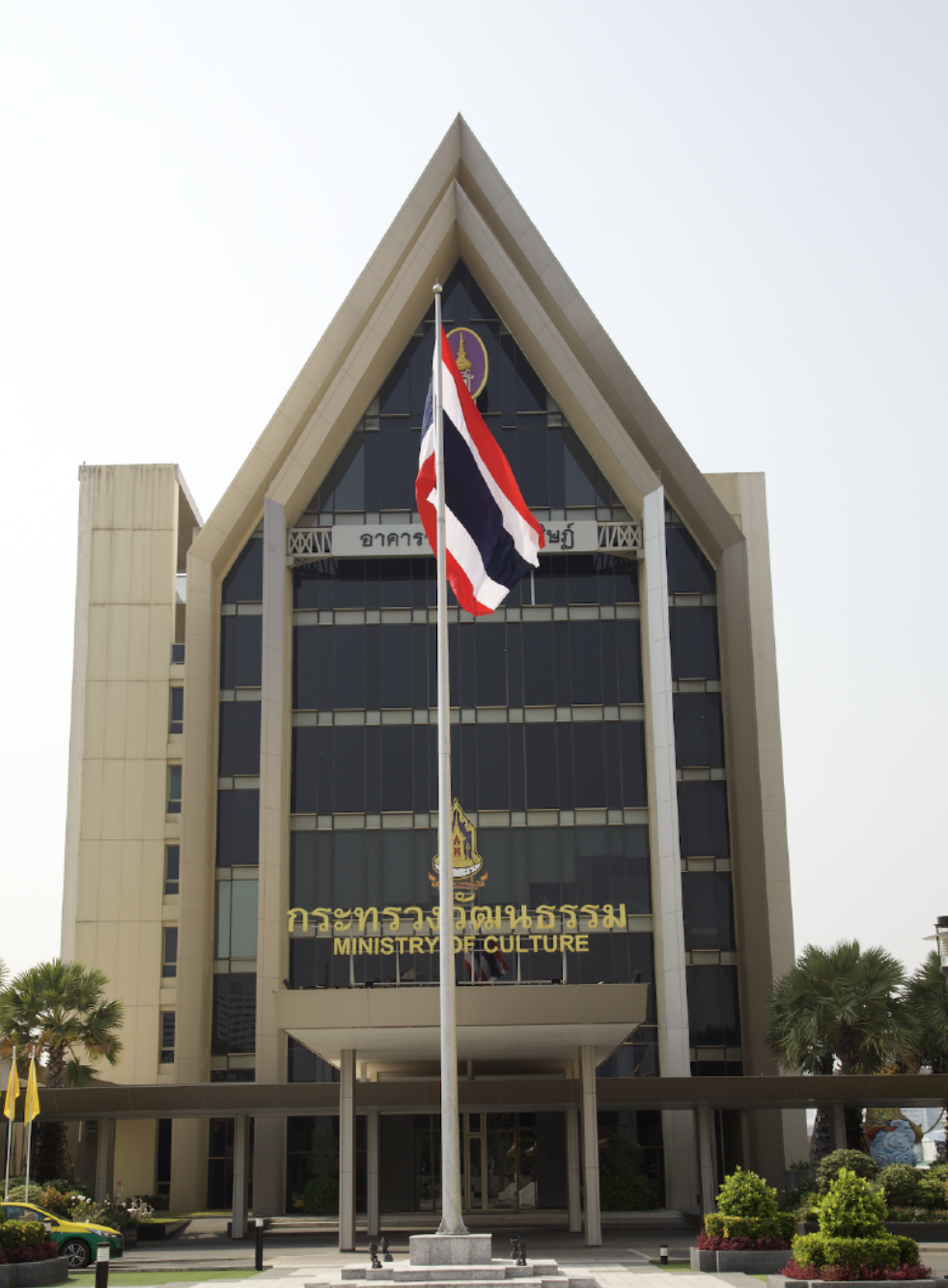
The direct translation of ‘Intangible Cultural Heritage’ (ICH) into Thai is ‘มรดกทางวัฒนธรรมที่จับต้องไม่ได้’. However, the government felt that this term did not translate well, and had the potential to be misunderstood (Department of Cultural Promotion, 2015, p. 5). Various alternatives were suggested, including ‘abstract cultural heritage’ (มรดกวัฒนธรรมเชิงนามธรรม), ‘spiritual cultural heritage’ (มรดกวัฒนธรรมทางจิตใจ), and ‘non-material cultural heritage’ (มรดกวัฒนธรรมที่ไม่เป็นวัตถุ) (Department of Cultural Promotion, 2015, p. 5). However, it was felt that each of these options had issues when translated back into English (Department of Cultural Promotion, 2015, p. 5). Due to this debate, the National Culture Mission used ‘cultural heritage’ (มรดกภูมิปัญญาทางวัฒนธรรม) in lieu of intangible cultural heritage until 31 August 2009, after which the preferred translation of มรดกภูมิปัญญาทางวัฒนธรรม (morodok phumibanya thang wattanatham), or ‘cultural wisdom heritage’, was decided upon (Department of Cultural Promotion, 2015, p. 6). Morodok phumibanya thang wattanatham is not an exact translation of intangible cultural heritage. For example, when referring to the 2003 Convention for the Safeguarding of the Intangible Cultural Heritage, the government opted to use the literal translation, มรดกทางวัฒนธรรมที่จับต้องไม่ได้ (Department of Cultural Promotion, 2015, p. 6).
Furthermore, where UNESCO divides ICH into five domains, the Thai government divides this heritage into seven parts. This is because the Ministry of Culture “believe that Thailand has intangible cultural heritage that is distinctive and unique”, and accordingly, requires more categories to encompass it, thus making it “more consistent with the cultural context of Thailand” (Department of Cultural Promotion, 2015, pp. 6–7).
The seven categories of ICH in Thailand are (with numbers 3 and 4 being additions to UNESCO’s domains):
1. Performing arts
2. Traditional craftsmanship
3. Folk literature (วรรณกรรมพื้นบ้าน)
4. Thai wisdom sports (กีฬาภูมิปัญญาไทย)
5. Social practices, rituals and festivals
6. Knowledge and practices about nature and the universe
7. Language