ผี phi

Pronunciation: pĕē
Language: Thai
Also known as: spirit, ghost

Description

“ผี” แปลว่า ‘spirit’ หรือ ‘ghost’ ในภาษาอังกฤษ นักวิชาการชาวไทย อาภาภิรัตน์ วัลลิโภดม (2536: 10) ได้เขียนว่า วิญญาณในประเทศไทยเป็นสื่อกลางระหว่างมนุษย์กับธรรมชาติ: “ผี คือ “จิต”ของจักรวาล และสังคม ครอบคลุมมิติต่าง ๆ แห่งชีวิต ผีอยู่ในคน สัตว์ พืช สิ่งของ ซึ่งไม่ได้เป็นอยู่อย่างโดดเดี่ยว หากแต่สัมพันธ์กับความเป็นไปของจักรวาล”

ผีในประเทศไทยแบ่งออกเป็นสองประเภท ได้แก่ “ผีดี” ซึ่งเป็นมิตร คุ้มครอง และนำโชค และ “ผีร้าย” ซึ่งก่อให้เกิดอันตรายหรือโชคร้าย โดยทั่วไป ผีดี สามารถจำแนกออกเป็นสามประเภทหลัก (Mahidol Mysteries, 2564):

1. ผีบรรพบุรุษ
2. ผีธรรมชาติ
3. ผีวีรบุรุษ

ผีธรรมชาติเป็นวิญญาณที่อาศัยอยู่และปกป้องส่วนต่าง ๆ ของธรรมชาติ ซึ่งรวมถึง ผีป่า ผีน้ำ ผีฟ้า และพระภูมิเจ้าที่ นอกจากนี้ยังมีผีที่สิงอยู่ในต้นไม้บางชนิด เช่น นางตานี ที่สถิตในต้นกล้วย และนางตะเคียน ที่สถิตในต้นตะเคียน

ความเชื่อในวิญญาณที่ผูกพันกับธรรมชาตินี้สะท้อนให้เห็นถึงแนวคิดที่มองธรรมชาติและวัฒนธรรมเป็นอันหนึ่งอันเดียวกันและต้องรักษาสมดุล อาภาภิรัตน์ วัลลิโภดม (2536: 10) กล่าวว่า ความเชื่อนี้เป็นรากฐานของปรัชญาที่ตระหนักว่า “ทุกสิ่งในจักรวาลล้วนสัมพันธ์และพึ่งพาอาศัยซึ่งกันและกัน มนุษย์เป็นเพียงส่วนเล็ก ๆ บนสายโซ่ความสัมพันธ์อันยิ่งใหญ่ของธรรมชาติ ท่าทีของคนต่อสรรพสิ่งจึงมีลักษณะเคารพยำเกรง อ่อนน้อมถ่อมตน และพยายามรักษาสมดุลโดยปรับตัวเข้าหาและเป็นหนึ่งเดียวกับธรรมชาติ เพื่อเชื่อมตัวเองให้เข้ากับศูนย์กลาง ของจักรวาลและนิรันดร์กาล”

ความเชื่อในผีที่เกี่ยวข้องกับธรรมชาตินี้ยังช่วยส่งเสริมการอนุรักษ์ธรรมชาติด้วย ทิดหมู มักม่วน (2564) เขียนว่า การรักษาป่าของคนโบราณอีสานฉลาดนัก แทนที่จะมอบให้คนรักษาแต่ไม่มอบให้ เพราะคนรู้จักและเข้าใจคนว่าชอบแต่ได้ไม่ชอบเสีย และไม่ซื่อตรง แอบลักลอบทำการเอาประโยชน์ส่วนตน จึงมอบให้ผีปกปักรักษาป่า สร้างที่อยู่ให้ผี […] แล้วทำการเชิญผีมาอยู่” ผีที่กล่าวถึงคือ ผีบรรพบุรุษ หรือ ดอนปู่ตา ซึ่งคอยดูแลผืนดินและปกป้องลูกหลาน อย่างไรก็ตาม ความเชื่อในดอนปู่ตากำลังจางหายไปเมื่อวิถีชีวิตของหมู่บ้านเปลี่ยนแปลง ทิดหมู (2564) บรรยายว่าผีปู่ตาได้มาหาหมอผีของหมู่บ้านชื่อ เต่าแจ่ม และบอกเขาว่า “เห็นสิอยู่หม่องเก่าบ่ได้ละเด้อ กูถืก [รถแทรกเตอร์] มันมาไถมาดุนจนตูบกูพังทลายลงเบิดแล้ว […] คือสิได้ไปหาหม่องอยู่ใหม่”

Read more

‘Phi’ translates to ghost or spirit. Thai scholar, Aphapirat Wallipodom (1993, p. 10) writes that spirits in Thailand mediate the relationship between people and nature: “spirits are the ‘heart’ of the universe and society, covering all dimensions of life. Spirits reside in people, animals, plants, and objects, which do not exist alone, but are related to the universe”.

Ghosts in Thailand are split between ‘good’ – benevolent, offering protection and bringing luck, and ‘bad’ – causing harm/misfortune. There are three general categories of good ghosts (Mahidol Mysteries, 2021):

1. Ancestral spirits (phi bapburut/ancestral spirits)
2. Natural spirits (phi thamachat/natural spirits)
3. Heroic spirits (phi wiraburut/heroic spirits)

Natural spirits – Phi thamachat (ผีธรรมชาติ) – live in and protect different parts of the natural environment. They include more general forest spirits/phi pa (ผีป่า), water spirits/phi nam (ผีน้ำ), sky spirits/phi fa (ผีฟ้า), and local spirits/ phra phum chao thi (พระภูมิเจ้าที่) in the soil, as well as more specific spirits, for example for particular trees – the banana tree (Nang Tani/นางตานี), and Hopea odorata (Nang Ta-khian/นางตะเคียน).

This belief in spirits attached to nature reflects an approach to life that views nature and culture in unity and balance. As Aphapirat (1993, p. 10) says, this belief underpins a philosophy that acknowledges that “Everything in the universe is related and interdependent. Humans are only a small part of the greater chain of relationships within nature and our attitude towards all things is, therefore, respectful and humble, as we try to maintain balance by adjusting ourselves to become one with nature in order to connect ourselves to the center of the universe and eternity”.

Belief in ghosts tied to the natural environment also supports conservation. Tidmoo Makmuan (2021) writes that “The ancient Isan people were very clever in protecting the forest. They did not give [the forest] to people to take care of, because they knew how people thought and understood that people liked to gain but did not like to lose, they were dishonest, secretly taking advantage of others for personal gain. Therefore, they gave [the forest] to the spirits to protect. […] and invited the spirits to come and live there.” The spirits in question are ancestral spirits called Don Pu Ta (ดอนปู่ตา), which watch over the land and protect their descendants. However, belief in Don Pu Ta is fading as village life changes. Tidmoo (2021) recounts how the spirit Pu Ta came to a village medium, Tao Chaem, and told him, “Look, I can’t stay in the old village anymore. I’ve been hit by [a tractor], it came and plowed and pushed until my hut collapsed […] I’m going to go find a new village to live in.”

Aphapirat Wallipodom [Aphapirat Wallipodom]. 1993 [Shrines, God Shrines, and Brahma shrines in the traditions and beliefs of the local people: A case study of houses on Ngam Wong Wan Road. Master’s Thesis. Silpakorn University. Available at: https://sure.su.ac.th/xmlui/handle/123456789/2918 .

Tidmoo Makmuan. 2021. The legend of belief in Phi Ta Haek and Don Pu Ta. 26 August. Isan Gate . Available at: https://www.isangate.com/new/tradition/333-ta-hag-poo-ta.html .

‘Mahidol Mysteries’. 2021. Available at: https://museum.li.mahidol.ac.th/mahidol-mysteries/ .

Date of entry: June 10, 2025
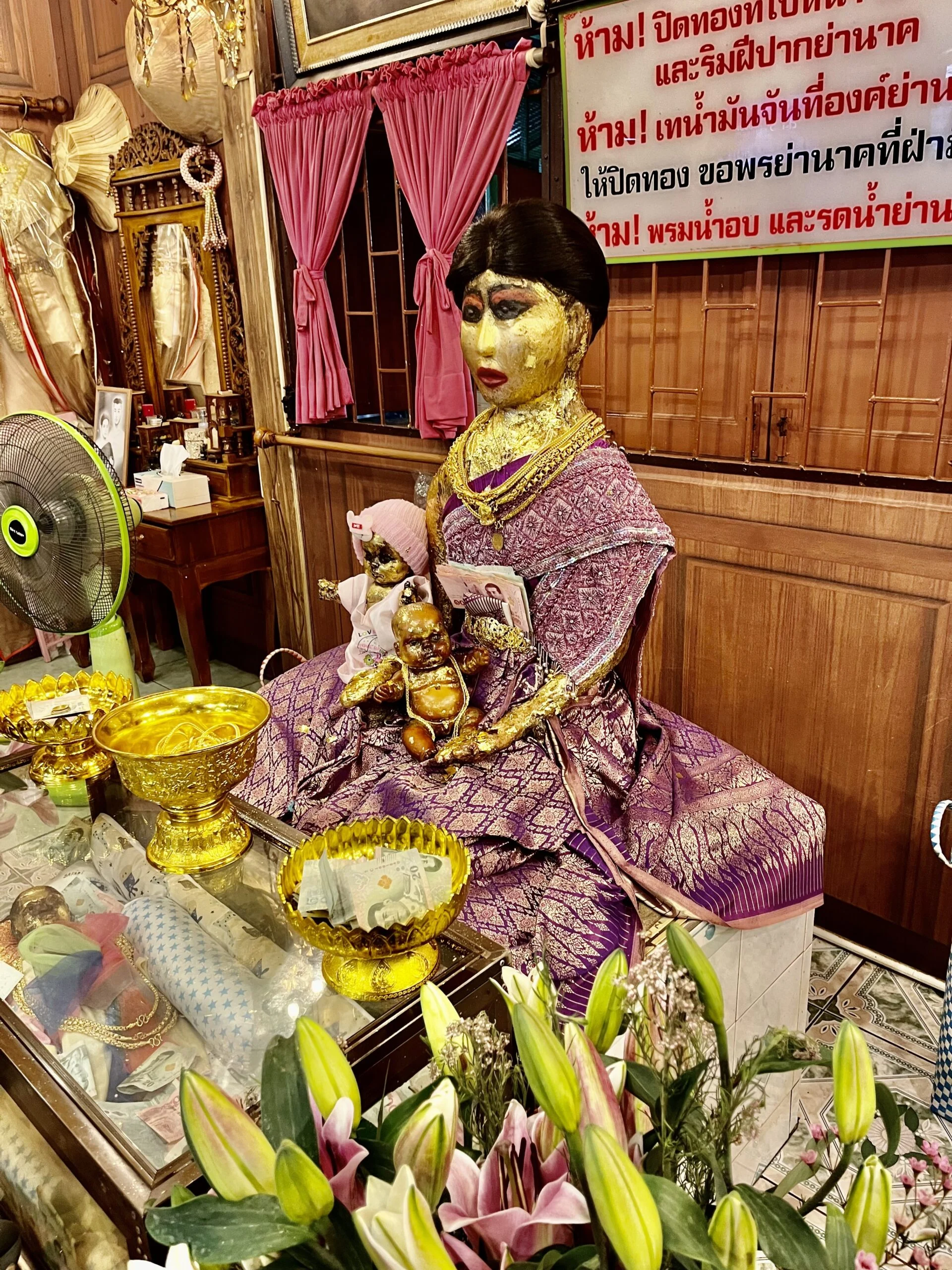
A statue of a women in Thai costume holding a baby, both are covered in gold leaf. The woman is sitting on a platform in a wooden house. There are gold offering trays on a table in front of her, as well as flowers.
Statue of the famous Thai ghost, Mae Nak at the Mae Nak Phrakhanong shrine in Bangkok, Thailand. Photo by Alisa Santikarn, October 2024.
The name you would like to be credited with for your contribution.
The word you wish to contribute
Your email for contact and updates regarding your submission.
The language you are contributing the word in
Maximum file size: 3 MB
Maximum file size: 5 MB
By proceeding, I acknowledge and agree to GloCo's Legal notice and Terms of use
and the Guidelines for Contributors *

Related Words

IMG_3464 2
ลงรักปิดทอง/Long Rak Pit Thong
Thai

ลงรักปิดทอง/Long Rak Pit Thong, or ‘lacquering and gilding’, is both a Thai conservation technique and an act of worship and a way of making merit wit...

ម្ចាស់ទឹកម្ចាស់ដី / Mchas Teuk, Mchas Dei
Khmer
mcheasatukamcheasadei

គេ​តែងតែ​គោរព​ពពួក​អស់​នឹង ព្រោះ​ពពួក​អស់​នឹង​គេ​តាម​បីបាច់​ថែរក្សា​យើង ហើយ​ខ្លះ​ទៀត ពេល​ណា​ដែល​ម្ចាស់ផ្ទះ​មាន​គ្រោះ មាន​ភ័យ មាន​អន្តរាយ​អ្វីមួយ​កើត​ម...

Shrine PP
ព្រះភូម / Preah Phum
Khmer

អ​ញ្ចឹ​ង​ពពួក​ភូមិ​ទេវតា តាម​ការពារ និង​ថែរក្សា​ម្ចាស់ផ្ទះ​នឹង ទាល់តែ​ម្ចាស់ផ្ទះ​នឹង​ជា​អ្នកមាន​ទាន មាន​សីល មាន​សេចក្តី​ល្អ ប្រព្រឹត្ត​សេចក្តី​ល្អ​ដែរ...

Spirit House
ម្រេញគង្វាល / Mrenh Kongveal
Khmer
m'renh kung'viel

ម្រេញគង្វាល គឺជាភពអមនុស្ស ដែលជាកញ្ចក់ឆ្លុះបញ្ចាំងពីភពរបស់យើង ដែលភាគច្រើនយើងតែងតែហៅក្មេងឃ្វាលគោ ឃ្វាល ក្របី។ ដោយសាររឿងហ្នឹងវាទាក់ទងបាយសំណុំ ទឹកបំពង់ ដែ...

Shrine
រានទេវតា / Rean Devata
Khmer
rien tevada

ព្រះភូមទេវតា ឬរានទេវតានេះ គេដាក់នឹង គឺភាគច្រើនគេដាក់សម្រាប់ឱ្យពពួកភូមទេវតារស់នៅ មានដូចជាអរុក្ខទេវតា ភូមិទេវតាដែលយើងហៅថាម្រេញគង្វាល ។ ហើយការដាក់ទាំងអស់...

Cambodia_2014_-_panoramio_(12)
លោកតាស្នាប់ / Lok Ta Snap
Khmer

អ្នកដែលមិនជឿលើព្រះបិតា លោកតាស្នាប់ បានជួបប្រទះអភ័យហេតុផ្សេងៗគ្នា៖ ម៉ូតូរបស់ពួកគេខូចនៅពេលបើកចូលព្រៃ ខណៈដែលមនុស្សខ្លះវិលត្រឡប់មកវិញបានដួលចេញពីម៉ូតូ បាក់...

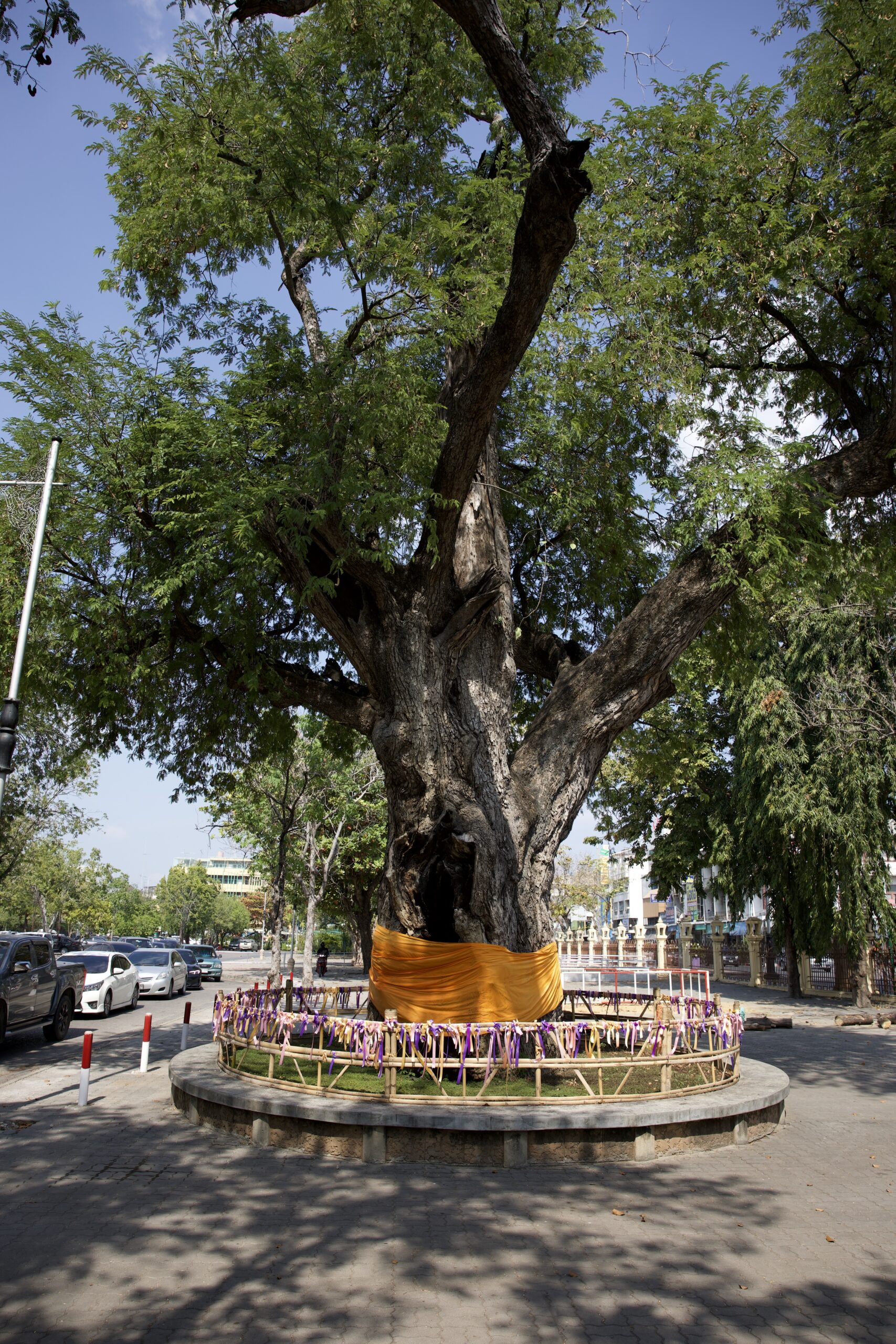
A large tree with green leaves and thick strip of orange cloth wrapped around its base. The tree is enclosed with a round metal fence. Outside of the fence is pavement, with a row of parked cars down the left side.
บวชต้นไม้/buat tonmai
Thai
Bwch t̂nmị̂

บวชต้นไม้/buat ton mai, also known as 'tree ordination', is a method of conserving trees in Thailand rooted in Buddhism. The practice emerged as a res...

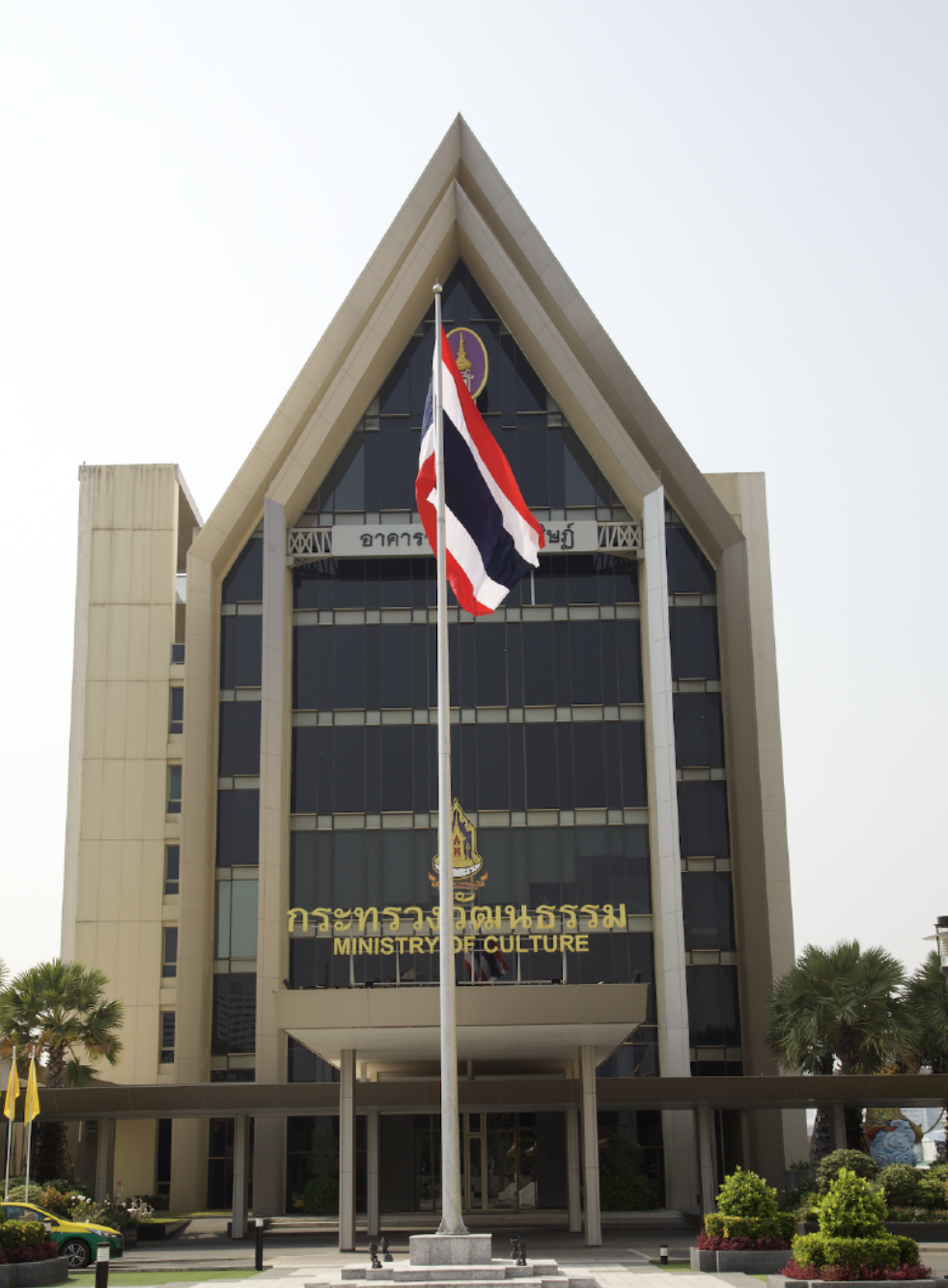
A building with large windows and a triangular roof. The sign reads: Ministry of Culture. There is a Thai flag with red, white, blue, white and red horizontal stripes on a flag pole in front of the building.
วัฒนธรรม/Wattanatham
Thai
Wạtʹhnṭhrrm

วัฒนธรรม/Wattanatham (meaning ‘culture’) is one of over one thousand terms coined by Prince Wan Waithayakon. In a 1975 interview, Prince Wan, who atte...

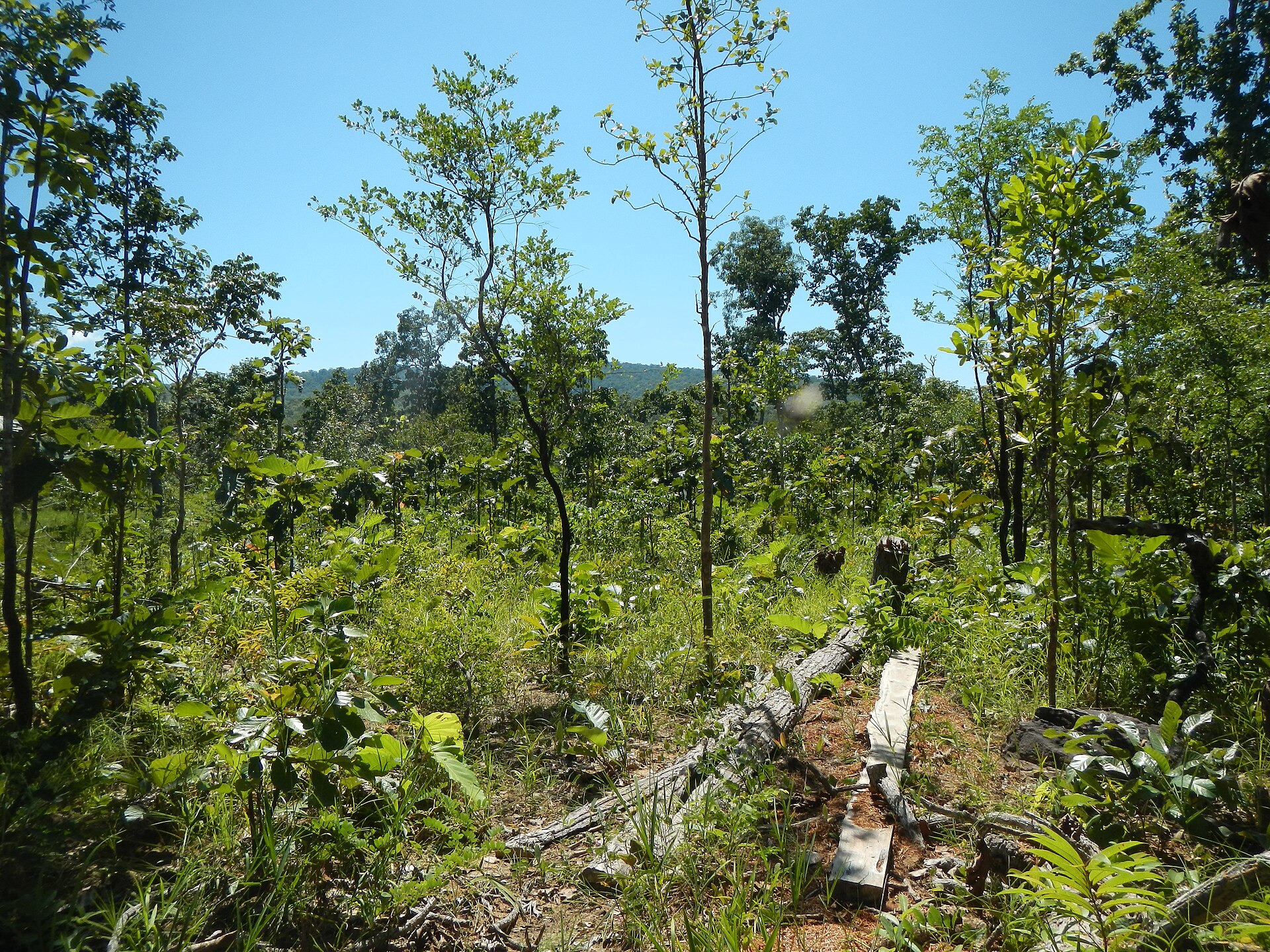
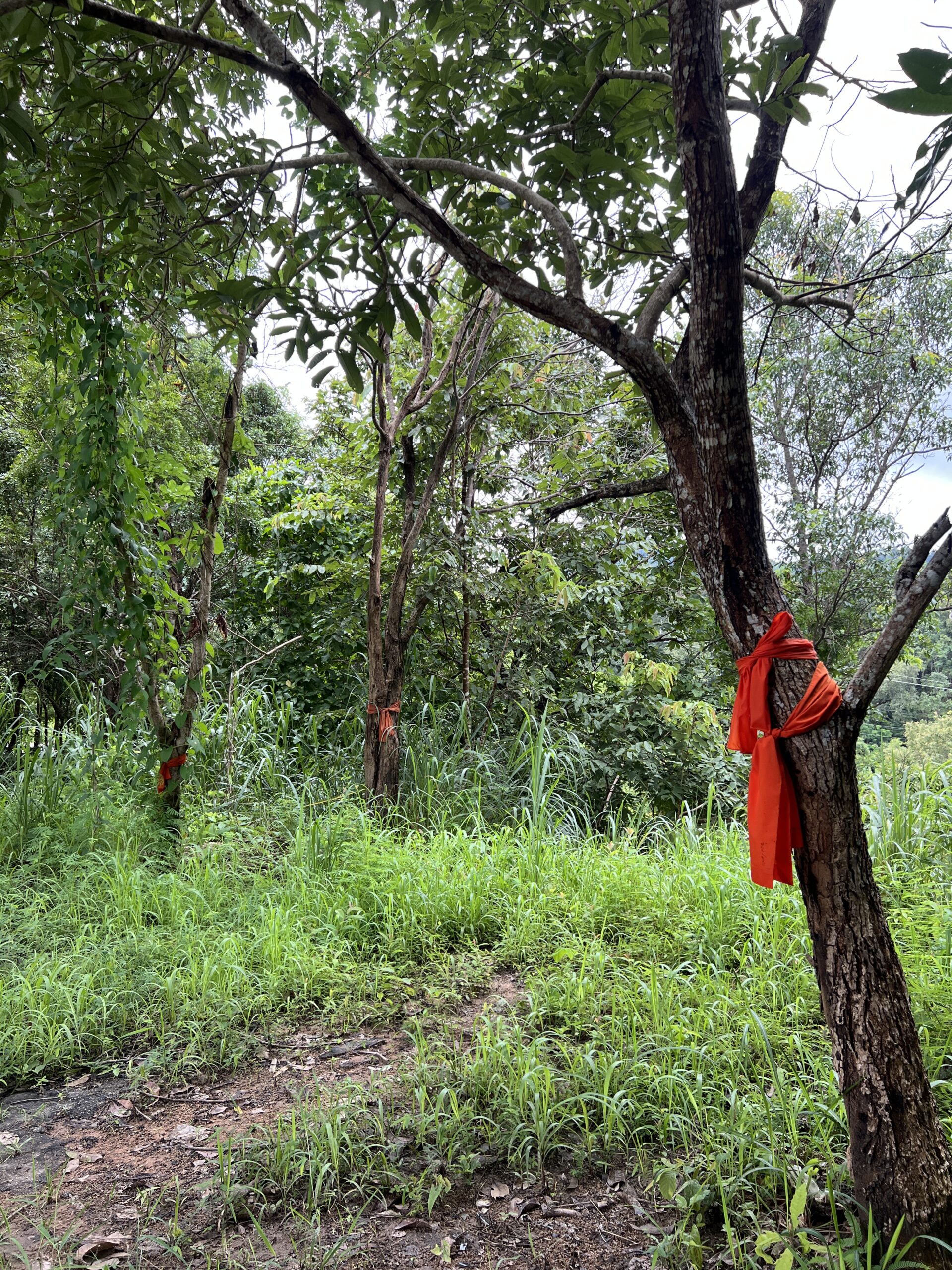
A sparse forest with thin trees. The trees are each wrapped in a strip of bright red/orange cloth.
ธรรมชาติ/thammachat
Thai
Ṭhrrmchāt

ธรรมชาติ/Thammachat, meaning ‘nature’ in Thai, was a term coined as part of a larger language policy spanning the late-19th and 20th centuries, involv...

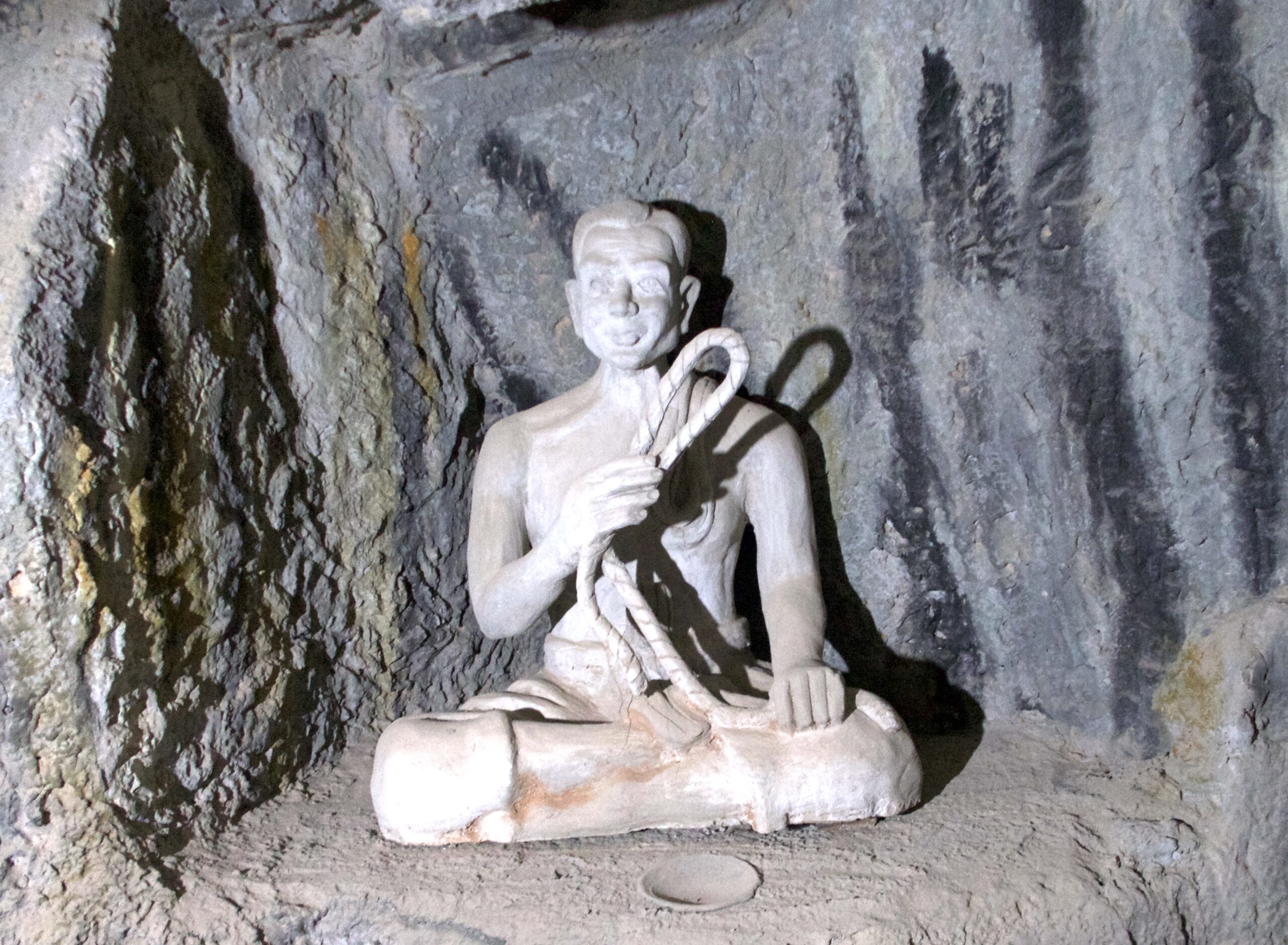
Statue of a man sitting cross-legged, carved in white, holding up a lasso in his right hand.
ปะกำ/Pakam
Kui (Thailand)
pĕē pakam

ปะกำ (ภะษากูย) หรือ ผีปะกำ (ภาษาไทย) เป็นวัฒนธรรมที่พบได้เฉพาะในกลุ่มกูยอาจีงหรือกูยเลี้ยงช้างเท่านั้น เป็นวิญญาณของบรรพบุรุษกูยเลี้ยงช้างที่เป็นหมอหร...

error: