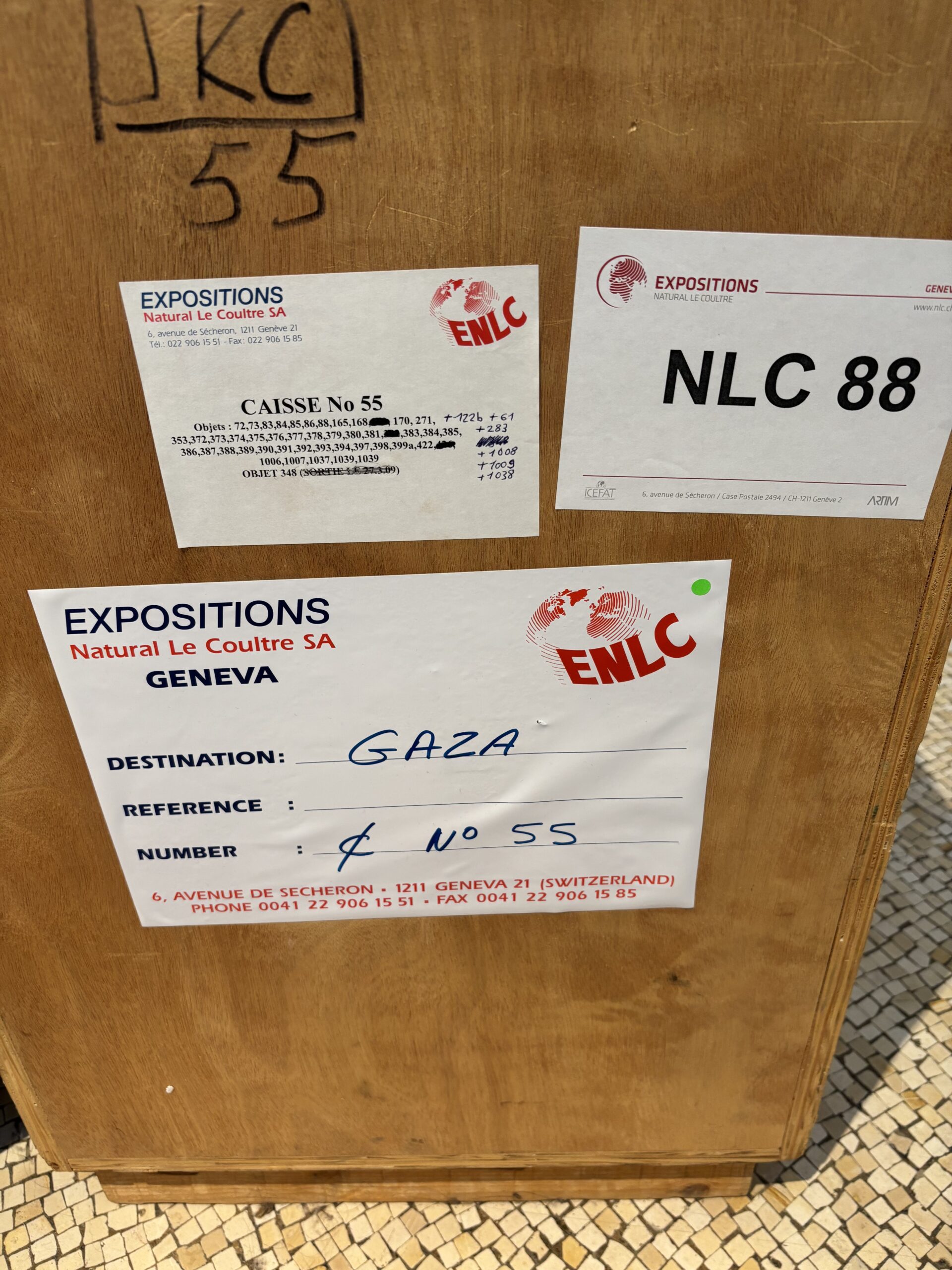
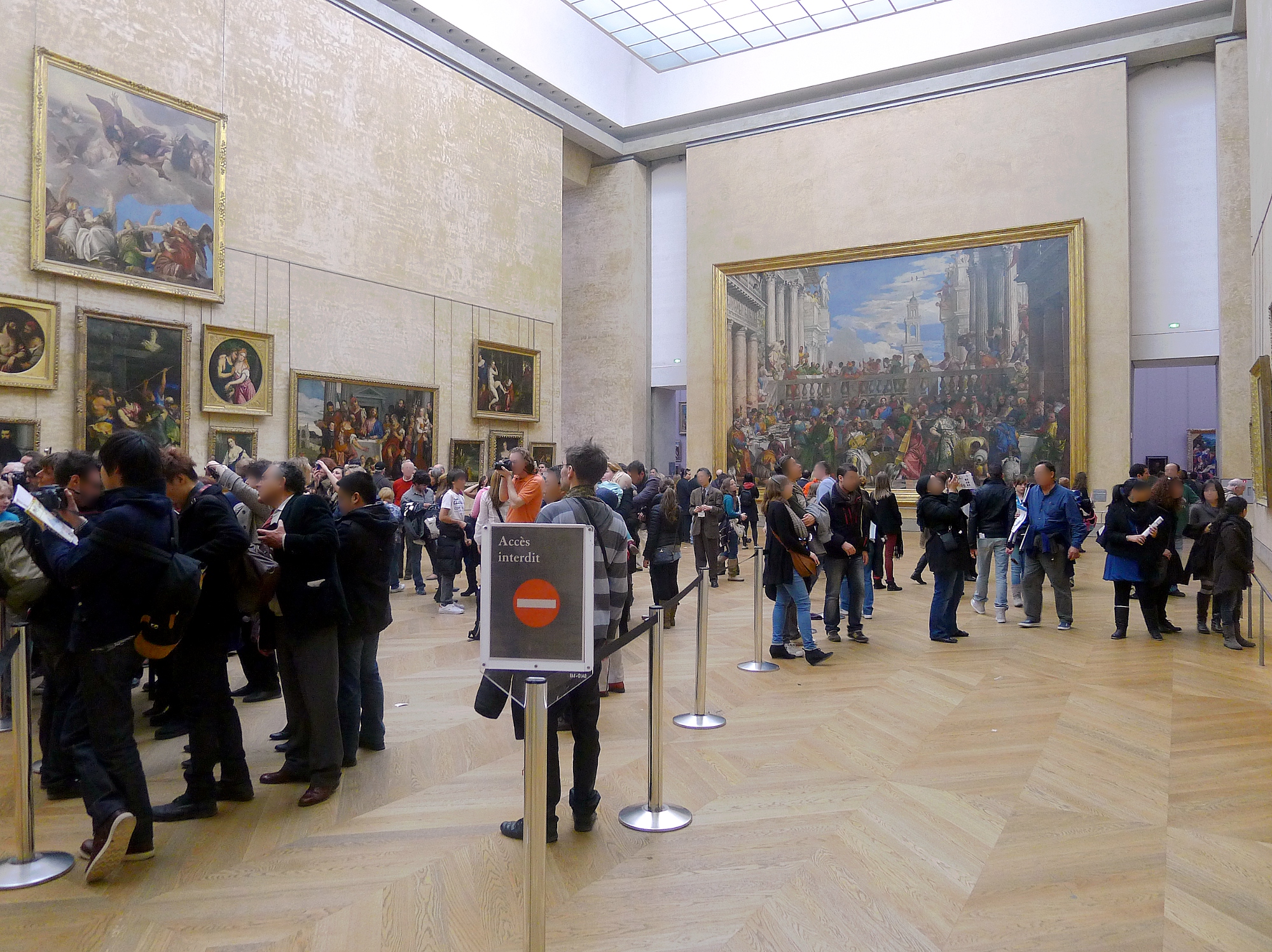
In the heritage sector, Restorative Justice encompasses improving conservation conditions while collections are held in Western institutions and connecting these practices to ethics, politics and social justice. Since the 1990s, the concept of restorative justice in law has been understood to mean that all those affected by harm are involved in making amends, rather than focusing exclusively on the perpetrators. Here, the term ‘restorative’ is consistent with restoration, care, and archiving practices. It links conservation with memories and the future.
Restorative justice goes beyond simply setting out guidelines, recognising the efforts of Indigenous Peoples, activists and conservators to consider social and political justice in conservation and heritage. Restorative justice aims to redress power imbalances in storage and changes who controls the collections, particularly when they are institutionalised. Certain practices associated with this approach run counter to conventional conservation standards, such as direct contact with artefacts or ancestors, which is often regulated or even prohibited to prevent insect infestations and other forms of deterioration.
I contrast this concept with what I term Conservation Washing, a theory and discourse that asserts art and heritage can only be preserved in Western museums.
A direct parallel can be drawn with nature conservation. In this field, the fortress nature conservation model is imposed from outside, thereby excluding communities from their natural environment as they are considered harmful to flora and fauna. Conversely, restorative justice prioritises the expectations, methods, and knowledge of Indigenous Peoples.

Since 2023, I have developed the concept of "conservation washing", which exploits the vulnerability of heritage and art to argue against the relocati...
Als Lotto-Teppiche werden geknüpfte Wollteppiche bezeichnet, deren typisches Muster aus gelben, geometrisierten Ranken auf rotem Grund besteht. Sie wu...
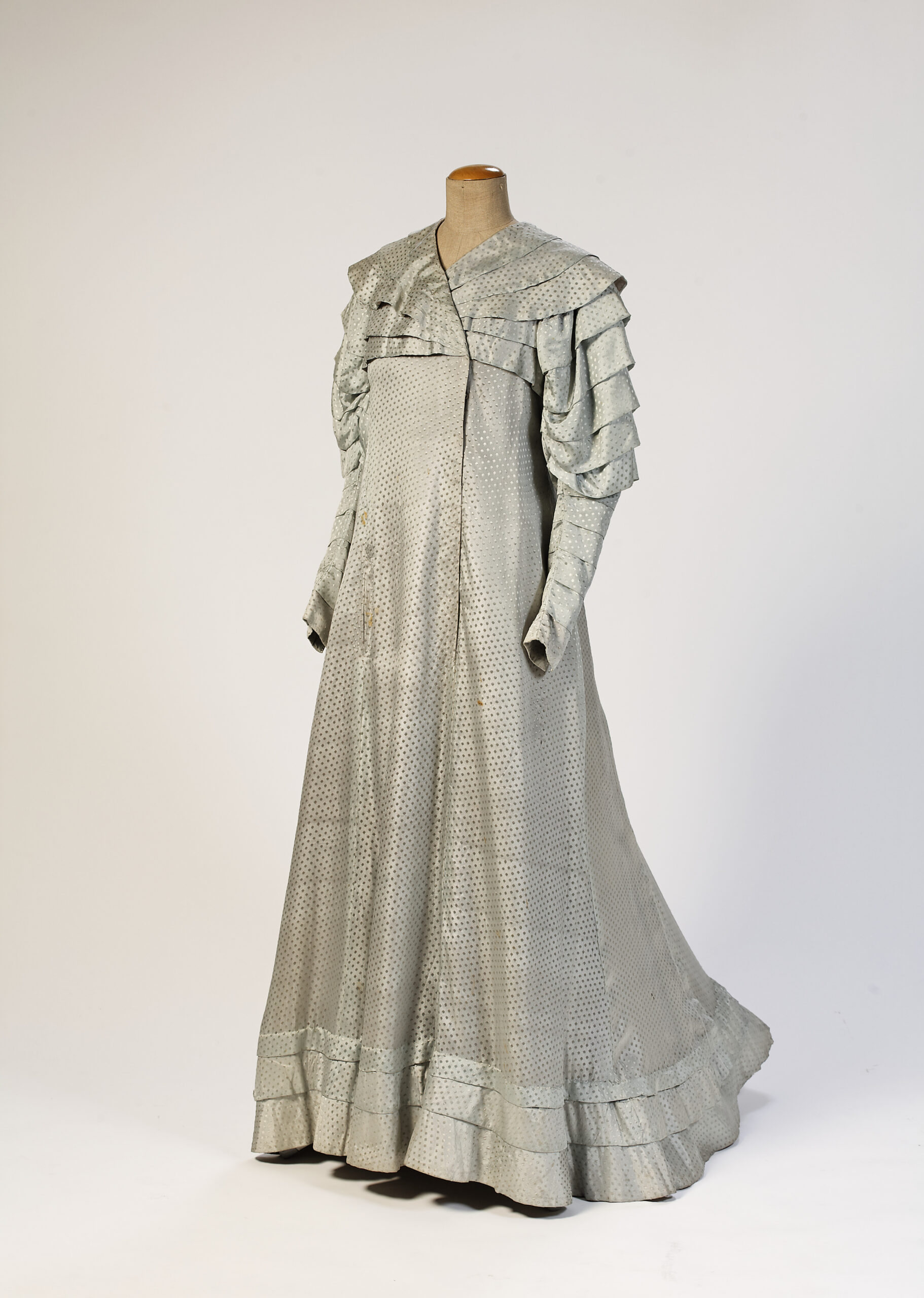
Als Reformkleid wird ein Kleid bezeichnet, das lose von den Schultern herabhängt, bequem weite Ärmel hat und ohne Korsett getragen werden sollte. Vora...
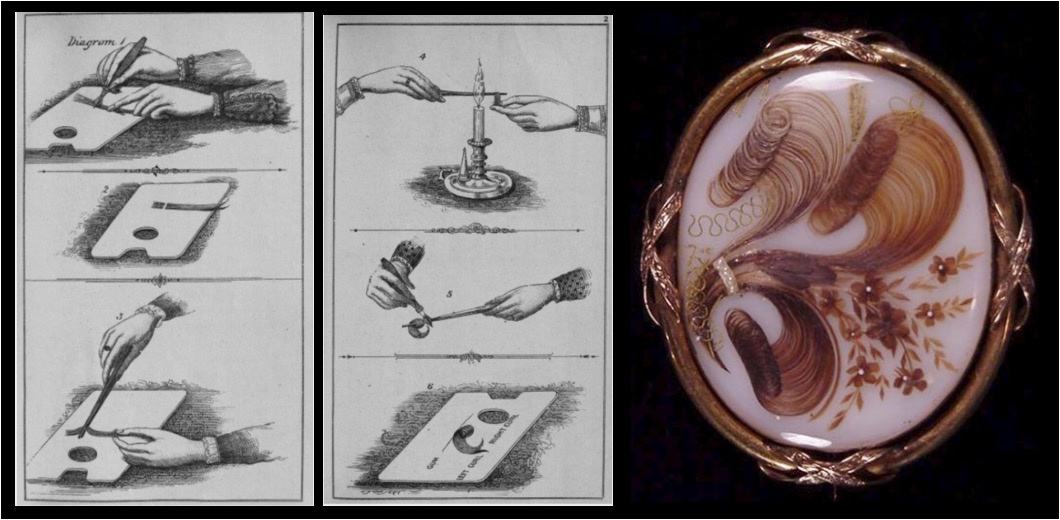
Masticated work, sometimes called cut work or sepia work, is a hairwork technique in which hair is finely chopped or ground into a powder, mixed with ...
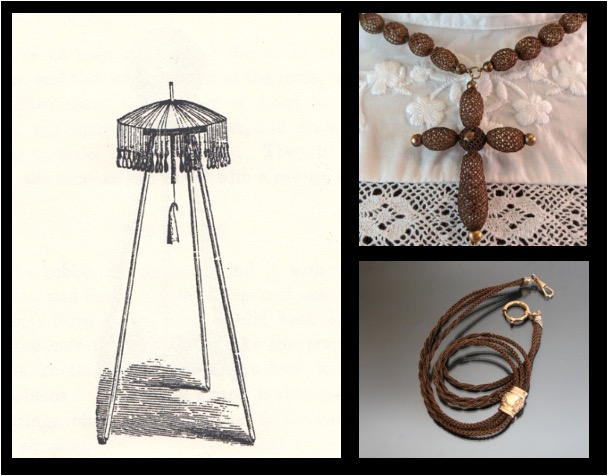
Table work refers to a wide range of hairwork techniques that involve braiding and weaving hair into a jewelry. The name comes from the apparatus at t...
Palette work is a hairwork technique that involves flattening a lock of hair onto a piece of glass, covering it with gum tragacanth (sometimes referre...
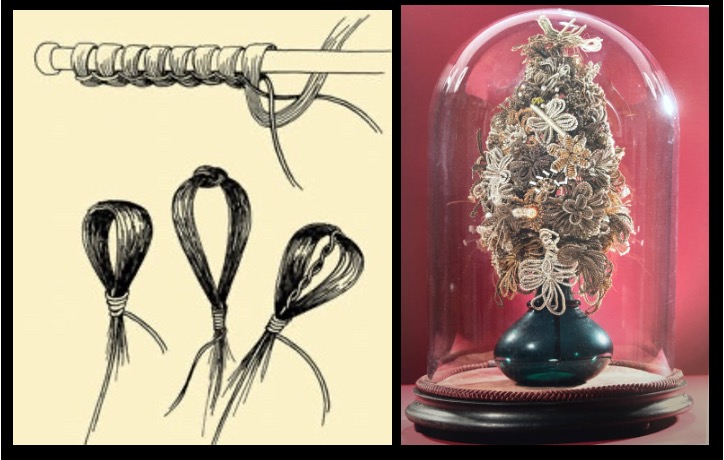
Gimp work (sometimes called wire work) refers to an extremely intricate form of hairwork that involves looping strands of hair around a pin or wire to...
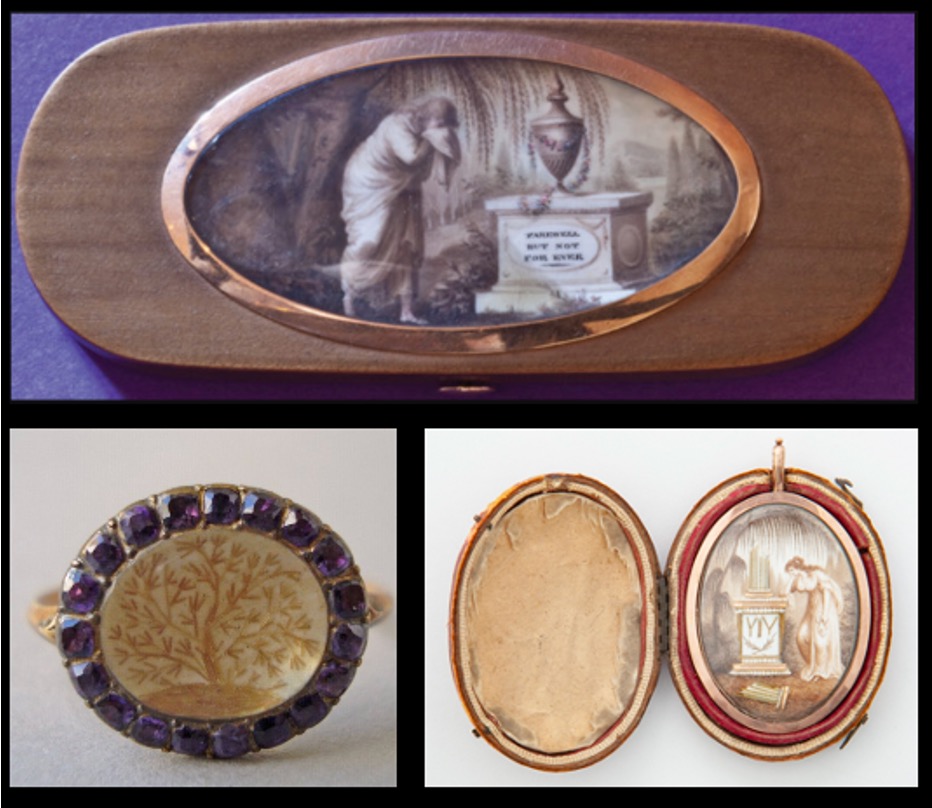
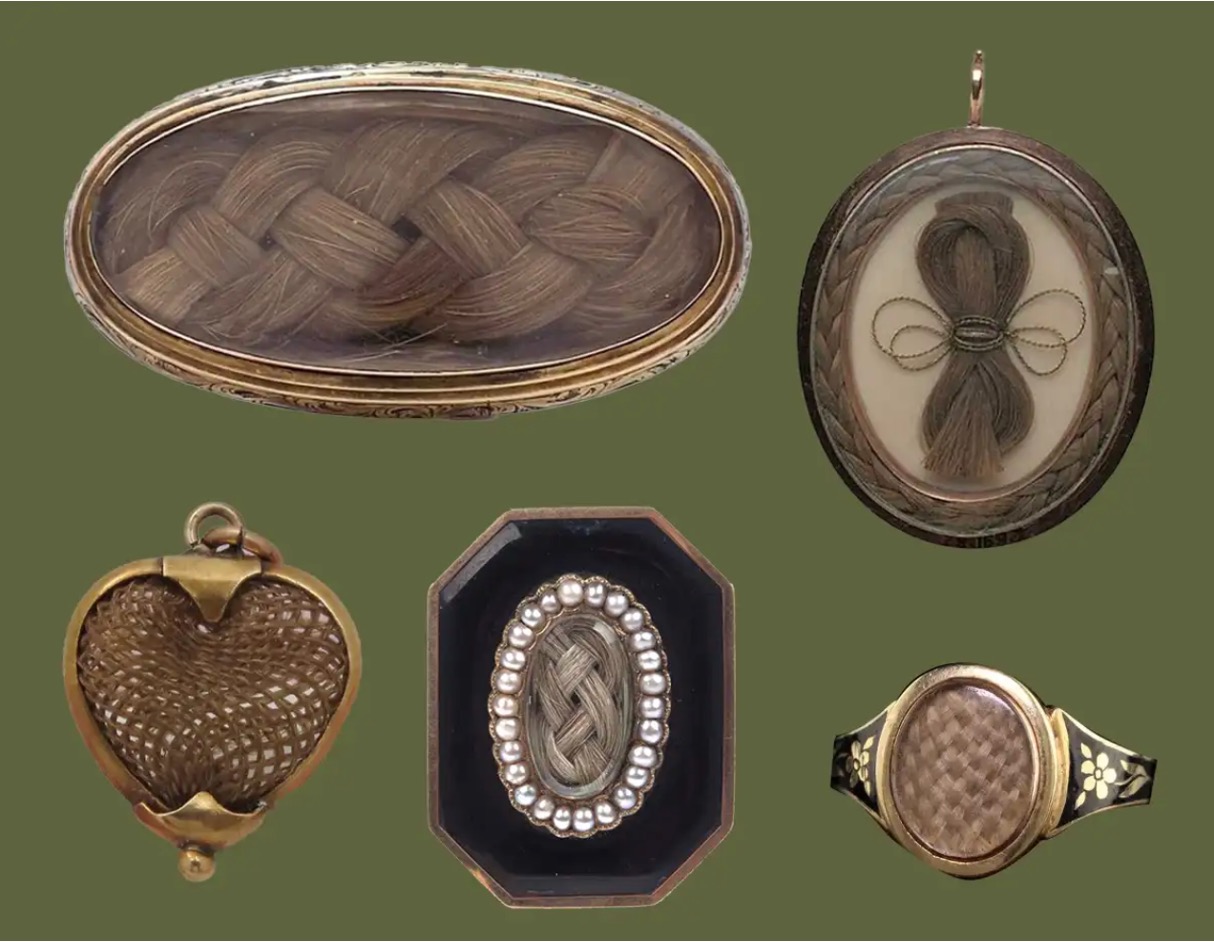
Hairwork refers to the long and varied tradition of crafting objects, images, and keepsakes from the hair of loved ones. While the practice is now mos...
Luminarias are a type of paper lantern used to decorate backyards, walkways, and roofs (particularly on flat, adobe-style buildings) in New Mexico and...
Biscochitos (sometimes spelled bizcochitos) are a short-bread-type cookie originating from New Mexico in the southwestern United States. The lard-base...
This website uses strictly necessary cookies to function. We would also like to use functional and analytical cookies to improve your experience. You can choose to accept or decline.