Zmijovka

Pronunciation: ZMEE-yo-vkah
Language: Czech

Description

Zmijovka je tradiční česká pletená čepice s charakteristickým klikatým vzorem připomínajícím hada – odtud její název. Její původ není jednoznačný, ale výrazně se rozšířila po druhé světové válce v socialistických zemích. V Česku je nejznámější černo-bílá varianta, existují však i barevná provedení. Díky pevné vlněné přízi dobře hřeje a spolehlivě drží na hlavě, a proto si ji oblíbili především řezníci a řeznice při zimních zabijačkách, pracující na venkově i v řemeslném prostředí. V české kultuře se zmijovka stala symbolem praktického, lidového oděvu a její typický vzor pronikl i do filmu či popkultury. Na Slovensku získala během listopadu 1989 politický význam – nosil ji disident Ján Budaj, podle něhož se jí dodnes říká „budajka“, a patří k symbolům Nežné (Sametové) revoluce.

Výrobu zmijovky zahájila jihočeská továrna Fezko ve Strakonicích, založená už roku 1812. Ta původně vyráběla fezy pro Osmanskou říši, po jejich zákazu se však přeorientovala právě na tuto čepici. Význam zmijovky překročil hranice Československa v 60. letech 20. století, kdy ji proslavil guinea-bissauský revolucionář Amílcar Cabral jako symbol odporu proti kolonialismu. Podle dobových pramenů navštívil Cabral závod Fezko už v roce 1961 a od té doby proudily zmijovky i na africké trhy. Dodnes se značná část produkce vyváží do západní Afriky, kde čepice plní nejen svou praktickou funkci, ale i symbolickou roli politické a náboženské identity. Viz hesla Chéchia a Mbakhana.

Read more

The zmijovka is a traditional Czech knitted cap with a distinctive zigzag pattern resembling a snake, hence its name (“zmije” meaning viper). Its exact origins are unclear, but it became especially widespread across socialist countries after the World War II. In the Czech lands, the black-and-white version is the most iconic, though colorful variations also exist. Made from thick wool yarn, the zmijovka is warm and sturdy, sitting snugly on the head. It became a favorite among butchers at winter pig slaughters, rural laborers, and craftsmen, eventually earning its place as a symbol of practical, everyday clothing. The distinctive pattern even found its way into film and pop culture. In Slovakia, the cap took on a political meaning during the Velvet Revolution in November 1989, when dissident Ján Budaj wore it so often that it became known as the “budajka”.

Production of the zmijovka began at Fezko, a textile factory founded in 1812 in Strakonice, South Bohemia. Originally known for making fezzes for the Ottoman Empire, the company shifted focus after those were banned and developed the zmijovka. In the 1960s, the cap gained international fame when Guinea-Bissauan revolutionary Amílcar Cabral adopted it as a symbol of anti-colonial resistance. According to historical sources, Cabral himself visited the Fezko factory in 1961, and soon after, shipments of zmijovkas began heading to African markets. To this day, a significant share of production is exported to West Africa, where the cap has both practical and symbolic value as a sign of political and religious identity. See entries on Chéchia and Mbakhana.

Date of entry: September 9, 2025
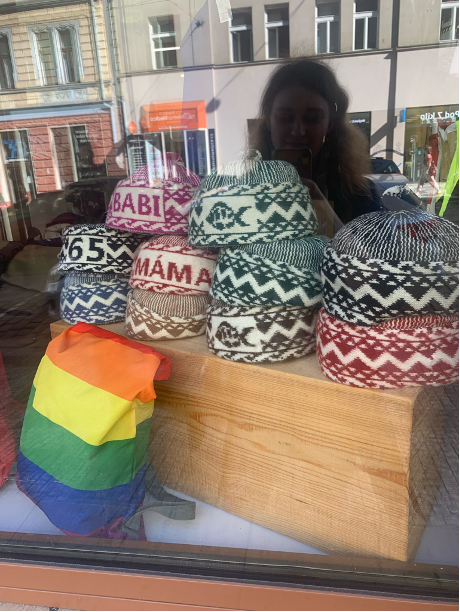
A shop window display in Prague featuring traditional knitted zmijovka caps with various patterns and words. Photo by Anna-Marie Kroupová, April 2025.
The name you would like to be credited with for your contribution.
The word you wish to contribute
Your email for contact and updates regarding your submission.
The language you are contributing the word in
Maximum file size: 3 MB
Maximum file size: 5 MB
By proceeding, I acknowledge and agree to GloCo's Legal notice and Terms of use
and the Guidelines for Contributors *

Related Words

MAK_t-6907_lotto-teppich_1-1
Lotto-Teppich
Deutsch

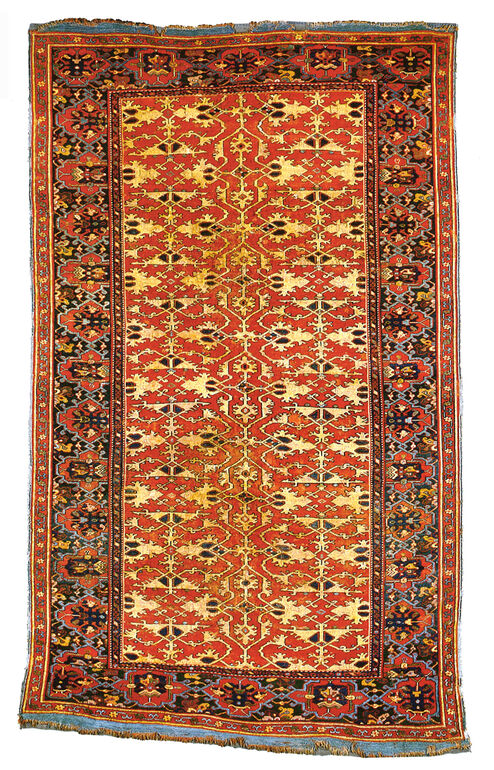
Als Lotto-Teppiche werden geknüpfte Wollteppiche bezeichnet, deren typisches Muster aus gelben, geometrisierten Ranken auf rotem Grund besteht. Sie wu...

Wien-Museum-Online-Sammlung-M-10120
Reformkleid/Künstlerkleid
Deutsch

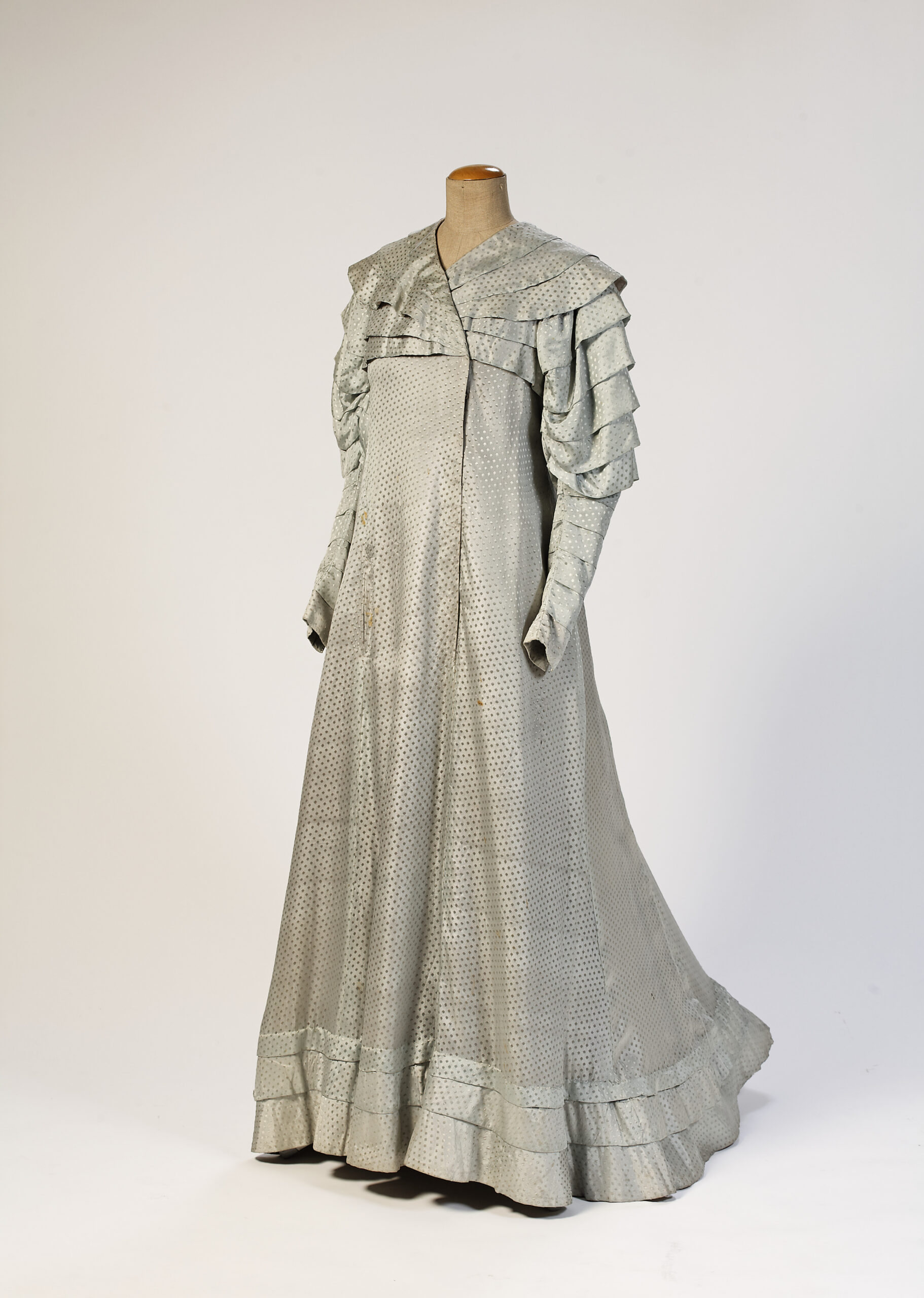
Als Reformkleid wird ein Kleid bezeichnet, das lose von den Schultern herabhängt, bequem weite Ärmel hat und ohne Korsett getragen werden sollte. Vora...

masticated-work
Masticated Work (Hairwork)
English

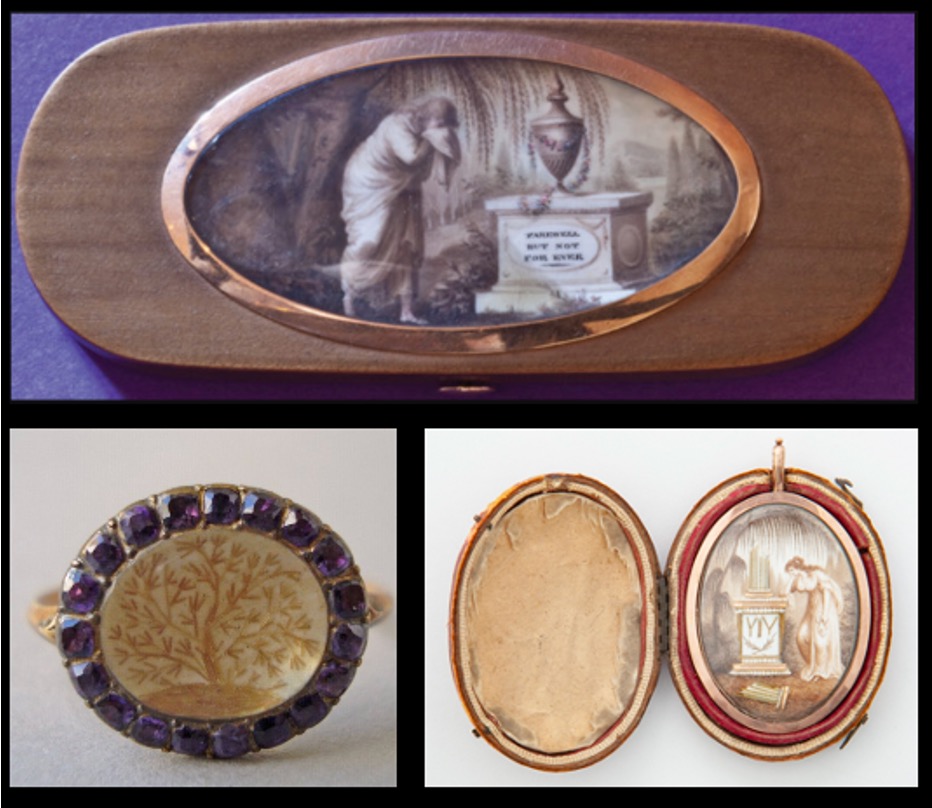
Masticated work, sometimes called cut work or sepia work, is a hairwork technique in which hair is finely chopped or ground into a powder, mixed with ...

table-work
Table Work (Hairwork)
English

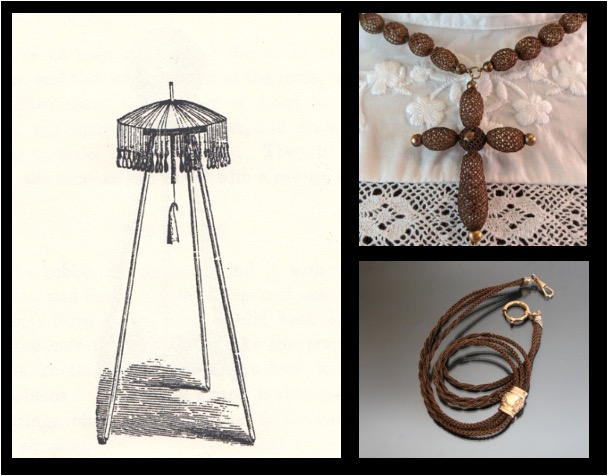
Table work refers to a wide range of hairwork techniques that involve braiding and weaving hair into a jewelry. The name comes from the apparatus at t...

palette-work
Palette Work (Hairwork)
English

Palette work is a hairwork technique that involves flattening a lock of hair onto a piece of glass, covering it with gum tragacanth (sometimes referre...

gimp-work
Gimp Work (Hairwork)
English

Gimp work (sometimes called wire work) refers to an extremely intricate form of hairwork that involves looping strands of hair around a pin or wire to...

Picture1
Hairwork
English

Hairwork refers to the long and varied tradition of crafting objects, images, and keepsakes from the hair of loved ones. While the practice is now mos...

Butterzopf
Butterzopf
Swiss German, German, French, Italian, Romansh

Butterzopf (Standard German) is a braided loaf of bread typically made from flour, milk, butter, yeast, and salt and brushed with egg before baking, a...

960px-Ephemera_collection;_Paper_bag_advertising_Bile_Beans_Wellcome_L0030503
Aassammeln
Deutsch

Eine Erweiterung des Vergleichs von Sammeln mit Jagd (zb. bei Donna Haraway). Hier wird extern ein Rahmen vorgegeben und die zu sammelnden Bilder etc....

960px-_Der_Weltkrieg__(Zigarettenalbum)_-_Einzelseite
Zigarettensammelalbum
Deutsch

Bei Zigarettenschachteln wurden aus Werbe- und Propagandazwecken Bilder beigelegt. Besonders bekannt und eine der ersten waren Baseballcards in den US...

error: