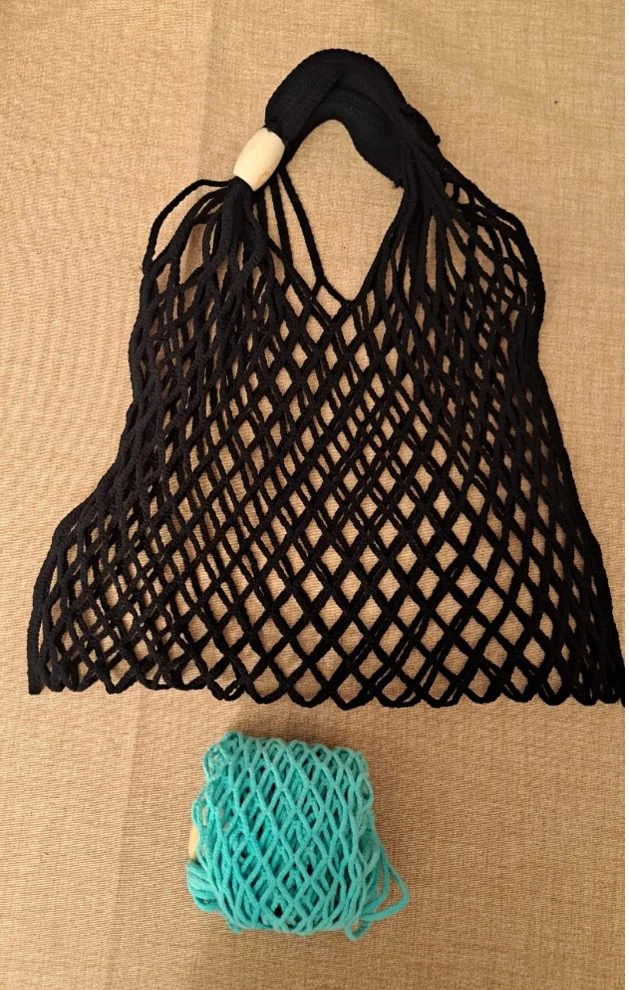
Síťovka je tradiční síťovaná nákupní taška, která vzniká vázáním provázků do okatého vzoru. V minulosti se vyráběla ručně a podomácku především technikou síťkování (též necování), nejprve z hedvábné příze, později i ze syntetických vláken, vlny, bavlny, lnu nebo viskózy. Princip síťové tašky je velmi starý; moderní síťovku vymyslel v roce 1926 Vavřín Krčil ze Žďáru nad Sázavou v tehdejším Československu, jenž tašku opatřil síťkovaným uchem a obšitím proti třepení. Z ruční výroby tak vytvořil dostupný, skladný a praktický produkt – při naplnění se taška přirozeně roztáhne a má silnou nosnost –, který se rychle rozšířil doma i v zahraničí. V socialistickém Československu (1948–1989) se už síťovka vyráběla průmyslově, a stala se jistým symbolem každodennosti. Později ji sice vytlačily igelitové tašky, ale v 21. století zažívá síťovka návrat v moderní a udržitelné podobě, často vyráběná z recyklovaných materiálů.
A síťovka is a traditional net shopping bag made by tying strings into a mesh pattern. In the past, it was handmade at home, mainly using the technique of netting (síťkování), at first from silk yarn, later also from synthetic fibers, wool, cotton, linen, or viscose. The principle of the net bag is very old; the modern síťovka was invented in 1926 by Vavřín Krčil from Žďár nad Sázavou in then-Czechoslovakia, who added a netted handle and stitching to prevent fraying. From a handmade item he created an affordable, compact, and practical product – when filled, the bag naturally stretches and has a strong carrying capacity – which quickly spread both domestically and abroad. In socialist Czechoslovakia (1948–1989), the síťovka was already produced industrially and became something of an everyday symbol. Although it was later replaced by plastic bags, the síťovka made a comeback in the 21st century in a modern, sustainable form, often made from recycled materials.

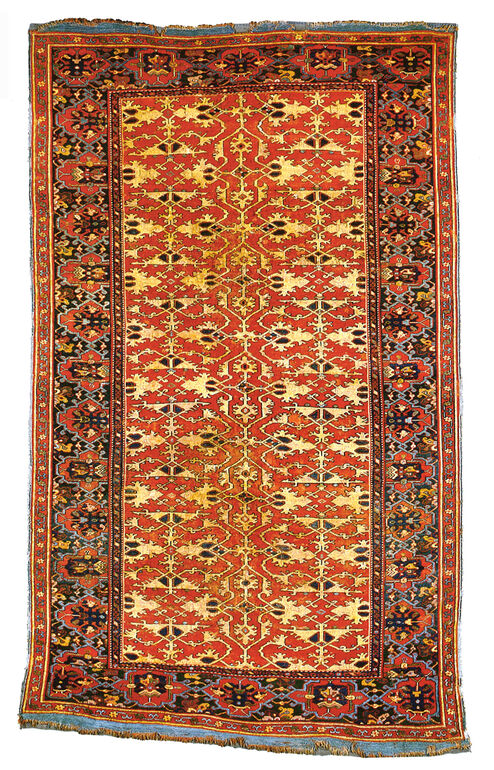
Als Lotto-Teppiche werden geknüpfte Wollteppiche bezeichnet, deren typisches Muster aus gelben, geometrisierten Ranken auf rotem Grund besteht. Sie wu...
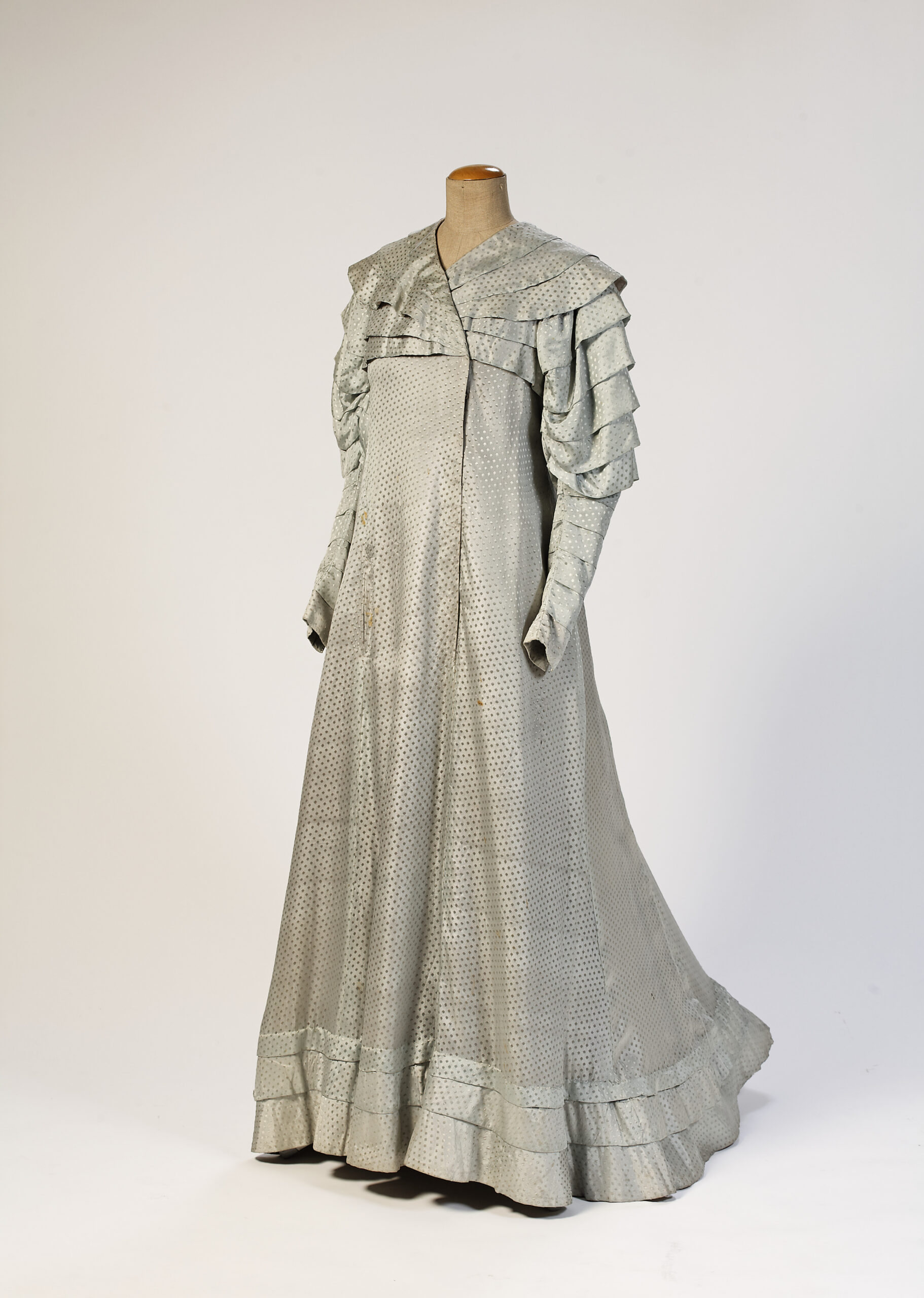
Als Reformkleid wird ein Kleid bezeichnet, das lose von den Schultern herabhängt, bequem weite Ärmel hat und ohne Korsett getragen werden sollte. Vora...
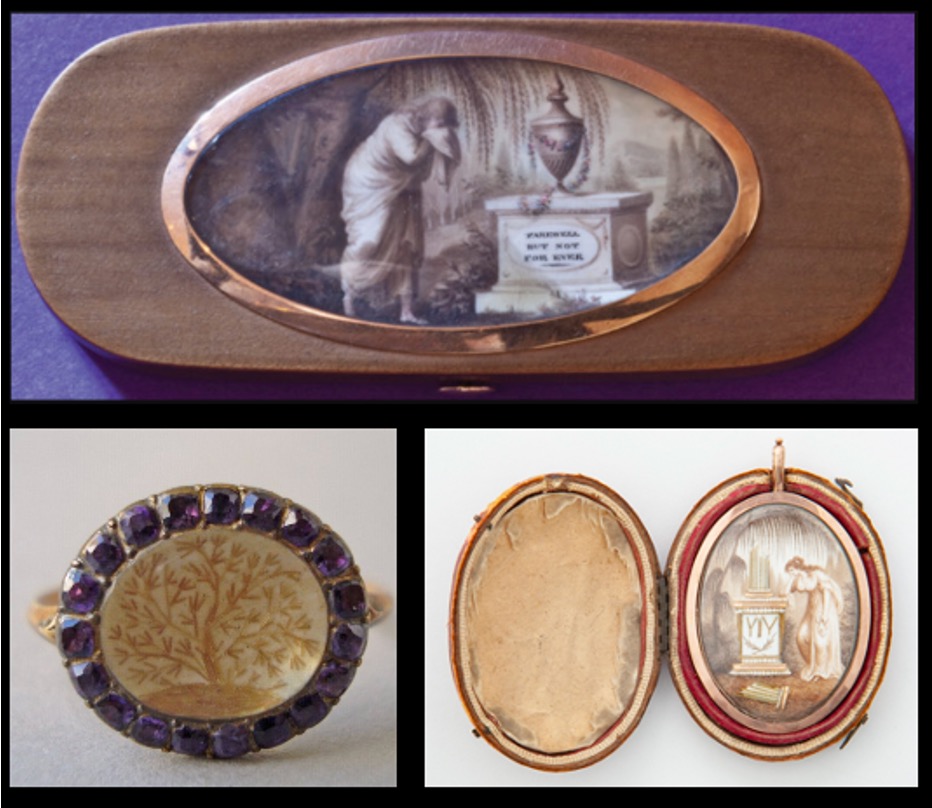
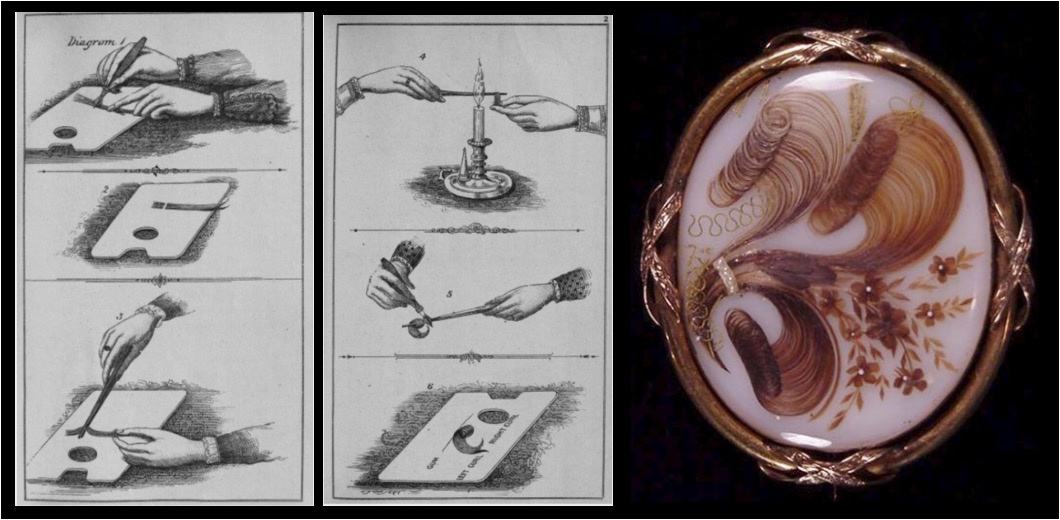
Masticated work, sometimes called cut work or sepia work, is a hairwork technique in which hair is finely chopped or ground into a powder, mixed with ...
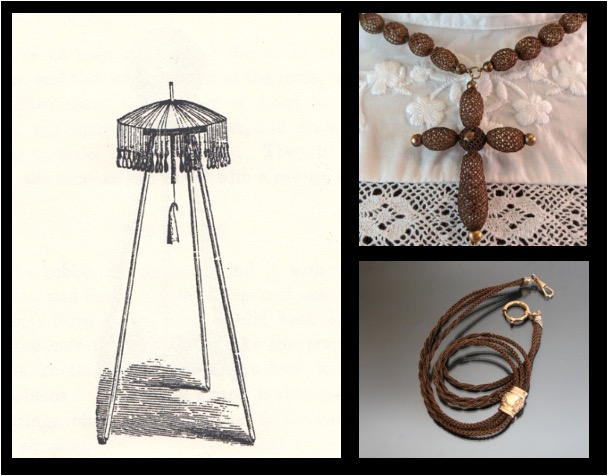
Table work refers to a wide range of hairwork techniques that involve braiding and weaving hair into a jewelry. The name comes from the apparatus at t...
Palette work is a hairwork technique that involves flattening a lock of hair onto a piece of glass, covering it with gum tragacanth (sometimes referre...
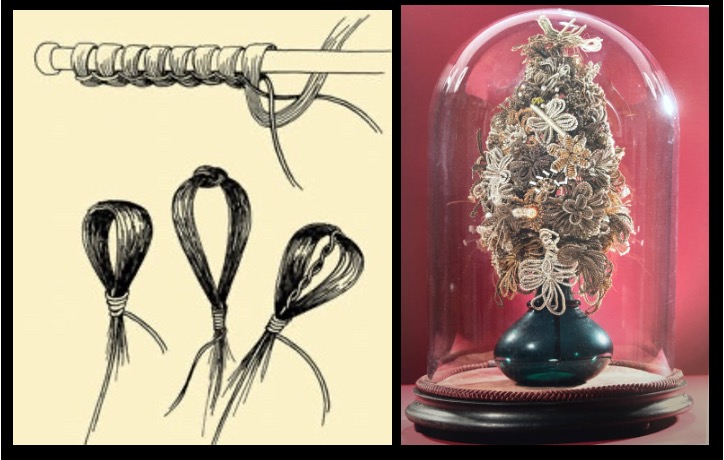
Gimp work (sometimes called wire work) refers to an extremely intricate form of hairwork that involves looping strands of hair around a pin or wire to...
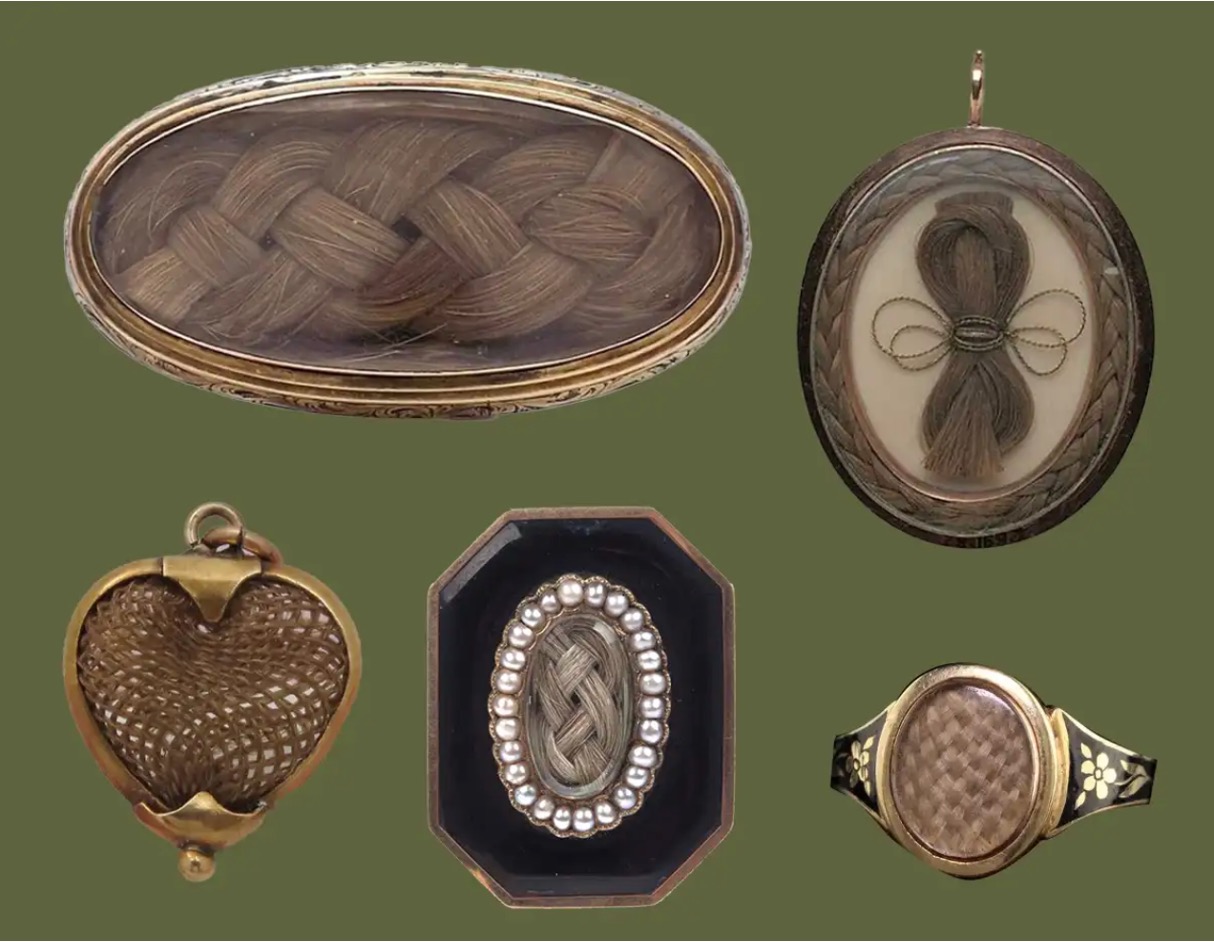
Hairwork refers to the long and varied tradition of crafting objects, images, and keepsakes from the hair of loved ones. While the practice is now mos...
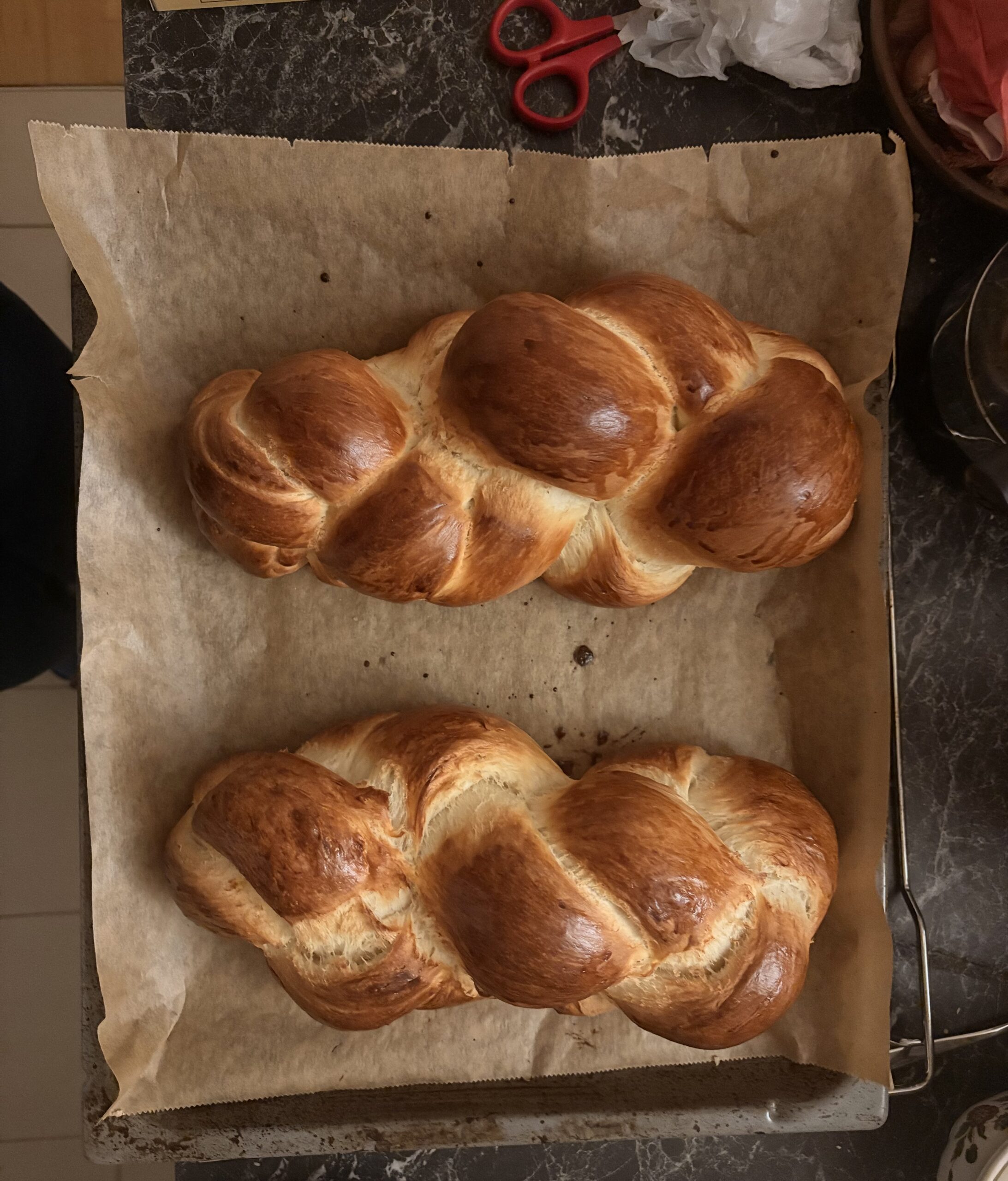
Butterzopf (Standard German) is a braided loaf of bread typically made from flour, milk, butter, yeast, and salt and brushed with egg before baking, a...
Eine Erweiterung des Vergleichs von Sammeln mit Jagd (zb. bei Donna Haraway). Hier wird extern ein Rahmen vorgegeben und die zu sammelnden Bilder etc....
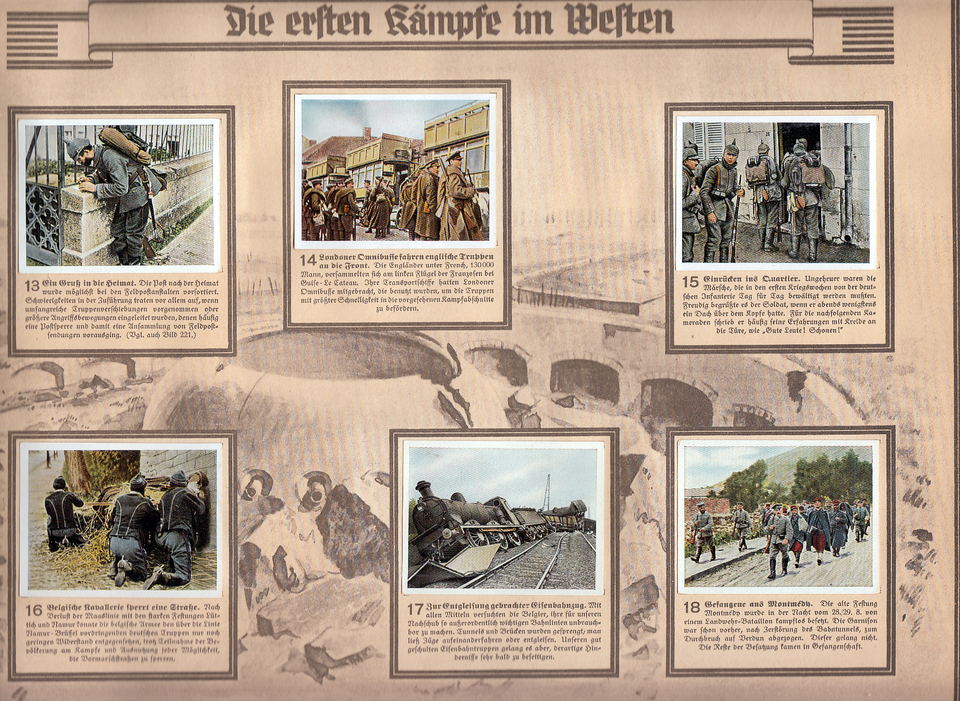
Bei Zigarettenschachteln wurden aus Werbe- und Propagandazwecken Bilder beigelegt. Besonders bekannt und eine der ersten waren Baseballcards in den US...
This website uses strictly necessary cookies to function. We would also like to use functional and analytical cookies to improve your experience. You can choose to accept or decline.