‘Khud’ is a Lanna term from Northern Thailand. It is an adjective that means bad luck or inauspiciousness. It also describes belief in various prohibited actions that can result in one ‘falling into Khud’ (dok khud/ตกขึด), bringing harm to oneself or family.
There are various things that are recognised as causing khud form rules governing appropriate behaviour. These include restrictions related to the house; general etiquette and behaviour; cities; religious sites and figures; public areas; agricultural areas and activities; trees, animals, and the environment; and death and burial (ศักราช 2012).
Several things that cause khud relate to conservation of nature and culture. Prohibited actions, for example, include (Amnorath 2019):
- draining or back-filling ponds, marshes, lakes, and canals (e.g., for construction or agriculture) (p. 44, 48)
- digging, expanding, or diverting rivers and streams (p. 45)
- demolishing termite mounds (p. 49, 51)
- sealing caves (p. 49)
- moving or closing ancient roads/paths (p. 50)
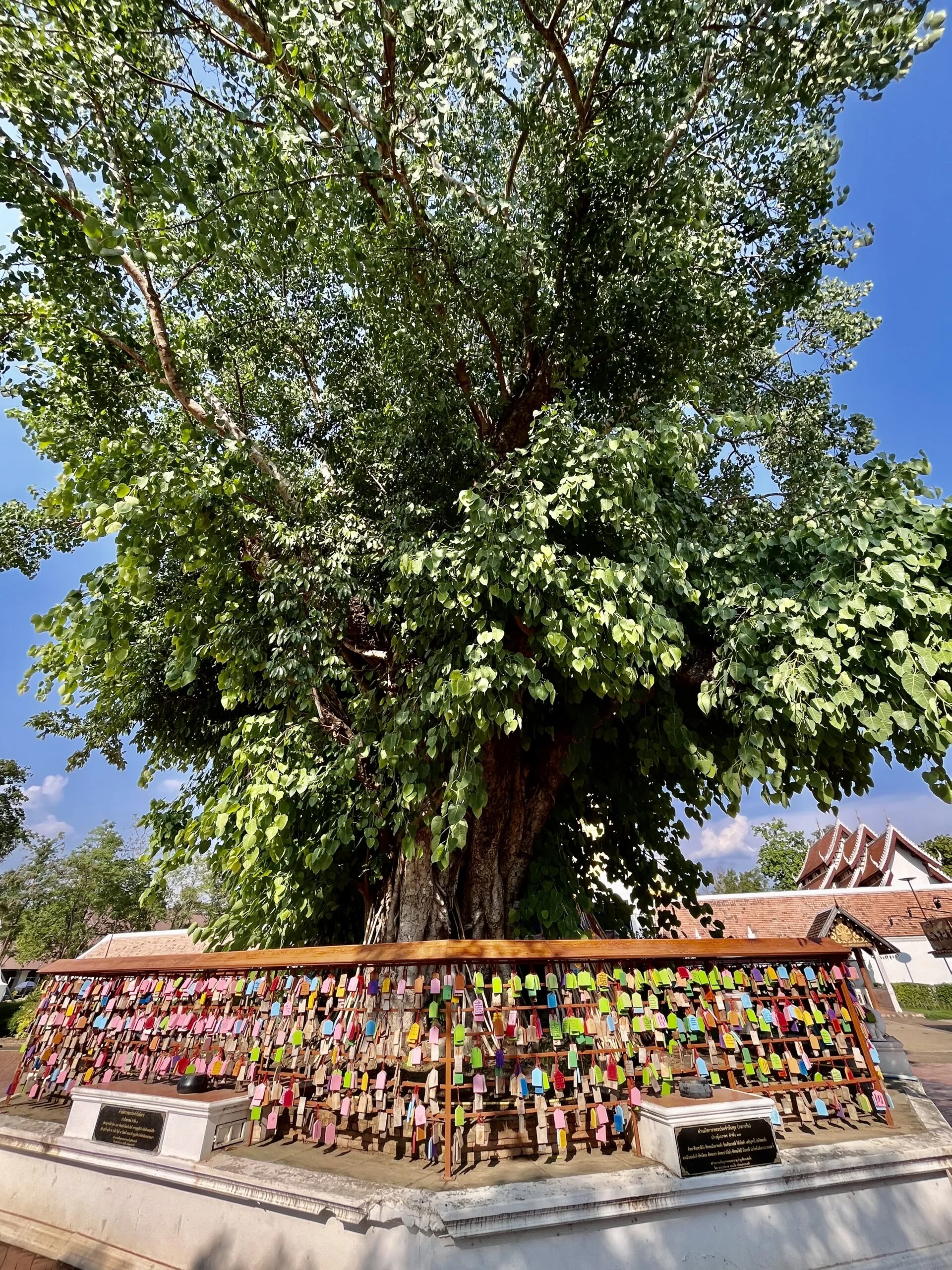
- felling or removing branches from certain trees, including sacred trees containing spirits, trees with important symbolism like the Bodhi tree, large trees, palm trees, coconut trees, and trees that provide shade. Planting these trees where they are absent is also a recommendation (p. 60–62)
- killing animals that are good or bad omens (p. 156)
- neglecting to perform rituals to worship the guardians of the city (p. 25)
- moving or changing ‘ancient things’, including parts of the original city construction (pp. 27–28)
- digging up the ruins of a temple to build a house/make space for agricultural land (p. 36)
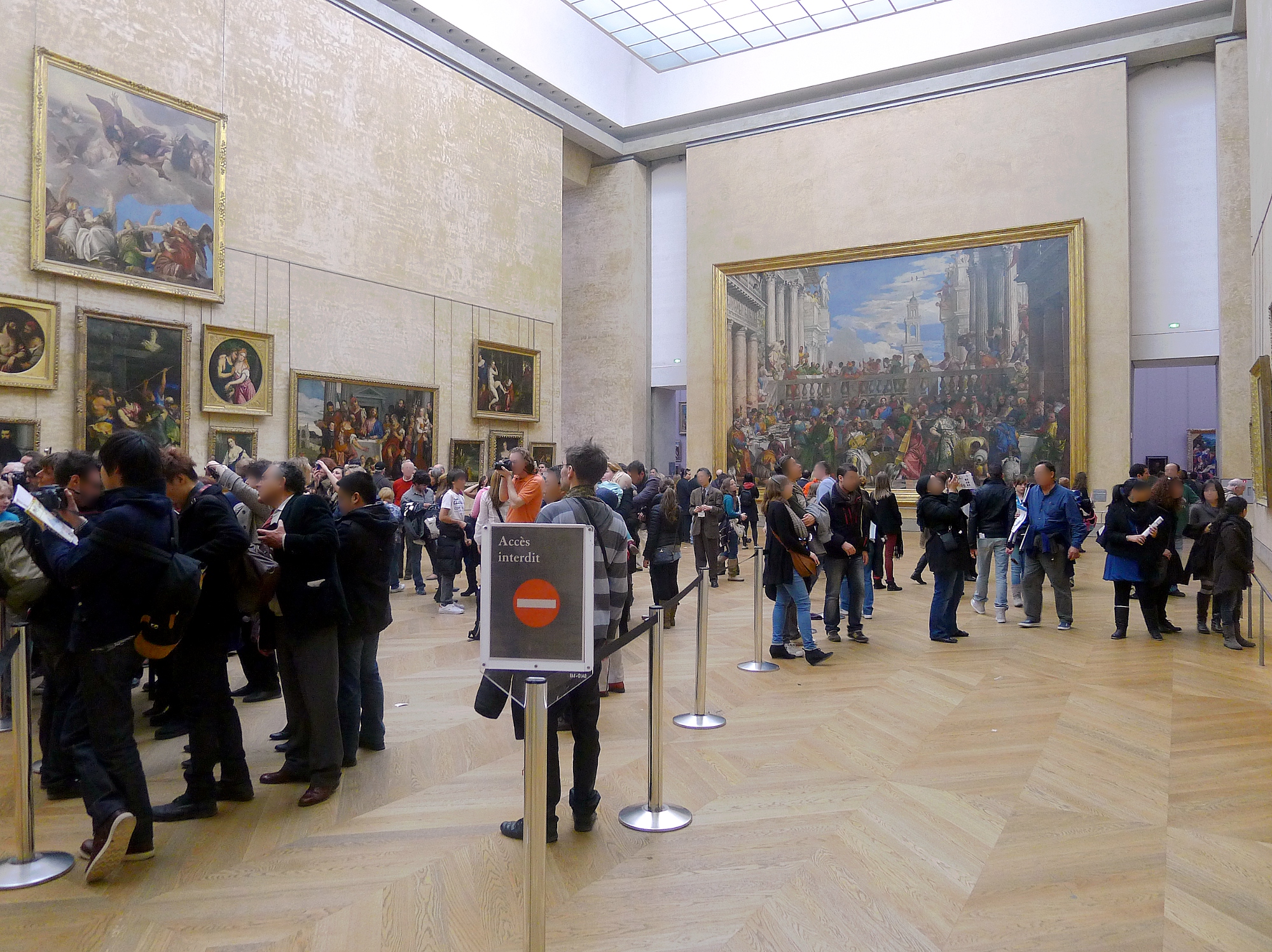
- ex situ conservation, i.e., collecting Buddha images from different temples and putting them in the one place (p. 40)
- combining elements from different Buddha statues in an attempt to repair them, or altering the form of the statue (e.g., by changing the size) (p. 40)
- allowing objects to become tarnished (e.g., silverware, jewellery, etc.) (p. 157)
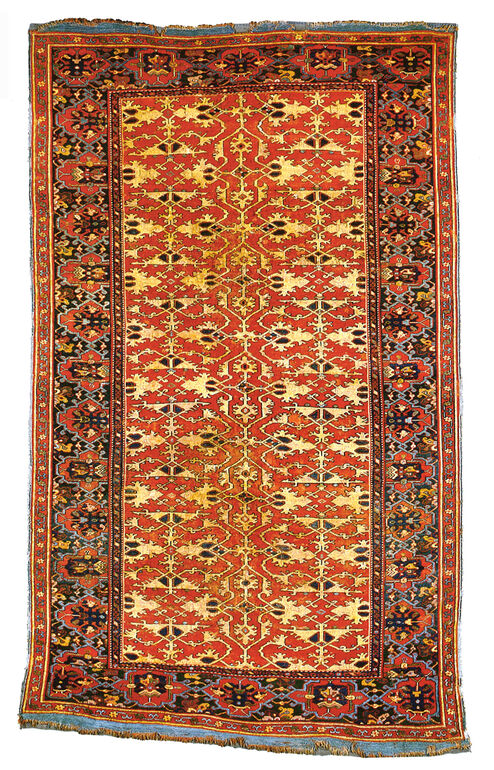
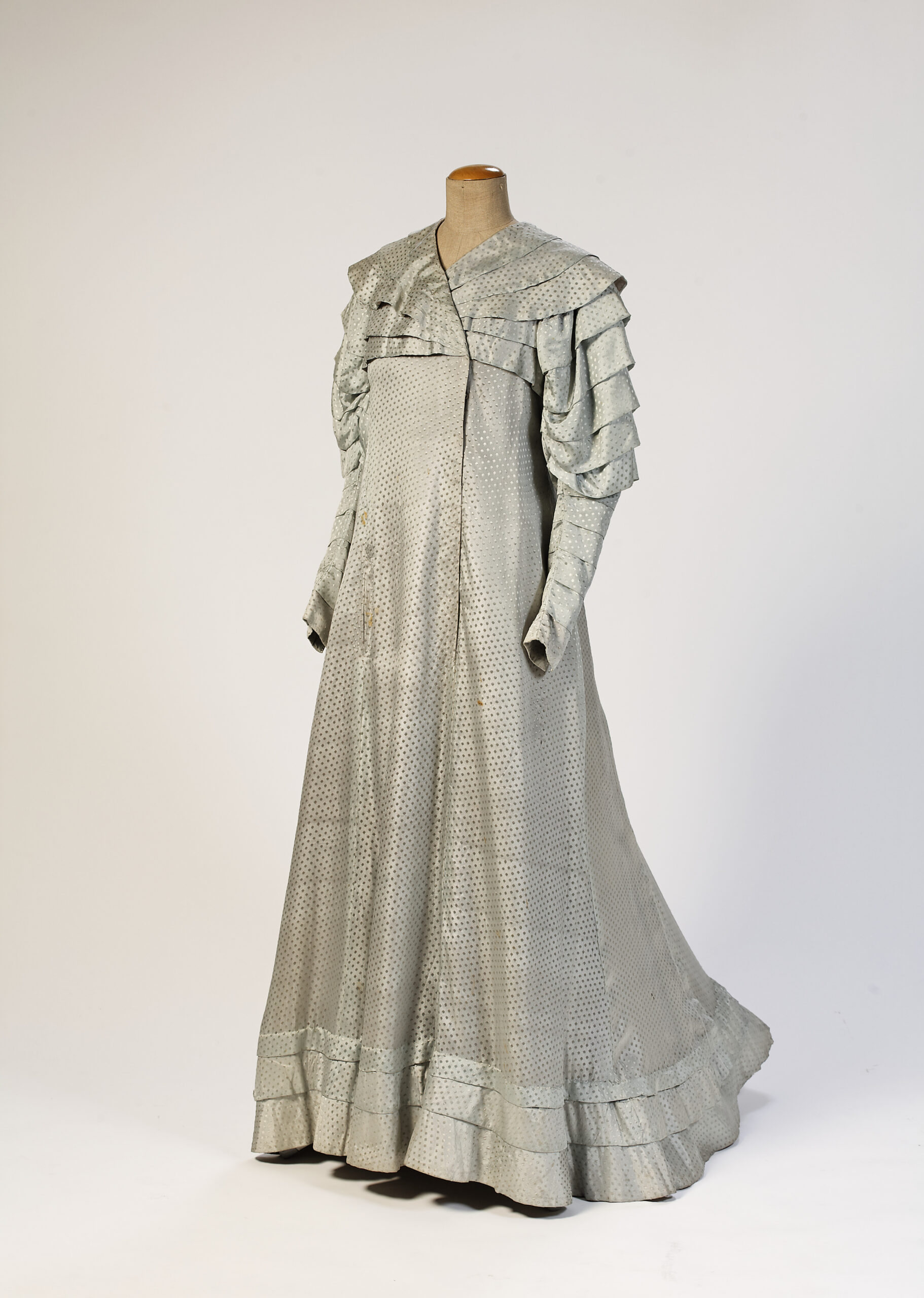
- repairing torn cloth with a different type of material to the original (p. 158)
Depending on its severity, khud can sometimes be prevented, even if an action causing khud has been made. In 2013, monks in Chiang Mai, Thailand, performed a ritual known as ถอนขึด/thon khud (withdraw khud) or ล้างขึด/lang khud (wash khud) to remove the bad luck prior to demolishing an old prison – the Chiang Mai Women’s Correctional Institution – in the middle of the city, in the area believed to be a former royal palace of the Lanna kingdom.
Woralun Boonyasurat (in Amornrath 2019) notes that belief in khud and observation of these practices is starting to be forgotten.