Traditional Manggarai weaving designs used natural dyes as the background, including indigo, known as 'tao' in the Manggarai language or 'nila', meani...
Pga K’nyaw culture and the forest are inseparable—they cannot be separated. When you tell stories about them, everything must be connected. Once there...
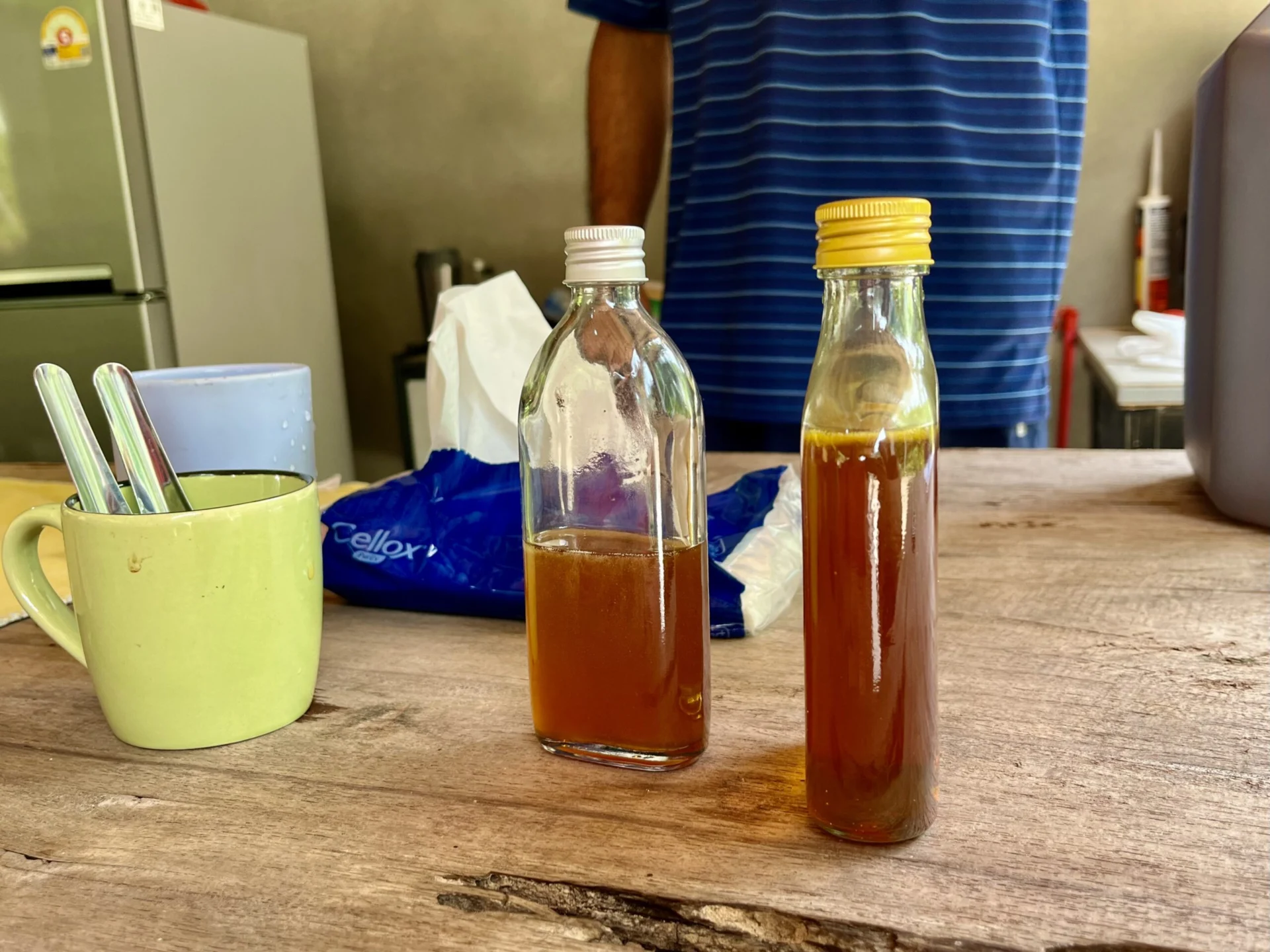
Bees are insects that naturally live in the forest, and they have value for villagers. In Hin Lad Nai village in Chiang Rai, there are three types of ...
I try to compare belief to the wind: we can feel it, but we cannot see it. Like when the trees sway, when the breeze blows, we feel comfortable. It mo...
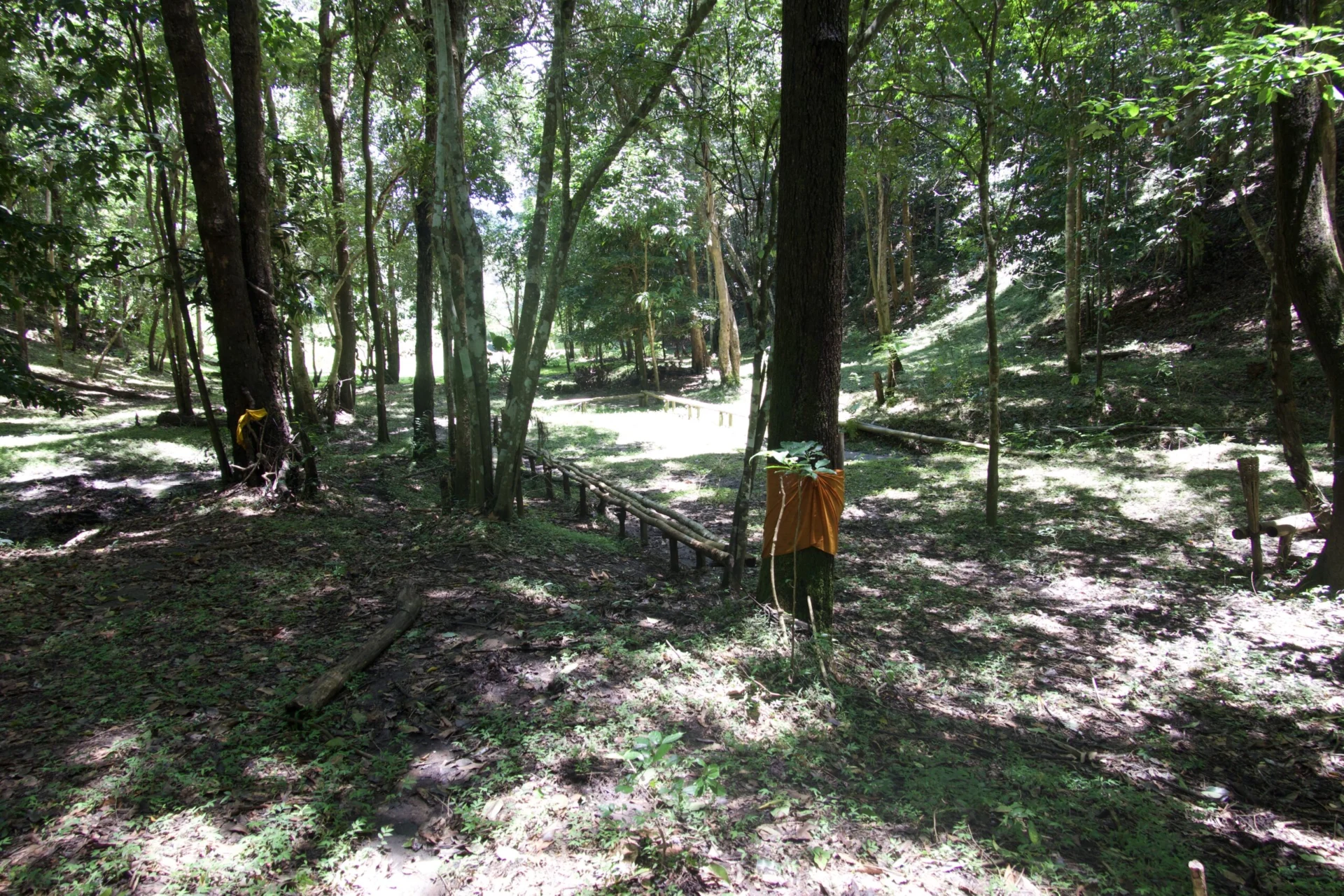
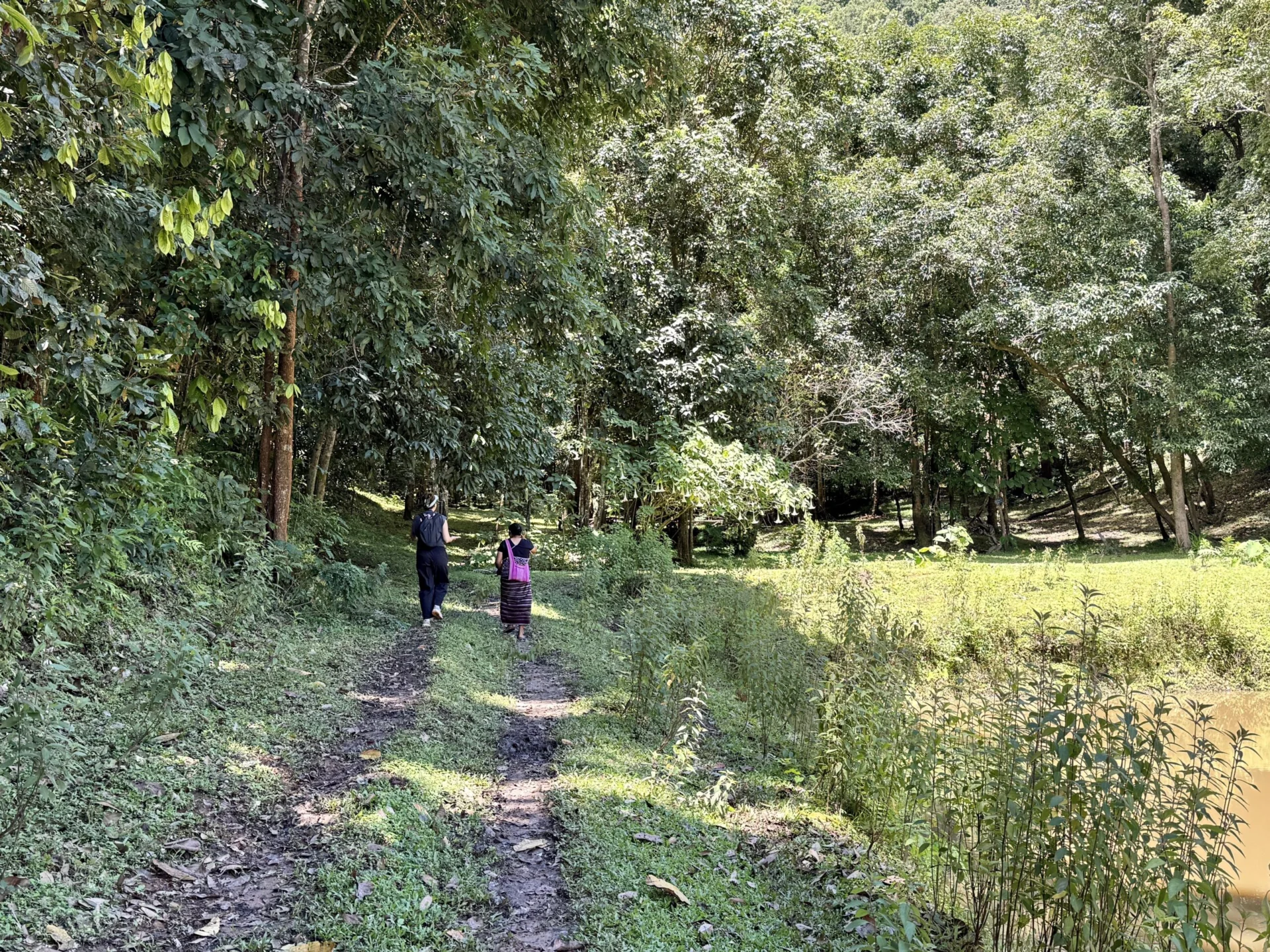
The way of life of the Pga K’nyaw is tied to the forest. The forest is like life itself, and they are especially known for how they manage the forest....
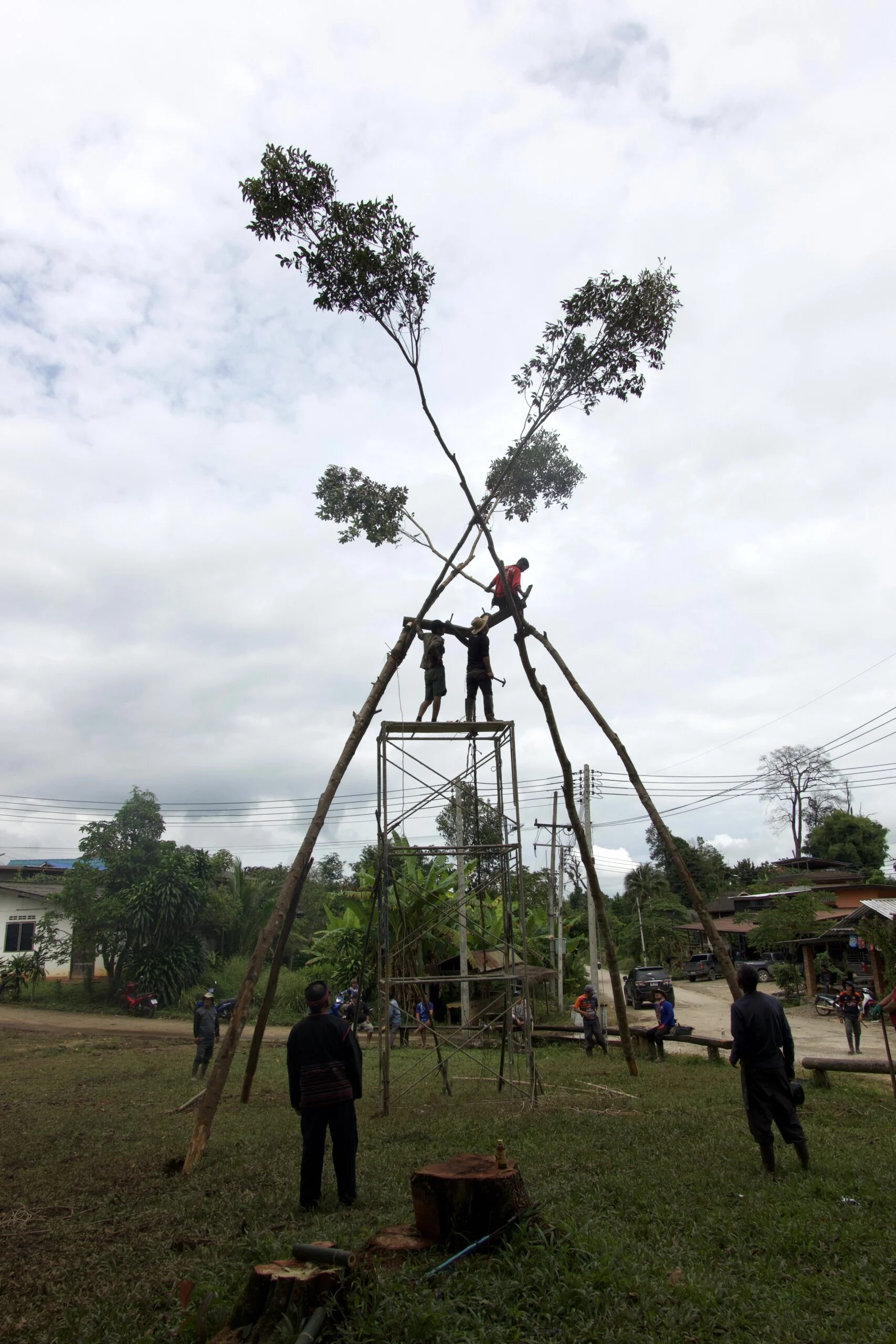
Yehkuja, also known as the 'Swing Festival' is an Akha ceremony that happens every year in August. In the past, the timing followed the zodiac—linked ...
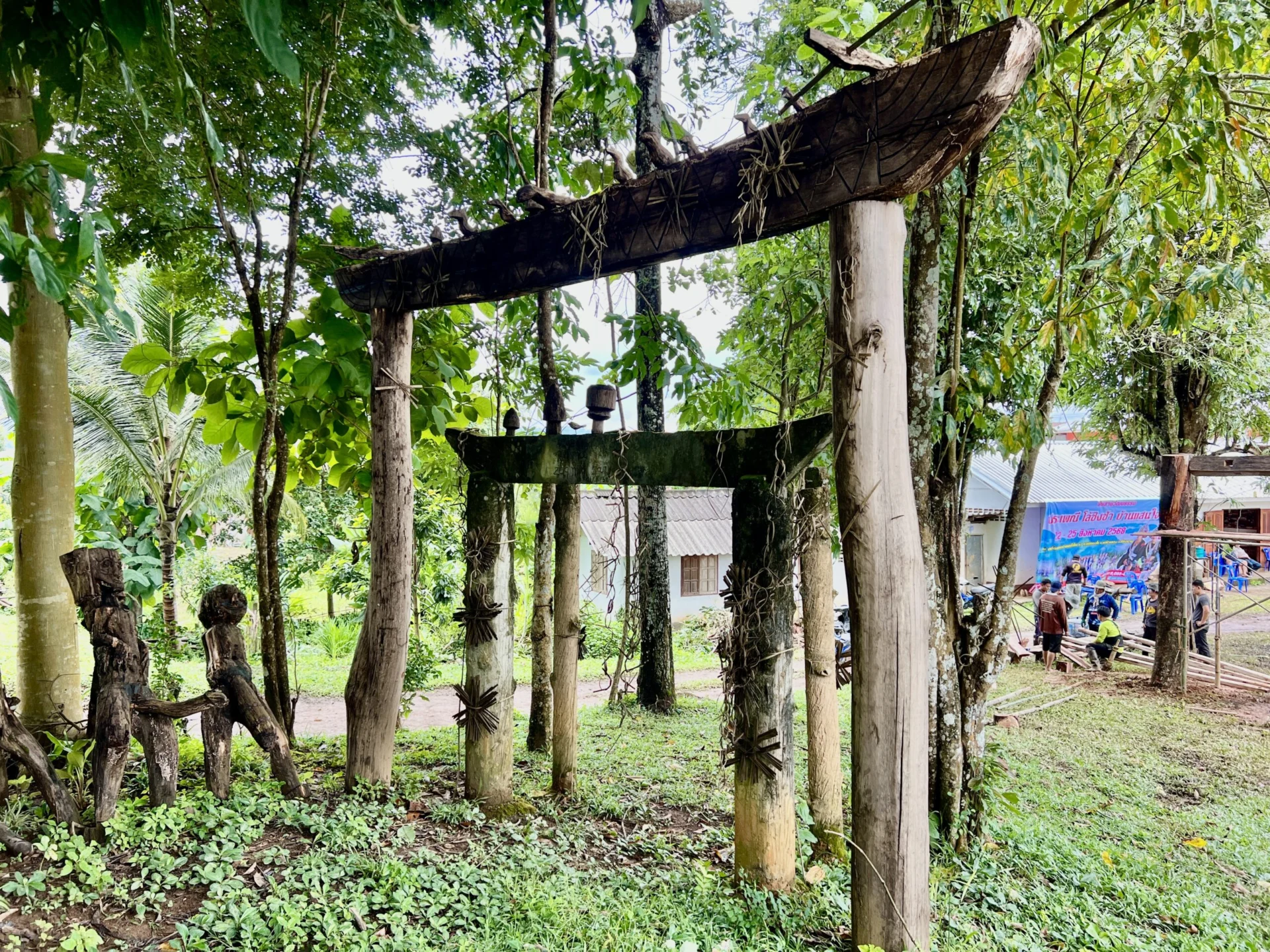
The 'Lanrkanq' or village gate (sometimes called a 'spirit gate') is considered sacred. It is meant to protect the village from evil forces and block ...
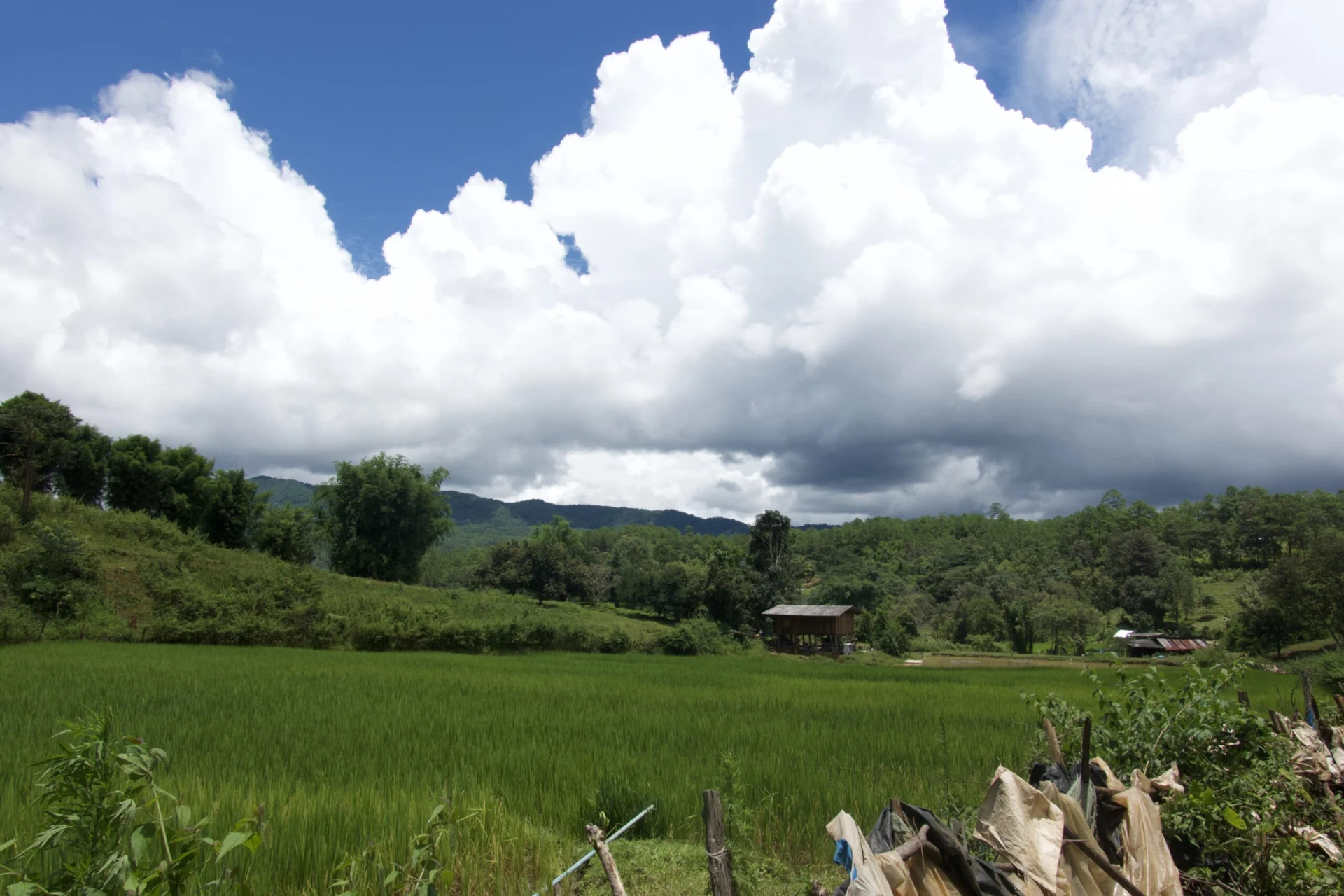
Our land has seven forest layers, like the seven tiers of a waterfall.
Settlement.
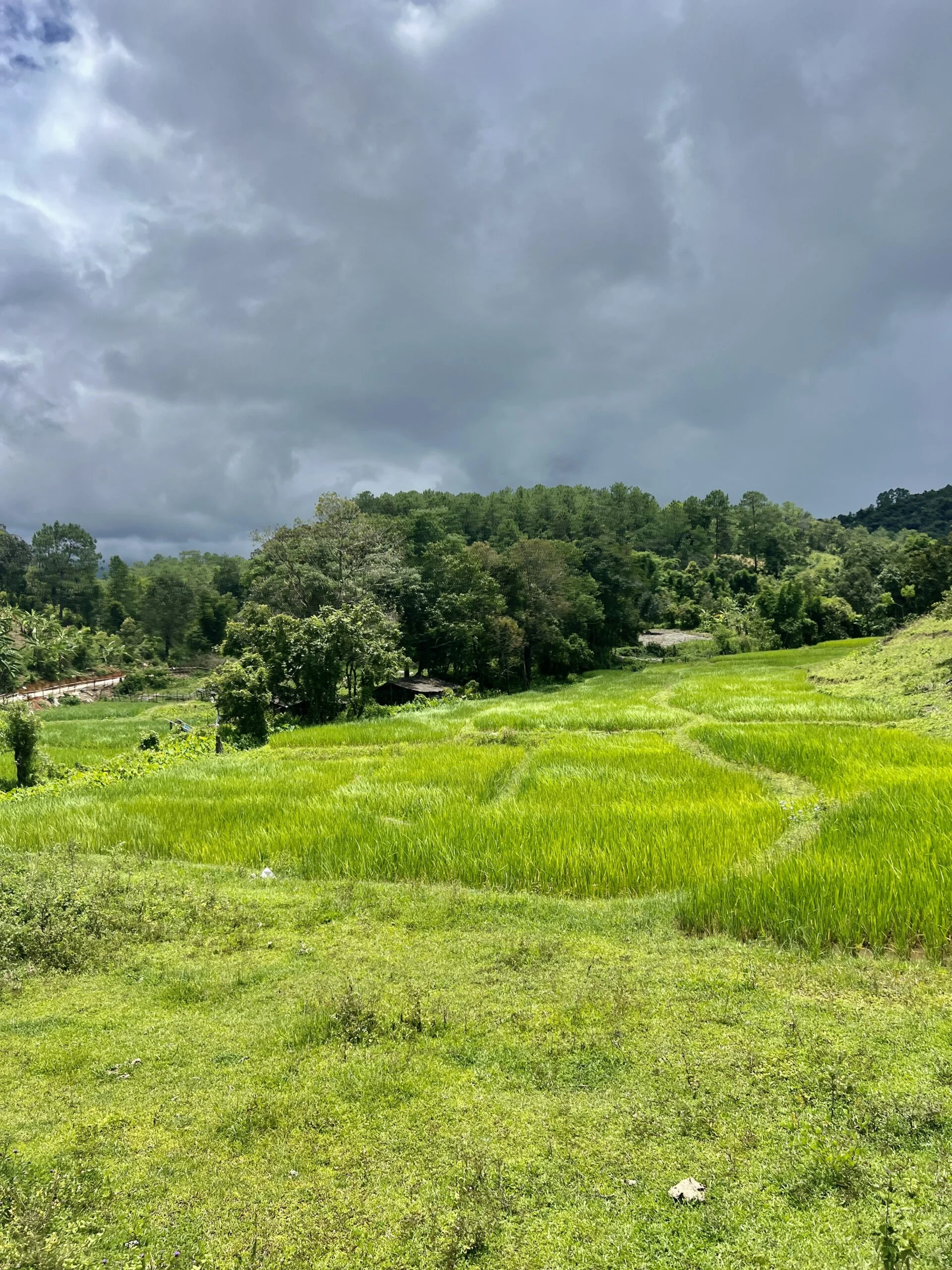
Farmland.
Orchards with fruit trees–not for full-scale economy, bu...
There are many Pga K'Nyaw folktales about living with the forest and conserving it. In Pga K’Nyaw, we say “Baw Ler Ler”, which means to preserve, or c...
A teaching passed on to the younger generation is “Ta Re Lu Meh, Ta Jo Lu Tee.” It means: "rice is life, water is spirit." Pga K’Nyaw people give resp...
In relation to asking for permission and living with the forest, Pga K’Nyaw have this saying: “Aw Kaw, Kaw Doh Kaw; Aw Tee, Kaw Doh Tee”. It means "ea...
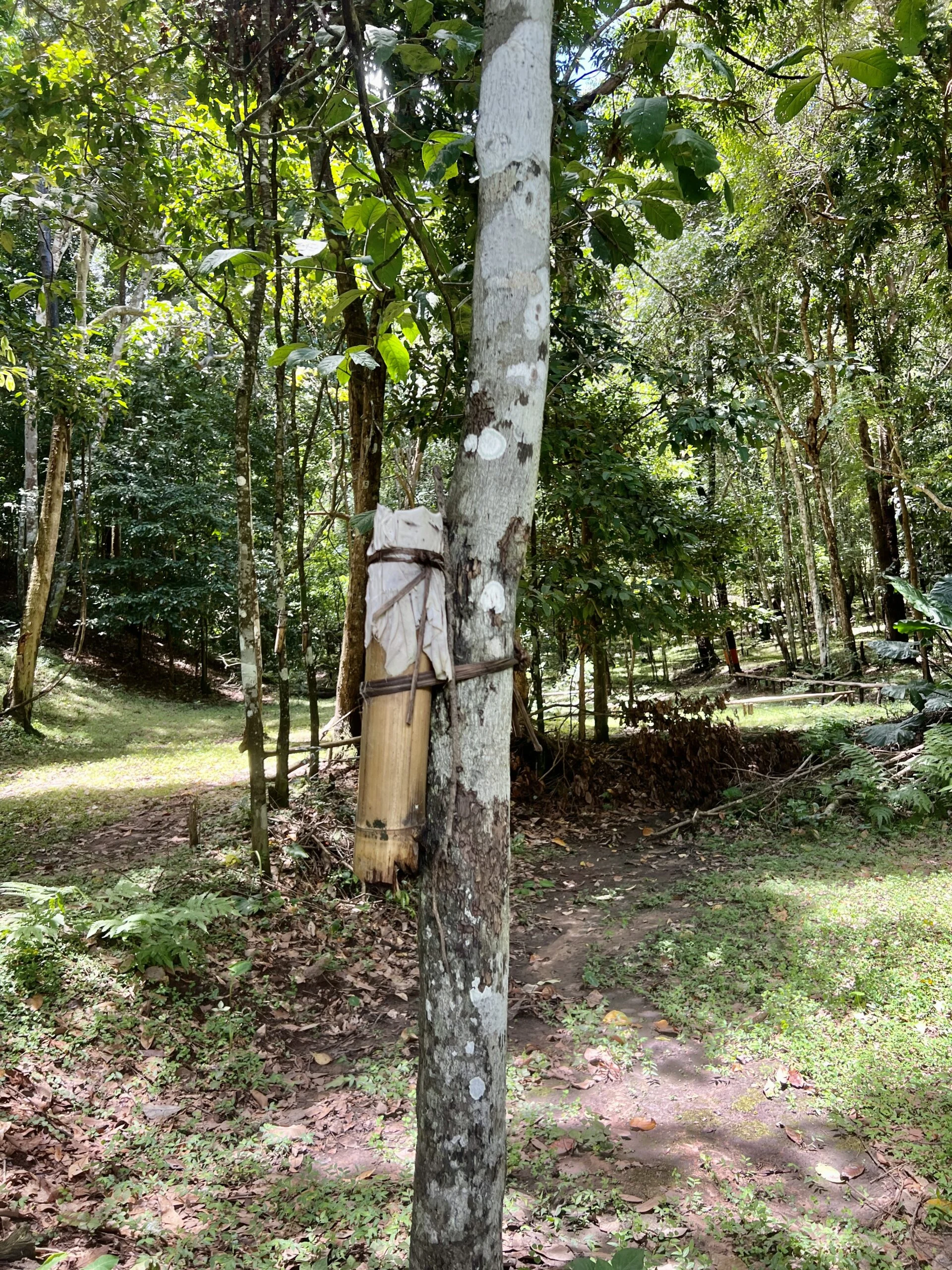
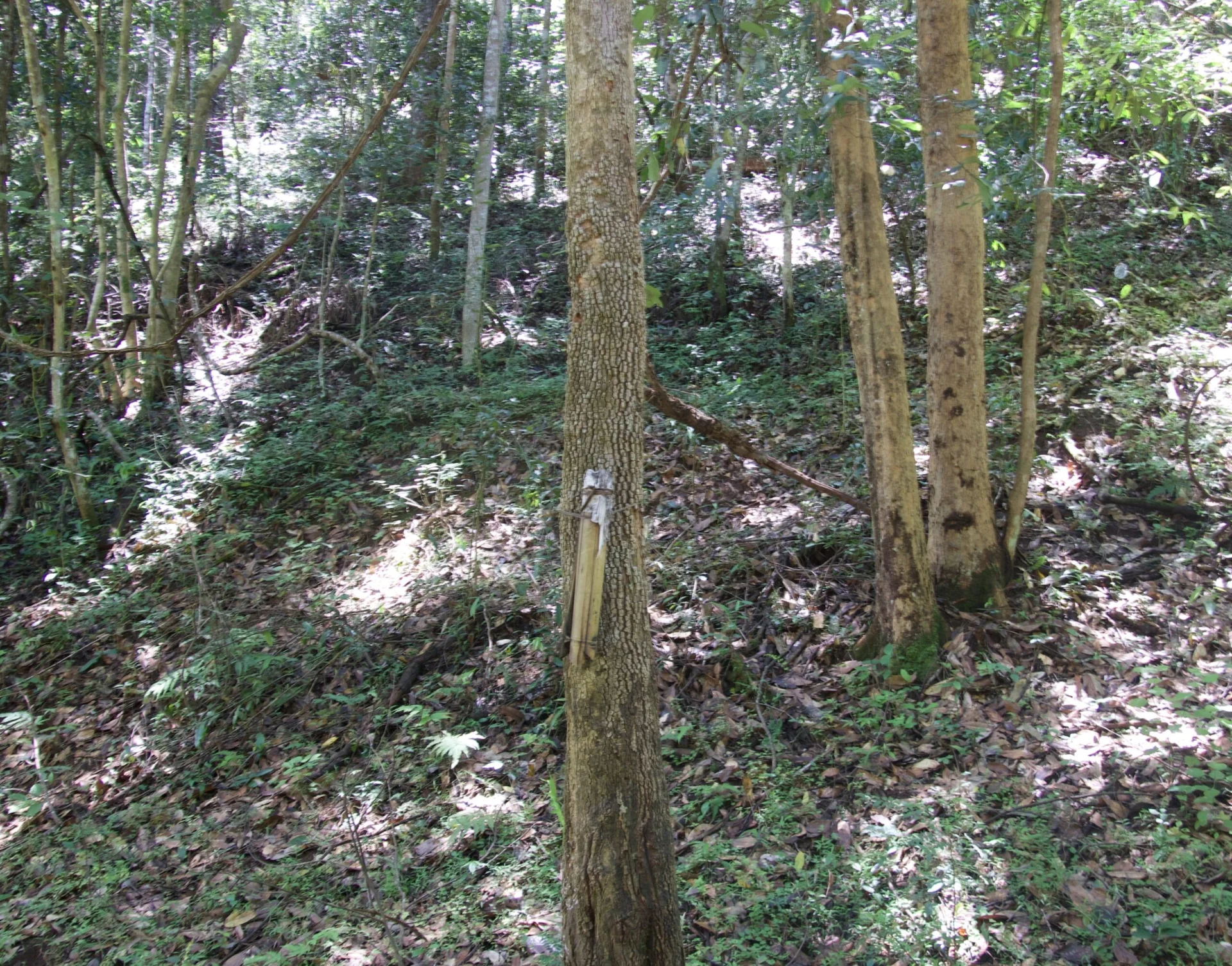
Conservation is not just about words, it is also about rituals. For example, in Pga K’Nyaw, we have the “De Paw” or umbilical cord. The De Paw is conn...
This website uses strictly necessary cookies to function. We would also like to use functional and analytical cookies to improve your experience. You can choose to accept or decline.