Kintsugi setzt sich aus folgenden Zeichen zusammen: 金 (kin) – Gold, Metall, Geld und 継ぎ (tsugi) – Verbindung / Reparatur / Zusammenfügen
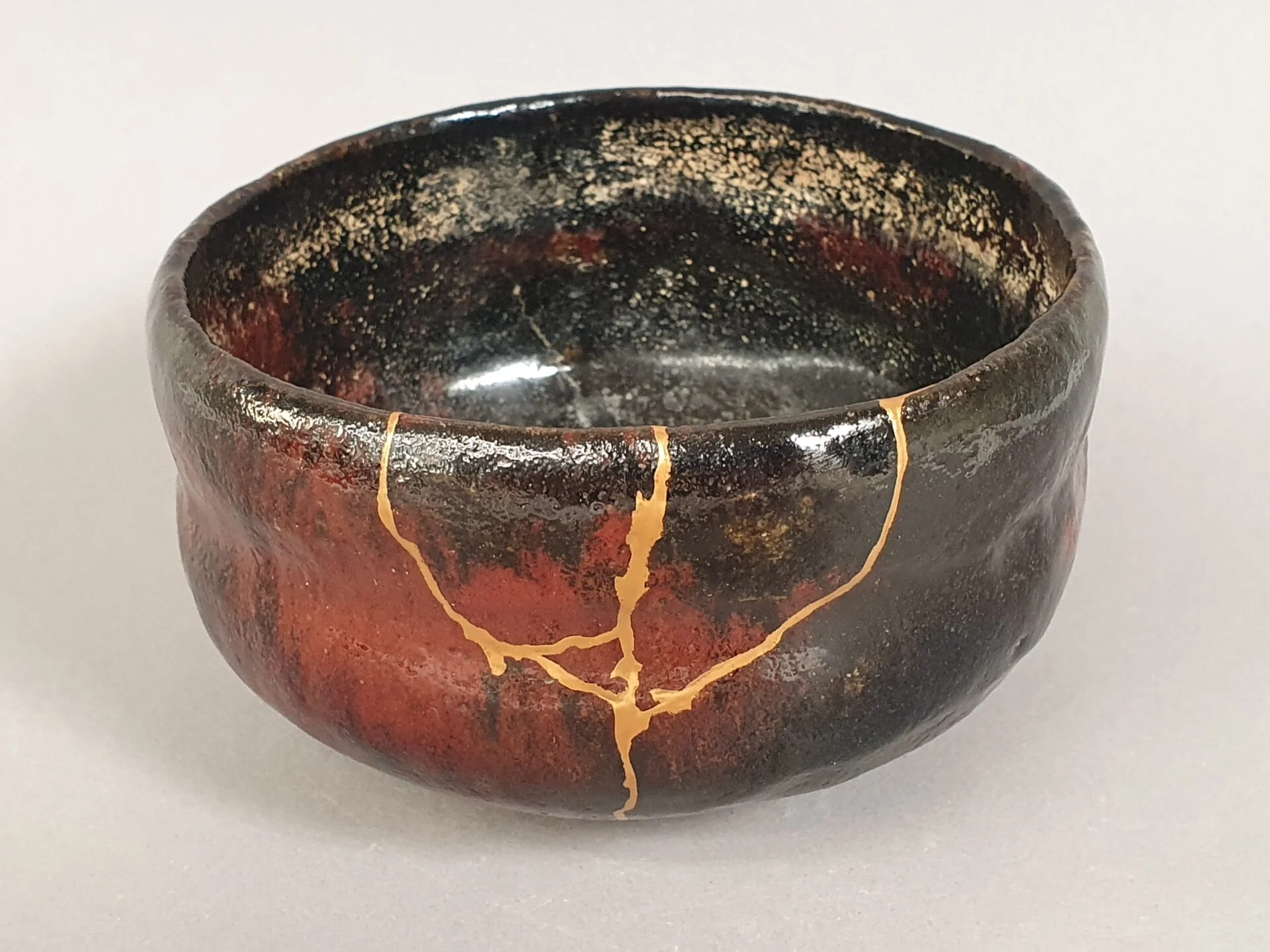
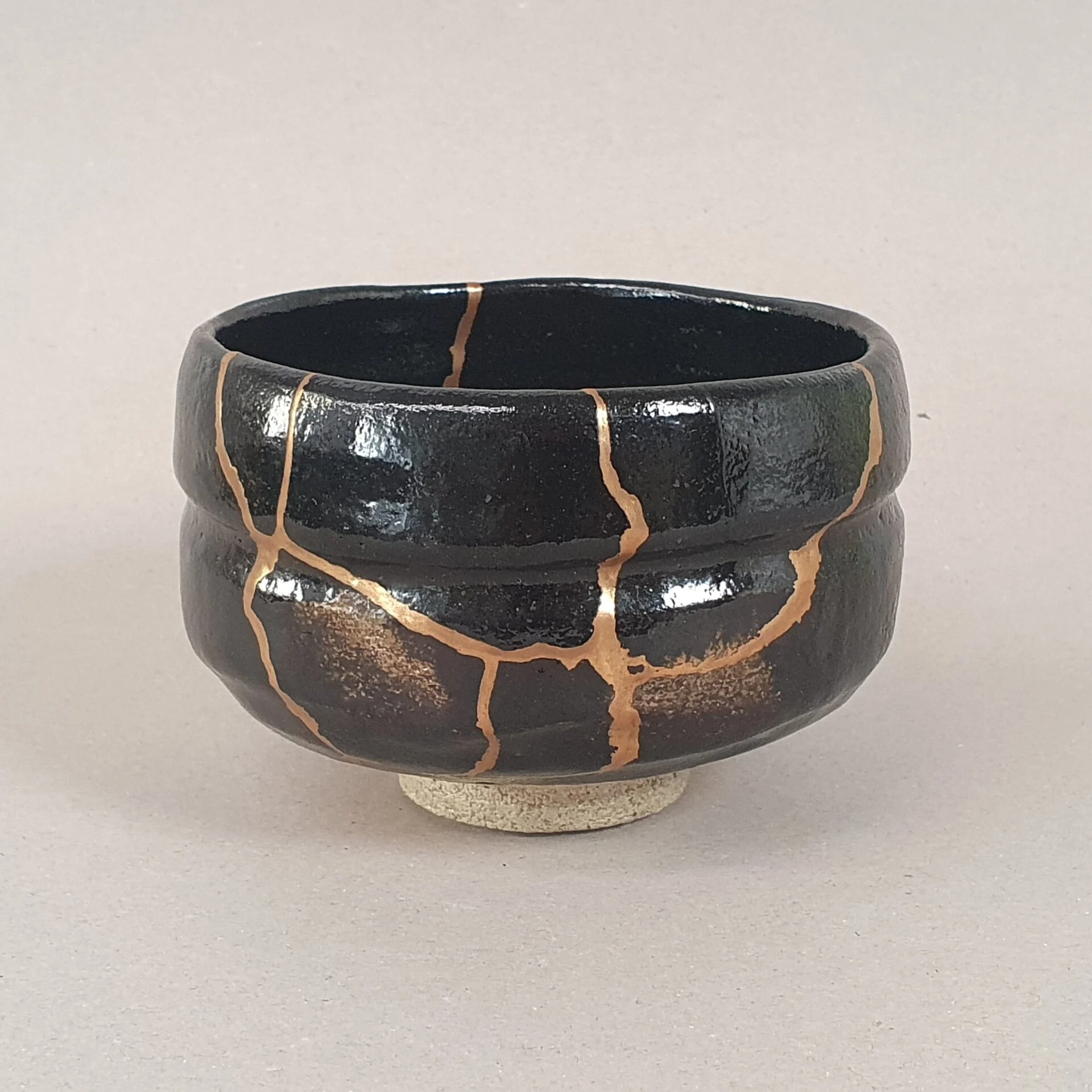
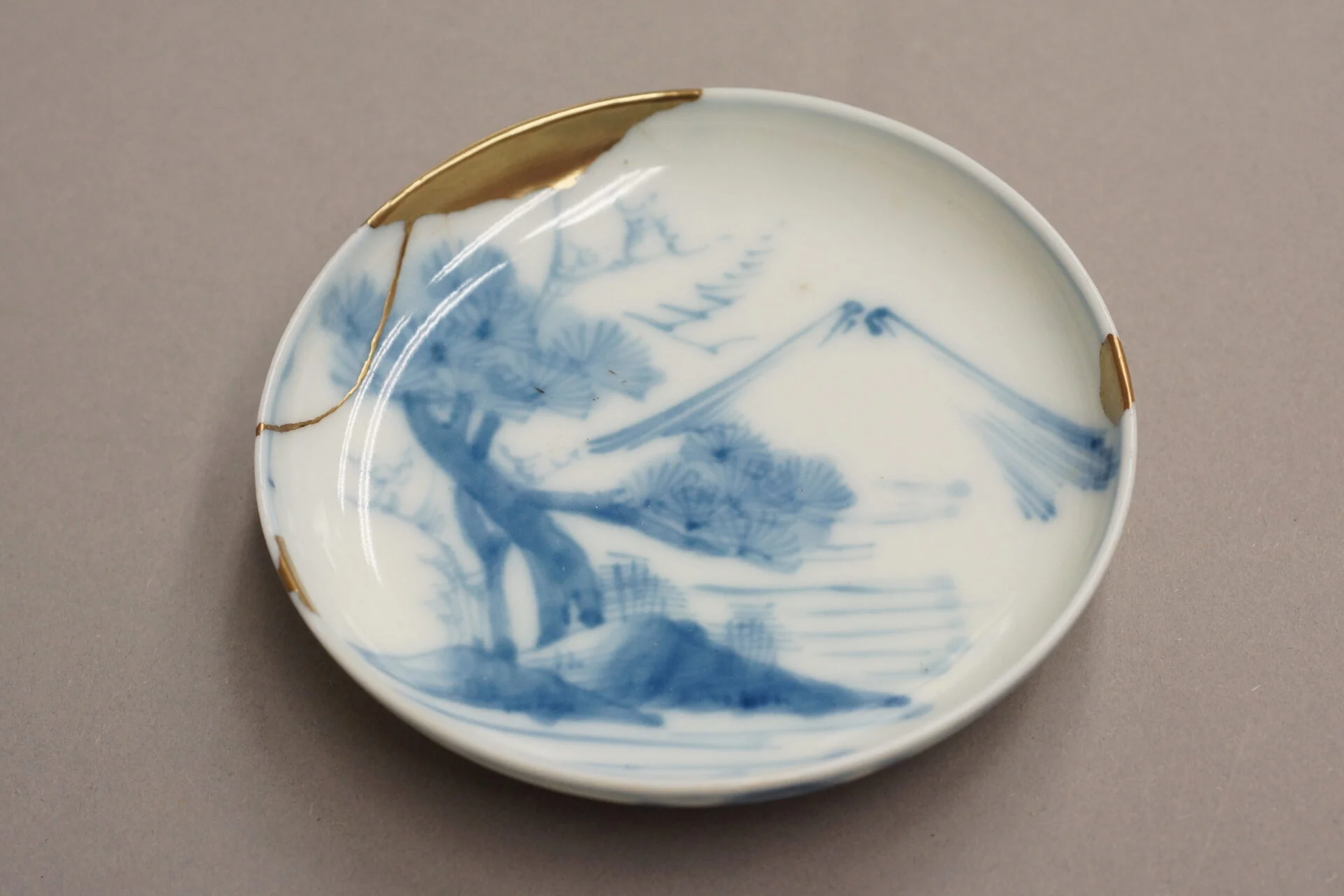
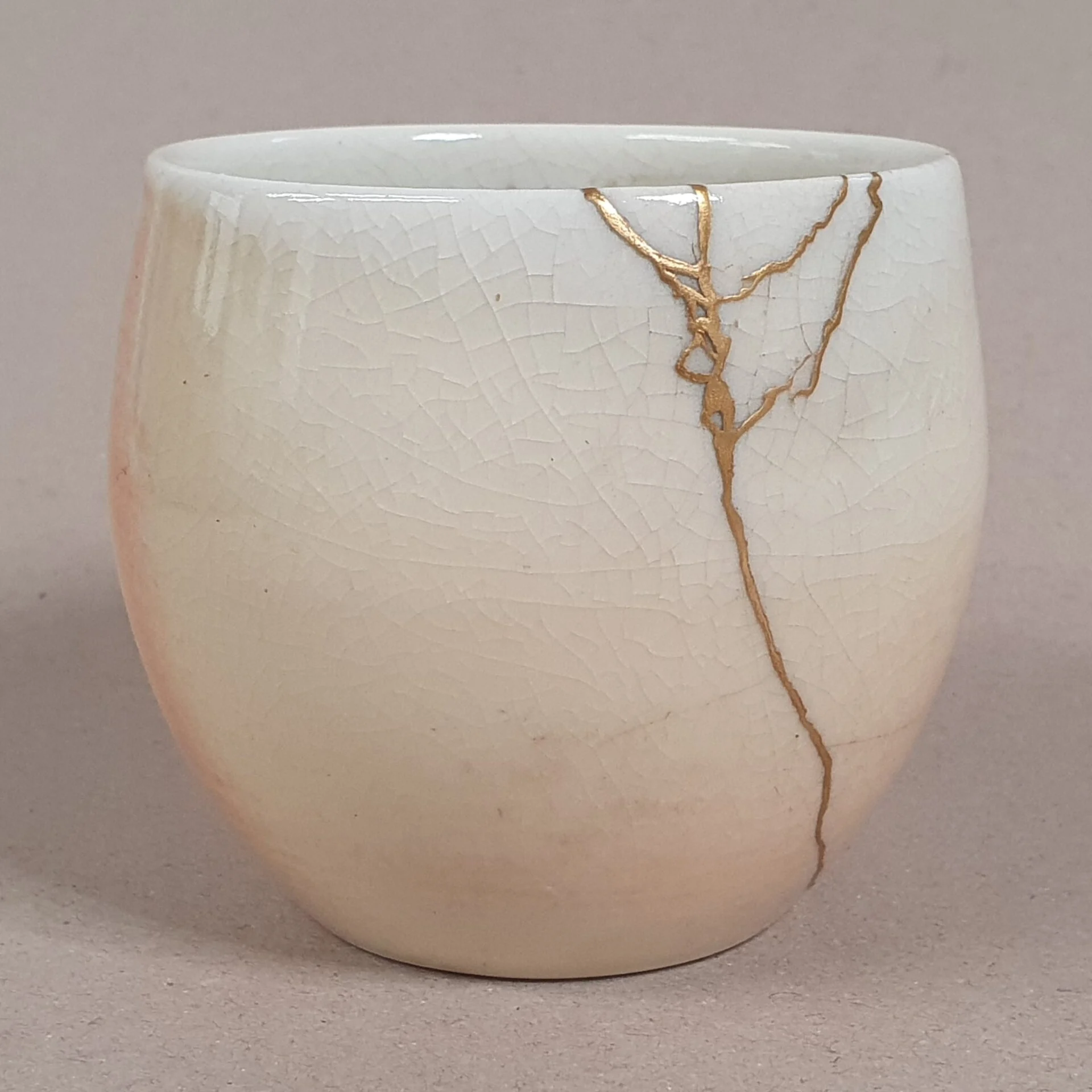
Kintsugi ist die traditionelle japanische Methode, zerbrochene Keramik mit Urushi Lack zu kleben. Die Fehlstellen werden dabei mit Metallpulver oder farbigem Urushi gestaltetet. Das feinste Goldpulver Keshifun wird aus zerriebenem Blattgold, das gröbere – Hiragokufun und Marufun – wird durch Feilung gewonnen. Schäden werden nicht versteckt, sondern mit sehr wertvollen Materialien auf künstlerische Weise gestaltet.
Hinter Kintsugi steckt das ästhetische Konzept von Wabi-Sabi, das die Schönheit in der Unvollkommenheit und der Vergänglichkeit wertschätzt. Wabi-Sabi ist eng mit dem Zen-Buddhismus und der Teezeremonie verbunden.
Kintsugi is composed of the following characters:
金 (kin) – gold, metal, money
and
継ぎ (tsugi) – connection / repair / joining
Kintsugi is the traditional Japanese method of repairing broken ceramics using urushi lacquer. The damaged areas are then decorated with metal powder or colored urushi. The finest gold powder, keshifun, is made by grinding gold leaf; the coarser types – hiragokufun and marufun – are obtained through filing. Damage is not hidden, but instead artistically highlighted using very valuable materials.
Behind Kintsugi lies the aesthetic concept of Wabi-Sabi, which values the beauty in imperfection and transience. Wabi-Sabi is closely connected to Zen Buddhism and the tea ceremony.

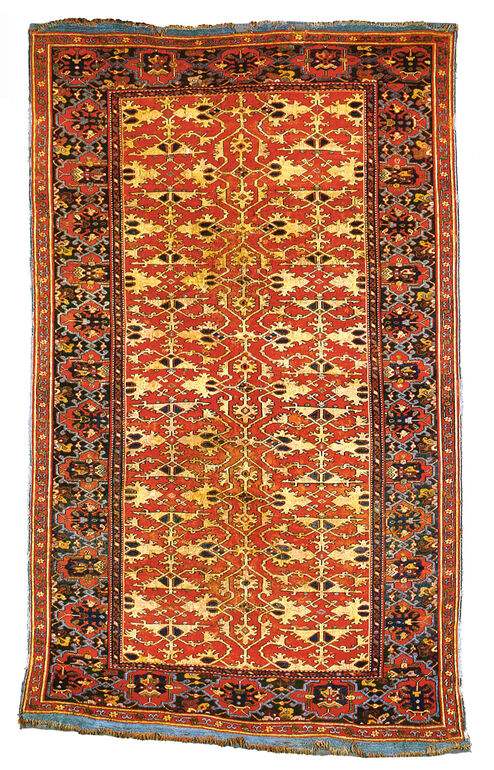
Als Lotto-Teppiche werden geknüpfte Wollteppiche bezeichnet, deren typisches Muster aus gelben, geometrisierten Ranken auf rotem Grund besteht. Sie wu...
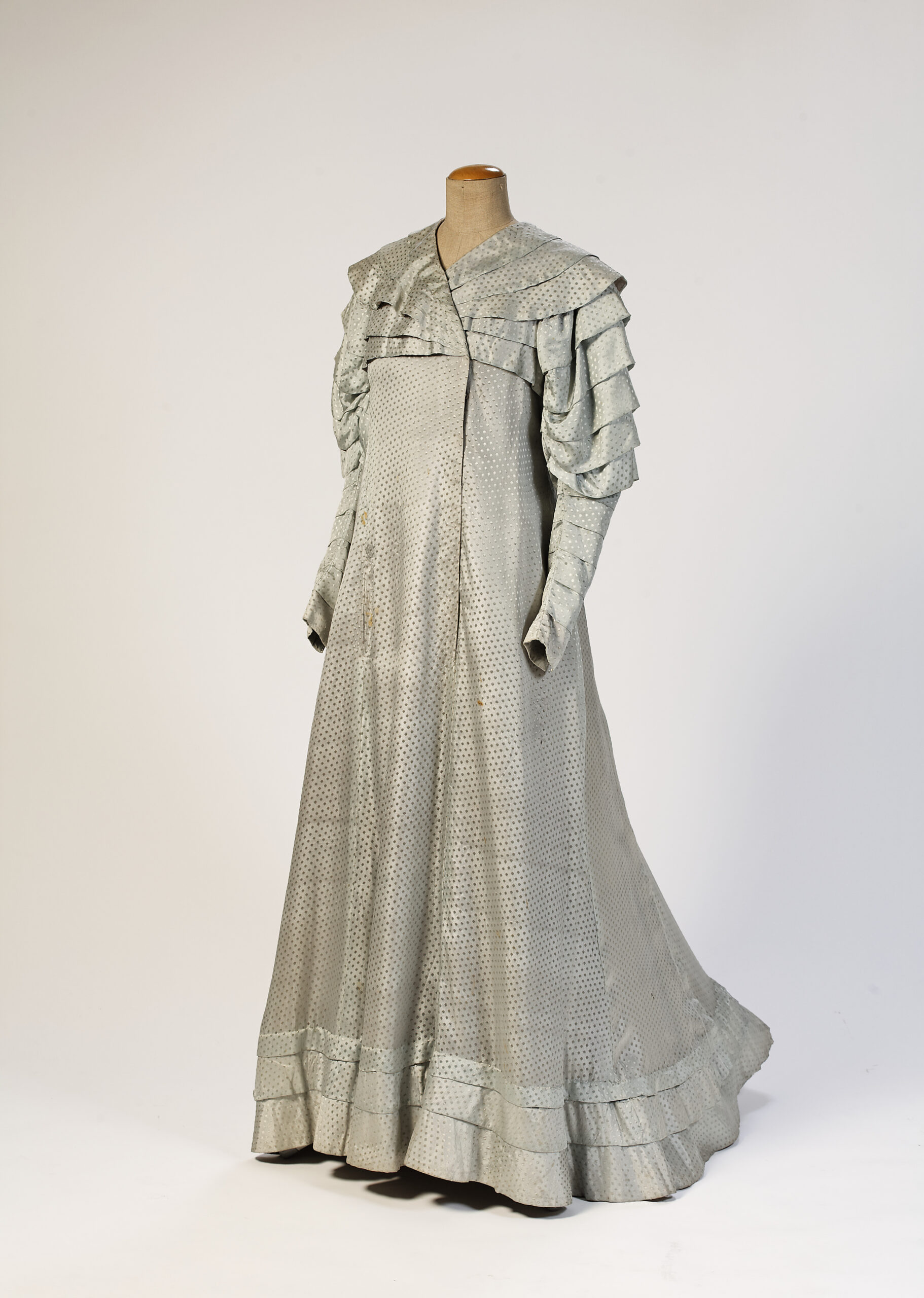
Als Reformkleid wird ein Kleid bezeichnet, das lose von den Schultern herabhängt, bequem weite Ärmel hat und ohne Korsett getragen werden sollte. Vora...
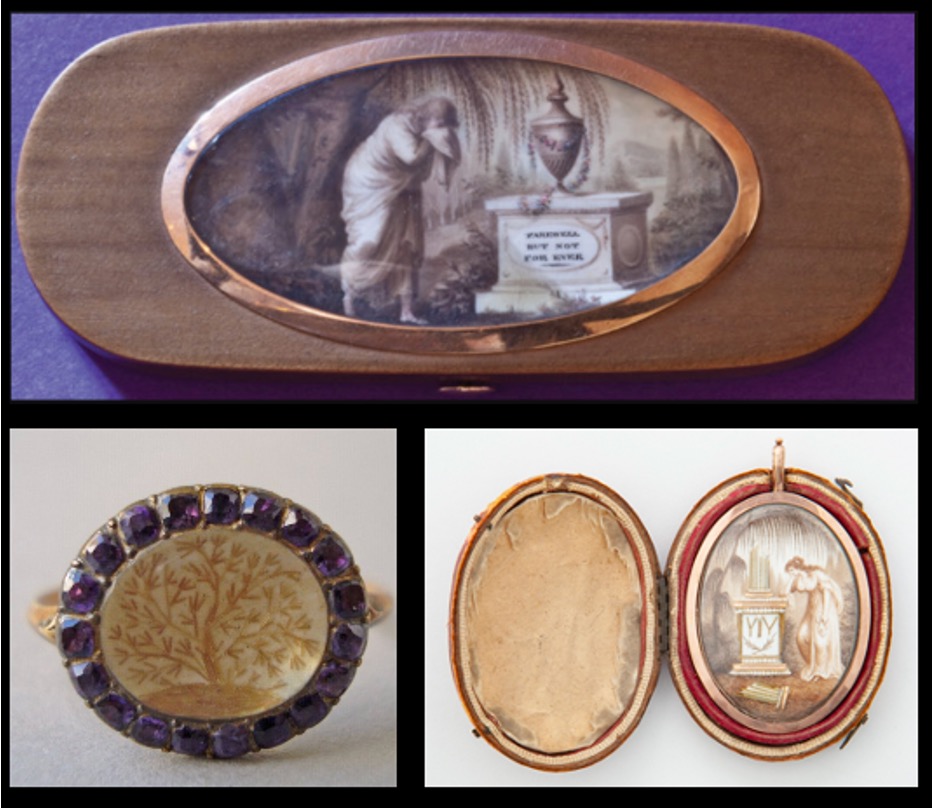
Masticated work, sometimes called cut work or sepia work, is a hairwork technique in which hair is finely chopped or ground into a powder, mixed with ...
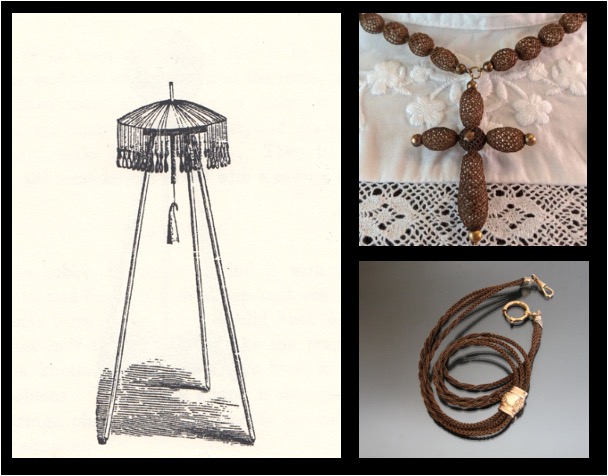
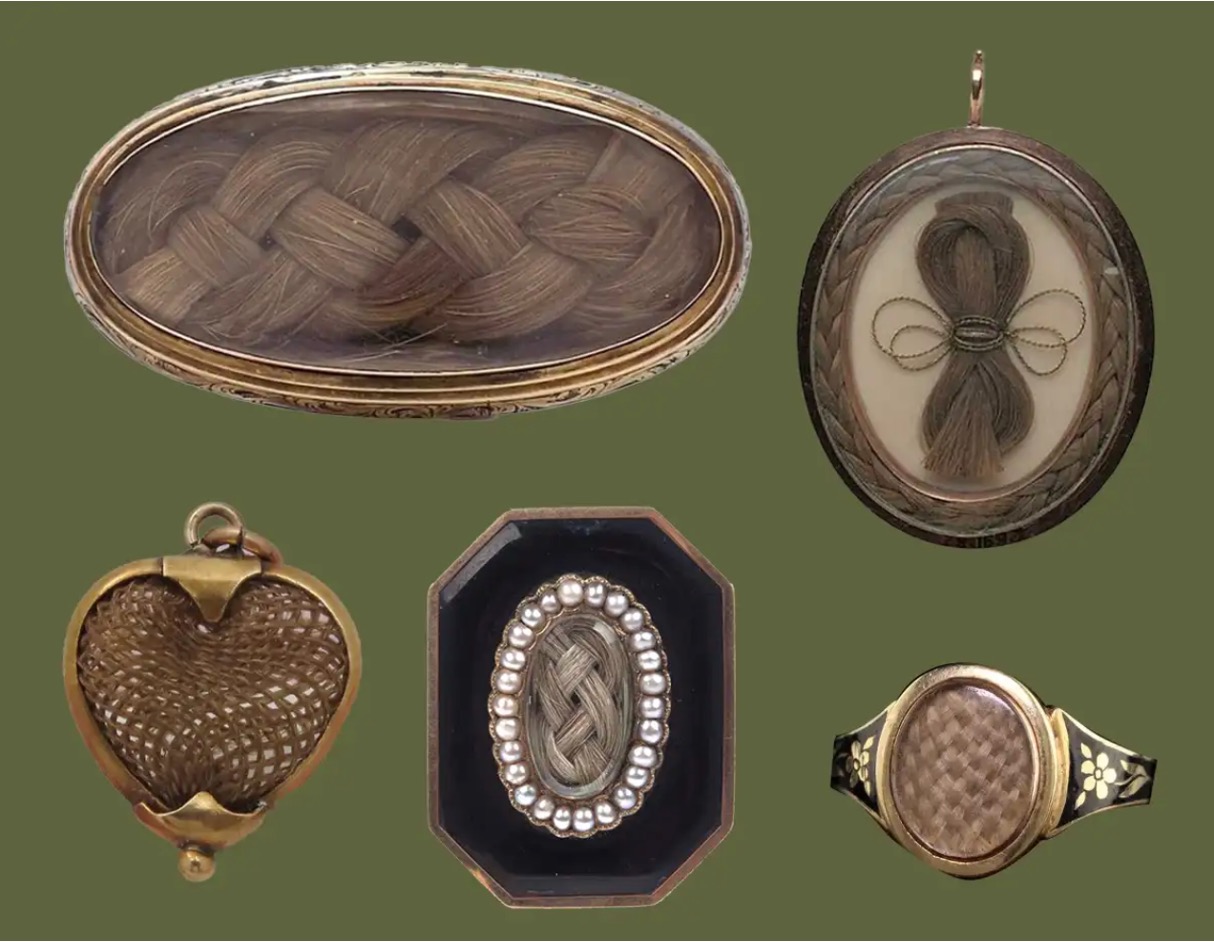
Table work refers to a wide range of hairwork techniques that involve braiding and weaving hair into a jewelry. The name comes from the apparatus at t...
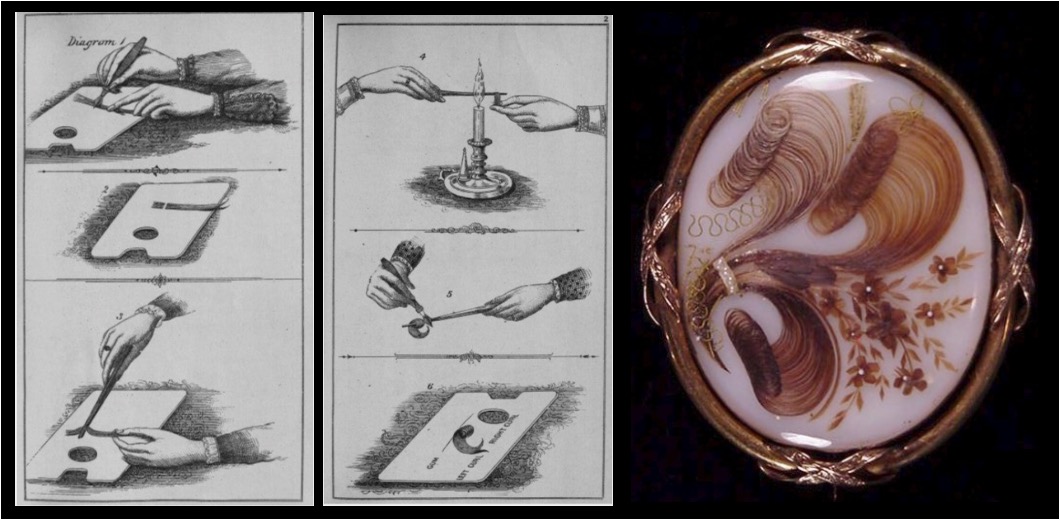
Palette work is a hairwork technique that involves flattening a lock of hair onto a piece of glass, covering it with gum tragacanth (sometimes referre...
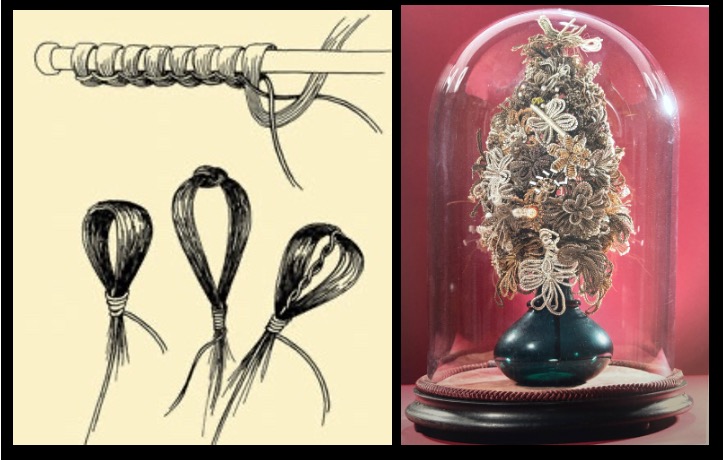
Gimp work (sometimes called wire work) refers to an extremely intricate form of hairwork that involves looping strands of hair around a pin or wire to...
Hairwork refers to the long and varied tradition of crafting objects, images, and keepsakes from the hair of loved ones. While the practice is now mos...
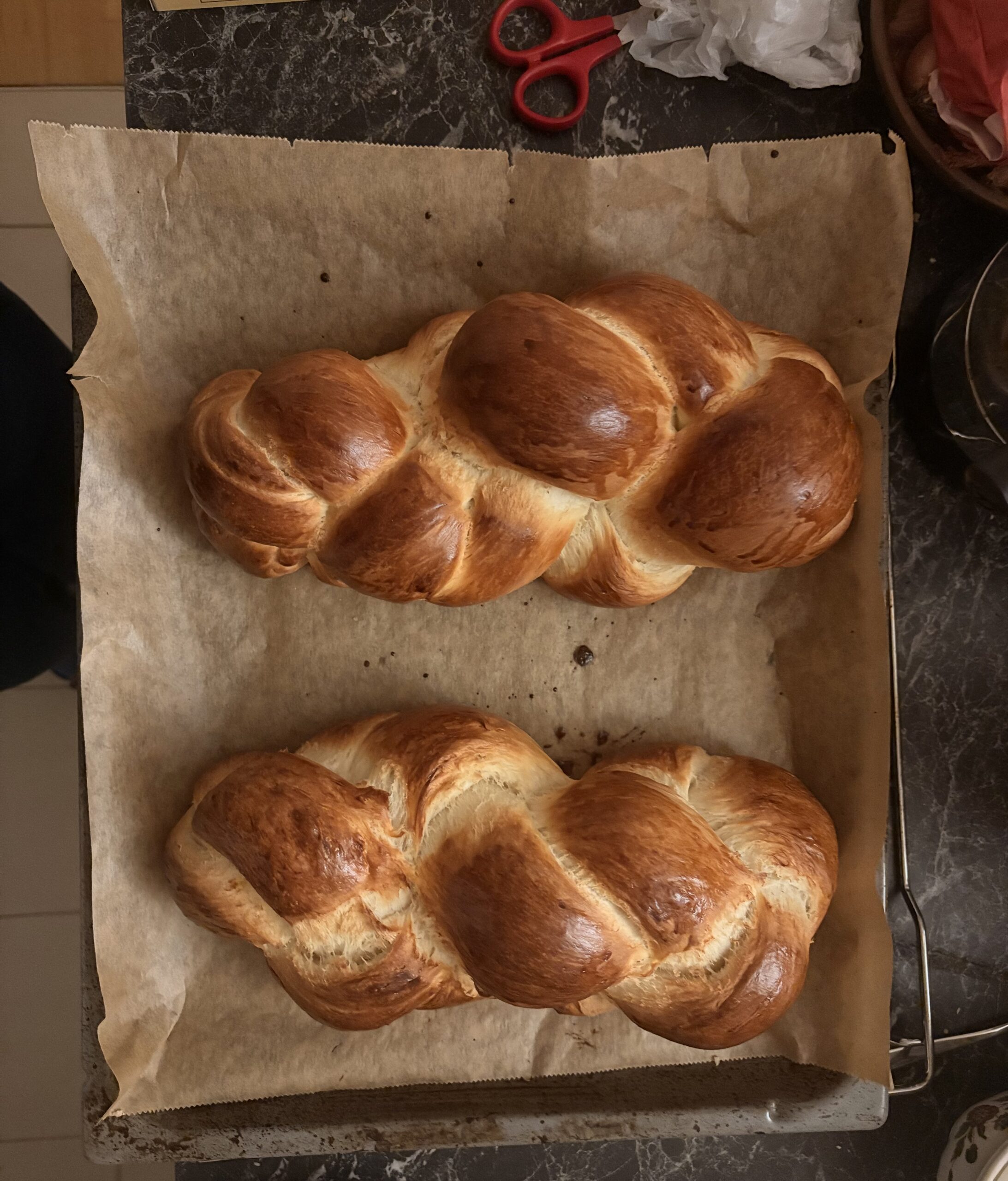
Butterzopf (Standard German) is a braided loaf of bread typically made from flour, milk, butter, yeast, and salt and brushed with egg before baking, a...
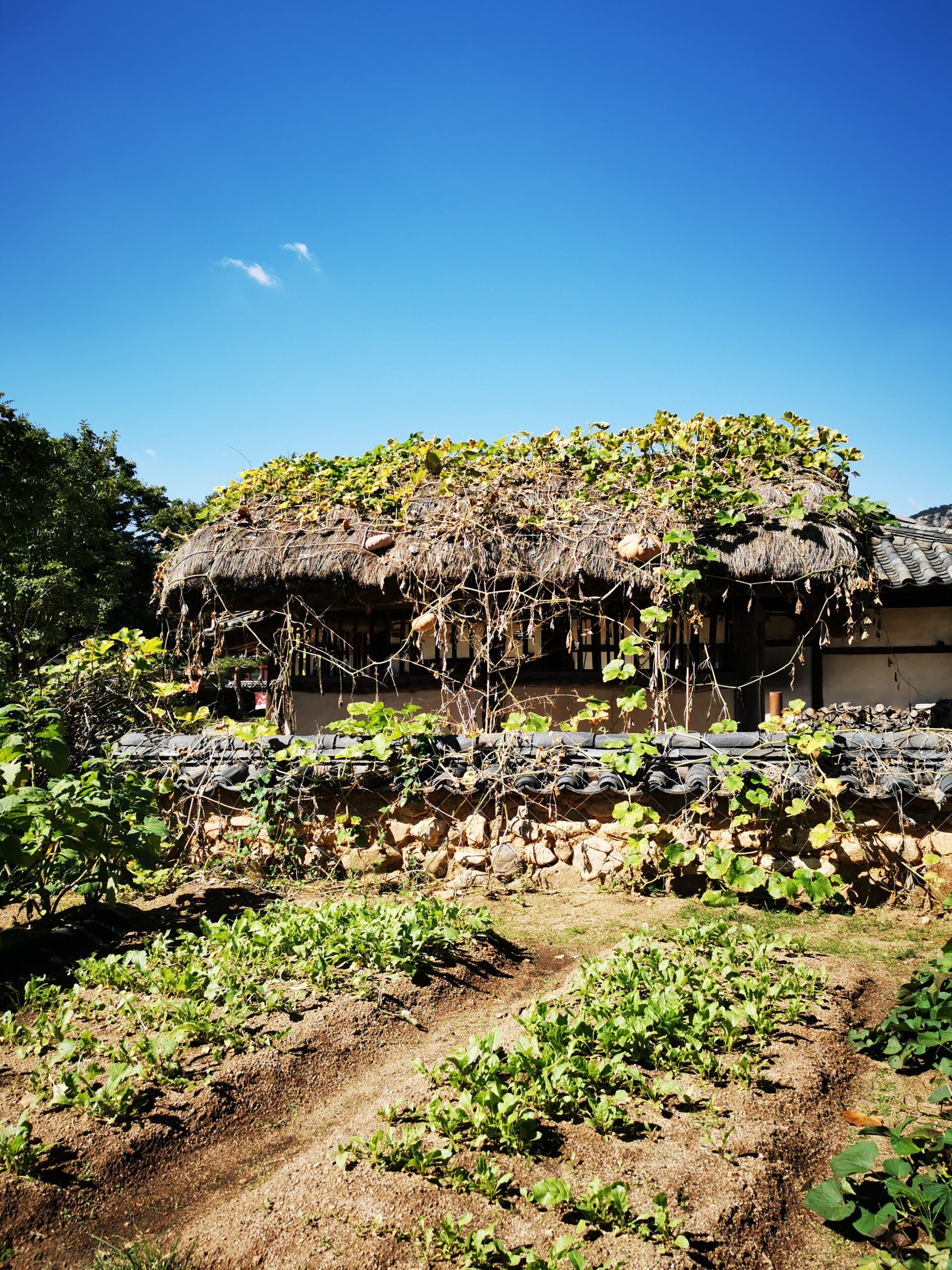
Choga is a traditional type of Korean housing, which is characterised by a thatched roof. The materials used vary depending on region; rice straw was ...
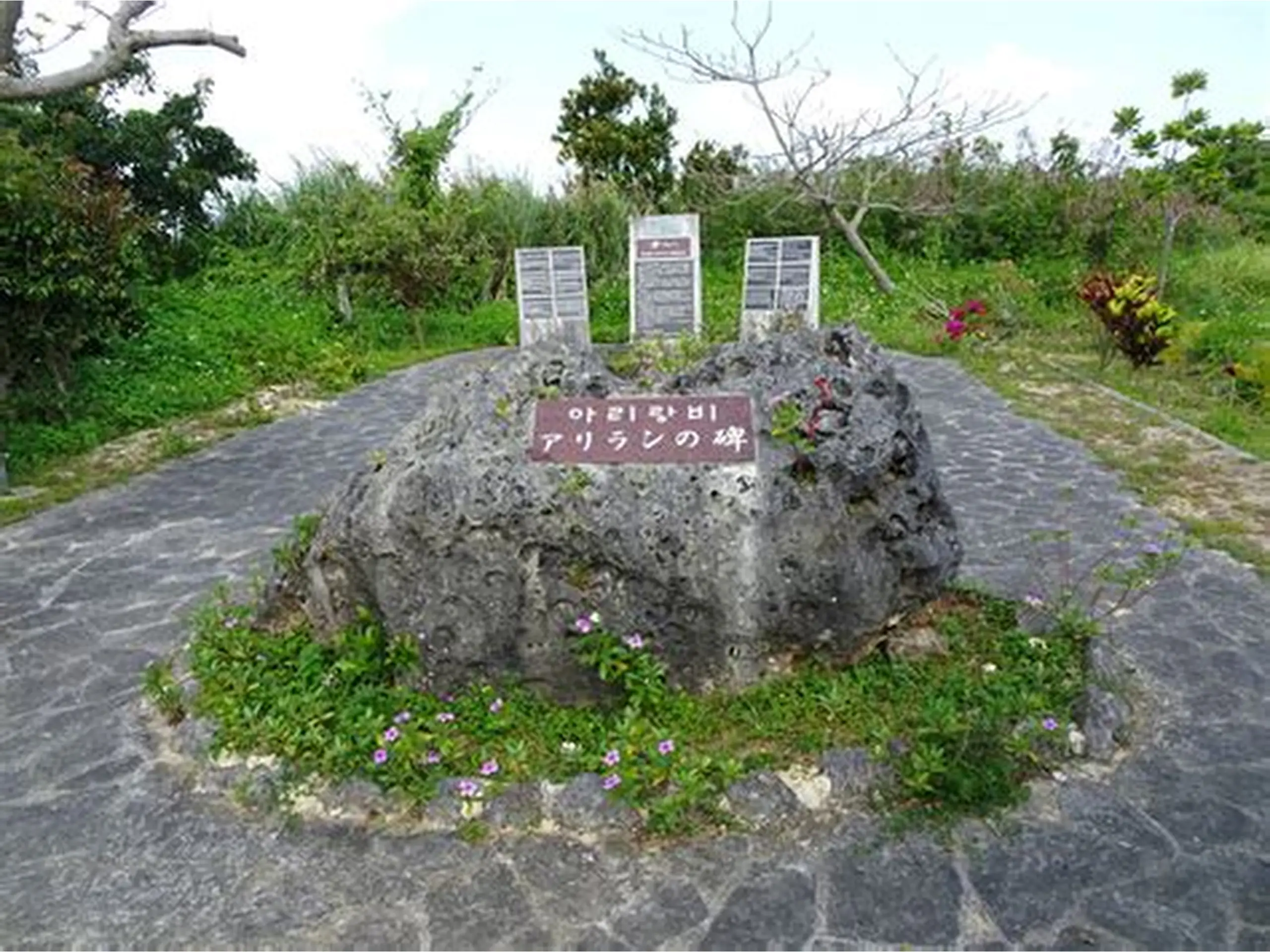
Arirang is a Korean folk song that gained significance during the Japanese occupation of the Korean Peninsula as a form of resistance. The origin of t...
This website uses strictly necessary cookies to function. We would also like to use functional and analytical cookies to improve your experience. You can choose to accept or decline.