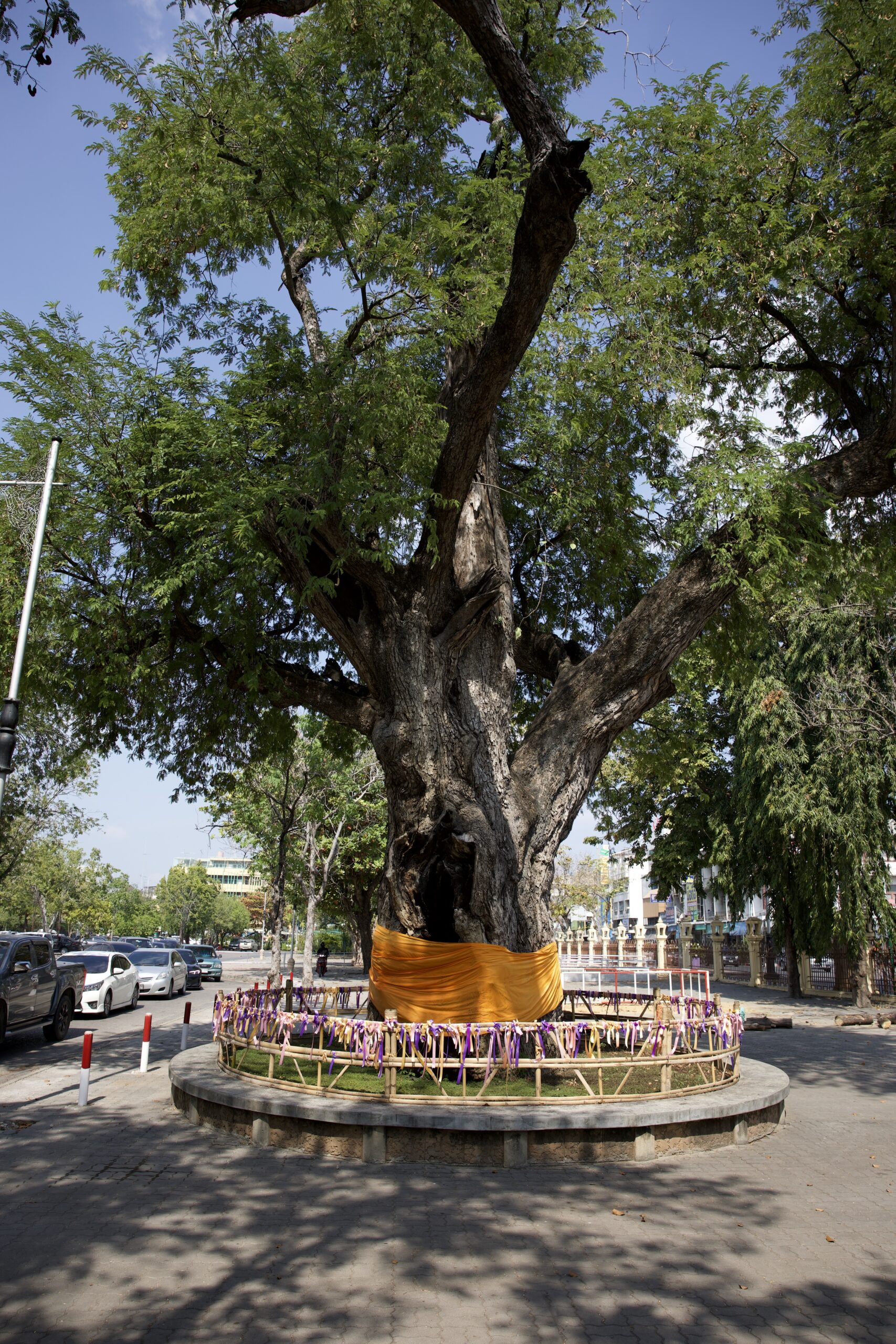
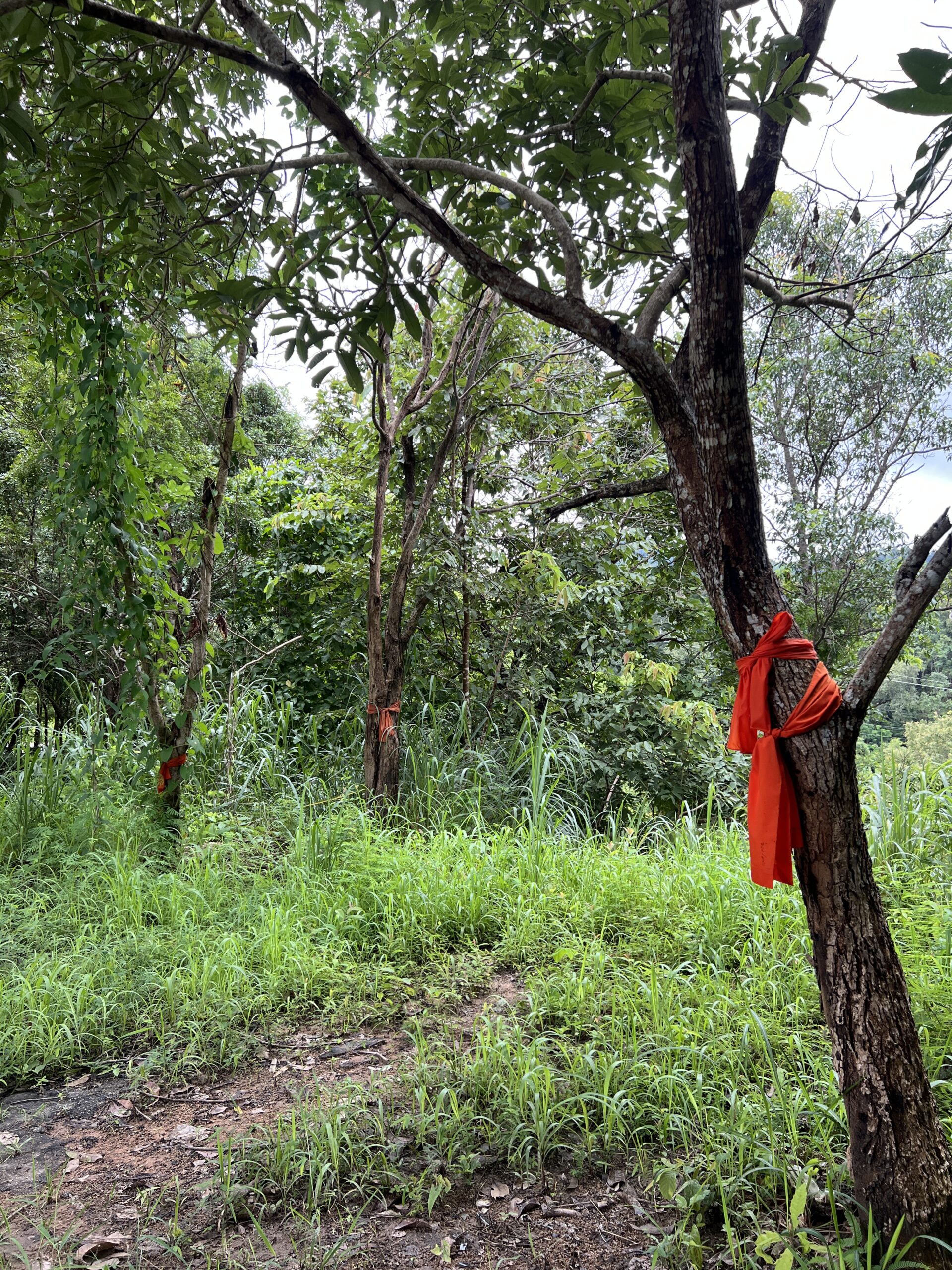
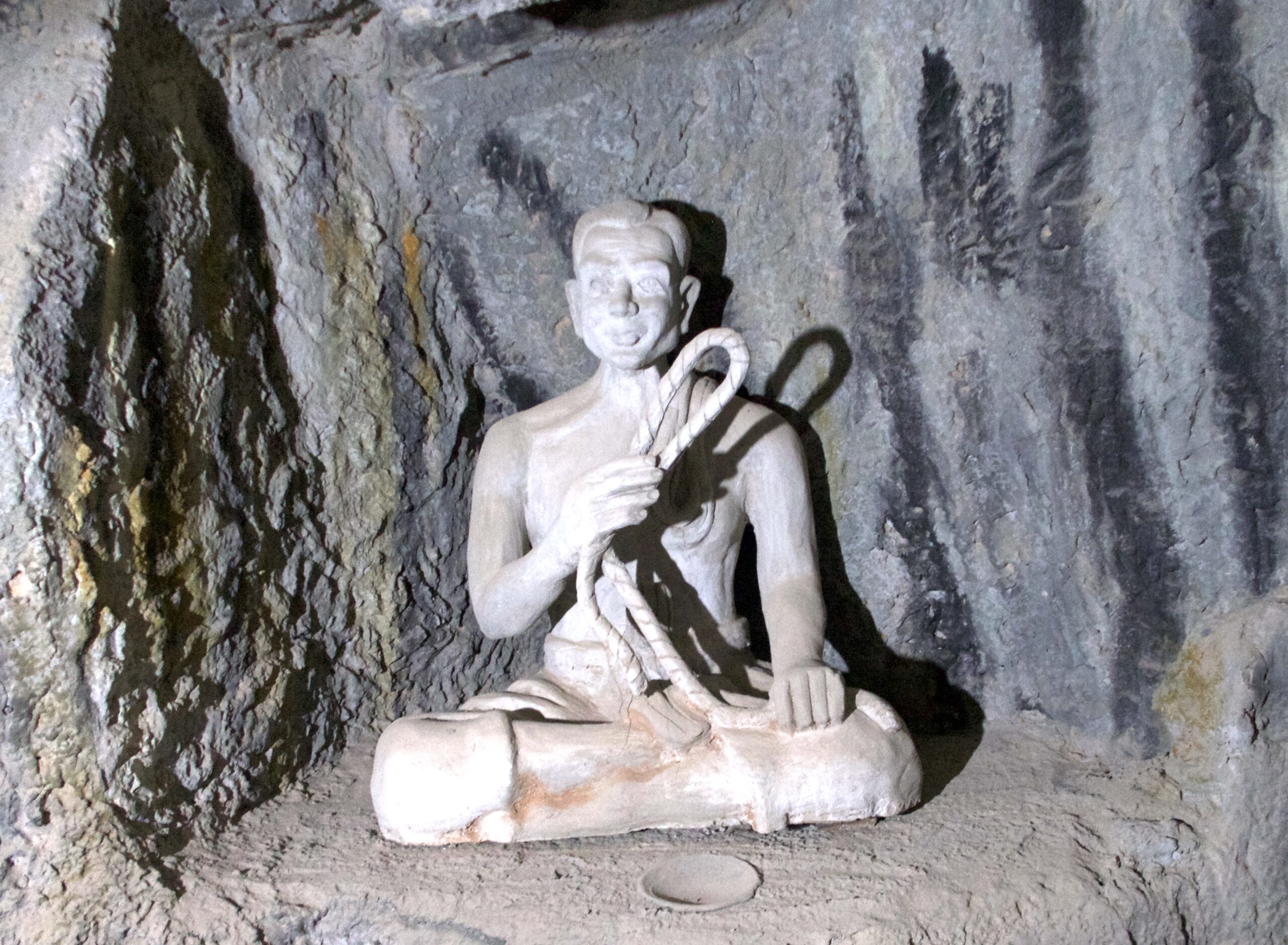
The way of life of the Pga K’nyaw is tied to the forest. The forest is like life itself, and they are especially known for how they manage the forest. Whatever cultural practice there is, it all depends on the forest.
Whether it’s farming or rice cultivation, they grow mixed crops in a way that doesn’t harm nature. And in everything they do, there are beliefs tied into it—those beliefs guide their methods.
If we go into detail, we can start with rotational farming – ‘ku’. Rice is the main occupation in Hin Lad Nai (a Pga K’nyaw village in Chiang Rai). People grow rice to eat, not to sell—just enough for the family. About three rai per family. One family will usually manage seven plots. This is different from permanent farming. Permanent farming repeats on the same land until the soil degrades. Sometimes that requires clearing new land.
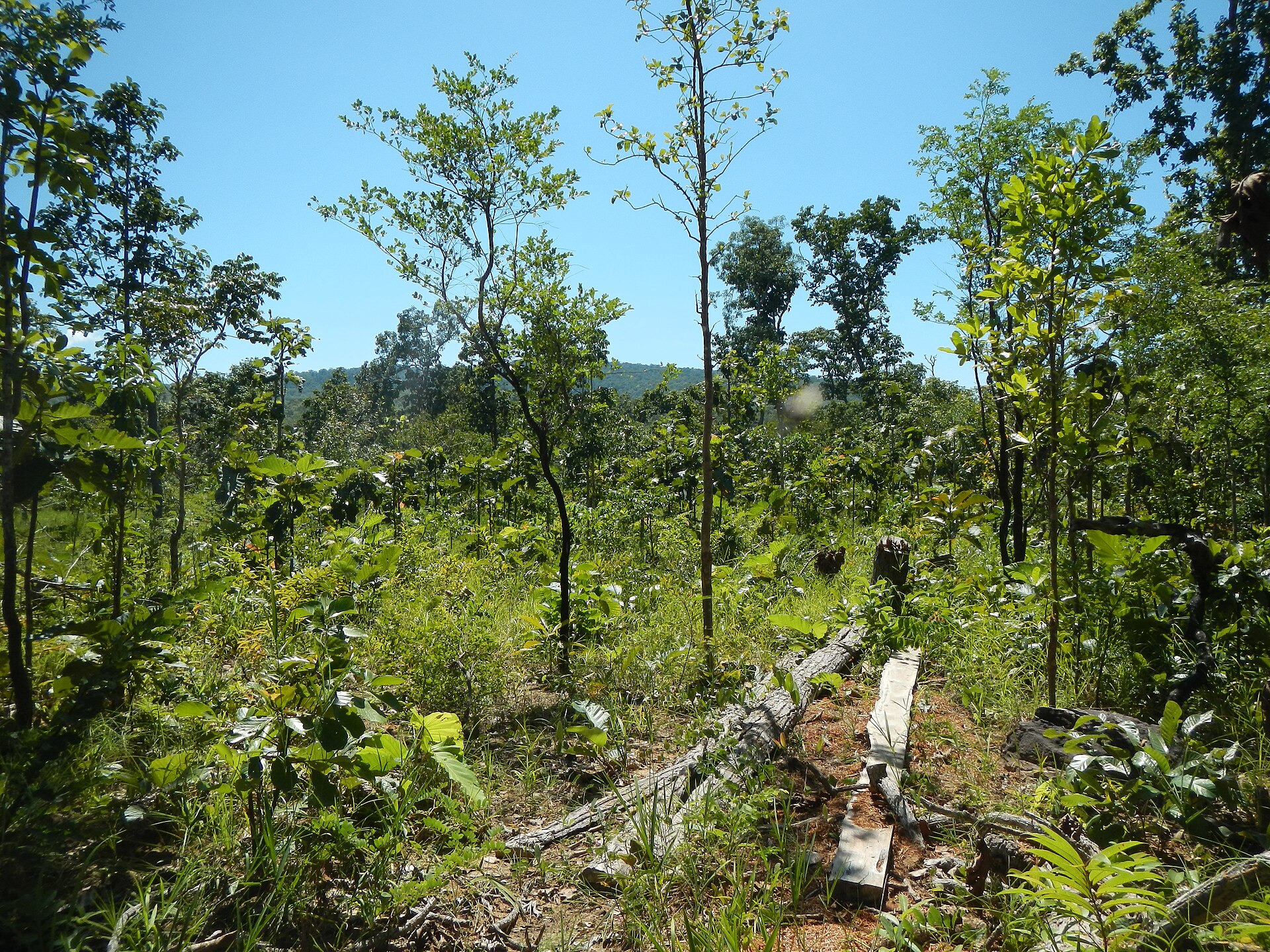
But our system here has lasted for more than a hundred years, on the same land. As you can see, if you walk into the forest, each family manages seven plots, each about three to four rai. In the first year we farm plot one, in the second year plot two, and so on until the seventh year. Then we return to plot one. During the six years in between, that plot rests and the soil recovers.
In the old days, the resting period was ten years, but now that conflicts with Thai law. Officials often see it as “clearing new forest” when in fact it isn’t—it’s returning to old land. So we reduced the cycle to about seven years. In that time, the trees grow tall enough that when we return, it doesn’t look destructive. If it’s less than five years, though, the soil hasn’t recovered yet.
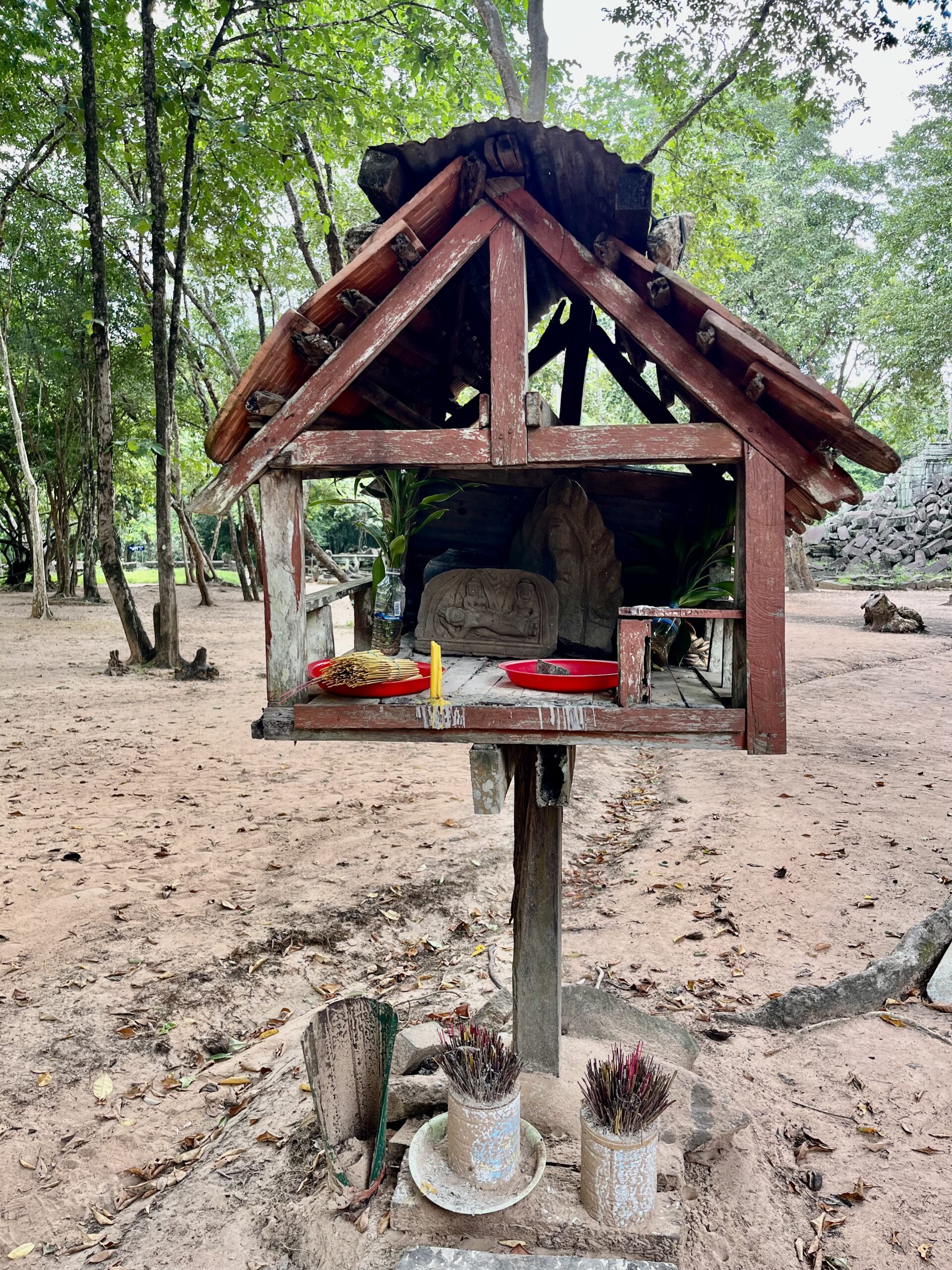
This system means the forest can remain stable for hundreds of years. And it ties in with our culture: before clearing and planting, we never just open new land. It’s always the old land. And before farming, we ask permission from the spirits of nature. We ask the sacred beings for their blessing to use that piece of land this year. There are rituals—sometimes using sticks for divination. If the signs are bad, we can’t use that plot and must find another.
When it comes to burning the field, some people might think it just releases carbon. But actually, in the rotational farming system, only one plot is burned each year, while the other six are regrowing and absorbing carbon. That balances out the emissions. Also, the burning creates ash and charcoal, which enrich the soil. Without burning, we’d need chemical fertilizers and pesticides. After burning, though, the soil produces well.
But burning must be followed by a ritual of apology to the spirits, because in burning we also kill living beings. If we don’t make that offering, misfortunes can happen—family members might fall ill with fevers or sickness.
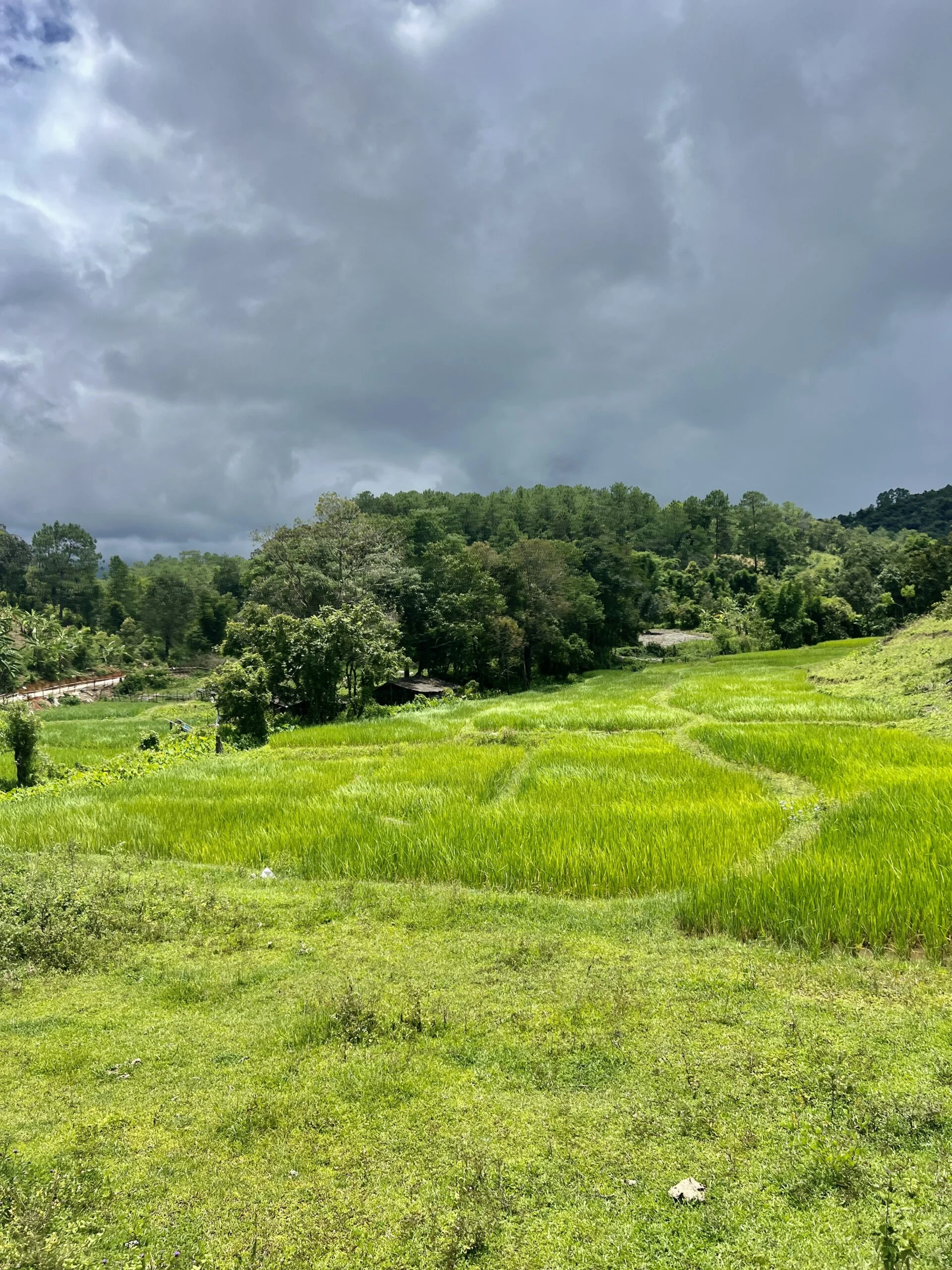
Besides rotational farming, another livelihood is terraced rice paddies. Terraces are built along rivers or in small valleys, usually by the wealthier families in a village. These terraces are also for growing rice to eat, not for sale. Water is diverted into the terraces for cultivation.
The Pga K’nyaw way of life emphasizes the forest above all. Then comes agriculture that is in harmony with nature. Some households also grow tea, coffee, pumpkins, or other crops that are eco-friendly. Tea and coffee especially are grown as cash crops. But overall, they avoid anything that harms the environment.