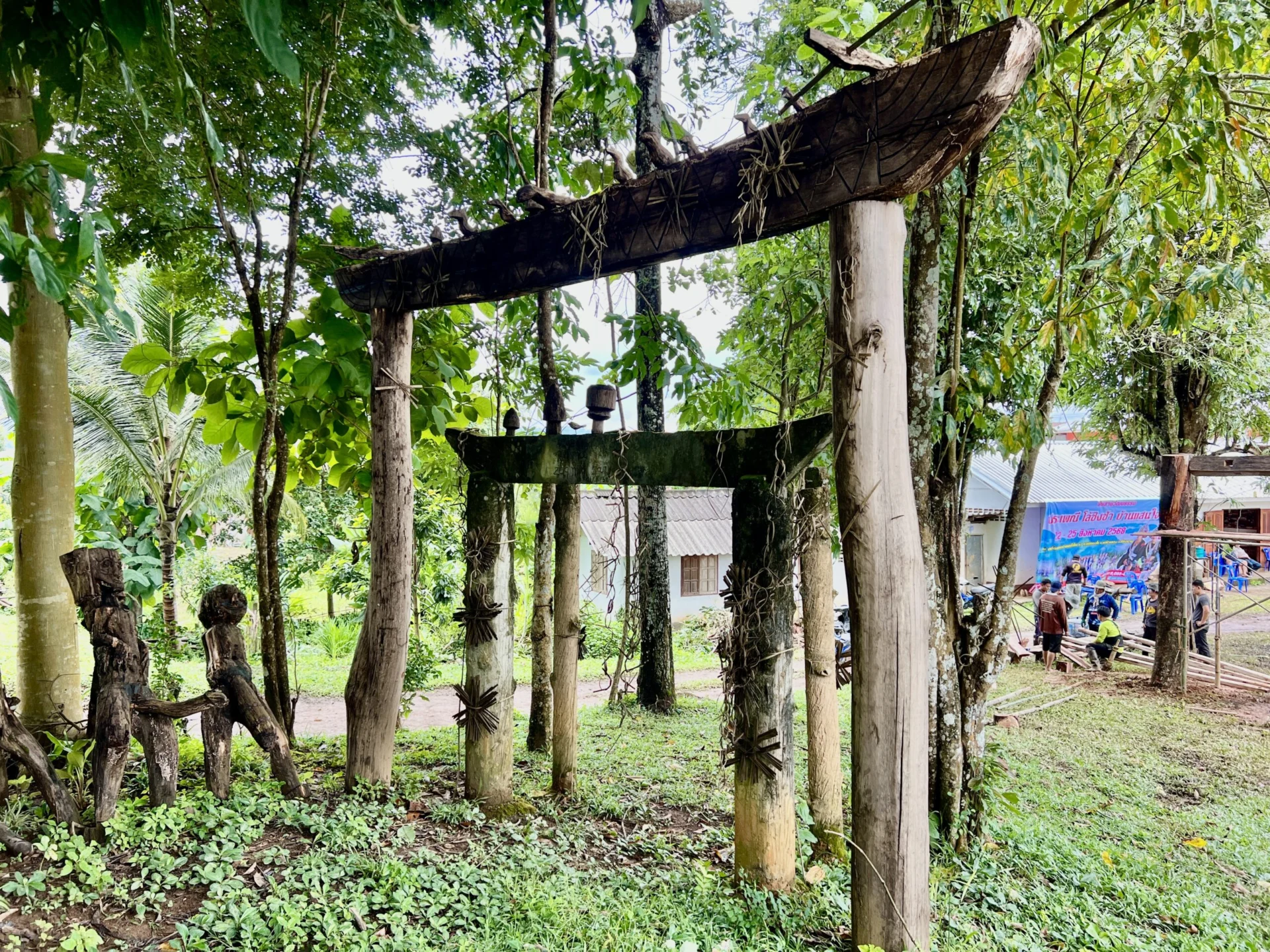
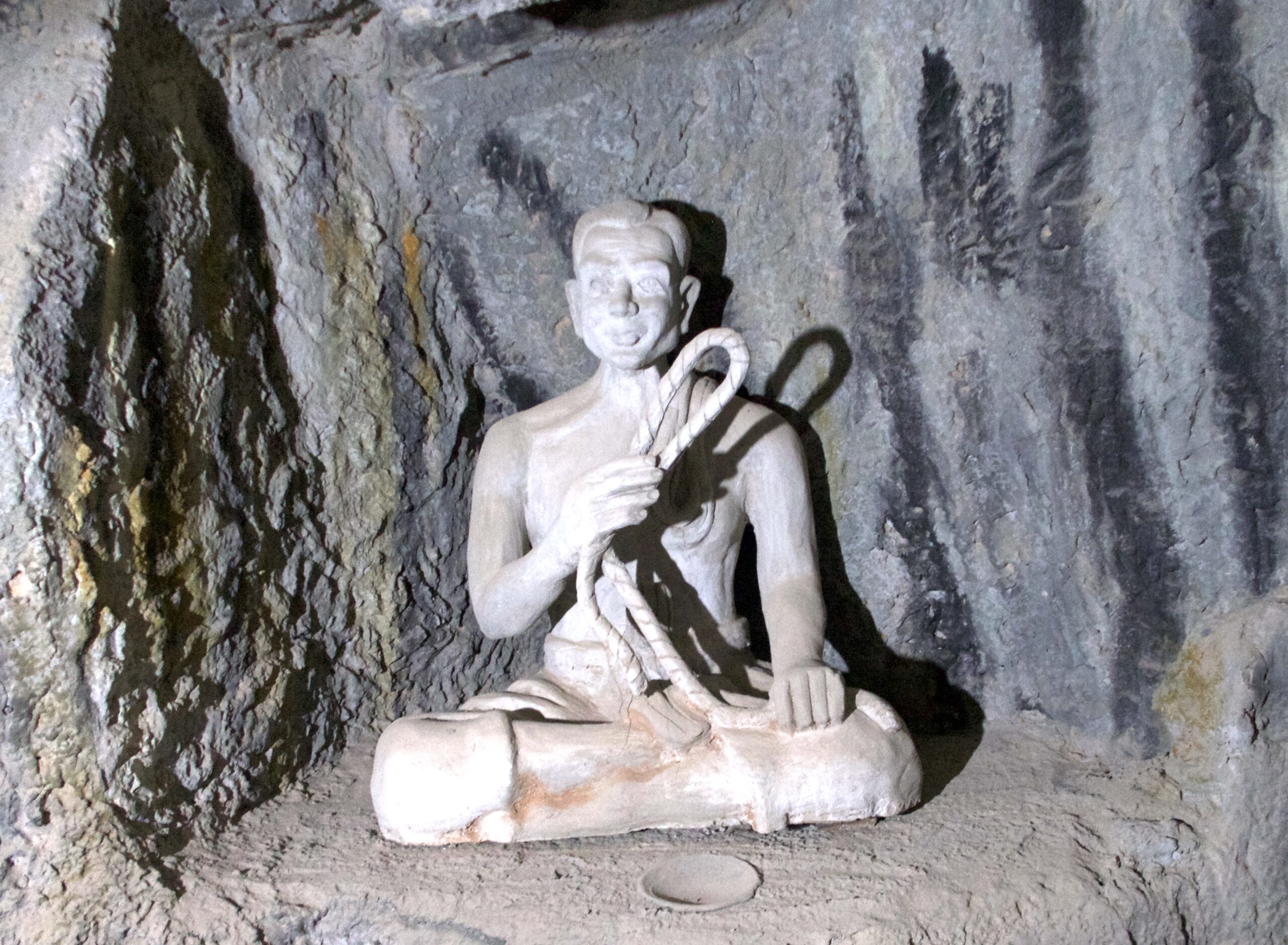
The ‘Lanrkanq’ or village gate (sometimes called a ‘spirit gate’) is considered sacred. It is meant to protect the village from evil forces and block harmful things from entering.
It also functions symbolically: if our descendants go far away—to work in other countries or regions—the gate’s protective spirit ensures their safety and wellbeing, keeping misfortune away.
For example, when we live in the mountains, livestock and farming will flourish if the gate and rituals are properly respected. This belief assures people that their livelihoods will go smoothly.
Among the Akha, bloodlines are traced back through many generations—50 generations of continuity. The village gate is tied to this ancestry and serves as a way to preserve the balance with the forest.
The gate reminds villagers to care for the environment. It’s part of the moral system that prevents people from recklessly cutting down trees or destroying the forest.
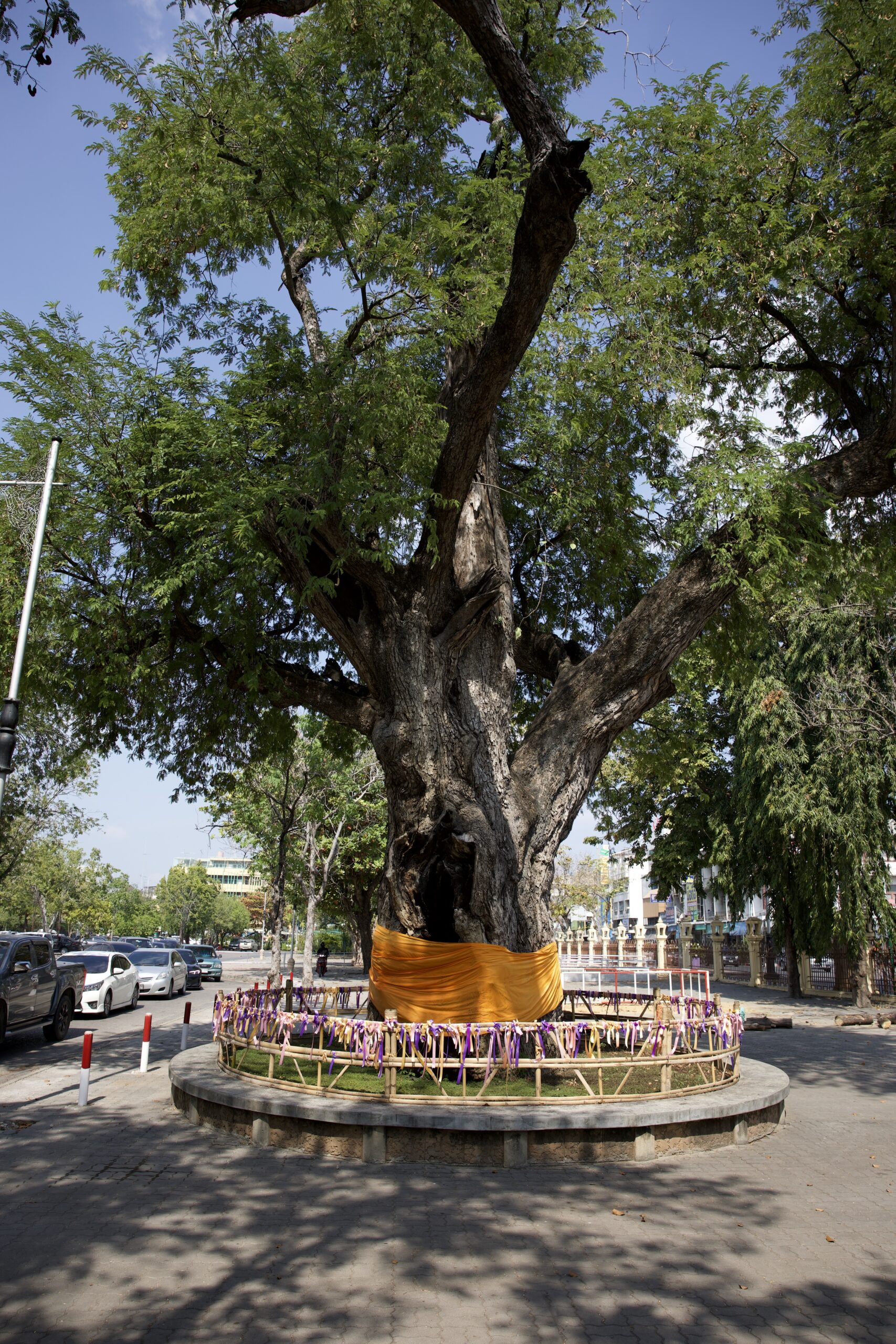
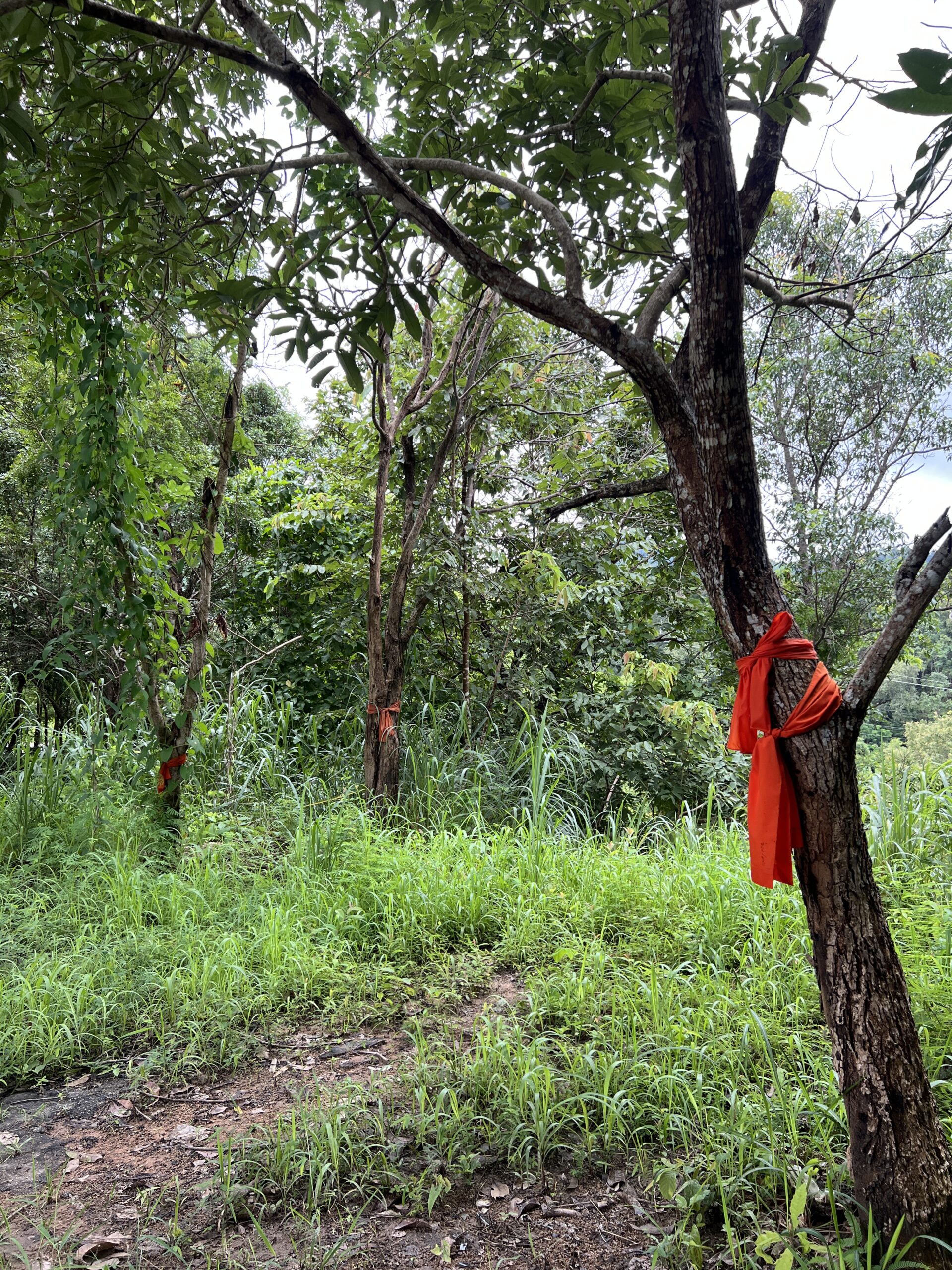
For example: if someone wants to cut down a tree, they cannot just cut it directly. They must first perform a ritual, with elders asking permission from the sacred spirits. Only then can the tree be cut.
The dolls and figures placed at the gate are symbolic stand-ins for humans—they act as guardians to block evil from entering.
Every year, at a fixed time, new dolls are made and the gate is renewed. This is a repeating seasonal ritual that keeps the protection active. The dolls at the gate represent human beings. They are symbolic guardians that keep evil spirits away from the community.
The gate is renewed only once a year, in April. Outside of that period, no one can touch or alter it. If anyone does so without proper rituals, evil spirits can enter the village.
But if rituals are done properly, with elders petitioning the sacred guardians, then forgiveness is granted and the balance is maintained.
In each Akha village, there are usually three main sacred elements:
The village gate
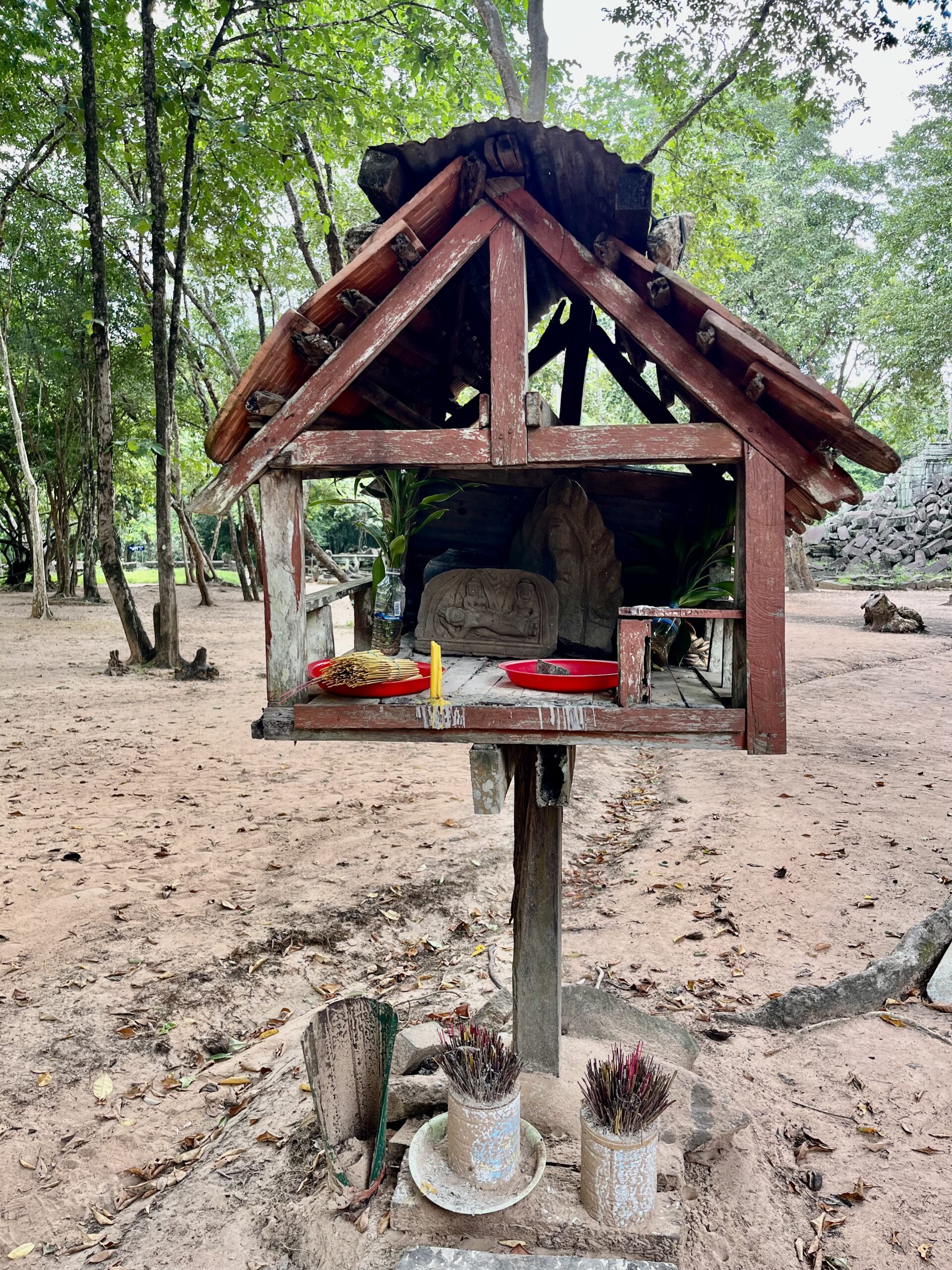
A spirit shrine
A sacred spring or well
Together, these three institutions guard the community and the environment. If someone breaks the rules—such as cutting trees without permission—they will face consequences (bad fortune, illness, or spiritual punishment). This is a moral system that helps conserve the forest.
These three things, along with the community form a structure that ensures people respect the land and do not destroy the forest.
Village gates at Saen Jai Mai (เเสนใจใหม่) village, Chiang Rai, Thailand. Photograph by Alisa Santikarn.
Add to this entry
Related Words
ลงรักปิดทอง/Long Rak Pit Thong
Thai
ลงรักปิดทอง/Long Rak Pit Thong, or ‘lacquering and gilding’, is both a Thai conservation technique and an act of worship and a way of making merit wit...
บวชต้นไม้/buat ton mai, also known as 'tree ordination', is a method of conserving trees in Thailand rooted in Buddhism. The practice emerged as a res...
วัฒนธรรม/Wattanatham (meaning ‘culture’) is one of over one thousand terms coined by Prince Wan Waithayakon. In a 1975 interview, Prince Wan, who atte...
ธรรมชาติ/Thammachat, meaning ‘nature’ in Thai, was a term coined as part of a larger language policy spanning the late-19th and 20th centuries, involv...
This website uses strictly necessary cookies to function. We would also like to use functional and analytical cookies to improve your experience. You can choose to accept or decline.