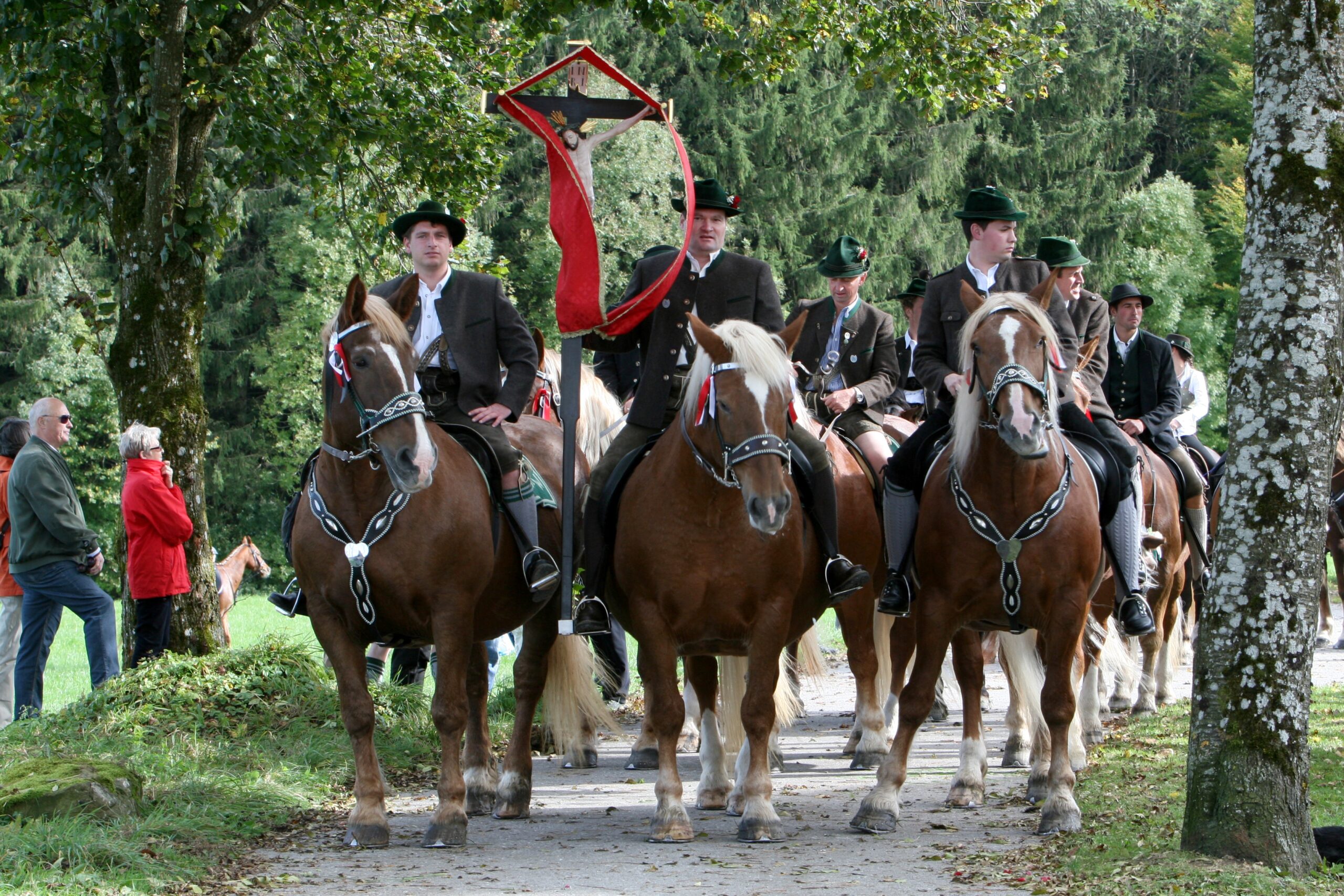
Die Leonhardiritte sind Reiterprozessionen, die zu Ehren des Heiligen Leonhard von Limoges veranstaltet werden. In der römisch-katholischen Kirche gilt der heilige Leonhard als Schutzpatron der Nutztiere und Pferde. Er wird gewöhnlich mit einer Kette, einem Hufeisen und Tierfiguren dargestellt. An dem ihm gewidmeten Festtag, dem 6. November, ziehen zahlreiche Gruppen und auch einzelne Reiter, wie Andrea Legat auf Pferdekutschen oder direkt zu Pferd, dreimal um die Kirche, bevor die Pferde gesegnet werden. Die Reiterinnen und Reiter tragen alle die regionale Tracht und die Pferde sind festlich geschmückt. Die Teilnehmer erhalten ein geweihtes Stück Brot, das so genannte Leonhardibrot. Begleitet wird die Prozession von Reitern und Kutschen, Musikkapellen, Vertretern von Kirche und Stadt sowie Kreuz- und Fahnenträgern. Auf die Segnung der Pferde folgen oft ein Gottesdienst und Reiterspiele. Bei diesen Spielen messen sich die Teilnehmer in verschiedenen mittelalterlichen Disziplinen auf dem Pferderücken. Unter anderem versuchen die Reiter, im Galopp ein Fass mit einem Spieß zu zerschlagen, einen Baumstamm zu ziehen oder ein Galopprennen zu veranstalten. Heute hat der Brauch seine Bedeutung verloren, da die Landwirtschaft zu Beginn des zwanzigsten Jahrhunderts mechanisiert wurde.
Processions on horseback held in honor of Saint Leonard of Limoges, the patron saint of farm animals and horses in the Roman Catholic tradition. Saint Leonard is usually depicted with a chain, a horseshoe, and in the company of animals. On the feast day dedicated to him, November 6, several groups as well as individual riders (including Andrea Legat) parade around a church three times either in horse-drawn carriages or on horseback, after which the horses are blessed. The riders all wear the regional Tracht, a form of traditional clothing, while the horses are decorated. Participants receive a piece of consecrated bread, the so-called Leonhardibrot. The procession is accompanied by horsemen and carriages, bands, and representatives of the church and town, as well as cross and flag bearers. The blessing of the horses is often followed by a church service and riding games, which see participants compete in various medieval disciplines on horseback. These involve, among other things, smashing a barrel with a spike while galloping, pulling up a tree trunk, or simply racing. Today, however, the custom has lost its significance as a result of the mechanization of agriculture at the beginning of the twentieth century.

Since 2023, I have developed the concept of "conservation washing", which exploits the vulnerability of heritage and art to argue against the relocati...
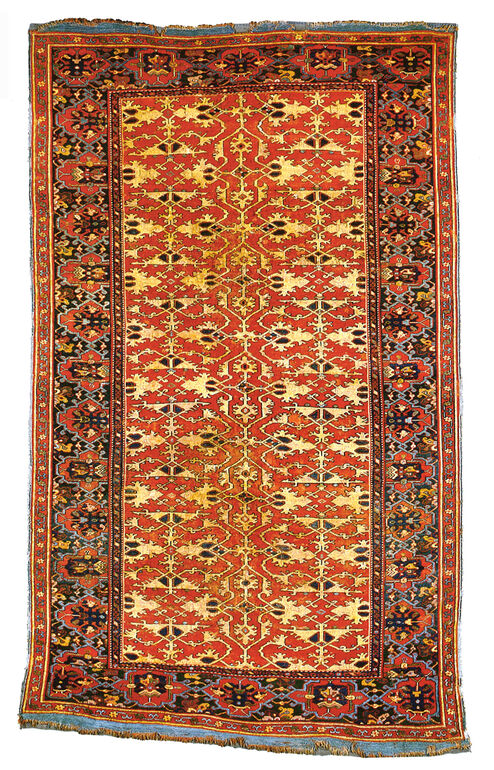
Als Lotto-Teppiche werden geknüpfte Wollteppiche bezeichnet, deren typisches Muster aus gelben, geometrisierten Ranken auf rotem Grund besteht. Sie wu...
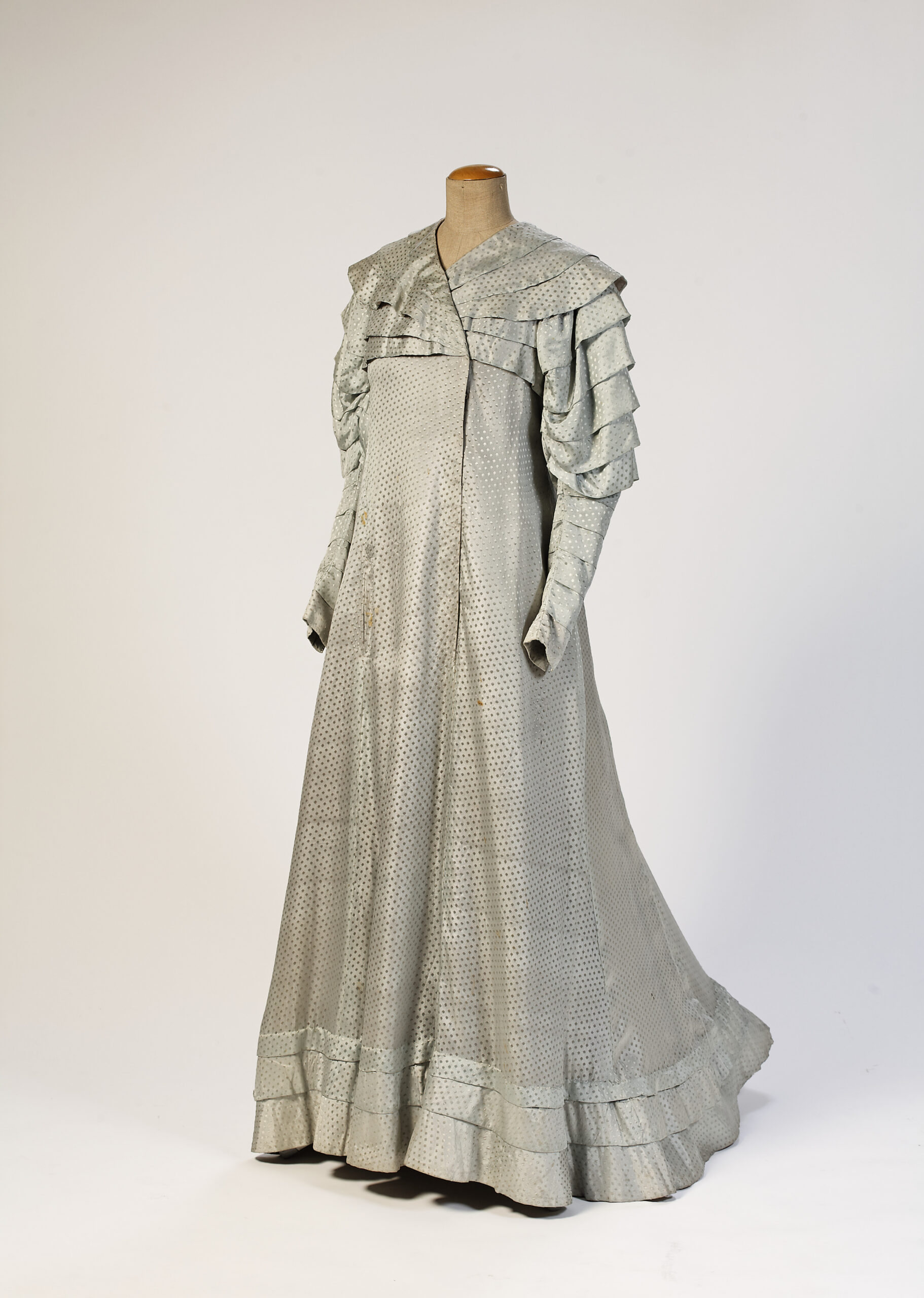
Als Reformkleid wird ein Kleid bezeichnet, das lose von den Schultern herabhängt, bequem weite Ärmel hat und ohne Korsett getragen werden sollte. Vora...
In the heritage sector, Restorative Justice encompasses improving conservation conditions while collections are held in Western institutions and conne...
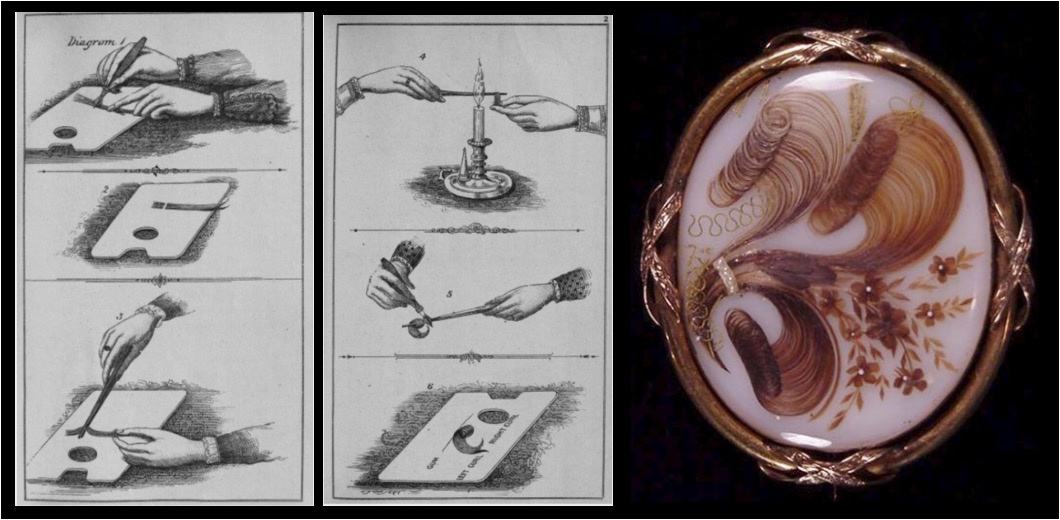
Masticated work, sometimes called cut work or sepia work, is a hairwork technique in which hair is finely chopped or ground into a powder, mixed with ...
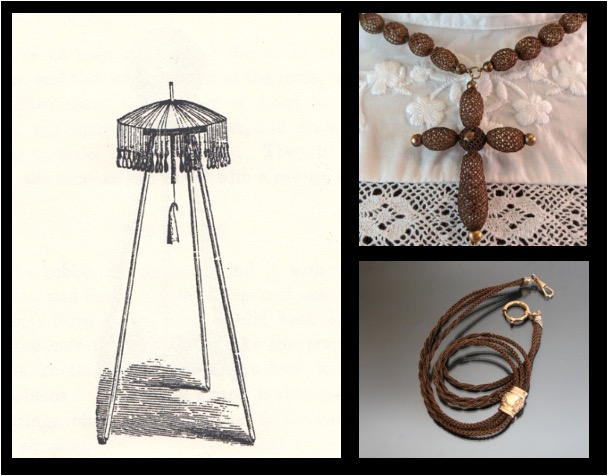
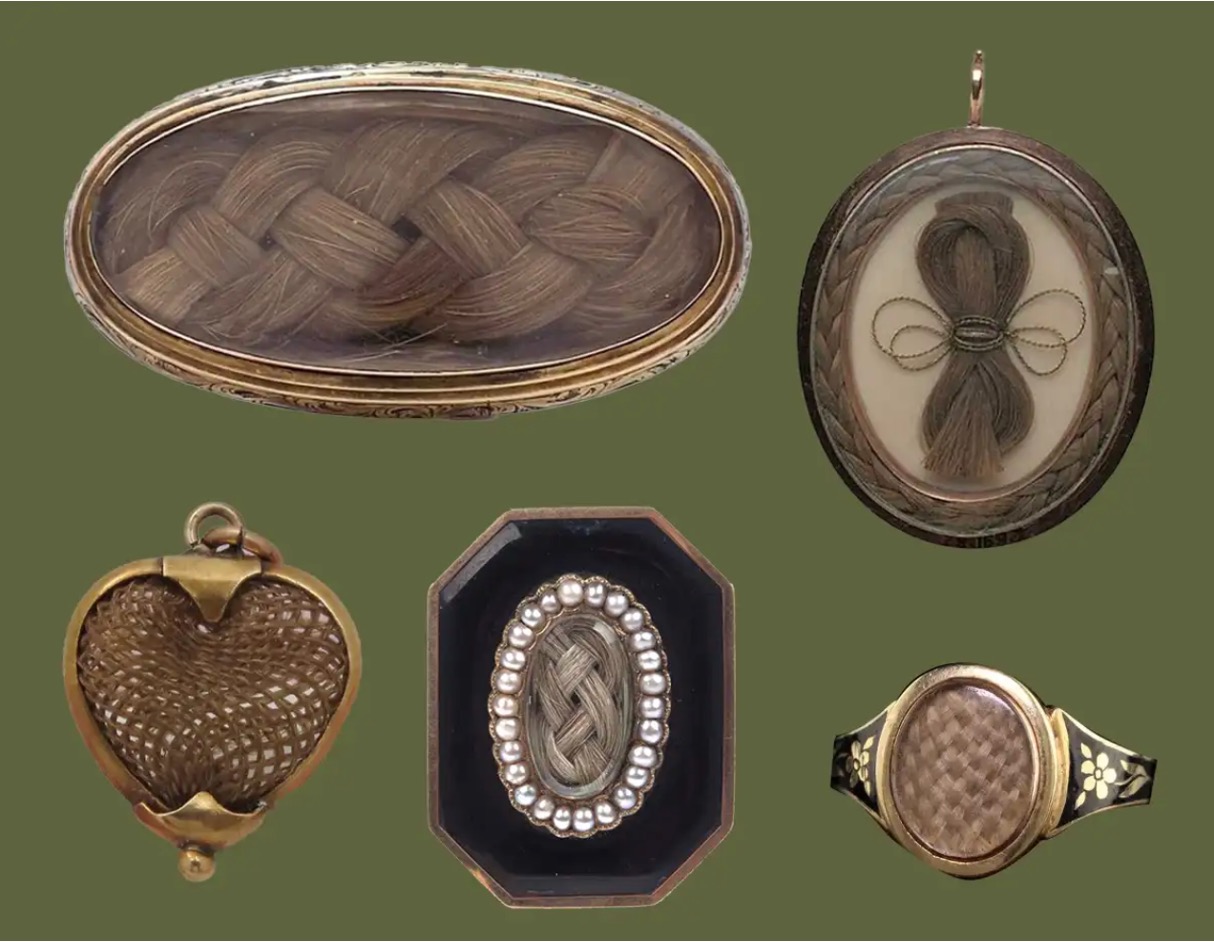
Table work refers to a wide range of hairwork techniques that involve braiding and weaving hair into a jewelry. The name comes from the apparatus at t...
Palette work is a hairwork technique that involves flattening a lock of hair onto a piece of glass, covering it with gum tragacanth (sometimes referre...
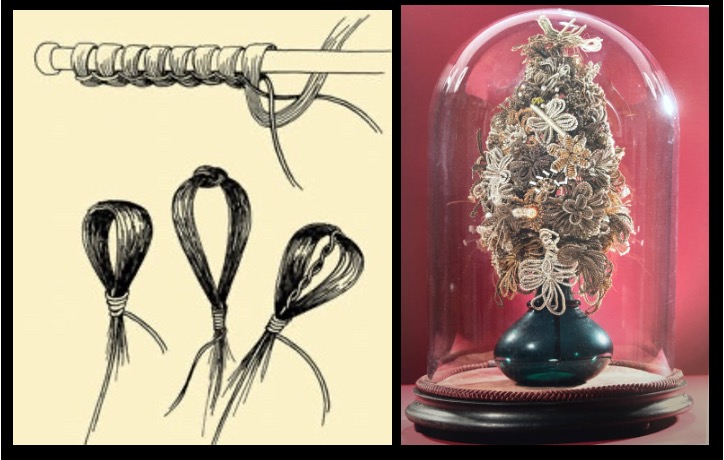
Gimp work (sometimes called wire work) refers to an extremely intricate form of hairwork that involves looping strands of hair around a pin or wire to...
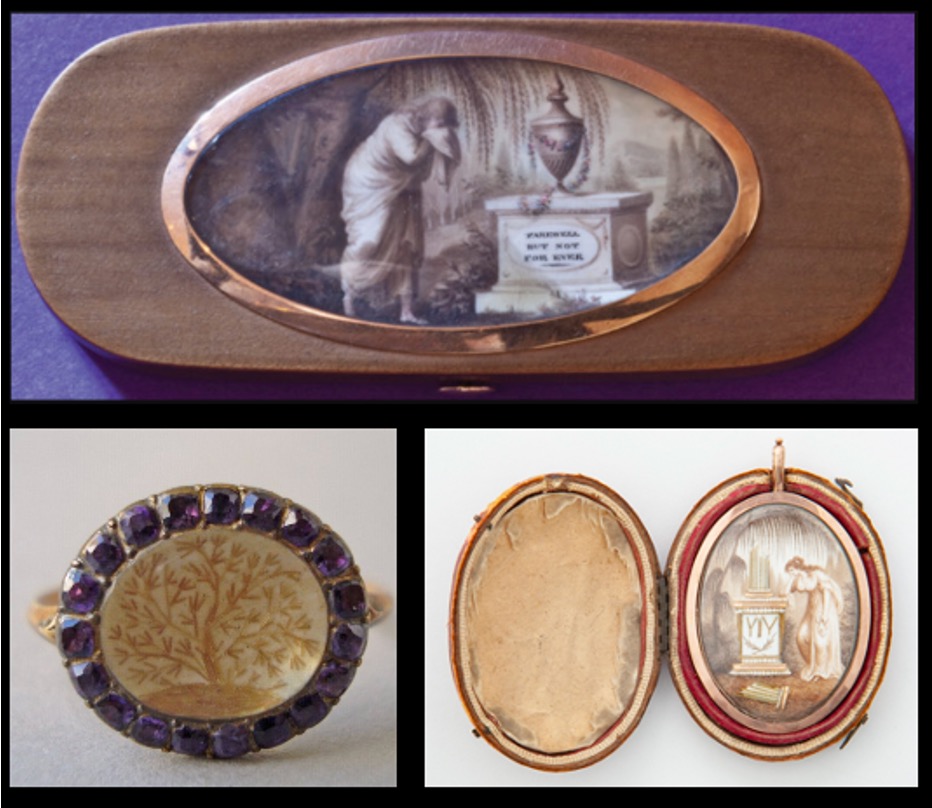
Hairwork refers to the long and varied tradition of crafting objects, images, and keepsakes from the hair of loved ones. While the practice is now mos...
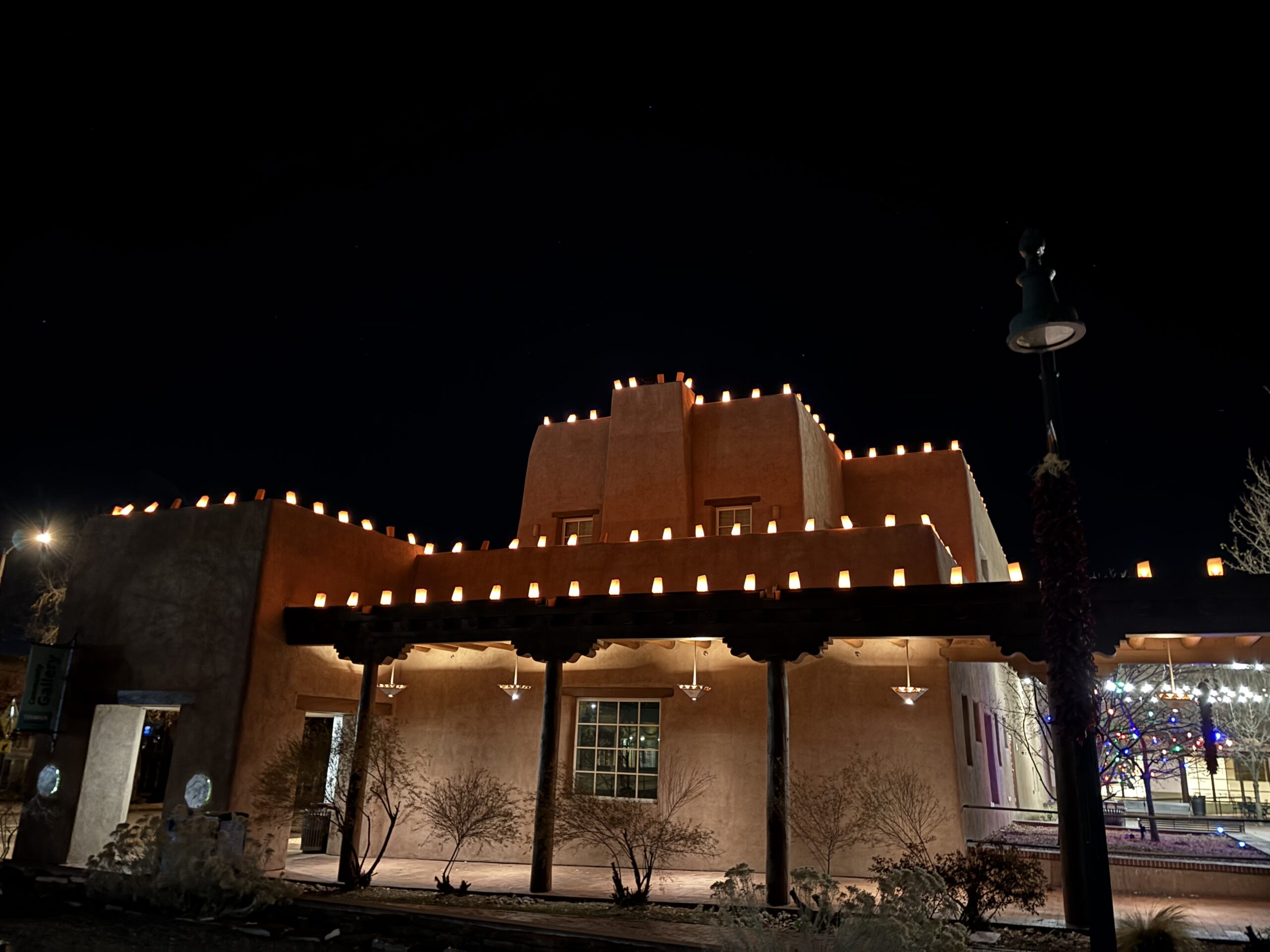
Luminarias are a type of paper lantern used to decorate backyards, walkways, and roofs (particularly on flat, adobe-style buildings) in New Mexico and...
This website uses strictly necessary cookies to function. We would also like to use functional and analytical cookies to improve your experience. You can choose to accept or decline.