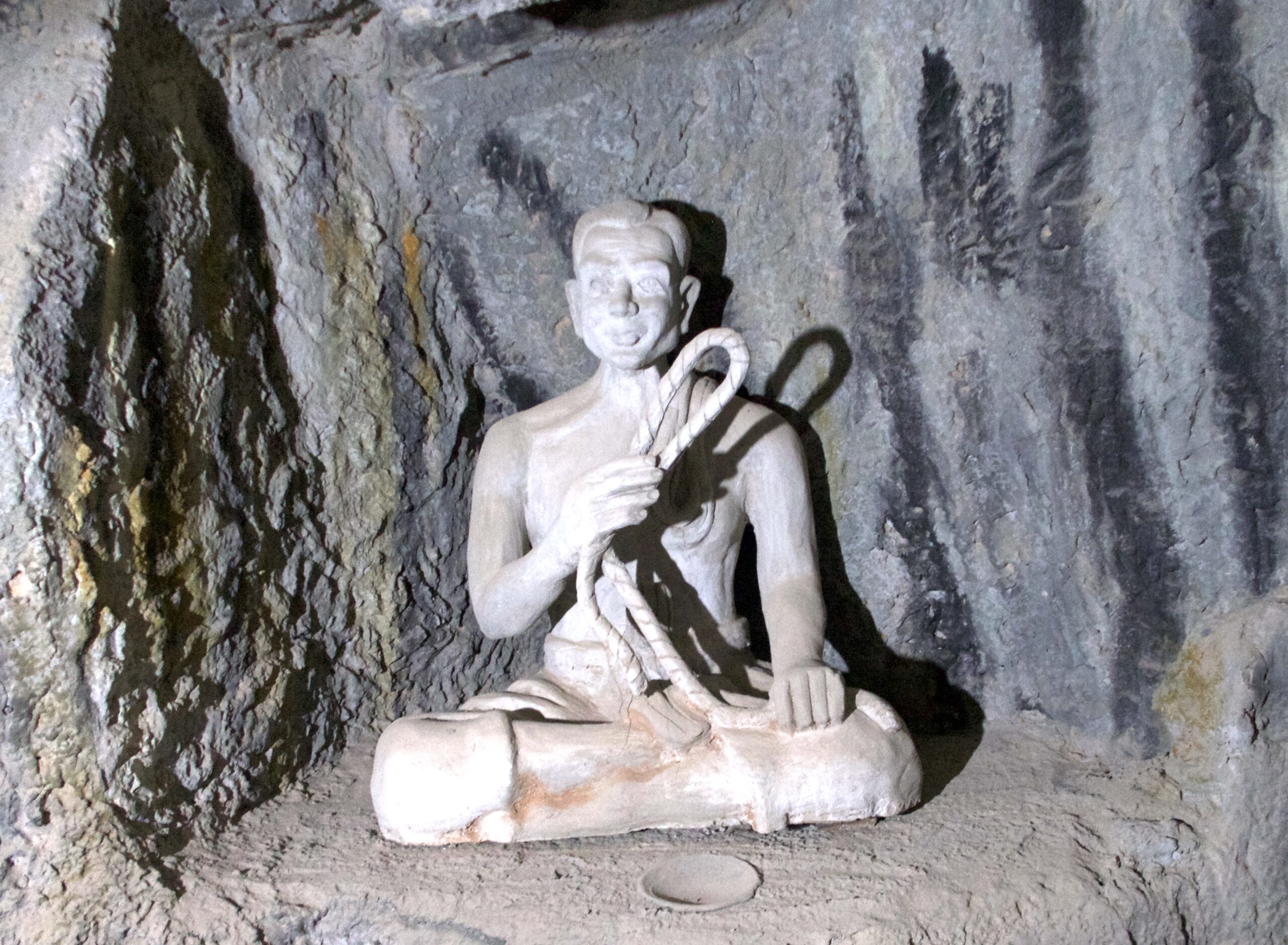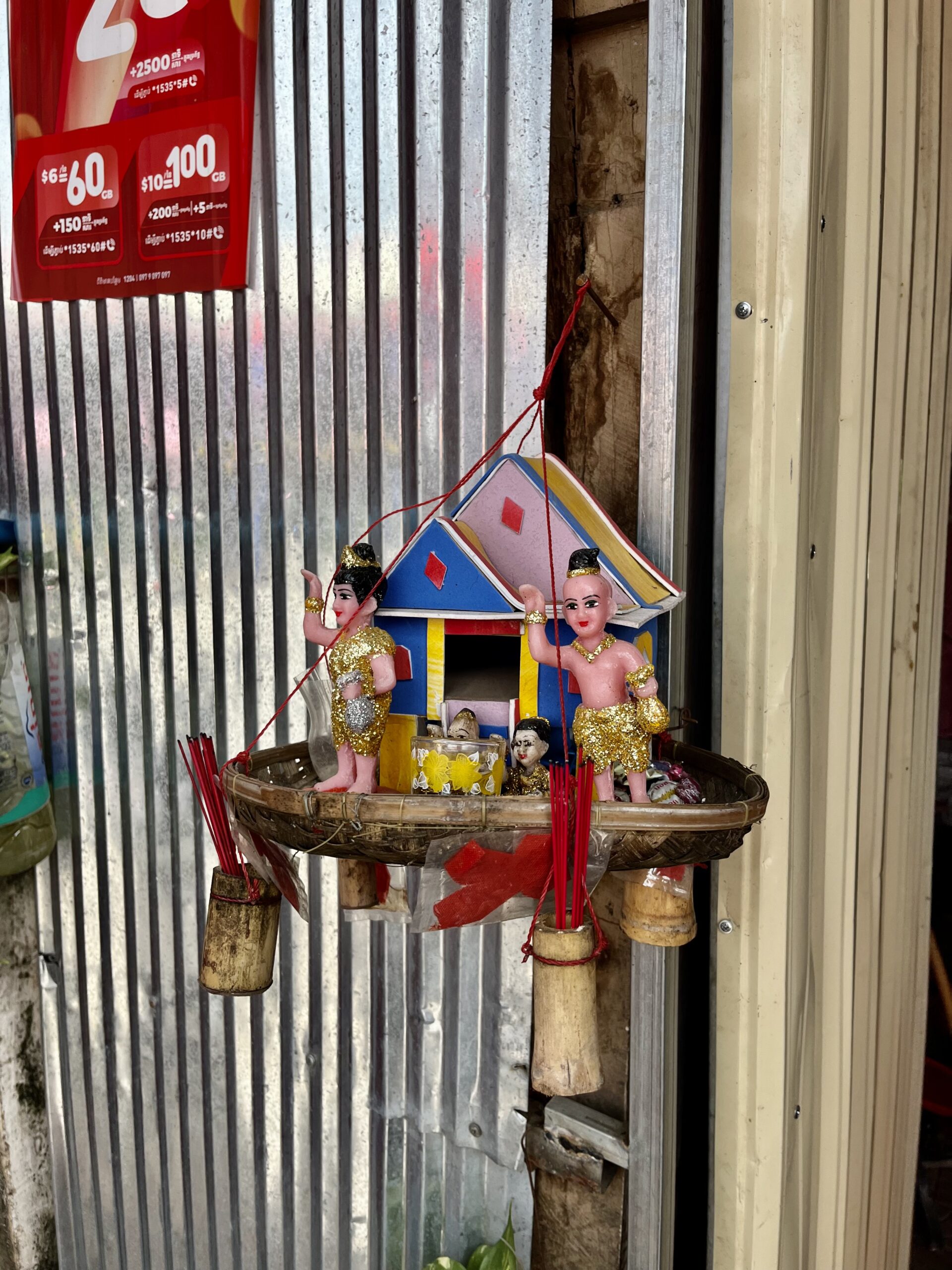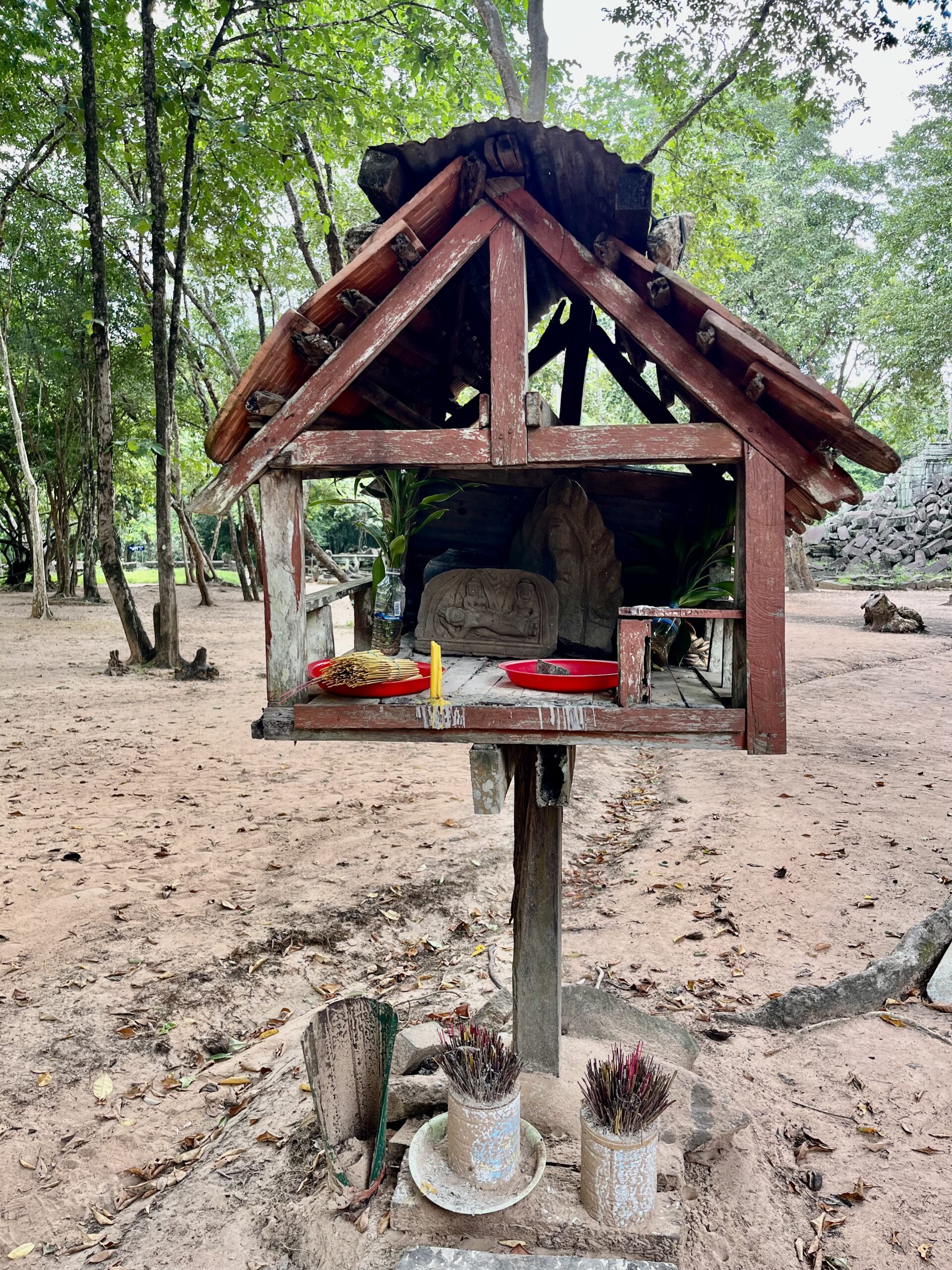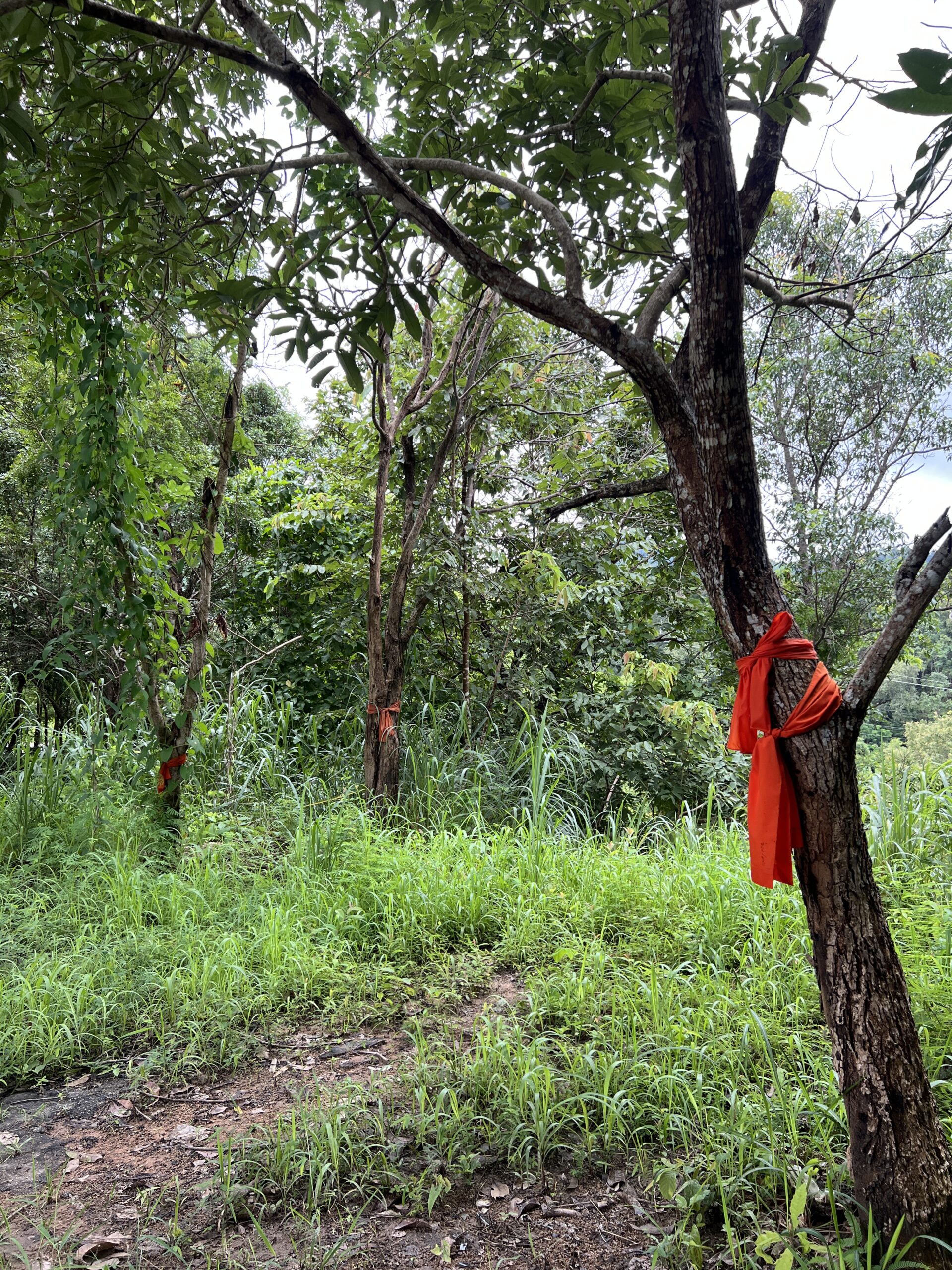
Pakam (in the Kui language) or Phi Pakam (in Thai) is a cultural belief found exclusively among the Kui elephant keepers, also known as Kui Achiang. It refers to the spirits of the Kui ancestors who were masters or experts in elephant capturing and training and have since passed away. These spirits are believed to remain aware of the living, continuing to demand respect and veneration, while also watching over and protecting their descendants from above.
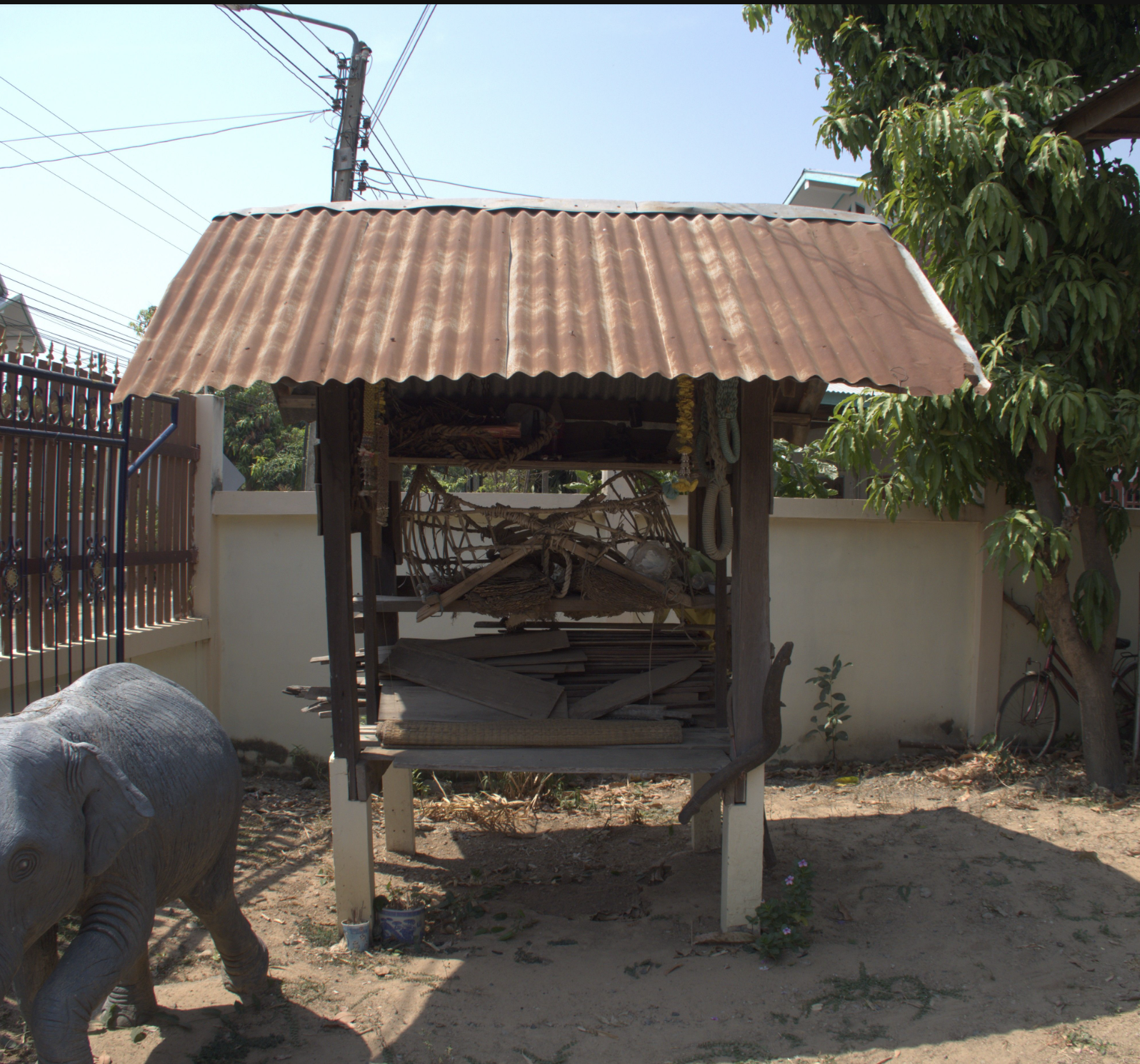
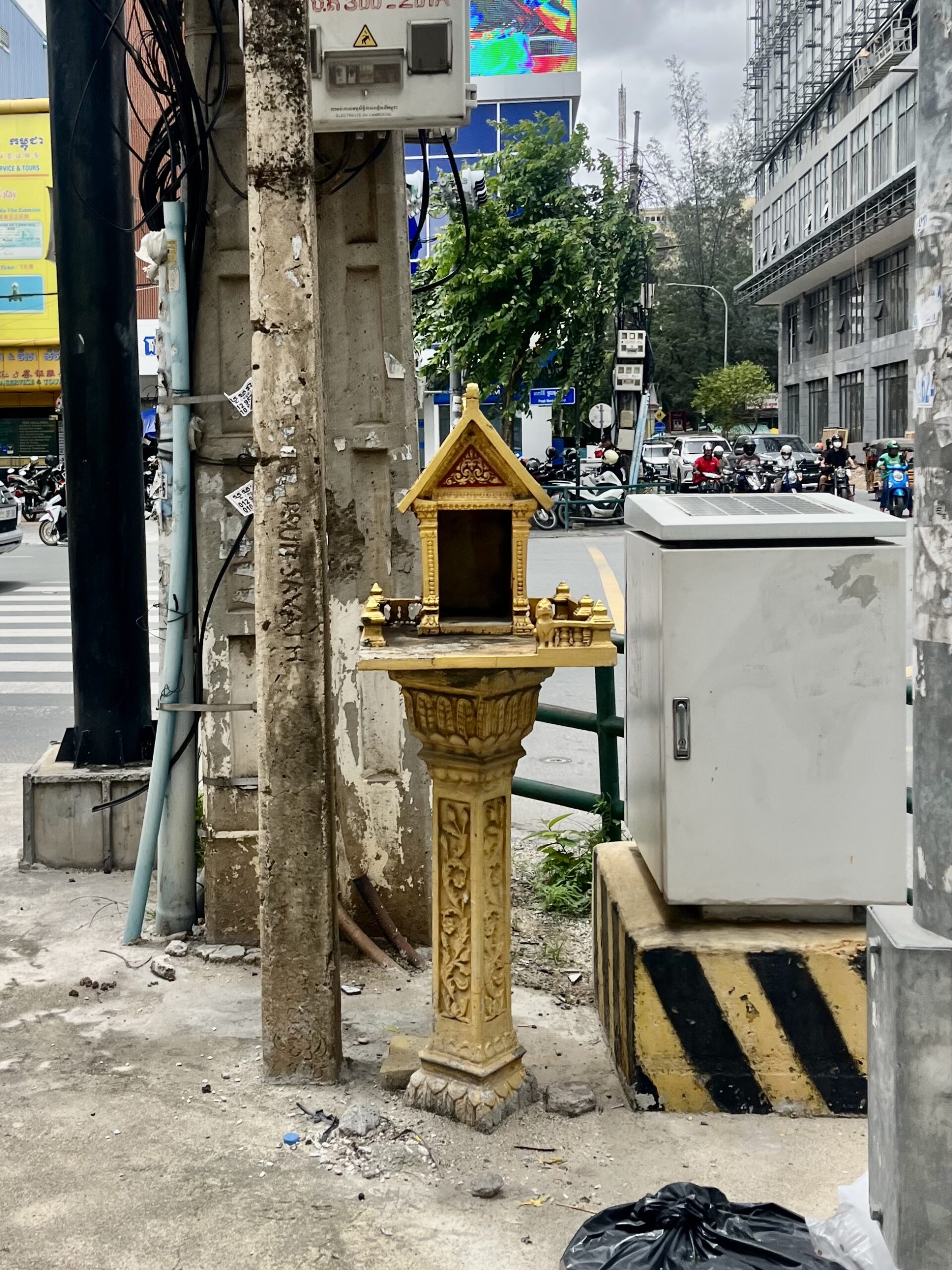
Descendants of Kui elephant keepers who uphold the Pakam tradition usually have a Pakam shrine (called saan Pakam) placed in front of their homes. This shrine is personal but may be shared and used by future generations. Offerings and rituals at the shrine are performed especially during important events — such as marriage (called “Sat Te”/ซัดเต among the Kui Achiang), moving into a new house, or when facing serious difficulties that cannot be resolved through ordinary means. In such times, they may seek help from the Pakam spirits as a spiritual refuge.
Even if a family no longer keeps elephants, the Pakam belief must still be preserved and passed down. Violating the taboos or sacred rules of Pakam may bring misfortune or harm in some form. Because of this, Kui Achiang people often regard Pakam as even more important than ancestral spirits in some cases. Outsiders or those who are not direct descendants are not allowed to make offerings to these spirits.